Our verdict
今 occupies a discreet address in Kyoto's 605-0074 postal district, placing it within reach of the city's most concentrated pocket of serious dining. With no public booking infrastructure and minimal online presence, securing a seat requires the kind of advance planning that defines Kyoto's most selective restaurant tier. Approach this as you would any reservation-first, counter-culture dining experience in Japan.

Pearl is the En Primeur Club membership app, where members save venues, book tables and use the concierge.
The menu
What to order
- Hamo Fish in Cool Broth
- Soba
Kyoto's Selective Tier and Where 今 Sits Within It
Kyoto's fine dining geography has always operated differently from Tokyo's. Where Tokyo concentrates its highest-end restaurants across several distinct neighbourhoods, Kyoto's most serious tables cluster within a few compact zones defined by temple proximity, machiya architecture, and long-established supplier relationships. The 605 postal district, which covers parts of Higashiyama-ku including the lanes around Gion and Yasaka, is home to a higher density of reservation-required dining than almost any comparable area in Japan. Restaurants in this zone do not compete for walk-in traffic. They compete, quietly, for the attention of guests who plan months in advance and understand that a booking confirmation is the product, not just a step toward it.
今 sits inside this framework. With no public phone listing, no website, and no listed booking method, the restaurant operates at the far end of the access spectrum even by Kyoto standards. This is not unusual in a city where some of the most respected kaiseki houses have maintained intentional invisibility for decades, relying on referral networks, hotel concierge relationships, and in some cases personal introduction from existing guests. The absence of a public-facing profile is itself a positioning signal.
The Booking Reality: What Access Actually Looks Like
The editorial angle here is logistical, because for 今, logistics are the story. Kyoto's upper dining tier has, over the past decade, bifurcated sharply between restaurants that have adopted digital booking infrastructure and those that have not. The former cohort, which includes properties like Kikunoi Honten and Hyotei, allows international visitors to self-book through third-party platforms or direct online reservations. The latter, including 今, requires a different approach entirely.
For visitors without an existing relationship with the restaurant, the most reliable access route runs through a luxury hotel concierge in Kyoto. Properties in the city that operate at the upper end of the market maintain active relationships with restaurants that do not accept direct public bookings, and the concierge channel can function as an informal introduction system. This is not guaranteed, and lead times of four to eight weeks are not excessive for the Higashiyama corridor during peak season. Cherry blossom season in late March and early April, and the autumn foliage window in November, are the two periods when competition for tables across the entire district intensifies most sharply. Arriving in Kyoto with a confirmed booking for a restaurant of this type during those windows requires planning that begins well before the trip itself.
Guests who have navigated similar access challenges at restaurants like Gion Sasaki or Mizai will recognise the pattern. The difficulty of the booking is not an obstacle to be complained about; it is part of the selection mechanism that defines these tables. Guests arrive already invested, already oriented, and that baseline shifts the experience before anyone has been seated.
Higashiyama Context: The Neighbourhood as Frame
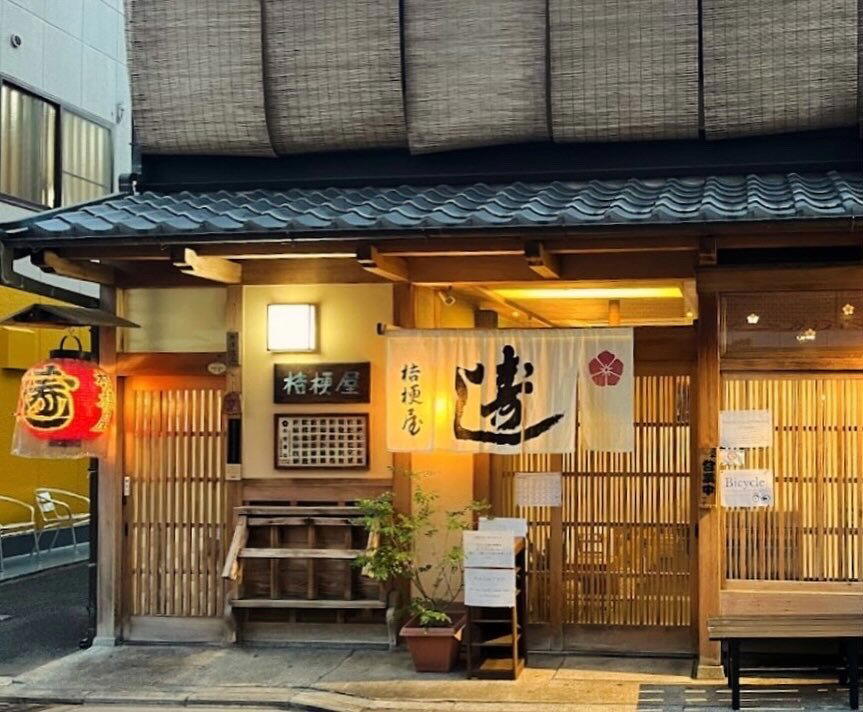
The 605-0074 address places 今 in a neighbourhood that rewards the kind of careful, on-foot approach that Kyoto's historic east side demands. Higashiyama-ku is not a dining district in the way that Gion's main drag can appear to be; it is a residential and temple zone where commercial activity runs at a quieter register. The lanes that connect Yasaka Shrine to Kiyomizu-dera contain tourist-facing shops and tea houses at street level, but the serious dining in this zone sits back from that traffic, often unmarked or identified only by a small noren curtain.
The physical approach to restaurants in this postcode tends to set a particular tone. Stone-paved alleys, machiya shopfronts with narrow facades, and an absence of signage that would read at walking pace all create an environment where arriving requires some degree of prior knowledge. In this context, the act of finding the restaurant is itself a signal that the guest has done the work. That architecture of arrival is consistent across the most selective tier of Kyoto dining, from the Gion district to the quieter streets near Okazaki.
This neighbourhood character is worth considering alongside the restaurant itself. Kyoto's dining culture has always been inseparable from its spatial culture. The kaiseki tradition, which reached its formal peak in this city and remains most legible here, was designed to express seasonality and place simultaneously. Even restaurants that do not present a strictly kaiseki format absorb some of that spatial logic. Isshisoden Nakamura, one of the older establishments in Kyoto's Japanese fine dining tier, illustrates how deeply place and format are intertwined in this city.
Positioning Against the Broader Japan Circuit
Travellers who approach Japan dining as a multi-city itinerary will find that 今's Kyoto address places it on a natural circuit with restaurants in adjacent cities. HAJIME in Osaka, a forty-minute train ride south, represents a different formal register, with its French-influenced tasting format offering a point of contrast to Kyoto's predominantly Japanese fine dining character. In Nara, akordu applies a European lens to regional produce. Goh in Fukuoka extends the kaiseki-adjacent tradition further southwest. Each of these tables operates with its own access logic, and planning them as a sequence requires the same advance discipline that 今 demands individually.
Tokyo comparisons are less immediate but worth noting for guests calibrating expectations. Harutaka in Tokyo operates in a counter-format with similarly constrained access, and the comparison illustrates how Japan's top-tier dining, across formats and cities, consistently treats booking difficulty as a structural feature rather than an operational failure. The same pattern appears at Michelin-starred counters across the country, including some of the destinations in less-trafficked prefectures: 一本杉川島 in Nanao, 夢幻山乃 in Sapporo, and 湖畔荘 in Takashima each represent the regional variation of this same selective tier model.
For international guests accustomed to the transparency of platforms like Resy or the structured tasting formats of Le Bernardin or Atomix in New York, the Kyoto model requires a different set of expectations. The opacity is not a deficiency; it reflects a different theory of what a reservation is for. See also our full Kyoto restaurants guide for broader context on how the city's dining tiers are organised.
Know Before You Go
Address: 京都市, 京都府, 605-0074 (Higashiyama-ku, Kyoto)
Phone: Not publicly listed
Website: Not publicly listed
Booking method: No direct public booking system. Approach via luxury hotel concierge in Kyoto or personal introduction. Lead times of four to eight weeks are advisable for most travel windows; extend to ten to twelve weeks for cherry blossom season (late March to early April) and autumn foliage season (November).
Price range: Not publicly listed
Awards: No publicly verified award data at time of publication
Nearest context: Higashiyama-ku, within walking distance of Gion and Yasaka Shrine
Frequently asked questions
What do people recommend at 今?
Given the restaurant's address in Kyoto's Higashiyama-ku, a district defined by its proximity to the kaiseki tradition, the format is likely to reflect seasonal Japanese cuisine in some form. For guests seeking confirmed menu detail, the concierge or introduction contact used to secure the booking is the appropriate source. Comparable Kyoto addresses with verified menus include Kikunoi Honten and Gion Sasaki, which operate kaiseki formats with publicly documented seasonal structures.
Should I book 今 in advance?
Yes, and the lead time required depends directly on when you plan to visit Kyoto. The restaurant has no public booking channel, which means the work of securing a table falls to a hotel concierge, a personal connection, or a specialist travel service. Kyoto's peak seasons, particularly the sakura and koyo windows, compress available tables across the entire upper dining tier simultaneously. Guests who have booked Michelin-level tables in cities like Osaka or Tokyo through similar channels will understand that the process here is comparable, but the city's international profile means competition from visitors is layered on top of a local guest base that already has established access. Plan as early as your travel dates allow.
Is 今 suitable for first-time visitors to Kyoto's fine dining scene?
The restaurant's lack of public-facing information, including no website, no phone number, and no listed booking system, places it in a tier that requires prior experience with Japan's introduction-based dining culture or access to a concierge who can mediate that process. First-time visitors to Kyoto who want to engage with the city's formal dining tradition may find it more productive to begin with a restaurant that has established international booking infrastructure, such as Hyotei or Mizai, before attempting access to a table of this type. The 605-0074 postcode is among the most competitive dining zones in Japan, and arriving with realistic expectations about access difficulty is part of planning any itinerary that includes it.
Budget Reality Check
Comparable venues nearby, for context on price, style, and recognition.
| Venue | Cuisine | Price | Awards | Notes |
|---|---|---|---|---|
| 今This venue (the venue you are viewing) | Traditional Japanese Seasonal Cuisine | Not listed | Not listed | Not listed |
| Morita Ya JR kyoto isetan ten | Traditional Kyoto beef sukiyaki & shabu-shabu | $50–100 | Tabelog 100 #4 | Shimogyō, Traditional Kyoto beef sukiyaki & shabu-shabu |
| STEAK OTSUKA | Japanese Wagyu Steakhouse | $50–100 | Not listed | Ukyō, Japanese Wagyu Steakhouse |
| Tori Kago | Modern Yakitori Omakase | $100–150 | Tabelog 100 #14 | Nakagyō, Modern Yakitori Omakase |
| 悠々 | Michelin 1-Star Kyoto Kappo | $50–100 | Not listed | 北大路 (Kitaoji), Michelin 1-Star Kyoto Kappo |
| Sakaba Ikura Mokuzai | Japanese stand-up izakaya bar | $50–100 | Tabelog 100 #57 | Kamigyō, Japanese stand-up izakaya bar |
Continue exploring
More in Kyoto
Restaurants in Kyoto
All restaurants in Kyoto →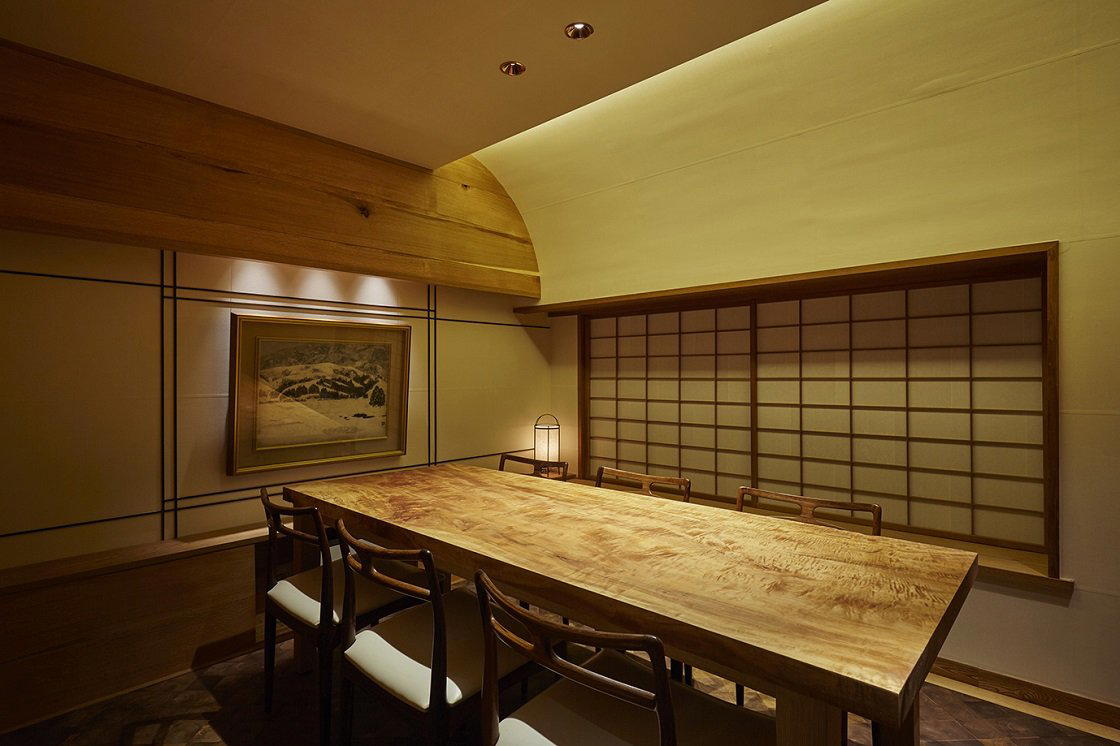
Bars in Kyoto
All bars in Kyoto →
Hotels in Kyoto
All hotels in Kyoto →
Wineries in Kyoto
Browse all →
Details
- Elegant
- Intimate
- Minimalist
- Special Occasion
- Date Night
- Standalone
- Tasting Menu
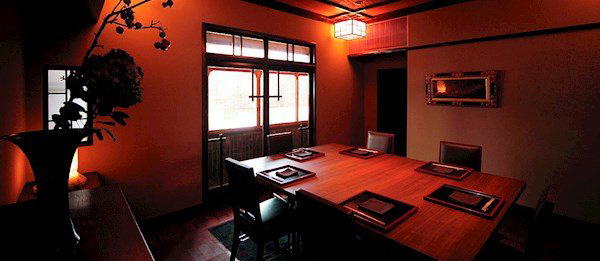
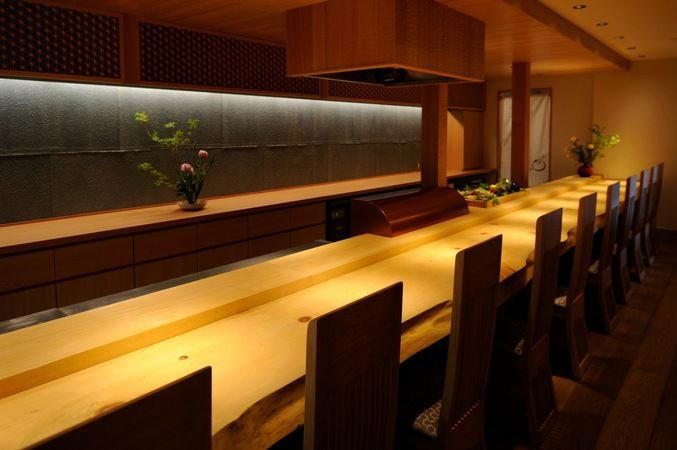
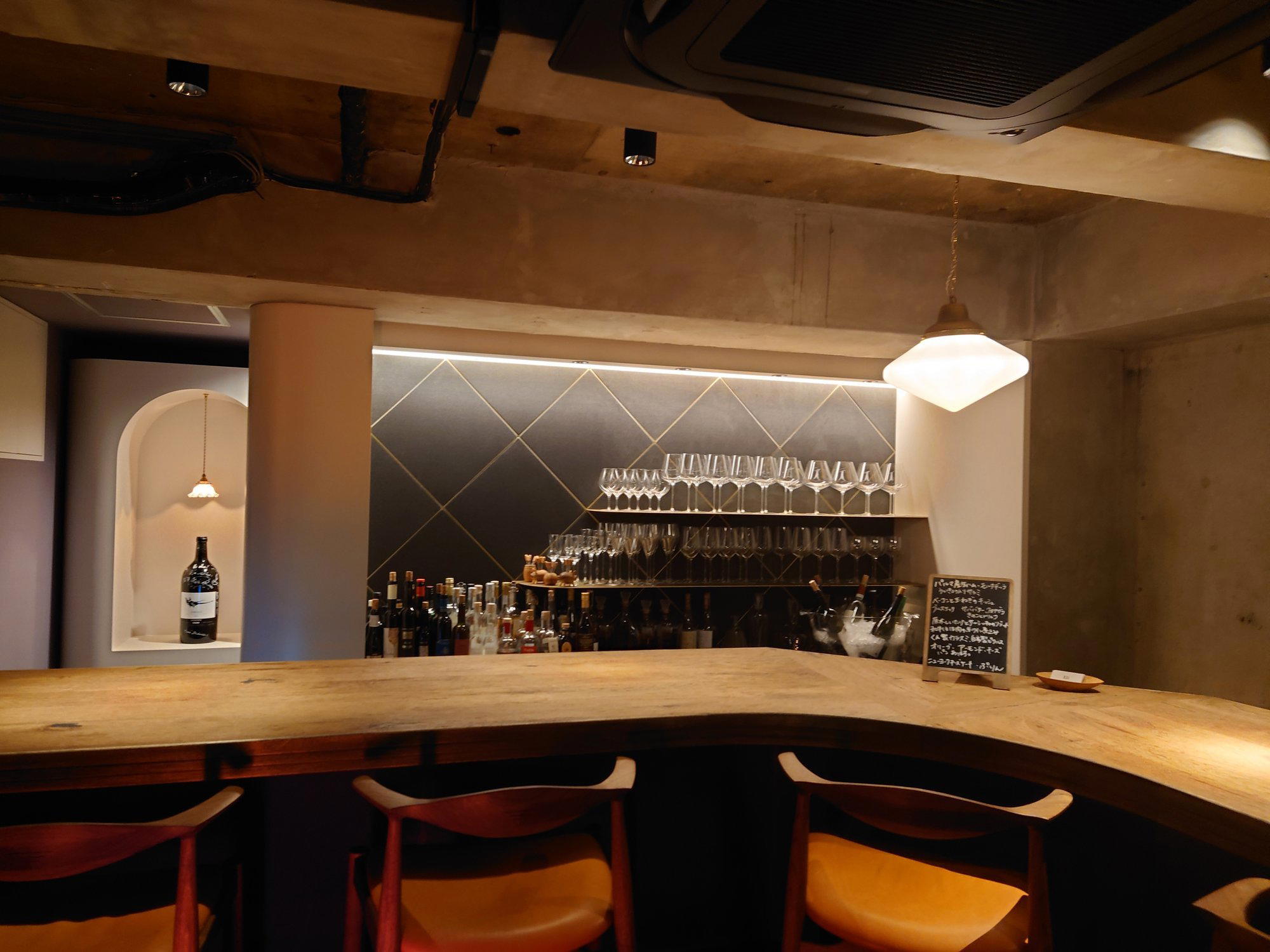
Peaceful and serene atmosphere emphasizing traditional Japanese elements.