Our verdict
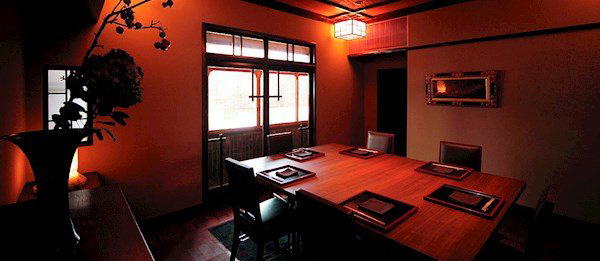
In Kyoto's Shimogyo Ward, Takamatsu occupies a address with deep roots in the city's tradition of ingredient-driven Japanese dining. The restaurant sits within a broader scene where sourcing discipline and seasonal precision define the upper tier of the market. For visitors mapping Kyoto's serious dining options, Takamatsu belongs in the conversation alongside the city's most committed kitchens.

Pearl is the En Primeur Club membership app, where members save venues, book tables and use the concierge.
The menu
What to order
- Clay pot rice
- Chargrilled vegetables and seafood
Where Shimogyo's Streets Set the Register
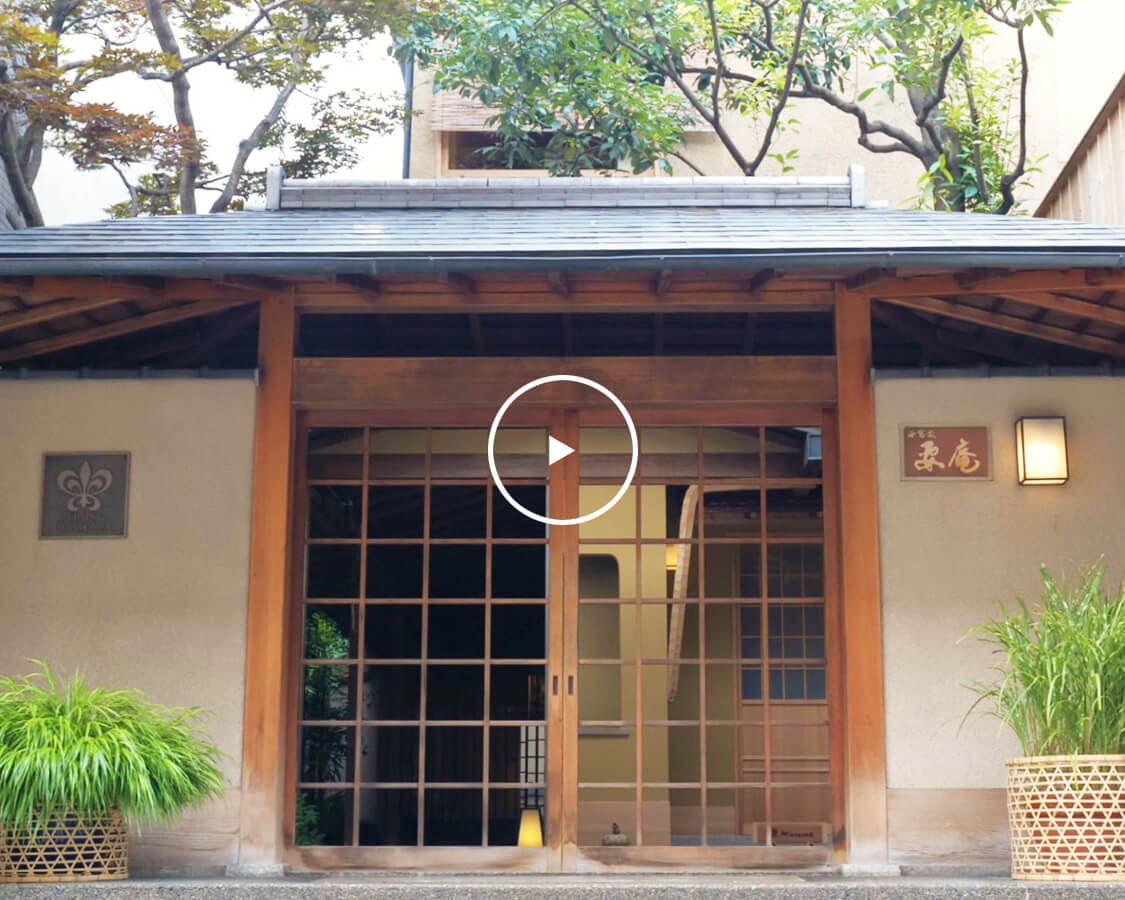
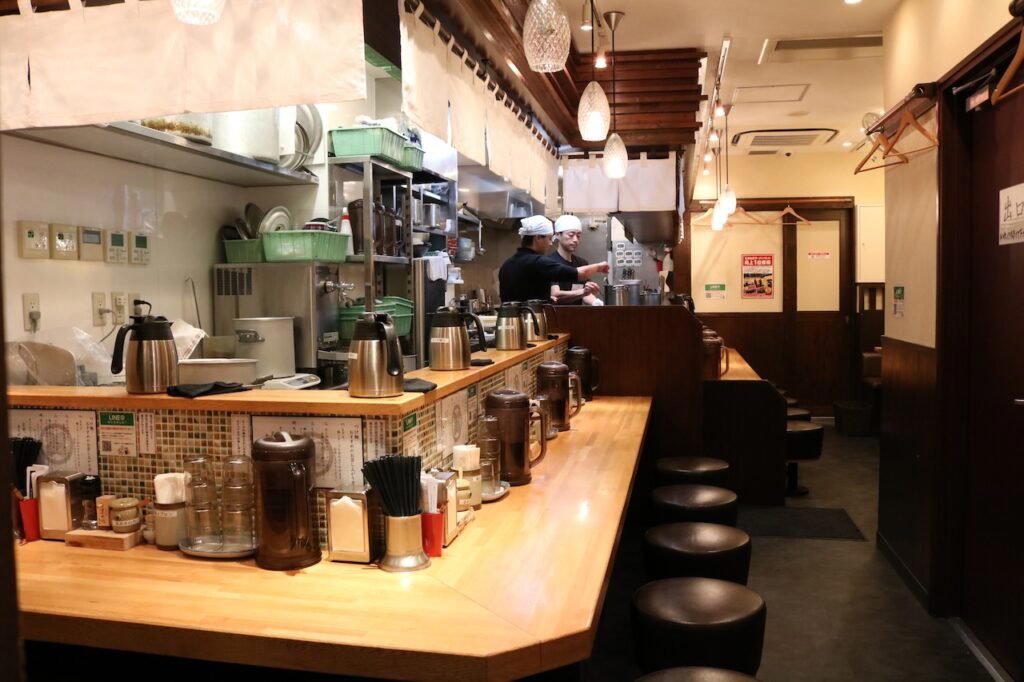
Shimogyo Ward is not the part of Kyoto that fills travel photography. It is a working district, dense with machiya townhouses and local commerce, where the gap between a nondescript exterior and a serious kitchen can be considerable. That gap is something Kyoto's dining culture has long exploited. In a city where restraint is a design principle as much as an aesthetic preference, the most committed restaurants often present the least. Takamatsu, at 728 Shinkamanzacho, follows that logic: the address sits away from the tourist circuits of Gion or Pontocho, in a neighbourhood where a restaurant earns its reputation through repeat local custom rather than foot traffic.
This positioning matters because it signals something about the type of kitchen likely operating behind the door. Shimogyo restaurants that hold their ground over years typically do so on the strength of sourcing and seasonal discipline, not novelty. In Kyoto's dining hierarchy, longevity in a non-tourist ward is a form of credential.
The Sourcing Logic Behind Kyoto's Serious Kitchens
To understand what a restaurant like Takamatsu is likely doing, it helps to understand what Kyoto's upper-tier Japanese dining tradition demands of its ingredients. Kyoto cuisine, whether kaiseki or its less rigidly formatted cousins, is structured around a sourcing calendar. The kitchen does not set the menu; the season does. Producers around the Lake Biwa basin, the Tamba highlands, and the mountain corridors north of the city supply the vegetables, freshwater fish, and foraged materials that define what a Kyoto table looks like in any given month.
This is a meaningfully different supply logic from, say, the Tsukiji-anchored sourcing that drives Tokyo's sushi counters. Kyoto kitchens have historically maintained direct relationships with farmers, fishers, and foragers operating within a tighter geographic radius. The result is a cuisine where the ingredient is the argument, and the cook's job is to present that argument with minimum interference. At Kikunoi Honten and Hyotei, both of which carry Michelin recognition, this sourcing philosophy is codified across multi-course kaiseki formats. Gion Sasaki and Mizai apply related principles within their own interpretive frameworks.
Takamatsu sits within this same tradition. The alternative, a kitchen running on frozen or centralised supply, does not survive long in a city where regulars know the difference immediately.
What is known is the competitive context. Kyoto's Japanese dining tier spans from approachable multi-course meals in the ¥10,000–¥15,000 range up to kaiseki formats at ¥30,000 and beyond per person, with the upper bracket dominated by restaurants carrying Michelin stars or long critical records. Isshisoden Nakamura represents the historical end of that upper tier, with a lineage measured in centuries rather than decades.
That is not a diminishment. Some of the most disciplined ingredient-sourcing in Kyoto happens at this tier, where chefs are not managing the logistics of a three-star operation but can focus on the sourcing relationships that make a smaller kitchen function precisely.
For comparison across the Kansai region, HAJIME in Osaka operates at the starred end of the spectrum with a very different conceptual frame. In Nara, akordu applies European technique to regional Japanese produce. The approach at Takamatsu, based on its location and tradition, is likely to sit closer to Kyoto's own vernacular than either of those reference points.
Seasonal Timing and What It Changes
Kyoto's seasonal dining calendar is more consequential than in most cities. The spring bamboo shoot season, typically late March through May, shifts menus across the entire city. Autumn brings matsutake mushrooms from the mountain forests north of Kyoto, commanding prices that reflect their scarcity and the difficulty of cultivating them. Winter pushes kitchens toward root vegetables, dried ingredients, and the preserved foods that have always been central to Kyoto's Buddhist-influenced food culture.
A visit in midsummer, when Kyoto's heat is at its most intense, will encounter a very different table than one in October, when the city's culinary calendar peaks. Restaurants at Takamatsu's level of local embeddedness tend to reflect these shifts more directly than larger operations running standardised menus. This makes the timing of a reservation a genuine decision, not a logistical afterthought.
Across the wider Japanese dining scene, the same seasonal logic applies at varying scales: Harutaka in Tokyo and Goh in Fukuoka both build their menus around seasonal sourcing, though within their respective regional supply ecosystems rather than Kyoto's specific producer networks.
Planning a Visit
Know Before You Go
- Address: 728 Shinkamanzacho, Shimogyo Ward, Kyoto, 600-8471, Japan
- Reservations: Booking method; direct contact via a Japanese-speaking intermediary or hotel concierge is advisable for non-Japanese speakers
- Pricing:; budget for mid-to-upper tier Kyoto dining (¥15,000–¥30,000 per person is a reasonable working assumption for serious Japanese restaurants in this city)
- Leading season: Autumn (October–November) and spring (April–May) align with Kyoto's most active sourcing periods, though the kitchen will reflect whatever the season offers
- Getting there: Shimogyo Ward is well served by Kyoto's subway and bus network; the area around Shinkamanzacho is walkable from Kyoto Station
- Language: English-language communication may be limited; hotel concierge assistance is recommended for booking and dietary requests
For a broader map of serious dining in the city, our full Kyoto restaurants guide covers the range from kaiseki institutions to the smaller neighbourhood kitchens operating at the level Takamatsu represents.
Frequently asked questions
Where do I go for Takamatsu?
Takamatsu is located at 728 Shinkamanzacho, Shimogyo Ward, Kyoto, 600-8471, Japan, Kyoto.
Is Takamatsu in Kyoto's Shimogyo Ward worth seeking out compared to better-known Gion or Higashiyama restaurants?
Shimogyo Ward sits outside the tourist circuits that concentrate dining attention in Gion and Higashiyama, which means restaurants here, including Takamatsu at 728 Shinkamanzacho, typically serve a neighbourhood-rooted clientele rather than visitors moving between landmark sites. That positioning tends to filter for kitchens focused on craft over foot traffic. Whether that trade-off suits a given itinerary depends on how much Kyoto dining time is available and how far from the central sightseeing axis a visitor is prepared to travel.
What's the must-try dish at Takamatsu?
What is documented is that Shimogyo Ward restaurants at this register typically anchor their menus to Kyoto's seasonal produce calendar, with spring bamboo shoots and autumn root vegetables driving the kitchen's focus. Booking in advance and asking staff about the day's central ingredient is the most reliable approach.
Can I walk in to Takamatsu?
Walk-in availability is not confirmed for Takamatsu. Serious Japanese dining rooms in Kyoto's upper tier, particularly those in working residential wards like Shimogyo, almost universally operate on reservations, and seats can fill weeks ahead. Contacting the restaurant directly before arrival is strongly advised.
What is Takamatsu known for?
Takamatsu is a Japanese restaurant located at 728 Shinkamanzacho in Kyoto's Shimogyo Ward, a district known for machiya townhouse architecture and a dining culture that prioritises local commerce over tourism. Restaurants in this ward tend to draw a repeat local clientele rather than walk-in visitors, which shapes both the kitchen's sourcing priorities and the overall register of the room.
Can Takamatsu accommodate dietary restrictions?
In traditional Japanese kitchens operating at this level in Kyoto, dashi-based stocks and shellfish derivatives are foundational to many preparations, making strict vegan or allergy-specific menus structurally difficult. Communicating dietary requirements clearly at the time of reservation, rather than on arrival, gives the kitchen the best chance of adjusting.
Cuisine-First Comparison
Comparable venues nearby, for context on price, style, and recognition.
| Venue | Cuisine | Price | Awards | Notes |
|---|---|---|---|---|
| TakamatsuThis venue (the venue you are viewing) | Traditional Kyoto Kaiseki | $50–100 | Not listed | Not listed |
| Niku Ryori Arakawa | Wagyu-focused Yakiniku Counter | $50–100 | Tabelog 100 #77 | Nakagyō |
| Tomikyu | Traditional Fugu & Hamo Kaiseki | Not listed | Not listed | Higashiyama |
| Warajiya | Traditional Kyoto eel hotpot & porridge (unagi kaiseki-style) | $50–100 | Tabelog 100 #25 | Higashiyama |
| Hatsuda | Kyoto-style Yakiniku & Wagyu Bento | $50–100 | Tabelog 100 #59 | Sakyō |
| Tori Ryori Seto | Traditional Japanese Chicken Cuisine | $50–100 | Tabelog 100 #44 | Sakyō |