
Sobaya Nikola puts Kyoto soba into a more adult register: buckwheat noodles, sake-bar pacing, counter seating, and a 20-seat room in Kamigyo-ku. Its selection for Tabelog 100 Soba WEST in 2024 and 2025 places it among western Japan’s recognized soba specialists rather than casual noodle stops.
Pearl is the En Primeur Club membership app — saves, bookings, and concierge access live there. Same editors, same standards.
- Address
- 京都府京都市上京区五辻町69-3
- Phone
- +81754317567
- Website
- sobaya-nicolas.com
 Saves & bookings on Pearl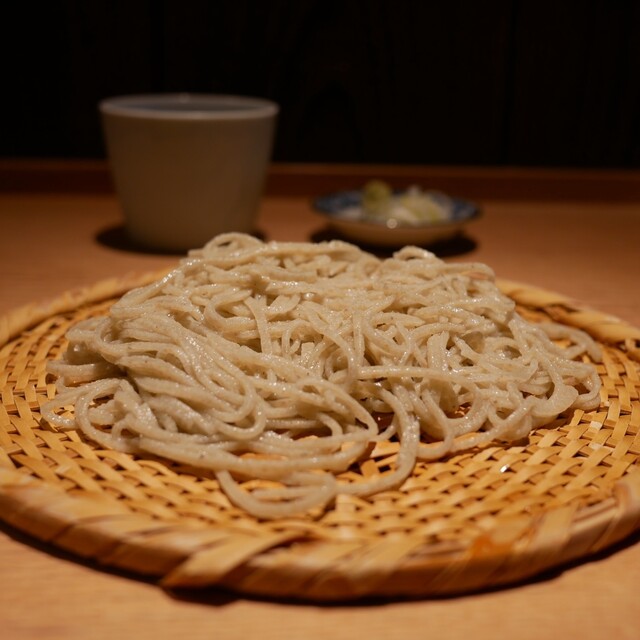
On the quieter streets of Kamigyo-ku, Kyoto’s restaurant tempo changes. The central dining circuits often reward speed, spectacle, or kaiseki ceremony; here there is more room for small rooms, restrained service, and meals that do not announce themselves from the pavement. Sobaya Nikola fits that slower Kyoto type: a house-style soba restaurant with counter seating, a sake-bar frame, and enough formality to feel adult without turning soba into a museum piece.
That matters because soba plays a different role in Japan from ramen or udon. It can be a quick lunch, a New Year ritual, a rural craft, or an evening drinking format built around small plates before noodles. Kyoto adds precision around season, water, vegetables, ceramics, and service rhythm, while comfortably absorbing outside technique when the product remains recognizably local. Here, the tension is not novelty, but how buckwheat noodles sit alongside sake, shochu, and wine without losing identity.
Kyoto soba treated as an evening drinking format
Western Japan’s soba culture has long sat in the shadow of the Tokyo-Edo image: clipped, brisk, and often eaten with little ceremony. Kyoto’s stronger suit is duration. A soba counter can become a place for drinking first and noodles later, a pattern rooted in Edo-period soba-ya culture but adapted to a city that prizes composed pacing. Sobaya Nikola’s recognition in Tabelog 100 Soba WEST in both 2024 and 2025 is useful because the list separates serious soba specialists from generic Japanese restaurants, signalling category credibility rather than broad luxury positioning.
The format also says something about contemporary Kyoto dining. At one end are high-ceremony Japanese rooms such as Nishijin Hashimoto, where the meal belongs to a more formal register. At the other are neighbourhood staples and single-purpose counters, from ramen shops such as Kombu to Men Kiichi to bakery culture around Le Petit Mec Imadegawa ten. Soba sits between those worlds: it can carry craft without a long tasting-menu commitment, and accommodate wine service and sake pairings without posing as a Western restaurant.
The global-technique angle is clearest in the drinks frame. Sake and shochu are expected at a soba restaurant; wine requires different confidence. When wine appears with buckwheat noodles and Japanese small plates, the room makes a quiet claim: soba’s bitterness, aroma, and texture can hold a broader drinking vocabulary. Kyoto has used that hybrid logic for decades, especially in small restaurants borrowing bistro cadence while keeping Japanese ingredients and portion logic. For travellers comparing local dining styles, Sobaya Nikola is a sharper read than another formal counter meal.
Kamigyo-ku rewards diners who leave the central grid
Kamigyo-ku is not the first Kyoto district many visitors choose for dinner, which is part of its appeal. North and west of the imperial precinct, it has older residential rhythms, temple-side streets, and restaurants that often feel designed for regulars rather than itineraries. A meal here pairs naturally with cultural time in Nishijin or the northern temple belt, not the department-store gravity of Shijo and Kawaramachi. Shijo-Karasuma has polish and convenience, visible in restaurants such as 3TOKU6MI Shijo karasuma ten, while Kamigyo-ku asks for a more deliberate route and usually gives back a calmer room.
That neighbourhood context changes value. A 20-seat soba restaurant with counter seating and a sake-bar component is not competing with quick lunch noodles or convenience-led casual dining. It sits closer to the city’s small-format adult restaurants, where the point is pacing, drink compatibility, and how a narrow category is handled over an entire meal. Nearby comparison venues such as Meirin and Kitchen Papa show how much district appeal comes from modest scale rather than grand-room theatre. The restaurant’s 2003 opening date adds authority: longevity in Kyoto is earned through repeat use, not only guide attention.
Kyoto’s dining map can mislead because distance on paper understates neighbourhood difference. A food-focused day might place this address with older sweets culture at Aburi Mochi Honke Nemoto Kazariya, contemporary Kyoto cooking at [ki:], or French-inflected city dining at Abbesses. The point is not ranking them, but understanding how Kyoto absorbs different formats, then makes them smaller, quieter, and more exacting.
Who should choose this room
This is a strong choice for diners who want Kyoto without the heavy choreography of kaiseki. The 20-seat scale, no private rooms, and non-smoking policy point to a compact, composed experience rather than a celebratory group venue. A sommelier and drinks list spanning sake, shochu, and wine suit adults who treat soba as part of an evening, not a quick bowl between sights. Preschool children are not accepted, clarifying the intended tempo.
It is less useful for travellers chasing a single famous dish or chef-led biography. The public identity is category-led: soba, Japanese sake bar, adult counter dining. That restraint is the appeal. Kyoto has plenty of places where the story overwhelms the cooking; here the lesson is how a narrow Japanese craft expands through beverage culture and contemporary pacing without becoming theatrical.
For a wider Kyoto itinerary, use this meal as a counterweight. Pair traditional soba with casual city snacks such as 551蓬莱, or set it against the broader restaurant field in Our full Kyoto restaurants guide. Travellers building the rest of the trip can cross-reference Our full Kyoto hotels guide, Our full Kyoto bars guide, Our full Kyoto wineries guide, and Our full Kyoto experiences guide. For broader Japan dining context beyond Kyoto, compare this soba format with -Grilled beef Sukiyaki- KAMAKURA TANUKIAN 鎌倉 たぬき庵 in Kamakura. 鮪と炭火焼き うお炭 秋葉原店 in Tokyo.cafe in Osaka.know in Kumamoto, (Shoku) Vietnam in Kawasaki, and [Curry Senmon Ten] Maruyama Kyoju. in Sapporo. For Japanese drinking culture abroad, Jōdo Saké Bar in Los Angeles and Onigiri Time in Pasadena show how far the vocabulary travels once removed from Kyoto’s local restraint.
Cost Snapshot
Comparable options at the same price tier.
| Venue | Cuisine | Price | Notes |
|---|---|---|---|
| Sobaya NikolaThis venue — the venue you are viewing | Not listed | $$$ | Not listed |
| 麩屋町 久らく | 京都市役所前, Japanese Kappo Izakaya | $$$ | Not listed |
| Sukiyaki Iroha Kita ten | Nakagyō, Traditional Kyoto sukiyaki | $$$ | Not listed |
| 祇園 一道 | Higashiyama, Kyoto Kaiseki Omakase | $$$ | Not listed |
| KYOTO BISTRO | Not listed | $$$ | Higashiyama, Modern Japanese-International Bistro |
| Yoshoku no Mise Mishina | Not listed | $$$ | Higashiyama, Classic Yoshoku (Japanese-style Western) |
Recognition history
Dated appearances from independent guides and award organizations, with the underlying list record or original source where available.
Tabelog 100 #37 · No. 37
Tabelog · Tabelog 100 - Soba - WEST - 2025
Continue exploring
More in Kyoto
Restaurants in Kyoto
Browse all →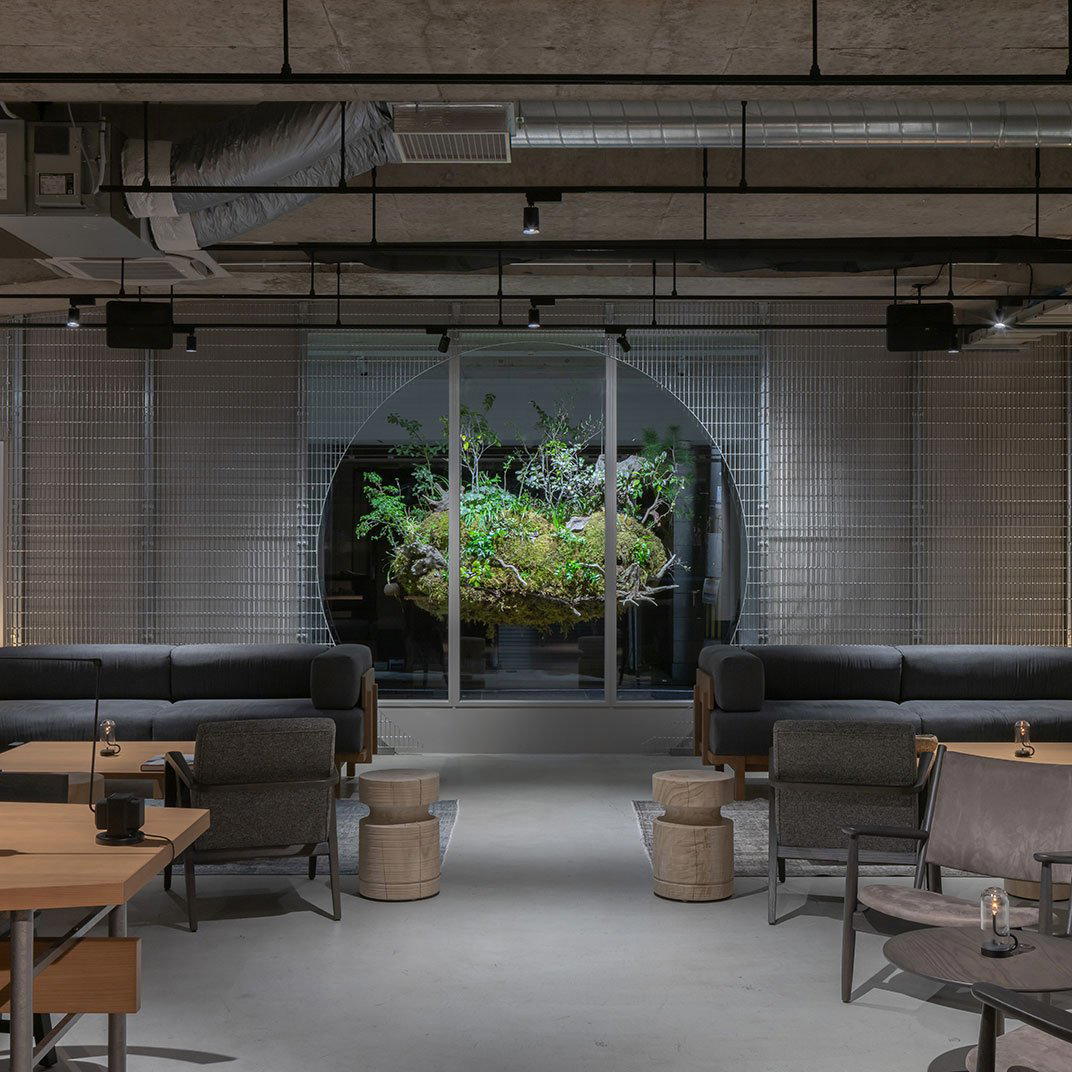
Bars in Kyoto
Browse all →
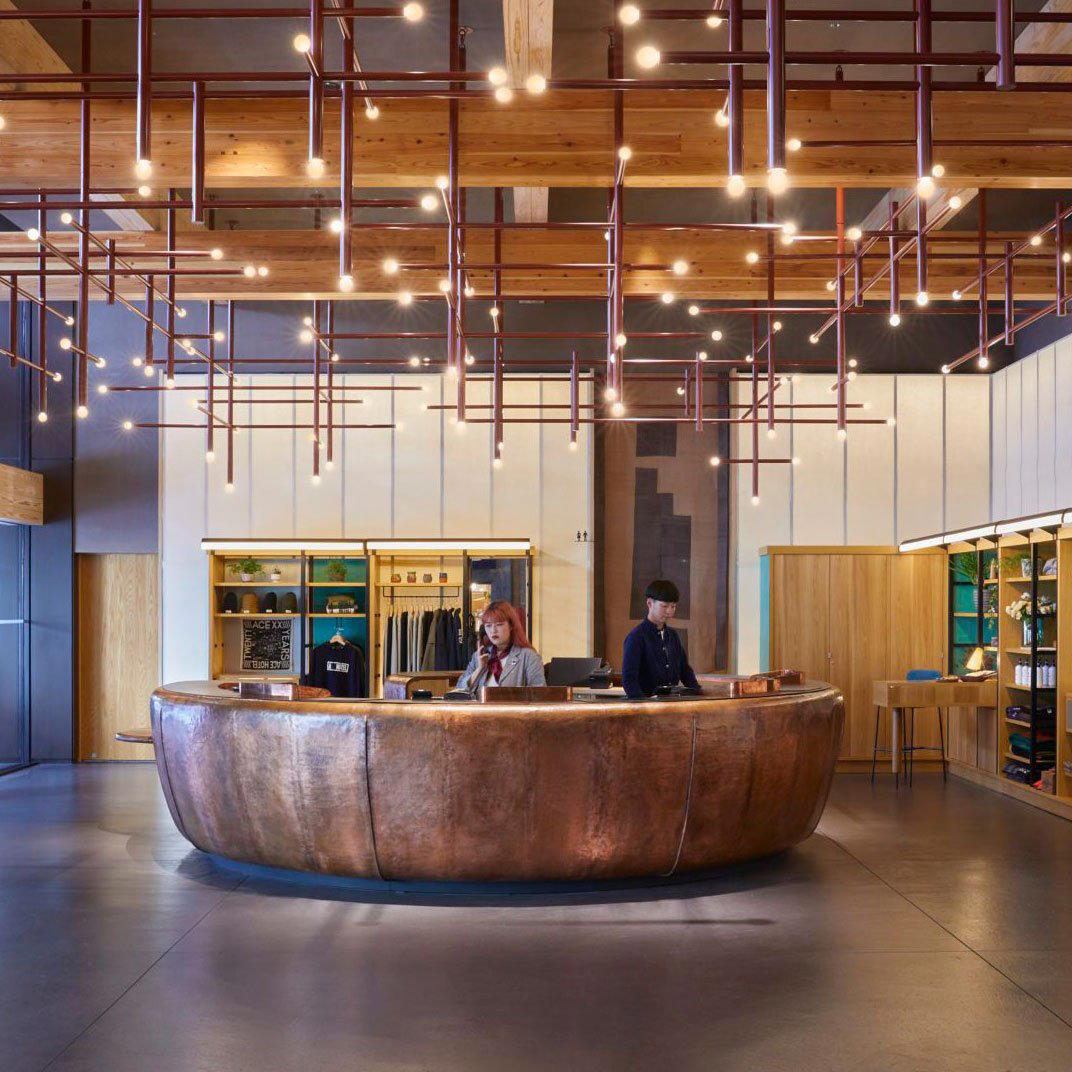
Hotels in Kyoto
Browse all →
Wineries in Kyoto
Browse all →
At a Glance
- Intimate
- Cozy
- Classic
- Sophisticated
- Date Night
- Special Occasion
- Business Dinner
- Solo
- After Work
- Standalone
- Design Destination
- Historic Building
- Sake Program
- Sommelier Led
- Extensive Wine List
- Organic
- Local Sourcing
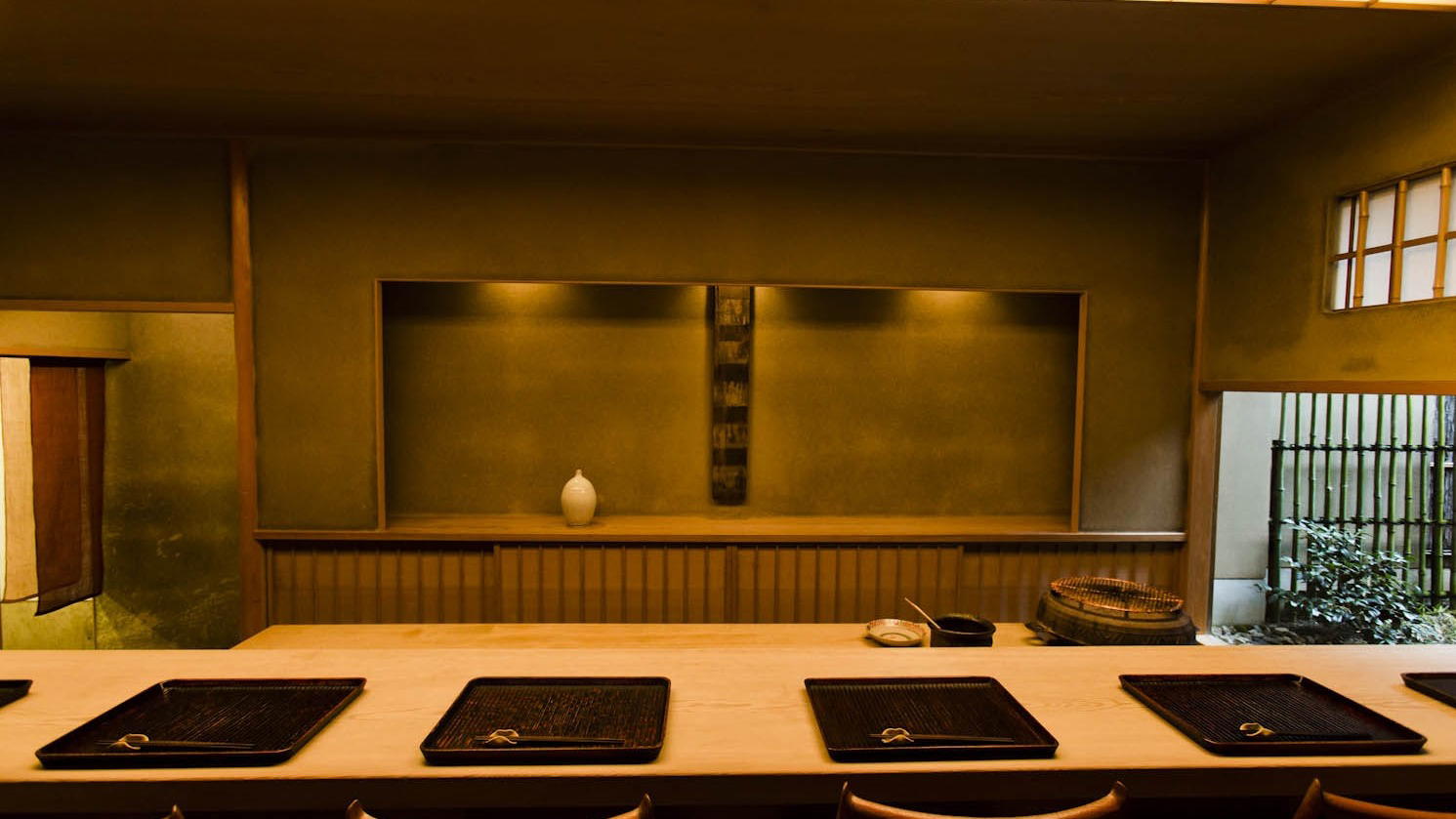
A small, quietly sophisticated townhouse-style soba restaurant with carefully curated materials, interiors, and tableware; the atmosphere is calm and adult-oriented, designed as a comfortable place for grown-ups to savor soba, seasonal dishes, and drinks in an understated, classic setting.