鮨つぼみ occupies a quiet residential pocket of Higashiyama, Meguro, the kind of address that filters out casual diners before they even book. The space and its counter format place it within Tokyo's tighter, more considered omakase tier, where proximity to the itamae and the room's physical arrangement are as deliberate as the fish. A reservation here requires planning, and that planning is worth doing.
Pearl is the En Primeur Club membership app — saves, bookings, and concierge access live there. Same editors, same standards.
- Address
- 1 Chome-21-26 Higashiyama, Meguro City, Tokyo 153-0043, Japan
- Phone
- +81364510903
- Website
- sushi-tsubomi.jp
- Directions
- Get directions
 Saves & bookings on Pearl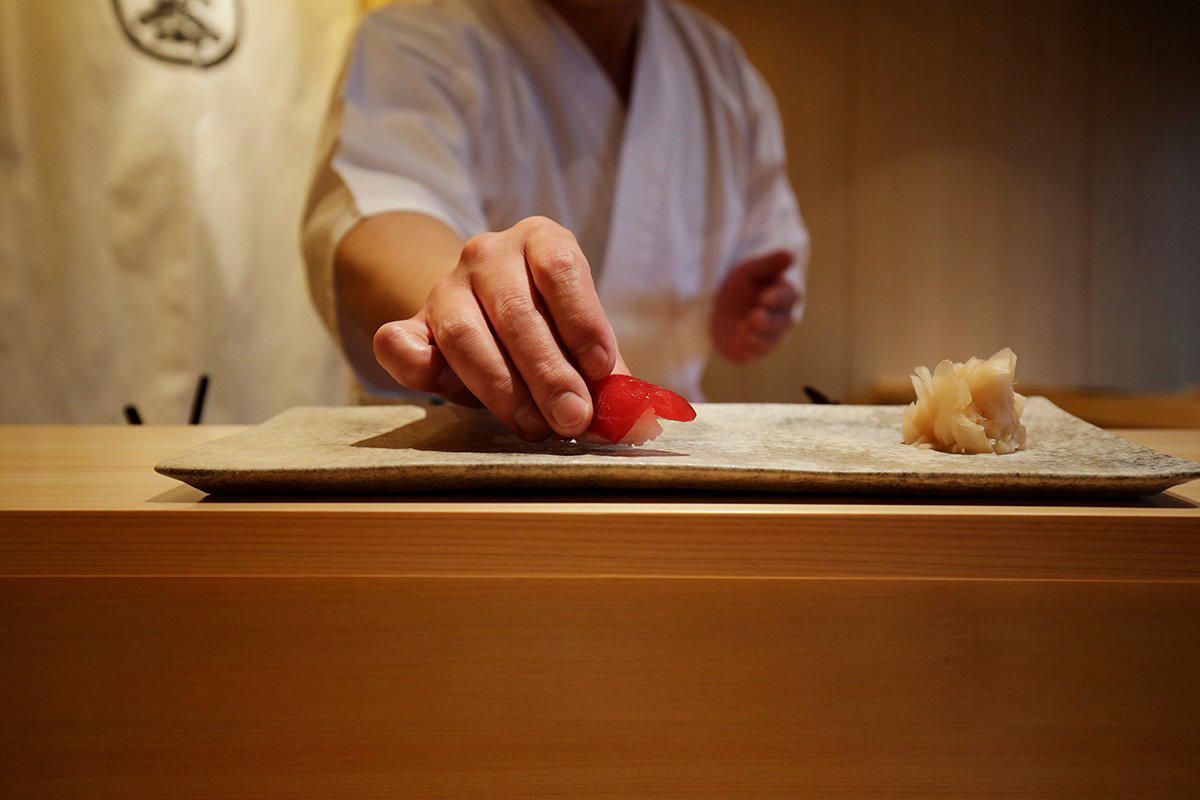
A Counter in Meguro: What the Address Says About the Room
Tokyo's omakase circuit has long operated on an implicit geography. The outliers, the counters that require a deliberate journey, tend to operate differently. 鮨つぼみ sits in Higashiyama, a residential neighbourhood in Meguro City where the street-level signage is minimal and the clientele arrives with intention. That address shapes the room's atmosphere before a guest has taken a seat.
In Tokyo's sushi tier, location functions as a filtering mechanism. Counters in Ginza landmarks like Harutaka draw an international audience familiar with navigating hotel-adjacent fine dining; counters further afield tend to serve regulars and serious first-timers who have done the research. Meguro's dining scene sits closer to the latter model, with restaurants that earn their clientele through word of mouth rather than proximity to a metro concourse.
The Physical Logic of an Omakase Room
The design logic of a serious omakase counter is worth understanding on its own terms. The counter is not merely a seating arrangement, it is the load-bearing architectural element of the entire format. The itamae works within arm's reach, and the distance between knife and guest is close enough that the physical choreography of preparation becomes part of what is consumed. Temperature, timing, and presentation are calibrated to that proximity in ways that a table-service restaurant cannot replicate.
Small counters in this tradition prioritise material honesty: hinoki wood surfaces that absorb the ambient humidity of the space, low lighting calibrated to the colour of fish rather than the comfort of photography, and an absence of decorative distraction that would compete with what is happening on the board. This is the dominant spatial grammar of Tokyo's upper-tier sushi rooms, and it is a grammar that rewards guests who understand what they are reading.
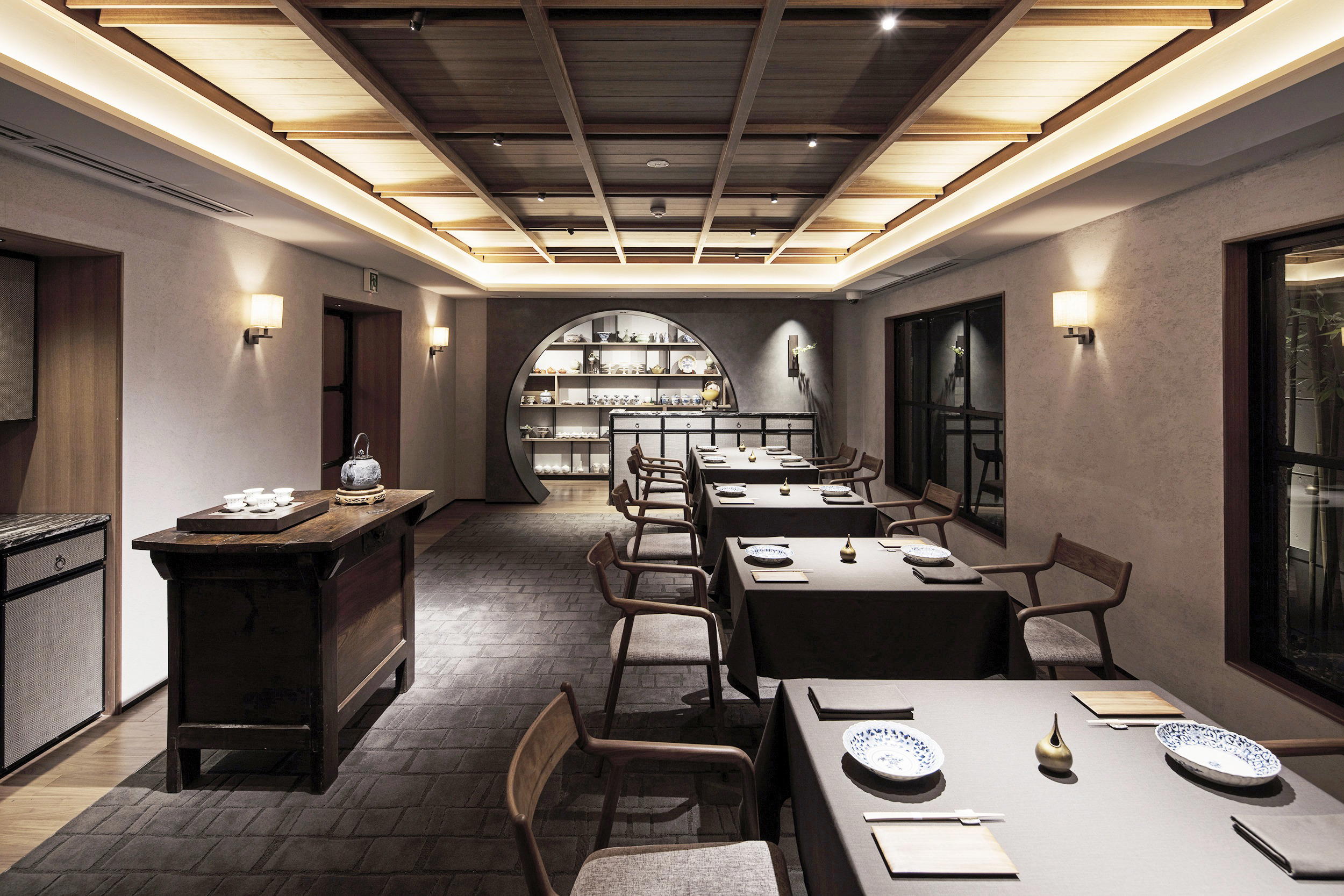
At the level of the room itself, the discipline of Japanese spatial design means that even modest square footage functions with precision. The leading counters in the city, whether in Ginza, Roppongi, or a neighbourhood like Higashiyama, compress the experience into a channel between chef and guest where every element of the built environment is in service of that exchange. How 鮨つぼみ executes within this tradition is part of what a first visit reveals.
Where This Counter Sits in Tokyo's Omakase Tier
Tokyo's omakase market has stratified considerably over the past decade. One tier below, a wider band of serious counters operates with strong craft credentials, lower profiles, and bookings that are achievable but require lead time. Neighbourhood counters in Meguro, Nakameguro, and Daikanyama often sit in this second band: technically serious, less internationally marketed, and drawing a clientele that skews toward Tokyo-based diners who have cycled through the obvious destinations.
For comparative context, the counters most commonly discussed at the summit of Tokyo's sushi hierarchy, including Harutaka, operate at ¥¥¥¥ price points with bookings that require months of advance planning and often an existing guest relationship. Counters one tier down may not carry equivalent award recognition but frequently offer a more direct dining experience, with fewer intermediary steps between guest and itamae. 鮨つぼみ's Higashiyama address places it in that conversation, with the neighbourhood context suggesting a counter that values discretion over visibility.
Tokyo's non-sushi fine dining, L'Effervescence, RyuGin, Sézanne, and Crony, operates in a different register entirely, where tasting menus run longer and the kitchen's creative framework is as much a part of the experience as the ingredients. Sushi counters like 鮨つぼみ occupy a more compressed, ingredient-centred tradition where restraint and material quality carry the entire weight of the meal. The two tiers attract overlapping but distinct audiences.
Planning a Visit: What to Know Before You Go
Reaching Higashiyama in Meguro puts a guest roughly within walking distance of Nakameguro station on the Tokyu Toyoko Line, a neighbourhood better known for its canal-side café culture than its sushi counters. The residential character of the surrounding streets means that arriving without a confirmed reservation and a specific address is not a workable approach, this is not a walk-in destination.
For guests building a broader Japan itinerary around serious dining, the country's regional fine dining circuit offers strong alternatives when Tokyo calendars are full. HAJIME in Osaka, Gion Sasaki in Kyoto, akordu in Nara, and Goh in Fukuoka each represent different regional expressions of Japanese fine dining craft. Elsewhere in the country, 一本木 石川製 in Nanao, 夕木やまの in Sapporo, 湖畔庵 in Takashima, and 羽根屋 in Nishikawa Machi extend the map further. For diners whose itinerary reaches beyond Japan, Birdland in Sakai, Bistro Ange in Toyohashi, Le Bernardin in New York City, and Atomix in New York City each represent comparable levels of culinary seriousness in their respective categories.
Cuisine Lens
Comparable venues nearby, for context on price, style, and recognition.
| Venue | Cuisine | Price | Notes |
|---|---|---|---|
| 鮨つぼみThis venue — the venue you are viewing | Edomae Sushi Omakase | $$$$ | Not listed |
| Sushi Sugita (日本橋 蛎殻町 すぎた) | Traditional Edomae Omakase | $$$$ | Nihonbashi |
| Kawasaki | Seasonal Japanese Kaiseki / Omakase | $$$$ | Minato |
| ジュリア | Modern Japanese Fine Dining | $$$$ | Shibuya |
| 福鮨 | Hokkaido-style Omakase Sushi | $$$$ | Minato |
| てんぷら前平 | Michelin-Starred Tempura Omakase | $$$$ | Minato |











At a Glance
- Elegant
- Intimate
- Sophisticated
- Minimalist
- Date Night
- Special Occasion
- Chefs Counter
- Sake Program
Current opening hours
- Monday
- 6–11 PM
- Tuesday
- 6–11 PM
- Wednesday
- Closed
- Thursday
- 6–11 PM
- Friday
- 6–11 PM
- Saturday
- 6–11 PM
- Sunday
- 6–11 PM
Hours can change for holidays and private events. Last verified .
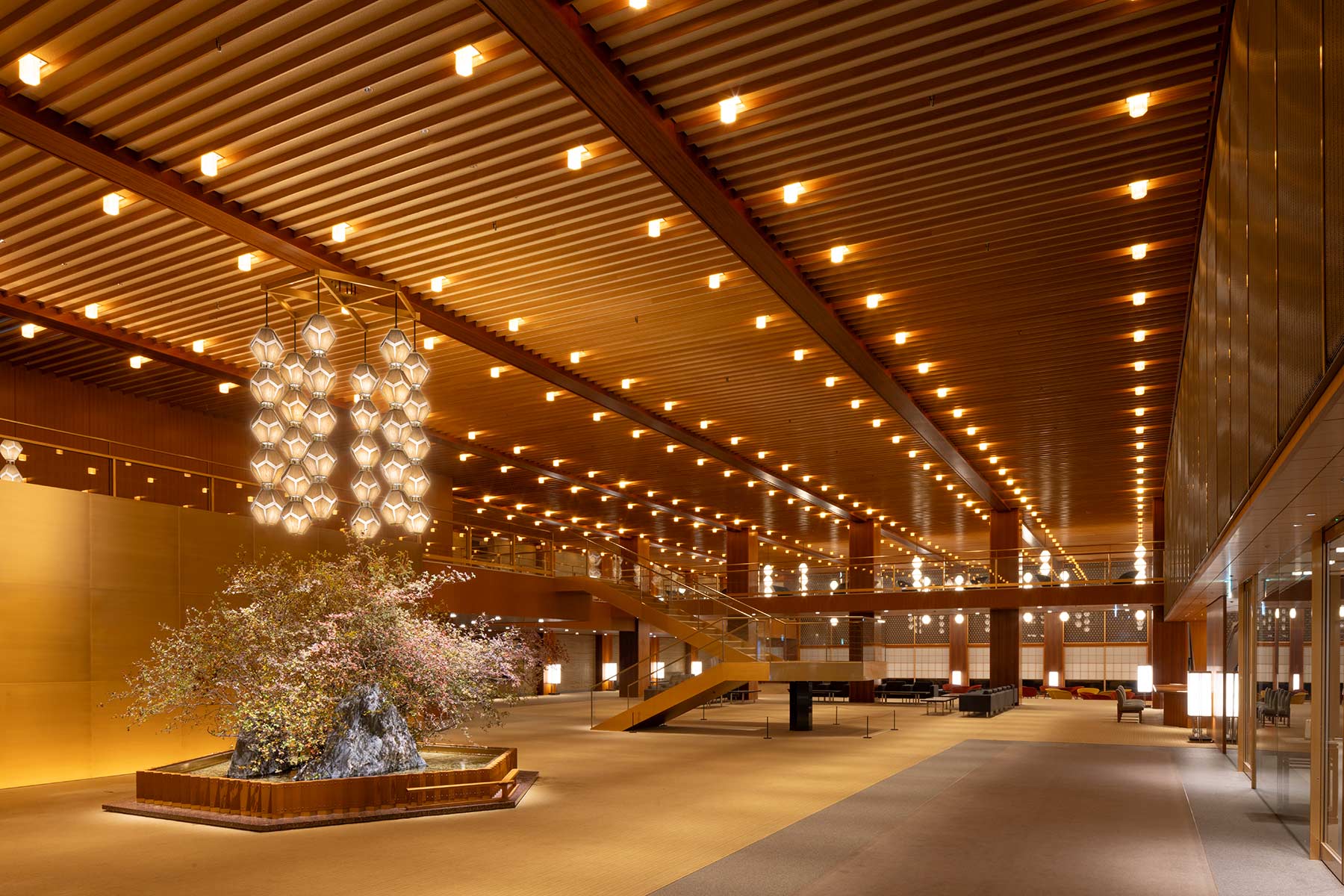
Stylish and calm counter seating space emphasizing simplicity and high-quality ingredients.