
Kawasaki sits in Nishiazabu’s high-control Japanese dining tier, where small rooms, serious drinks programs, and advance planning define the experience as much as the cooking. Its 2025 Tabelog 100 selection for Japanese cuisine in Tokyo and 3.70 Tabelog score place it among closely watched addresses for diners comparing Tokyo’s premium washoku options.
Pearl is the En Primeur Club membership app — saves, bookings, and concierge access live there. Same editors, same standards.
- Address
- Japan, 〒106-0031 Tokyo, Minato City, Nishiazabu, 4 Chome−17−22 グレイシス西麻布1F
- Phone
- +81 3-6427-7554
- Website
- mst-kawasaki.com
 Saves & bookings on Pearl
Nishiazabu changes tone after dark: embassy streets, low signage, private dining rooms behind apartment-like facades, and a dining culture built less on spectacle than control. In this part of Minato, Japanese restaurants trade on restraint, small capacities, and planning that rewards diners who know exactly what they want before the evening begins. Kawasaki sits in that lane: not casual izakaya, not theatrical counter, but a compact, high-spend Japanese cuisine format with recognition that matters in Tokyo’s reservation economy.
Tokyo’s premium washoku scene is not one category. Kaiseki, kappo, sushi, tempura, yakitori, beef-focused rooms, and modern Japanese formats compete for the same serious-dinner calendar, but solve different problems. Some diners want chef-counter choreography; others want a private-room dinner where the table, drinks, and pacing matter more than performance. Kawasaki’s public signals point to the latter: Japanese cuisine, private rooms, a small seat count, sake and wine emphasis, and selection for Tabelog Japanese cuisine TOKYO “Tabelog 100” 2025.
Nishiazabu Japanese dining, built around discretion rather than theatre
Nishiazabu has long suited restaurants that do not need street energy to justify themselves. Compared with Ginza, where counter culture and brand lineage often dominate, Nishiazabu supports a quieter model: destination dinners for guests already moving through Minato, Aoyama, Hiroo, and Roppongi. The geography matters. The area attracts diners willing to plan around a room rather than drift into one, and gives small Japanese restaurants privacy that larger commercial districts struggle to preserve.
Kawasaki fits that local grammar. It is listed with 10 seats, private rooms for small parties, non-smoking service, and a drinks program described around sake and wine. Those details place the experience closer to controlled Japanese dining than to a broad à la carte restaurant. In Tokyo, a 10-seat room changes the economics: fewer covers, narrower availability, and a stronger need to align party size, timing, and expectations before committing.
The Tabelog 100 selection is the clearest public trust signal. Tabelog’s Hyakumeiten lists are not Michelin-style star ratings; they function as category recognition within a city and cuisine type. For Japanese cuisine in Tokyo, that places Kawasaki in a crowded field where local diners distinguish by genre, price tier, room style, and consistency. A 3.70 Tabelog score reinforces the point without turning the venue into a trophy-chasing address.
The point is the format: Japanese cuisine with sake, wine, and small-room control
Without a named tasting menu or chef biography to lean on, the useful way to read Kawasaki is through structure. The safer, more useful conclusion: this is for diners who value the broader washoku frame, not a single famous plate.
The drinks detail matters. In Tokyo Japanese dining rooms, sake remains the natural pairing language, but wine has become a serious parallel track, especially for guests who split dining between Japanese, French, sushi, and modern kappo formats. A restaurant signaling attention to both nihonshu and wine is speaking to that mixed audience. It suggests beverage planning is part of the experience, not an afterthought, especially for private-room tables.
That separates Kawasaki from other Tokyo choices. Comptoir Misago sits in a lower published spend band, a different decision for travelers managing multiple high-end meals in one trip. Nishiazabu Sushi Shin belongs to the sushi conversation, where counter access and fish handling define comparison. Nikusho Horikoshi moves the decision toward yakiniku and beef. Il Teatrino da Salone and 4000 Chinese Restaurant answer different cravings entirely. Kawasaki is for the night when the category is Japanese cuisine, the setting matters, and the table wants the evening composed rather than improvised.
There is also a family-friendly signal, with children welcome. In Tokyo’s premium dining context, that is not minor. Many small restaurants are effectively adult-only in practice, even when not formally described that way. A serious Japanese room that can accommodate families changes the planning equation for visitors traveling with children, particularly in Minato, where hotels and residential rhythms often overlap.
How to think about planning a Kawasaki dinner in 2026
The practical decision is less about chasing fame than matching the room to the night. Kawasaki is not right for bar-like spontaneity, a large group celebration with loose timing, or a fast meal between appointments. It is better for a small party that wants Japanese cuisine in Nishiazabu, values privacy, and is comfortable with Tokyo’s premium dining discipline.
Its 2018 opening date puts it in a useful middle zone: not a decades-old institution carried mainly by longevity, and not a new opening trading on novelty. Recognition in the 2025 Tabelog 100 list gives it current relevance, while the small scale keeps the decision practical: secure the date, confirm party configuration, and treat the meal as a fixed point in the itinerary rather than a flexible option.
For travelers building a Tokyo dining week, vary formats rather than stack similar rooms. Pair a Nishiazabu Japanese dinner with a sushi counter, a yakitori night, a casual curry stop, or a sake-focused bar across the city. For broader planning, see Our full Tokyo restaurants guide, plus Our full Tokyo hotels guide, Our full Tokyo bars guide, Our full Tokyo wineries guide, and Our full Tokyo experiences guide. Nearby and comparative restaurant planning can also include 鮪と炭火焼き うお炭 秋葉原店, 12/10 Shinjuku ten, 124. KAGURAZAKA (Yakitori), 2D Cafe, and 3 Chome no Curry Ya San.
Travelers extending the search beyond Tokyo can compare how Japanese dining changes by region through -Grilled beef Sukiyaki- KAMAKURA TANUKIAN 鎌倉 たぬき庵 in Kamakura.cafe in Osaka.know in Kumamoto, (Shoku) Vietnam in Kawasaki, [Curry Senmon Ten] Maruyama Kyoju. in Sapporo, [ki:] in Kyoto, Jōdo Saké Bar in Los Angeles, and Onigiri Time in Pasadena.
City Peers
Comparable venues for cuisine and category context.
| Venue | Cuisine | Price | Notes |
|---|---|---|---|
| KawasakiThis venue — the venue you are viewing | Seasonal Japanese Kaiseki / Omakase | $$$$ | Not listed |
| es | Modern Japanese Fine Dining | $$$$ | Minato |
| 天ぷら 元吉 | Traditional Tempura Omakase | $$$$ | Shibuya |
| Toribayashi | Modern Yakitori Omakase | $$$$ | Minato |
| Mudai | Japanese Omakase / Kaiseki | $$$$ | Minato |
| Sushi Saitou Azabudai | High-End Edomae Sushi Omakase | $$$$ | Minato |
Recognition history
Dated appearances from independent guides and award organizations, with the underlying list record or original source where available.
Tabelog 100 #57 · No. 57
Tabelog · Tabelog 100 - Japanese cuisine - TOKYO - 2025










At a Glance
- Intimate
- Elegant
- Quiet
- Classic
- Sophisticated
- Date Night
- Business Dinner
- Special Occasion
- Celebration
- Solo
- Chefs Counter
- Private Dining
- Design Destination
- Standalone
- Sake Program
- Local Sourcing
Current opening hours
- Monday
- 5–11 PM
- Tuesday
- 5–11 PM
- Wednesday
- 5–11 PM
- Thursday
- 5–11 PM
- Friday
- 5–11 PM
- Saturday
- 5–11 PM
- Sunday
- 5–11 PM
Hours can change for holidays and private events. Last verified .
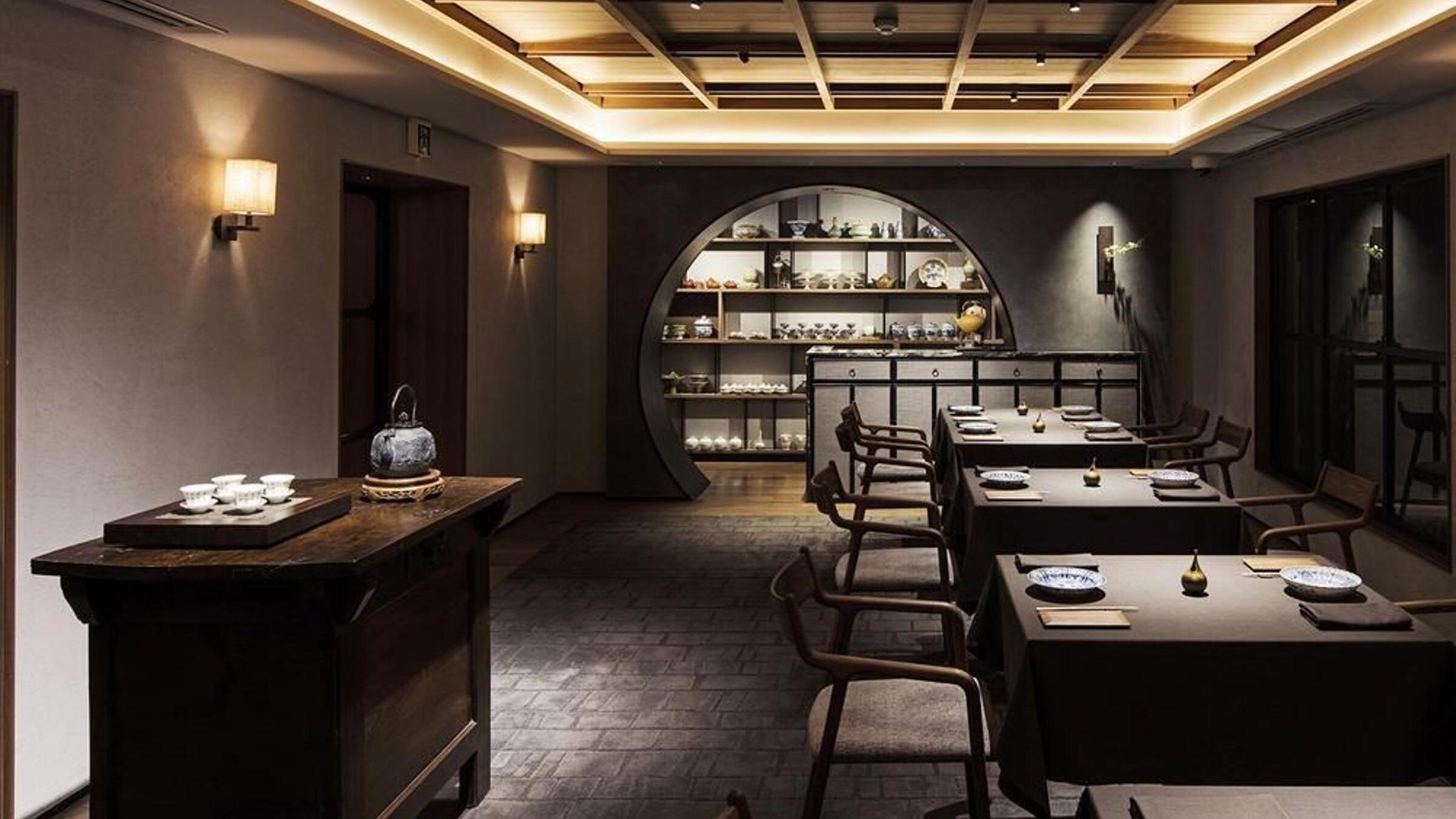
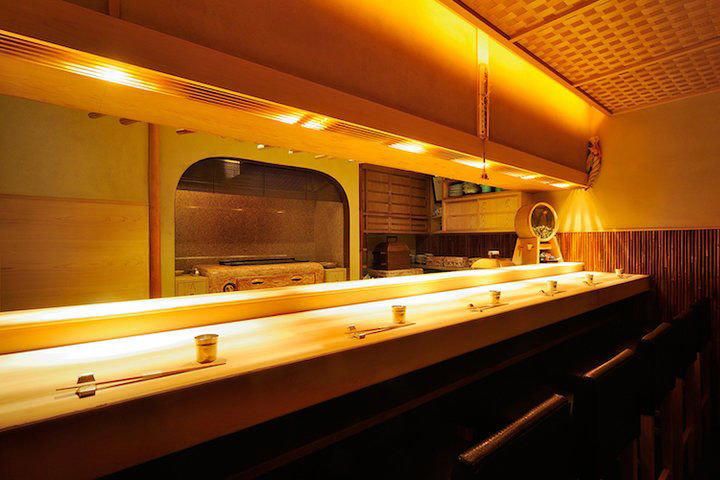
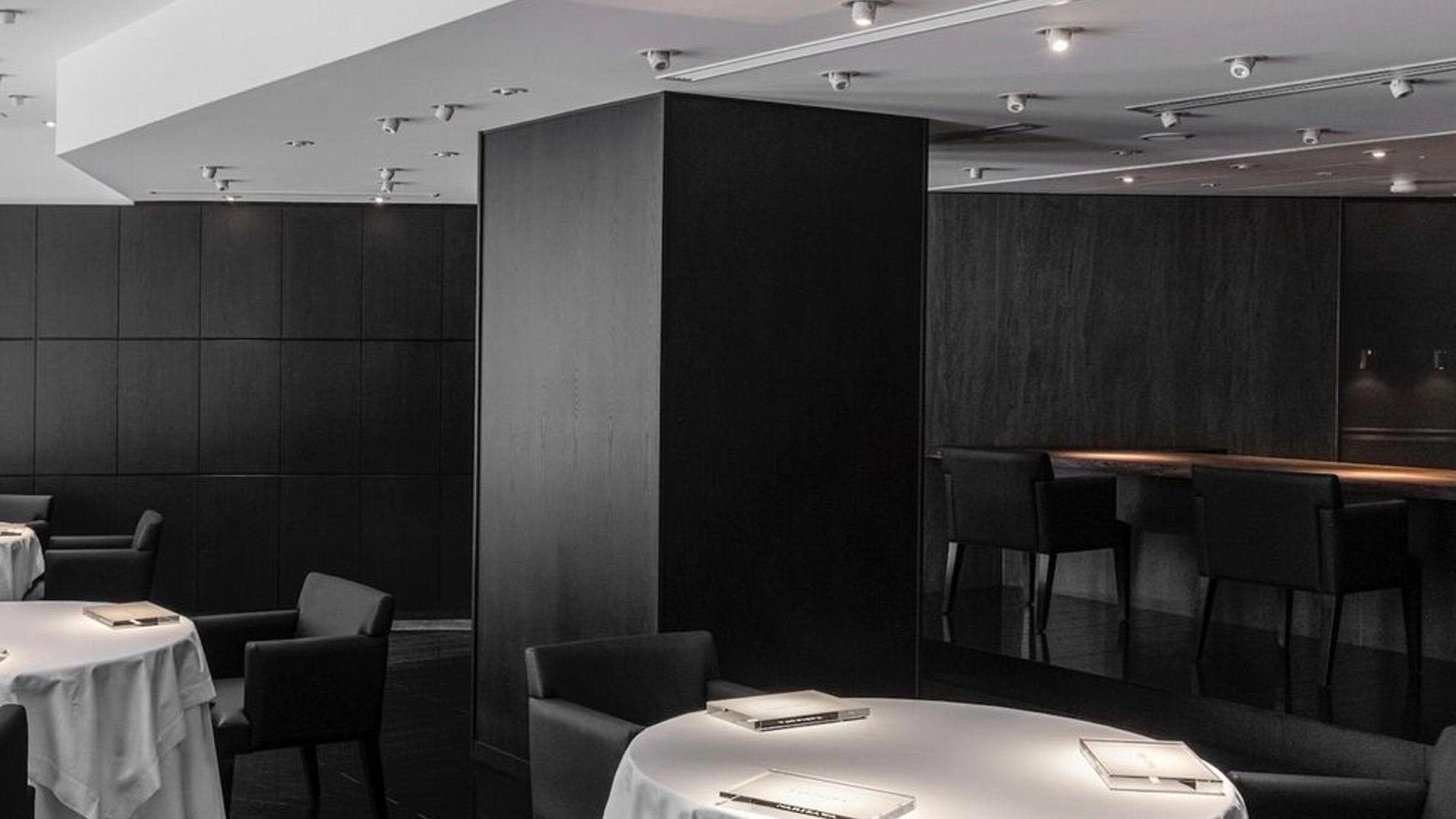
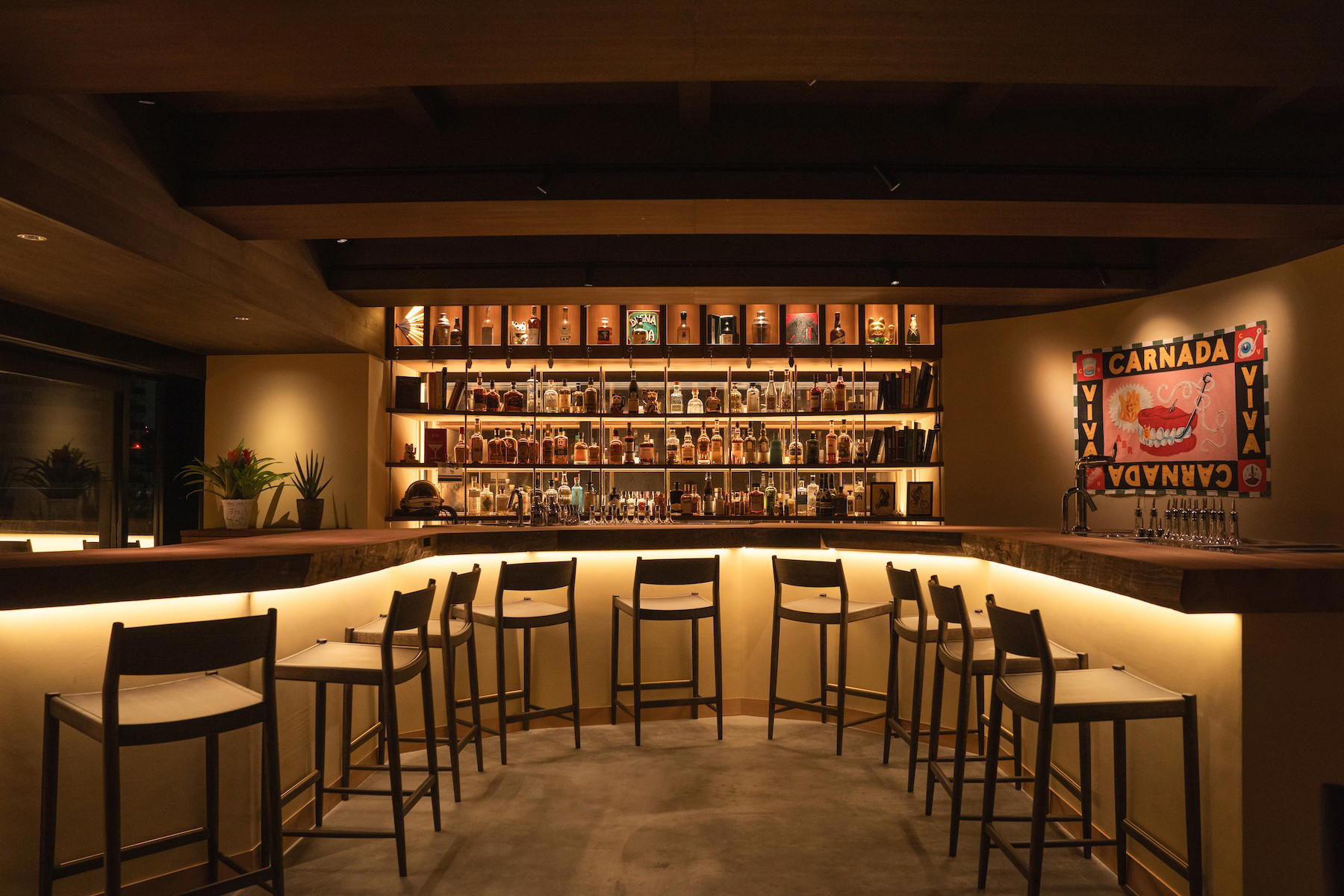
Calm and understated with a classic Japanese aesthetic, counter-focused seating, and soft lighting that creates a quietly luxurious, almost hidden-home atmosphere suited to adults and special occasions.