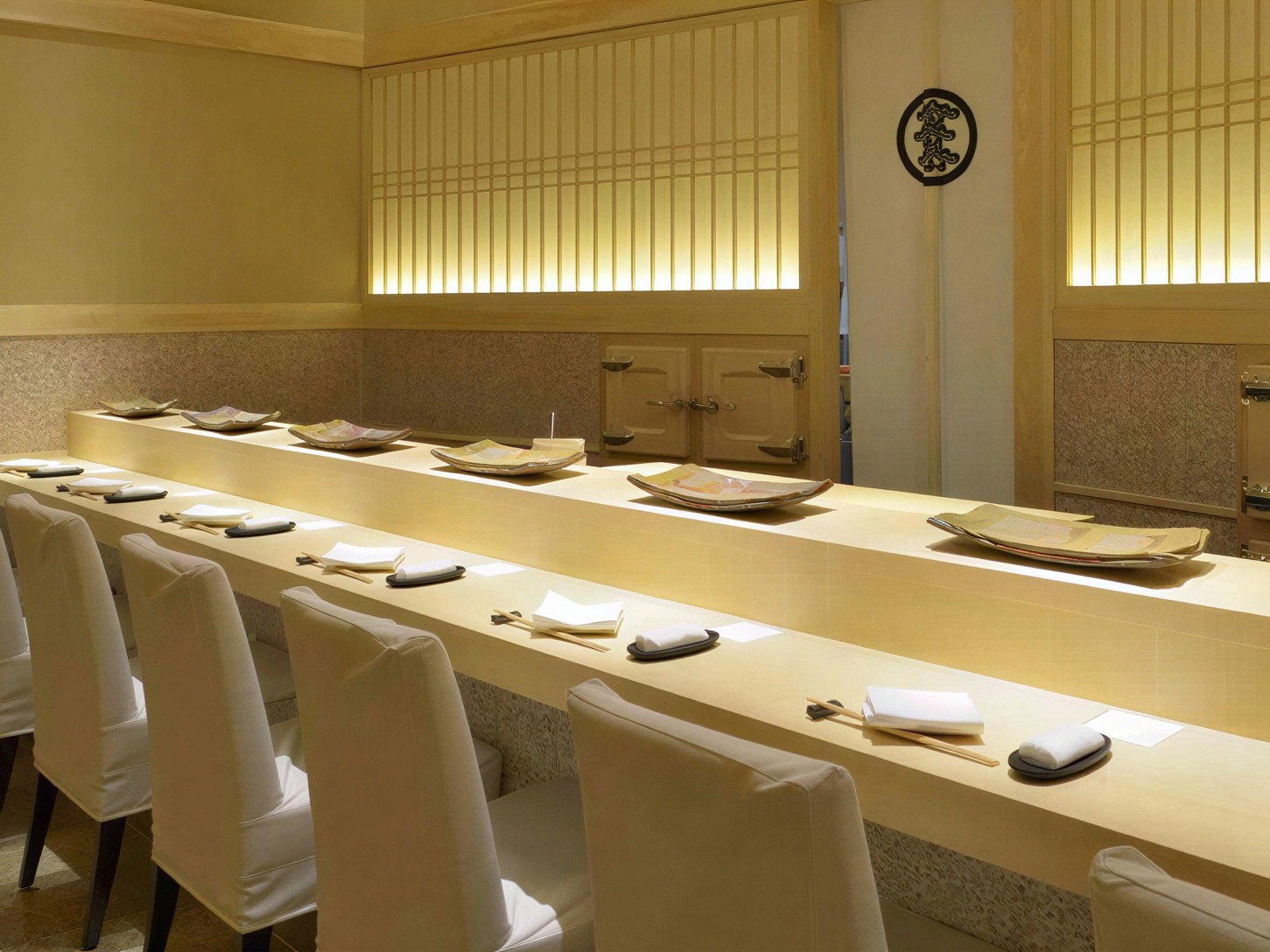
てんぷら前平 serves Michelin-Starred Tempura Omakase at a chef’s counter in Azabujuban, with a sake program, quiet formal service, and leisurely dinner pacing.
Pearl is the En Primeur Club membership app — saves, bookings, and concierge access live there. Same editors, same standards.
- Address
- Japan, 〒106-0045 Tokyo, Minato City, Azabujuban, 2 Chome−8−16 ISIビル4F
- Phone
- +81364351996
- Directions
- Get directions
 Saves & bookings on Pearl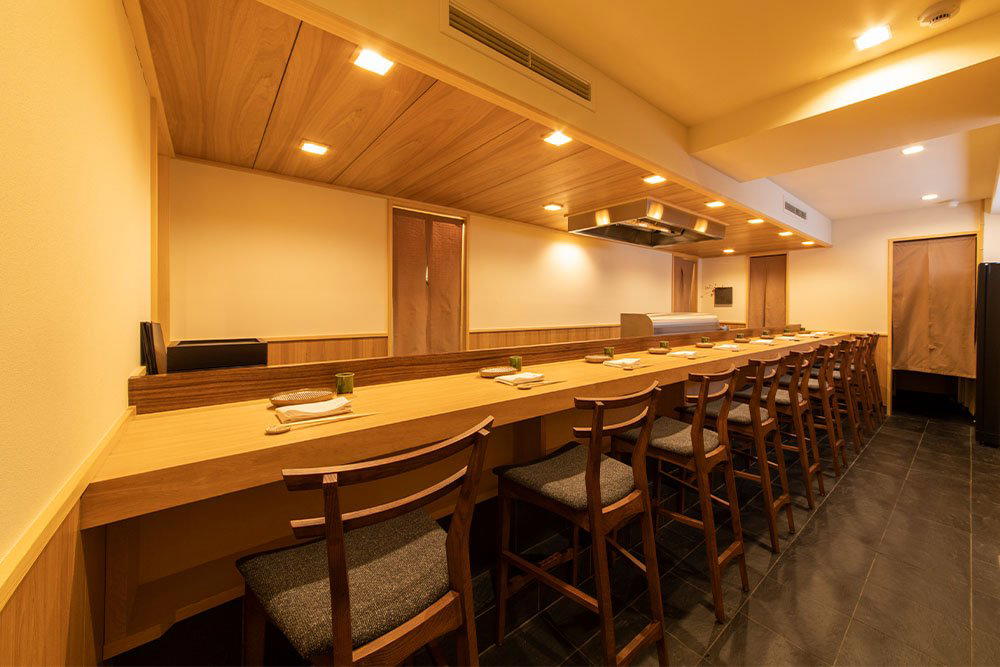
Tempura in Azabujuban: A Neighbourhood With Exacting Standards
Azabujuban has long occupied a particular position in Tokyo's dining geography: close enough to Roppongi's international energy to draw a cosmopolitan crowd, yet grounded enough in its shitamachi-adjacent character to support specialists who prize craft over spectacle. Tempura, as a category, fits this neighbourhood well. The technique demands precision and restraint in equal measure, and the leading counters in this part of Minato City have built reputations not through volume but through the consistency of the fry. てんぷら前平 (Tempura Maehira), located on the fourth floor of the ISI Building at 2-8-16 Azabujuban, is a Michelin-Starred Tempura Omakase in Minato City.
The Tempura Counter Tradition and What Ethical Sourcing Looks Like Here
Japan's tempura counter tradition has always been tied, implicitly, to the seasons. The logic is practical as much as philosophical: ingredient quality at a tempura counter depends on what is available, and what is available is dictated by growing cycles, fishing seasons, and harvest windows. This alignment with seasonality is, by definition, a form of low-waste procurement. Counter operators who work directly with small-scale suppliers and accept only what is in peak condition reduce the surplus that accumulates when menus are fixed months in advance.
The broader tempura category in Tokyo has seen increasing attention to sourcing provenance over the past decade, a shift driven partly by guest expectations and partly by producers themselves seeking closer relationships with the restaurants that use their goods. Coastal suppliers for seafood, highland farms for root vegetables and mountain greens, and domestic producers of the sesame oil used in the fry: these sourcing relationships, when maintained with consistency, represent a supply chain that is shorter and more accountable than what most international restaurant categories can claim. Tempura前平's Azabujuban address places it within reach of the Tsukiji outer market ecosystem and the broader Minato City supplier network that feeds many of the ward's specialist restaurants.
Where Tempura Maehira Sits in Tokyo's Tempura Tier
Tokyo supports several distinct tiers of tempura counter. At the uppermost level sit counter-only operations with Michelin recognition, long booking windows, and prix-fixe structures that run well into five figures (yen). Below that sits a mid-premium tier: counters that maintain high ingredient standards and a small-format dining model without the full apparatus of fine dining. Tempura Maehira's fourth-floor address and Azabujuban positioning place it in a specialist counter category, distinct from casual tempura chains that dominate convenience-oriented districts.
For comparison, Tokyo's ¥¥¥¥-tier restaurants such as Harutaka (Sushi), L'Effervescence (French), RyuGin (Kaiseki), and Sézanne (French) operate at the highest price and prestige bracket in the city. Tempura as a category often occupies a more accessible bracket while still maintaining the counter format and seasonal discipline that defines Tokyo's specialist dining culture. Crony, which brings an innovative French approach to the city, offers a useful contrast in format: where French-influenced counters build menus around technique-forward construction, a tempura counter's identity rests almost entirely on the quality of the ingredient beneath the batter and the precision of the oil temperature.
The Environmental Logic of the Tempura Counter Format
Small-format counter dining generates less waste structurally than large restaurant operations. A counter that seats a limited number of guests per service can calibrate procurement with accuracy, buying to the cover count rather than holding excess inventory. The tempura format reinforces this: each piece is prepared individually, to order, in front of the guest. There is no back-of-house batch production, no holding under heat lamps, and no staging that requires over-ordering as insurance against volume fluctuation.
This structural efficiency is worth noting at a moment when the restaurant industry globally is under pressure to account for food waste, carbon footprint in supply chains, and the environmental cost of ingredient sourcing. Japan's traditional counter formats, omakase sushi, tempura, kaiseki, are not marketed as sustainability initiatives, but their operational model aligns with many of the outcomes that sustainability-oriented Western restaurants pursue deliberately. The counter format is, in this sense, inherently lower-impact than its international equivalents. Restaurants across Japan pursuing similar approaches include HAJIME in Osaka, which has built an explicit environmental philosophy into its tasting structure, and Gion Sasaki in Kyoto, where seasonal kaiseki procurement follows similarly tight sourcing logic.
Planning Your Visit: Azabujuban Access and Context
Azabujuban is served directly by the Toei Oedo Line and the Tokyo Metro Nanboku Line, making it accessible from central districts without requiring a taxi or the congestion of Roppongi's main strip. The neighbourhood itself supports a range of dining formats at different price points, which makes it a practical base for an evening that might involve drinks before or after a counter meal.
Fourth-floor restaurant addresses in Tokyo are standard and should not be read as obscurity, they reflect the city's vertical real estate logic, where particularly serious counters operate above street level, away from tourist foot traffic. Other Japan-based venues EP Club covers in similarly unannounced formats include akordu in Nara, Goh in Fukuoka, and smaller regional specialists such as 一本木 名川製 in Nanao, 北海道山乃 in Sapporo, 湖辺庵 in Takashima, 庄羽屋 in Nishikawa Machi, Birdland in Sakai, and Bistro Ange in Toyohashi. For readers comparing specialist counter formats internationally, Le Bernardin in New York City and Atomix in New York City offer reference points for how tight-format, ingredient-led tasting structures operate at comparable prestige levels in a different market.
At-a-Glance Comparison
Comparable venues nearby, for context on price, style, and recognition.
| Venue | Cuisine | Price | Notes |
|---|---|---|---|
| てんぷら前平This venue — the venue you are viewing | Michelin-Starred Tempura Omakase | $$$$ | Not listed |
| Mitate Soba | Handmade Soba | $$$$ | Minato |
| Yakitori Hirako | Modern farm-to-table yakitori omakase | $$$$ | Minato |
| Yakiniku Oboshimeshi | Modern Yakiniku with Korean Influences | $$$$ | Minato |
| Ajuuta | Edomae Sushi Omakase in Shibuya | $$$$ | Shibuya |
| Takagaki's Sushi | Traditional Edomae Omakase | $$$$ | Chūō |







At a Glance
- Elegant
- Sophisticated
- Intimate
- Classic
- Special Occasion
- Date Night
- Chefs Counter
- Sake Program
Current opening hours
- Monday
- 5–10:30 PM
- Tuesday
- 5–10:30 PM
- Wednesday
- 5–10:30 PM
- Thursday
- 5–10:30 PM
- Friday
- 5–10:30 PM
- Saturday
- 5–10:30 PM
- Sunday
- Closed
Hours can change for holidays and private events. Last verified .
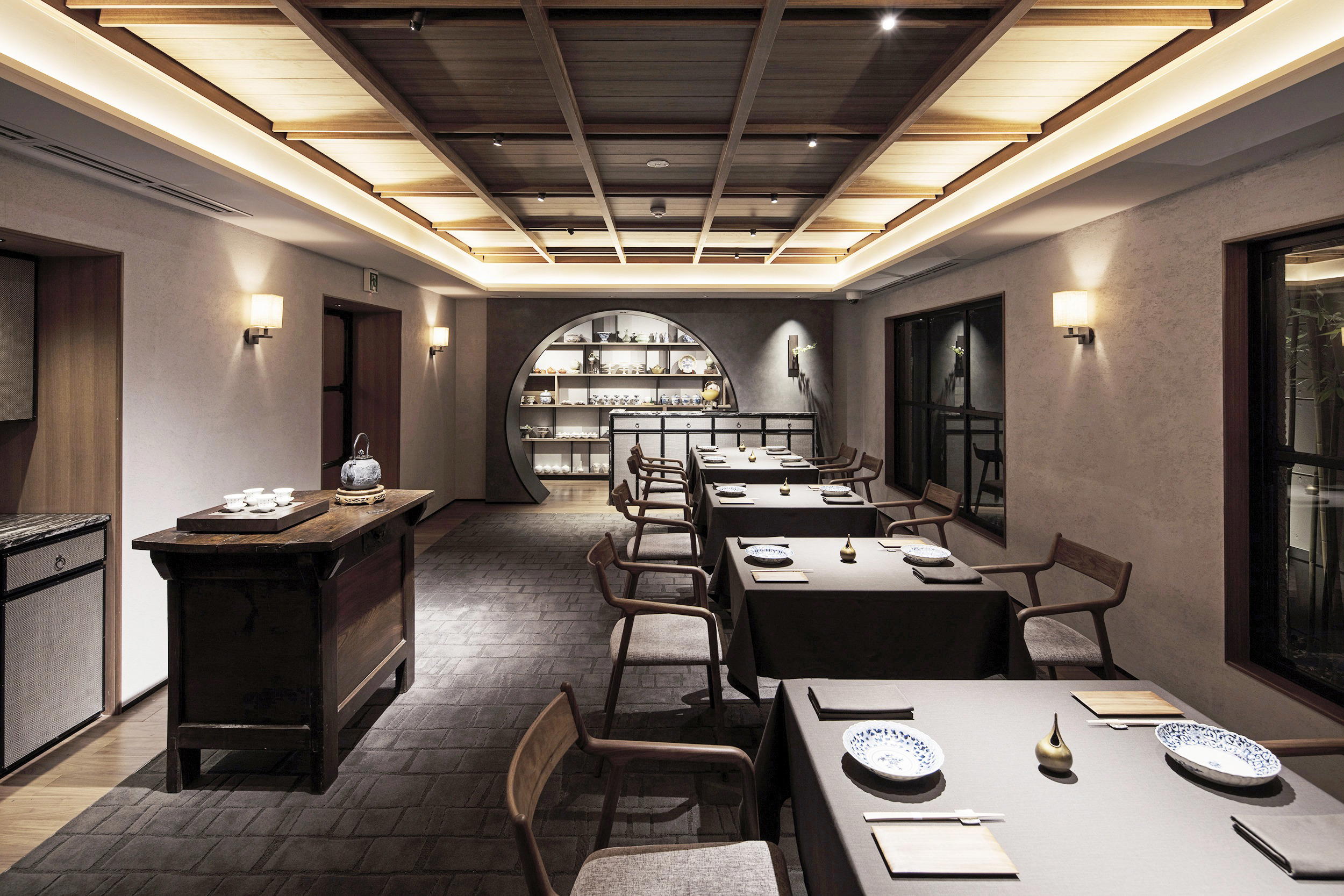
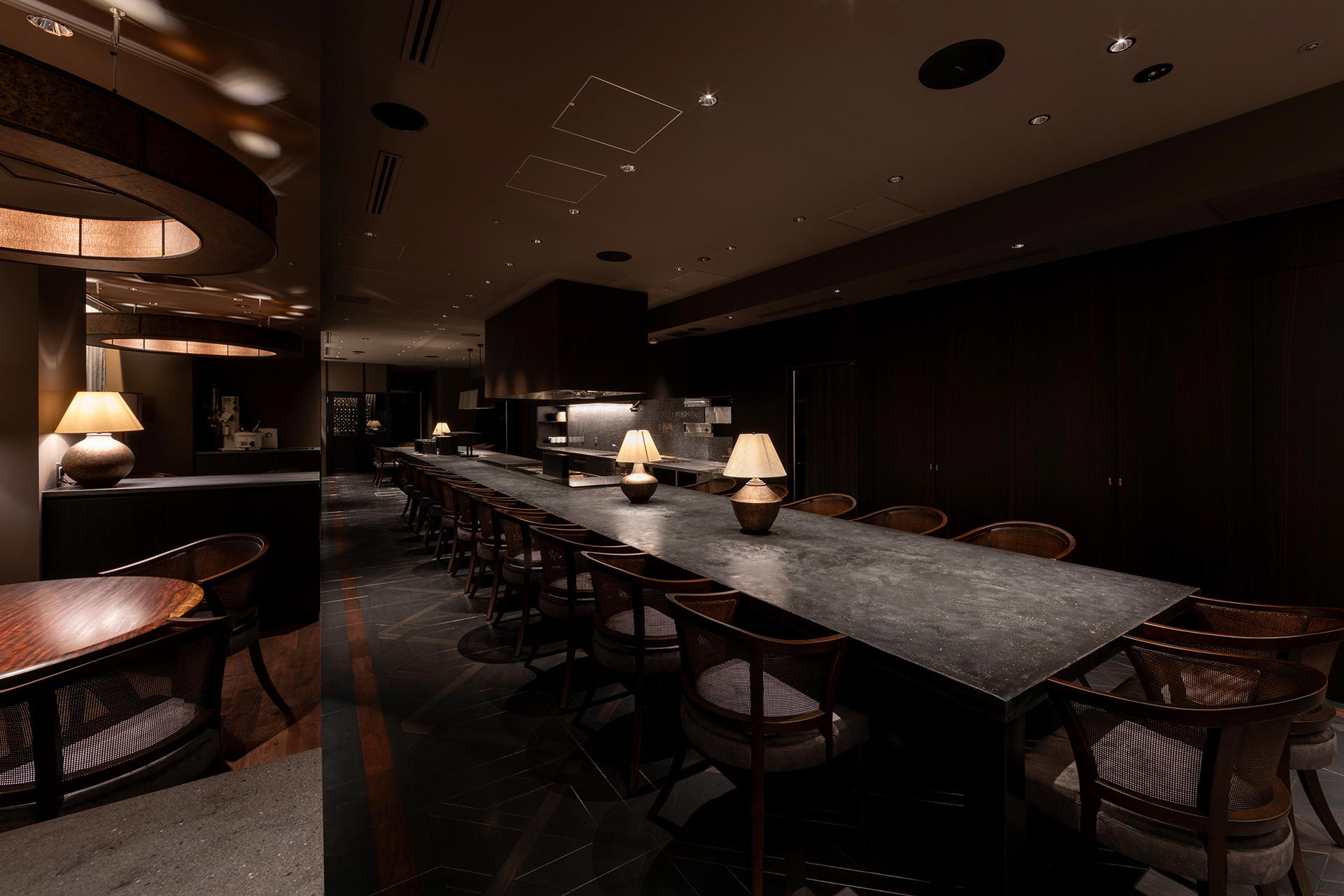
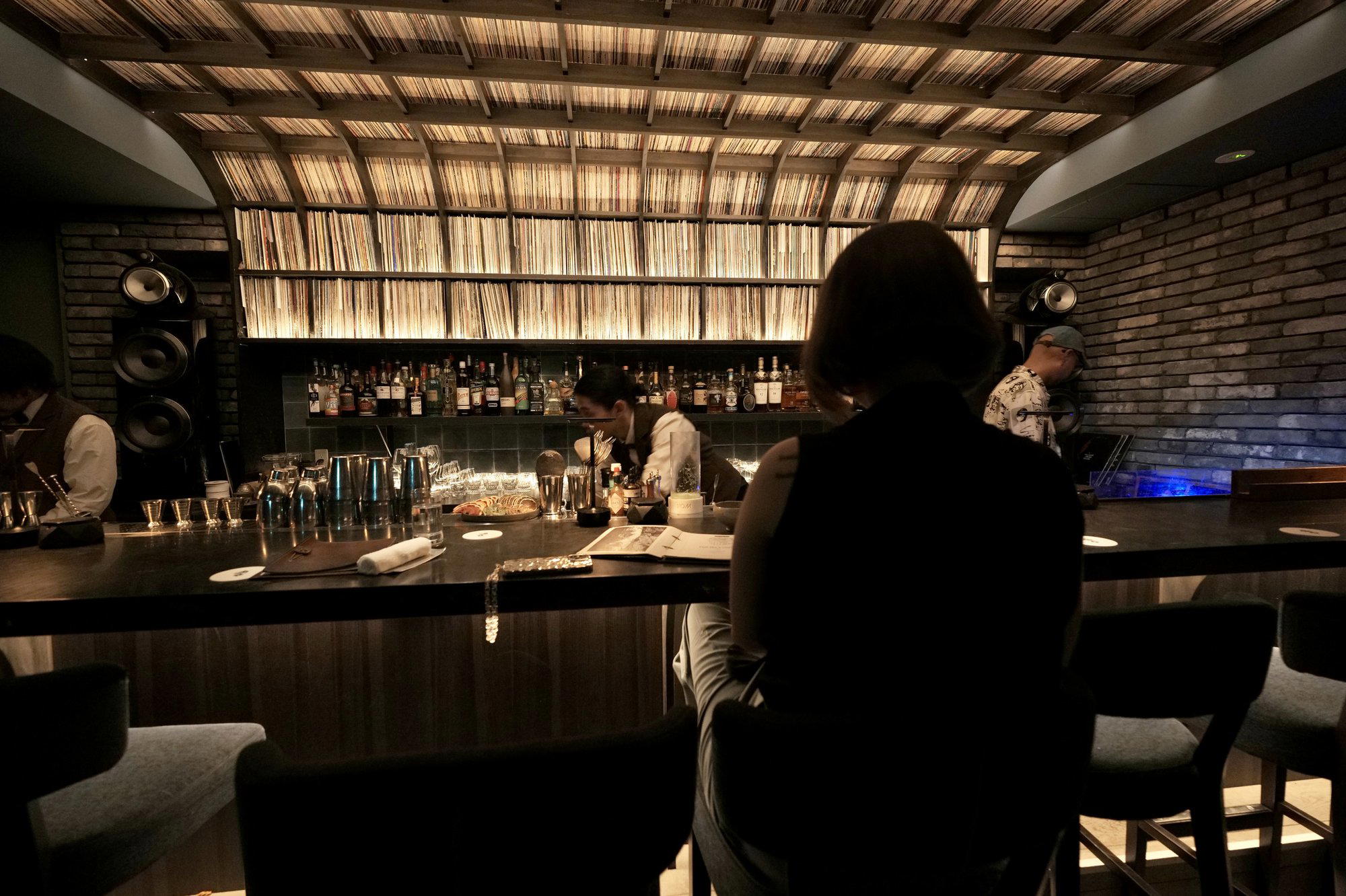
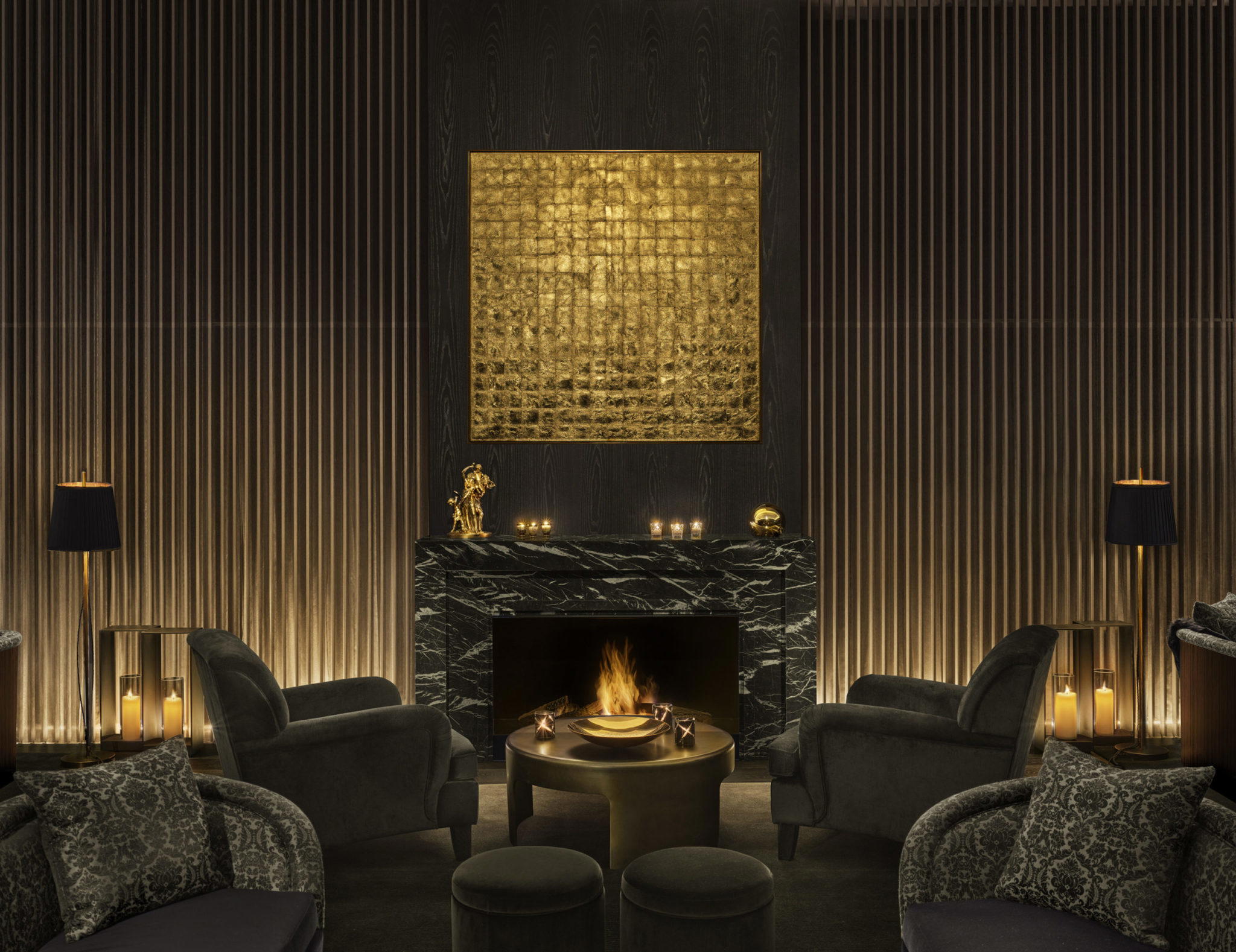
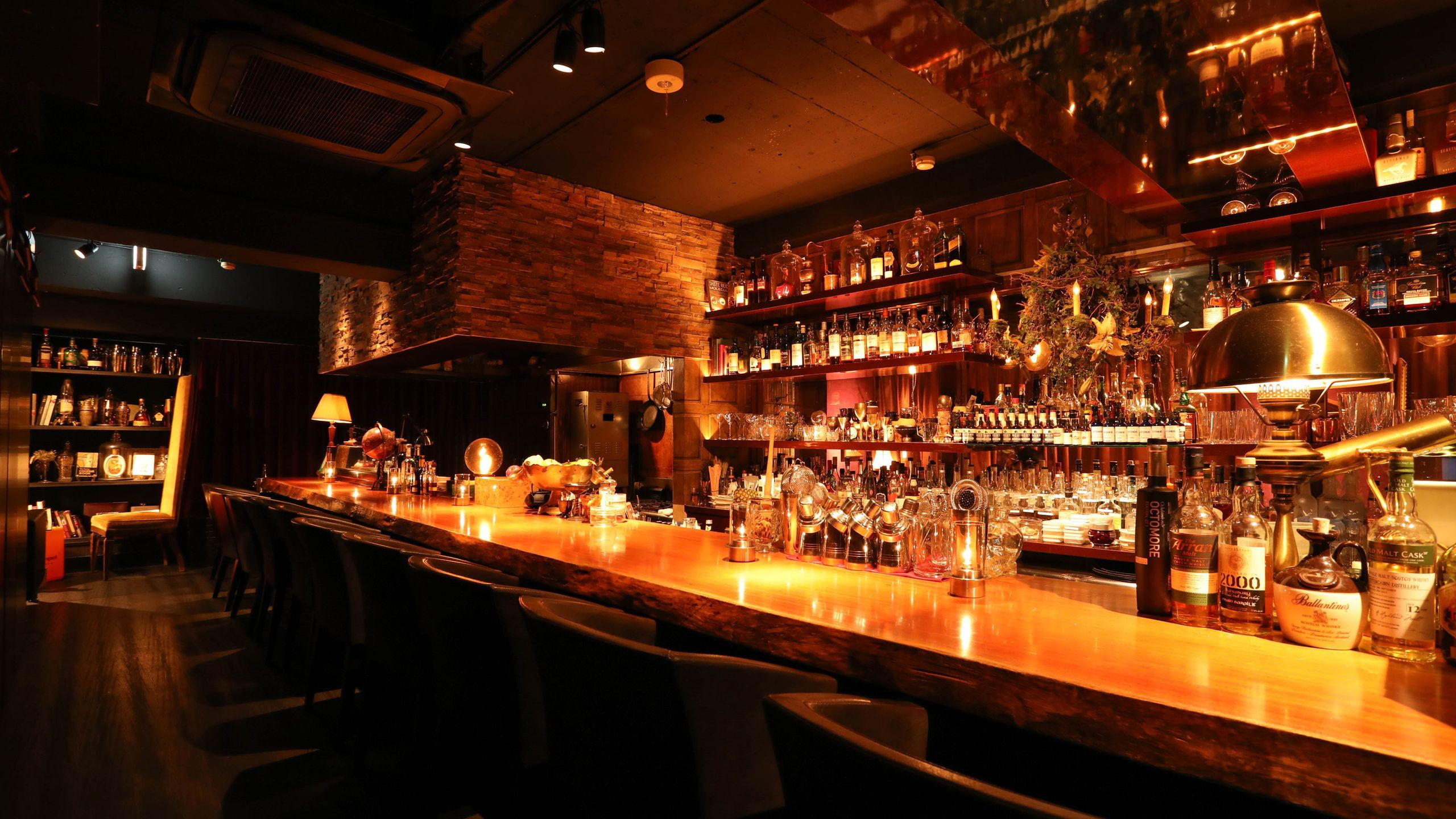
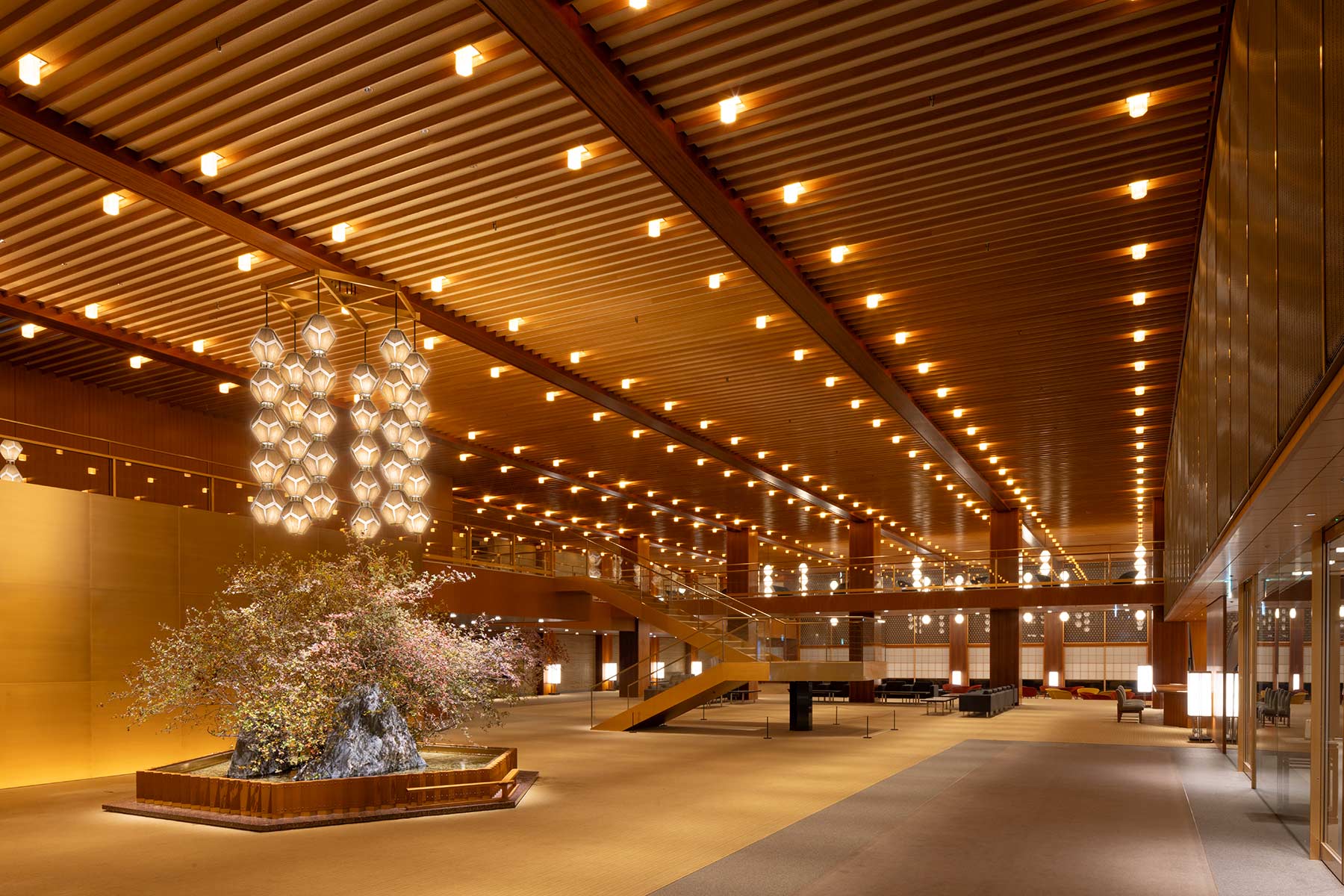
Chic and calm atmosphere with a sleek counter seating arrangement.