
Our verdict
福鮨 occupies a compact address in Roppongi's Minato ward, where Tokyo's sushi counter culture runs from accessible neighbourhood bars to rarefied omakase rooms. The venue's positioning within that spectrum, its regulars' loyalty, and its Roppongi location each tell a distinct story about how the city's appetite for serious sushi has evolved beyond the obvious tourist circuits.

Pearl is the En Primeur Club membership app — saves, bookings, and concierge access live there. Same editors, same standards.
- Address
- Japan, 〒106-0032 Tokyo, Minato City, Roppongi, 6 Chome−5−24 compex665 1階
- Phone
- +81334024116
- Website
- roppongifukuzushi.com
- Directions
- Get directions
- Booking
- Book on inline
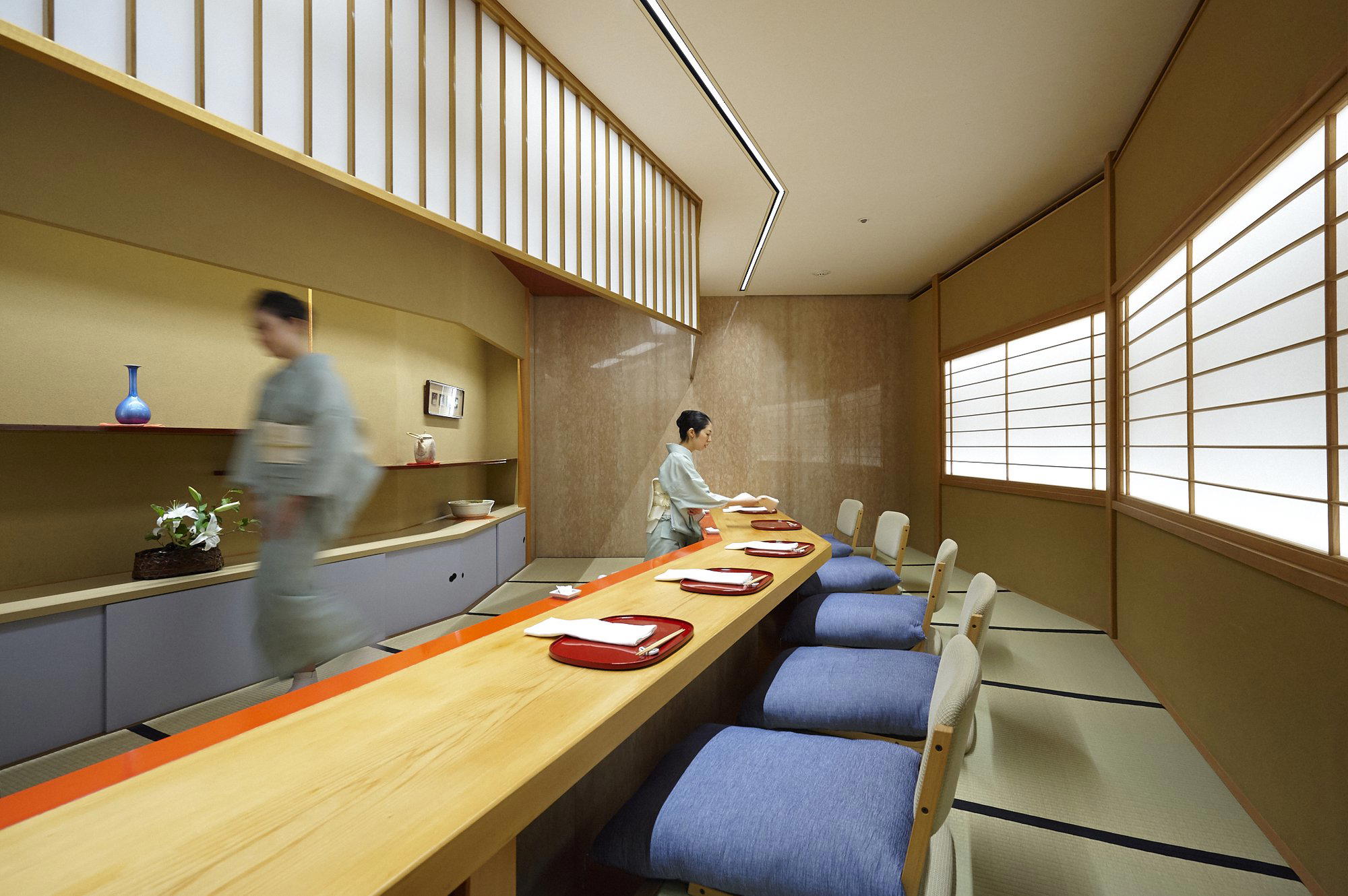
Roppongi's Sushi Counter, Seen From the Inside
Roppongi has a complicated reputation in Tokyo's dining conversation. For decades it read as the city's international-entertainment district first and a serious food address second. That reading has shifted. The neighbourhood now carries a dense stack of high-credentialled restaurants, from long-running kaiseki rooms to newer French-influenced counters, and within that mix a quieter tier of Japanese specialists has taken root. 福鮨, on a side address in Chome 6-5-24 of Minato's Roppongi grid, sits inside that quieter tier: a sushi counter whose draw comes less from spectacle than from the kind of accumulated familiarity that builds when a room keeps its regulars returning.
That regulars-first dynamic is worth unpacking, because it describes something real about how serious sushi counters function in Tokyo at the neighbourhood level. The loudest names in the city's sushi scene — the Ginza and Minami-Aoyama omakase rooms that price against international fine-dining benchmarks — operate partly on reputation and partly on foreign reservation demand. Counters a step below that visibility tier, by contrast, tend to develop a different kind of clientele: local professionals, nearby residents, people who return not because they have something to prove but because they know exactly what they are going to eat and trust it. Harutaka in Ginza represents one end of that sushi spectrum, occupying the three-Michelin-star bracket with corresponding booking difficulty. 福鮨 works from a different position in the same city.
What the Roppongi Address Signals
Location in Tokyo communicates price tier and clientele more precisely than almost any other global city. Ginza and Azabu-Juban counters carry a rent premium that passes directly into omakase pricing, and their regulars expect it. Roppongi's character is more layered. The district contains both the gallery-and-museum concentration of Roppongi Hills and Midtown and the older izakaya-and-late-night infrastructure that predates those developments. A sushi counter in this postcode can serve either demographic, or both.
The Compex665 building address on 6-Chome puts 福鮨 inside the residential and commercial mid-ground of the neighbourhood, rather than on the high-traffic axes that feed the gallery crowd or the nightlife belt. That positioning generally signals a room built for repeat visitors rather than first-timers working through a city checklist. For comparison, venues with similar address logic in Tokyo, away from main arteries, in multi-tenant buildings without marquee signage, tend to maintain their quality through word of mouth rather than discoverability, which is a meaningful filter on who ends up at the counter.
The Regulars' Logic
In a city where RyuGin's kaiseki and L'Effervescence's French approach operate at the top of the attention economy, the restaurants that accumulate the most durable loyalty are often those with no particular incentive to compete on visibility. The regular at a counter like 福鮨 is not there to collect an experience. They are there because the rice temperature, the neta selection, and the pacing of the meal are known quantities. That predictability, calibrated upward over time, is the actual product.
This is a distinctly Tokyo dynamic. The city's restaurant culture, shaped by a population density that can sustain niche formats almost indefinitely, allows counters to operate sustainably at limited scale without needing to attract new customers at high volume. The physical constraints of a sushi counter (typically eight to fourteen seats at the serious end, with a single itamae controlling the pace) mean the room reaches capacity quickly, and the regular-heavy booking pattern at mid-tier neighbourhood spots means availability for walk-ins or first-time visitors is structurally limited. Knowing a room is half the battle.
That context applies directly to how a first-time visitor should approach 福鮨. The restaurant is not optimised for discovery. Arriving with some prior knowledge of sushi counter etiquette, an openness to the itamae's sequence rather than ordering à la carte, and, ideally, a recommendation from someone who already knows the room will produce a meaningfully different experience than treating it as an anonymous booking.
Placing 福鮨 in the Tokyo Sushi Conversation
Tokyo's sushi scene is not a single market. At the leading sits a small cohort of Michelin-starred omakase rooms where a single counter seat can exceed ¥50,000 and advance booking windows stretch to months. Below that is a substantial middle tier where serious technique meets more accessible pricing and shorter booking leads. Below that again are neighbourhood sushi bars that function more as local dining infrastructure than destination restaurants. Sézanne and Crony represent the French-influenced end of Tokyo's premium dining tier, demonstrating how broadly the city's top-end appetite extends. 福鮨, within the specifically Japanese tradition, occupies territory somewhere in the mid-to-upper range of that second tier, serious enough to maintain a regular clientele with demanding standards, operating in a neighbourhood that supports sustained quality without the overheads that push counters into the rarefied leading bracket.
For visitors building a Japan itinerary around food, the Roppongi positioning also connects 福鮨 to a broader network of serious restaurants in the Minato ward. The same district includes kaiseki and French rooms of significant standing, which means a multi-meal day in Roppongi is structurally possible. Beyond Tokyo, the same interest in technically grounded Japanese food draws visitors toward HAJIME in Osaka, Gion Sasaki in Kyoto, akordu in Nara, and Goh in Fukuoka, each occupying a different position in Japan's broader premium dining map. Regional sushi and seafood traditions also extend to 一本杉川島制 in Nanao and 古仁屋山乃 in Sapporo, while 滋賀庄屋 in Takashima and 庄羽屋 in Nishikawa Machi point to the deeper rural-Japanese dining tradition. For those whose interest extends to non-Japanese counter formats, Birdland in Sakai, Bistro Ange in Toyohashi, and internationally, Le Bernardin in New York City and Atomix in New York City each demonstrate how counter-format dining translates across cuisines and continents.
See the full Tokyo restaurants guide for broader coverage of the city's dining tiers.
Planning Your Visit
| Venue | Cuisine | Price Tier | Booking Lead | Area |
|---|---|---|---|---|
| 福鮨 | Sushi | Mid–upper (est.) | Moderate | Roppongi, Minato |
| Harutaka | Sushi | ¥¥¥¥ | Several months | Ginza |
| RyuGin | Kaiseki | ¥¥¥¥ | Several months | Roppongi |
| L'Effervescence | French | ¥¥¥¥ | Several months | Nishiazabu |
| Crony | Innovative, French | ¥¥¥¥ | Moderate–long | Minami-Aoyama |
Advance booking is advisable given the counter-format constraints typical of venues at this level. Phone or in-person enquiry is the standard approach for neighbourhood sushi counters in Tokyo that do not operate through third-party reservation platforms.
Frequently asked questions
What's 福鮨's location?
福鮨 is located at Japan, 〒106-0032 Tokyo, Minato City, Roppongi, 6 Chome−5−24 compex665 1階, Tokyo.
What should I order at 福鮨?
At a sushi counter in Tokyo's Roppongi district, the itamae typically guides the meal through an omakase or set sequence rather than à la carte selection. Deferring to the chef's judgement is standard practice and allows the kitchen to pace the meal around market-available fish. If the counter offers a choice between set tiers, the mid-range option usually represents the most considered balance of variety and value in Tokyo's neighbourhood sushi segment.
Should I book 福鮨 in advance?
Reservations are recommended for 福鮨 in Tokyo. Confirm current policy via the venue's official channels.
Should I book 福鮨 in advance?
Any sushi counter with an established regular clientele in Tokyo operates with structurally limited walk-in availability: rooms are small and regulars hold preferred slots on a recurring basis. 福鮨 sits in Roppongi's 6-chome, a dense dining corridor, which means competition for seats at reliable neighbourhood counters is real. Reserving at least several days ahead is the practical approach, and contacting the venue directly remains the most reliable route for first-time guests.
Style and Standing
| Venue | Cuisine | Price | Awards | Notes |
|---|---|---|---|---|
| ç¦é®¨This venue — the venue you are viewing | Hokkaido-style Omakase Sushi | Not listed | Not listed | Not listed |
| Harutaka | Edo-Style Omakase Sushi | $200–300 | 3 Michelin Stars · World's 50 Best #76 | Sushi |
| L'Effervescence | Modern French with Japanese Influences | $200–300 | 3 Michelin Stars · World's 50 Best #69 | French |
| RyuGin | Modern Kaiseki | $500+ | 3 Michelin Stars · World's 50 Best #41 | Kaiseki, Japanese |
| Crony | Modern French with Japanese Influences | $150–200 | 2 Michelin Stars · World's 50 Best #34 | Innovative, French |
| Florilège | Modern French-Japanese Plant-Based Fine Dining | $50–100 | 2 Michelin Stars · World's 50 Best #31 | French |
Recognition history
Dated appearances from independent guides and award organizations, with the underlying list record or original source where available.
Opinionated About Dining Top Restaurants in Japan Recommended
Opinionated About Dining

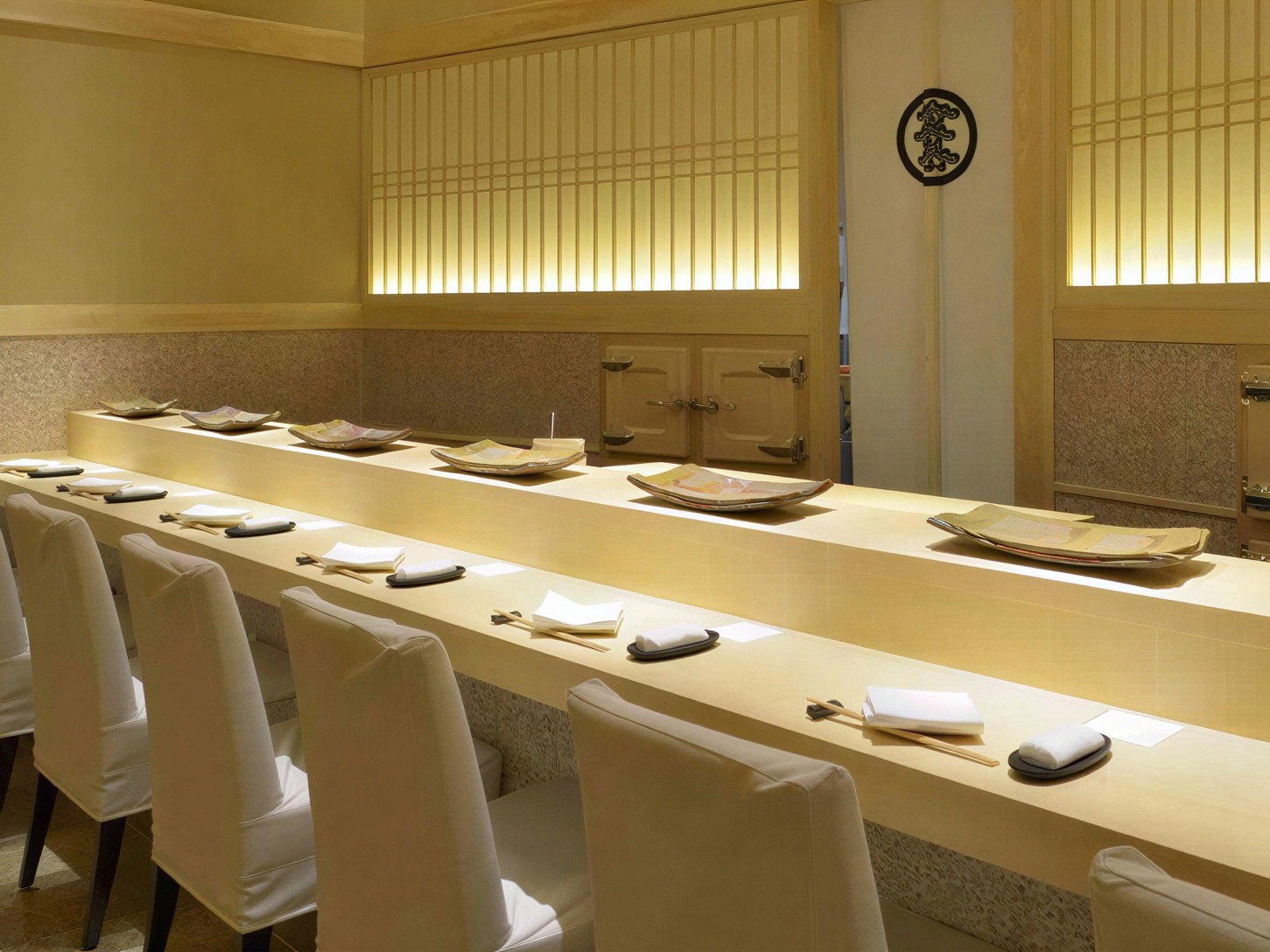

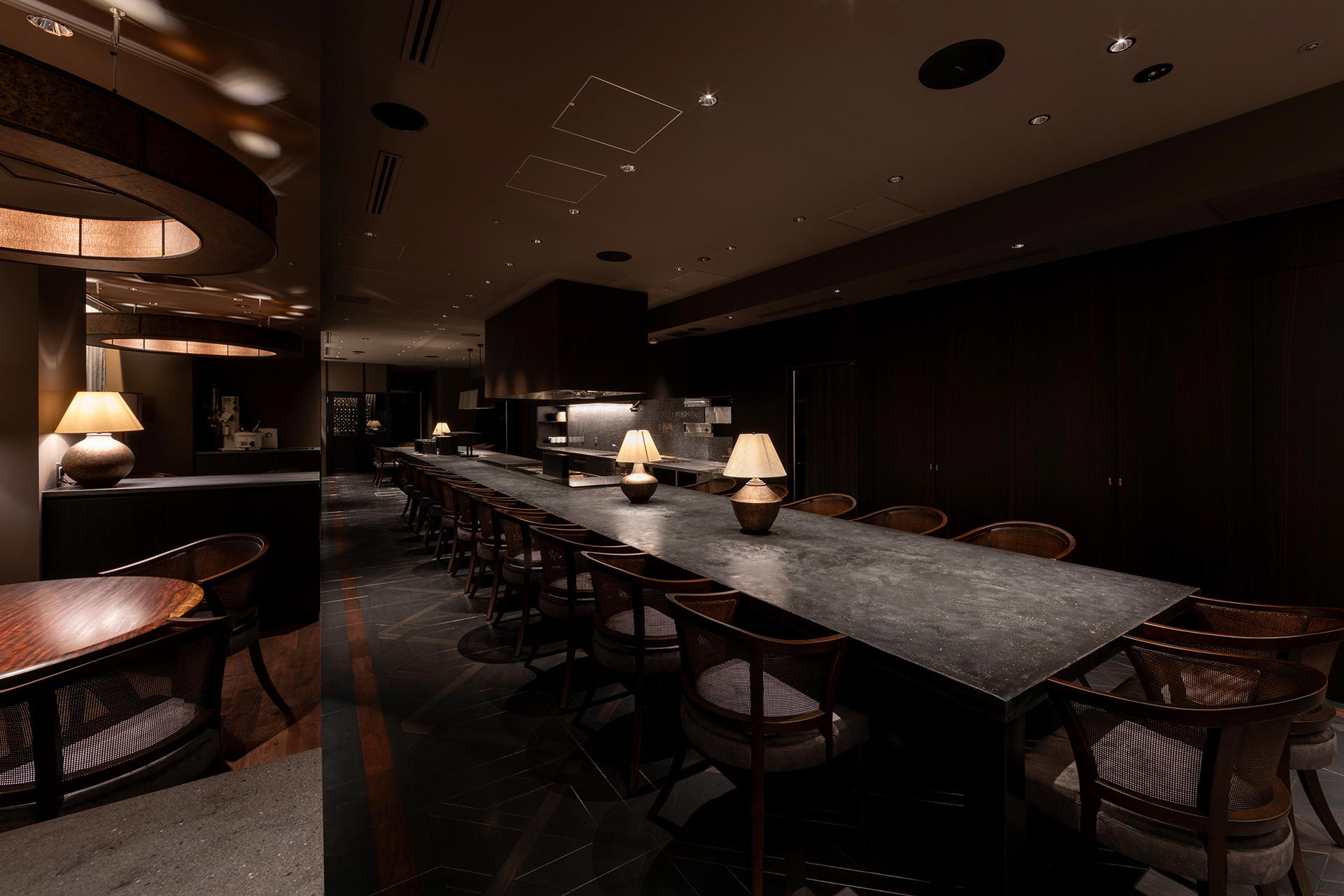
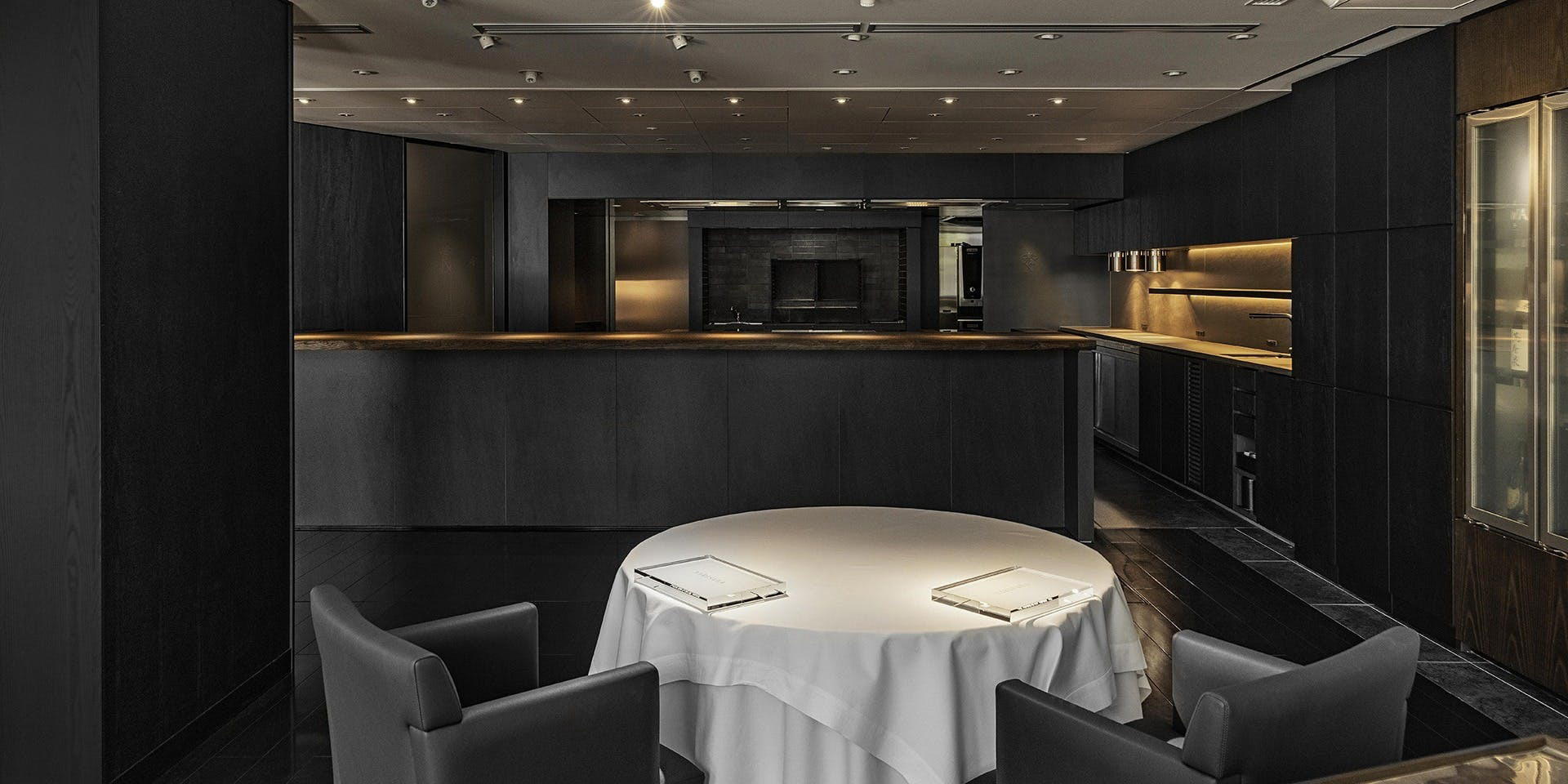









Details
- Elegant
- Sophisticated
- Special Occasion
- Date Night
- Chefs Counter
- Hotel Restaurant
- Sake Program
- Skyline
- Omakase
- Counter Dining
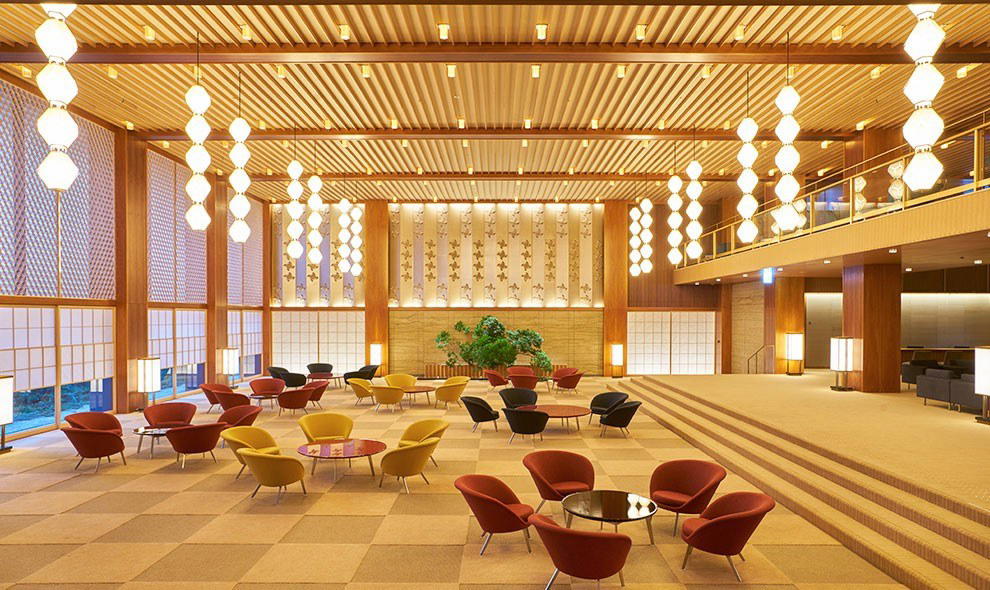
Elegant high-floor setting with sophisticated sushi counter atmosphere.