Our verdict
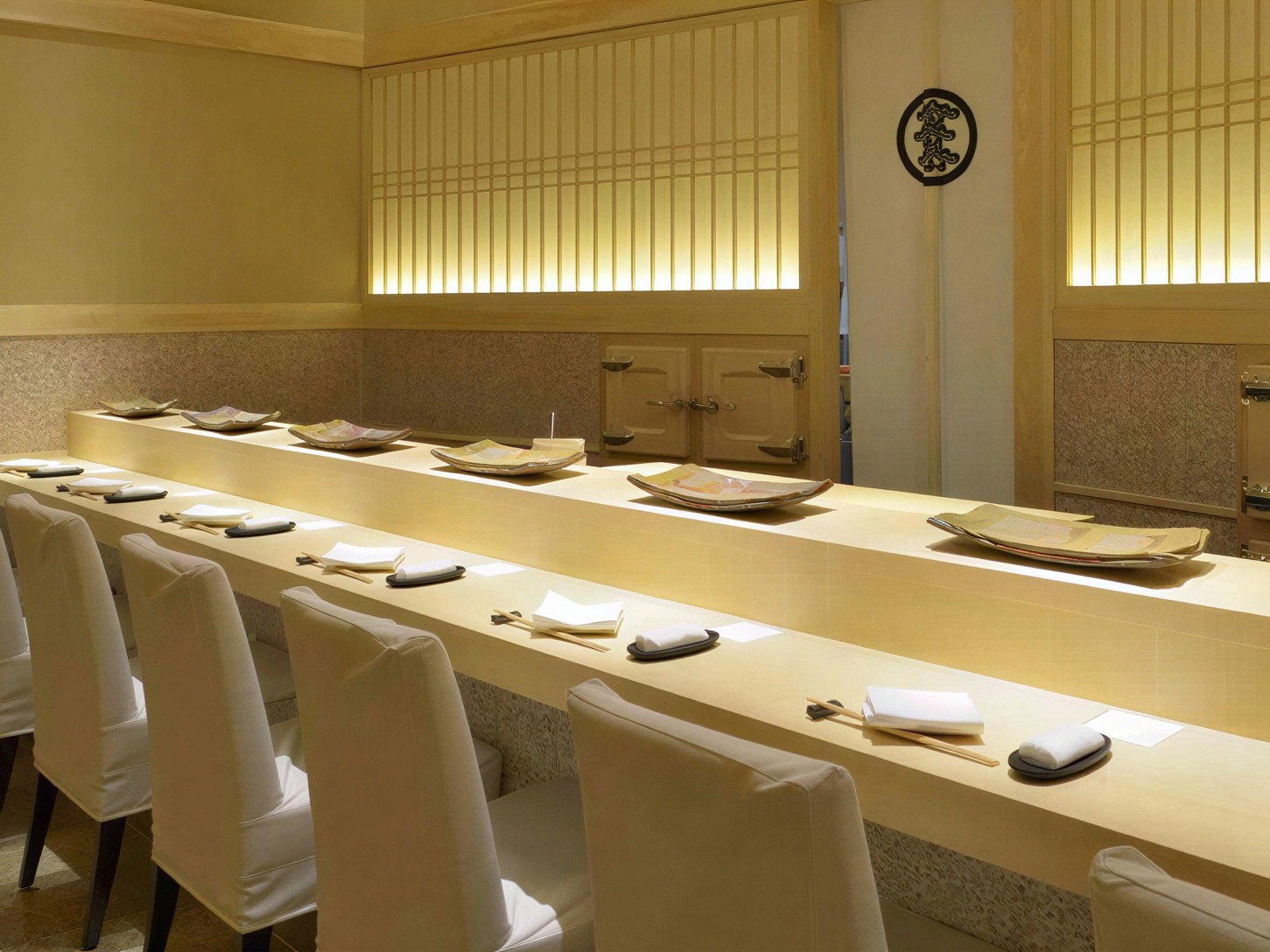
懐石料亭 花がすみ occupies a considered position within Tokyo's kaiseki tier, operating from Motoakasaka in Minato City at an address associated with traditional ryotei culture. The format follows kaiseki's seasonal and ceremonial logic, placing it alongside a small peer group of Tokyo restaurants where booking difficulty, format discipline, and ingredient sourcing are the primary differentiators.

Pearl is the En Primeur Club membership app — saves, bookings, and concierge access live there. Same editors, same standards.
- Address
- 2 Chome-2-23 Motoakasaka, Minato City, Tokyo 107-8507, Japan
- Phone
- +81337467733
- Hours
- Daily 11:30 AM–10 PM
- Website
- meijikinenkan.gr.jp
- Directions
- Get directions
The menu
What to order
- Spring Zanmai Kaiseki
- Tai Chazuke Kaiseki
- Hida Beef Lava Grilled
Planning to Eat at the Level Kaiseki Demands
Tokyo's kaiseki tier operates by a different set of rules than the city's sushi counters or French tasting menus. Where an omakase counter might release seats on a rolling monthly cycle or accept walk-ins for a cancelled slot, a traditional ryotei — the formal Japanese dining establishment to which 懐石料亭 花がすみ belongs — typically requires more deliberate advance planning, and often a degree of local context or an established relationship with the establishment. That friction is not incidental. It is part of what separates ryotei kaiseki from the broader category of premium Japanese dining. The address in Motoakasaka, Minato City, places this venue in a neighbourhood long associated with Tokyo's political and diplomatic circles, a context that historically defined who these rooms served and how they operated.
Understanding that context matters before you book. The editorial angle here is not the venue itself but what the booking process signals about the tier: this is a format with deep ceremonial roots, where the relationship between guest and kitchen is assumed to be ongoing rather than transactional. Visitors approaching from abroad, or even from outside established Tokyo dining networks, should factor that into their planning.
Motoakasaka and the Ryotei Tradition It Sustains
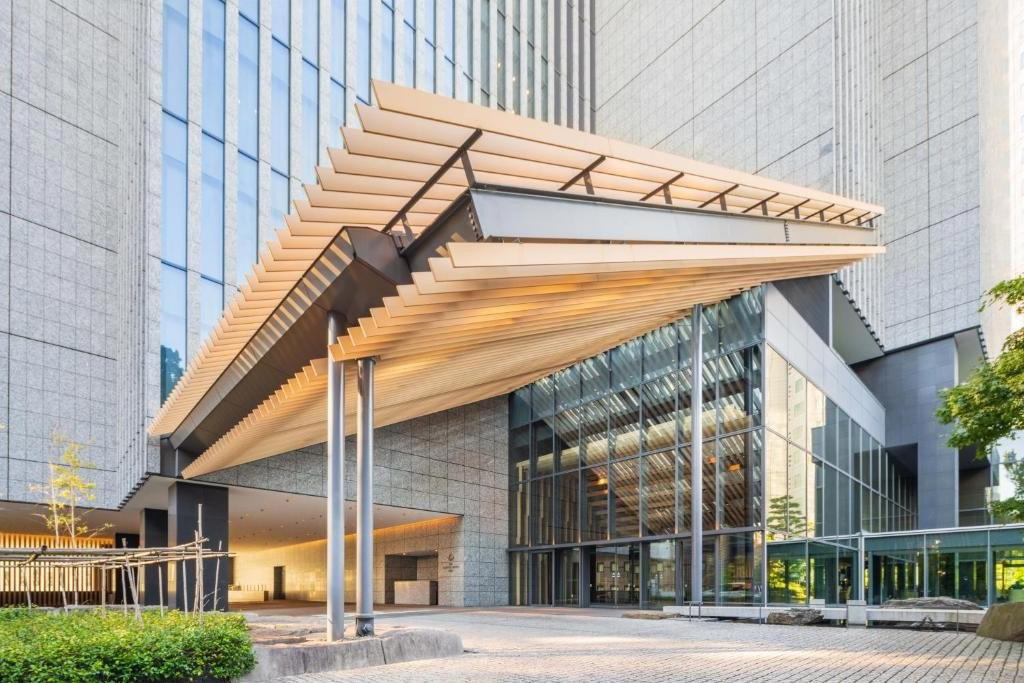
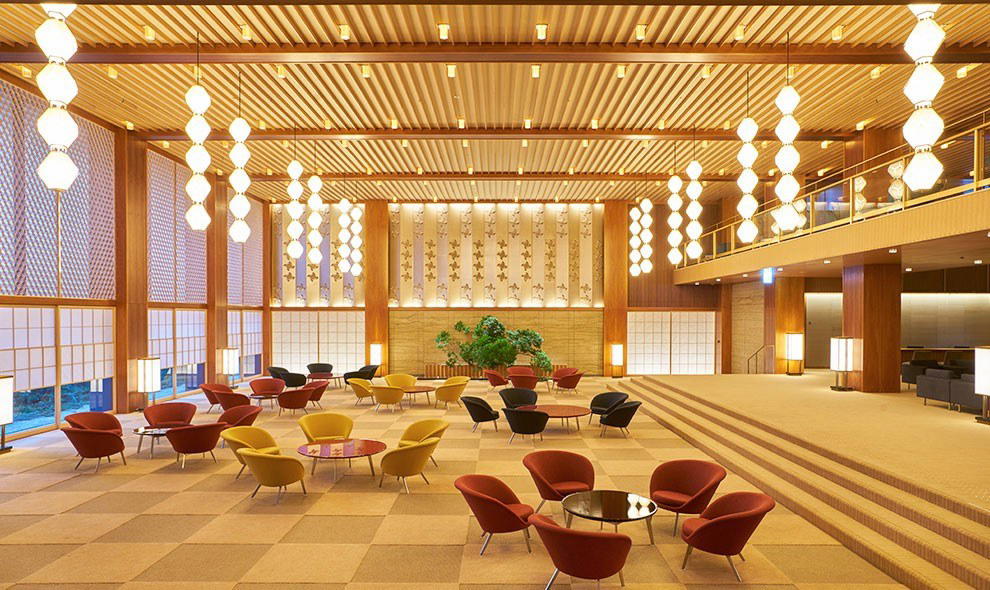
The Motoakasaka address, 2 Chome-2-23, sitting within Minato City, is not a restaurant district in the way that Ginza or Nihonbashi are. Minato's premium dining is distributed across several neighbourhoods, each with its own character. Motoakasaka has historically housed establishments that serve a clientele with institutional connections: government ministries, embassies, and the major hotel properties nearby. The New Otani hotel complex is effectively adjacent. That geographical reality shapes the type of establishment that has historically operated here: formal, private, and not heavily dependent on foot traffic or media-driven reservation surges.
Ryotei in this register differ from kaiseki restaurants that have pursued Michelin recognition and international visibility. Properties like RyuGin in Roppongi represent a category of kaiseki that actively engages with the international dining press and operates within the Michelin framework. Ryotei kaiseki, by contrast, has often remained more deliberately opaque, pricing communicated on enquiry, menus shifting with seasonal supply, rooms designed for private dining rather than open counter service. That opacity is a feature of the category, not a gap in documentation.
What the Kaiseki Format Actually Means for the Meal
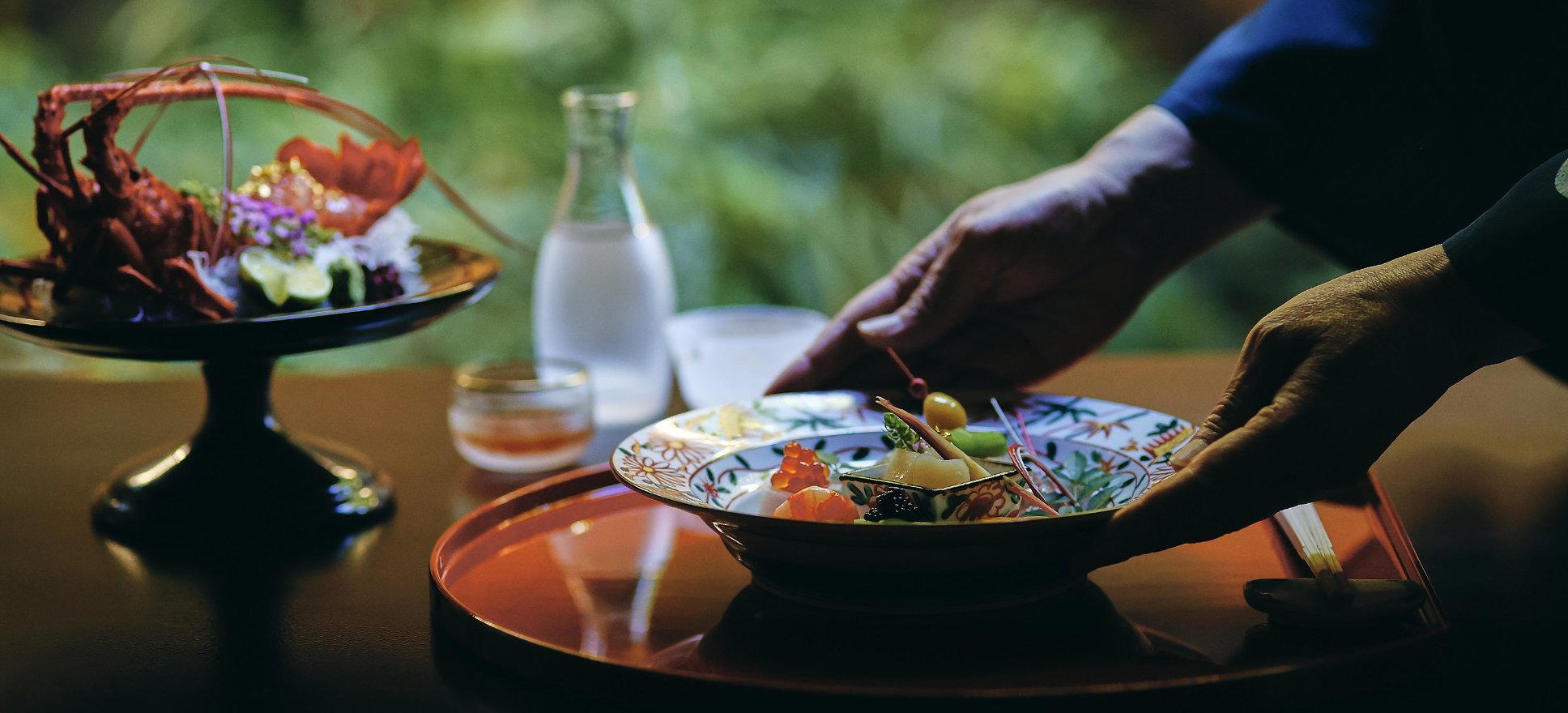
Kaiseki follows a sequential structure that has been codified over centuries. A formal kaiseki sequence typically moves through sakizuke (a small appetiser acknowledging the season), hassun (a platter that establishes the menu's seasonal theme), then through simmered, grilled, and steamed courses before arriving at rice, miso, and pickles. At a ryotei operating at the level implied by this address and category, the seasonal logic is primary: dishes are built around what is available at a specific moment in the Japanese culinary calendar rather than around a fixed signature repertoire.
That seasonal rigour is what draws comparison to top-tier kaiseki elsewhere in Japan. Gion Sasaki in Kyoto operates at the level where seasonal availability dictates the entire menu structure. HAJIME in Osaka applies a different, more conceptual framework but shares the same commitment to sourcing as the primary editorial statement. In Tokyo, RyuGin has articulated its own version of this through a more media-visible lens. 懐石料亭 花がすみ, operating in a quieter register, fits a tradition that pre-dates the international recognition framework entirely.
For international visitors who have eaten kaiseki primarily at restaurants with English menus or concierge-mediated bookings, the ryotei format can require a different kind of preparation. Course lengths vary. Sake pairings, when offered, are typically communicated verbally rather than printed on a wine list. The pace is set by the kitchen, not the guest.
How to Approach the Booking
Because no public booking channel or phone number is available in current listings, the most reliable approach for non-Japanese-speaking visitors is through a hotel concierge with established ryotei relationships, or through a specialist dining concierge service. Major luxury hotels in Minato, including properties within walking distance of the Motoakasaka address, typically maintain direct lines to establishments of this type. That path also provides a practical buffer for communicating dietary requirements and language preferences in advance, both of which matter considerably in a kaiseki context where the menu arrives sequentially without a printed card.
Timing matters, too. Kaiseki's seasonal calendar has distinct peaks: spring brings takenoko (bamboo shoot) preparations and cherry-blossom-adjacent ingredients; autumn is dominated by matsutake mushroom and fish coming into season. Dining at a ryotei in either of those windows reflects the format as it was designed to function. Summer and winter menus are equally considered, but spring and autumn represent the moments when the kaiseki ingredient logic is most legible to a first-time guest.
For those building a broader Tokyo dining programme around this booking, the Motoakasaka location places it within reach of Roppongi, Aoyama, and Akasaka's broader dining offerings. L'Effervescence in Nishi-Azabu and Sézanne in Marunouchi represent the French end of Tokyo's premium dining; Harutaka operates at the top of the sushi counter category. Crony sits at the innovative French end of the spectrum. Kaiseki at this level occupies a distinct lane from all of them, and the comparison set matters when sequencing multiple dinners across a trip.
For those extending beyond Tokyo, the kaiseki tradition in other cities warrants separate planning. akordu in Nara applies European technique within a Japanese seasonal framework. Goh in Fukuoka operates within Kyushu's distinct ingredient register. Further afield, 一本杉 川島 in Nanao and 湖雲荘 in Takashima represent the regional tradition as it operates outside major cities, a materially different experience in terms of pace and sourcing proximity. 古来山乃 in Sapporo and 鷹羽荘 in Nishikawa Machi extend that regional picture northward. Our full Tokyo restaurants guide maps the city's premium dining tiers in more detail.
For international reference, the structural logic of a multi-course, ingredient-led tasting format has parallels at places like Le Bernardin in New York City and Atomix in New York City, though the culinary and ceremonial traditions are entirely distinct. Birdland in Sakai and Bistro Ange in Toyohashi represent other regional Japanese formats that reward similar advance planning discipline.
Quick Reference
懐石料亭 花がすみ is located at 2 Chome-2-23 Motoakasaka, Minato City, Tokyo. Booking is leading arranged through a hotel concierge or dining specialist with established ryotei connections. Seasonal peaks for the kaiseki format are spring and autumn.
Frequently asked questions
Where exactly is 懐石料亭 花がすみ?
懐石料亭 花がすみ is located at 2 Chome-2-23 Motoakasaka, Minato City, Tokyo 107-8507, Japan, Tokyo.
Is 懐石料亭 花がすみ suitable for visitors unfamiliar with kaiseki dining etiquette?
Ryotei kaiseki in Tokyo follows conventions that differ from casual Japanese dining: courses arrive in a fixed order, the pace is set by the kitchen, and the setting at a Motoakasaka establishment of this kind typically involves a tatami room or formal dining space. First-time kaiseki guests are generally welcomed, but arriving with some understanding of the structure — and ideally with a Japanese-speaking intermediary who arranged the booking — makes the meal easier to follow and more rewarding.
What do regulars order at 懐石料亭 花がすみ?
The format answers the question: at a kaiseki ryotei of this type, the kitchen decides the sequence, not the guest. A formal kaiseki progression moves from sakizuke through hassun, yakimono, and rice course, with the season's best produce dictating every stage. There is no à la carte selection at establishments operating in this tradition in Motoakasaka.
Should I book 懐石料亭 花がすみ in advance?
Yes, and the lead time is longer than most Tokyo visitors expect. Ryotei in Motoakasaka typically operate with small rooms, limited seatings per evening, and a preference for known guests or introductions. No public booking channel is listed for 花がすみ, so arranging the reservation through a hotel concierge or a Tokyo dining specialist well before your travel dates is the practical route.
What's the standout thing about 懐石料亭 花がすみ?
The address tells part of the story. Motoakasaka is not a restaurant district in the way Ginza or Nihonbashi are; the ryotei that operate here are embedded in a quieter residential and diplomatic pocket of Minato City, which suits the formality of kaiseki. The format itself — a codified, multi-course sequence refined over centuries — is the defining feature, not a single dish or a chef's personal brand.
Cuisine Context
Comparable venues nearby, for context on price, style, and recognition.
| Venue | Cuisine | Price | Awards | Notes |
|---|---|---|---|---|
| 懐石料亭 花がすみThis venue — the venue you are viewing | Traditional Japanese Kaiseki | $200–300 | Not listed | Not listed |
| 重箱 | Traditional Japanese Unagi | $200–300 | Not listed | Akasaka |
| おにく 花柳 | Michelin-starred Wagyu kaiseki / meat kappo | $200–300 | Black Pearl 1 Diamond | Ginza |
| Sushi Murase | Aged Edomae Omakase | $200–300 | Tabelog 100 #18 | Minato |
| Chidori | Chicken Omakase (Toriryori) Counter | $150–200 | Tabelog 100 #42 | Minato |
| Robot Restaurant | Robot Cabaret Show | $50–100 | Not listed | Shinjuku |