重箱 occupies a quiet address in Akasaka, one of Tokyo's established dining districts, where traditional Japanese formats continue to define the neighbourhood's character. Visitors drawn to Akasaka's culinary depth will find it worth direct inquiry before any visit.

Pearl is the En Primeur Club membership app — saves, bookings, and concierge access live there. Same editors, same standards.
Akasaka's Quiet Register
重箱 is a traditional Japanese unagi fine dining restaurant in Akasaka, Tokyo, at a price tier of about US$250 per person. In Tokyo's dining geography, Akasaka operates differently from the high-visibility circuits of Ginza or Shinjuku. The neighbourhood has long sustained a tier of restaurants that function on reputation rather than exposure: places that don't advertise seat counts or publish menus online, where the act of finding them is itself a kind of credential. 重箱 sits in this register, at an address on Akasaka 2-chome that gives little away from the street. That restraint is not accidental. It reflects a broader pattern in how certain Tokyo restaurants position themselves, closer to the private dining tradition than to the modern reservation-platform model that has standardised access to so many of the city's starred rooms.
The Akasaka district, in Minato-ku, has historically drawn political, business, and entertainment figures, and the dining culture here developed accordingly: discreet, often seasonal, calibrated to a clientele that values privacy alongside craft. That context shapes what a visit to 重箱 is likely to involve before a single dish arrives.
The Atmosphere of Considered Restraint
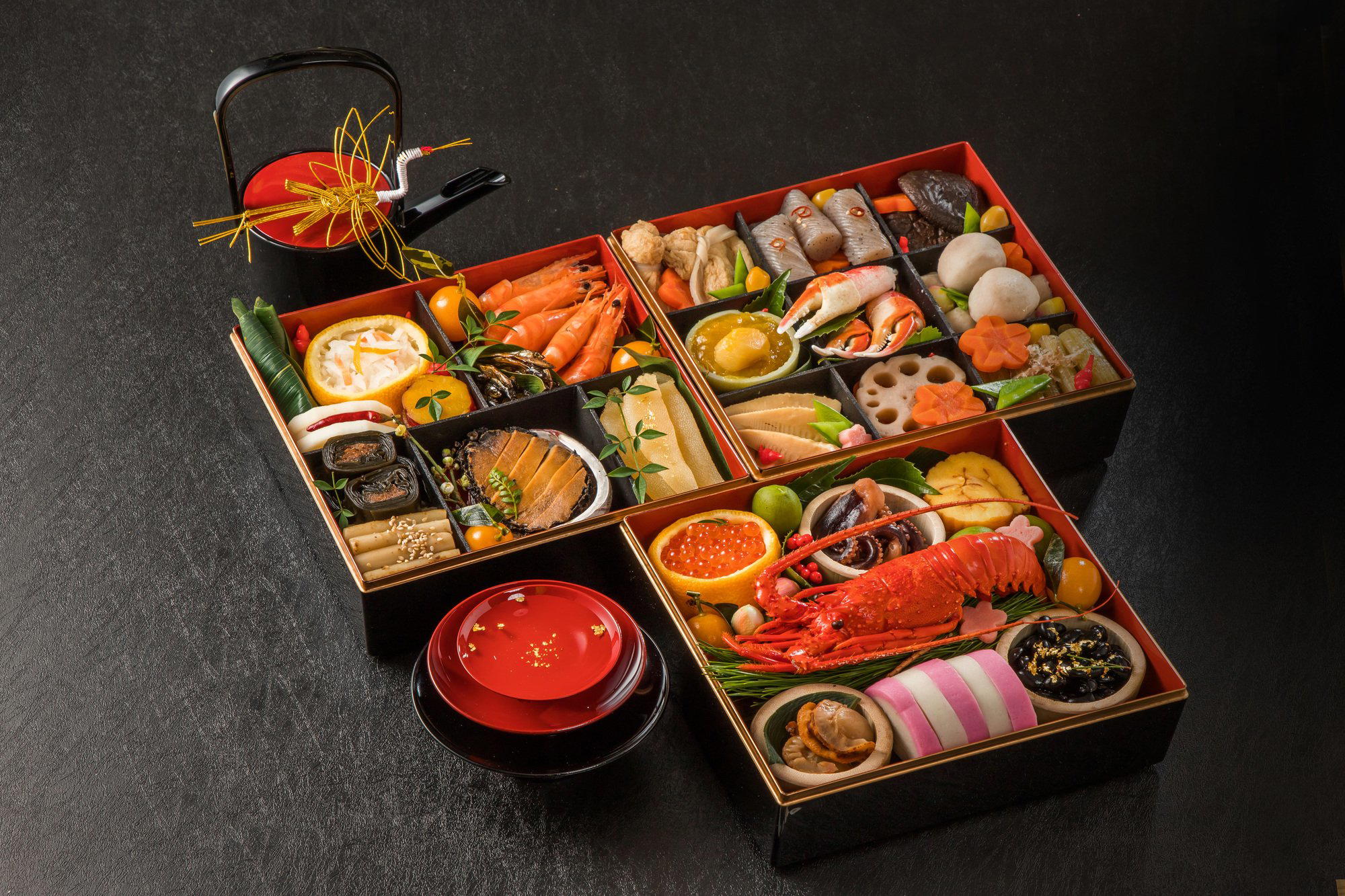
Japanese restaurants operating in the traditional mode tend to communicate through reduction rather than addition. Where a Western fine-dining room might assert itself through design statements, lighting rigs, open kitchens, architectural gestures, the equivalent in this Tokyo tier typically works through absence: the weight of silence between courses, the grain of natural wood, the temperature of a room managed to the degree. The name 重箱 itself references the lacquered stackable box used for formal Japanese meals, particularly osechi ryori served at New Year. The reference signals an orientation toward ceremony and seasonal propriety, not novelty.
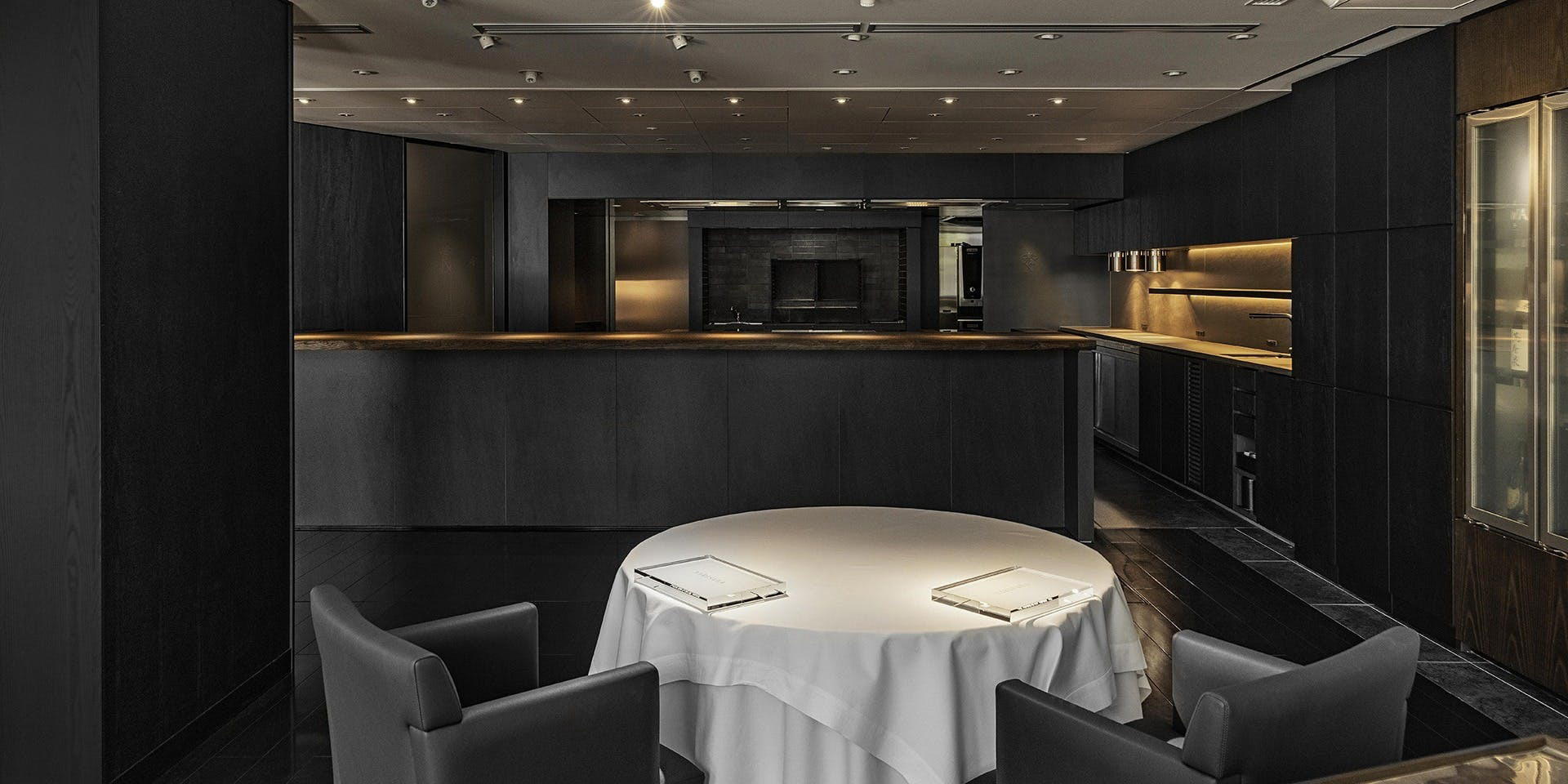
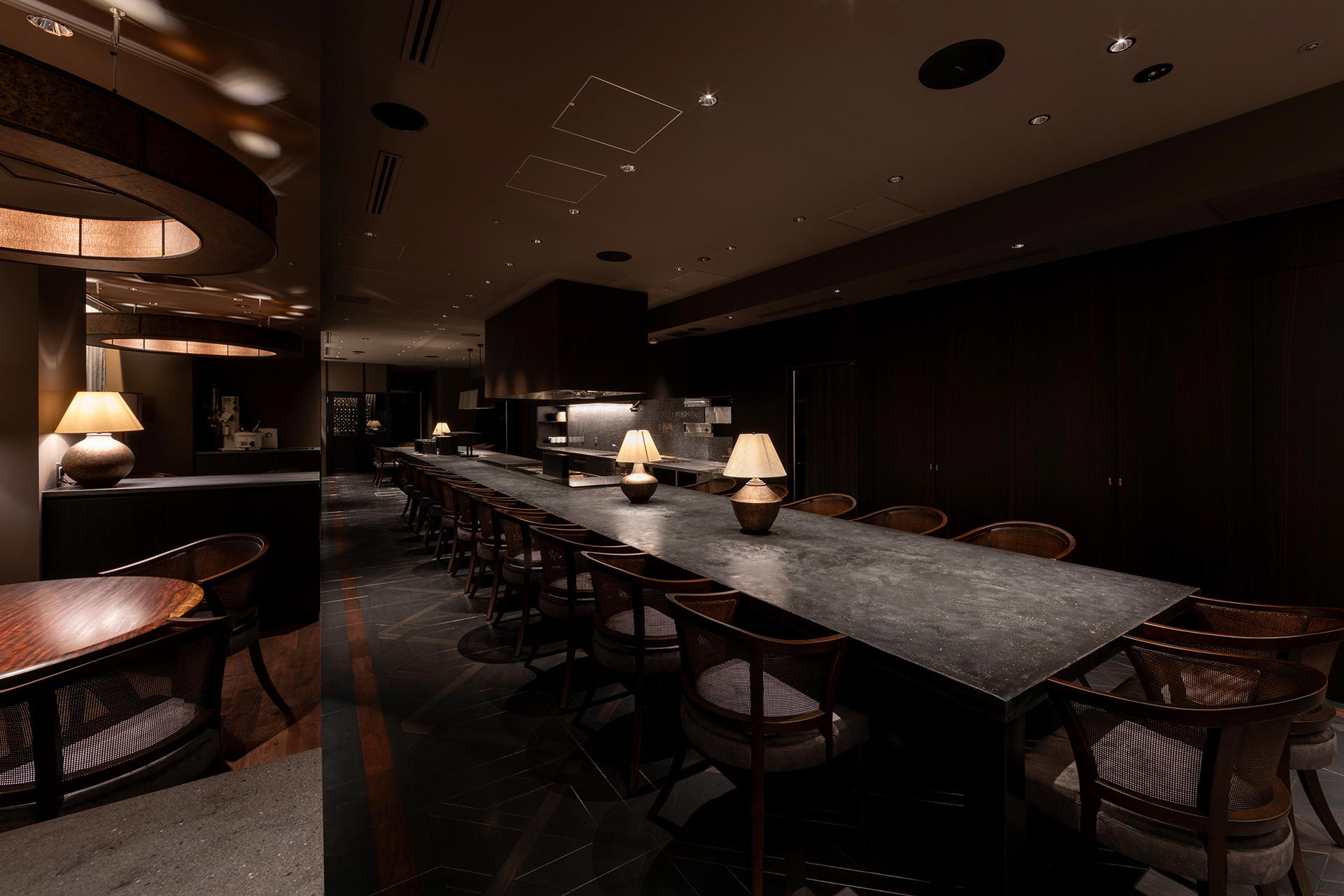
Without verified sensory detail from a documented visit, it would be inaccurate to describe specific materials, lighting conditions, or sound levels inside the room. What the address and tradition allow is an inference: Akasaka's established dining rooms in this neighbourhood block tend toward compact, carefully maintained spaces where the cook-to-diner ratio is high and the experience is deliberate in pace. That deliberateness is part of what distinguishes this tier of Tokyo dining from the faster-turnover formats that dominate the city's more tourist-facing areas.
Where 重箱 Sits in Tokyo's Dining Architecture
Tokyo's premium dining tier has become increasingly legible to international visitors over the past decade, in large part because award systems have created a shared vocabulary. Venues like RyuGin in Roppongi and Harutaka in Ginza operate with confirmed Michelin recognition and international booking infrastructure. L'Effervescence and Sézanne anchor a French-in-Tokyo tier that competes on ingredient sourcing and technical precision. Crony represents a more recent wave of chef-driven innovation that skews younger and less formal.
重箱 does not appear in that documented, award-signalled layer, at least not in publicly available records. That places it in a different cohort: venues whose reputation circulates through personal networks rather than critical coverage, and whose clientele arrives through introduction rather than algorithm. In Tokyo, this is not a lesser category. Some of the city's most demanding cooking happens in rooms that have never sought, or accepted, external evaluation. The distinction matters when setting expectations: this is not a venue you book through a platform after reading a review. It is a venue you approach differently.
Japanese Dining Beyond Tokyo: The Regional Context
The discretion that defines venues like 重箱 in Akasaka is even more pronounced outside Tokyo. Japan's regional dining culture sustains a network of highly specific, deeply local restaurants that rarely appear in international coverage. HAJIME in Osaka and Gion Sasaki in Kyoto represent the starred, internationally visible end of that regional tier. But the more instructive comparison for understanding 重箱's likely positioning comes from venues like 一本杉川嶋 in Nanao, 古代山乃 in Sapporo, 湖畔荘 in Takashima, or 羽根屋 in Nishikawa Machi, places where local craft and community context define the offer, rather than positioning within a national or international critical hierarchy.
akordu in Nara and Goh in Fukuoka demonstrate how Japanese cities outside the capital have developed their own premium dining identities that don't mirror Tokyo's structures. Birdland in Sakai and Bistro Ange in Toyohashi extend that picture into smaller cities where dining operates on entirely different social logics. Internationally, the comparison extends to places like Le Bernardin in New York City and Atomix in New York City, venues that, like Tokyo's more serious rooms, treat the dining format itself as a statement of values.
Planning a Visit
The practical logistics of visiting require direct, in-person inquiry or a local introduction. The address, 赤坂2-17-61, Minato-ku, Tokyo 107-0052, places the venue in the southern part of Akasaka, walkable from Akasaka or Tameike-Sanno stations on the Tokyo Metro. Reservations are essential, and the address is 赤坂2-17-61, 港区, 東京都, 107-0052.
Seasonal timing matters considerably in Japanese dining at this level. Autumn, when ingredients like matsutake mushroom, new-harvest rice, and Pacific saury are at their seasonal peak, represents one of the highest-demand periods across Tokyo's traditional dining rooms. Winter brings the oyster and fugu season. Spring accelerates through cherry blossom into bamboo shoot and spring vegetable territory. Each of these windows affects both availability and the character of what a kitchen at this level will choose to present. Visiting outside Tokyo's peak travel periods, roughly avoiding Golden Week in late April through early May, and the mid-August Obon period, tends to ease access to Akasaka's more discreet dining addresses.
Same-City Peers
Comparable venues nearby, for context on price, style, and recognition.
| Venue | Cuisine | Price | Notes |
|---|---|---|---|
| 重箱This venue — the venue you are viewing | Traditional Japanese Unagi Fine Dining | $$$$ | Not listed |
| Sushi Sho | Traditional Edomae Sushi Omakase | $$$$ | Nishiazabu |
| Ningyocho Imahan (人形町今半) | Traditional Japanese Sukiyaki | $$$$ | Chūō |
| Shunbou | Seasonal Japanese Kaiseki and Kappo | $$$$ | Minato |
| Yakiniku Kaiseki Tomoji | Halal Yakiniku Kaiseki | $$$$ | Chiyoda |
| sukiyaki & shabu shabu Ginza Rangetsu | Premium Sukiyaki & Shabu-Shabu | $$$$ | Chūō |







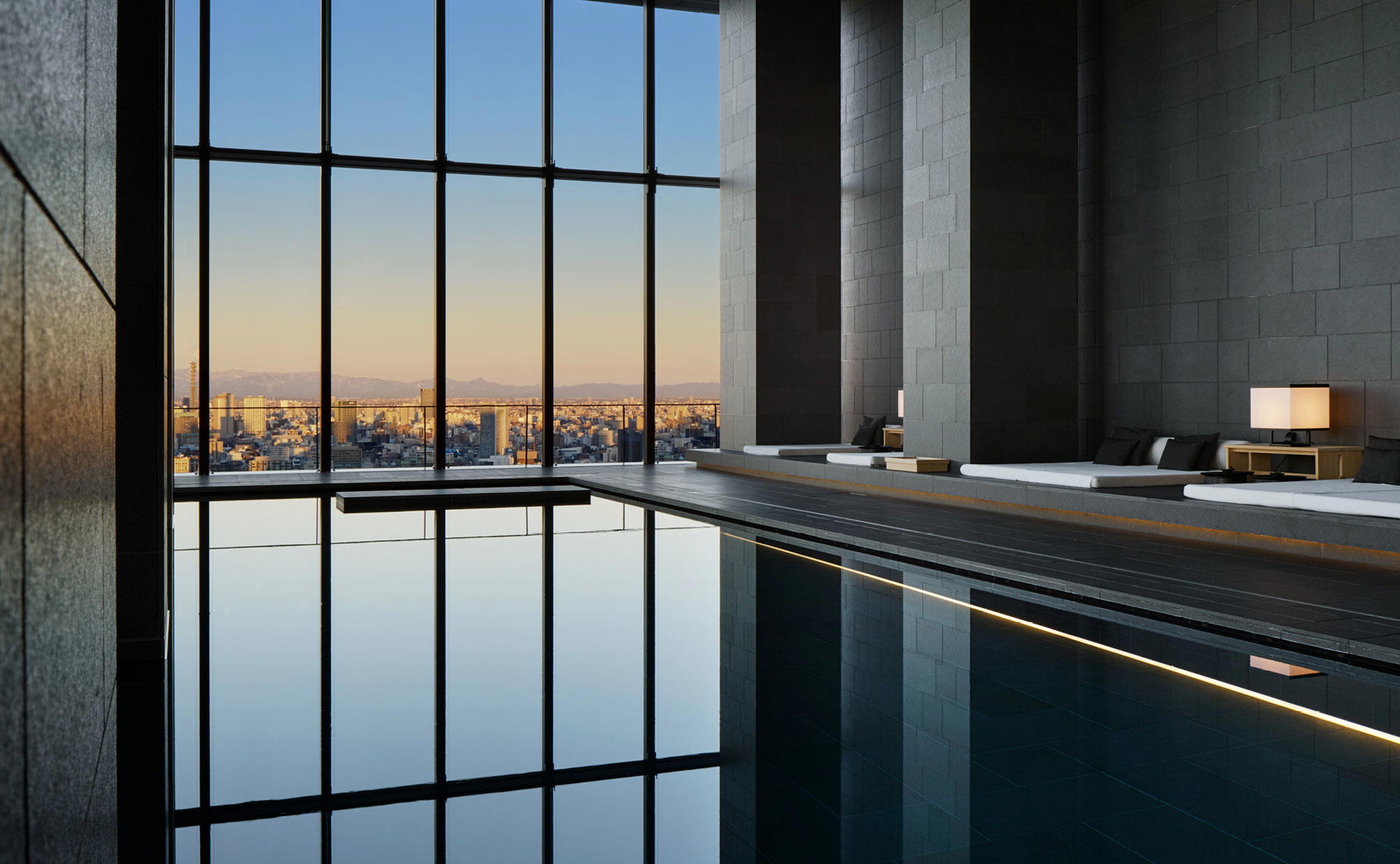
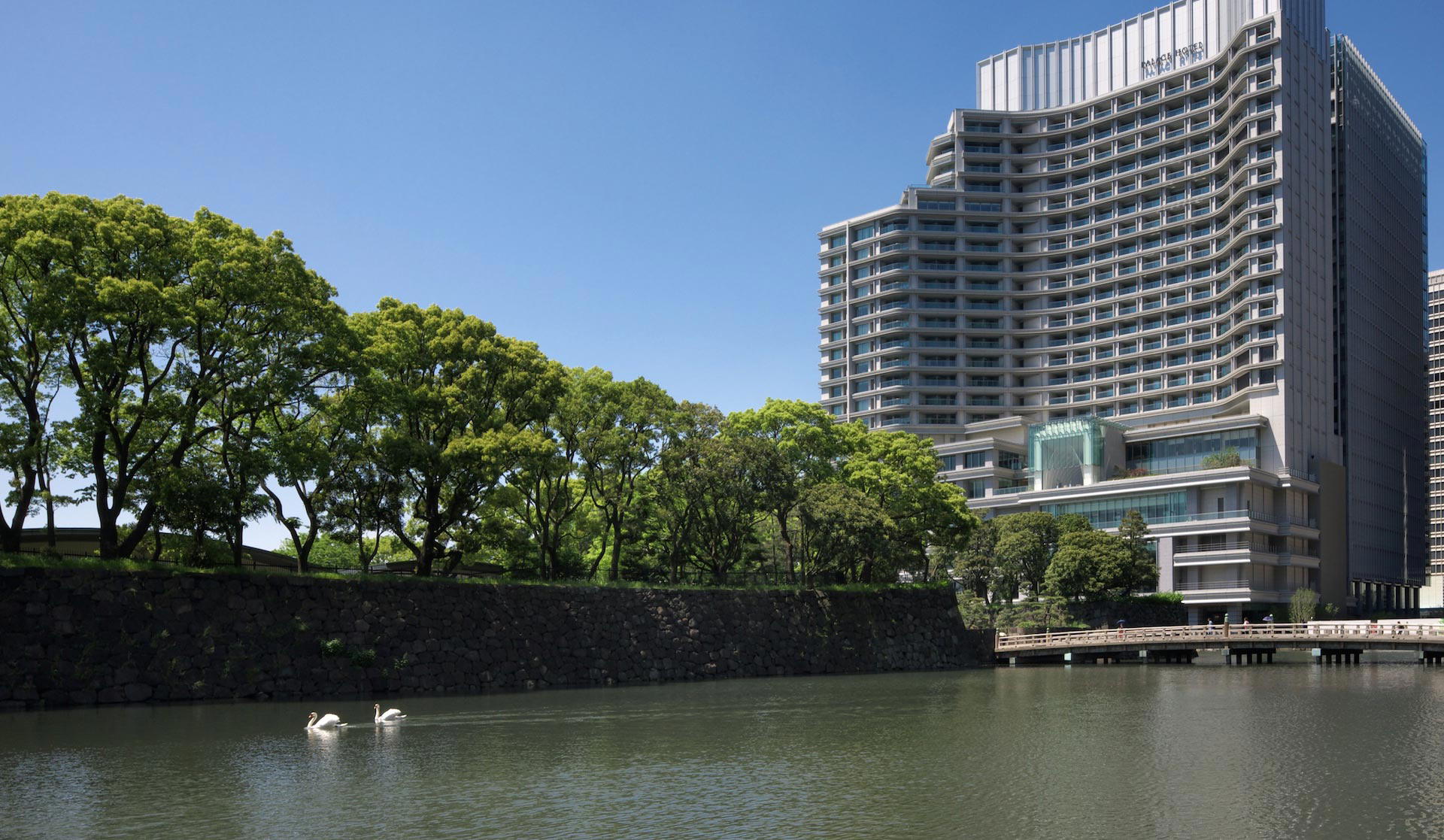
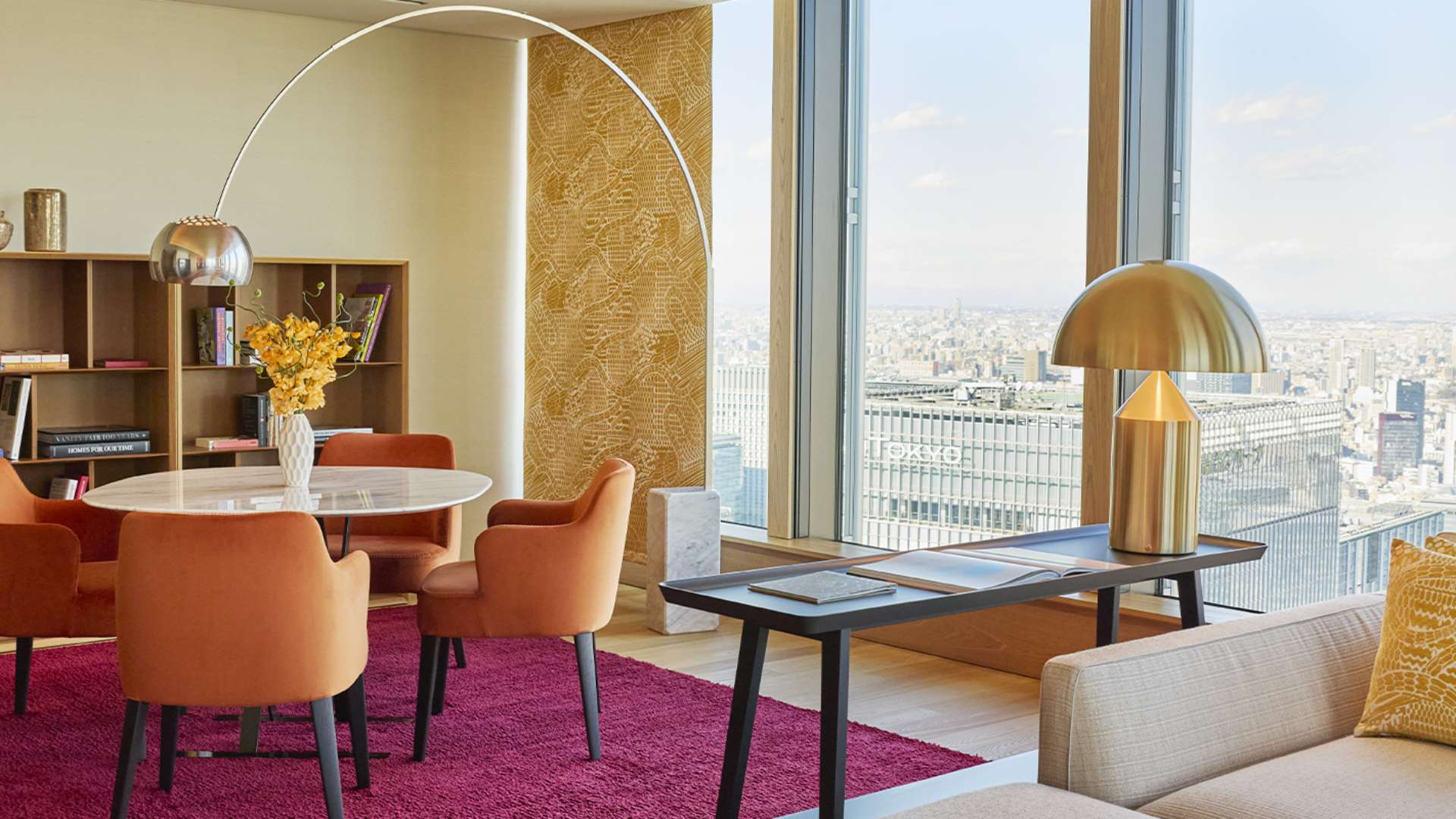
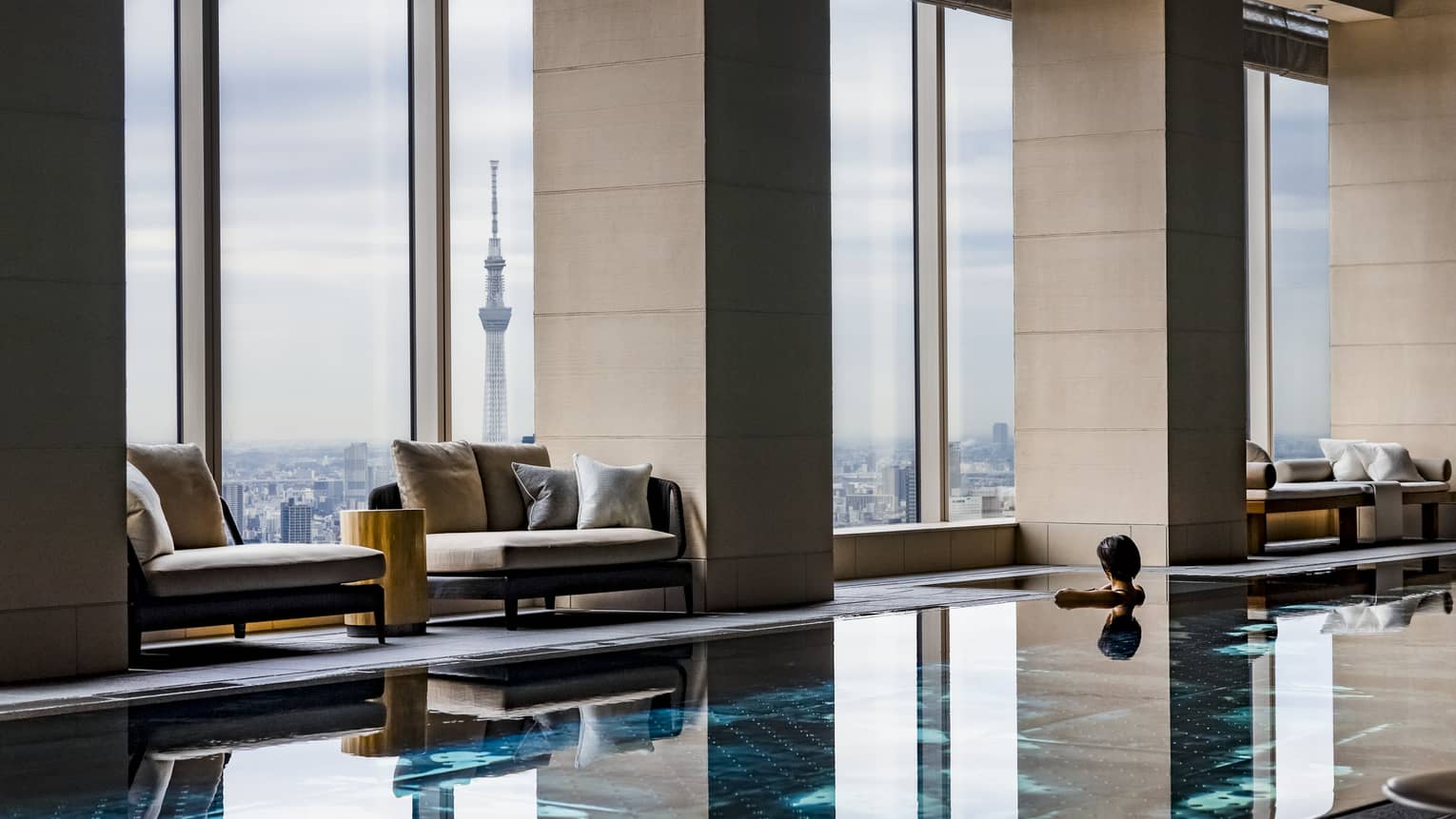

At a Glance
- Elegant
- Sophisticated
- Business Dinner
- Special Occasion
- Private Dining
- Sake Program
Elegant traditional Japanese setting focused on private dining experiences.