氣樂記 occupies a quiet address in Shinjuku's Wakaba district, where Tokyo's density gives way to residential calm. The venue sits within a category of Tokyo dining rooms where format, sourcing, and neighborhood context shape the experience more than any single headline. For those building a considered itinerary through the city, it represents a less-trafficked coordinate worth understanding.
Pearl is the En Primeur Club membership app — saves, bookings, and concierge access live there. Same editors, same standards.
- Address
- Japan, 〒160-0011 Tokyo, Shinjuku City, Wakaba, 2 Chome−7−1 ビデオフォーカスビル 1階
- Phone
- +81363800423
- Website
- instagram.com
- Directions
- Get directions
 Saves & bookings on Pearl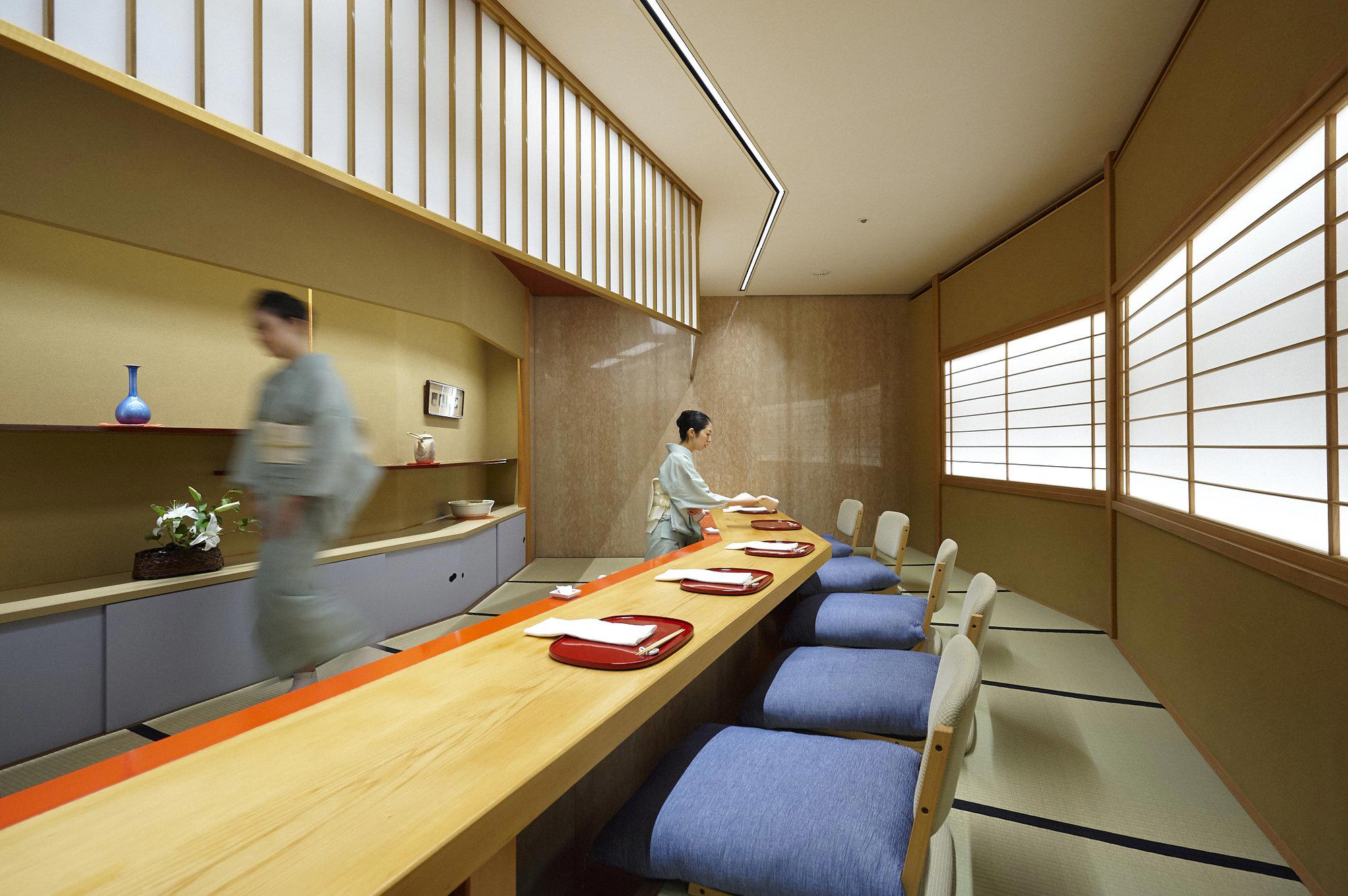
A Quieter Register in Shinjuku's Dining Map
Shinjuku is most legible from the outside as noise: the neon compression of Kabukicho, the commuter volume of the station, the layered izakaya floors of Golden Gai. But Wakaba, the sub-district where 新楽記 is addressed at 2-7-1 on a low-rise residential block, runs at a different register entirely. The streets narrow, the signage thins, and the buildings settle into the kind of unglamorous mid-century concrete that Tokyo's western wards do better than anywhere else in the city. Arriving here on foot from Shinjuku-Sanchome station, the transition is fast enough to feel deliberate.
This matters as context because the neighborhoods Tokyo restaurants choose are rarely accidental. In a city where a three-star counter on a department store floor and a critically regarded ten-seat room above a dry-goods shop can exist two blocks apart, address tells you something about the intended audience and the operating logic. Wakaba's positioning places 氣樂記 outside the obvious circuits that visiting diners follow when working through Ginza, Minami-Aoyama, or Nishi-Azabu, the corridors where Tokyo's most-written-about rooms tend to cluster.
Where Ingredient Sourcing Defines the Frame
Across Tokyo's serious dining rooms, the question of sourcing has become increasingly central to how kitchens position themselves. One visible version of this is the farm-name-on-the-menu convention, where producers from Hokkaido, the Izu Peninsula, or specific coastal prefectures are credited alongside dishes. The more demanding version is structural: kitchens that build their entire seasonal logic around supply relationships rather than around a fixed culinary vocabulary.
Japan's geography makes this a particularly loaded subject. The country's vertical climate range, from Hokkaido's cold-water fisheries in the north to the subtropical produce of Kyushu and Okinawa in the south, gives serious kitchens access to an ingredient spectrum that few national cuisines can match on comparable land area. The challenge for any Tokyo restaurant operating with genuine sourcing discipline is logistics: how to maintain direct producer relationships across that distance while keeping the kitchen responsive enough to absorb what actually arrives rather than what was planned weeks in advance.
Venues in the ¥¥¥¥ range, like Harutaka and L'Effervescence, tend to absorb those sourcing costs into their pricing structure and format. Counter-format rooms, in particular, can adjust in near-real time because the chef is working directly in front of the guest and is not committed to a printed menu that requires uniform execution across a full dining room. Kaiseki rooms like RyuGin solve it differently, through a seasonal progression that is itself the product, so ingredient variability becomes narrative rather than inconsistency.
What the Wakaba address and the building type suggest is a room operating outside the high-volume logic that requires standardized supply chains, a condition that, in Tokyo, tends to correlate with tighter capacity and more direct kitchen-to-market sourcing. That correlation is not a guarantee, but it is a pattern worth naming.
The Tokyo Context: What the City's Dining Tier Structure Implies
Tokyo has more Michelin-starred restaurants than any other city on earth, and that fact has long since stopped being a surprise. What it means practically is that the city's dining tier structure is compressed in ways that visitors from other markets may not immediately read. A room with no international press coverage and a difficult-to-parse name on an outer-ward street can sit in the same quality bracket as venues with global waiting lists. The inverse is also true: recognition, once achieved, tends to shift booking dynamics faster in Tokyo than in most other cities, because the domestic dining press and word-of-mouth networks are exceptionally efficient.
For context, Crony in Minami-Aoyama and Sézanne in the Four Seasons both operate at the ¥¥¥¥ ceiling and carry clear international recognition. They represent one end of the city's current fine-dining conversation. The rooms that exist below that visibility threshold but above the mass-market tier are harder to read from outside Japan, and that is precisely where careful research pays off for visitors building a multi-stop itinerary.
Tokyo is not the whole picture of Japan's serious dining. HAJIME in Osaka, Gion Sasaki in Kyoto, and akordu in Nara each represent cities where a different culinary logic applies. Beyond the main circuits, Goh in Fukuoka, Abon in Ashiya, affetto akita in Akita, Aji Arai in Oita, Ajidocoro in Yubari District, Akakichi in Imabari, and aki nagao in Sapporo each anchor distinct regional traditions. For visitors building a Japan itinerary around serious eating, the case for looking beyond Tokyo is strong.
For reference on how Tokyo-caliber ambition plays out in other international markets, Le Bernardin in New York City and Lazy Bear in San Francisco offer useful comparison points on how sourcing-forward kitchens communicate their ingredient logic to diners at the high end of their respective markets.
Know Before You Go
Address: Japan, 〒160-0011 Tokyo, Shinjuku City, Wakaba, 2 Chome−7−1 ビデオフォーカスビル 1階
Reservation Policy: Recommended
Price Range: About $80 per person
Cuisine Type: Traditional Japanese Omakase Sushi
Cuisine-First Comparison
Comparable venues nearby, for context on price, style, and recognition.
| Venue | Cuisine | Price | Notes |
|---|---|---|---|
| 新楽記This venue — the venue you are viewing | Traditional Japanese Omakase Sushi | $$$ | Not listed |
| Tonkatsu Koko Made Yaru Ka. | Modern Tonkatsu & Seafood | $$$ | Minato |
| Teppanyaki Iwakura | Japanese Teppanyaki | $$$ | Shinjuku |
| Hakushū Teppanyaki | Kobe Beef Teppanyaki | $$$ | Shibuya |
| Ushigoro Kan Ebisu honten | Premium Wagyu Yakiniku & Japanese Sake | $$$ | Shibuya |
| Yakiniku Jambo Hongo | Premium Yakiniku with A5 Wagyu | $$$ | Bunkyō |








At a Glance
- Elegant
- Classic
- Sophisticated
- Date Night
- Special Occasion
- Business Dinner
- Chefs Counter
- Open Kitchen
- Sake Program
- Sustainable Seafood
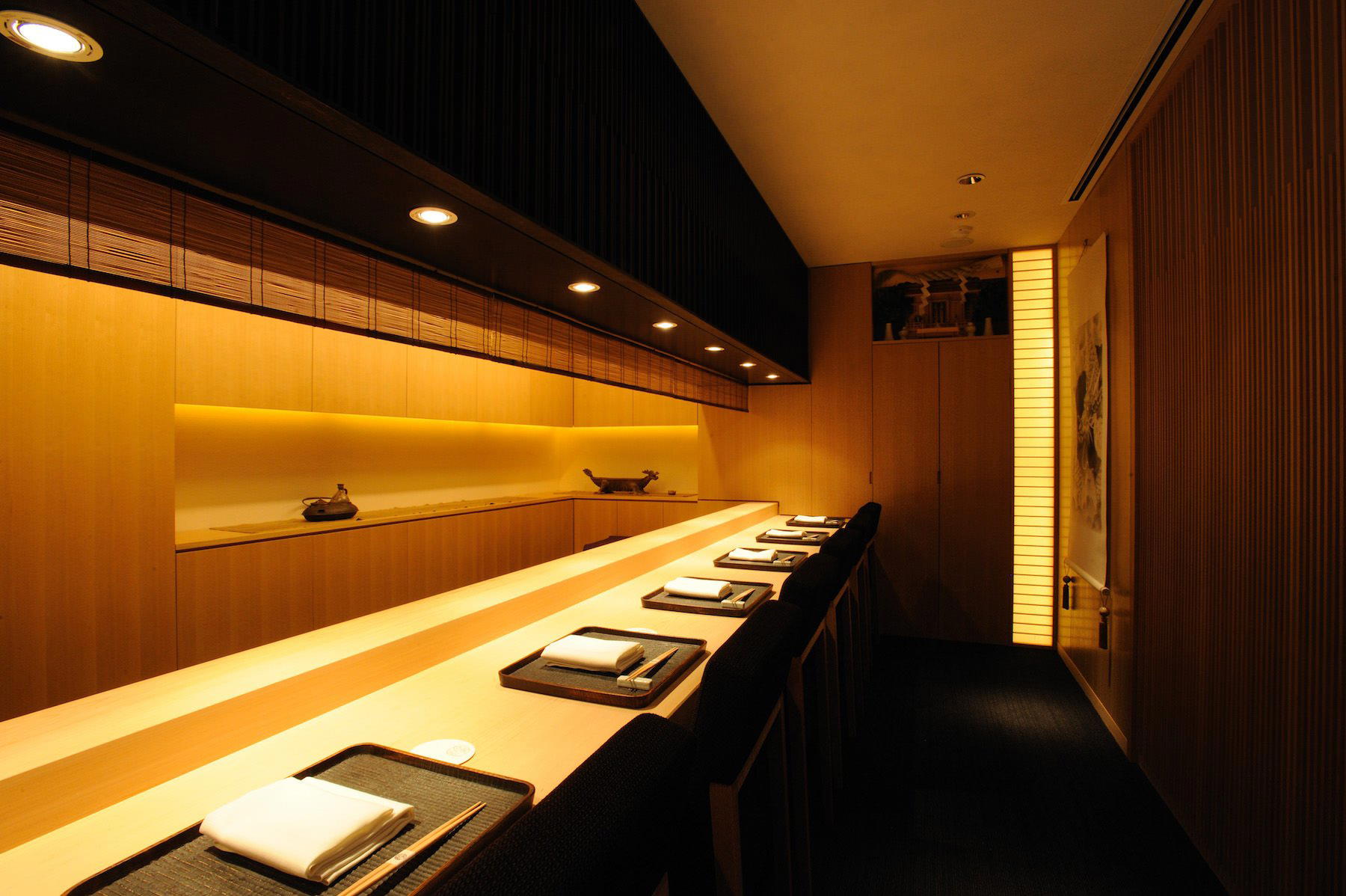
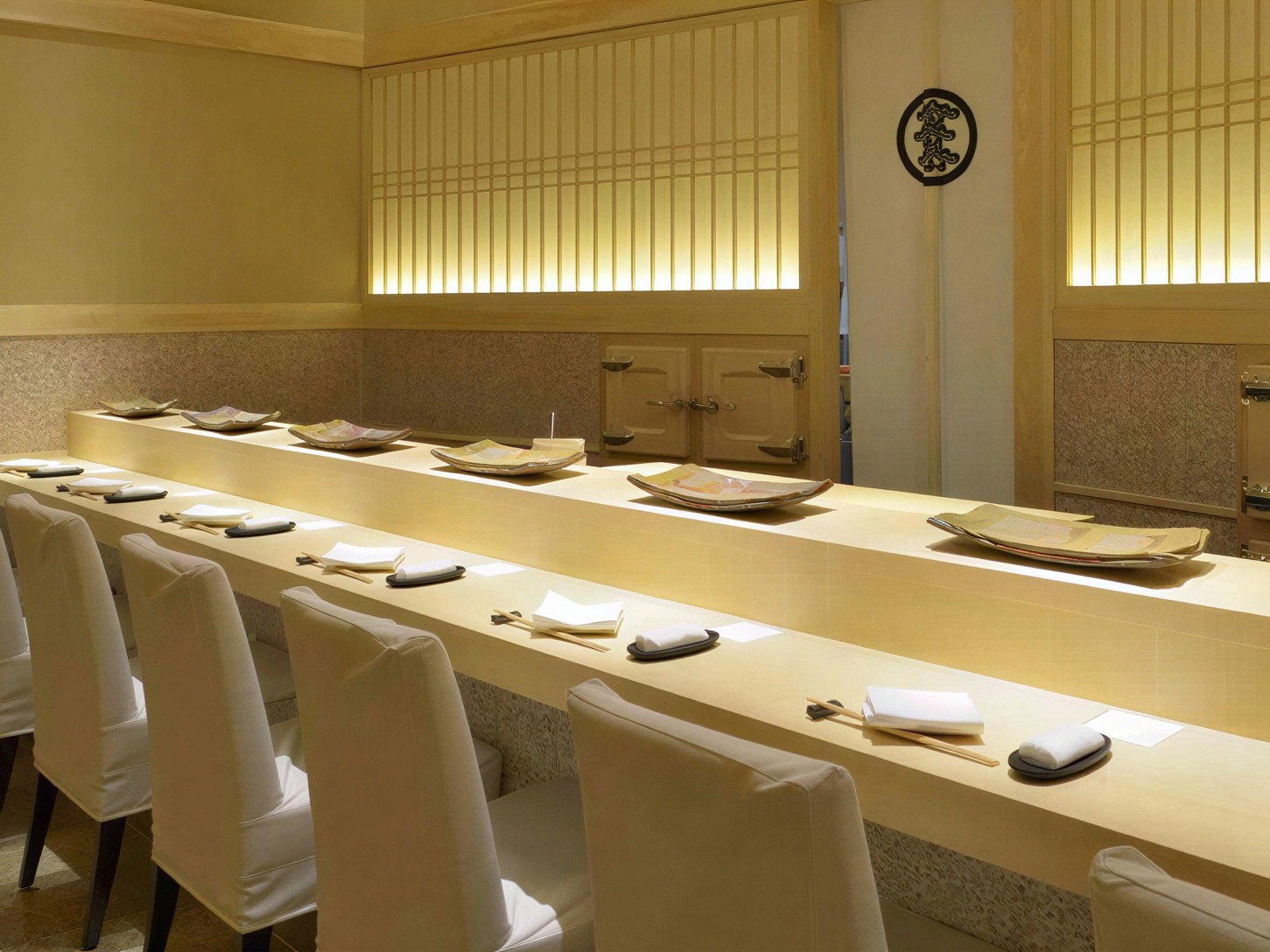
Refined and intimate setting focused on the sushi counter experience with traditional Japanese aesthetics