
Tokyo yakiniku has become a precision category, where grill management, cut selection, smoke control, and room format matter as much as brand prestige. Ushigoro Kan Ebisu honten sits in that serious middle-premium bracket, backed by repeated Tabelog 100 Yakiniku selections and a compact Ebisu setting with counter, table, and semi-private seating.
Pearl is the En Primeur Club membership app — saves, bookings, and concierge access live there. Same editors, same standards.
- Address
- Japan, 〒150-0022 Tokyo, Shibuya, Ebisuminami, 1 Chome−8−1 Stm Ebisu Bldg., 1F
- Phone
- +81 3-5725-2929
- Website
- ushigoro-kan.com
 Saves & bookings on Pearl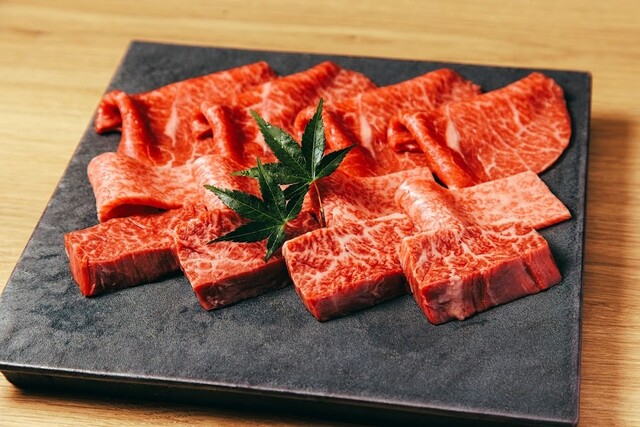
Ebisu’s restaurant streets move differently from Ginza’s ceremony or Shinjuku’s volume: lower-lit, close to the station, conversational, with small groups arriving after work, charcoal smoke contained rather than theatrical, and the table at the centre of the evening. Here, yakiniku feels less like a quick grill session than a controlled sequence of heat, fat, timing, and drink.
That frames Ushigoro Kan Ebisu honten. Tokyo has many beef counters chasing luxury through rarity; the more convincing yakiniku rooms make pacing visible. The category rewards restraint: not overloading the grill, not rushing marbled cuts, not treating tripe as an afterthought. Here, the reputation sits within Tokyo’s polished yakiniku style, with Japanese BBQ, tripe, and Japanese cuisine sharing one table rather than separate lanes.
Ebisu yakiniku with the grill kept close and the room kept controlled
Tokyo yakiniku now spans clear tiers: casual neighbourhood grills for beer and speed, and high-ticket beef rooms borrowing the posture of kappo or omakase. Ushigoro Kan Ebisu honten sits in the more useful middle for many travellers: serious enough for repeat recognition from Tabelog’s Yakiniku TOKYO 100 list, including 2025, but built around a social table rather than a silent counter ritual.
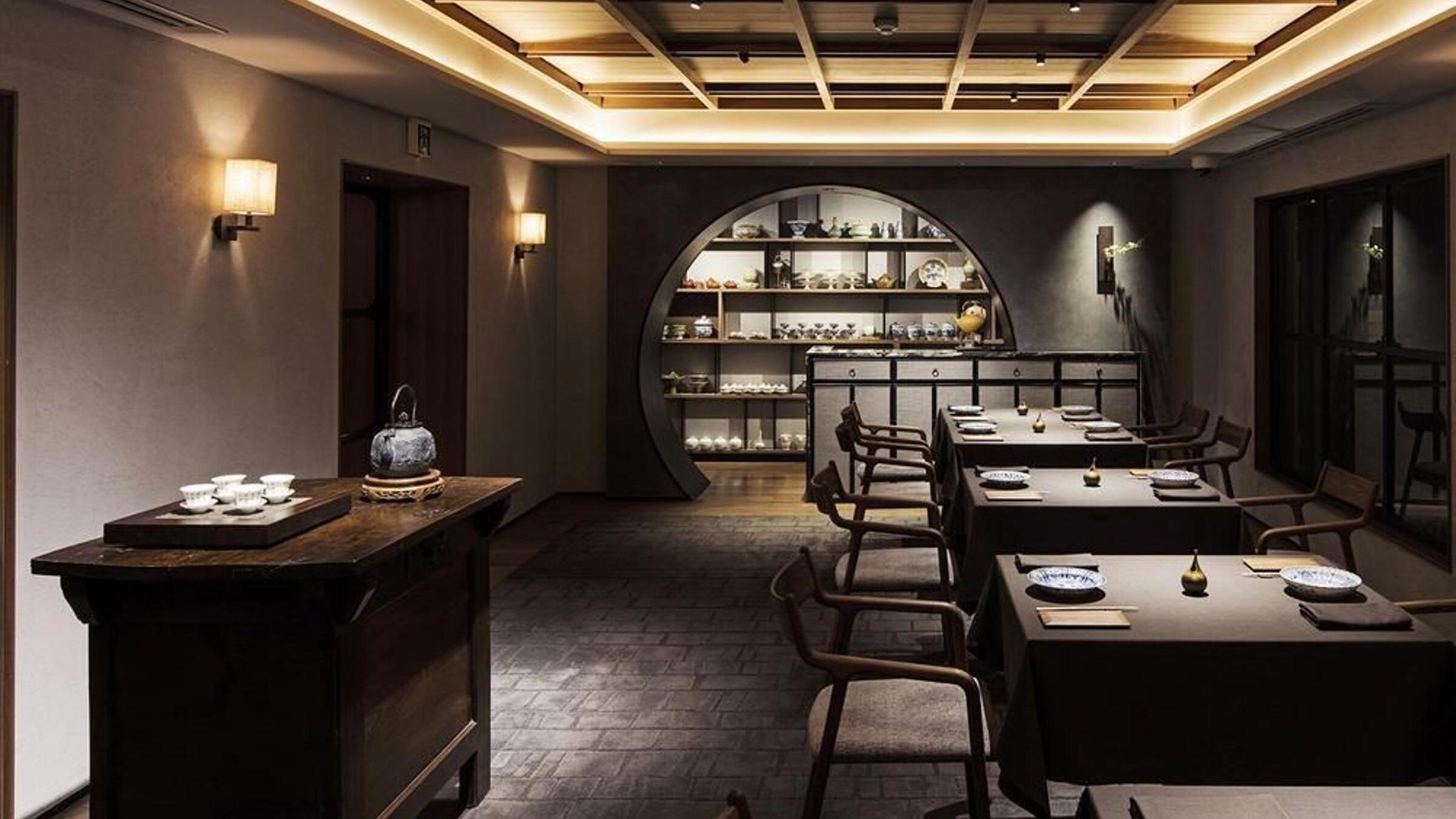
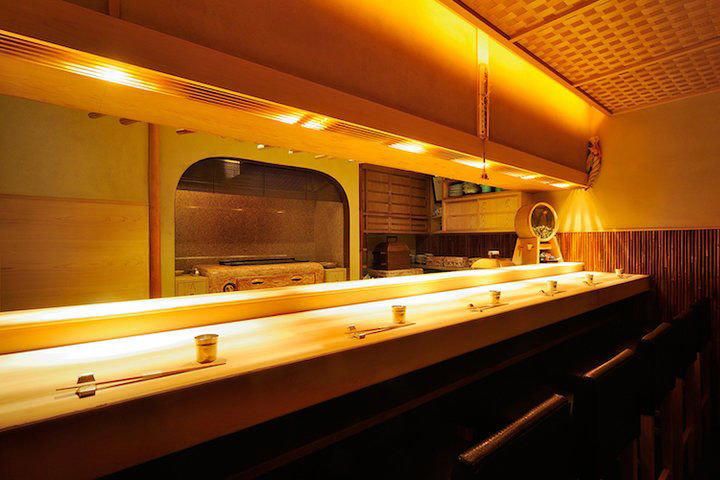
The room supports that balance. A 40-seat layout, with counter seating and tables, feels tighter than large yakiniku halls. Semi-private rooms divided by noren give a Japanese sense of partial enclosure: not sealed dining rooms, but softer boundaries between groups. Sunken seating changes the tempo too. Shoes come off, posture settles, and the grill becomes a shared focus rather than equipment parked between courses.
That matters because yakiniku is sensory before it is luxury. The first cue is heat, then smoke, then fat meeting metal. Better rooms keep those signals clean: too much smoke feels careless; too little drains the format of purpose. Tokyo’s polished yakiniku houses have spent the past decade refining that tension, making the grill intimate without making the room heavy. The Ebisu branch belongs to that school.
Why Tabelog recognition carries weight in this category
For international diners, Michelin often dominates Japan planning, but yakiniku is a category where local signals can be more useful. Tabelog’s Hyakumeiten lists are genre-specific, and repeated selection in Tokyo’s crowded yakiniku field says something concrete: the restaurant is judged against other specialists, not fine dining in general.
Ushigoro Kan Ebisu honten has appeared across multiple Tabelog 100 Yakiniku or Grill selections from 2019 through 2025. That continuity matters more than any single year. Tokyo beef dining is competitive, fashion-sensitive, and segmented by neighbourhood. Holding attention across cycles suggests the format is not a passing branch concept, but remains legible to local diners who know the difference between a casual horumon night, a date-night grill, and a premium wagyu room.
Ebisu also defines the audience. The area can absorb weeknight regulars and destination diners without the stiffness that sometimes follows luxury beef in central districts. Nearby comparison clarifies it: Beef Kitchen Ebisu ten sits in a similar dinner-budget band, Tsukushi Rou Ebisu ten occupies a higher evening spend, and Le Grenier a Pain Atore ebisu ten belongs to a completely different everyday price category. It is a neighbourhood where serious eating need not announce itself loudly.
The drinks angle fits rather than fights the cuisine. Sake and shochu are listed with particular attention, sensible with grilled beef, offal, salt, tare, and richer Japanese BBQ. Wine may dominate international steakhouse talk, but Tokyo yakiniku often makes more sense through rice spirit, barley spirit, or chilled sake, especially as the table moves between lean cuts, fattier beef, and tripe.
How to place it in a Tokyo eating itinerary
This is not the Tokyo meal for Western fine-dining theatre. It better suits diners who want the grammar of Japanese beef culture without turning dinner into a formal tasting-menu performance. Sushi and kaiseki often ask the diner to receive; yakiniku asks the table to participate. The pleasure is watching, turning, waiting, sharing, and letting conversation gather around the grill.
For a wider read on the city’s dining range, use Our full Tokyo restaurants guide, then contrast the beef category with places such as . 鮪と炭火焼き うお炭 秋葉原店, 12/10 Shinjuku ten, 124. KAGURAZAKA (Yakitori), 2D Cafe, and 3 Chome no Curry Ya San. Tokyo reads more clearly when yakiniku sits beside yakitori, curry, café culture, and charcoal seafood rather than isolated as another beef address.
Travellers building a broader Japan route can compare the beef-and-grill thread with -Grilled beef Sukiyaki- KAMAKURA TANUKIAN 鎌倉 たぬき庵 in Kamakura, then shift register through.cafe in Osaka.know in Kumamoto, (Shoku) Vietnam in Kawasaki, [Curry Senmon Ten] Maruyama Kyoju. in Sapporo, and [ki:] in Kyoto. For drink-led planning around the meal, cross-reference Our full Tokyo bars guide; for stays, see Our full Tokyo hotels guide. Broader city planning sits in Our full Tokyo experiences guide, while Our full Tokyo wineries guide helps explain how wine culture intersects with the capital’s dining scene. Outside Japan, Jōdo Saké Bar in Los Angeles and Onigiri Time in Pasadena show how Japanese drinking and casual food formats translate abroad.
The editorial case is clear: choose this kind of Ebisu yakiniku when the desired meal is tactile, social, and technically disciplined. The attraction is not a chef biography or a single named dish, but the way Tokyo has refined tabletop beef grilling into a serious urban dining form, structured enough to feel deliberate and informal enough to keep the evening alive.
Pricing, Compared
Comparable venues for orientation by cuisine and category.
| Venue | Cuisine | Price | Notes |
|---|---|---|---|
| Ushigoro Kan Ebisu hontenThis venue — the venue you are viewing | Not listed | $$$ | Not listed |
| 伯雲 | Minato, Traditional Japanese Kaiseki | $$$ | Not listed |
| りゅうの介 | Minato, Japanese Seafood | $$$ | Not listed |
| 青柳 | Minato, Traditional Japanese Fine Dining | $$$ | Not listed |
| Seiyo Oryouri Touyou Ken | Not listed | $$$ | Minato, Historic Yoshoku & Matsusaka Beef Fine Dining |
| Soba Kiri Sake Daigu | Minato, Traditional Soba & Sake Counter | $$$ | Not listed |
Recognition history
Dated appearances from independent guides and award organizations, with the underlying list record or original source where available.
Tabelog 100 #18 · No. 18
Tabelog · Tabelog 100 - Yakiniku - TOKYO - 2025












At a Glance
- Cozy
- Lively
- Intimate
- Trendy
- Date Night
- After Work
- Group Dining
- Casual Hangout
- Celebration
- Private Dining
- Standalone
- Sake Program
- Local Sourcing
Current opening hours
- Monday
- 5–11:30 PM
- Tuesday
- 5–11:30 PM
- Wednesday
- 5–11:30 PM
- Thursday
- 5–11:30 PM
- Friday
- 5–11:30 PM
- Saturday
- 11:30 AM–2:30 PM, 4–11:30 PM
- Sunday
- 11:30 AM–2:30 PM, 4–11:30 PM
Hours can change for holidays and private events. Last verified .
A small, tatami-style yakiniku restaurant with all-horigotatsu seating, warm and cozy rather than formal, combining a lively neighborhood feel with the refinement of premium wagyu and curated Japanese drinks.