
A 12-seat Minami-Aoyama tonkatsu counter with a Tabelog Tonkatsu 100 selection for 2026, Tonkatsu Koko Made Yaru Ka. sits in Tokyo’s more planned, reservation-aware tier of pork-cutlet dining. The format is compact, cashless, non-smoking, and counter-led, with lunch and dinner pricing that places it above everyday tonkatsu shops and below grand kaiseki-level spending.
Pearl is the En Primeur Club membership app — saves, bookings, and concierge access live there. Same editors, same standards.
- Address
- 東京都港区南青山3-2-4 セントラル青山No6-BA
- Phone
- +81364554185
- Website
- svolta.co.jp
 Saves & bookings on Pearl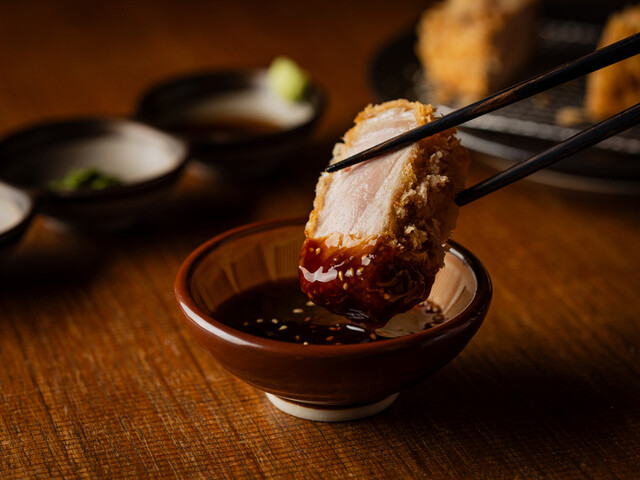
On the quieter side of Minami-Aoyama, tonkatsu changes register. Polished retail streets and design offices set expectations far from station-front fry shops where pork cutlet is a fast, democratic lunch. Here the room is small, the counter matters, and the meal fits Tokyo’s planned specialist comfort-food category: familiar in outline, controlled in execution, and no longer priced like an errand stop.
Tonkatsu Koko Made Yaru Ka. sits in that newer bracket. Its public signals are clear for a young restaurant: 12 seats, including eight at the counter and one table for four; a Tabelog score of 3.72; selection for Tabelog 100 - Tonkatsu - 2026; and budgets of JPY 3,000 - JPY 3,999 at lunch and JPY 8,000 - JPY 9,999 at dinner. Those numbers place it where tonkatsu competes not with cheap teishoku, but with tightly focused Tokyo counters diners plan for.
Minami-Aoyama turns tonkatsu into a planned counter meal
Tokyo tonkatsu has two speeds. One is everyday: shredded cabbage, rice, miso soup, quick turnover, lunch queues. The other is specialist: pork sourcing, frying temperature, oil management, doneness, and timing treated with the seriousness sushi counters apply to rice and neta. The latter has grown as diners compare tonkatsu as closely as tempura, yakitori, and soba. A cutlet is no longer just a cutlet when the room seats 12 and dinner runs into high four figures.
That shift explains the appeal better than a personality-led origin story. The venue opened on 2024.3.8, and by 2026 had entered Tabelog’s Tonkatsu 100 list, a fast ascent in a consistency-driven category. It also places the restaurant apart from broader Japanese dining rooms such as 124. KAGURAZAKA (Yakitori), kaiseki addresses like Tadenoha and Ichita いち太, or sushi counters such as Umi. Tonkatsu has less surface ceremony, but the specialist rooms share the same compact choreography: limited seats, narrow product focus, and timing that exposes small errors.
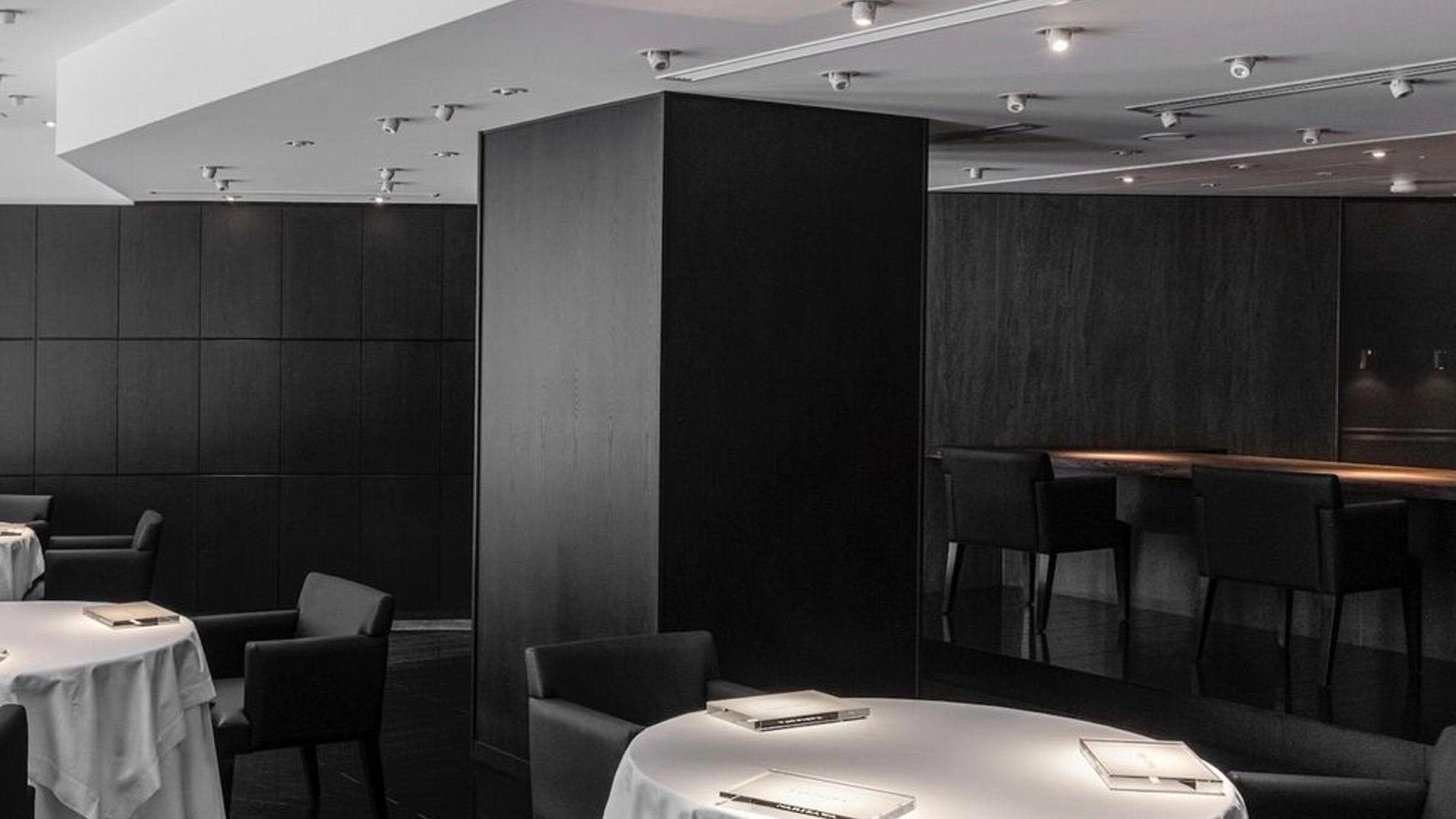
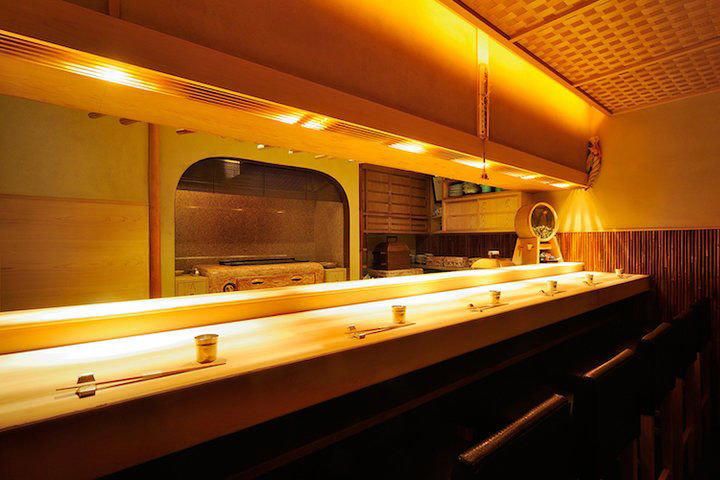
The counter format matters. Eight counter seats make cooking part of the meal without turning it into theatre. Fried food gains seriousness here: the diner sees the sequence, hears the pacing, and notices the short distance between kitchen and plate. The single four-seat table allows small groups, while private rooms are absent, keeping the experience closer to a focused counter meal than a general-purpose restaurant.
The appeal is precision, not luxury signalling
Tonkatsu is one of Japan’s great arguments for restraint. It is built from blunt components, pork, crumb, cabbage, rice, sauce, and heat, but the margin for error is narrow. Too much oil makes the meal heavy; too little rest weakens structure; poor pacing softens the crust before the diner settles into it. A small Aoyama counter charging JPY 8,000 - JPY 9,999 at dinner must justify the jump through control, not decoration.
The drinks point to a more adult reading of the category. Sake, shochu, and wine are listed with emphasis rather than as token additions. That matters because tonkatsu at this level is increasingly dinner, not just lunch. Wine and fried pork can be awkward when handled like a heavy set meal; in considered rooms, acidity, texture, and pacing make the pairing plausible. The listing also notes seafood and special dishes, suggesting the meal is not limited to one cutlet set, though pork cutlet remains the core identity.
Its family-friendly stance is equally revealing. Children are welcome, including babies, preschoolers, and school-age children, with advance phone consultation appreciated. Tokyo’s small specialist counters can feel socially rigid even without formal rules. Here the message is practical: the room is compact, so coordination matters. It is less hospitality theatre than a way to make 12 seats function without friction.
Where it fits in Tokyo's specialist dining map
Minami-Aoyama gives the restaurant useful tension. The area is affluent and design-conscious, but not only a luxury dining district. Gaienmae, Omotesando, and Aoyama draw office workers, shoppers, architects, agency people, and diners crossing town for specific reservations. That mix suits high-spec tonkatsu: lunch target, dinner counter, or small-group meal, depending on how much structure the diner wants.
For readers mapping Tokyo by category, compare format rather than cuisine alone. Kaiseki rooms such as Tadenoha and Ichita いち太 draw diners into seasonality and progression; sushi counters such as Umi concentrate value in product and handwork; more open-ended Tokyo restaurants such as ラス and くろ﨑 belong to separate editorial conversations. Tonkatsu Koko Made Yaru Ka. is narrower, and that is the point. It asks whether a familiar dish can hold attention usually reserved for more prestigious genres. In Tokyo, the answer increasingly depends on seat count, award recognition, and whether the room turns simple gestures into a meal worth scheduling.
The practical read is clear. This is not for a cash-heavy, spontaneous group meal; cashless payment is required, parking is unavailable, and the compact seating rewards advance planning. Lunch is materially cheaper than dinner, while dinner places the restaurant in a more deliberate evening category. Closed days and holiday adjustments matter in Tokyo, especially around Golden Week, when small restaurants often change rhythm.
Use it as a marker for the breadth of Tokyo’s serious dining culture. The city’s high-end reputation is often told through sushi, kaiseki, French, and counter tempura, but specialist everyday foods are just as revealing. For a broader read, compare it with casual and category-specific listings such as . 鮪と炭火焼き うお炭 秋葉原店, 12/10 Shinjuku ten, 2D Cafe, and 3 Chome no Curry Ya San. City-wide context sits in Our full Tokyo restaurants guide, with adjacent planning across Our full Tokyo hotels guide, Our full Tokyo bars guide, Our full Tokyo wineries guide, and Our full Tokyo experiences guide. For Japan-wide contrast, see -Grilled beef Sukiyaki- KAMAKURA TANUKIAN 鎌倉 たぬき庵 in Kamakura.cafe in Osaka.know in Kumamoto, (Shoku) Vietnam in Kawasaki, [Curry Senmon Ten] Maruyama Kyoju. in Sapporo, and [ki:] in Kyoto. Overseas Japanese-leaning references such as Jōdo Saké Bar in Los Angeles and Onigiri Time in Pasadena show how differently the cuisine reads outside Tokyo’s density of specialists.
Cuisine and Recognition
Comparable venues to calibrate price, style, and recognition.
| Venue | Cuisine | Price | Notes |
|---|---|---|---|
| Tonkatsu Koko Made Yaru Ka.This venue — the venue you are viewing | Modern Tonkatsu & Seafood | $$$ | Not listed |
| Manten Sushi (まんてん鮨) | Edomae Omakase Sushi | $$$ | Marunouchi |
| Oni Tei | Traditional chicken yakiniku / yakitori in Shibuya | $$$ | Shibuya |
| Onikuya Keisuke Sannanbo | Refined Yakiniku & Beef Tongue in Hiroo | $$$ | Shibuya |
| 新楽記 | Traditional Japanese Omakase Sushi | $$$ | Shinjuku |
| Alayashiki | Seasonal Japanese Izakaya | $$$ | Shinjuku |
Recognition history
Dated appearances from independent guides and award organizations, with the underlying list record or original source where available.
Tabelog 100 #40 · No. 40
Tabelog · Tabelog 100 - Tonkatsu - 2026













At a Glance
- Modern
- Cozy
- Intimate
- Date Night
- Solo
- Casual Hangout
- After Work
- Chefs Counter
- Standalone
- Beer Program
Small 12-seat space with mainly counter seating in Minami-Aoyama, giving a modern yet cozy feel where guests linger over carefully prepared tonkatsu and seasonal dishes rather than a quick meal.