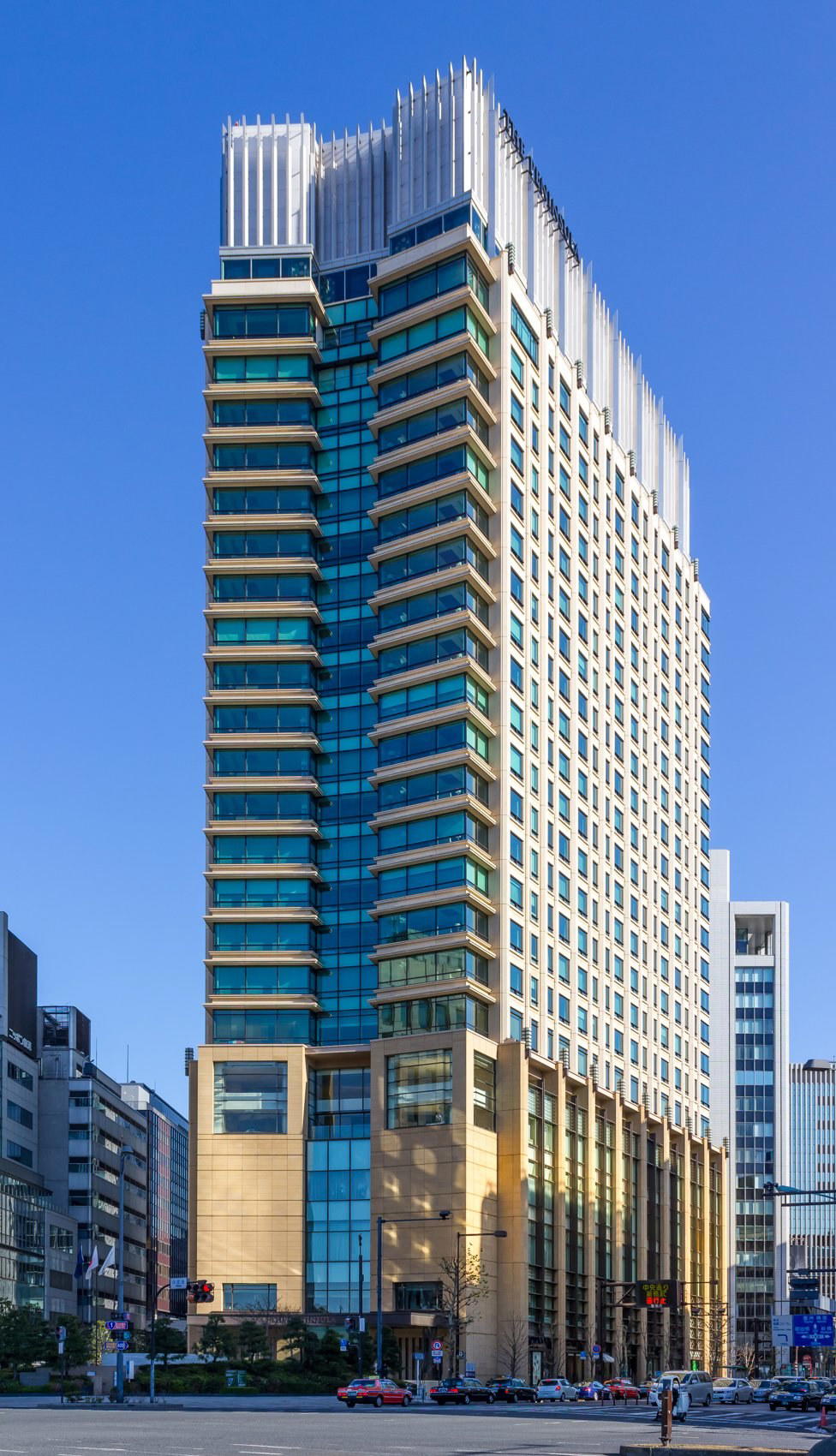
ラルジャン occupies a second-floor address in Kasumigaseki, one of Tokyo's most serious business and government districts, where the expectations for a wine program are set by the clientele rather than the menu alone. The room sits at the intersection of French tradition and Tokyo's exacting service standards, making it a reference point for those who approach the cellar as seriously as the kitchen.
Pearl is the En Primeur Club membership app — saves, bookings, and concierge access live there. Same editors, same standards.
- Address
- Japan, 〒100-0013 Tokyo, Chiyoda City, Kasumigaseki, 3 Chome−2−6 2F Kasumi Dining
- Phone
- +81362688427
- Website
- largent.tokyo
- Directions
- Get directions
 Saves & bookings on Pearl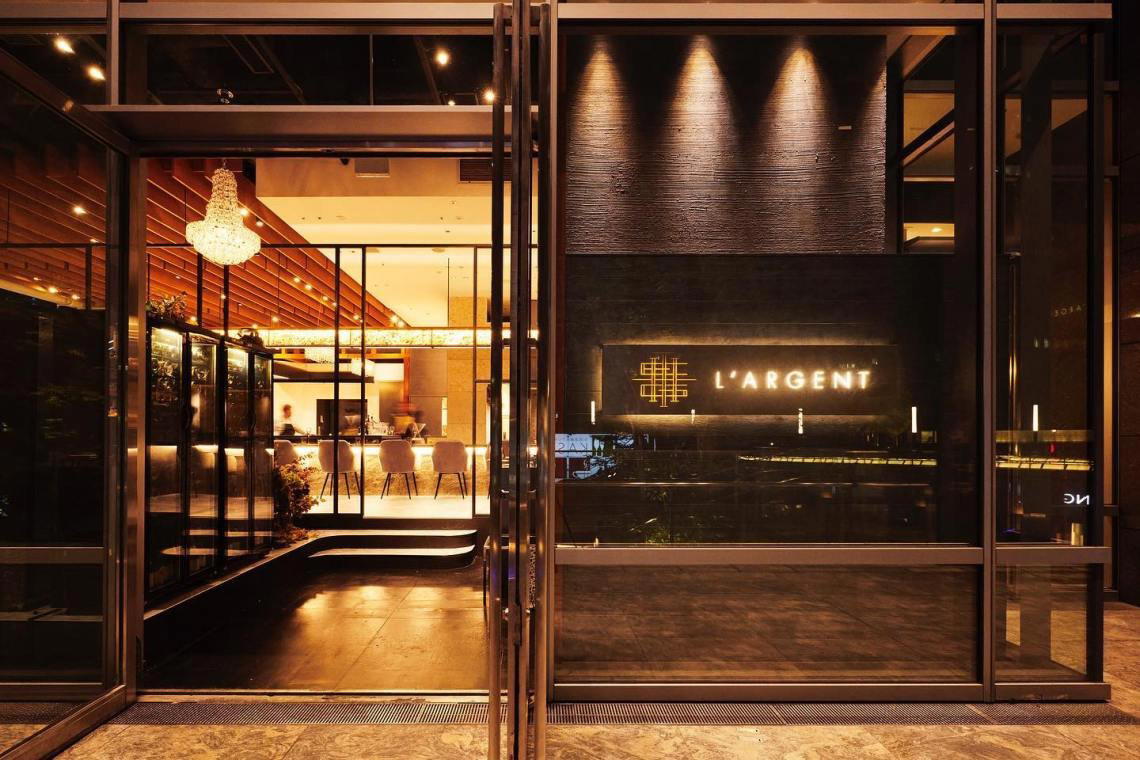
Kasumigaseki and the Wine-Serious Dining Room
Tokyo's French dining scene has, over the past two decades, fractured into distinct tiers. At the leading end, restaurants like L'Effervescence and Sézanne compete on the strength of their kitchen creativity alongside cellars that can hold their own against any European counterpart. A parallel tier, less visible to international visitors, serves Tokyo's administrative and financial core, where the expectation is quieter but no less demanding. ラルジャン, on the second floor of Kasumi Dining in Chiyoda's Kasumigaseki district, occupies that second category, and the address tells you something important before you even look at the wine list.
Kasumigaseki is where Japan's ministries cluster, and the lunch and dinner clientele in its restaurants has historically been among the more seasoned in the city when it comes to French wine. The neighborhood does not attract tourists in the way that Ginza or Roppongi do, which means that venues here build their reputations almost entirely through repeat business from a local professional class. That dynamic produces wine programs that reward depth over spectacle, because the regulars already know what they are looking at.
The Wine Angle: Cellar Depth in a Business-District Context
In Tokyo's premium French restaurants, the wine list functions as a positioning document. At Crony, the cellar leans toward natural and low-intervention producers, signaling a particular culinary identity. At RyuGin, the drinks program supports a kaiseki format where Japanese spirits and sake carry as much weight as European bottles. ラルジャン's Kasumigaseki context suggests a more classically French orientation, where Burgundy and Bordeaux remain the primary reference points for a clientele that has been drinking both for years.
This matters because curation philosophy in a business-district French room differs from a destination-dining cellar. The sommelier role here is less about evangelizing unfamiliar producers and more about navigating a guest's existing preferences with precision. A list built for repeat diners who know their vintages is a list that has to earn its depth, because the regulars will notice omissions as readily as highlights. That kind of accountability tends to produce more considered selections at every price tier, not just at the trophy-bottle level.
For comparison, Le Bernardin in New York has long maintained a wine program calibrated to a similar professional clientele, where depth in white Burgundy and Loire complements a seafood-forward kitchen. The parallel is instructive: rooms built around serious repeat guests often develop wine lists that outpace what their visible profile might suggest to a first-time visitor.
Tokyo's French Dining Tradition and Where ラルジャン Sits
French cuisine has had a longer, more embedded presence in Tokyo than in almost any other non-French city in the world. The Michelin Guide's Tokyo edition consistently awards more stars to French restaurants in the city than the Paris edition does, a fact that reflects both the technical seriousness of Japanese culinary training and the depth of local appetite for the cuisine. Within that context, restaurants at every price point are competing against exceptionally competent peers.
The ¥¥¥¥ tier occupied by venues like Harutaka in the sushi category sets a general benchmark for what premium dining in Tokyo implies in terms of service and sourcing standards. French rooms in Kasumigaseki may not attract the same level of international attention, but they operate within the same overall ecosystem of expectation. For guests arriving from elsewhere in Japan, the comparison set extends further: HAJIME in Osaka and Gion Sasaki in Kyoto represent how different cities in Japan have developed their own registers for high-end dining, each with distinct wine and drinks approaches shaped by local culture.
Beyond Japan's major cities, the range of serious dining continues to expand. akordu in Nara and Goh in Fukuoka both demonstrate that the infrastructure for wine-serious dining has spread well beyond Tokyo and Osaka. Venues in smaller cities, including 一本木 中川製 in Nanao, 夕仙山乃 in Sapporo, 湖畔荘 in Takashima, and 鳥羽屋 in Nishikawa Machi, reflect a broader national pattern where dining ambition has decentralized considerably over the past decade. Similarly, Birdland in Sakai and Bistro Ange in Toyohashi show how regional cities now sustain their own distinct dining identities. Tokyo remains the reference node, but it no longer has a monopoly on serious wine service.
For a point of international comparison on the innovation side, Atomix in New York shows how Korean-influenced fine dining has developed a wine program with similar depth and curatorial seriousness.
Planning Your Visit
ラルジャン is located on the second floor of Kasumi Dining at 3 Chome-2-6, Kasumigaseki, Chiyoda City, Tokyo 100-0013. Getting there: Kasumigaseki Station on the Tokyo Metro Hibiya, Chiyoda, and Marunouchi lines is one direct access point, making it direct to reach from central Tokyo without a taxi. Timing: Mon: 12–2:30 PM, 6–10:30 PM; Tue: 6–10:30 PM; Wed: 6–10:30 PM; Thu: Closed; Fri: 12–2:30 PM, 6–10:30 PM; Sat: 12–2:30 PM, 6–10:30 PM; Sun: 12–2:30 PM, 6–10:30 PM. Reservations: Essential. Dress: Smart casual.
Comparable Spots
Comparable venues nearby, for context on price, style, and recognition.
| Venue | Cuisine | Price | Notes |
|---|---|---|---|
| ラルジャンThis venue — the venue you are viewing | Modern French with Japanese Seasonal Influences | $$$$ | Not listed |
| Paris Yugao | Neo-French Japonism & Teppanyaki in Ginza | $$$$ | Chūō |
| French Kitchen | Classic French Bistro | $$$$ | Minato |
| ル・サロン・プリべ | Modern French Fine Dining | $$$$ | Minato |
| アピシウス | Classic French Fine Dining | $$$$ | Chiyoda |
| Les Chanterelles | Mushroom-Centric French Fine Dining | $$$$ | Shibuya |






At a Glance
- Elegant
- Modern
- Sophisticated
- Intimate
- Date Night
- Business Dinner
- Special Occasion
- Open Kitchen
- Design Destination
- Local Sourcing
Current opening hours
- Monday
- 12–2:30 PM, 6–10:30 PM
- Tuesday
- 6–10:30 PM
- Wednesday
- 6–10:30 PM
- Thursday
- Closed
- Friday
- 12–2:30 PM, 6–10:30 PM
- Saturday
- 12–2:30 PM, 6–10:30 PM
- Sunday
- 12–2:30 PM, 6–10:30 PM
Hours can change for holidays and private events. Last verified .
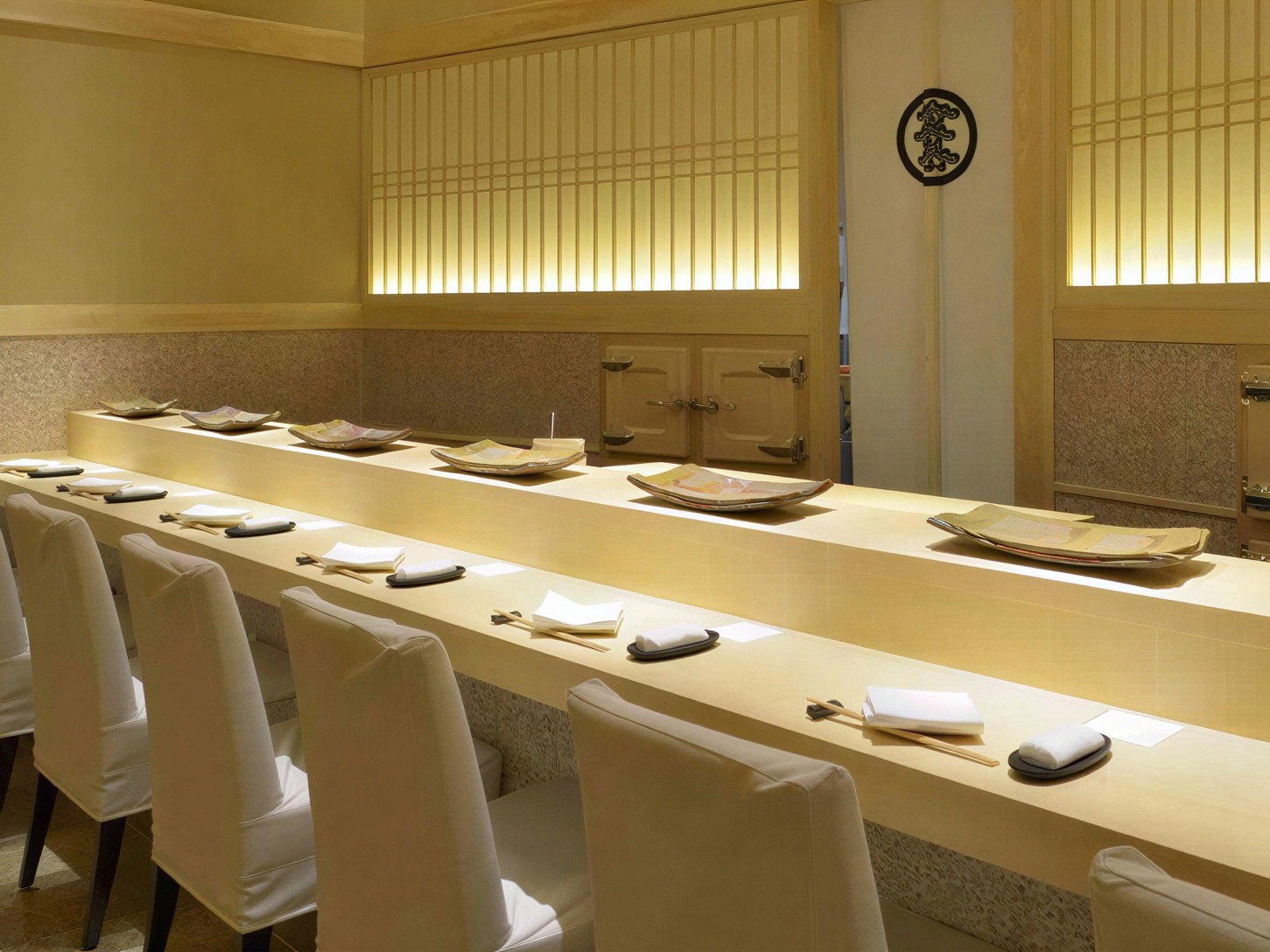
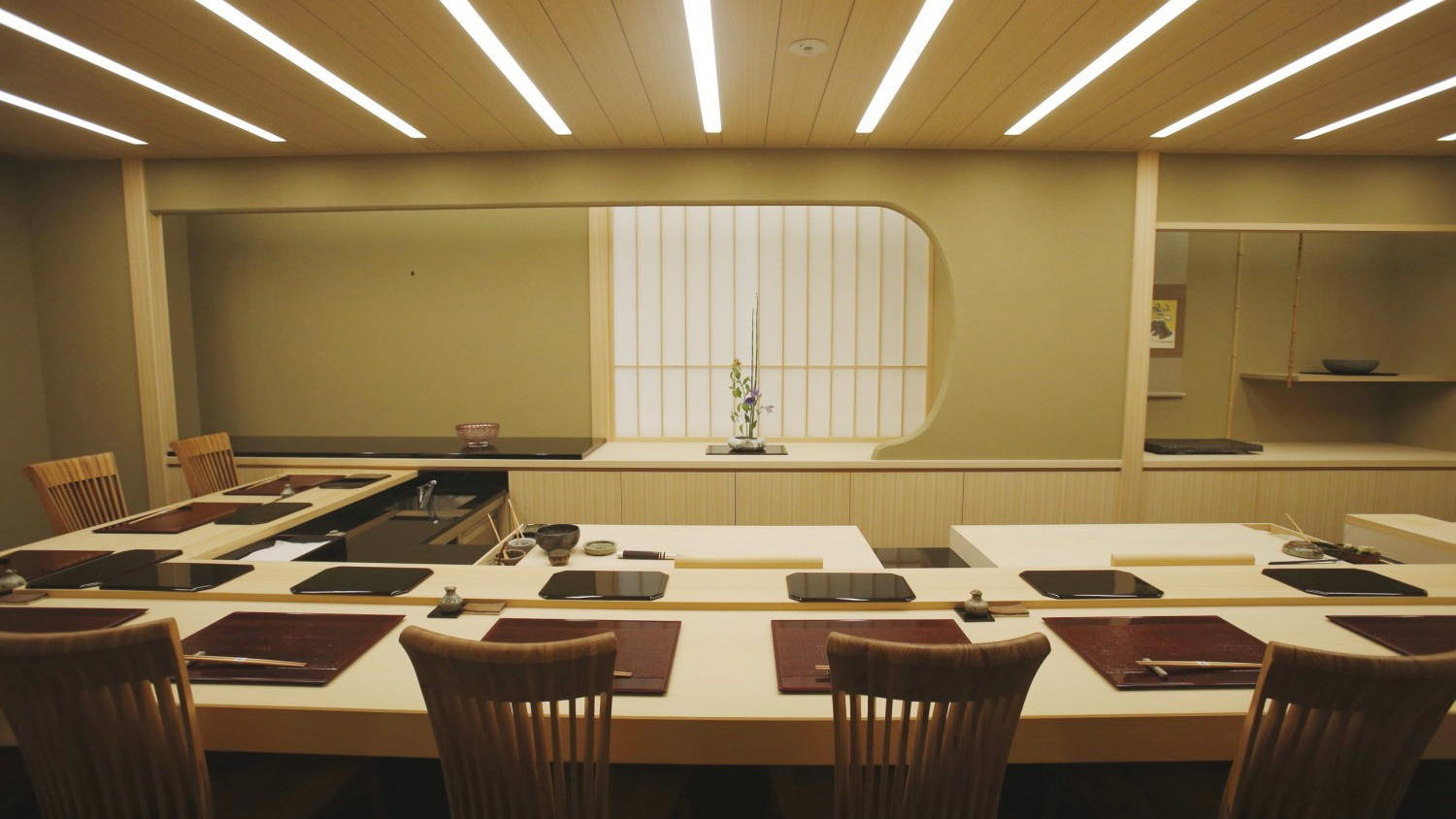
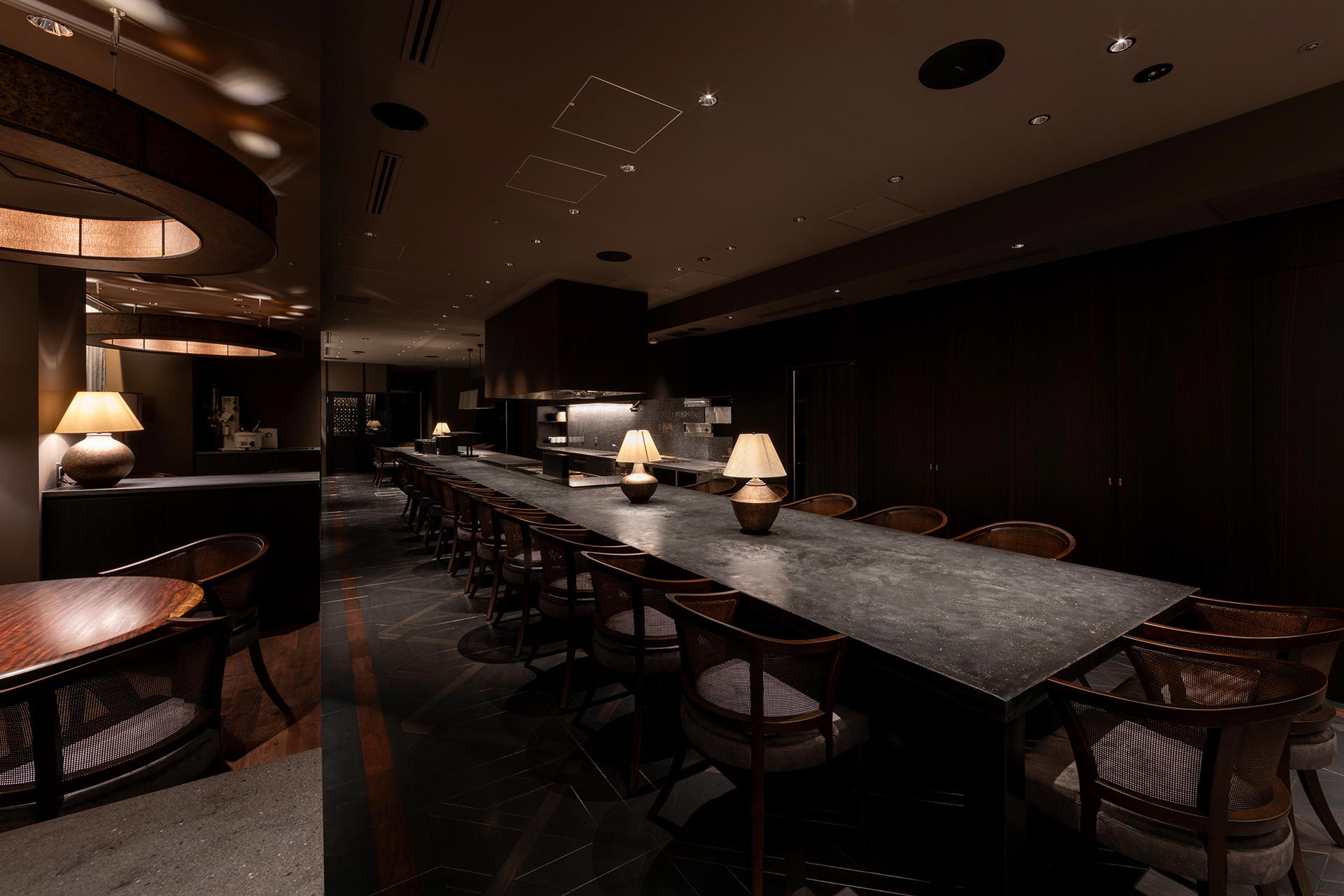
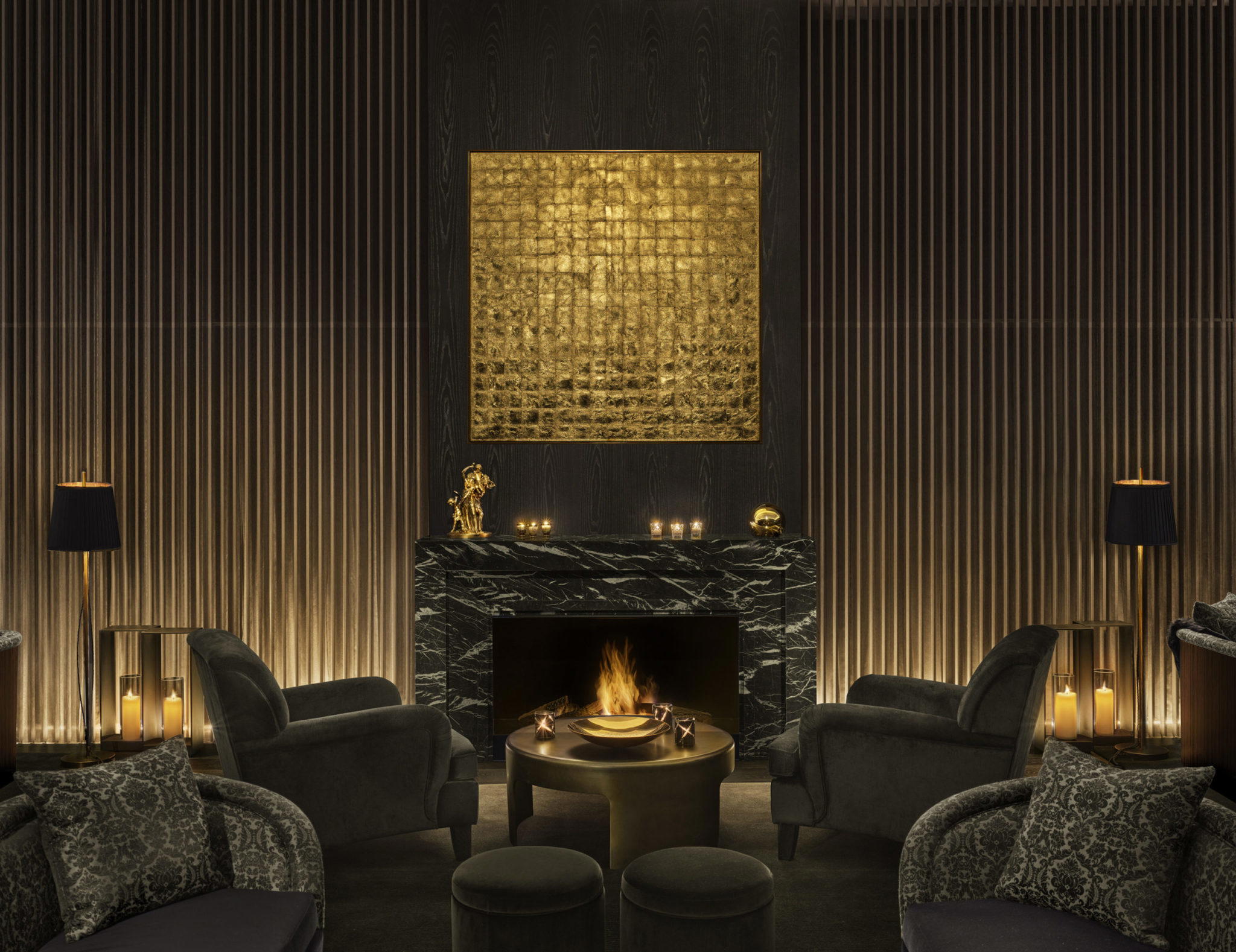
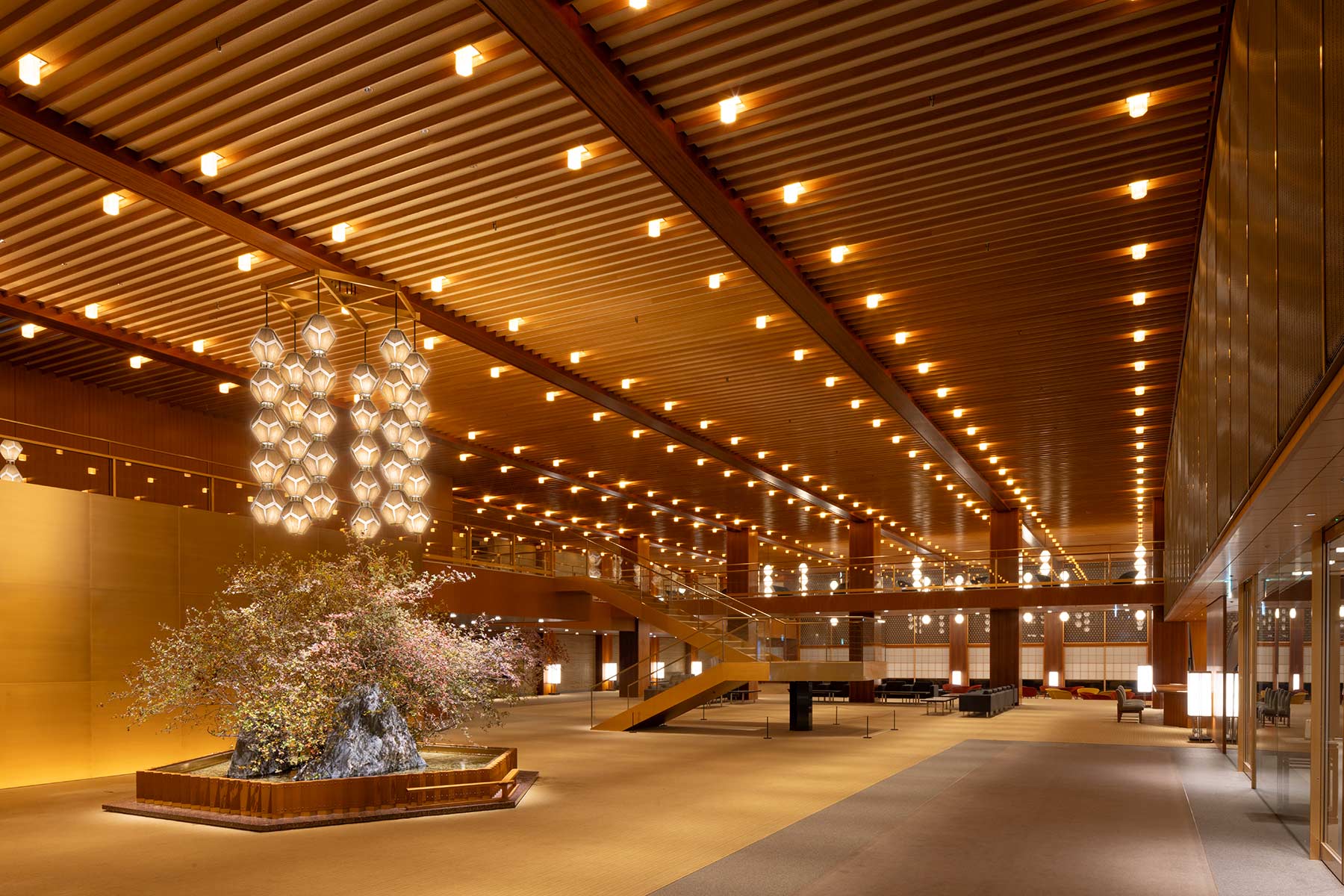
Modern, refined space with contemporary decor reflecting the blend of Parisian and Northern European design aesthetics in an upscale office building setting.