
Paris Yugao sits in Ginza’s steak and teppanyaki circuit with a French inflection, Tabelog 100 Steak / Teppanyaki EAST recognition in 2025, and a format built for repeat business dining rather than theatre alone. The draw is its position between counter-led grilling, private-room entertaining, wine service, and late Ginza habits.
Pearl is the En Primeur Club membership app — saves, bookings, and concierge access live there. Same editors, same standards.
- Address
- Japan, 〒104-0061 Tokyo, Chuo City, Ginza, 8 Chome−8−8 5階
- Phone
- +81 3-5568-8883
- Website
- paris-yugao.jp
 Saves & bookings on Pearl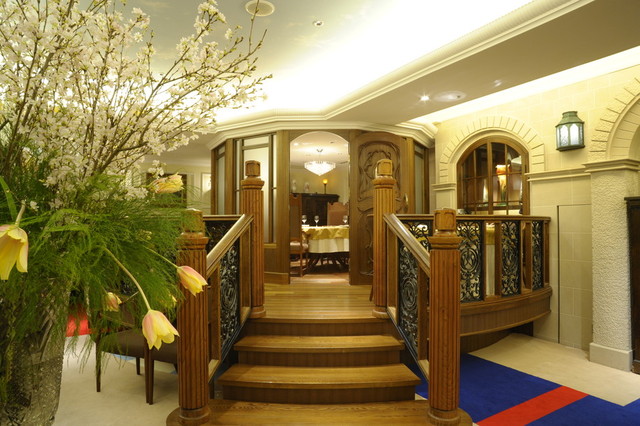
Ginza after dark has a vertical rhythm: elevators opening onto polished dining rooms, private rooms above street level, and counters where steak and seafood move from raw display to iron plate with little ceremony. Paris Yugao fits a Tokyo category built not only for celebration, but for repeat clients needing a room, a bottle, a dependable grill, and enough discretion for business after the first course.
The address is in Ginza 8-chome, closer in mood to Shimbashi’s after-work pull than the department-store gloss farther north. This matters: this part of Ginza rewards restaurants able to handle client dinners, family occasions, late sittings, and regulars who know they want teppanyaki rather than sushi or kaiseki. Paris Yugao’s Tabelog 100 Steak / Teppanyaki EAST selection for 2025 places it in a crowded field, but the practical reading is clearer: a steak-and-iron-plate address with enough range to work as a repeat venue, not a single-purpose splurge.
Ginza teppanyaki for clients who want privacy with the grill
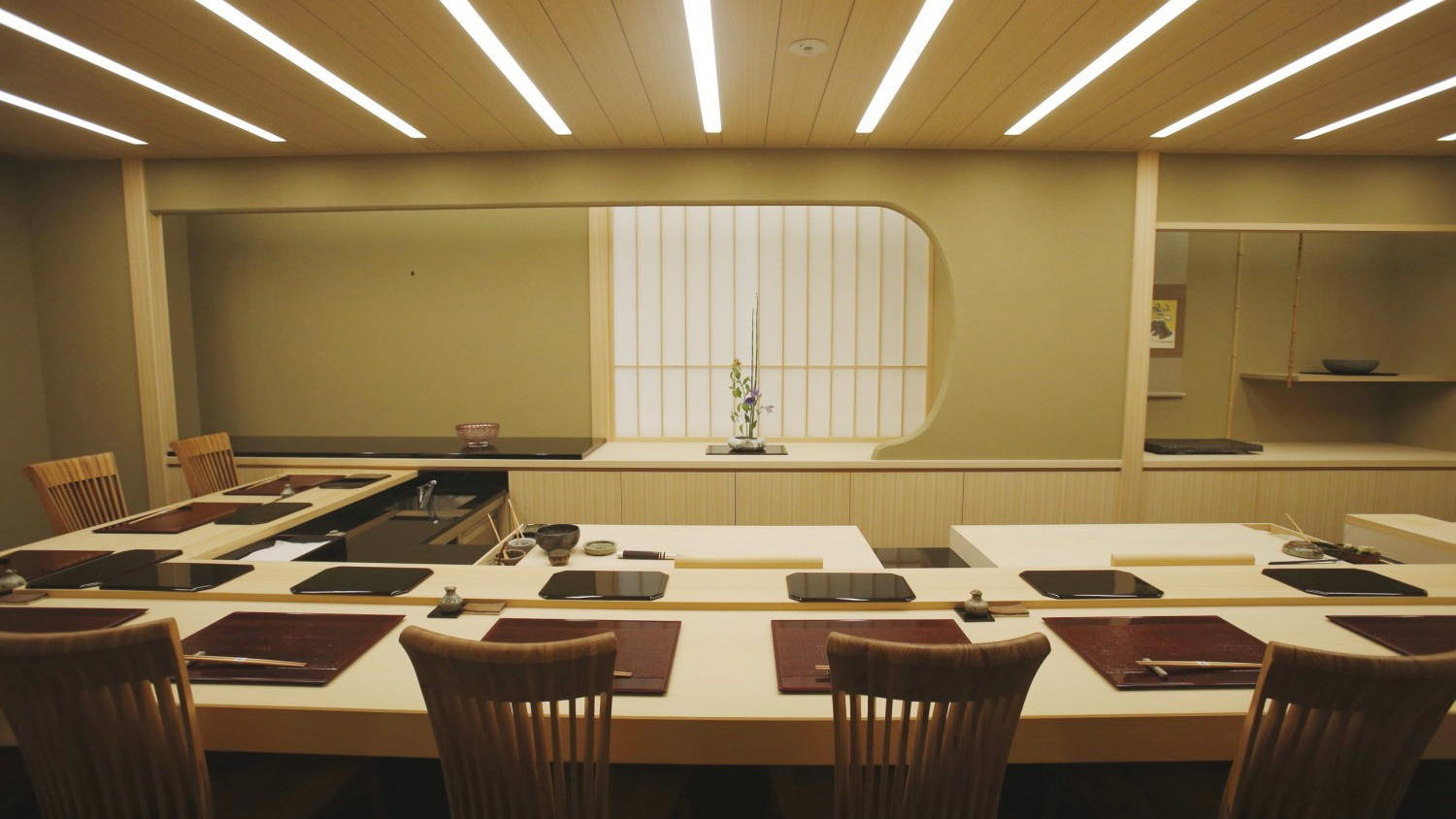
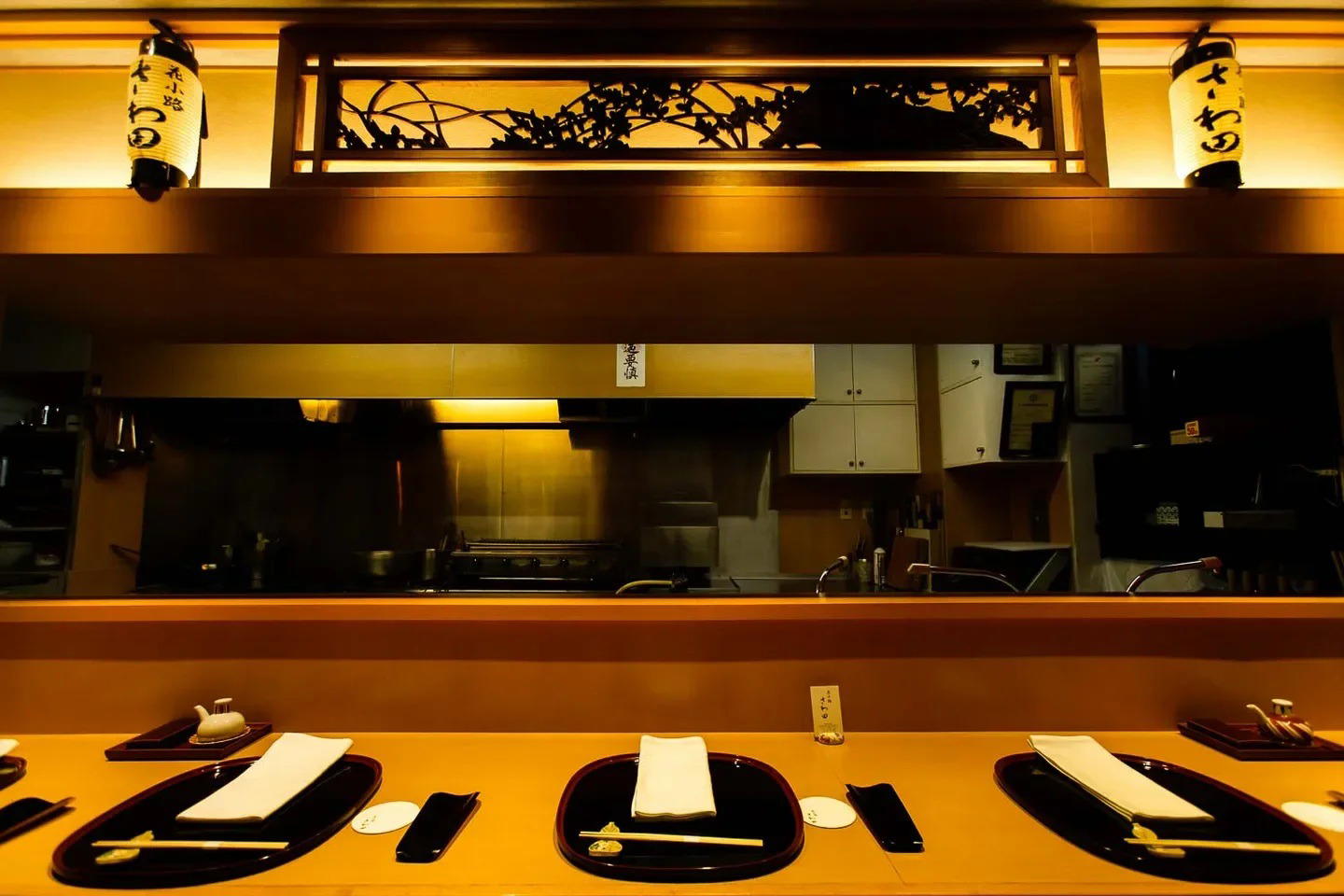
Tokyo teppanyaki broadly splits in two. One camp is counter theatre, with the chef’s hands and iron plate as the room’s focus. The other is dining infrastructure: private rooms, sommelier support, course pacing, and seating flexible enough for business dinners without becoming a banquet hall. Paris Yugao sits nearer the second camp, though counter seating remains part of the format.
The regulars’ logic is easy to read. The restaurant lists teppanyaki, French, and steak rather than one orthodox lane. In Ginza, that hybridity is service design, not confusion. A group can stay in the comfort zone of wagyu and grilled seafood while the kitchen borrows from French dining, especially course structure and wine pairing. The drink program spans sake, shochu, wine, and cocktails, and a sommelier gives the room more adult utility than many grill counters.
Nearby comparisons clarify the positioning. Tonkatsu Aoki Ginza 8 chome ten answers a lower-priced, single-specialty craving; Kyubey occupies sushi tradition; KHAN KEBAB BIRYANI serves a different late-city appetite; Oryori Katsushi belongs to Japanese dining; Sushi Sugawara, despite its name here, is listed with Italian. The restaurant is not beating those categories so much as solving another evening: steak, teppan technique, private-room availability, and Ginza-level formality under one roof.
For readers mapping Tokyo by genre rather than neighbourhood alone, EP Club’s wider restaurant coverage helps place that choice. Start with Our full Tokyo restaurants guide, then compare the city’s casual and specialist lanes through . 鮪と炭火焼き うお炭 秋葉原店, 12/10 Shinjuku ten, 124. KAGURAZAKA (Yakitori), 2D Cafe, and 3 Chome no Curry Ya San. The contrast is useful: Tokyo’s strength lies in sharp specialization, while Ginza rewards category clarity combined with hospitality depth.
The regulars' advantage is knowing which version of the room they need
This is not a small counter cult. With 92 seats, private rooms in several sizes, counter seating, sofa seating, and private-use options, the operation fits multiple evenings: lunch meeting, family celebration, long client dinner, late-night steak course, and after-dinner bar stop. Loyal clients likely return less for novelty than because the format removes friction.
The house rules are telling. School-age children are accepted with a private-room request, making the address more flexible than hushed counter-only venues. Beach sandals and shorts are not allowed, so travelers should read the room as Ginza business-formal rather than resort casual. Non-smoking dining is listed, with smoking areas available after dinner time, another sign of adult evening calibration rather than pure gastronomic pilgrimage.
The price tier reinforces the category. Dinner is JPY 20,000 to JPY 29,999; lunch is JPY 8,000 to JPY 9,999. That spread suits Tokyo’s premium lunch economy: lunch offers access without a full dinner-course cost, while evening pricing reflects steak, seafood, room comfort, and service depth. A 10 percent service charge applies, and private-room fees are separate, so the final bill depends on the evening’s configuration.
For wider trip planning, Tokyo’s hospitality ecosystem matters as much as its restaurant list. Pair restaurant research with Our full Tokyo hotels guide, drinking routes through Our full Tokyo bars guide, cellar-minded context via Our full Tokyo wineries guide, and cultural planning in Our full Tokyo experiences guide. Tokyo rewards sequencing: a Ginza dinner reads differently after a business day in Marunouchi, a museum afternoon in Ueno, or a bar crawl ending near Shimbashi.
Where it fits in a Japan dining itinerary
The restaurant is strongest for travelers who know why Ginza matters: not as novelty, but as a district where food, entertainment, and business etiquette overlap. The Tabelog 100 Steak / Teppanyaki EAST selection gives it a credible external marker; the mixed format explains repeat custom. It is not for diners seeking a tiny, ascetic counter or chef-biography narrative. Read it instead as a mature Ginza dining tool: formal enough for clients, flexible enough for family use, and broad enough for steak, French-accented courses, wine, and late-evening service to coexist.
Readers building a wider Japan itinerary can use Tokyo’s contrast with other cities to sharpen expectations. For beef-led formats beyond the capital, compare -Grilled beef Sukiyaki- KAMAKURA TANUKIAN 鎌倉 たぬき庵 in Kamakura; for casual urban registers, see.cafe in Osaka.know in Kumamoto, (Shoku) Vietnam in Kawasaki, [Curry Senmon Ten] Maruyama Kyoju. in Sapporo, and [ki:] in Kyoto. For Japanese drinking and rice-based formats outside Japan, Jōdo Saké Bar in Los Angeles and Onigiri Time in Pasadena show how differently these ideas travel.
The editorial verdict is measured: choose the restaurant when the evening needs Ginza polish, teppanyaki credibility, private-room practicality, and wine-capable service more than narrow counter obsession. In a city with sharper specialists, its strength is range under formal control.
Nearby-ish Comparables
Nearby venues at a similar price tier for orientation.
| Venue | Cuisine | Price | Notes |
|---|---|---|---|
| Paris YugaoThis venue — the venue you are viewing | Neo-French Japonism & Teppanyaki in Ginza | $$$$ | Not listed |
| Joël Robuchon | Modern French Fine Dining | $$$$ | Shibuya |
| Gastronomy Joel Robuchon | Modern French Fine Dining | $$$$ | Meguro |
| クーカーニョ | Classic Provençal French | $$$$ | Shibuya |
| モノリス | Michelin-Starred Modern French | $$$$ | Shibuya |
| URANO | Seasonal French omakase-style courses | $$$$ | Chiyoda |
Recognition history
Dated appearances from independent guides and award organizations, with the underlying list record or original source where available.
Tabelog 100 #18 · No. 18
Tabelog · Tabelog 100 - Steak / Teppanyaki - EAST - 2025




At a Glance
- Elegant
- Sophisticated
- Romantic
- Ornate
- Intimate
- Special Occasion
- Date Night
- Business Dinner
- Group Dining
- After Work
- Private Event
- Chefs Counter
- Wine Cellar
- Private Dining
- Design Destination
- Standalone
- Extensive Wine List
- Sommelier Led
- Local Sourcing
- Sustainable Seafood
Current opening hours
- Monday
- 11:30 AM–3 PM, 5 PM–3:40 AM
- Tuesday
- 11:30 AM–3 PM, 5 PM–3:40 AM
- Wednesday
- 11:30 AM–3 PM, 5 PM–3:40 AM
- Thursday
- 11:30 AM–3 PM, 5 PM–3:40 AM
- Friday
- 11:30 AM–3 PM, 5 PM–3:40 AM
- Saturday
- 11:30 AM–3 PM, 5–10 PM
- Sunday
- 11:30 AM–3 PM, 5–10 PM
Hours can change for holidays and private events. Last verified .
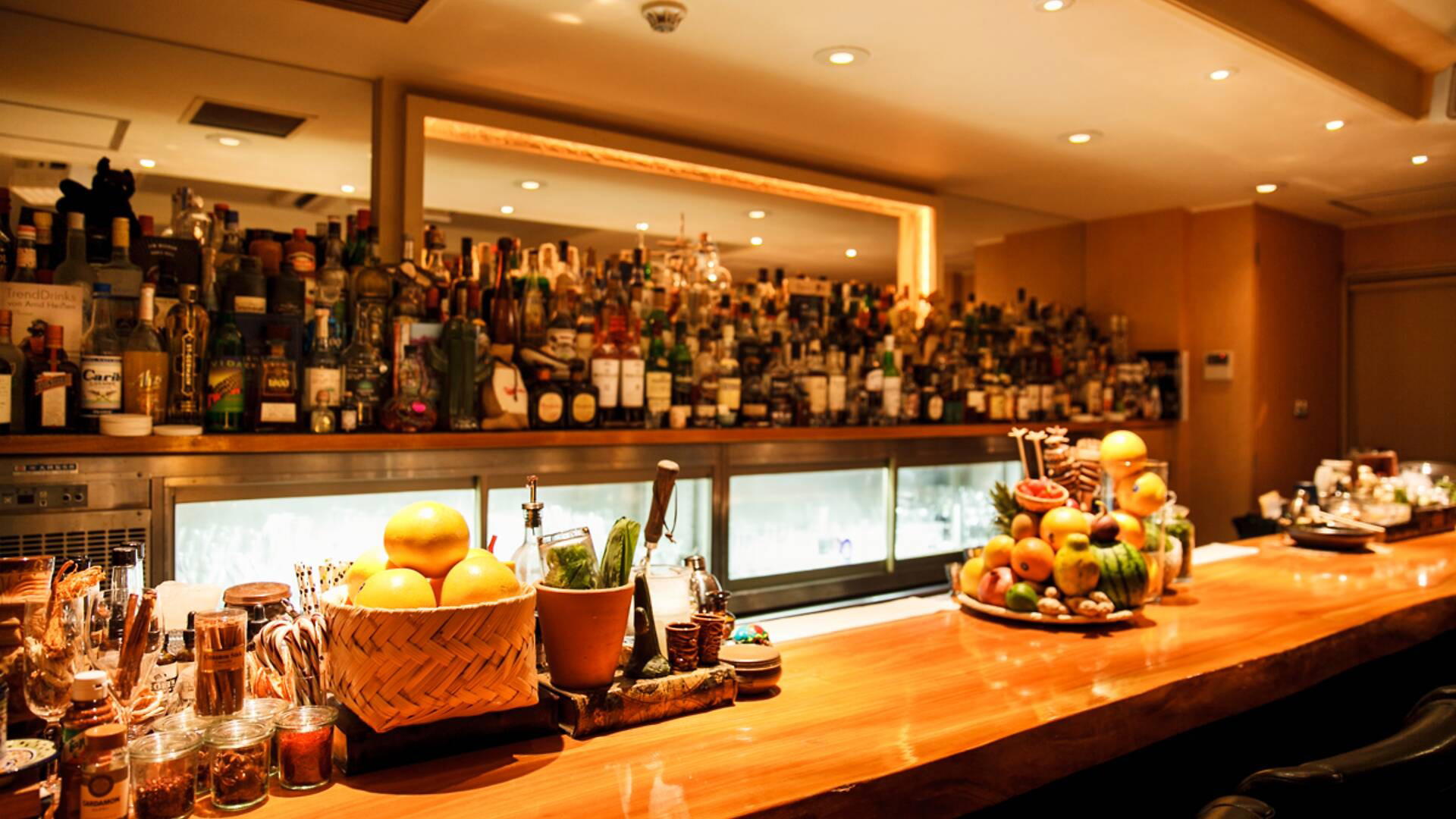
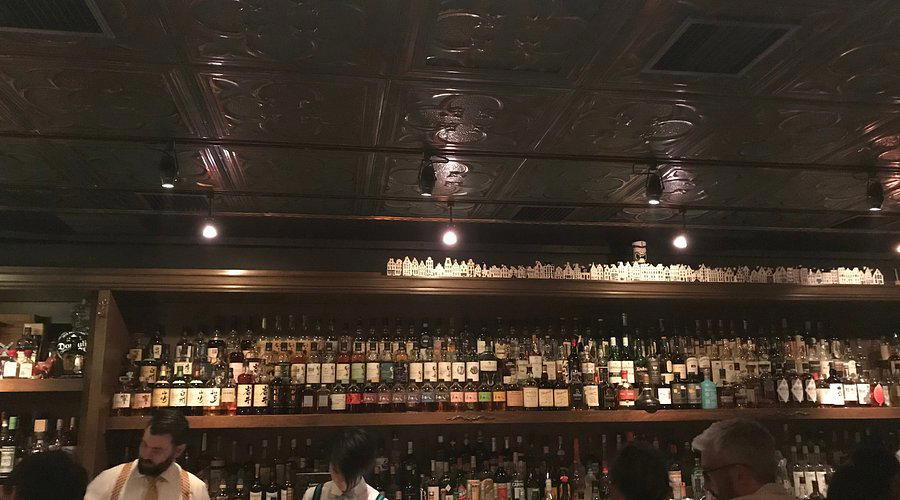
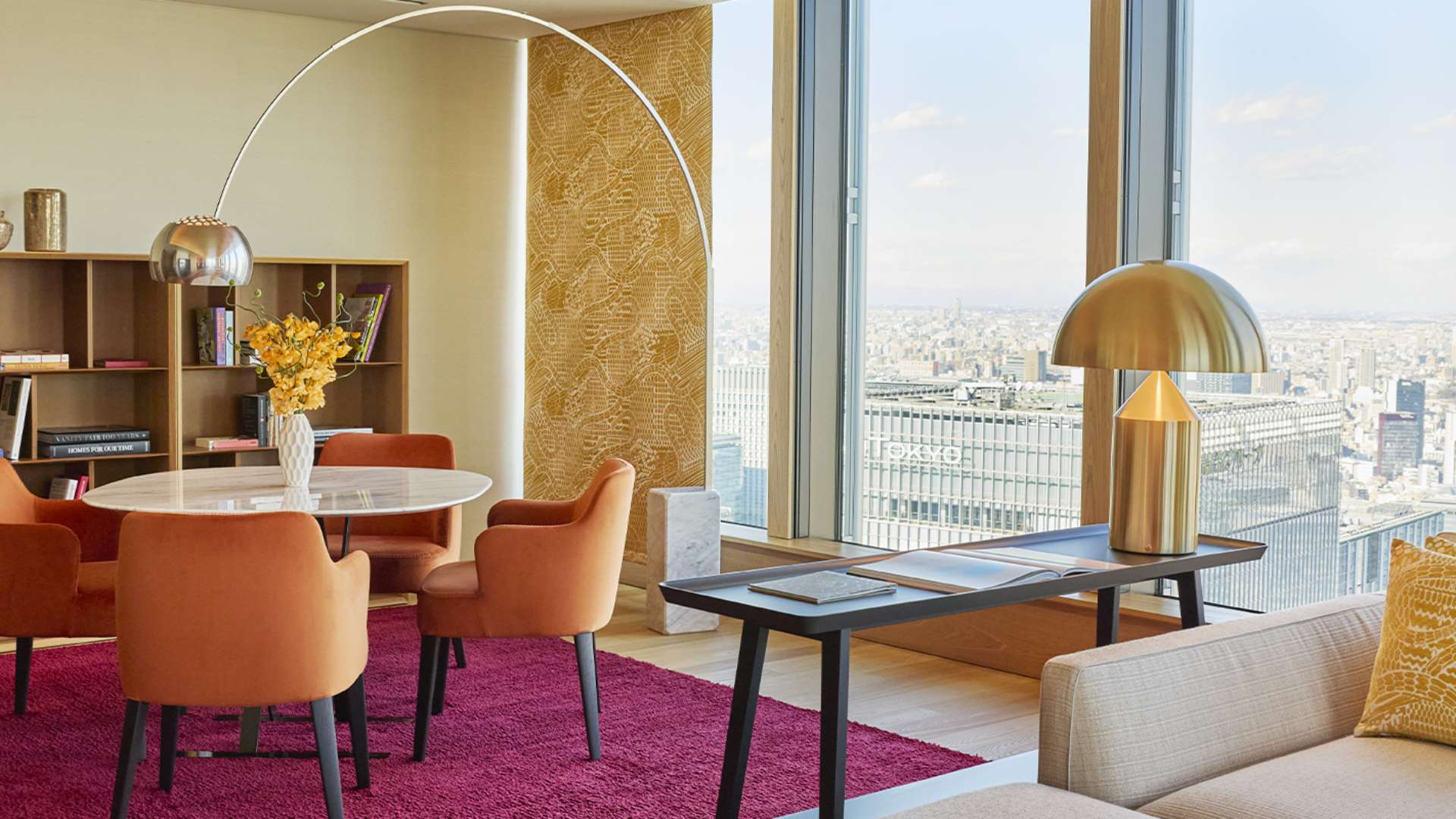
Luxurious and museum-like, with Art Nouveau details and Japanese traditional aesthetics creating an elegant, softly lit space that feels both intimate and theatrical, especially around the heavy teppan counters and private rooms.