トワヴィサージュ occupies a ground-floor address in Ginza's 7-chome, a block that has quietly become one of Tokyo's more concentrated pockets of serious dining. Details on format, price, and booking remain closely held, placing it among the capital's more deliberately opaque reservations. Treat the planning process as part of the experience itself.
Pearl is the En Primeur Club membership app — saves, bookings, and concierge access live there. Same editors, same standards.
- Address
- Japan, 〒104-0061 Tokyo, Chuo City, Ginza, 7 Chome−16−21 雲ビル 1F
- Phone
- +81335445205
- Website
- troisvisages.jp
- Directions
- Get directions
 Saves & bookings on Pearl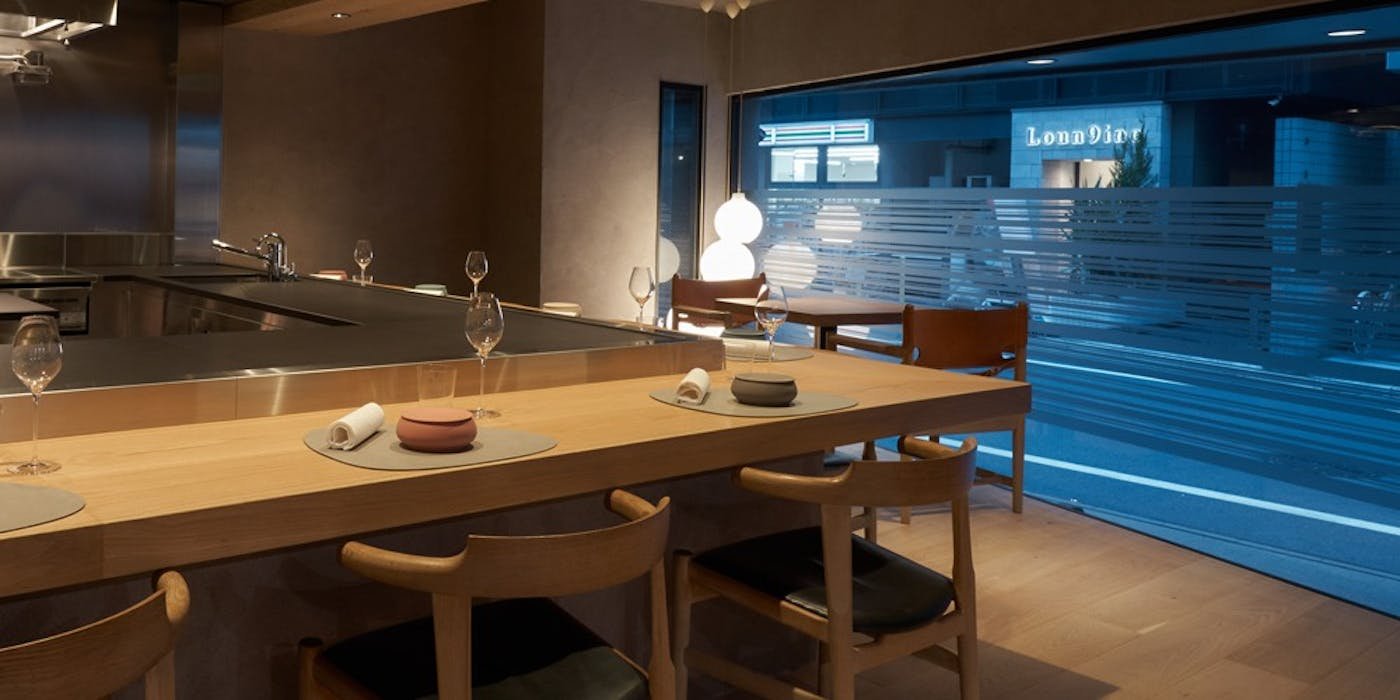
Ginza's Opaque Tier: What It Means to Book Here
Ginza has always operated on two registers: the visible and the withheld. The visible register includes the department store restaurants, the well-indexed omakase counters with English booking platforms, and the Michelin-starred addresses that have cultivated a degree of international accessibility. The withheld register is smaller and considerably harder to enter. トワヴィサージュ is a modern French fine-dining restaurant in Tokyo's Ginza district, located at 7 Chome-16-21 in the 雲ビル building. It is priced at about $143 per person and has. In a neighbourhood where a three-Michelin-star address like Harutaka still maintains a degree of booking infrastructure, an operation with this level of deliberate invisibility is making a statement about who it wants at the table.
That statement is not unusual in the broader context of Japanese fine dining. Across Japan, a category of restaurant exists almost entirely on personal referral, operating without public-facing booking systems, menus, or pricing. Gion Sasaki in Kyoto and HAJIME in Osaka each represent the more accessible end of Japan's serious dining spectrum, with documented formats and verifiable credentials. トワヴィサージュ, for now, belongs to an earlier, less mediated stage of that continuum.
The Booking Reality: Planning Around Uncertainty
Reservations are essential.
Luxury hotel concierge teams in Tokyo, particularly those at properties in Ginza and Toranomon, often maintain informal access to restaurants that do not appear in any public directory. That is one reliable first contact point for an international visitor.
Crony, in Minami-Aoyama, has a defined format and a growing international profile. All three sit at the ¥¥¥¥ tier and require advance planning, but they are plannable. トワヴィサージュ, by contrast, requires a different kind of preparation, one that begins before the booking itself.
Ginza 7-Chome: The Block in Context
The 7-chome end of Ginza is physically removed from the flagship retail corridor around 4-chome, and that distance has allowed it to develop a quieter, more residential-feeling character than the central blocks. Ground-floor restaurant spaces in this part of the ward tend toward the intimate rather than the theatrical. Buildings like 雲ビル (Kumo Building) house small-format operations where the room itself is rarely the primary signal of quality. In Tokyo's serious dining culture, that is often by design. Particularly deliberate addresses in Ginza frequently occupy unremarkable exteriors, with the interior format and the cooking carrying the full weight of the experience.
This spatial logic is consistent with how premium dining has evolved across Japanese cities. Goh in Fukuoka and akordu in Nara both demonstrate that Japan's most considered restaurants increasingly occupy locations and formats that prioritise the cooking environment over street presence. The address in Ginza 7-chome follows that pattern.
Japan's Wider High-Commitment Dining Circuit
Placing トワヴィサージュ in the context of Japan's full dining geography makes the planning calculus clearer. A trip structured around serious eating in Japan will typically route through Tokyo, Osaka, and Kyoto at minimum, with possible extensions to Nara, Fukuoka, Sapporo, or smaller regional addresses. Each city has its own version of the opaque-tier restaurant, and each requires a different approach to access.
For readers building that kind of itinerary, the EP Club guide covers the full range: HAJIME for Osaka's French-Japanese synthesis, Gion Sasaki for Kyoto's kaiseki tradition, akordu for Nara's quieter but serious scene, and regional addresses including 一本杉 川島 in Nanao, 大地のテロワール in Sapporo, 湖里庵 in Takashima, 庄羽屋 in Nishikawa Machi, Birdland in Sakai, and Bistro Ange in Toyohashi. For a complete picture of Tokyo's serious dining tier, the full Tokyo restaurants guide maps the range from accessible counters to referral-only addresses.
For an international frame of reference, the opacity of Japan's top tier has a parallel in New York's more selective tasting-menu addresses. Atomix in New York City operates a defined omakase format with documented booking, while Le Bernardin has decades of verifiable public credentials. Both illustrate what transparency looks like at the summit of the market. The contrast with a venue like トワヴィサージュ, where no equivalent documentation exists, is instructive about the different ways serious restaurants choose to present themselves.
In Tokyo's kaiseki and French-Japanese tasting-menu tiers, the split between documented and undocumented addresses is a meaningful data point in itself. RyuGin, Seiji Yamamoto's kaiseki operation in Roppongi, carries three Michelin stars and a full public profile. The contrast with Ginza's quieter ground-floor addresses illustrates a deliberate stratification within the city's premium dining culture.
Cuisine and Awards Snapshot
Comparable venues nearby, for context on price, style, and recognition.
| Venue | Cuisine | Price | Notes |
|---|---|---|---|
| トワヴィサージュThis venue — the venue you are viewing | Modern French Fine Dining | $$$$ | Not listed |
| エスキス | Modern French with Japanese Ingredients | $$$$ | Chūō |
| A New Shohei Shimono | Innovative French | $$$$ | Shibuya |
| シグネチャー | Modern French Fine Dining | $$$$ | Chūō |
| トゥールダルジャン 東京 | Classic French Fine Dining | $$$$ | Chiyoda |
| アルシミスト | Modern French with Japanese Seasonal Ingredients | $$$$ | Minato |








At a Glance
- Elegant
- Intimate
- Sophisticated
- Date Night
- Special Occasion
- Open Kitchen
- Sake Program
- Local Sourcing
Current opening hours
- Monday
- Closed
- Tuesday
- 6–10 PM
- Wednesday
- 6–10 PM
- Thursday
- 6–10 PM
- Friday
- 6–10 PM
- Saturday
- 12–3 PM, 6–10 PM
- Sunday
- Closed
Hours can change for holidays and private events. Last verified .
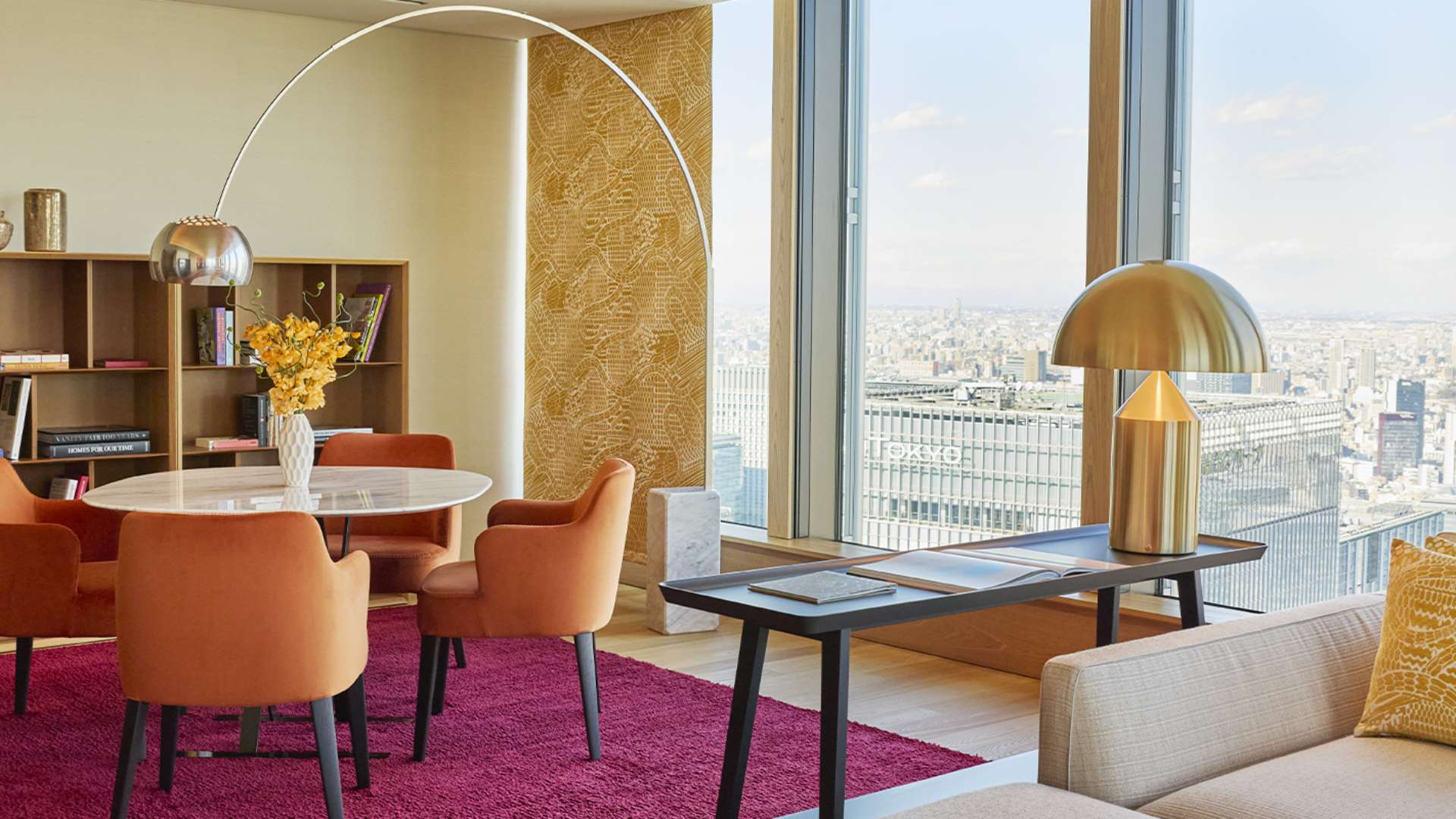
Comfortable space with Nordic furniture, lively counter-kitchen, and natural interior evoking a cozy, welcoming atmosphere.