Our verdict
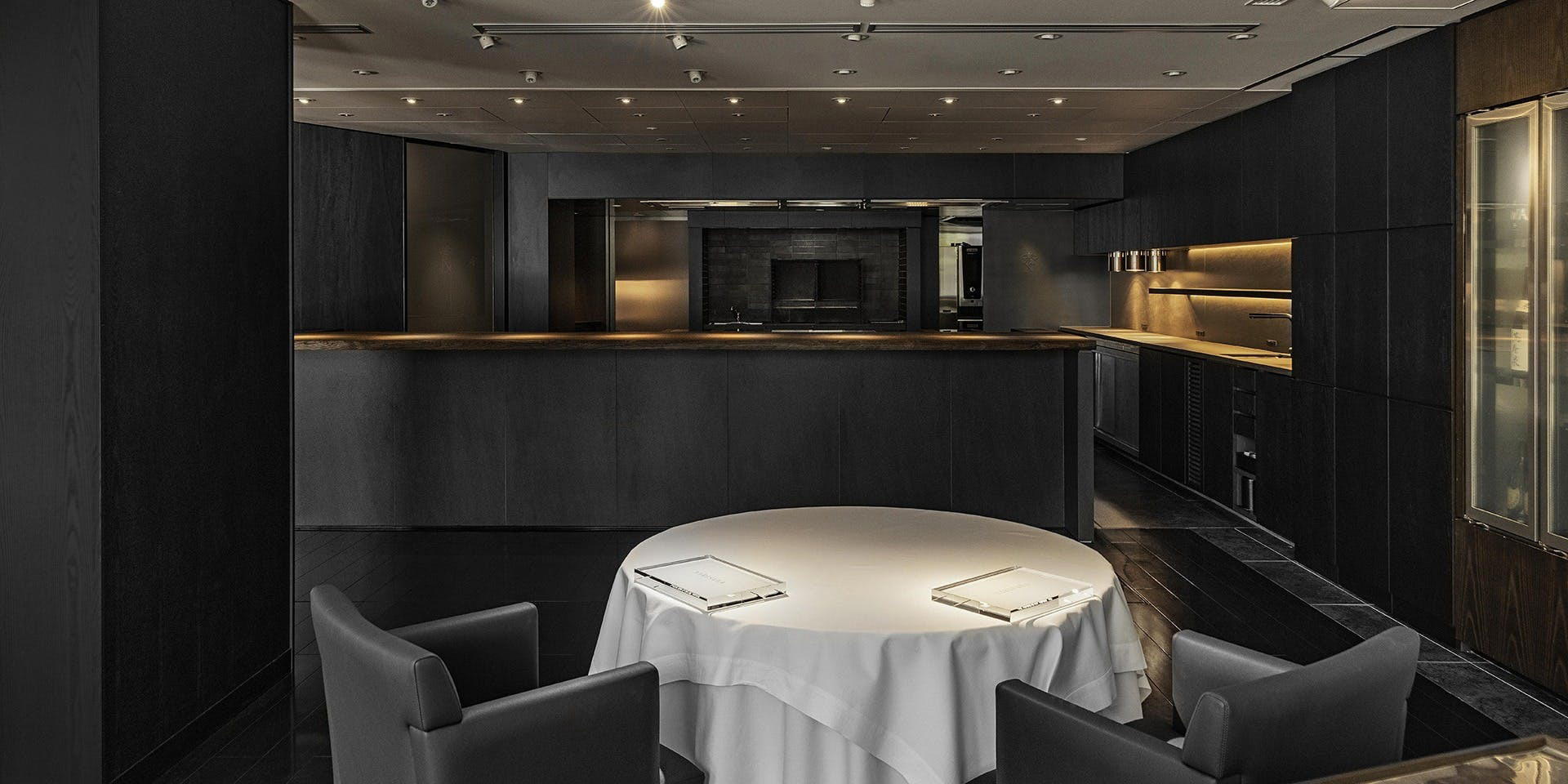
トラジ 西麻布店 sits in Nishiazabu, one of Tokyo's quieter pockets of serious dining, where Korean yakiniku is practiced as a considered ritual rather than a casual grill session. The Toraji group has shaped how premium yakiniku is understood in Japan's capital, and the Nishiazabu address reflects that positioning: unhurried, orderly, and built around the sequence of the meal as much as the meat itself.

Pearl is the En Primeur Club membership app — saves, bookings, and concierge access live there. Same editors, same standards.
- Address
- Japan, 〒106-0031 Tokyo, Minato City, Nishiazabu, 2 Chome−13−15 大山ビル 1F
- Phone
- +81334990029
- Website
- ebisu-toraji.com
- Directions
- Get directions
- Booking
- Book on the venue's website
Yakiniku as Ritual: The Dining Tradition Behind Toraji Nishiazabu
Korean yakiniku arrived in Tokyo's postwar years through the Korean diaspora, establishing itself first in the dense grill-smoke corridors of Shin-Okubo before spreading across the city in gradually more refined forms. By the early 2000s, a second tier had emerged: restaurants that treated the grill as a precision instrument, the cut sequencing as a considered editorial decision, and the dining room as something other than a communal hall. The Toraji group belongs to that second wave, and the Nishiazabu branch, housed on the ground floor of the Oyama Building at 2-13-15 Nishiazabu in Minato City, represents the format applied to one of Tokyo's most quietly serious dining neighborhoods.
Nishiazabu sits at a specific remove from Roppongi's louder circuit. The neighborhood draws a clientele that prefers low signage and long reservations over visibility, which makes it a logical address for yakiniku practiced at a deliberate pace. The dining tradition here is less about volume and more about sequence, and Toraji Nishiazabu fits that register. For context on the broader Tokyo restaurant scene, our full Tokyo restaurants guide maps the city's dining tiers across cuisines and neighborhoods.
The Architecture of the Meal
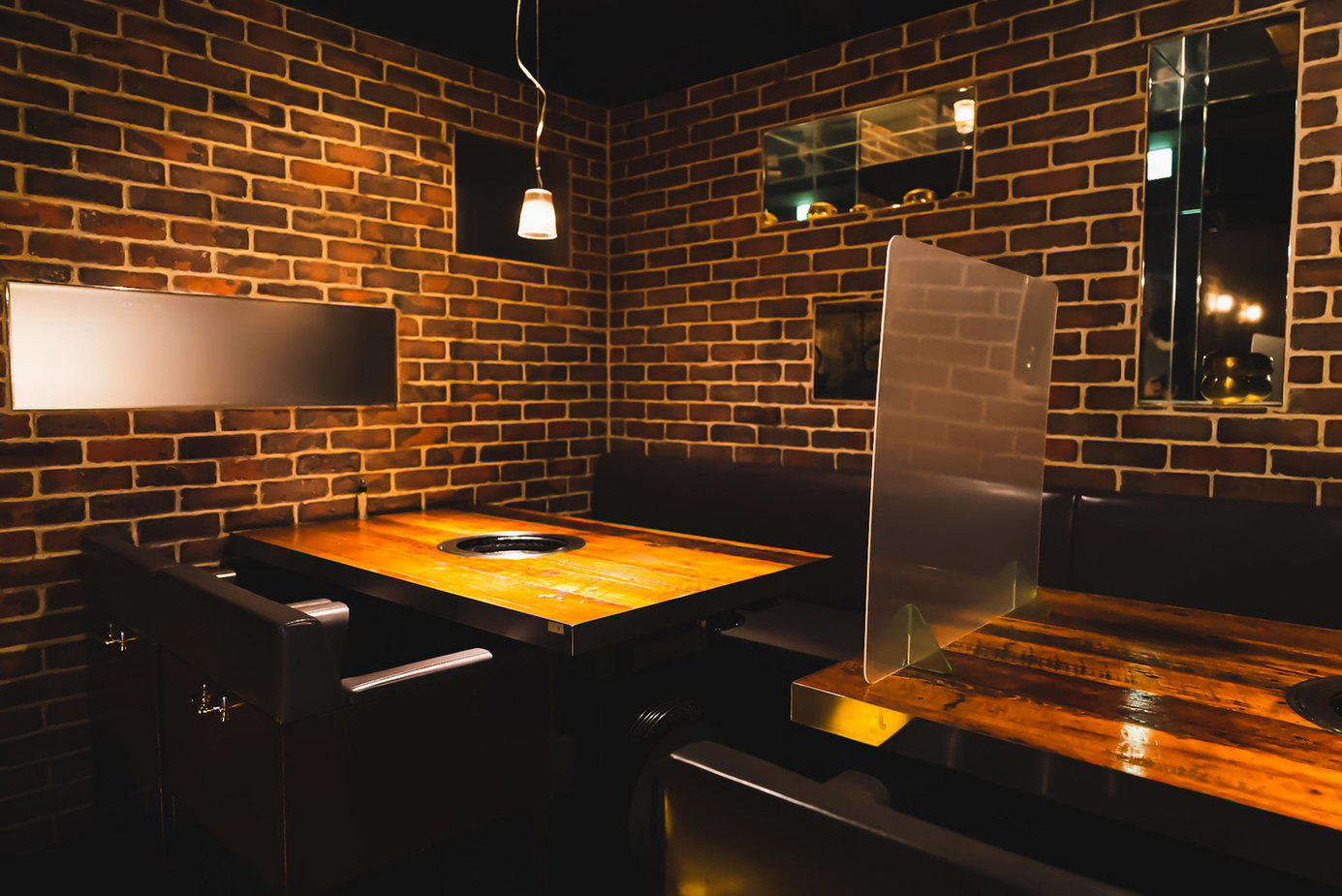
Premium yakiniku follows a structure that differs markedly from the self-grilled informality of mid-range chains. The progression moves from lighter, leaner cuts through increasingly marbled selections, with each stage timed to the heat of the grill and the rhythm of the table. Sauce choices narrow as the meal deepens — salt and citrus for delicate cuts early on, richer accompaniments reserved for wagyu with higher fat content. Staff involvement in the grilling process is a signal of tier: at serious yakiniku addresses, grill management is handled tableside, not left entirely to the diner.
This structure matters because it distinguishes yakiniku dining ritual from the casual participatory format that defines lower price points. The same distinction operates in other precision-driven Japanese formats. Harutaka, the Ginza sushi counter, manages an analogous sequencing logic through its omakase — each course builds on the last in temperature, fat, and intensity. The principle of the meal as choreography rather than menu selection runs through much of Tokyo's serious dining culture, whether the format is sushi, kaiseki, or yakiniku.
Kaiseki, the most codified of Japan's dining rituals, provides the clearest parallel. RyuGin in Roppongi operates within that tradition, where the kitchen's control over pacing is absolute and the diner's role is to receive rather than direct. Yakiniku at the Toraji level occupies a middle position: the kitchen selects and prepares, but the grill moment itself involves the table, creating a collaborative rhythm that demands some fluency with the format.
Nishiazabu in Tokyo's Dining Geography
The neighborhood context is relevant to understanding what Toraji Nishiazabu is and is not. Nishiazabu is not a destination for experimental or concept-driven dining, that tendency runs more through Minami-Aoyama and parts of Ebisu. It is, instead, a neighborhood of established formats practiced at high competence: French restaurants like L'Effervescence have defined its register for international diners, while addresses like Sézanne and Crony have expanded Tokyo's French dining conversation across other parts of the city. Within that landscape, a serious yakiniku address occupies a distinct but complementary position, grounded in tradition, not in novelty.
For travelers moving across Japan's dining cities, the comparison is instructive. HAJIME in Osaka and Gion Sasaki in Kyoto represent regional precision in their respective formats; akordu in Nara and Goh in Fukuoka show how the country's serious dining culture extends well beyond the capital. What these addresses share, regardless of cuisine, is the same commitment to sequence, material quality, and the management of the meal as a whole arc. Toraji Nishiazabu operates in that tradition at the yakiniku register.
Etiquette and Pacing: What the Format Asks of the Diner
Arriving at a premium yakiniku address with expectations shaped by casual grill formats will produce friction. The ritual here assumes a pace set by the kitchen's cut sequencing, not by the diner's appetite. Ordering should be approached as a progression rather than a simultaneous selection; experienced diners allow early courses to close before directing the next round. The grill temperature, the resting time after cooking, and the moment of eating are all part of the format's logic, rushing any stage compresses what the kitchen has structured.
The parallel in other cities is worth noting. Atomix in New York City, which operates a Korean fine dining format, approaches the meal with a similar insistence on sequence and narrative, translating Korean culinary tradition into a rigorous tasting structure. Le Bernardin in New York City represents a different cuisine but the same principle: the meal's arc is the kitchen's to direct. These comparisons are useful because they establish that the pacing expectations at Toraji Nishiazabu are not culturally isolated, they belong to a broader premium dining logic that serious travelers will recognize across formats and geographies.
For those exploring Japan's dining culture beyond the capital, addresses like 一本木 有川製 in Nanao, 夕月山乃 in Sapporo, 湖畔荘 in Takashima, 屋根屋 in Nishikawa Machi, Birdland in Sakai, and Bistro Ange in Toyohashi illustrate the geographic depth of Japan's dining culture, each operating within its regional tradition with the same attention to format integrity that characterizes the Toraji approach in Tokyo.
Planning Your Visit
The table below places Toraji Nishiazabu in context alongside peer-tier Tokyo addresses.
| Venue | Cuisine | Price Tier | Booking Lead Time | Format |
|---|---|---|---|---|
| トラジ 西麻布店 | Yakiniku (Korean BBQ) | Mid-to-upper (confirm direct) | Recommended; contact venue | Tableside grill, sequential cuts |
| Harutaka | Sushi | ¥¥¥¥ | Several weeks to months | Omakase counter |
| RyuGin | Kaiseki | ¥¥¥¥ | Several weeks | Multi-course kaiseki |
| L'Effervescence | French | ¥¥¥¥ | Several weeks | Tasting menu |
Nishiazabu is accessible from Hiroo and Roppongi stations. Taxi is the most direct option for evening arrivals from central Tokyo. The address at the Oyama Building, 2-13-15 Nishiazabu, is the confirmed location.
Frequently asked questions
Is Toraji Nishiazabu suitable for children?
Toraji Nishiazabu is a sit-down yakiniku address in Nishiazabu, a neighbourhood oriented toward adult dining rather than family casual. The open-grill format involves live charcoal or gas burners at the table, which requires supervision with young children. Families with older children comfortable at a structured, paced dinner table will find the format more manageable than those with toddlers.
Where is トラジ 西麻布店 located?
トラジ 西麻布店 is located at Japan, 〒106-0031 Tokyo, Minato City, Nishiazabu, 2 Chome−13−15 大山ビル 1F, Tokyo.
Do I need a reservation for トラジ 西麻布店?
Reservations are recommended for トラジ 西麻布店 in Tokyo. Confirm current policy via the venue's official channels.
What has トラジ 西麻布店 built its reputation on?
トラジ 西麻布店 is best approached by focusing on the core concept and signature offerings.
Accolades, Compared
| Venue | Cuisine | Price | Awards | Notes |
|---|---|---|---|---|
| トラジ 西麻布店This venue — the venue you are viewing | Premium Yakiniku | $100–150 | Not listed | Not listed |
| Harutaka | Edo-Style Omakase Sushi | $200–300 | 3 Michelin Stars · World's 50 Best #76 | Sushi |
| L'Effervescence | Modern French with Japanese Influences | $200–300 | 3 Michelin Stars · World's 50 Best #69 | French |
| RyuGin | Modern Kaiseki | $500+ | 3 Michelin Stars · World's 50 Best #41 | Kaiseki, Japanese |
| Crony | Modern French with Japanese Influences | $150–200 | 2 Michelin Stars · World's 50 Best #34 | Innovative, French |
| Florilège | Modern French-Japanese Plant-Based Fine Dining | $50–100 | 2 Michelin Stars · World's 50 Best #31 | French |