
Tokyo’s shojin ryori tradition rewards diners who care about sourcing, seasonality, and restraint rather than spectacle. 精进料理 醍醐 belongs in that conversation through a plant-led Buddhist cooking lineage and Black Pearl Restaurant Guide 2026 one-diamond recognition, making it a serious address for understanding how vegetables, grains, tofu, and seaweed can carry a formal meal in Japan.
 Request Booking on Pearl
Pearl is the En Primeur Club membership app — saves, bookings, and concierge access live there. Same editors, same standards.
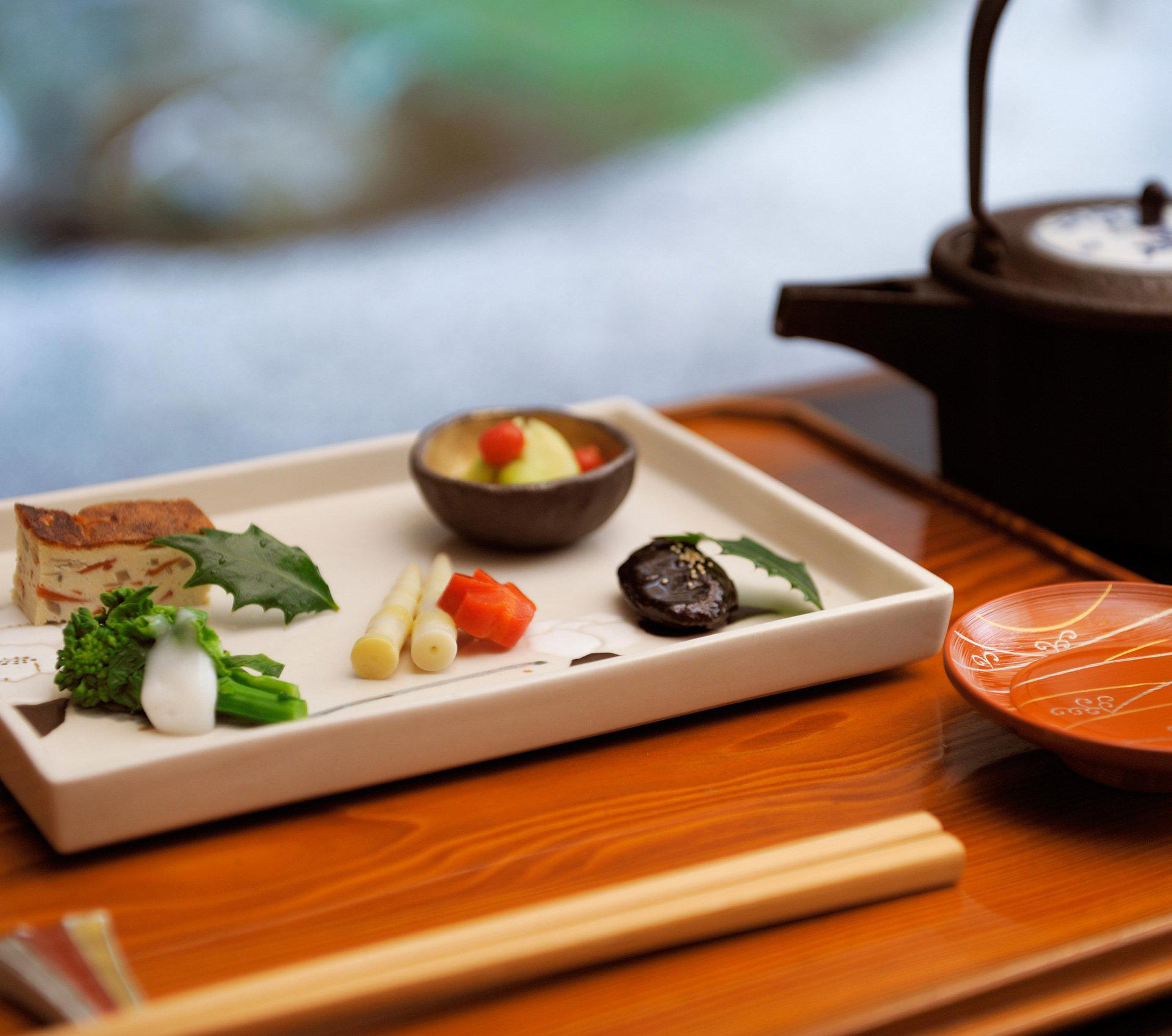
A formal shojin meal begins before flavour. The room tends to lower the volume of the city, and the cooking asks diners to pay attention to what is absent: no meat, no fish, no reliance on luxury protein as a shortcut. In Tokyo, where high-end dining is often measured through sushi counters, wagyu rooms, and French-Japanese tasting menus, shojin ryori occupies a different register. It is ingredient-led, but not in the farmers-market sense alone. Its discipline comes from Buddhist temple cooking, where vegetables, grains, tofu, seaweed, and seasonings are made to carry structure, temperature, and progression.
精进料理 醍醐 is useful because it places that tradition inside Tokyo’s serious dining conversation rather than treating it as a cultural footnote. Black Restaurant Guide named it among its 2026 one-diamond restaurants, a signal that matters because shojin ryori rarely competes on the obvious markers that make international rankings easy to read. There is no trophy protein, no theatrical grill, no luxury seafood procession. The value sits in sourcing decisions, knife work, stock, texture, and the quiet confidence of a kitchen working inside restrictions.
Shojin ryori, read through ingredients rather than abstinence
The common mistake is to describe shojin ryori as vegetarian Japanese cuisine. That is accurate but thin. The better reading is a cooking system built around what ingredients can do when animal fat and fish-based dashi leave the equation. Konbu, dried mushrooms, sesame, miso, soy, yuba, mountain vegetables, roots, and seasonal greens become the architecture. In a city that rewards concentration, shojin ryori offers a separate kind of intensity: not bigger flavour, but clearer edges.
This is where sourcing becomes the story. A vegetable course in this tradition is not filler between richer plates; it is the plate. The meal depends on produce that can survive close reading, from bitterness and sweetness to fibre, water content, and aroma. Japanese cuisine has long treated seasonality as a grammar rather than decoration, and shojin cooking makes that grammar stricter. Spring greens, summer gourds, autumn mushrooms, and winter roots each change the balance of a meal without needing a menu to announce a manifesto.
The format also clarifies Tokyo’s range. A visitor can spend a trip moving between casual curry shops, yakitori counters, cafés, and formal dining rooms without leaving the city’s broader food logic. For that wider map, Our full Tokyo restaurants guide gives useful contrast, from places such as . 鮪と炭火焼き うお炭 秋葉原店, 12/10 Shinjuku ten, 124. KAGURAZAKA (Yakitori), 2D Cafe, and 3 Chome no Curry Ya San. Shojin sits apart from those categories, but the separation is the point: it shows how much of Japanese dining depends on restraint as much as abundance.
Why this address matters in Tokyo's premium dining hierarchy
Tokyo’s luxury dining scene often sorts itself by rarity: seat count, counter access, chef recognition, auction-grade ingredients, or cellar depth. Shojin ryori resists several of those signals. Its prestige comes from continuity and control, not from acquisition. A one-diamond listing from Black in 2026 gives 精进料理 醍醐 an external marker for diners who need a trust signal, but the better reason to go is more specific: it offers a formal reading of Japanese plant-based cuisine in a city where plant-led meals are often misunderstood as compromise.
That distinction matters for international travellers. In many Western cities, plant-based tasting menus are framed through substitution, replacing meat with technique-heavy alternatives. Traditional shojin cooking starts from a different premise. It does not imitate meat. It builds satisfaction through broth, starch, fermentation, bitterness, and sequence. The result is a meal category with cultural depth rather than dietary branding.
For a broader Tokyo itinerary, the restaurant belongs alongside other planning layers rather than inside a single dining silo. Hotels shape the timing and neighbourhood rhythm of a meal, so Our full Tokyo hotels guide is useful for pairing location with restaurant access. Drinking culture tells another side of the city through cocktail bars, sake rooms, and late-night counters; start with Our full Tokyo bars guide. Wine is a narrower category in Tokyo but increasingly relevant to premium dining, covered in Our full Tokyo wineries guide. For culture-led planning beyond meals, Our full Tokyo experiences guide helps place a formal lunch or dinner within a wider day.
How to place it within a Japan-focused itinerary
The appeal of shojin ryori grows when seen against Japan’s regional range. Kamakura brings temple associations and coastal proximity into a different dining rhythm, making -Grilled beef Sukiyaki- KAMAKURA TANUKIAN 鎌倉 たぬき庵 in Kamakura a useful counterweight for travellers thinking beyond Tokyo. Osaka’s casual register appears in entries such as.cafe in Osaka, while Kyushu’s breadth comes through places such as.know in Kumamoto. The point is not to rank them against a formal shojin meal; it is to show how Japanese dining changes when the organising principle shifts from temple discipline to café culture, regional comfort, or late-night urban eating.
Other reference points broaden the lens further: (Shoku) Vietnam in Kawasaki, [Curry Senmon Ten] Maruyama Kyoju. in Sapporo, and [ki:] in Kyoto each sit in different food cultures within or adjacent to Japan’s urban dining map. Even outside Japan, Japanese food culture travels in revealing ways, from Jōdo Saké Bar in Los Angeles to Onigiri Time in Pasadena. Against that wider field, 精进料理 醍醐 is not simply a place to eat without meat. It is a clear lesson in how Japanese cuisine can make restraint feel complete.
Comparable Venues Nearby
Comparable venues nearby, for context on price, style, and recognition.
| Venue | Cuisine | Price | Notes |
|---|---|---|---|
| 精进料理 醍醐This venue — the venue you are viewing | Shojin-ryori Buddhist vegetarian kaiseki | $$$$ | Not listed |
| Kien | Traditional Japanese Kaiseki | $$$$ | Minato |
| Karyu | Wagyu Kaiseki | $$$$ | Chūō |
| Kyoaji (京味) | Traditional Kyoto-Style Kaiseki Omakase | $$$$ | Shinbashi |
| Oryori Mukyu | Seasonal Japanese Fine Dining | $$$$ | Minato |
| Tempura Kyorakutei | Tempura and Soba | $$$$ | Shinjuku |
Recognition history
Dated appearances from independent guides and award organizations, with the underlying list record or original source where available.
Black Pearl 1 Diamond
Black Pearl








At a Glance
- Elegant
- Quiet
- Scenic
- Classic
- Sophisticated
- Special Occasion
- Business Dinner
- Group Dining
- Date Night
- Private Event
- Garden
- Private Dining
- Historic Building
- Standalone
- Sake Program
- Extensive Wine List
- Local Sourcing
- Farm To Table
- Garden
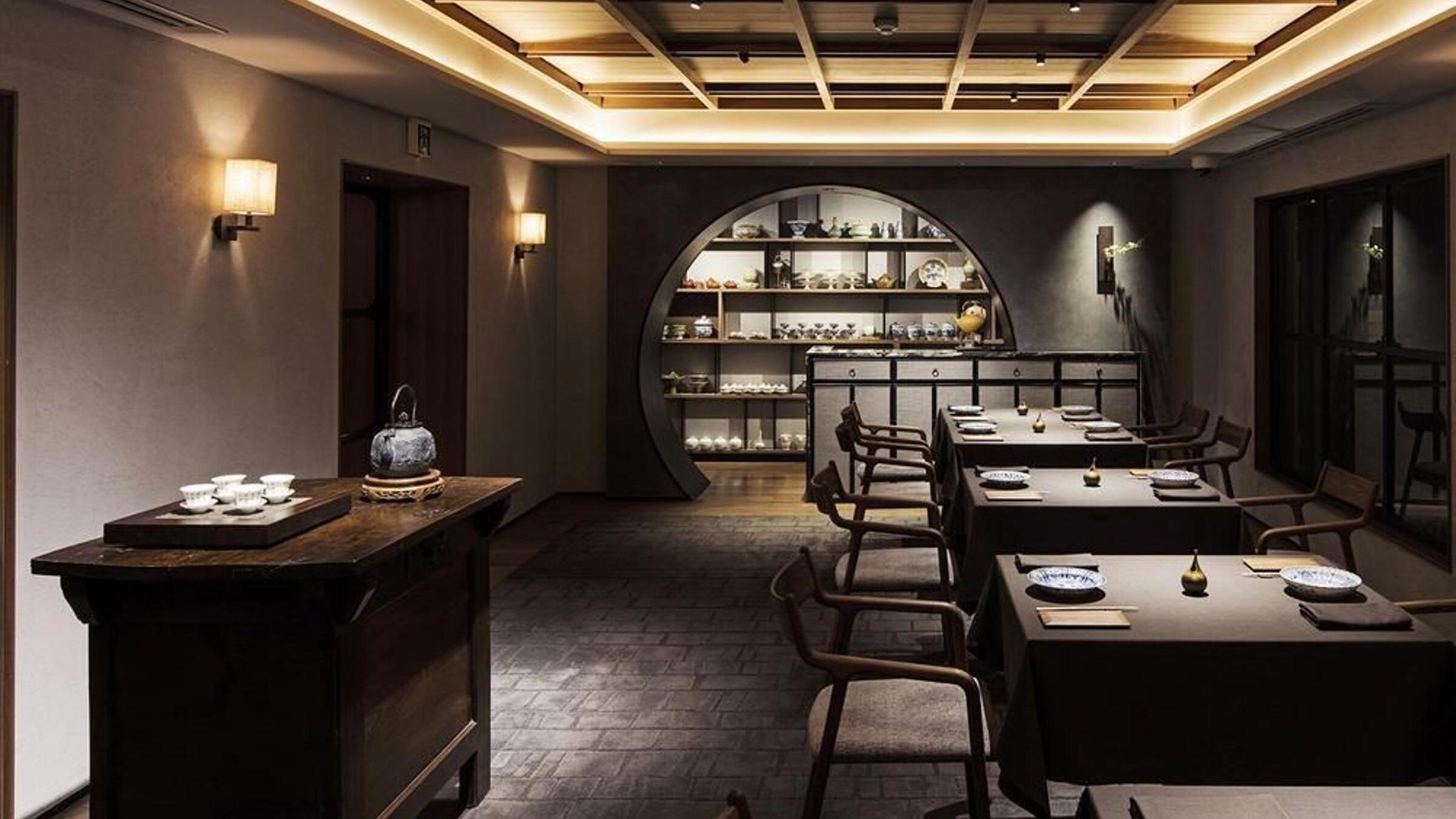
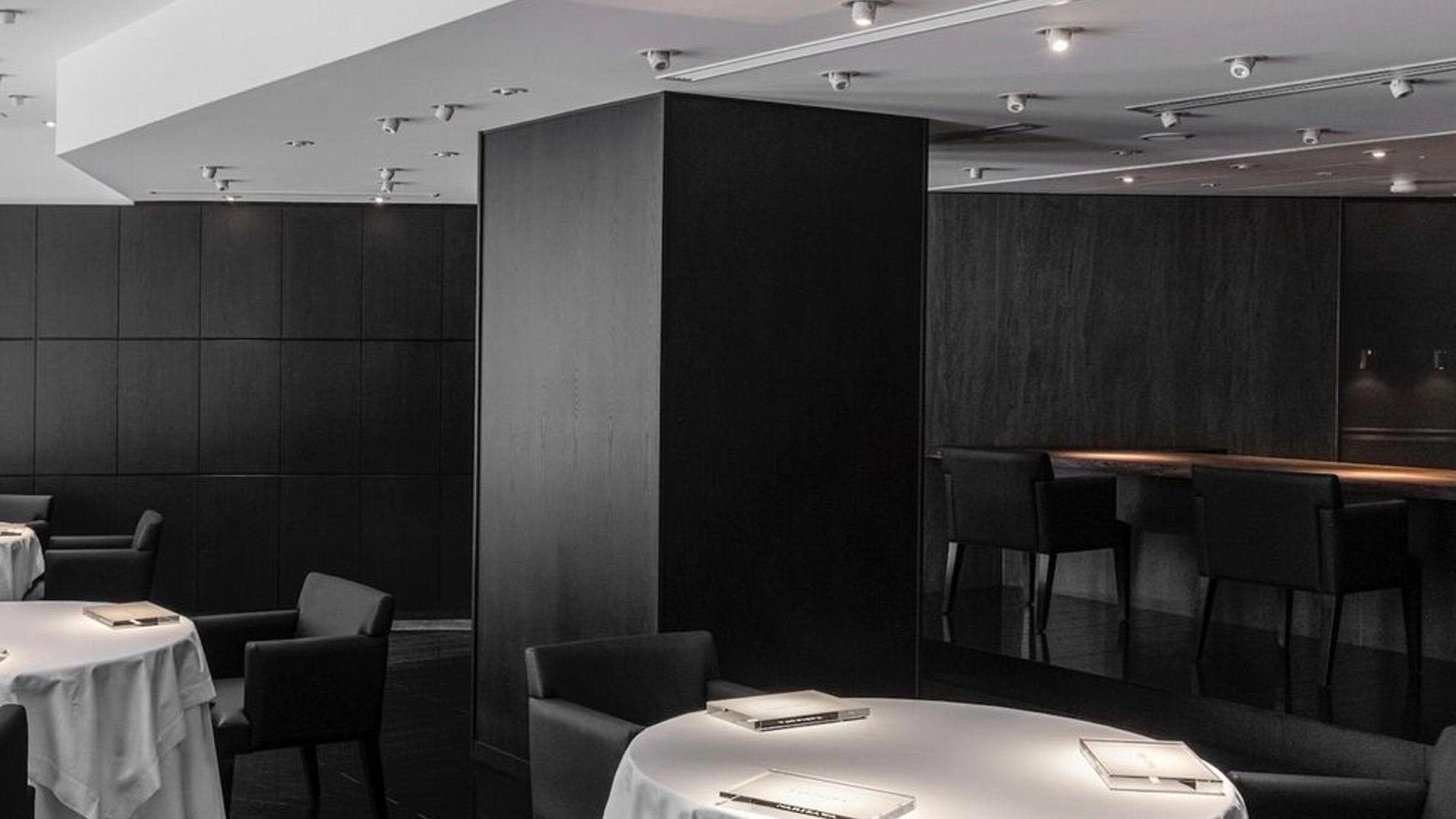
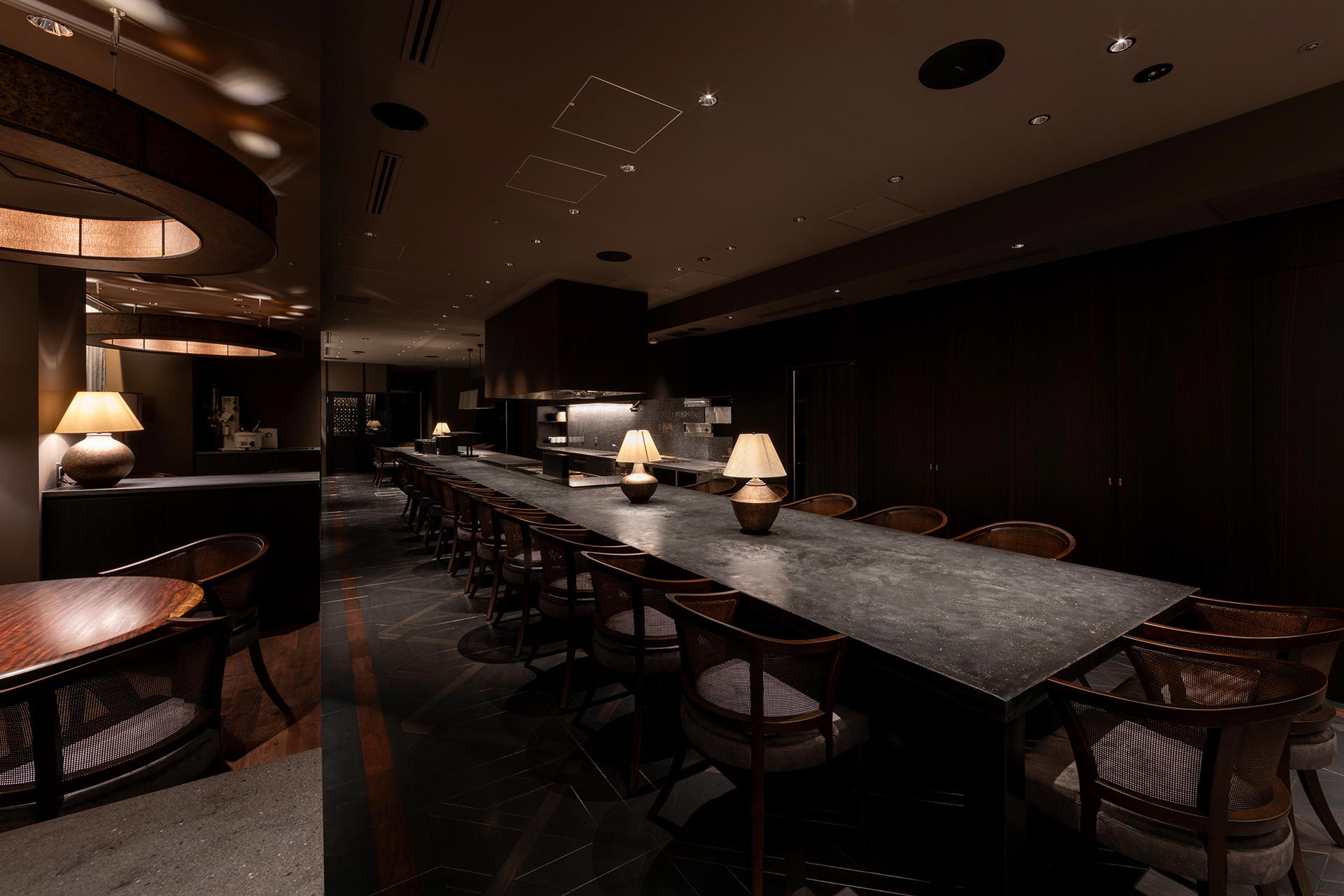
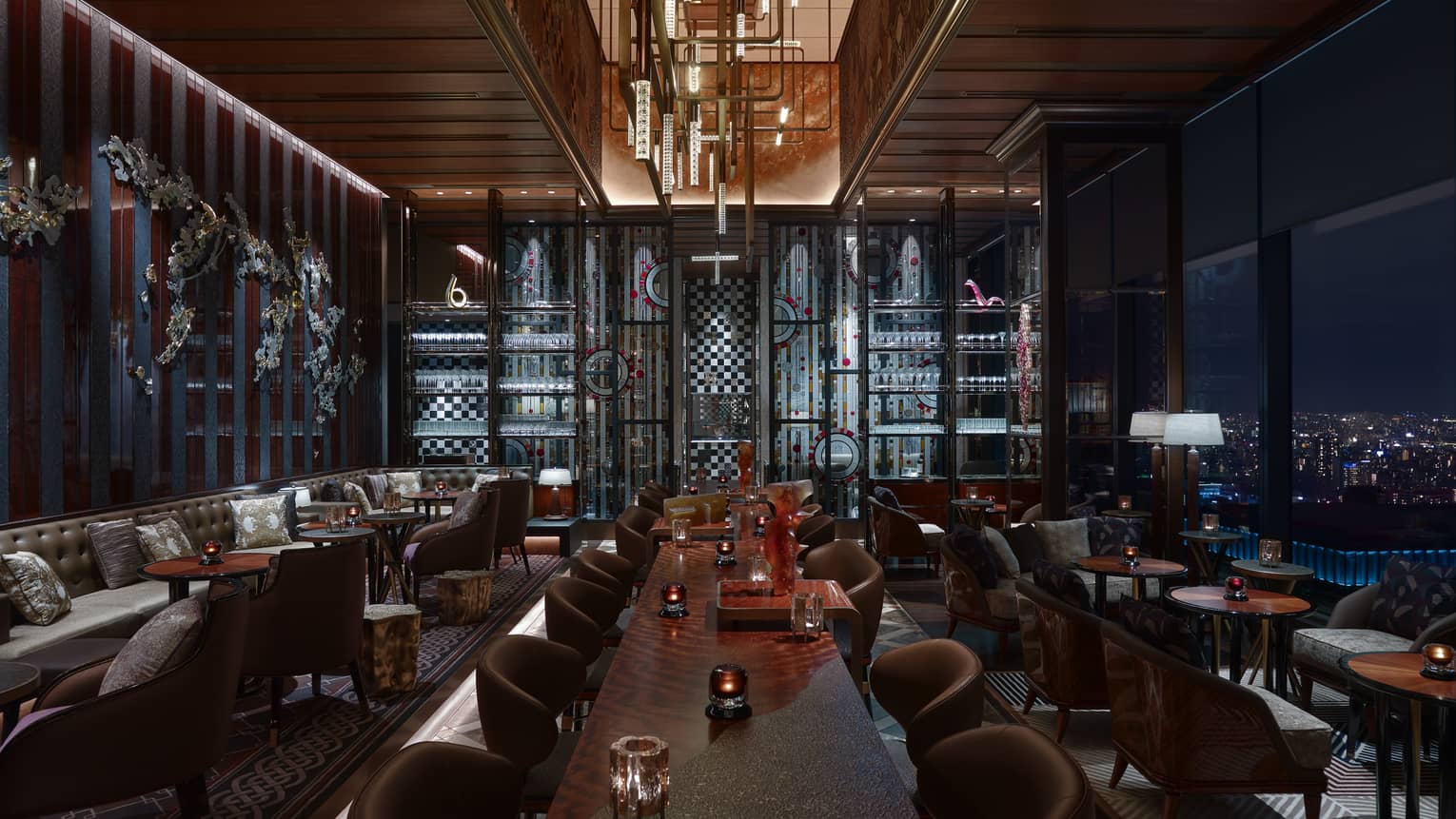
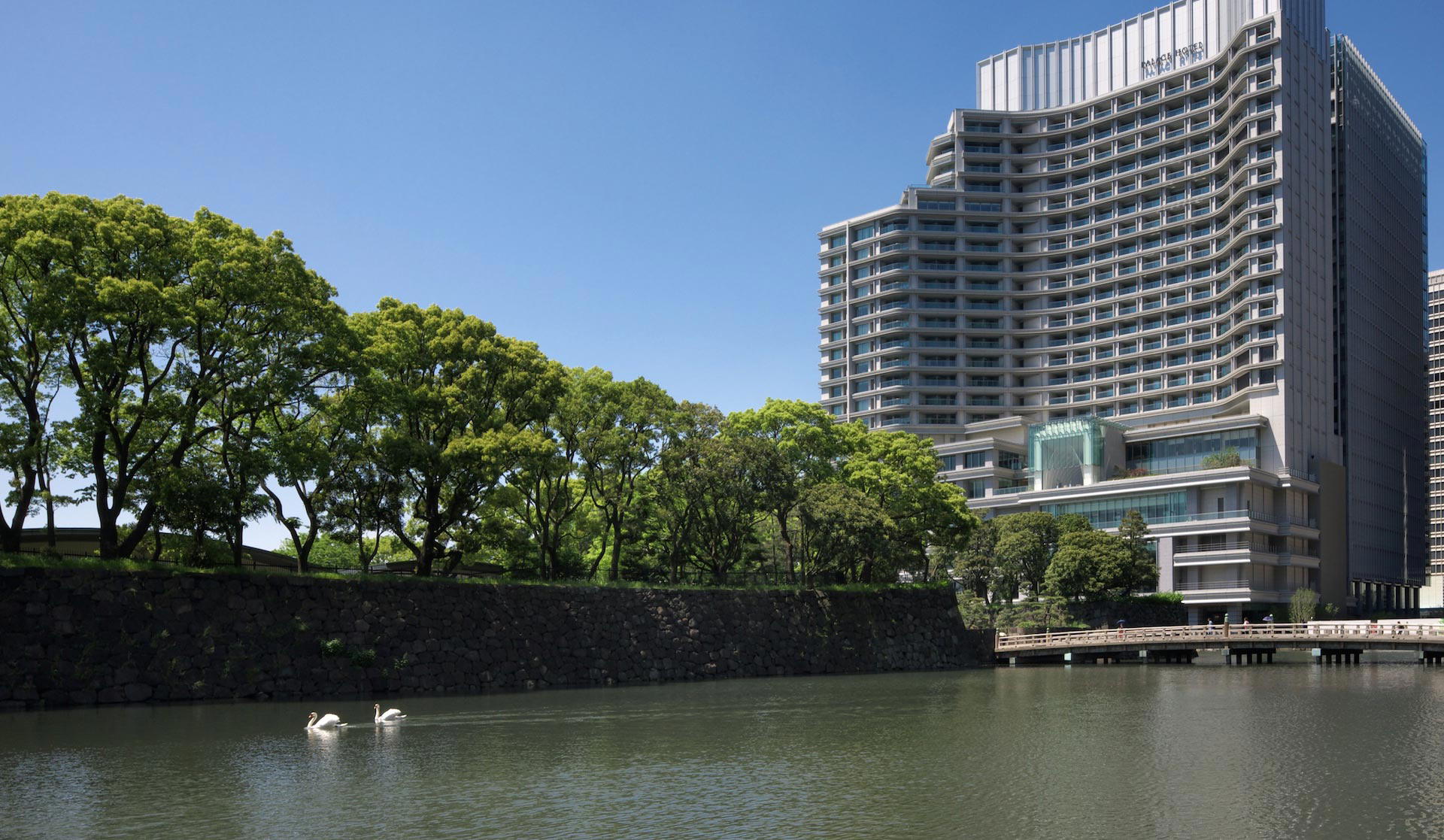
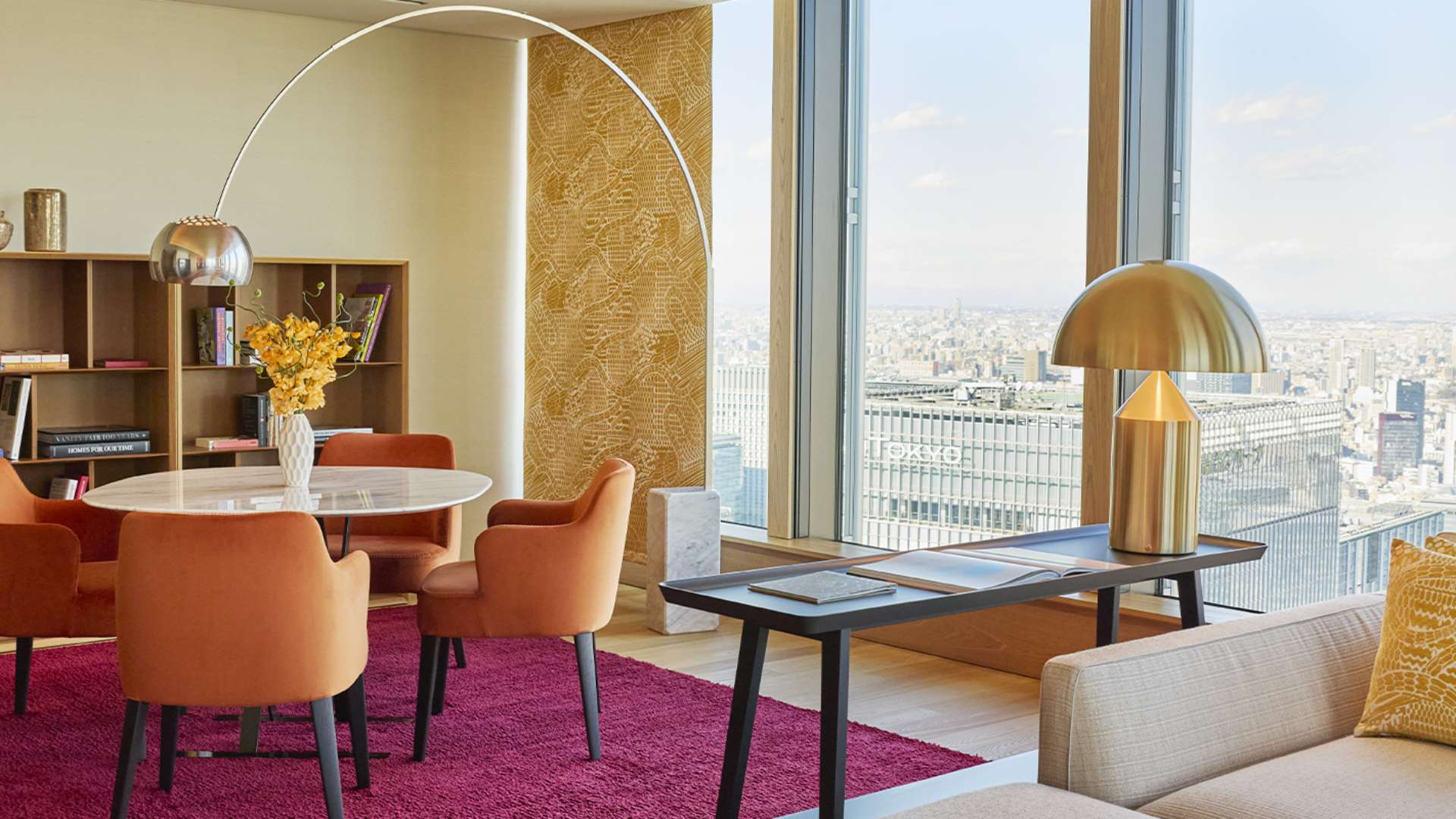
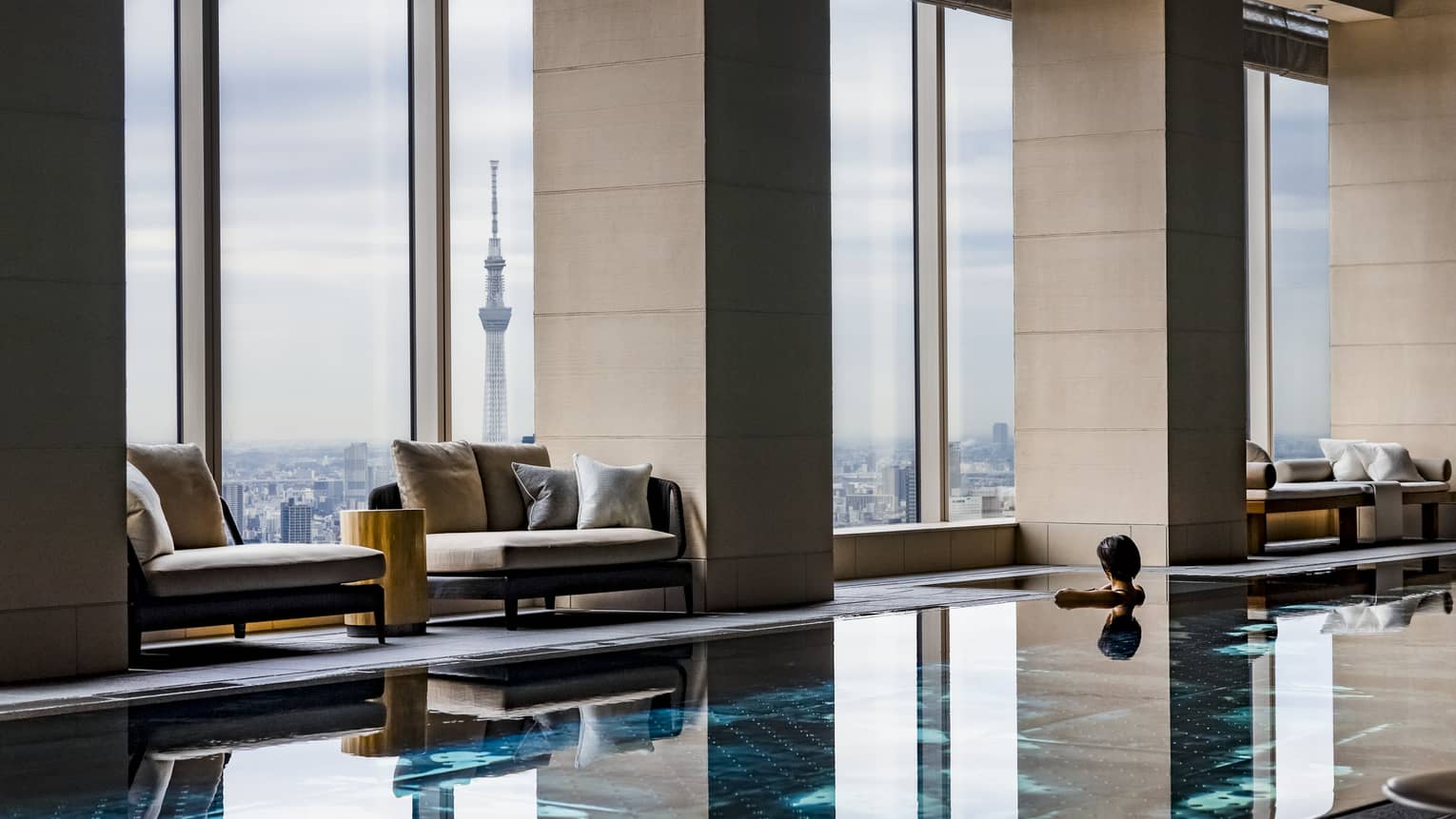
A serene, formal ryotei atmosphere with tatami private rooms, views of a carefully tended Japanese garden, and a calm, contemplative mood that feels far removed from the city despite being near Toranomon.