Our verdict
Occupying the 41st floor of Shinjuku Park Tower, ジランドール (Girandole) sits at the intersection of French dining tradition and Tokyo's high-altitude hotel restaurant scene. The address alone places it within a tier of venues where room, view, and service choreography carry as much weight as the plate. A considered choice for occasions where setting and culinary precision need to align.

Pearl is the En Primeur Club membership app — saves, bookings, and concierge access live there. Same editors, same standards.
- Address
- Japan, 〒163-1055 Tokyo, Shinjuku City, Nishishinjuku, 3 Chome−7−1-2 Shinjuku Park Tower, 41F
- Phone
- +81353233459
- Hours
- Mon 7–10:30 AM, 12–2:30 PM, 5:30–9 PMTue 7–10:30 AMWed 7–10:30 AM, 12–2:30 PM, 5:30–9 PMThu 7 AM–9 PMFri–Sun 7–10:30 AM, 12–2:30 PM, 5:30–9 PM
- Directions
- Get directions
- Booking
- Book on TableCheck
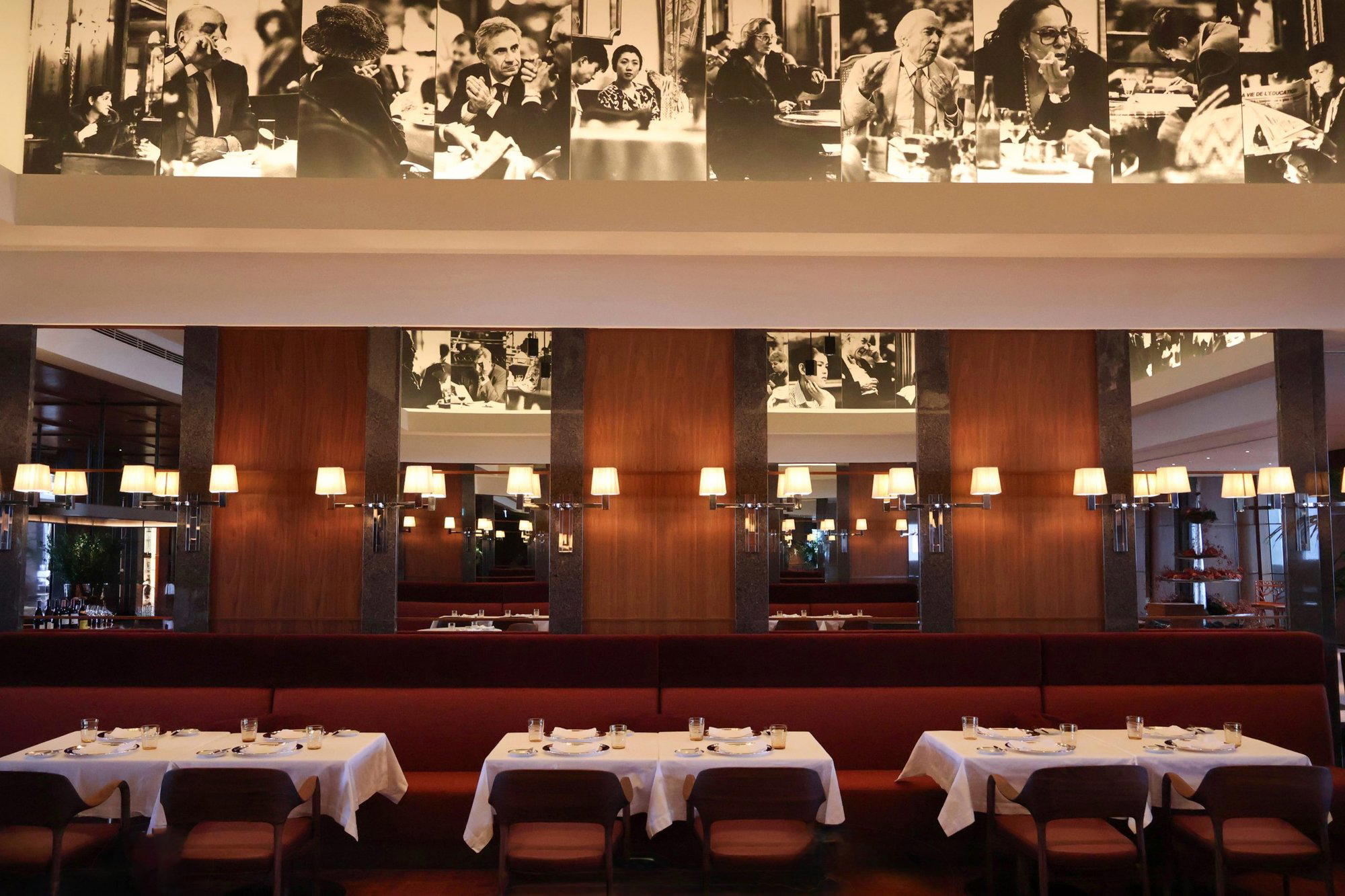
French Dining at Altitude: The Shinjuku Park Tower Tier
Tokyo's French restaurant scene has, over the past two decades, sorted itself into distinct brackets. At the leading end sit the freestanding destination restaurants — L'Effervescence in Nishi-Azabu and Sézanne in Marunouchi among them — where Michelin recognition and long booking horizons define the conversation. Below that, occupying a parallel tier with its own logic, are the grand hotel restaurants: spaces where architectural investment, dedicated service teams, and long institutional memory create a dining proposition that freestanding venues structurally cannot replicate. ジランドール, on the 41st floor of Shinjuku Park Tower, belongs to the hotel tier, and within that category, the floor-to-ceiling views over western Shinjuku place it in a subset of venues where the room itself is part of the offering.
This matters because hotel French restaurants in Tokyo are not simply safer or more conservative versions of their freestanding counterparts. They operate under different pressures: international guests who arrive with no local context, corporate events that demand reliable execution over creative risk, and service ratios that smaller omakase counters could never afford. The result, at the better addresses, is a style of dining where consistency and choreography are the craft. ジランドール has been part of the Park Hyatt Tokyo's dining identity since the tower opened in 1994, the same property that lent Sofia Coppola's Lost in Translation its Tokyo shorthand, and whose dining rooms therefore carry a cultural weight that newer arrivals cannot purchase.
The Park Hyatt Context: Thirty Years of Institutional Memory
The Park Hyatt Tokyo opened in 1994 as part of Tange Kenzo's Shinjuku Park Tower development, a three-tower complex that at the time represented one of the most ambitious hotel projects in the city. Hotel restaurants launched alongside large-scale properties often fade or reformat within a decade; ジランドール's continued presence across thirty years of Tokyo's restaurant evolution is itself a data point worth noting. The city's dining scene has cycled through countless trends, the kaiseki formalism of the early 2000s, the Copenhagen-influenced fermentation wave, the rise of counter-format French, and the hotel restaurant that survives all of them does so by building something more durable than fashion.
For comparative context, RyuGin in Roppongi opened in 2003 and built its reputation on a kaiseki vocabulary that absorbed technique from molecular gastronomy without abandoning Japanese seasonal logic. Crony in Jingumae represents a newer generation: smaller, more personal, French in structure but absorbed into Tokyo's creative dining conversation. ジランドール sits neither with RyuGin's genre-defining ambition nor with Crony's counter-format intimacy.
The Team Dynamic: Why Collaboration Defines the Hotel Restaurant
The editorial angle most useful for understanding hotel restaurants of this type is not the chef's philosophy or the menu's seasonal arc, it is the internal coordination between kitchen, wine service, and front-of-house. At a freestanding tasting-menu restaurant, a single creative vision can drive the whole operation; the counter format, increasingly common at Tokyo's most-discussed addresses like Harutaka, allows one chef to read each guest in real time. A full-service dining room on the 41st floor of a major hotel presents a different problem: the room may be running corporate tables alongside anniversary dinners alongside international visitors with no shared language, all simultaneously, all expecting the same standard of execution.
In that context, the sommelier's reading of a table, when to push the wine list, when to suggest a glass pairing, how to pace a conversation with a guest who arrived late, is as technically demanding as anything on the plate. The relationship between kitchen timing and floor pacing becomes a logistical discipline. Hotels that maintain consistent reputations across decades tend to have invested in exactly this kind of internal coordination, building teams where institutional knowledge passes down through tenure rather than departing with each new head chef. This is what distinguishes the better hotel dining room from the revolving-door restaurant in the same building: the floor staff have seen the room in every configuration and can adjust accordingly.
Altitude and Architecture as Dining Variables
At 41 floors above Nishishinjuku, the physical setting at ジランドール is not incidental. Tokyo's high-altitude dining tier, a category that includes the Park Hyatt's New York Bar above it and several Roppongi Hills venues across the city, operates on the understanding that the view is part of the value exchange. This is not unique to Tokyo; Le Bernardin in New York and Atomix, also in New York, demonstrate how room design and spatial ambition shape dining expectations without a view at all. But at altitude, the question the kitchen must answer is sharper: can the food hold the guest's attention when they are competing with a panorama of one of the world's most densely lit cities?
The seasonal answer changes significantly across the year. Winter evenings, when Tokyo's skyline is clear and city lights arrive early, are the most dramatically readable iteration of a room like ジランドール's. Autumn brings comparable clarity. Summer haze and the long daylight hours of early evening flatten the visual impact somewhat. Guests with a specific intention to experience the room at its most atmospheric should factor this into timing.
ジランドール in the Broader Japan Context
Tokyo's French restaurants exist within a national conversation about how European fine dining has been absorbed, adapted, and refined across Japan. HAJIME in Osaka represents one extreme: a deeply personal, three-Michelin-starred interpretation of French technique filtered through a Japanese sensibility about seasonality and produce. Gion Sasaki in Kyoto and akordu in Nara show how regional cities have developed their own fine dining registers, often drawing on local ingredient traditions that Tokyo's urban concentration cannot reproduce. Goh in Fukuoka extends the map further southwest, where proximity to Kyushu's fishing culture inflects the menu in ways a Shinjuku kitchen cannot replicate.
Against that national geography, Tokyo's hotel French restaurants occupy a particular role: they are the reliable formal option for guests who arrive from anywhere in the world with no time to research the city's counter culture, its reservation systems, or its neighbourhood logic. ジランドール's position inside the Park Hyatt, a property already legible to international travellers, means it absorbs guests who might otherwise book Bistro Ange in Toyohashi or Birdland in Sakai if they had the local knowledge and the time. The hotel dining room, at its finest, democratises access to formal French service for the internationally mobile guest.
For those with more time to plan across the country, the breadth of Japan's regional restaurant culture, from Nanao to Sapporo to Takashima and Nishikawa Machi, rewards planning that reaches beyond the capital. See our full Tokyo restaurants guide for a mapped overview of the city's dining tiers.
Know Before You Go
- Address: 41F, Shinjuku Park Tower, 3-7-1 Nishishinjuku, Shinjuku City, Tokyo 〒163-1055
- Getting there: Shinjuku Station (west exit) is the closest major hub; the Park Tower is approximately a 10-minute walk through the Nishishinjuku subterranean walkway system, or a short taxi from the station's west side.
- Timing: Winter evenings (December to February) offer the clearest skyline views after dark; book accordingly if the room's visual atmosphere is a priority.
- Booking: Contact the Park Hyatt Tokyo directly through the hotel's reservations team; specific restaurant booking details are best confirmed via the hotel concierge.
- Dress code:
Frequently asked questions
What should I eat at ジランドール?
At French hotel restaurants of this tier in Tokyo, the tasting menu format typically offers the most coherent expression of the kitchen's range. Confirm current menu options directly with the Park Hyatt Tokyo's reservations team before visiting.
Can I walk in to ジランドール?
Walk-in availability at full-service hotel restaurants on high-demand floors in Tokyo varies by day and season. At Park Hyatt-tier properties in Shinjuku, weekday lunch service tends to have more availability than weekend evenings. Given the address and the dining room's positioning within the hotel, a reservation made through the hotel directly is the safer approach, particularly for groups or special occasions.
What's the signature at ジランドール?
French hotel restaurants in Tokyo at this address tier typically anchor their menus in seasonal French technique, often with Japanese produce integration. The kitchen's current focus is best confirmed with the restaurant directly before visiting.
Can ジランドール adjust for dietary needs?
Dietary accommodation at Park Hyatt-tier hotel restaurants in Tokyo is generally handled through advance notice to the reservations team. Hotel properties of this scale and experience level have the kitchen infrastructure to handle most requirements with sufficient notice. Confirm specifics, including allergen protocols, directly with the restaurant when booking, as EP Club does not hold verified dietary policy data.
Is ジランドール worth visiting specifically for the view, or does the dining room hold its own on food alone?
This is the defining question for any high-altitude hotel restaurant, and it matters here. The 41st-floor position in Shinjuku Park Tower places ジランドール in a category where the architectural and visual experience is structurally part of the value proposition, not a bonus. Hotel French restaurants that have maintained a presence in Tokyo since the mid-1990s, as ジランドール has, typically do so because both dimensions, room and kitchen, are functioning at a consistent standard. Guests who prioritise food alone over setting would be better directed toward Tokyo's freestanding counter-format French restaurants; guests who want the full formal dining room experience, with service infrastructure and a city panorama, are in the right place here.
Comparable Spots
Comparable venues nearby, for context on price, style, and recognition.
| Venue | Cuisine | Price | Awards | Notes |
|---|---|---|---|---|
| ジランドールThis venue — the venue you are viewing | Modern French Brasserie | $150–200 | Not listed | Not listed |
| レテール | Classic French Fine Dining | $200–300 | 1 Michelin Star · Tabelog Bronze #226 | Shinjuku |
| 銀座レカン | Classic French Fine Dining | $150–200 | Michelin Plate · La Liste Top Restaurants | Chūō |
| Prevenance | Seasonal French fine dining with Japanese ingredients | $150–200 | Tabelog 100 #52 | Minato |
| クラフタル | Modern French with Japanese Influences | $100–150 | 1 Michelin Star · Tabelog 100 #28 | Meguro |
| アムール | Japanese French Kaiseki | Not listed | Michelin Plate · Tabelog 100 #84 | Shibuya |













ジランドール
The wine
- Wine program
- Curated wine list
- Extensive wine list
- Sake program
Details
- Elegant
- Sophisticated
- Classic
- Date Night
- Special Occasion
- Business Dinner
- Open Kitchen
- Panoramic View
- Hotel Restaurant
- Extensive Wine List
- Sake Program
- Sustainable Seafood
- Skyline
- A La Carte
Current opening hours
- Monday
- 7–10:30 AM, 12–2:30 PM, 5:30–9 PM
- Tuesday
- 7–10:30 AM
- Wednesday
- 7–10:30 AM, 12–2:30 PM, 5:30–9 PM
- Thursday
- 7 AM–9 PM
- Friday
- 7–10:30 AM, 12–2:30 PM, 5:30–9 PM
- Saturday
- 7–10:30 AM, 12–2:30 PM, 5:30–9 PM
- Sunday
- 7–10:30 AM, 12–2:30 PM, 5:30–9 PM
Hours can change for holidays and private events. Last verified .
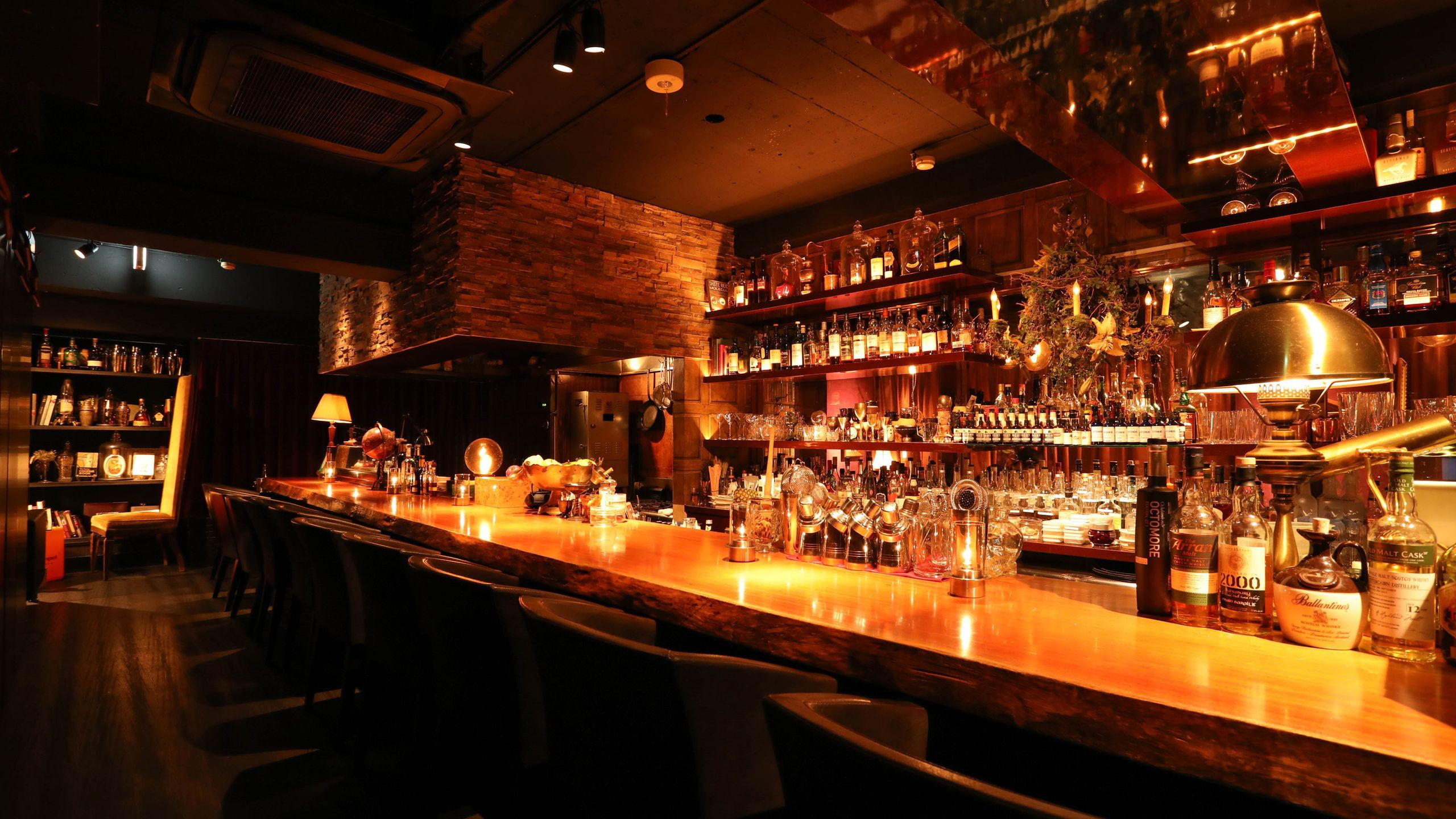
Classical and refined atmosphere with natural light from large windows offering panoramic Tokyo skyline views, enhanced by live piano music in the evenings.