レテール occupies a second-floor address in Kagurazaka, Shinjuku City, one of Tokyo's most considered dining neighbourhoods. The venue sits within a broader tier of intimate, reservation-led restaurants that define the area's evening character. Specific menu format, pricing, and booking details should be confirmed directly through available channels before visiting.
Pearl is the En Primeur Club membership app — saves, bookings, and concierge access live there. Same editors, same standards.
- Address
- Japan, 〒162-0825 Tokyo, Shinjuku City, Kagurazaka, 3 Chome−6−53 とぎやレジデンス 2階
- Phone
- +81363881312
- Website
- omakase.in
- Directions
- Get directions
 Saves & bookings on Pearl
Kagurazaka and the Case for Neighbourhood Dining in Tokyo
Tokyo's premium dining geography has never been purely about Ginza or Roppongi. Over the past two decades, Kagurazaka, the former geisha district that threads through Shinjuku City's western edge, has built a parallel reputation as a neighbourhood where serious cooking happens at a quieter register. The cobblestone alleyways and preserved machiya townhouses set a context that attracts a particular kind of restaurant: small in scale, deliberate in format, and largely dependent on word of mouth and repeat custom rather than international visibility. maps how this neighbourhood tier operates alongside the city's more publicised dining districts.
レテール (Letère) occupies a second-floor space in a residential building at 3 Chome-6-53 Togiya Residence in Kagurazaka, an address that signals its operating logic immediately. Second-floor restaurants in Tokyo, particularly in residential buildings rather than purpose-built commercial blocks, tend to function as destination dining for those who already know where they are going. Walk-in traffic is structurally improbable. The audience arrives by intention.
What the Address Reveals About Format
In Tokyo's dining shorthand, a Kagurazaka second-floor address carries specific weight. The neighbourhood has developed a concentration of small-format French and French-influenced restaurants that trace their lineage to the area's historical ties with French culture, a connection that predates the modern restaurant scene by generations. French educational institutions, a longstanding French expatriate community, and the neighbourhood's own sense of measured elegance have created conditions where French technique applied to Japanese ingredients reads as local rather than imported.
This is the tradition that venues like L'Effervescence have demonstrated at the high end of the Tokyo French spectrum, and which Sézanne has approached from a hotel-anchored format. Kagurazaka's neighbourhood restaurants occupy a different position in that conversation: they operate with less institutional support and more direct accountability to a local and repeat-visit clientele. The format tends to enforce discipline. When a dining room is small and reservations carry it, the menu architecture has to work every service.
Menu Architecture as the Central Argument
The editorial angle that matters most for small-format Tokyo restaurants is not the ingredient sourcing, which is frequently excellent across this tier, but how the menu is structured and what that structure communicates about the kitchen's priorities. In a compact dining room at a fixed or semi-fixed format, every course sequence is a deliberate argument. There is no à la carte buffer, no way to skip the dish that tests the kitchen's range. The sequence makes a claim and the kitchen has to defend it.
This is how restaurants like Crony have positioned themselves within Tokyo's innovative French cohort, and how RyuGin has used kaiseki's inherent progressional logic to make a statement about seasonal Japanese cooking. The structural vocabulary differs, but the underlying argument, that menu architecture is itself a form of editorial, applies across formats.
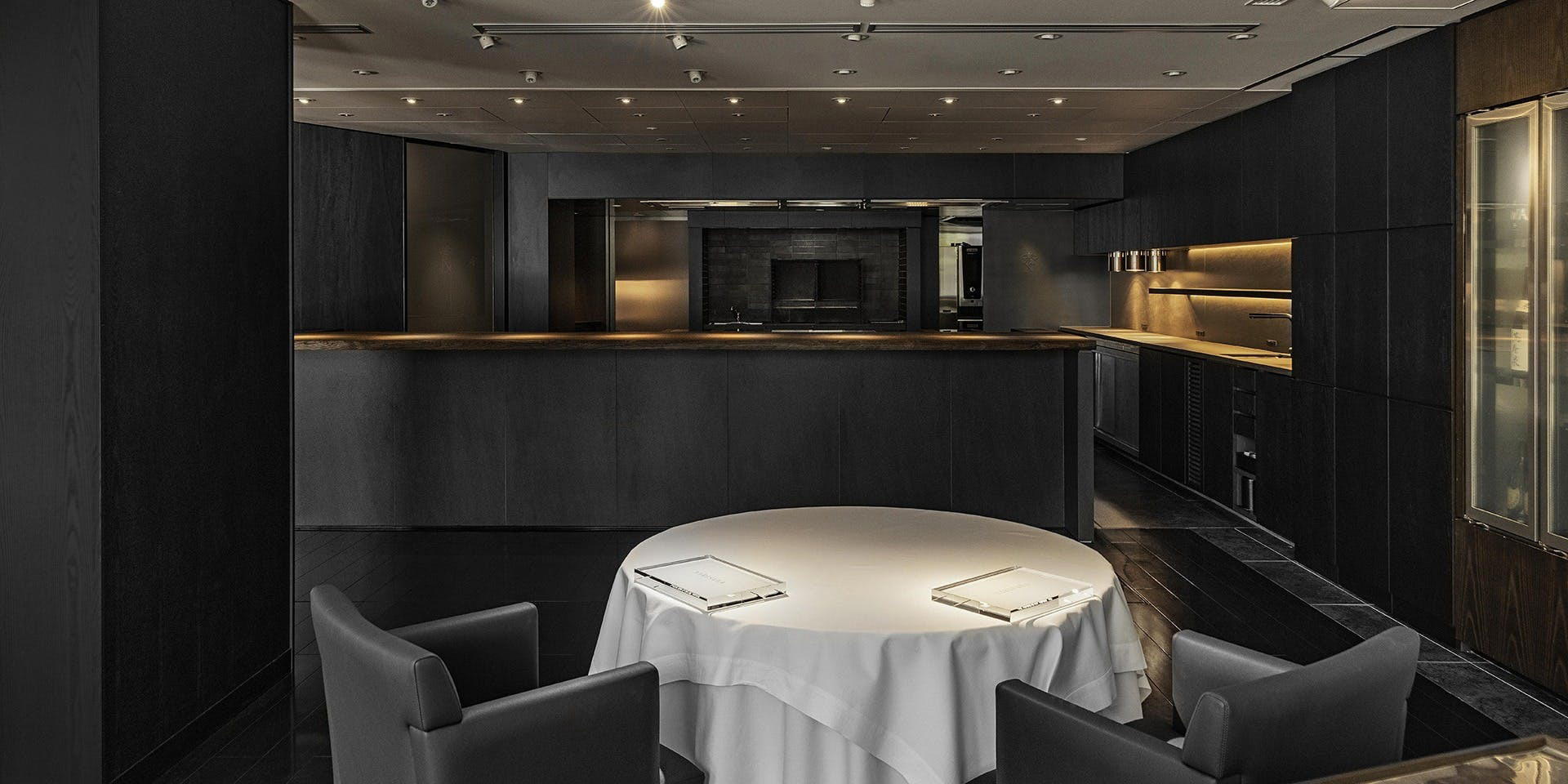
レテール is a modern French seafood counter dining room in Tokyo's Kagurazaka district, where reservations are essential and the experience is priced at about $300 per person. What the address and format type do signal is that this is not a casual drop-in proposition. It belongs to a tier of Tokyo dining where the menu is the experience, and arriving without understanding the format would be arriving unprepared.
Placing レテール in Its Competitive Context
Tokyo's restaurant market at the intimate, reservation-led tier has become increasingly differentiated. At the higher end, counters like Harutaka price against a comparable set defined by Michelin recognition and chef lineage. Kagurazaka's neighbourhood restaurants tend to operate below that price ceiling while maintaining comparable seriousness of purpose. They compete less on award signals and more on the quality of the repeat-visit relationship.
Across Japan's broader restaurant geography, this neighbourhood intimacy model recurs at different scales. HAJIME in Osaka and Gion Sasaki in Kyoto represent what happens when that model achieves Michelin-level recognition. akordu in Nara and Goh in Fukuoka show the same format logic applied in cities with different competitive pressures. The pattern across all of them is the same: small rooms, fixed or semi-fixed menus, and a direct relationship between kitchen output and dining room expectation that larger restaurants can dilute through volume.
Outside Japan, the reference points that illuminate this operating model include Le Bernardin in New York City, where menu discipline has defined decades of reputation, and Atomix in New York City, where the format itself, the card system, the fixed progression, is the primary communication device. The comparison is not about cuisine type but about how menu architecture carries the restaurant's entire argument to the table.
Regional Japanese examples also clarify the tier. 一本杉 川嶋 in Nanao, 古今 山乃 in Sapporo, 琵琶湖荘 in Takashima, 庄羽屋 in Nishikawa Machi, Birdland in Sakai, and Bistro Ange in Toyohashi all demonstrate how the small-room, relationship-driven format operates across Japan's secondary and tertiary cities. Kagurazaka is doing this within Tokyo, which raises the competitive floor considerably, but the logic of the format is consistent.
Planning a Visit
Kagurazaka is accessible from Iidabashi Station on the Tokyo Metro Tozai, Yurakucho, and Namboku lines, as well as JR Sobu Line services. The neighbourhood is walkable from the station, and the Togiya Residence address on 3 Chome is within the core of the dining district. Evening visits benefit from arriving early enough to walk the side alleys before sitting down. The neighbourhood's character is most readable on foot.
Reservations are essential. Opening hours are Monday, Thursday, Friday 5 to 9 PM; Saturday and Sunday 12 to 3 PM and 6 to 9 PM; Tuesday and Wednesday closed.
Quick reference: レテール, 3 Chome-6-53 Togiya Residence 2F, Kagurazaka, Shinjuku City, Tokyo. Reservations are essential. Price: about $300 per person.
Price and Positioning
Comparable venues nearby, for context on price, style, and recognition.
| Venue | Cuisine | Price | Notes |
|---|---|---|---|
| レテールThis venue — the venue you are viewing | Not listed | $$$$ | Not listed |
| サンス・エ・サヴール | Chiyoda, プルセル兄弟監修モダンフレンチ | $$$$ | Not listed |
| コウタロウ ハセガワ ダウンタウン キュイジーヌ | Not listed | $$$$ | Taitō, Modern French with Japanese Influences |
| ギンザ カンセイ | Chūō, French Fine Dining | $$$$ | Not listed |
| スブリム | Minato, Nordic-French Fusion | $$$$ | Not listed |
| La Maison du Chocolat Marunouchi ten | Not listed | $$$$ | Chiyoda, French Chocolate Boutique & Patisserie |




At a Glance
- Intimate
- Elegant
- Sophisticated
- Modern
- Date Night
- Special Occasion
- Solo
- Chefs Counter
- Open Kitchen
- Wine Cellar
- Sake Program
- Sommelier Led
- Local Sourcing
Current opening hours
- Monday
- 5–9 PM
- Tuesday
- Closed
- Wednesday
- Closed
- Thursday
- 5–9 PM
- Friday
- 5–9 PM
- Saturday
- 12–3 PM, 6–9 PM
- Sunday
- 12–3 PM, 6–9 PM
Hours can change for holidays and private events. Last verified .
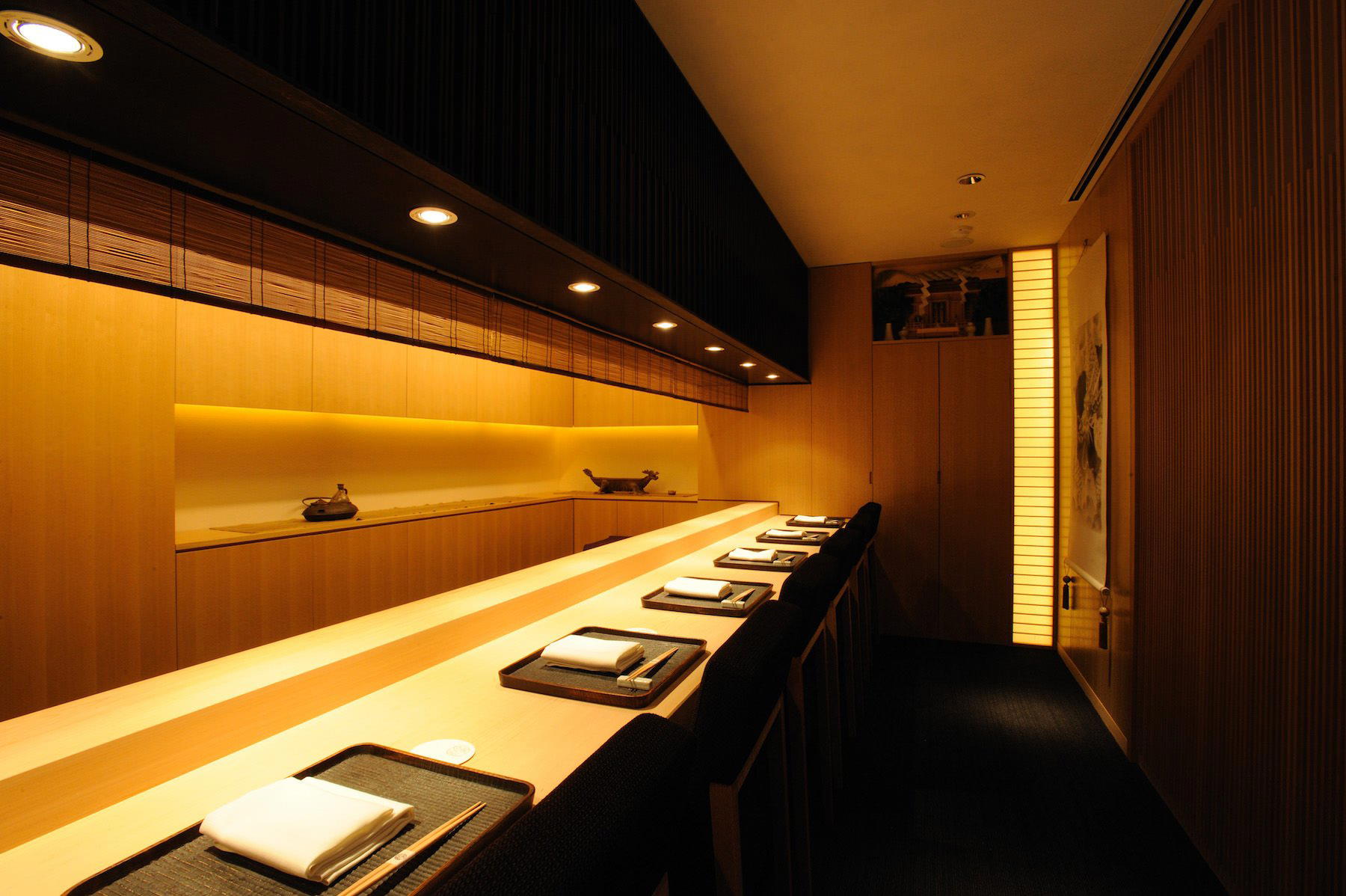
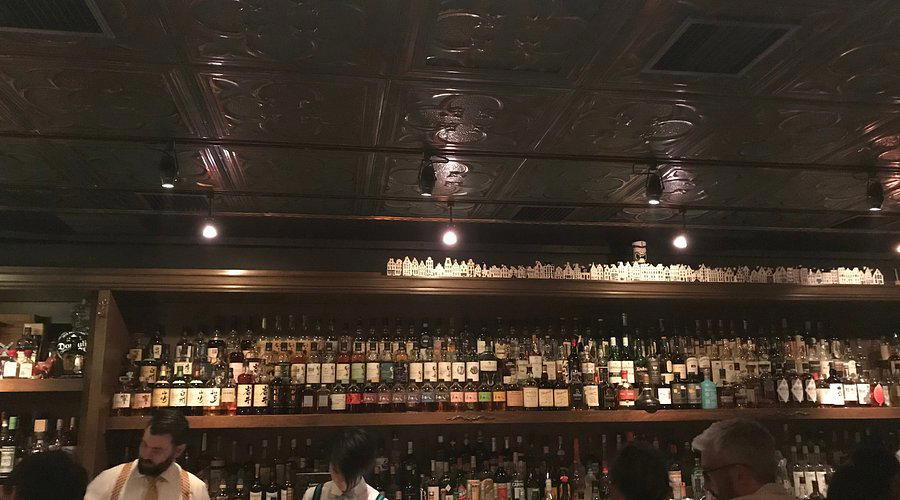
Cozy and intimate low-profile address atmosphere with a focus on the open kitchen counter.