Located in Nishiazabu, one of Tokyo's most considered dining neighbourhoods, カサハラ represents a strand of Japanese hospitality that prizes restraint and intention over spectacle. While detailed records remain limited in public databases, its address places it squarely among the quiet-premium tier that defines Minato City's after-dark dining scene, where sustainability-conscious practice and seasonal precision increasingly set the benchmark.
Pearl is the En Primeur Club membership app — saves, bookings, and concierge access live there. Same editors, same standards.
- Address
- Japan, 〒106-0031 Tokyo, Minato City, Nishiazabu, 2 Chome−2−2 NK 青山ホームズ A-3
- Phone
- +81334983498
- Website
- nishiazabu-kasahara.com
- Directions
- Get directions
 Saves & bookings on Pearl
Nishiazabu and the Quiet Premium Tier
Tokyo's fine-dining geography has long sorted itself into visible and invisible categories. The visible tier clusters around Ginza, Roppongi Hills, and the Marunouchi corridor, where restaurant groups and hotel addresses provide institutional support. The invisible tier, and in many ways the more instructive one, runs through Nishiazabu, Hiroo, and the quieter blocks of Minato City, where addresses are residential, signage is minimal, and the assumption is that guests already know where they are going. カサハラ sits in the latter. Its address on Nishiazabu 2-chome places it in a neighbourhood that has become, over the past decade, one of the more coherent concentrations of serious dining in the city.
This part of Minato City operates differently from the high-volume entertainment districts. Rents are high, foot traffic is low, and the restaurants that survive here do so through repeat custom and word-of-mouth rather than walk-in volume. That structural reality shapes everything: portion philosophy, sourcing relationships, waste reduction, and the pace of service. It is a neighbourhood where a kitchen's environmental decisions are not marketing, they are operational necessity.
Sustainability as Operating Logic, Not Positioning
Japan's broader relationship with food waste reduction is well documented. The country's mottainai ethic, roughly, the regret over wastefulness, has shaped professional kitchens for generations, long before sustainability became a global hospitality talking point. In Tokyo's smaller, owner-operated restaurants, this tradition manifests less through formal certification and more through daily practice: whole-animal sourcing, broth-based use of trim, vegetable preparations that extend across multiple dishes rather than producing off-cuts for the bin.
Among the comparison venues in this neighbourhood tier, the sustainability conversation has become increasingly explicit. L'Effervescence in Nishi-Azabu has been among the more publicly vocal Tokyo restaurants on ethical sourcing and low-impact kitchen practice, holding three Michelin stars while maintaining a farm-direct supply structure. Crony, in the innovative French bracket at ¥¥¥¥, represents a newer wave of chefs treating producer relationships and seasonal constraint as menu architecture rather than an afterthought. The pattern suggests that in this part of Tokyo, environmental consciousness has shifted from differentiation to expectation.
カサハラ's Nishiazabu position places it inside this expectation set. The restaurant operates at an address that is residential in character, which historically correlates with smaller kitchen teams, tighter inventory management, and a sourcing model built on fewer, more trusted suppliers rather than broad wholesale purchasing. These structural features are, in practice, among the more effective forms of waste reduction available to a small restaurant.
The Nishiazabu Dining Context
To understand where カサハラ sits, it helps to map the tier. Nishiazabu and its immediate surrounds have accumulated a concentration of serious kitchens that now rivals Ginza on depth if not on volume. RyuGin, Seiji Yamamoto's kaiseki address, has anchored the neighbourhood's premium identity for years. Harutaka in Ginza and Sézanne at Four Seasons Marunouchi represent the formal hotel and counter-sushi brackets, priced and positioned for an international clientele who cross-reference against global lists. The Nishiazabu restaurants operate in a different register: more neighbourhood-embedded, less dependent on tourism cycles, and often more responsive to Japan's own seasonal and regional supply networks.
That responsiveness to Japanese regional sourcing is itself a sustainability story. Restaurants that build menus around what Tohoku farmers, Kyushu fishers, or Nagano foragers are producing at peak season generate less food-mile impact than those sourcing globally for consistency. Japan's internal supply chain for premium ingredients is among the more developed in the world, and kitchens that work within it closely tend to produce less waste because their menus are calibrated to actual availability rather than fixed templates.
For comparison, venues in Japan's wider network that have made regional sourcing central to their identity include HAJIME in Osaka, which applies an ecological framework to kaiseki, and Gion Sasaki in Kyoto, where the kaiseki calendar is tightly bound to Kyoto's vegetable seasons. Further afield, akordu in Nara and Goh in Fukuoka demonstrate that Japan's smaller cities are producing kitchens where ethical sourcing is the architectural base, not the garnish. Regionally, venues such as 一本木 鹿川制 in Nanao, 古代山乃 in Sapporo, and 湖畔荘 in Takashima extend this pattern into areas where proximity to primary producers is not a philosophical statement but a geographic given. For those planning itineraries across Japan, 広羽屋 in Nishikawa Machi and Birdland in Sakai complete a picture of how deeply this sourcing ethic has spread beyond the major cities. Internationally, Bistro Ange in Toyohashi shows how French-inflected kitchens in Japan have absorbed this discipline. For context outside Japan, Le Bernardin in New York City and Atomix in New York City represent peer-level commitments to sourcing transparency in different culinary traditions.
What the Address Implies
The NK Aoyama Holmes building on Nishiazabu 2-chome is a residential-commercial address, which in Tokyo's restaurant geography signals a particular kind of operation. Purpose-built restaurant towers and hotel F&B spaces have different economics and different kitchen scales. A residential-building address at this level typically means a compact dining room, a small team, and a format that depends on precision over volume. These conditions are not incidental to the sustainability story, they are the sustainability story. Smaller seat counts mean shorter supply lines, less daily over-ordering, and a menu that must be disciplined about yield from the outset.
For a wider view of how Tokyo's full restaurant scene distributes across these tiers, the EP Club Tokyo restaurants guide maps the major neighbourhoods and price brackets in detail.
Know Before You Go
- Address: 〒106-0031 Tokyo, Minato City, Nishiazabu, 2 Chome-2-2 NK 青山ホームズ A-3
- Neighbourhood: Nishiazabu, Minato City, a quiet, residential-commercial block with limited street presence
- Nearest major reference points: Roppongi Hills and Hiroo are both within walking distance; the immediate block is residential in character
- Booking:
- Walk-ins: Given the address type and neighbourhood tier, walk-in availability is unlikely; advance planning is advisable
- Price range: Approximately $250 per person
- Hours: Mon through Sun, 7 PM to 3 AM
A Minimal comparable set
Comparable venues nearby, for context on price, style, and recognition.
| Venue | Cuisine | Price | Notes |
|---|---|---|---|
| カサハラThis venue — the venue you are viewing | Minato, Traditional Yakitori | $$$ | Not listed |
| はなぶさ 麻布十番店 | Not listed | $$$ | Azabu-Juban, Kansai-Style Charcoal-Grilled Unagi |
| Onikuya Keisuke Sannanbo | Not listed | $$$ | Shibuya, Refined Yakiniku & Beef Tongue in Hiroo |
| Horumon Yaki Rukuma Tokyo | Not listed | $$$ | Shibuya, Horumon-yaki (Japanese offal yakiniku) |
| Sumibi Yakiniku Horumon Maruha | Not listed | $$$ | Shinagawa, Charcoal-grilled wagyu & horumon yakiniku |
| Nose to Tail | Not listed | $$$ | Shinjuku, High-end Yakiniku & Offal (Nose-to-Tail Beef) |











At a Glance
- Intimate
- Sophisticated
- Cozy
- Date Night
- Special Occasion
- Chefs Counter
- Sake Program
Current opening hours
- Monday
- 7 PM–3 AM
- Tuesday
- 7 PM–3 AM
- Wednesday
- 7 PM–3 AM
- Thursday
- 7 PM–3 AM
- Friday
- 7 PM–3 AM
- Saturday
- 7 PM–3 AM
- Sunday
- 7 PM–3 AM
Hours can change for holidays and private events. Last verified .
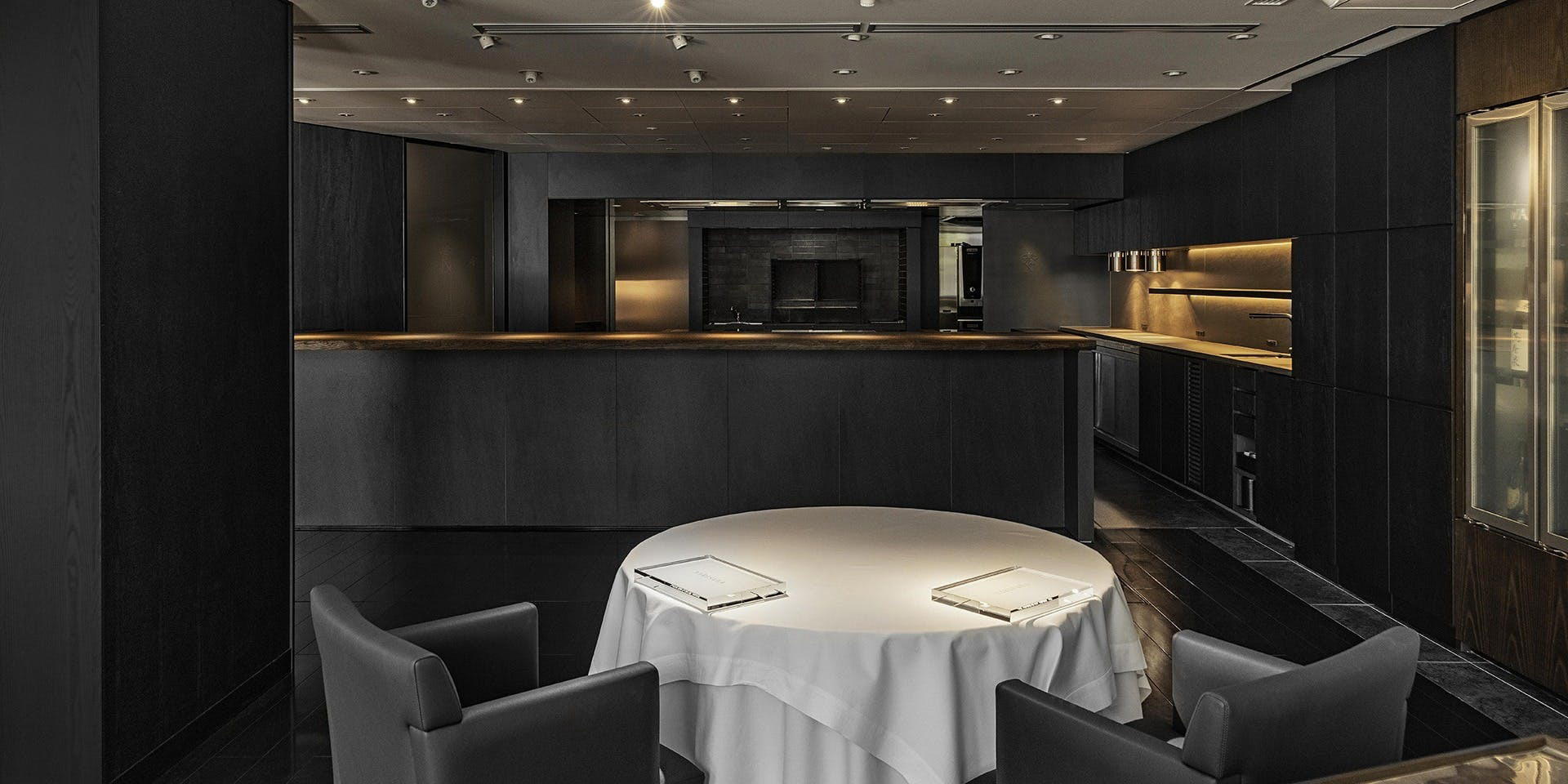
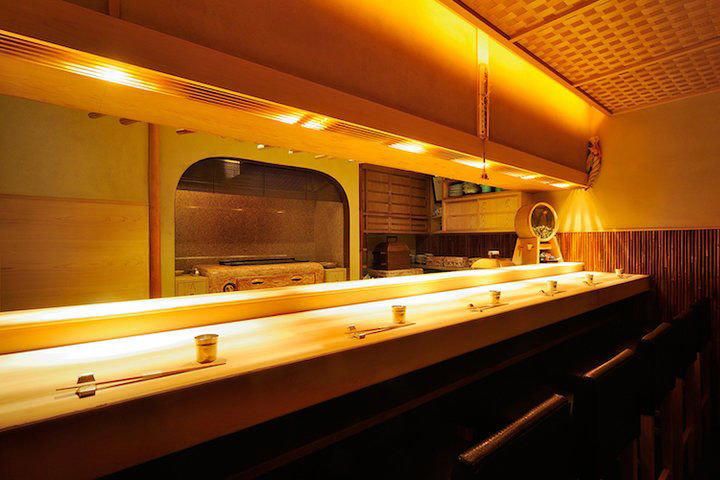
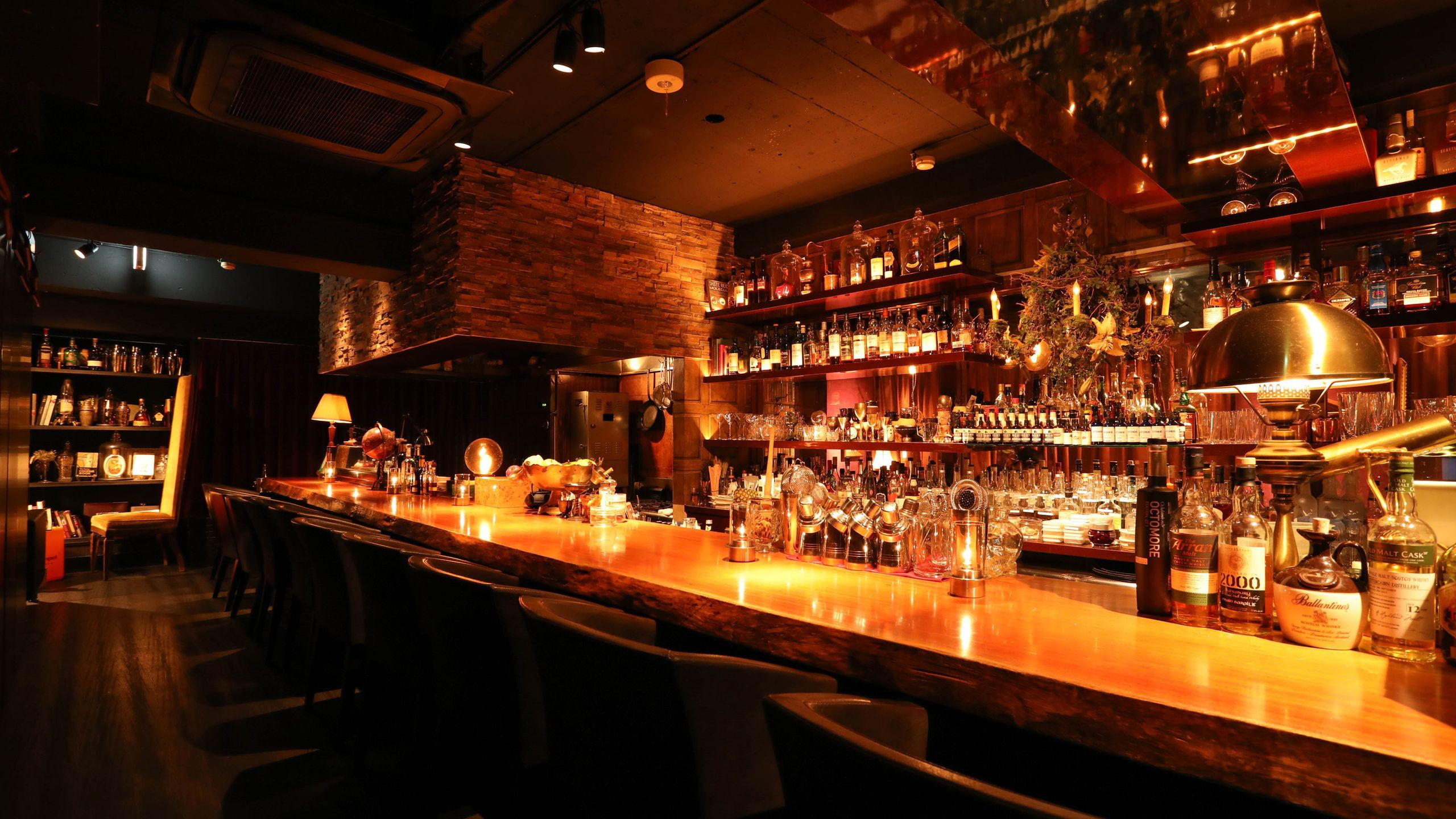
Cozy counter seating with hidden grill and notable ventilation creating a smoke-free, intimate atmosphere.