
Tokyo yakiniku has split into luxury wagyu counters, neighborhood grill rooms, and horumon specialists where sourcing and cut selection matter as much as smoke control. Sumibi Yakiniku Horumon Maruha belongs to the latter camp: a Gotanda charcoal-grill address recognized in Tabelog’s Yakiniku Tokyo 100 for 2025, with tripe and offal central to its identity rather than treated as side orders.
Pearl is the En Primeur Club membership app — saves, bookings, and concierge access live there. Same editors, same standards.
- Address
- Japan, 〒141-0022 Tokyo, Shinagawa City, Higashigotanda, 1 Chome−16−4 アルサイト 1F
- Phone
- +81 3-5449-7287
- Website
- s.tabelog.com
 Saves & bookings on Pearl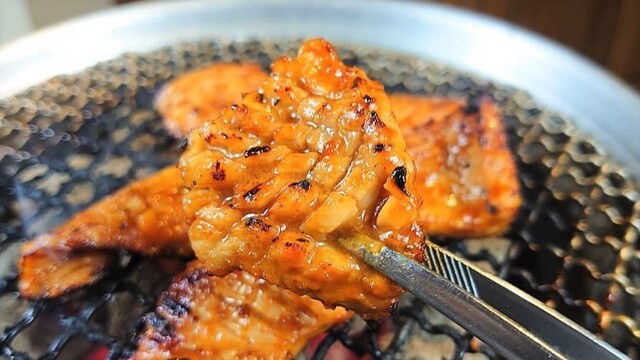
Gotanda’s restaurant streets reward diners who pay attention to the smaller signals: charcoal smoke at doorway level, compact rooms built around grill heat, and menus that treat beef by cut rather than by broad luxury label. In that context, Sumibi Yakiniku Horumon Maruha reads less like a special-occasion wagyu temple and more like a serious horumon room, where the argument is made through sourcing, trimming, and the skill of grilling parts that punish inattention.
Tokyo’s yakiniku culture has never been only about marbled sirloin. The city’s deeper grill tradition depends on contrast: prime beef for fat and sweetness, offal for chew and mineral depth, and sauces or salt used to sharpen rather than disguise. Horumon shops sit at the more technical end of that spectrum. Freshness, cleaning, portioning, and grill timing carry the meal; a poorly handled cut has nowhere to hide over charcoal.
Gotanda's grill culture favors offal, smoke, and value discipline
Gotanda is a useful setting for this kind of restaurant because the area has long mixed office workers, late dinners, and compact specialist counters rather than polished hotel dining rooms. Nearby casual benchmarks such as Hot Spoon Gotanda ten and Oniyanma Gotanda honten operate at a different price tier, while Grill F and Nichinan show how the neighborhood supports both everyday cooking and meat-focused meals. Against that backdrop, Sumibi Yakiniku Horumon Maruha occupies a narrower lane: charcoal yakiniku with tripe in the foreground and enough critical recognition to place it beyond routine after-work grilling.
The 2025 Tabelog 100 selection for Yakiniku Tokyo is the cleanest external signal here. Tabelog’s Hyakumeiten lists tend to reward category specialists rather than venues chasing international fine-dining grammar, and that matters for yakiniku. A restaurant can be technically ambitious without a tasting-menu structure; in this genre, distinction often comes through procurement and butchery, then through whether the kitchen sends out cuts in a condition that rewards confident grilling at the table.
Ingredient sourcing is the lens that separates serious horumon from generic grilled beef. Offal demands fast turnover and disciplined preparation, while standard beef cuts allow more margin for error. The point is not rarity for its own sake. The point is that organs, tripe, and secondary cuts show the supply chain quickly: texture, aroma, and trimming become evidence. In Tokyo, that has made horumon a parallel prestige category, less glossy than wagyu omakase but more revealing of a kitchen’s standards.
The meal makes sense when tripe is treated as the main event
Menus built around yakiniku and tripe ask diners to think differently from steakhouse ordering. The better progression usually moves between textures rather than simply climbing a ladder of fat. Leaner beef, fattier cuts, and offal each behave differently over charcoal, and the room’s format puts part of the responsibility on the table. That is why counter seating can matter in this category: it keeps the act of grilling visible, immediate, and social, without turning the meal into a chef-led performance.
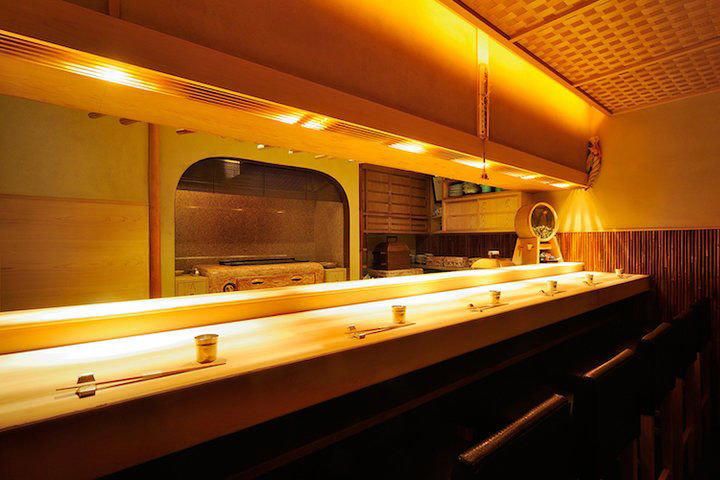
Sumibi Yakiniku Horumon Maruha’s scale reinforces that reading. The room is small enough to feel like a specialist address, with counter seats alongside tables, but not so restricted that it becomes a hushed luxury counter. That middle ground is important in Tokyo yakiniku. It allows a group dinner to remain casual while still rewarding diners who care about cut selection, doneness, and the order in which richer items arrive.
Drink culture also points to the restaurant’s lane. Shochu and wine both suit charcoal beef, but for different reasons: shochu handles fat and smoke with clarity, while wine can work when the meal leans toward richer beef cuts. The pairing logic is practical rather than ceremonial. In a horumon-led meal, the drink needs enough structure to reset the palate, not a performance of rare labels.
For broader Tokyo planning, this is a restaurant to place within a meat-and-fire itinerary rather than a generic dining checklist. Diners comparing charcoal formats might look at . 鮪と炭火焼き うお炭 秋葉原店 for a different grill vocabulary, 124. KAGURAZAKA (Yakitori) for skewered chicken precision, or 12/10 Shinjuku ten for another view of Tokyo’s compact restaurant culture. The common thread is not cuisine type; it is the city’s habit of letting small rooms become highly specific.
How it fits into a Tokyo food itinerary
The right reader for this address is not simply hunting premium beef. The stronger case is for diners who want to understand how Tokyo treats lesser-acclaimed cuts with the same seriousness that sushi counters apply to fish selection. That makes the restaurant a sharper choice after several polished meals, when the city’s hierarchy of texture, heat, and sourcing becomes more interesting than another luxury dining room.
It also fits well with Gotanda’s low-friction dining rhythm. The area is not as internationally legible as Ginza or Aoyama, but that is part of the appeal for yakiniku: rent, room size, and local repeat business create conditions where specialist meat restaurants can thrive without dressing themselves as destination dining. In practical terms, the experience is about committing to the category, not expecting a broad Japanese menu. Beef, tripe, charcoal, and drinks form the frame.
For readers building a wider map, Our full Tokyo restaurants guide gives the city context, while Our full Tokyo hotels guide, Our full Tokyo bars guide, Our full Tokyo wineries guide, and Our full Tokyo experiences guide help shape the rest of the trip. For Japan-wide comparison, meat and casual-specialist formats run from -Grilled beef Sukiyaki- KAMAKURA TANUKIAN 鎌倉 たぬき庵 in Kamakura to [Curry Senmon Ten] Maruyama Kyoju. in Sapporo, [ki:] in Kyoto.cafe in Osaka.know in Kumamoto, and (Shoku) Vietnam in Kawasaki. For a different Japanese-food conversation in California, compare Jōdo Saké Bar in Los Angeles and Onigiri Time in Pasadena. Tokyo’s range also includes visually driven cafés such as 2D Cafe and curry specialists like 3 Chome no Curry Ya San, but Gotanda yakiniku belongs to a more elemental category: heat, cut, timing, and appetite.
Cuisine Context
Comparable venues for cuisine and category context.
| Venue | Cuisine | Price | Notes |
|---|---|---|---|
| Sumibi Yakiniku Horumon MaruhaThis venue — the venue you are viewing | Charcoal-grilled wagyu & horumon yakiniku | $$$ | Not listed |
| Tachinomi Todaka | Creative Japanese Izakaya Course | $$$ | Shinagawa |
| Honmura-An | Handmade Soba Noodles | $$$ | Minato |
| 青柳 | Traditional Japanese Fine Dining | $$$ | Minato |
| カサハラ | Traditional Yakitori | $$$ | Minato |
| quinto | Innovative Japanese Omakase | $$$ | Meguro |
Recognition history
Dated appearances from independent guides and award organizations, with the underlying list record or original source where available.
Tabelog 100 #7 · No. 7
Tabelog · Tabelog 100 - Yakiniku - TOKYO - 2025










At a Glance
- Lively
- Cozy
- Energetic
- After Work
- Group Dining
- Date Night
- Casual Hangout
- Family
- Late Night
- Standalone
- Beer Program
Current opening hours
- Monday
- Closed
- Tuesday
- 5:30–11 PM
- Wednesday
- 5:30–11 PM
- Thursday
- 5:30–11 PM
- Friday
- 5:30–11 PM
- Saturday
- 4–11 PM
- Sunday
- 4–11 PM
Hours can change for holidays and private events. Last verified .
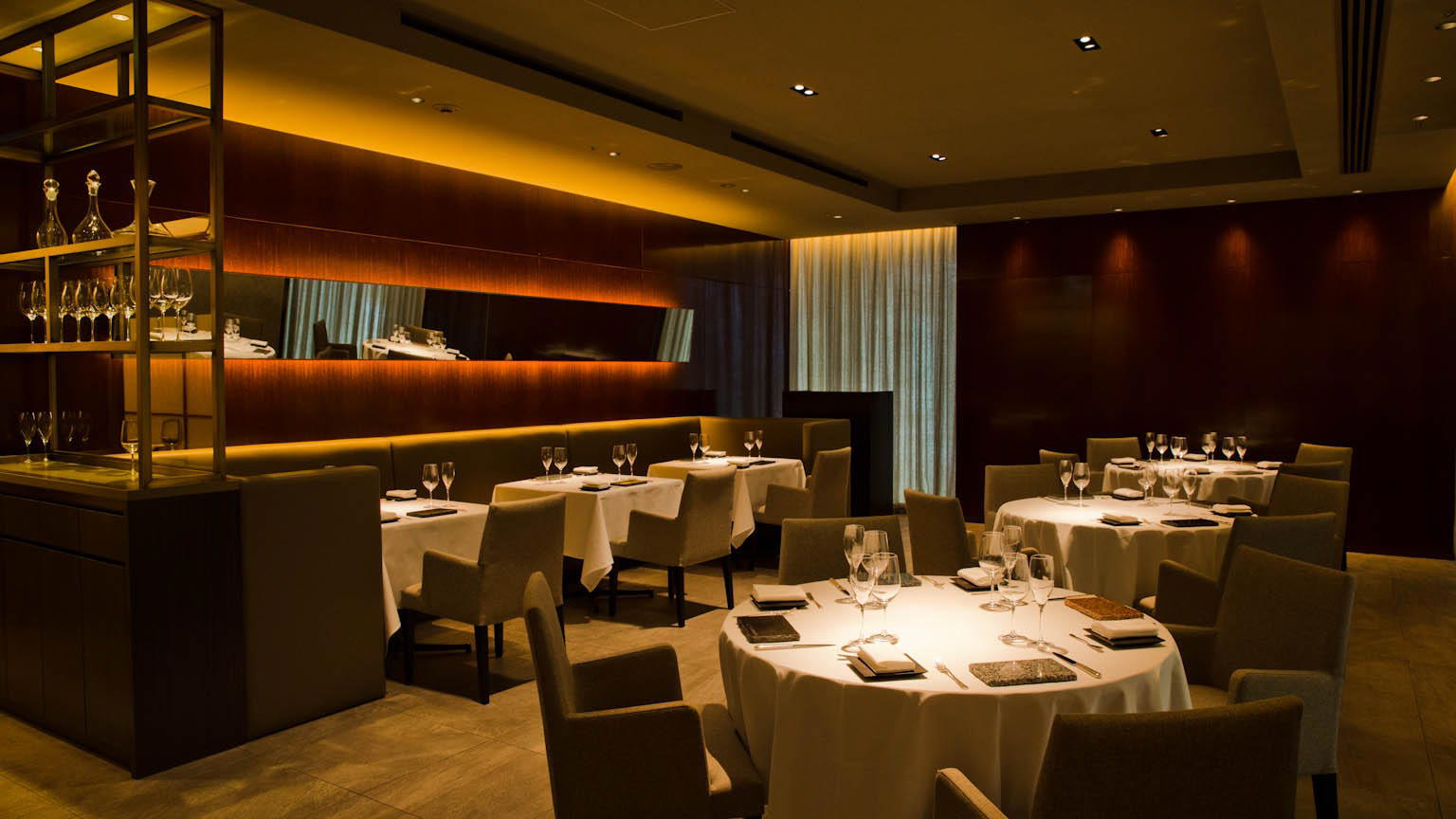
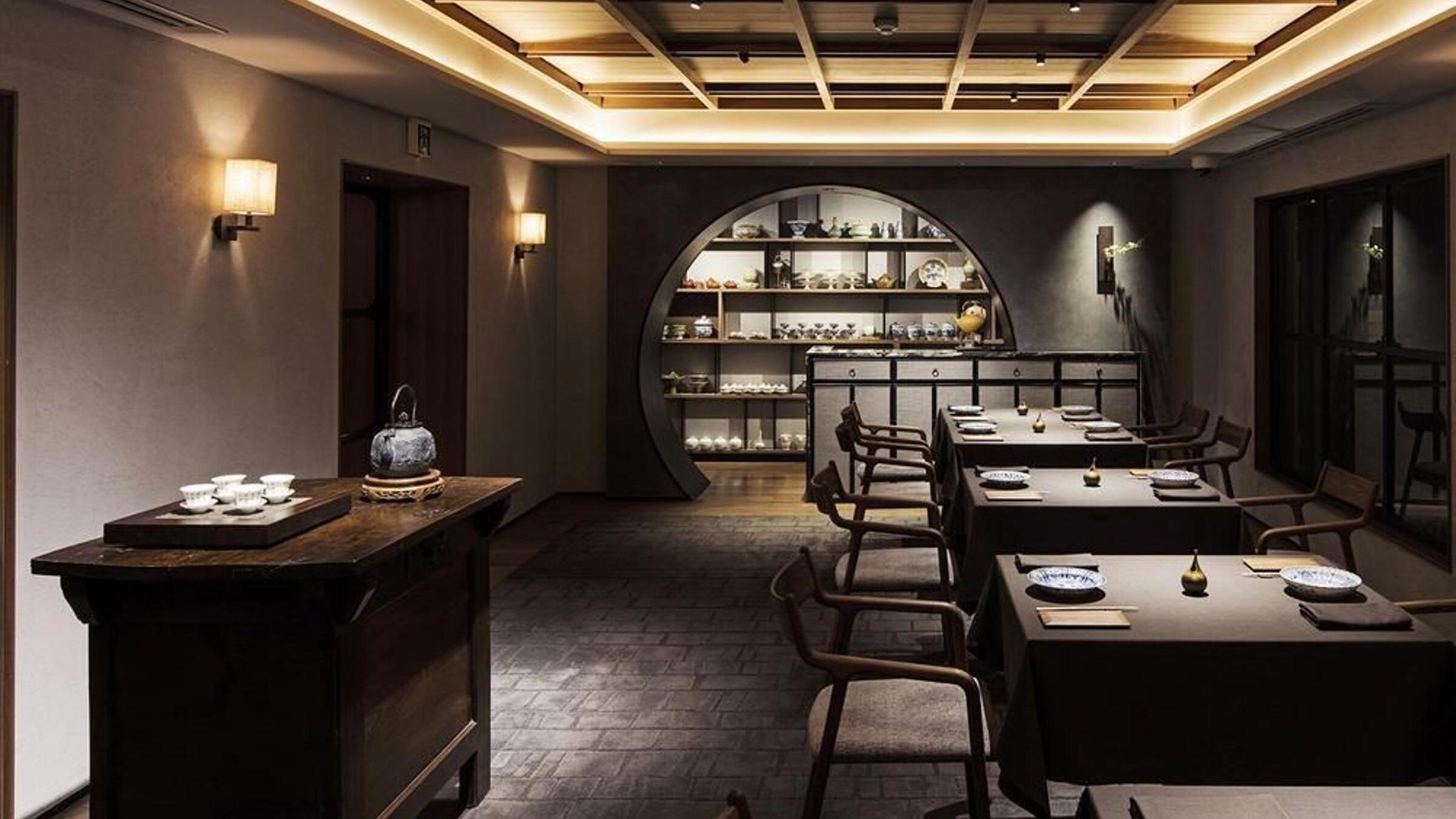
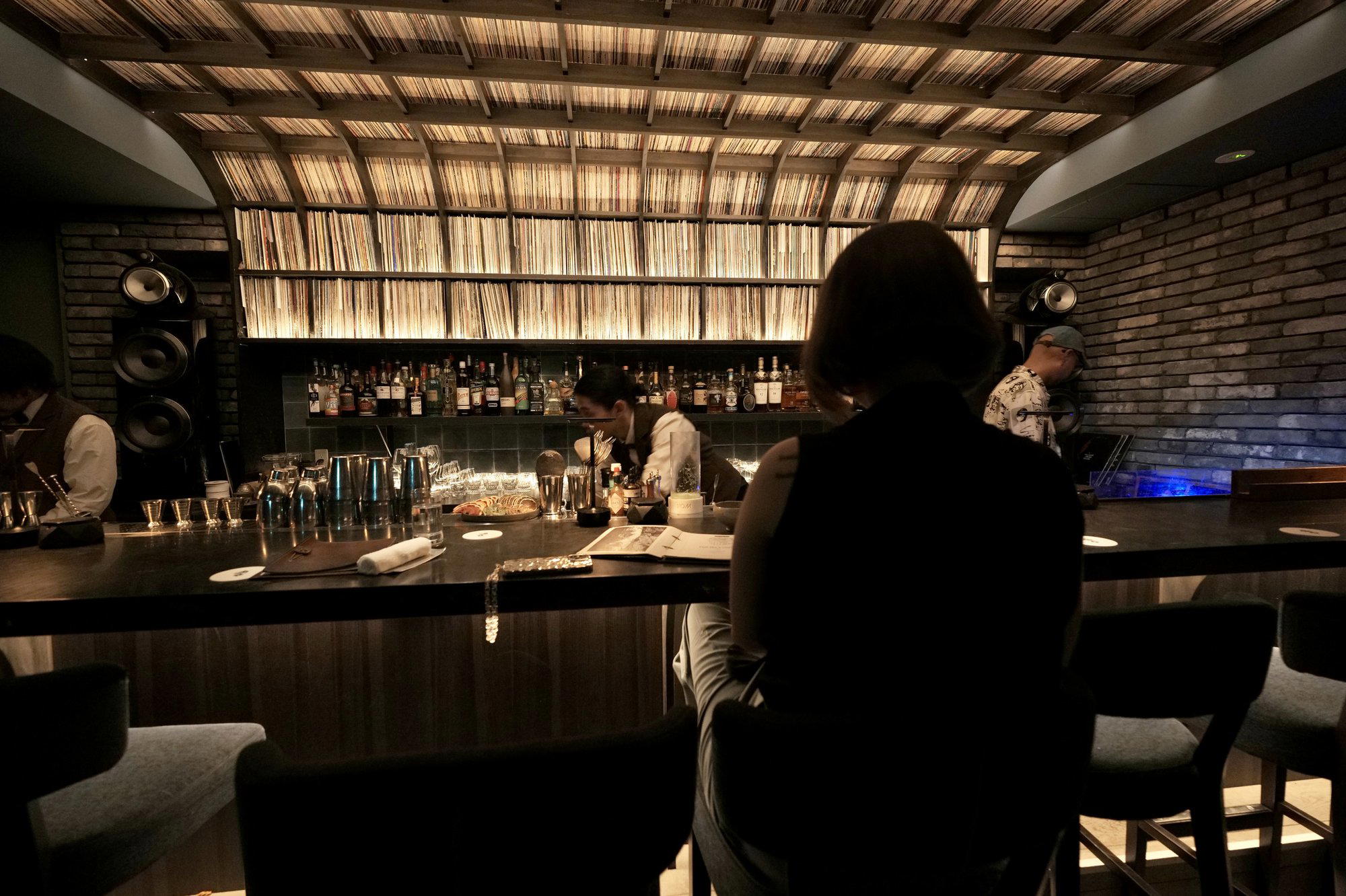
A simple, compact, and clean charcoal-yakiniku dining room with closely set tables, a lively buzz, and the smoky aroma of grilled wagyu creating an energetic yet cozy neighborhood feel suitable for dates or casual gatherings.