はなぶさ 麻布十番店 occupies the fifth floor of Millennium Tower in Azabu-Juban, one of Minato-ku's most consistently high-performing dining corridors. The restaurant's position in a neighbourhood where traditional Japanese formats have repeatedly reinvented themselves places it within a competitive tier that rewards refinement over novelty. Booking ahead is advisable given the area's concentration of destination diners.
Pearl is the En Primeur Club membership app — saves, bookings, and concierge access live there. Same editors, same standards.
- Address
- 麻布十番2-8-8 (ミレニアムタワー 5F), 港区, 東京都, 106-0045
- Directions
- Get directions
 Saves & bookings on Pearl
Azabu-Juban and the Long Arc of Japanese Dining Refinement
Azabu-Juban has functioned as one of Tokyo's most reliable incubators of serious Japanese dining for decades. Unlike Ginza, which skews toward trophy restaurants and international footfall, or Roppongi, which has absorbed successive waves of concept-driven openings, Azabu-Juban operates at a quieter register — a neighbourhood where longevity tends to signal substance. Restaurants here are not typically built around spectacle. They are built around repeat clientele, neighbourhood trust, and the kind of slow-accrued reputation that press cycles rarely generate.
That context matters when considering はなぶさ 麻布十番店, which sits on the fifth floor of Millennium Tower at 2-8-8 Azabu-Juban. The Millennium Tower address places it among a cluster of businesses that serve both the immediate residential population and the broader Minato-ku dining circuit — a circuit that includes some of Tokyo's most demanding regular diners. The refined floor position, typical of many mid-to-upper-tier Tokyo restaurants that use vertical real estate to separate the dining experience from street-level noise, signals an intent toward atmosphere over casual drop-in traffic.
Evolution as the Default Mode in This Neighbourhood
The Japanese restaurant category in Azabu-Juban has not stood still. Over the past two decades, the corridor between Azabu-Juban station and the surrounding blocks has seen formats shift from rigidly traditional to more hybridised approaches, particularly in the mid-to-upper price tiers where the pressure to justify a destination visit is highest. Restaurants that survived those shifts typically did so by evolving their format rather than defending a fixed identity.
The name はなぶさ (Hanabusa) carries associations with a lineage of Japanese hospitality rooted in seasonal attention and careful presentation, values that translate differently depending on whether the format is kaiseki-adjacent, izakaya-derived, or something closer to a contemporary Japanese dining room.
For reference, the surrounding area's competitive set includes venues operating at the ¥¥¥¥ tier, among them Harutaka for high-end sushi, L'Effervescence and Sézanne in the French category, and RyuGin for kaiseki. Crony represents the innovative French tier. These are the venues against which destination diners in the area calibrate expectations, and they collectively define what serious dining in this part of Tokyo requires in terms of execution and consistency.
The Reinvention Pattern in Tokyo's Upper-Mid Dining Tier
Tokyo's dining scene has a structural characteristic that distinguishes it from comparable cities: the reinvention of existing venues is often more consequential than the opening of new ones. A restaurant that has operated for several years in a neighbourhood like Azabu-Juban has typically survived multiple rounds of self-correction, adjusting format, season focus, or service register in response to the specific feedback loop that a regular, knowledgeable clientele provides. This is different from the kind of pivot driven by commercial pressure or investor expectation. It is an organic calibration.
はなぶさ 麻布十番店's presence in Millennium Tower, a building that houses a range of professional and hospitality tenants, places it within a building ecosystem that sustains consistent traffic without depending on street-level discovery. That structural positioning is itself a signal about the restaurant's operating model, it is built for reliability and repeat visits rather than first-time discovery through foot traffic.
Across Japan, venues operating in similar upper-mid tiers have demonstrated that the most durable reinventions tend to involve deepening a core identity rather than abandoning it. HAJIME in Osaka and Gion Sasaki in Kyoto both illustrate how Japanese restaurants can sustain long relevance through disciplined evolution. akordu in Nara and Goh in Fukuoka show how the pattern extends beyond the main city corridors. Even in smaller markets, venues like 三本木 石川製 in Nanao, 古代山乃 in Sapporo, 湖畔荘ψ in Takashima, and 庭羽屋 in Nishikawa Machi demonstrate how deeply the reinvention-through-refinement pattern is embedded in Japanese dining culture. Beyond Japan, the comparison holds internationally: Le Bernardin in New York City and Atomix in New York City both show how sustained relevance at the top of a category requires periodic recalibration rather than stasis. Regional Japanese venues like Birdland in Sakai and Bistro Ange in Toyohashi round out a picture of how varied formats can sustain quality over time when the fundamentals are sound.
Planning a Visit
Azabu-Juban station (Namboku and Oedo lines) provides direct access to the 2-8-8 Azabu-Juban address, with the station exit placing diners within a short walk of Millennium Tower. The fifth-floor location means taking the building elevator rather than navigating a street-level entrance. For visitors building a broader Tokyo itinerary, our full Tokyo restaurants guide covers the range of options across price tiers and cuisine types.
| Venue | Category | Price Tier | Area |
|---|---|---|---|
| はなぶさ 麻布十番店 | Japanese | Not confirmed | Azabu-Juban, Minato-ku |
| Harutaka | Sushi | ¥¥¥¥ | Tokyo |
| RyuGin | Kaiseki | ¥¥¥¥ | Tokyo |
| L'Effervescence | French | ¥¥¥¥ | Tokyo |
| Crony | Innovative French | ¥¥¥¥ | Tokyo |
A quick peer list to put this venue’s basics in context.
| Venue | Cuisine | Price | Awards |
|---|---|---|---|
| はなぶさ 麻布十番店This venue — the venue you are viewing | This venue | Not listed | Not listed |
| Harutaka | Sushi | ¥¥¥¥ | Michelin 3 Star |
| L'Effervescence | French | ¥¥¥¥ | Michelin 3 Star |
| RyuGin | Kaiseki, Japanese | ¥¥¥¥ | Michelin 3 Star |
| Crony | Innovative, French | ¥¥¥¥ | Michelin 2 Star |
| Florilège | French | ¥¥¥ | Michelin 2 Star |







At a Glance
- Cozy
- Elegant
- Modern
- Intimate
- Date Night
- Business Dinner
- Special Occasion
- Sake Program
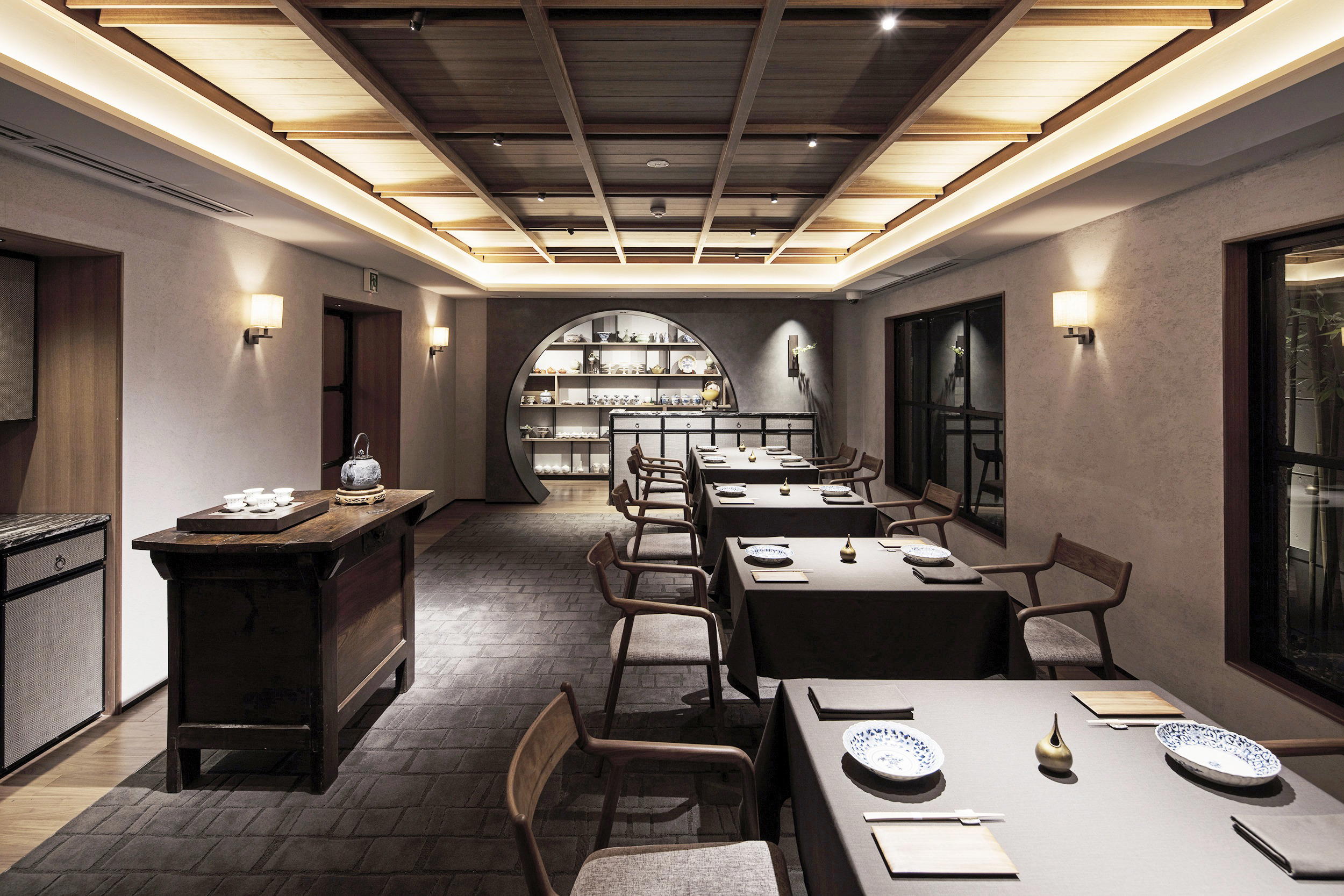
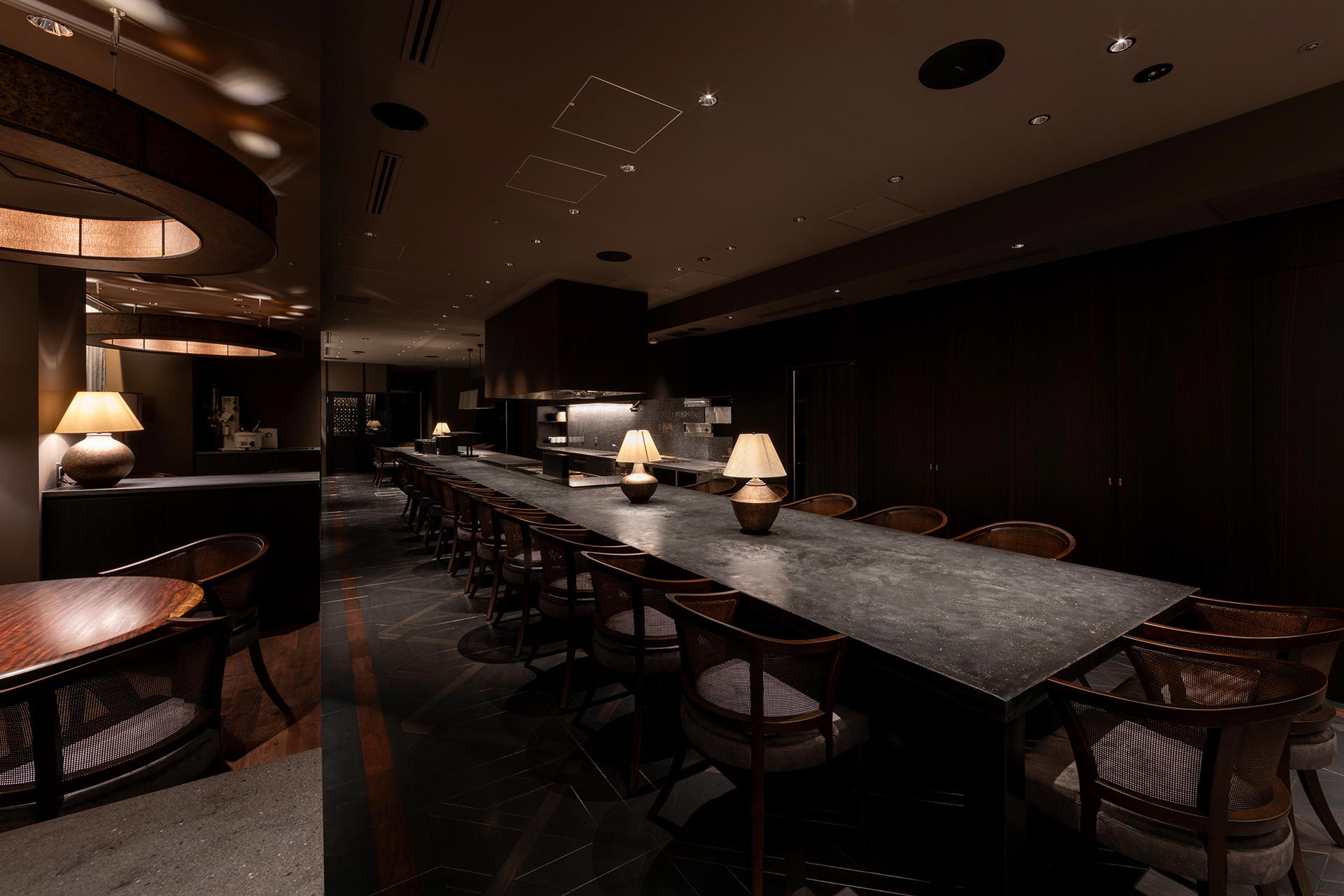
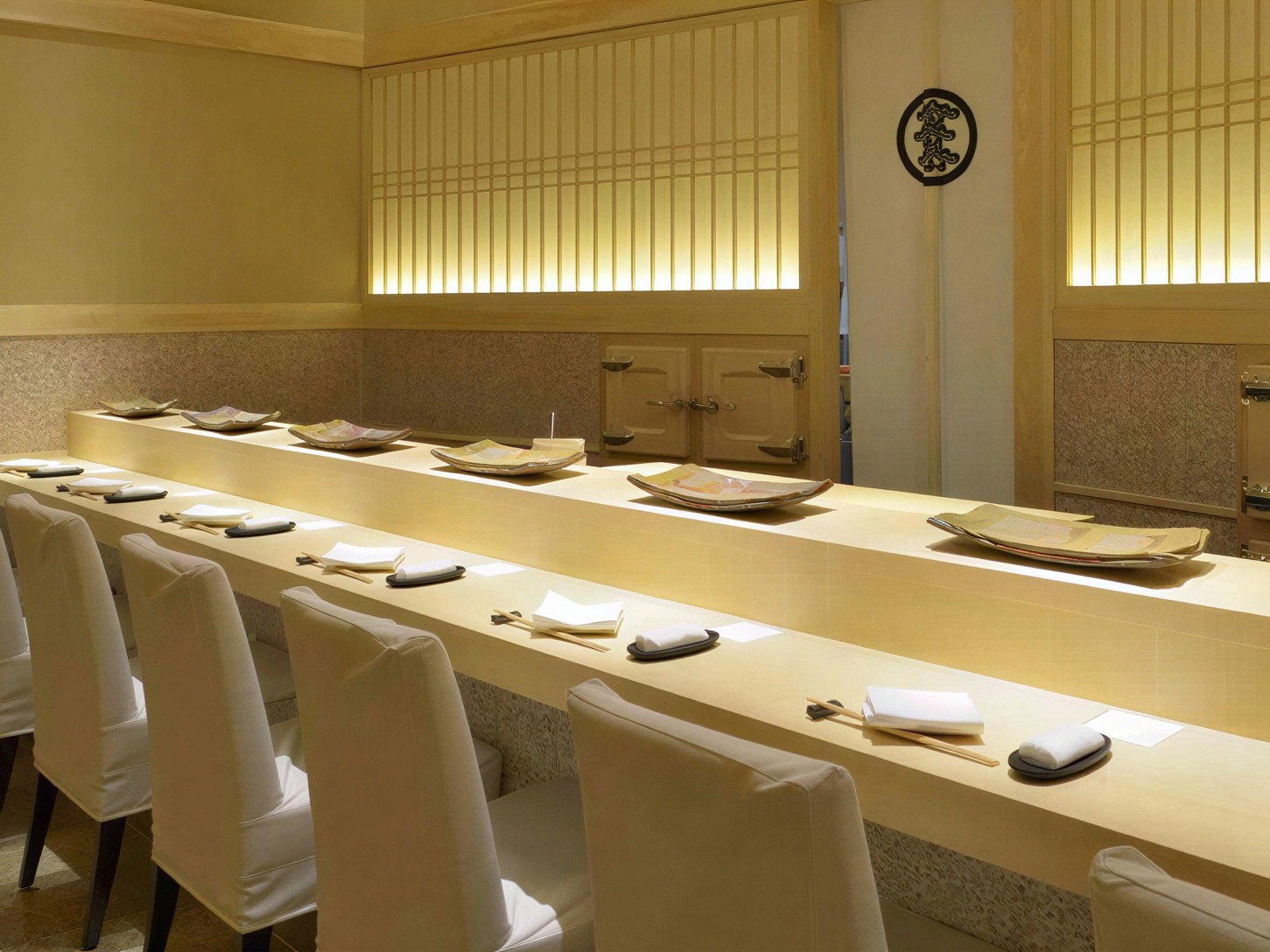
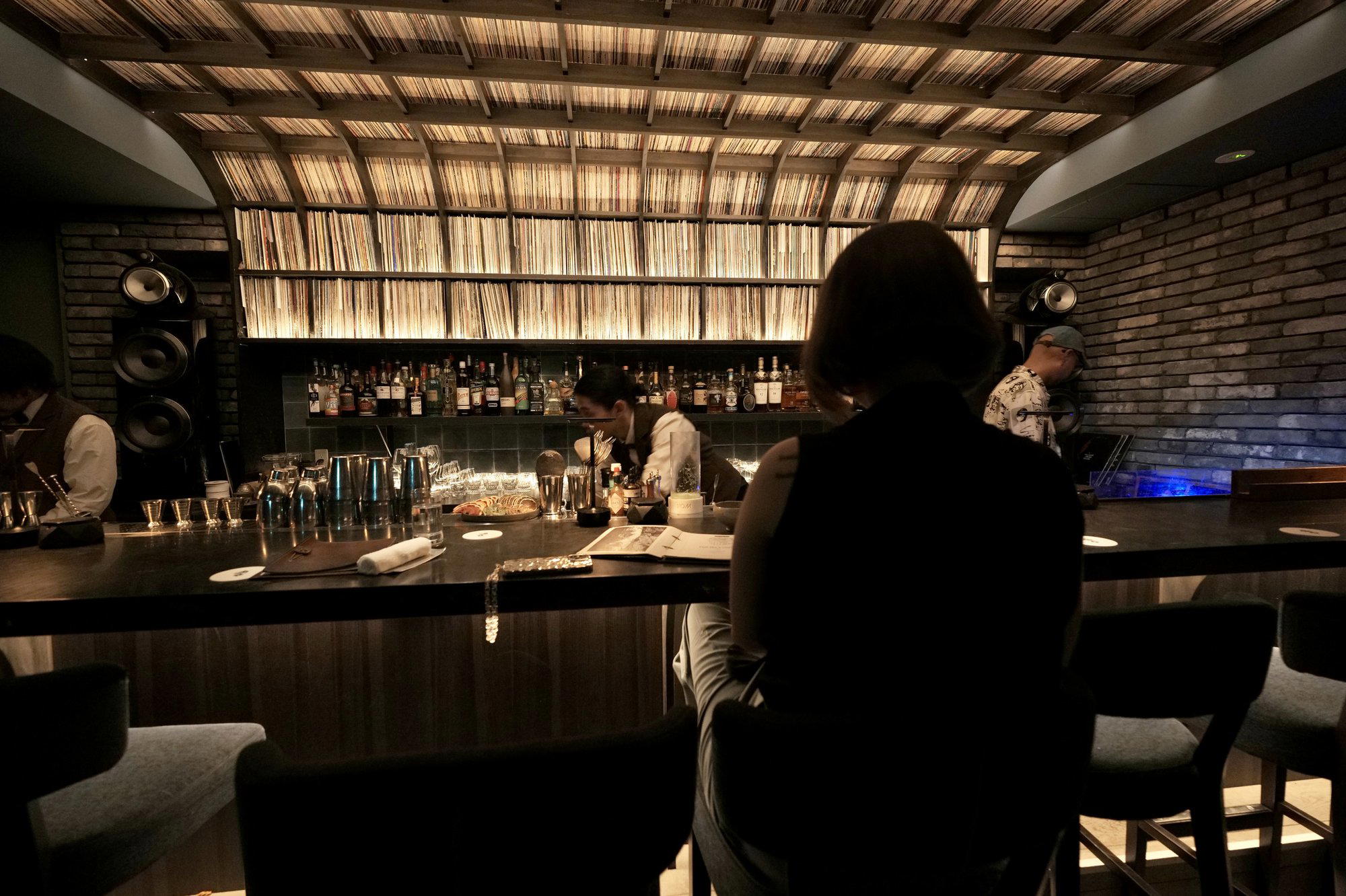
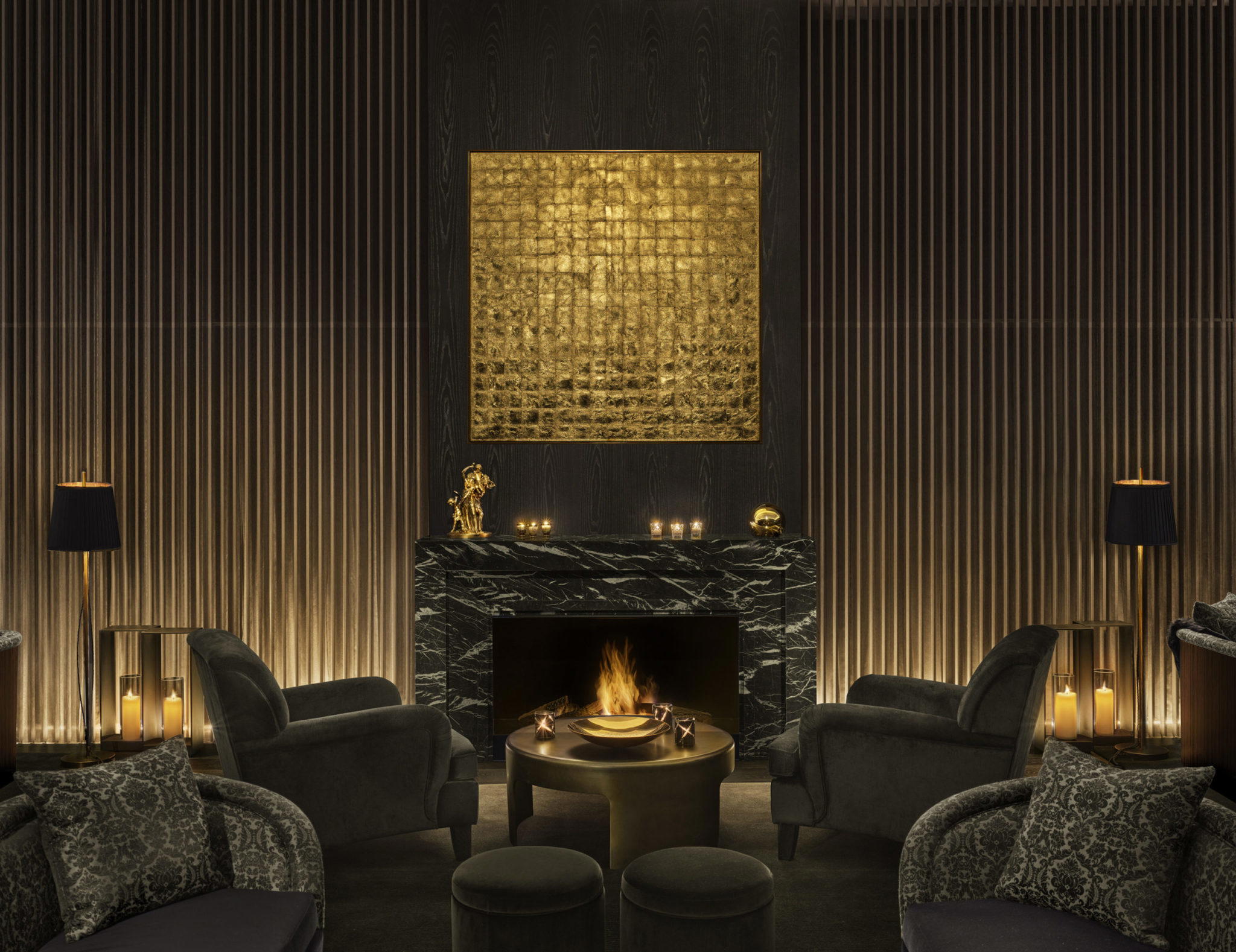
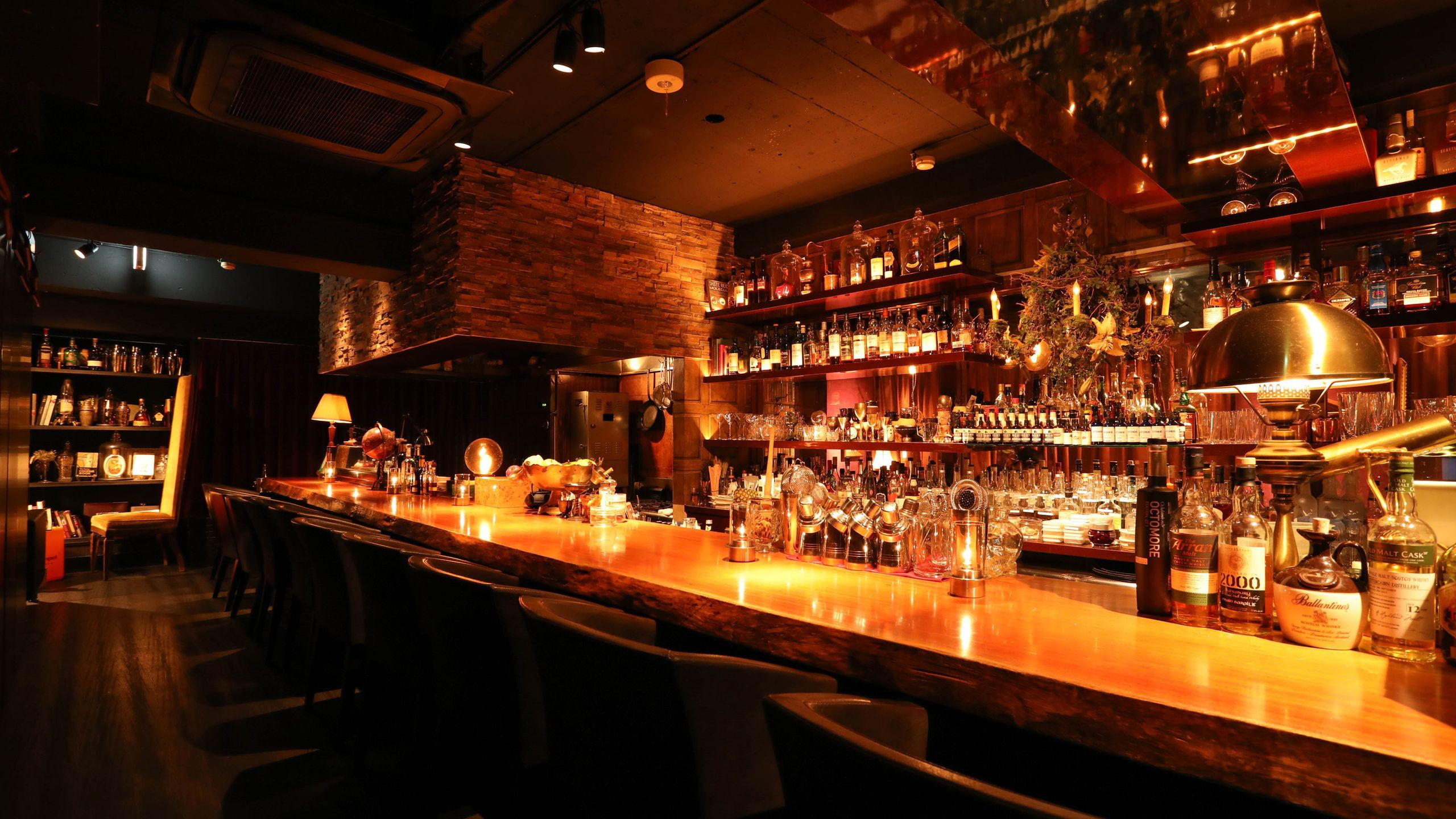
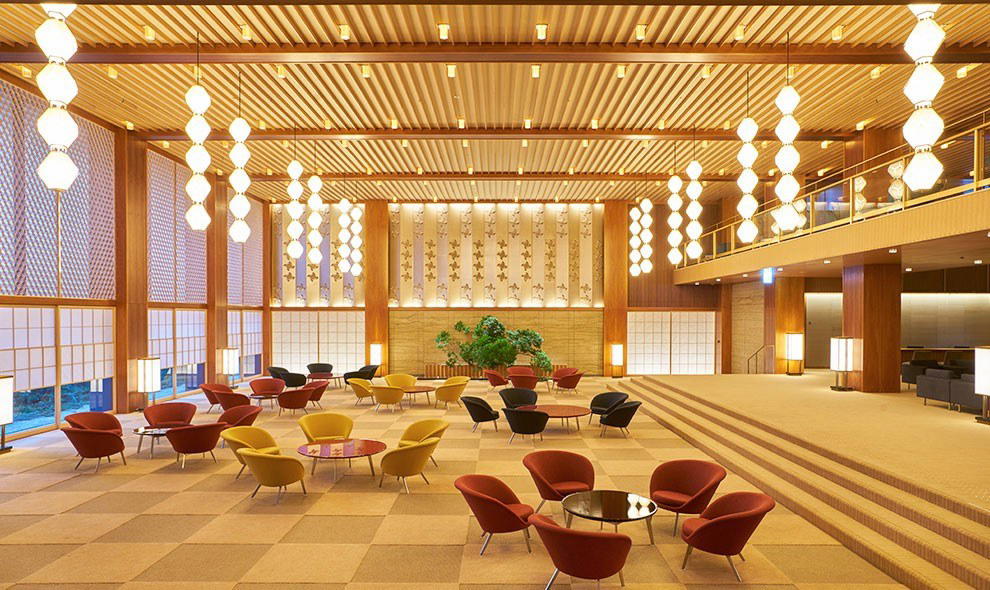
Calm, clean, and modern Japanese interior with an approachable atmosphere suitable for women and casual lunches.
Know Before You Go
- Getting there
- 麻布十番2-8-8 (ミレニアムタワー 5F), 港区, 東京都, 106-0045