
Hiroo’s yakiniku scene rewards control rather than spectacle: sourcing, pacing, ventilation, grill management, and the coordination between kitchen and room. Onikuya Keisuke Sannanbo sits in the higher-price bracket for Tokyo yakiniku, with Tabelog 100 recognition in the city’s yakiniku category and a format built around courses rather than casual à la carte grazing.
Pearl is the En Primeur Club membership app — saves, bookings, and concierge access live there. Same editors, same standards.
- Address
- Japan, 〒150-0012 Tokyo, Shibuya, Hiroo, 5 Chome−2−25 B1F
- Phone
- +81 3-3446-2929
- Website
- onikuya-keisuke3.com
 Saves & bookings on Pearl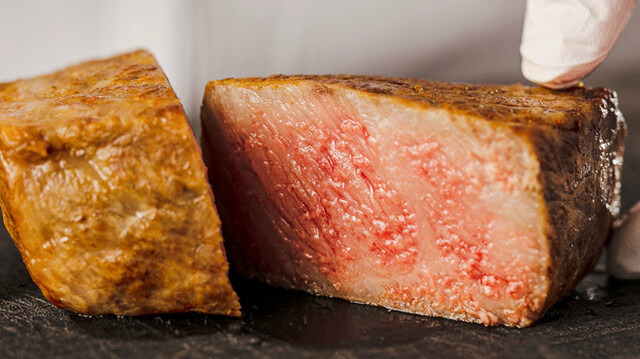
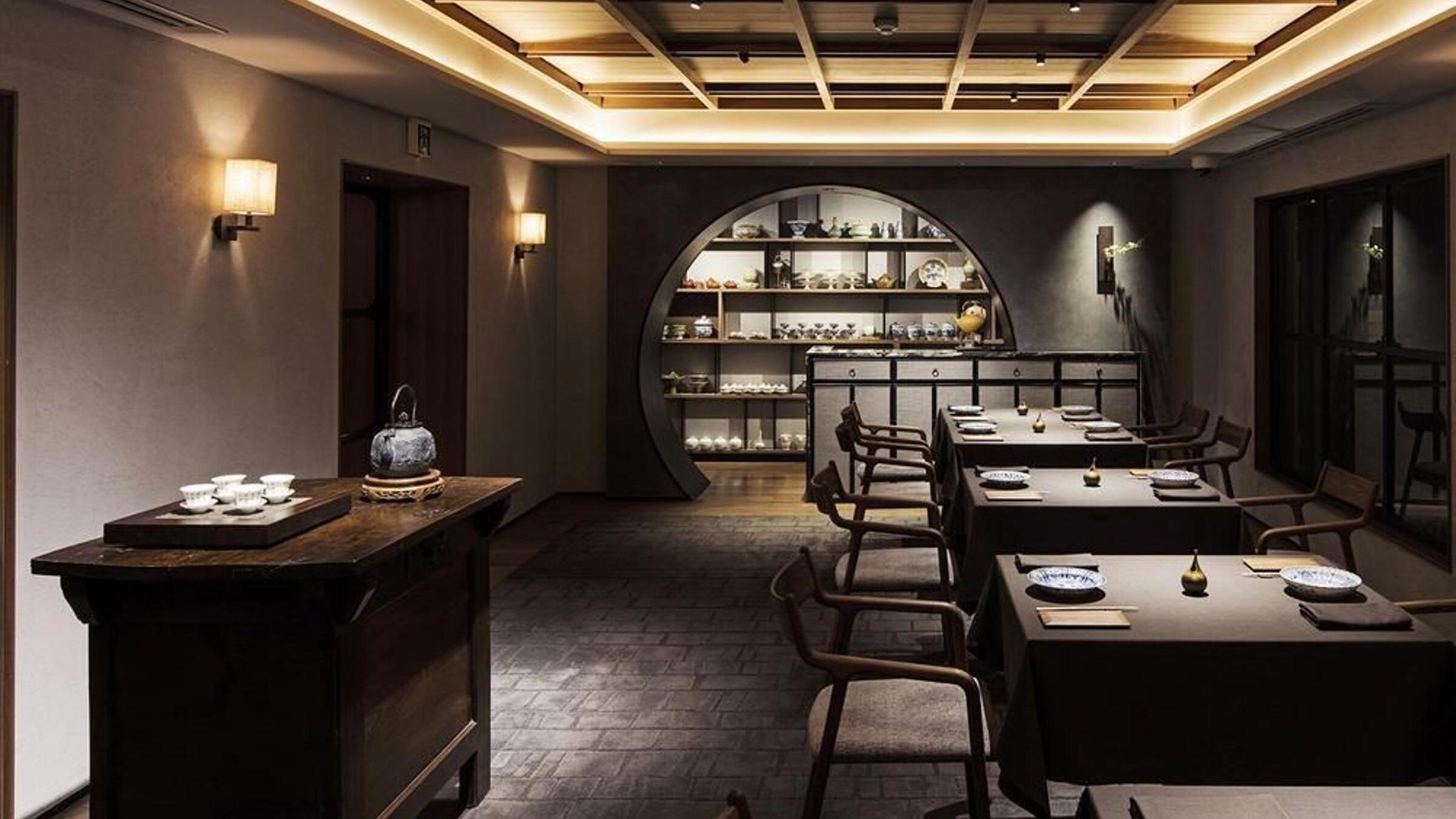
The approach is below street level in Hiroo, matching the contemporary Tokyo yakiniku mood: less smokehouse theater, more controlled room, semi-private seating, and staff-managed pacing. In a city where grilled beef spans late-night counter drinking to polished wagyu tasting menus, the upper tier choreographs cuts, heat, sauces, drinks, and timing. The meal depends on the grill, kitchen selection, front-of-house pacing, and beverage judgment moving together.
Onikuya Keisuke Sannanbo sits at that polished end. Its 2025 selection for Tabelog 100 - Yakiniku - TOKYO places it among a curated group of Tokyo yakiniku addresses, while earlier Tabelog 100 selections in 2022, 2023, and 2024 show continuity, not a single-year spike. That matters in yakiniku, where consistency is harder than the format suggests: a steakhouse can lean on a signature cut; a yakiniku room must manage multiple textures, doneness levels, and guest habits across an evening.
Hiroo yakiniku with course discipline, not grill-table improvisation
Tokyo’s premium yakiniku has moved beyond the old binary of luxury beef versus casual barbecue. At this level, the distinction is format. Course-led service narrows decisions, useful for travelers who do not want to decode a long Japanese beef menu while managing a grill. Here, seat-only reservations still require a choice between the Akari Course and the You Course on arrival, and a purely à la carte meal is not the intended structure. This is not a drop-in beef session built around spontaneous ordering, but a planned yakiniku dinner with a defined arc.
The categories are direct: yakiniku, steak, and gyutan. That keeps the restaurant in the meat-specialist lane rather than general izakaya territory. In Tokyo, gyutan signals a different rhythm from marbled beef: more chew, more attention to slicing, and a counterpoint to richer cuts. Steak gives the kitchen another route for guests wanting a clearer main-course moment inside a grill-led meal. The better version is restraint: enough structure to guide the table, enough flexibility to let beef remain the point.
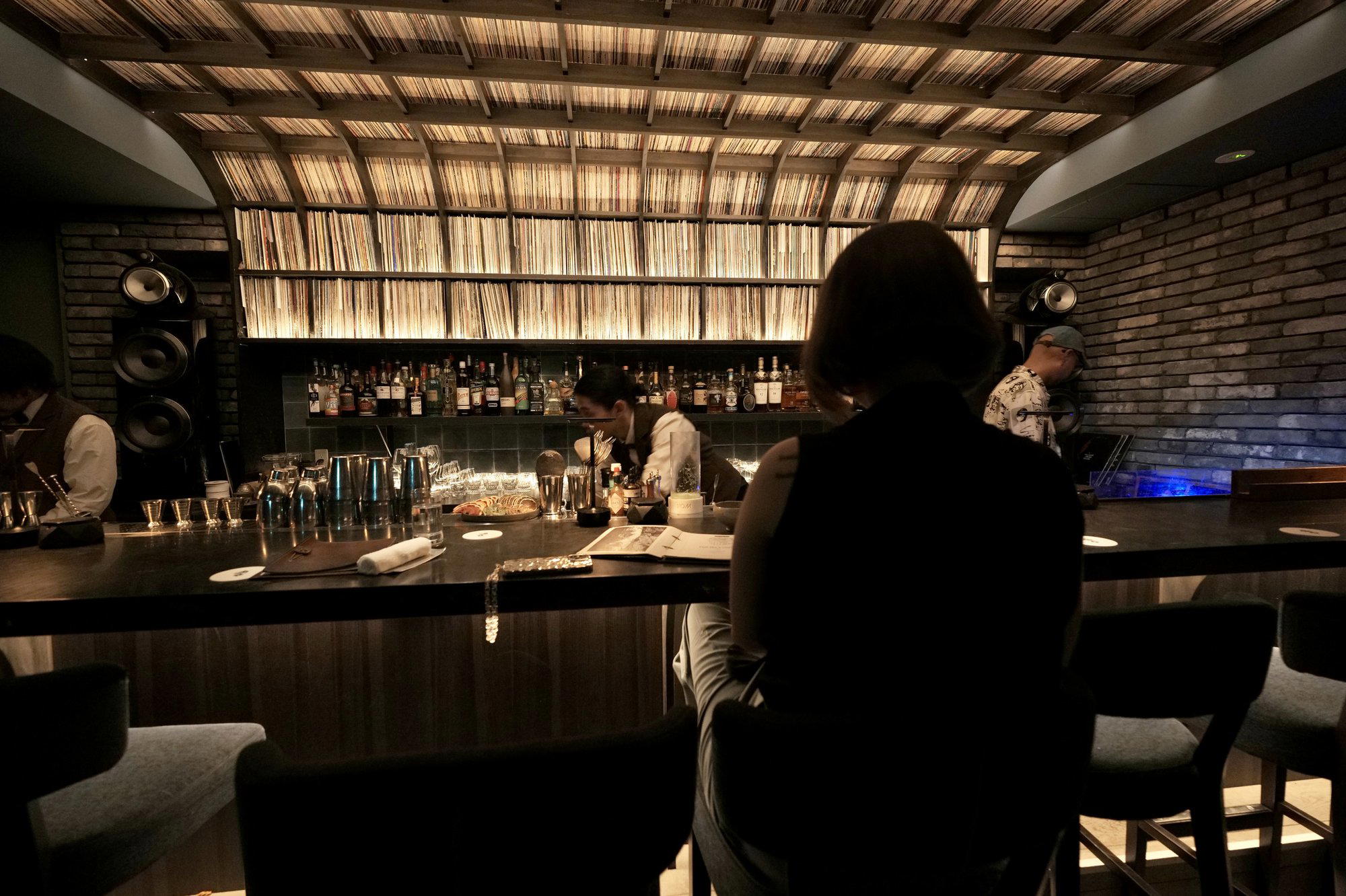
The drink program reads as part of the dining system, not an afterthought. Sake, shochu, wine, and cocktails are available, with particular attention noted for sake and wine. That range matters in yakiniku because fat, smoke, tare, salt, and char pull in different directions. A sommelier-led Western room often treats wine as default; Tokyo yakiniku needs a broader vocabulary. Sake handles sweetness and umami, shochu resets the palate, and wine works when cut and seasoning align. Front-of-house keeps that logic from becoming clutter.
The room is built for business dinners and controlled pacing
Hiroo differs from Ginza’s formality and Ebisu’s after-work looseness. With embassies, residential money, and a quieter international audience, the area often trades on privacy and predictability rather than noise. Onikuya Keisuke Sannanbo fits through semi-private seating, private rooms for small groups, and a non-smoking room. The setting suits business dining, celebrations, and dinners where conversation matters as much as beef.
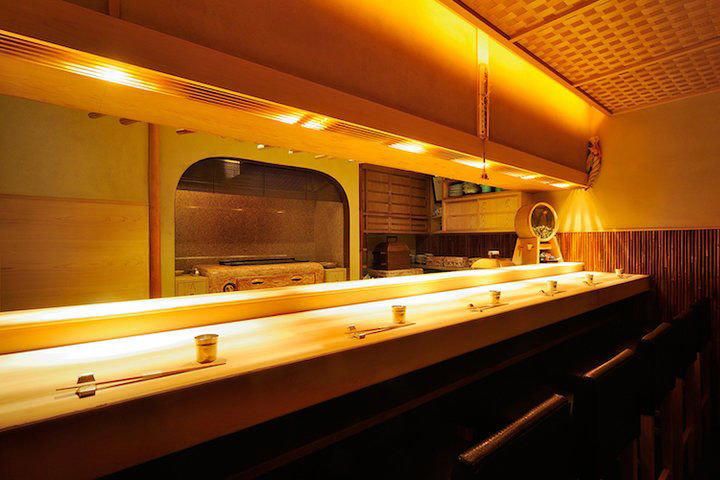
The team dynamic is the editorial lens. In yakiniku, the guest sees the grill, but the outcome is distributed across the restaurant. The kitchen controls sequence and cut preparation. The floor explains course structure, manages changes, and keeps the table moving. Beverage service reads both the food and the room’s social purpose. That coordination is why polished yakiniku feels calmer than casual grill dining even when the core technique remains direct table heat.
Compared with Tokyo sushi counters such as Sushi Yuki, the pleasure is less about watching one craftsperson build each bite and more about the table becoming a managed cooking surface. Compared with Italian dining at BOTTEGA, the sequence is less wine-dinner linear and more tactile. The closest comparison is service control: a room that lets diners participate without making them do all the work.
For readers mapping Tokyo broadly, this sits on a different axis from casual curry at 3 Chome no Curry Ya San, yakitori at 124. KAGURAZAKA (Yakitori), or seafood grilling at . 鮪と炭火焼き うお炭 秋葉原店. It also speaks to a broader Japanese dining pattern beyond Tokyo, from beef-led formats such as -Grilled beef Sukiyaki- KAMAKURA TANUKIAN 鎌倉 たぬき庵 in Kamakura to regional specialists like [ki:] in Kyoto, [Curry Senmon Ten] Maruyama Kyoju. in Sapporo.cafe in Osaka.know in Kumamoto, and (Shoku) Vietnam in Kawasaki. For the wider city edit, use Our full Tokyo restaurants guide, with adjacent planning through Our full Tokyo hotels guide, Our full Tokyo bars guide, Our full Tokyo wineries guide, and Our full Tokyo experiences guide.
Who should choose it
This is a strong fit for diners wanting premium Tokyo beef without counter-omakase ceremony or large grill-hall anonymity. The price band puts it above casual yakiniku and into planned-dinner territory, so value rests on comfort, recognition, course structure, and the room’s ability to handle business or occasion dining. Travelers seeking a looser, snack-driven night may be happier elsewhere; those wanting a composed beef dinner in Hiroo have a clear match.
The broader itinerary matters. A Tokyo trip can over-index on sushi and kaiseki, leaving grilled beef as an afterthought. That is a mistake. Yakiniku is one of the city’s clearest expressions of modern dining pragmatism: high-grade ingredients, social pacing, minimal distance between guest and cooking, and a service team quietly preventing chaos. Onikuya Keisuke Sannanbo frames that tradition through structure rather than novelty.
For contrast, a day might run from visual café culture at 2D Cafe to a later Shinjuku meal at 12/10 Shinjuku ten, but Hiroo’s polished yakiniku tempo asks for its own evening. International readers can compare the category’s export logic with sake-led dining at Jōdo Saké Bar in Los Angeles or casual Japanese formats such as Onigiri Time in Pasadena. The Tokyo original remains more specific: a table, a grill, a sequence, and a room trained to keep the heat under control.
The Quick Read
Comparable venues in the metro at similar price points.
| Venue | Cuisine | Price | Notes |
|---|---|---|---|
| Onikuya Keisuke SannanboThis venue — the venue you are viewing | Not listed | $$$ | Not listed |
| びのむ | Minato, Modern Oden with Wine Pairing | $$$ | Not listed |
| Horumon Yaki Rukuma Tokyo | Not listed | $$$ | Shibuya, Horumon-yaki (Japanese offal yakiniku) |
| Togoshi Ginza Sushi Bando | Not listed | $$$ | Shinagawa, Seasonal Edo-style Omakase Sushi |
| Tori Tomi | Not listed | $$$ | Setagaya, Yakitori & mizutaki chicken course |
| Zakuro Ginza ten | Not listed | $$$ | Chūō, Traditional Wagyu Shabu-shabu & Sukiyaki |
Recognition history
Dated appearances from independent guides and award organizations, with the underlying list record or original source where available.
Tabelog 100 #95 · No. 95
Tabelog · Tabelog 100 - Yakiniku - TOKYO - 2025











At a Glance
- Intimate
- Cozy
- Lively
- Classic
- Date Night
- Group Dining
- Special Occasion
- After Work
- Celebration
- Late Night
- Standalone
- Private Dining
- Design Destination
- Sake Program
- Beer Program
Current opening hours
- Monday
- 5:30–10:30 PM
- Tuesday
- 5:30–10:30 PM
- Wednesday
- 5:30–10:30 PM
- Thursday
- 5:30–10:30 PM
- Friday
- 5:30–10:30 PM
- Saturday
- 5:30–10:30 PM
- Sunday
- Closed
Hours can change for holidays and private events. Last verified .
A basement-level, fine-dining style yakiniku with semi-private rooms, subdued lighting, and a calm, exclusive atmosphere that feels tucked away from the street yet lively with the sound and aroma of meat grilling tableside.