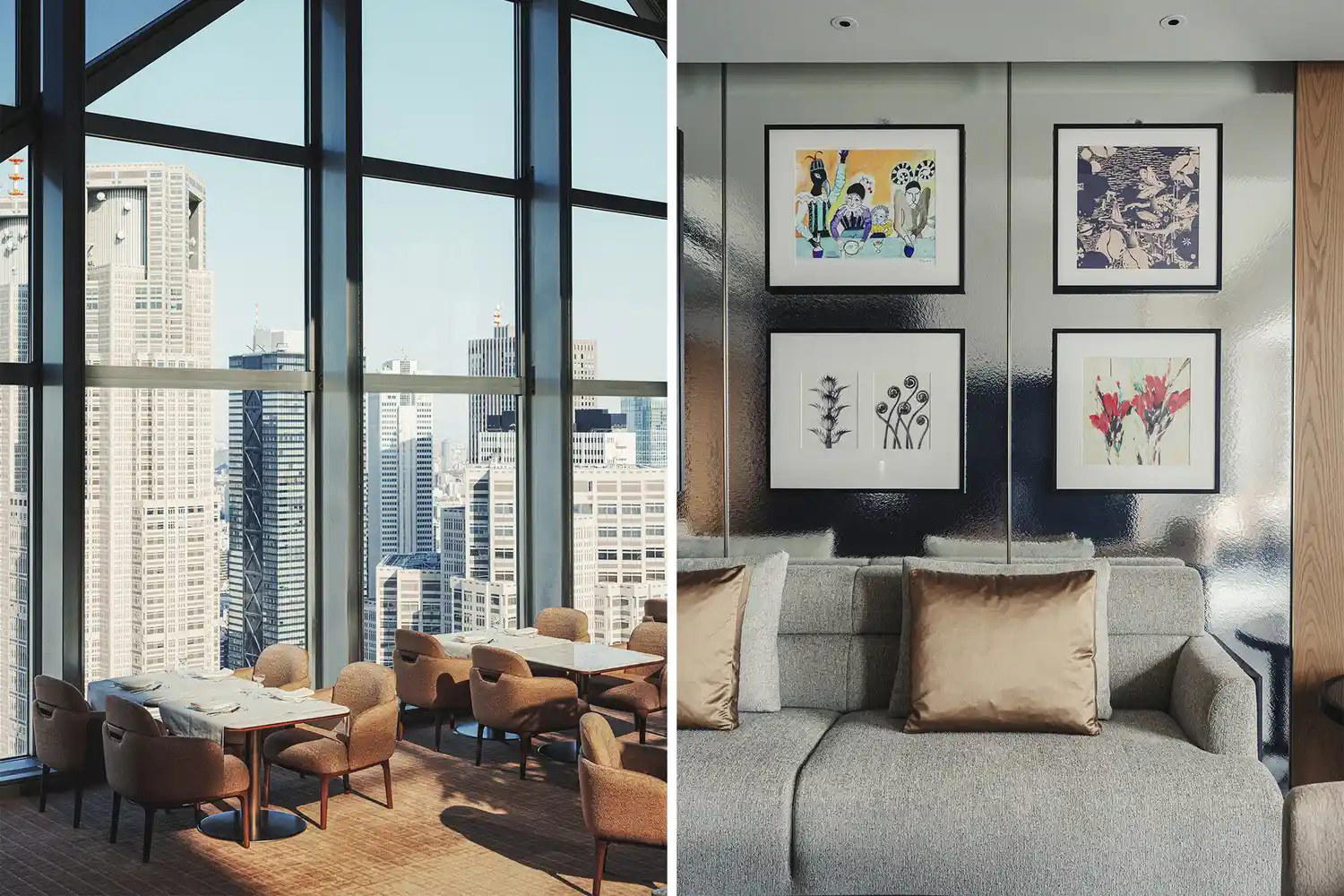
クーカーニョ occupies the 40th floor of the Cerulean Tower Tokyu Hotel in Shibuya, positioning it among Tokyo's hotel-based dining rooms that trade on elevation and address as much as plate. Where the city's comparable French and contemporary rooms compete on tasting menu architecture and chef pedigree, this venue's role within a major hotel property shapes both its ambitions and its audience.
Pearl is the En Primeur Club membership app — saves, bookings, and concierge access live there. Same editors, same standards.
- Address
- Japan, 〒150-8512 Tokyo, Shibuya, Sakuragaokacho, 26−1 セルリアンタワー東急ホテル 40F
- Phone
- +81334763404
- Website
- tokyuhotels.co.jp
- Directions
- Get directions
 Saves & bookings on Pearl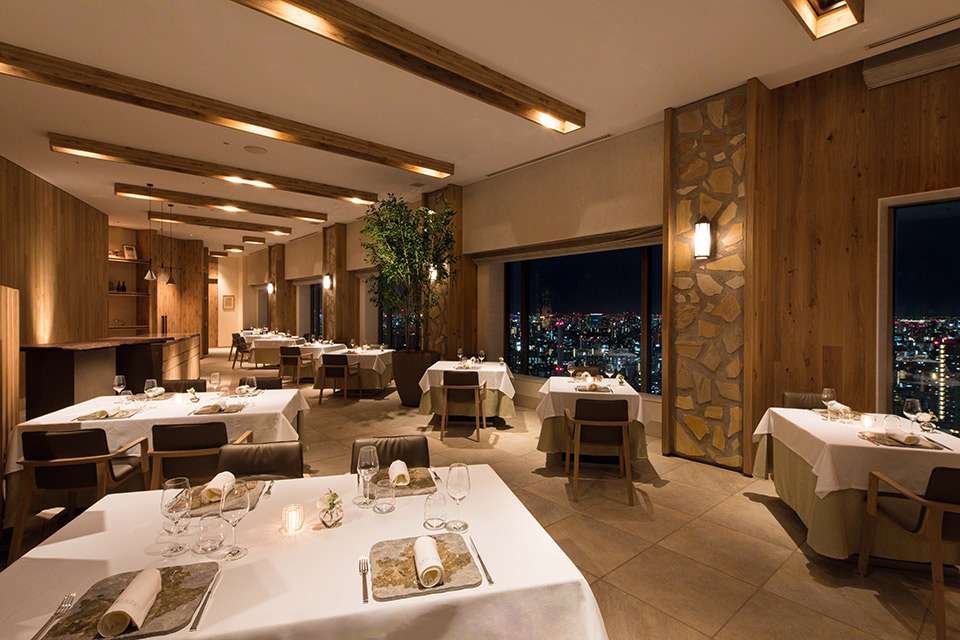
Dining at Altitude: Hotel Restaurants and the Shibuya Tier
クーカーニョ is a Classic Provençal French restaurant on the 40th floor of Cerulean Tower Tokyu Hotel in Shibuya, Tokyo, with a price point of about $150 per person. The first is anchored in legacy international brands, Peninsula, Aman, Park Hyatt, where kitchen budgets, imported talent, and a captive international guest list have produced some of the city's most formally structured menus. The second, smaller camp belongs to domestically rooted hotel groups whose flagship restaurants have quietly developed independent identities, drawing neighbourhood regulars and destination diners rather than relying solely on hotel occupancy. クーカーニョ, positioned on the 40th floor of the Cerulean Tower Tokyu Hotel in Shibuya's Sakuragaokacho, sits at the intersection of these two models.
The Cerulean Tower is one of Shibuya's most recognisable addresses, not a boutique property, but a full-scale urban hotel with the footprint and clientele to match. Restaurants at this altitude and within this kind of property face a particular challenge: the view becomes part of the proposition whether the kitchen wants it to or not, and diners arrive with expectations shaped by occasion dining rather than pure gastronomy. How a restaurant handles that tension, whether it leans into the panorama or disciplines itself around what arrives on the plate, is one of the more revealing tests of its editorial character.
Menu Architecture and What It Signals
At the tightest end of the market, omakase counters like Harutaka, or kaiseki rooms like RyuGin, the format itself is the statement: a single progression, no alternatives, the sequence determined entirely by the kitchen. At the opposite end, hotel all-day dining rooms offer maximum optionality and minimum editorial commitment.
The middle ground, where restaurants inside major hotels attempt to run a serious kitchen programme while remaining accessible to guests who have not specifically sought them out, is the more complicated space to occupy.
For restaurants at the ¥¥¥¥ tier in Tokyo, the bracket occupied by addresses like Sézanne and Crony, the expectation is that the menu reveals something about sourcing philosophy, seasonal discipline, and technical point of view. The architecture of a menu at this level is rarely accidental: the number of courses, the sequencing of protein and vegetable, the presence of Japanese ingredients within a European framework, all communicate where the kitchen places itself in the conversation between local produce and imported technique.
Shibuya as a Dining Address
Shibuya is not where most serious Tokyo dining pilgrims direct their first booking. The neighbourhood's identity is commercial and kinetic, the scramble crossing, the department stores, the transit hub scale, and its restaurant scene reflects that energy more than it resists it. The concentration of serious destination dining in Tokyo runs through Ginza, Minami-Aoyama, and Azabu-Juban, with hotel rooms in Marunouchi and Shinjuku adding to the formal dining geography.
What Shibuya does offer is a more diverse residential and corporate clientele, and hotels in the area have historically programmed their restaurants accordingly, leaning toward accessible formats with broader price points rather than narrow tasting-menu specialists. The 40th-floor positioning of クーカーニョ within the Cerulean Tower creates a physical separation from the neighbourhood's street-level energy and establishes the kind of arrival experience hotel restaurants use to mark the transition from outside to occasion.
This is a pattern visible elsewhere in Japan's hotel dining infrastructure. In Osaka, HAJIME operates as an entirely independent statement within its city's fine dining geography. In Kyoto, Gion Sasaki maintains a clear distance from hotel programming entirely. The contrast is instructive: the further a restaurant is embedded in a hotel's operational identity, the more it must work to establish a culinary identity that survives the association.
Placing クーカーニョ in the Wider Japan Fine Dining Context
Tokyo's restaurant scene is large enough that any single address occupies a specific niche rather than a general category. For travellers building a serious dining itinerary across Japan, the decision of where to invest a ¥¥¥¥ dinner in Tokyo versus spending the equivalent in Nara at akordu or in Fukuoka at Goh is genuinely consequential. The capital's density of options means that a hotel-based room in Shibuya competes not only against its immediate neighbourhood peers but against the full geography of the city, and, for the internationally mobile diner, against comparable addresses in New York like Le Bernardin or Atomix.
Beyond the major cities, Japan's regional fine dining circuit has produced a number of addresses worth knowing: 一本杉川島 in Nanao, 大地乃蔵之 in Sapporo, 湖里庵 in Takashima, 鳳鳴荘 in Nishikawa Machi, Birdland in Sakai, and Bistro Ange in Toyohashi.
Know Before You Go
Dress: Business casual is the standard.
Context: Positioned within a large-scale hotel property, with the service infrastructure and pacing that accompany hotel dining.
The Essentials
Comparable venues nearby, for context on price, style, and recognition.
| Venue | Cuisine | Price | Notes |
|---|---|---|---|
| クーカーニョThis venue — the venue you are viewing | Shibuya, Classic Provençal French | $$$$ | Not listed |
| レストラン トヨ トーキョー | Not listed | $$$$ | Chiyoda, Japanese-French Fusion Counter Dining |
| アピシウス | Chiyoda, Classic French Fine Dining | $$$$ | Not listed |
| Sens & Saveurs | Chiyoda, Modern French Fine Dining | $$$$ | Not listed |
| ジランドール | Shinjuku, Modern French Brasserie | $$$$ | Not listed |
| フィリップ・ミル 東京 | Minato, Modern French Fine Dining | $$$$ | Not listed |











At a Glance
- Elegant
- Romantic
- Sophisticated
- Scenic
- Date Night
- Business Dinner
- Special Occasion
- Celebration
- Panoramic View
- Private Dining
- Hotel Restaurant
- Rooftop
- Skyline
Current opening hours
- Monday
- 11:30 AM–3 PM, 5:30–10 PM
- Tuesday
- 11:30 AM–3 PM, 5:30–10 PM
- Wednesday
- 11:30 AM–3 PM, 5:30–10 PM
- Thursday
- 11:30 AM–3 PM, 5:30–10 PM
- Friday
- 11:30 AM–3 PM, 5:30–10 PM
- Saturday
- 11:30 AM–3 PM, 5:30–10 PM
- Sunday
- 11:30 AM–3 PM, 5:30–10 PM
Hours can change for holidays and private events. Last verified .
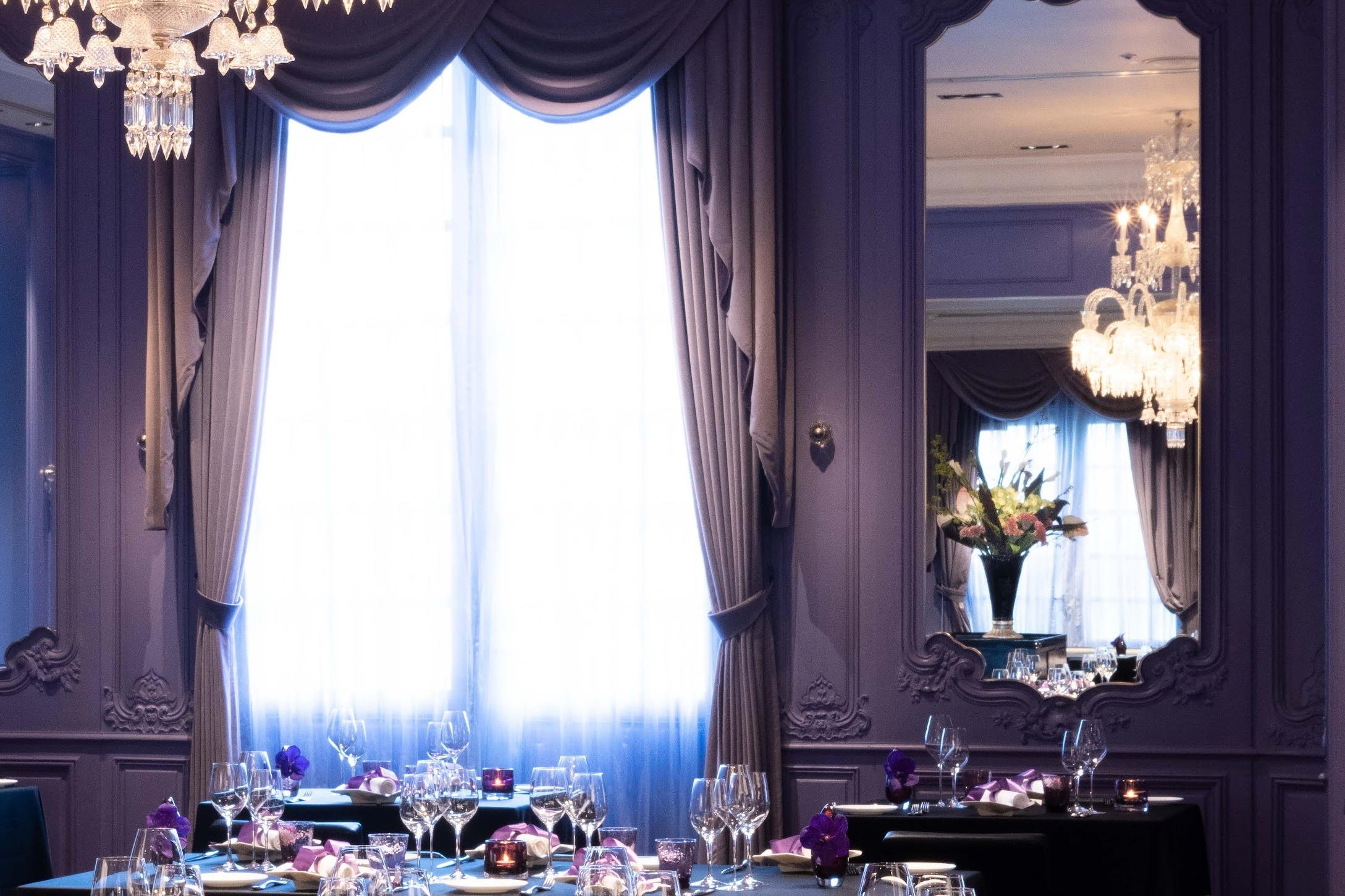
Sophisticated and refined with abundant natural light during the day; at night, the space is enveloped by glittering Tokyo skyline views that create a dramatic, romantic atmosphere.