Located on the third floor of Tokyo Midtown Hibiya in Yurakucho, レストラン トヨ トーキョー brings a French-inflected dining sensibility to one of central Tokyo's most transit-connected commercial addresses. The setting places it within a comparable set of upscale restaurants serving the Hibiya and Ginza corridor, where the line between business dining and destination eating runs deliberately thin.
Pearl is the En Primeur Club membership app — saves, bookings, and concierge access live there. Same editors, same standards.
- Address
- Japan, 〒100-0006 Tokyo, Chiyoda City, Yurakucho, 1 Chome−1−2 東京ミッドタウン日比谷3階 31300
- Phone
- +81362733340
- Website
- toyojapan.jp
- Directions
- Get directions
 Saves & bookings on Pearl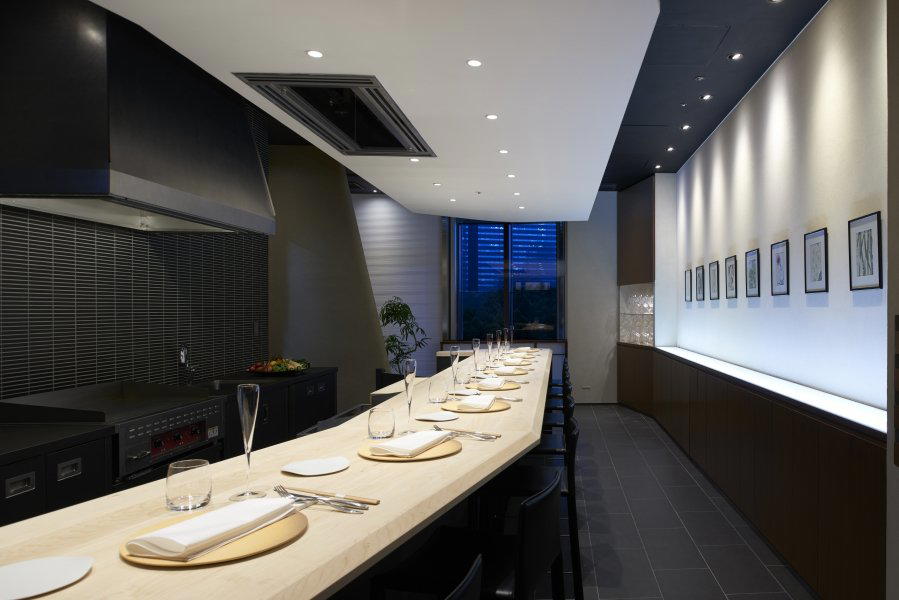
Yurakucho and the Hibiya Corridor: What the Address Signals
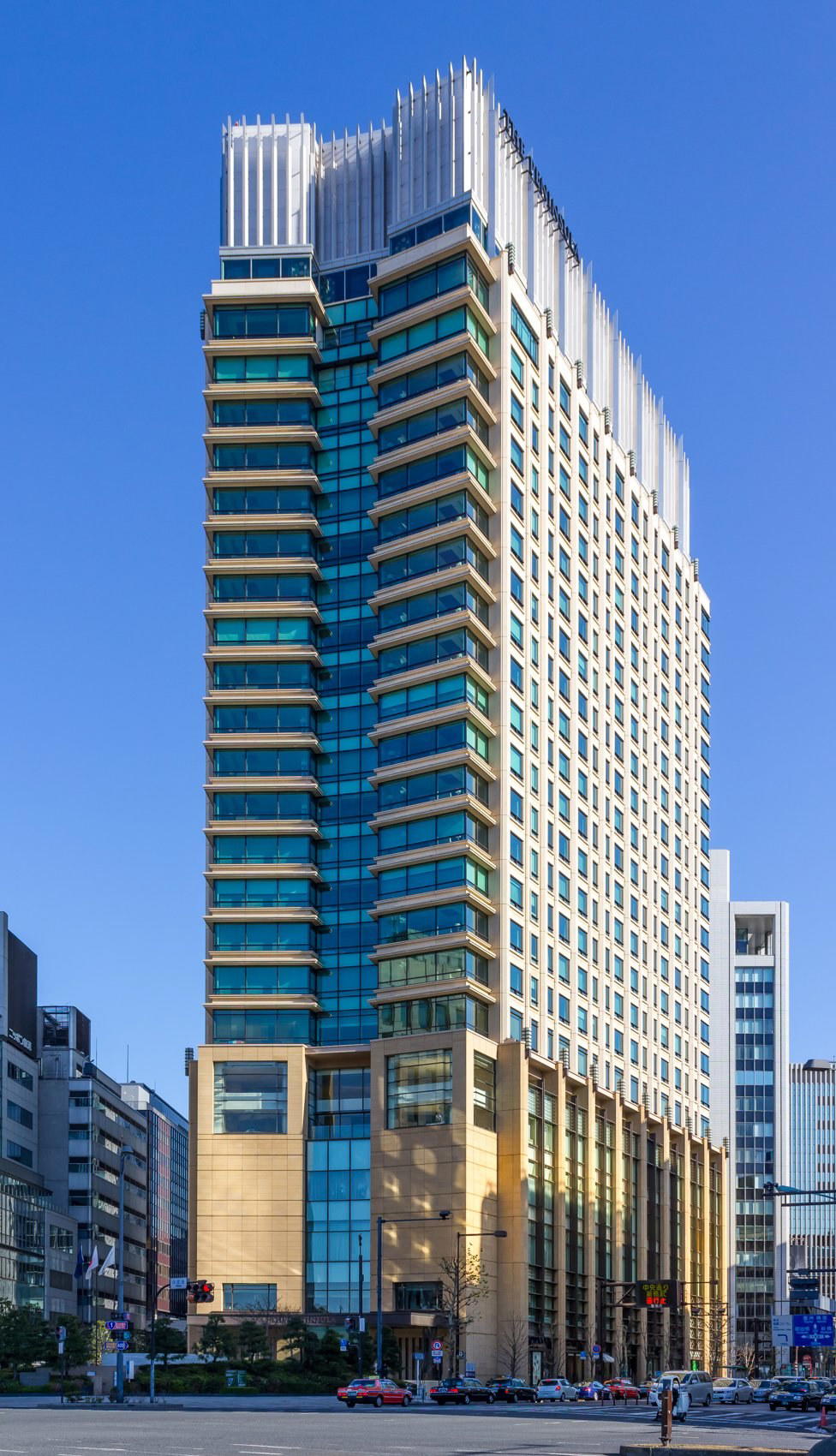
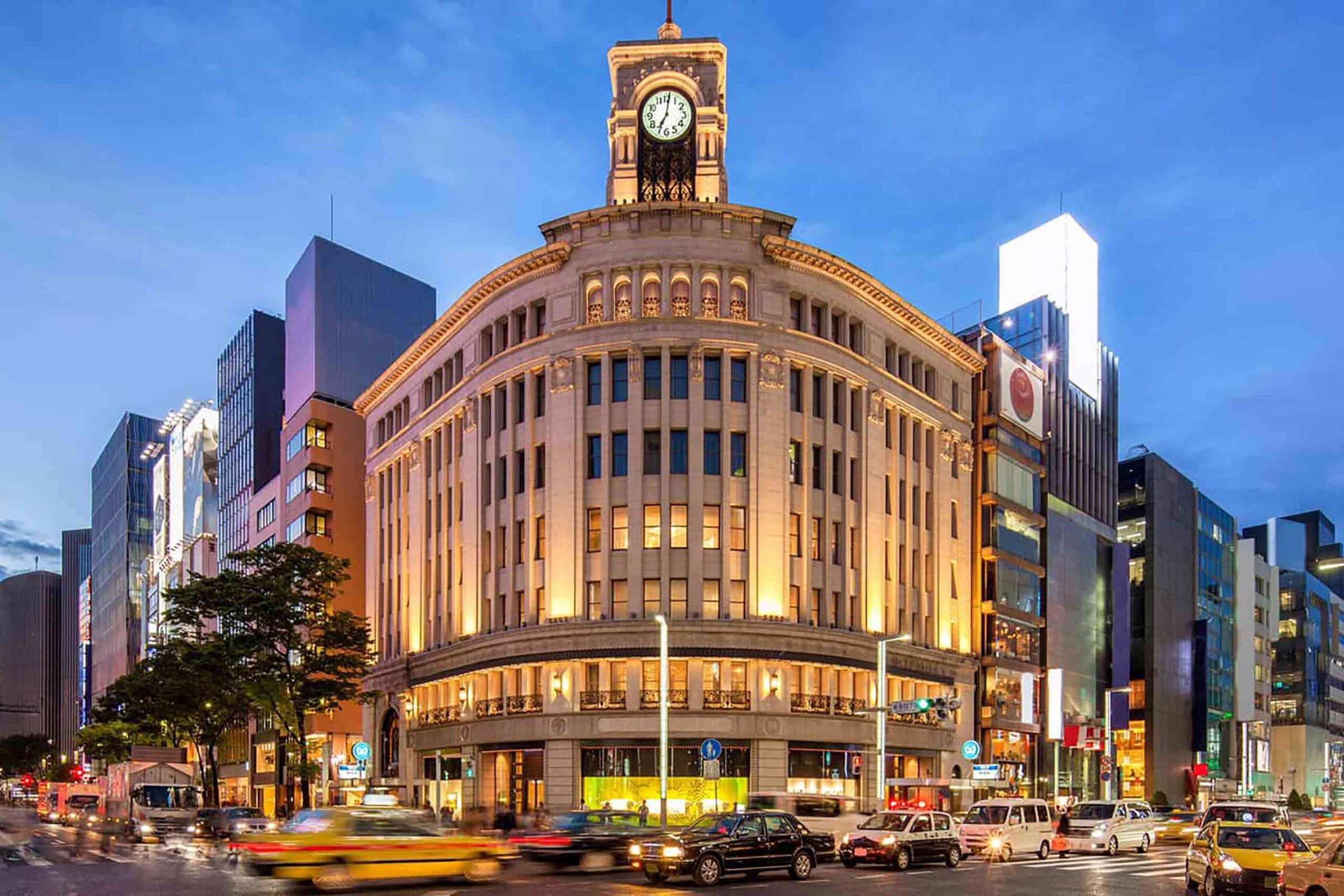
Tokyo's dining geography has never been neutral. Where a restaurant chooses to open, and in which building, communicates something specific about its intended audience, price positioning, and competitive set. The Hibiya corridor, anchored by the Tokyo Midtown Hibiya complex that opened in 2018, represents a deliberate attempt to create a luxury retail and dining destination within walking distance of Ginza, Hibiya Park, and several of the city's major transit hubs. That context matters when reading レストラン トヨ トーキョー, which occupies the third floor of the complex at 1-1-2 Yurakucho, Chiyoda City.
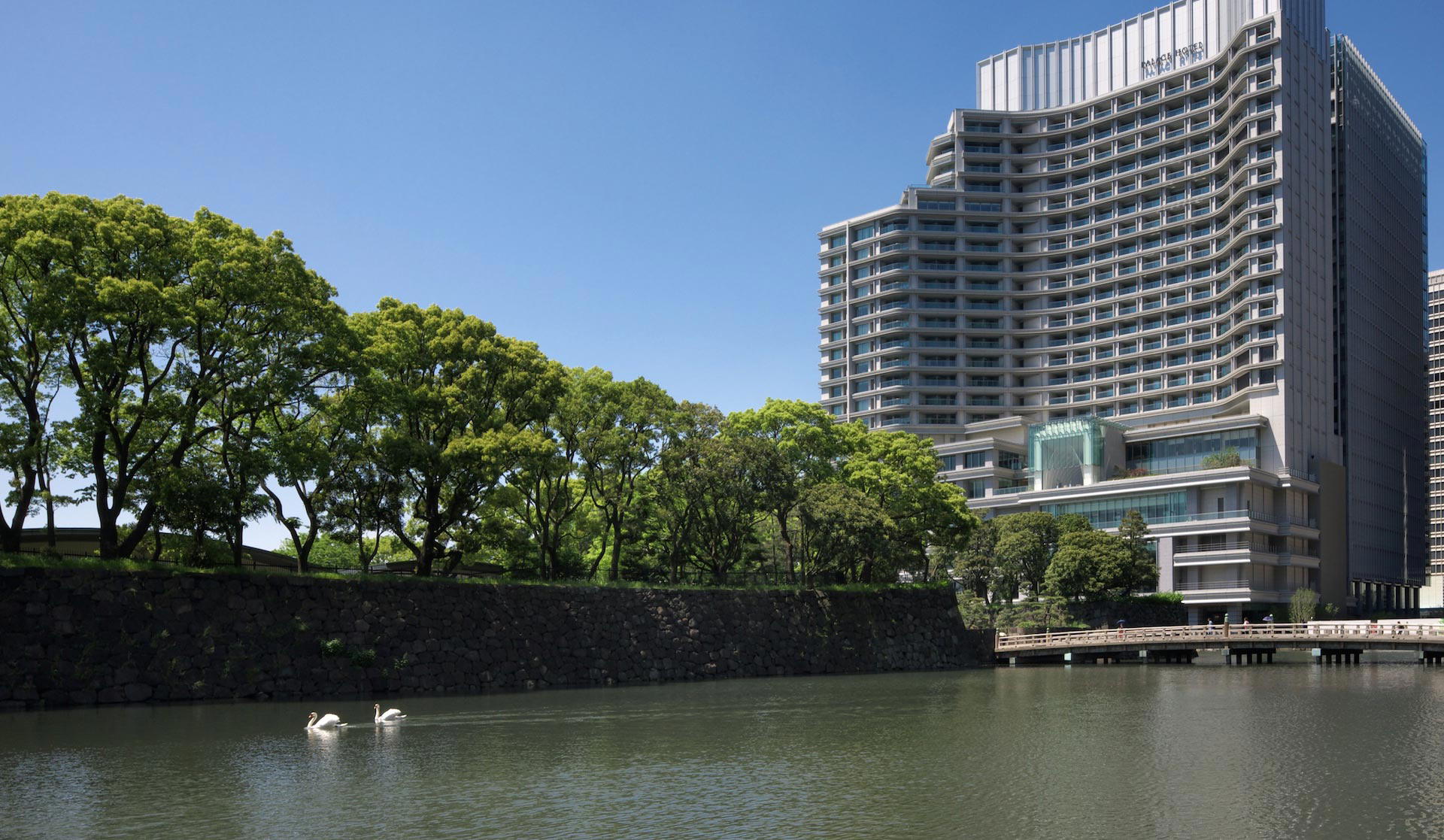
Chiyoda-ku carries institutional weight in Tokyo. It is the ward of the Imperial Palace, central government offices, and Marunouchi's financial district. Restaurants here tend to serve a clientele that splits between business entertaining and deliberate destination visits, the kind of diner who books ahead and expects the room to function as well as the kitchen. Tokyo Midtown Hibiya intensifies that dynamic: the complex was designed to attract flagship tenants, and its dining floors sit in a comparable set that includes several of the city's better-known Western-influenced restaurants.
For context, the Ginza and Hibiya zone sits adjacent to some of Tokyo's most competitive fine-dining territory. Counters and dining rooms in this corridor price against a demanding comparable set that includes Harutaka in the sushi category and L'Effervescence and Sézanne among French-influenced rooms. A restaurant choosing this location is, in effect, choosing its competition.
The French-Japanese Question in Tokyo's Fine Dining Scene
Tokyo has spent decades constructing one of the world's most sophisticated French restaurant ecosystems, distinct from Paris in ways that are not simply derivative. The city's leading French kitchens draw on Japanese product standards, seasonal precision, supplier relationships, and an expectation of technical consistency that the Michelin process has formalized across multiple guides. The result is a category of Tokyo dining that is neither purely French nor purely Japanese but functions as its own culinary tradition, recognized internationally through guide placements and chef alumni networks.
Within that tradition, the name Toyo carries recognizable reference points. The connection to Lyon-based chef Katsuhiko Takayama, who built a reputation at his French restaurant in Lyon before extending to Tokyo, places レストラン トヨ トーキョー in a lineage that runs between Japan and France in both directions. This kind of dual-geography operation is not unusual at the upper end of Tokyo's Western-cuisine market: chefs with European credentials opening Tokyo outposts, or Tokyo-trained chefs bringing Japanese product sensibility to European technique. Crony represents a different iteration of this French-innovative spectrum, while RyuGin anchors the kaiseki end of the same premium dinner conversation.
The broader pattern across Japan's premium dining scene, from HAJIME in Osaka to Gion Sasaki in Kyoto, is one where European technique and Japanese ingredient logic have produced something that functions as its own category, evaluated on terms that neither Paris nor Tokyo invented in isolation.
What the Midtown Hibiya Format Means for the Experience
Dining inside a major commercial complex in Tokyo carries specific implications. The building provides infrastructure, valet proximity, concierge-level hospitality norms, consistent climate control, and a kind of institutional polish, that freestanding restaurants must engineer themselves. For a restaurant drawing on both a Japanese and an international clientele, the Midtown Hibiya address also signals accessibility: the complex sits above Hibiya Station and within a short walk of Ginza-itchome and Yurakucho stations, making it one of the more transit-accessible fine-dining addresses in central Tokyo.
That accessibility is not incidental. Tokyo's premium dining market has historically concentrated in neighborhoods where the walk from the station requires some navigation, Shinjuku's backstreets, Minami-Aoyama's residential pockets, the quieter lanes behind Roppongi. A location inside Midtown Hibiya positions レストラン トヨ トーキョー differently: the friction of arrival is low, which tends to attract a business-entertaining clientele alongside destination diners. Whether that trade-off suits a particular diner depends on what they want from the room's atmosphere.
For comparison, restaurants in Japan's secondary cities operate under different location logic. akordu in Nara and Goh in Fukuoka draw destination traffic partly because of geographic isolation; a Tokyo address inside a transit-connected complex plays an entirely different game. The same applies when comparing regional operations like restaurants in Nanao or Takashima, where the surrounding context amplifies the destination quality of the visit itself.
Placing the Restaurant in Tokyo's Western-Cuisine Conversation
Tokyo's French and French-influenced dining rooms occupy a tiered market. At the leading sit multi-Michelin-starred counters with years-long waiting lists and omakase formats that remove choice from the equation entirely. Below that, a mid-to-upper tier of dining rooms offers structured menus with meaningful wine programs, serving a clientele that wants the full dinner experience without the booking ordeal of the city's most inaccessible rooms. レストラン トヨ トーキョー, by virtue of its Midtown Hibiya setting and the Toyo name's European anchoring, operates in that second tier's upper register.
Internationally, the reference point for this kind of operation, a French chef with serious credentials operating a Tokyo outpost, is not unusual. Le Bernardin in New York City represents one version of the European-origin restaurant that has become a permanent fixture in a non-European city's fine-dining conversation. Atomix in New York City shows the reverse: Korean culinary tradition applied with the technical discipline of the Western fine-dining format. Tokyo's French restaurants occupy their own position in this global conversation, shaped by Japan's ingredient standards and the expectations of a dining public that has been eating at Michelin-recognized French rooms for decades.
Other Japan-based comparisons sharpen the picture further: Bistro Ange in Toyohashi and Birdland in Sakai each operate within regional markets with different competitive pressures, while restaurants in Sapporo and Nishikawa Machi reflect how Japan's dining culture extends well beyond the capital's concentrated fine-dining belt. Tokyo, and specifically Chiyoda-ku, remains the market against which most of these operations are implicitly measured.
Planning a Visit
The restaurant is located on the third floor of Tokyo Midtown Hibiya, 1-1-2 Yurakucho, Chiyoda City, Tokyo. The complex is directly accessible from Hibiya Station (Tokyo Metro Hibiya, Chiyoda, and Toei Mita lines) and a short walk from Yurakucho Station (JR Keihin-Tohoku and Yamanote lines). Given the address and comparable set, advance booking is advisable, particularly for weekend evenings and business-district lunch periods.
Quick reference: 3F Tokyo Midtown Hibiya, 1-1-2 Yurakucho, Chiyoda City, Tokyo. Nearest station: Hibiya (direct access).
In Context: Similar Options
Comparable venues nearby, for context on price, style, and recognition.
| Venue | Cuisine | Price | Notes |
|---|---|---|---|
| レストラン トヨ トーキョーThis venue — the venue you are viewing | Japanese-French Fusion Counter Dining | $$$$ | Not listed |
| ル スプートニク | Modern French Tasting Menu | $$$$ | Minato |
| A New Shohei Shimono | Innovative French | $$$$ | Shibuya |
| カーエム | Classic French Fine Dining | $$$$ | Chūō |
| ル・マンジュ・トゥー | Modern French | $$$$ | Shinjuku |
| アビス | Modern French Seafood | $$$$ | Shibuya |




At a Glance
- Sophisticated
- Elegant
- Modern
- Intimate
- Date Night
- Special Occasion
- Business Dinner
- Chefs Counter
- Open Kitchen
- Extensive Wine List
- Sake Program
- Street Scene
Current opening hours
- Monday
- Closed
- Tuesday
- 11:30 AM–2:30 PM, 6–11 PM
- Wednesday
- 11:30 AM–2:30 PM, 6–11 PM
- Thursday
- 11:30 AM–2:30 PM, 6–11 PM
- Friday
- 11:30 AM–2:30 PM, 6–11 PM
- Saturday
- 11:30 AM–2:30 PM, 6–11 PM
- Sunday
- 11:30 AM–2:30 PM, 6–11 PM
Hours can change for holidays and private events. Last verified .
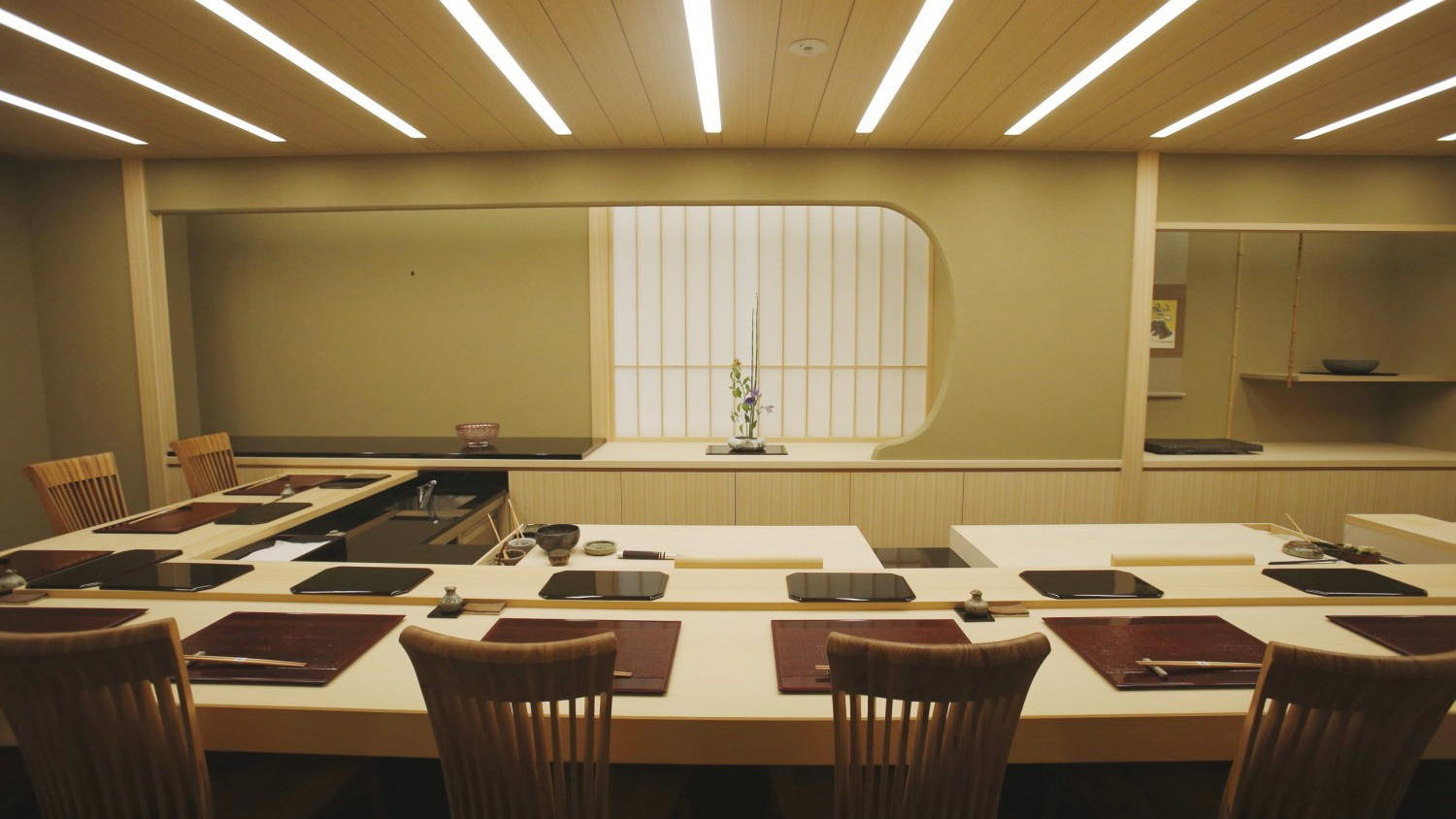
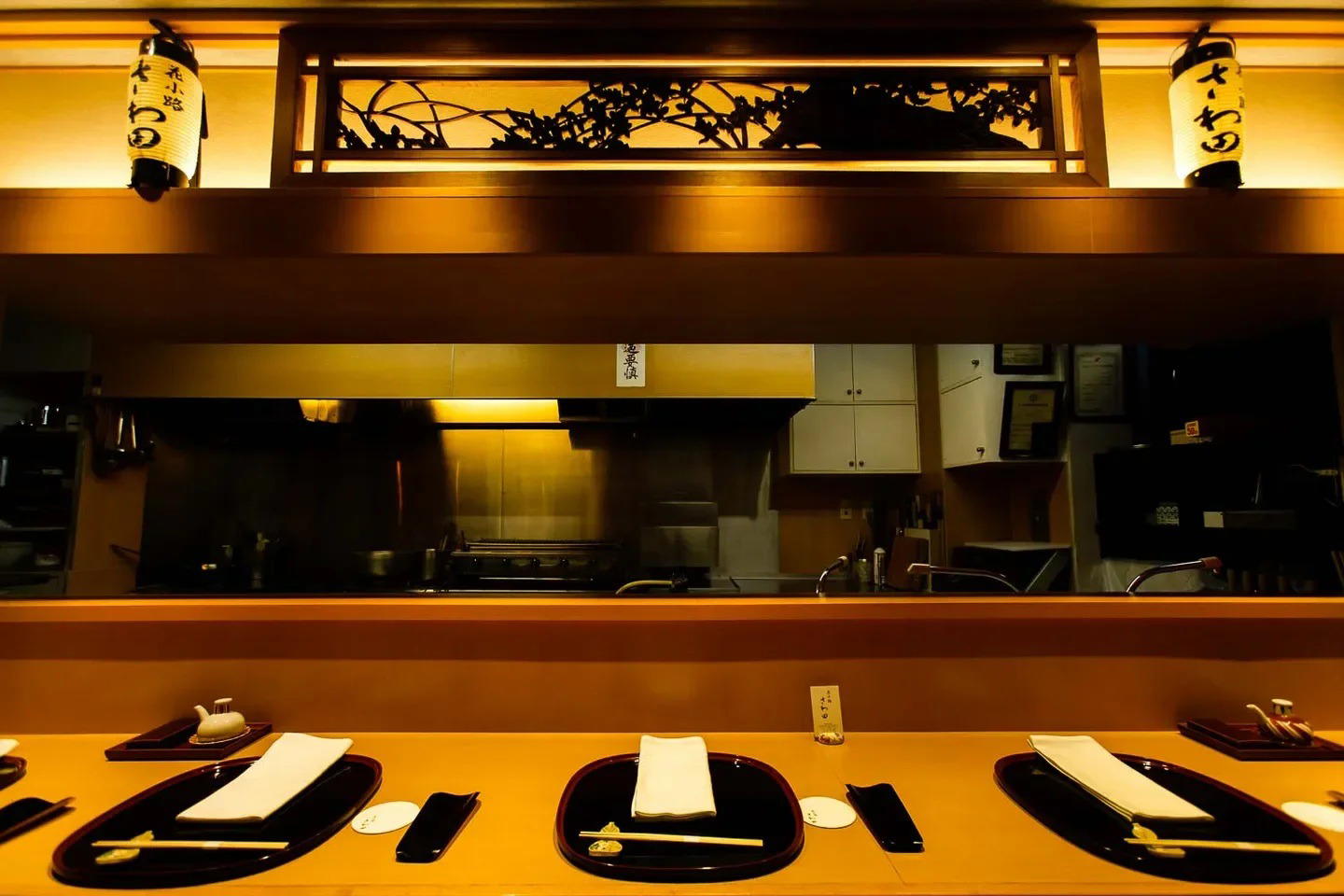
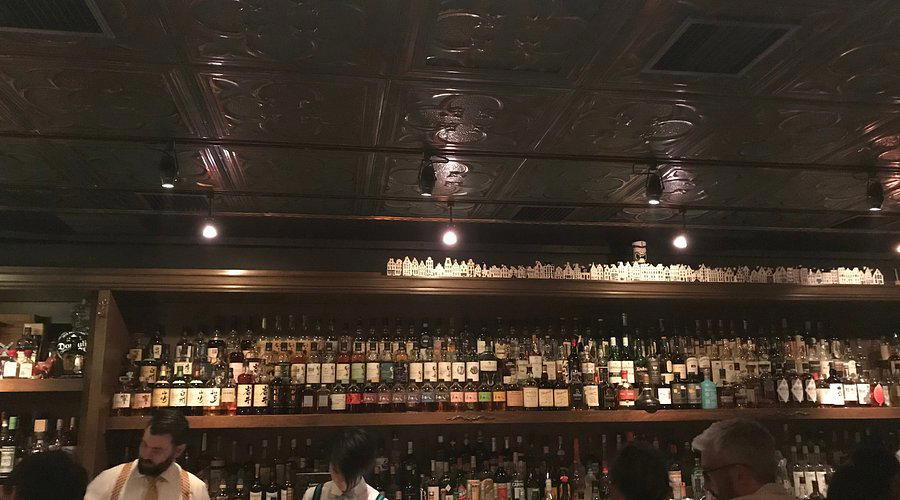
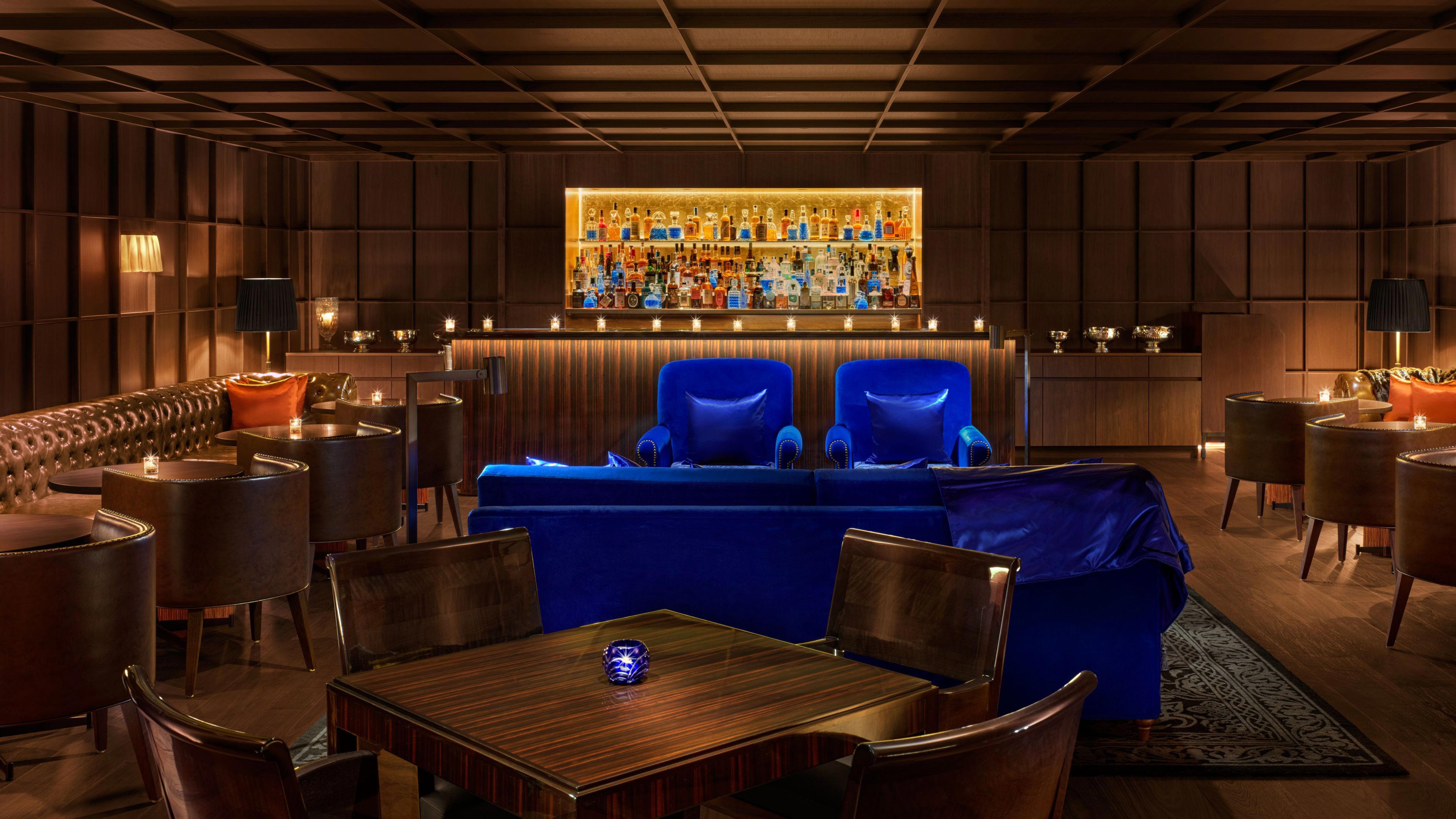
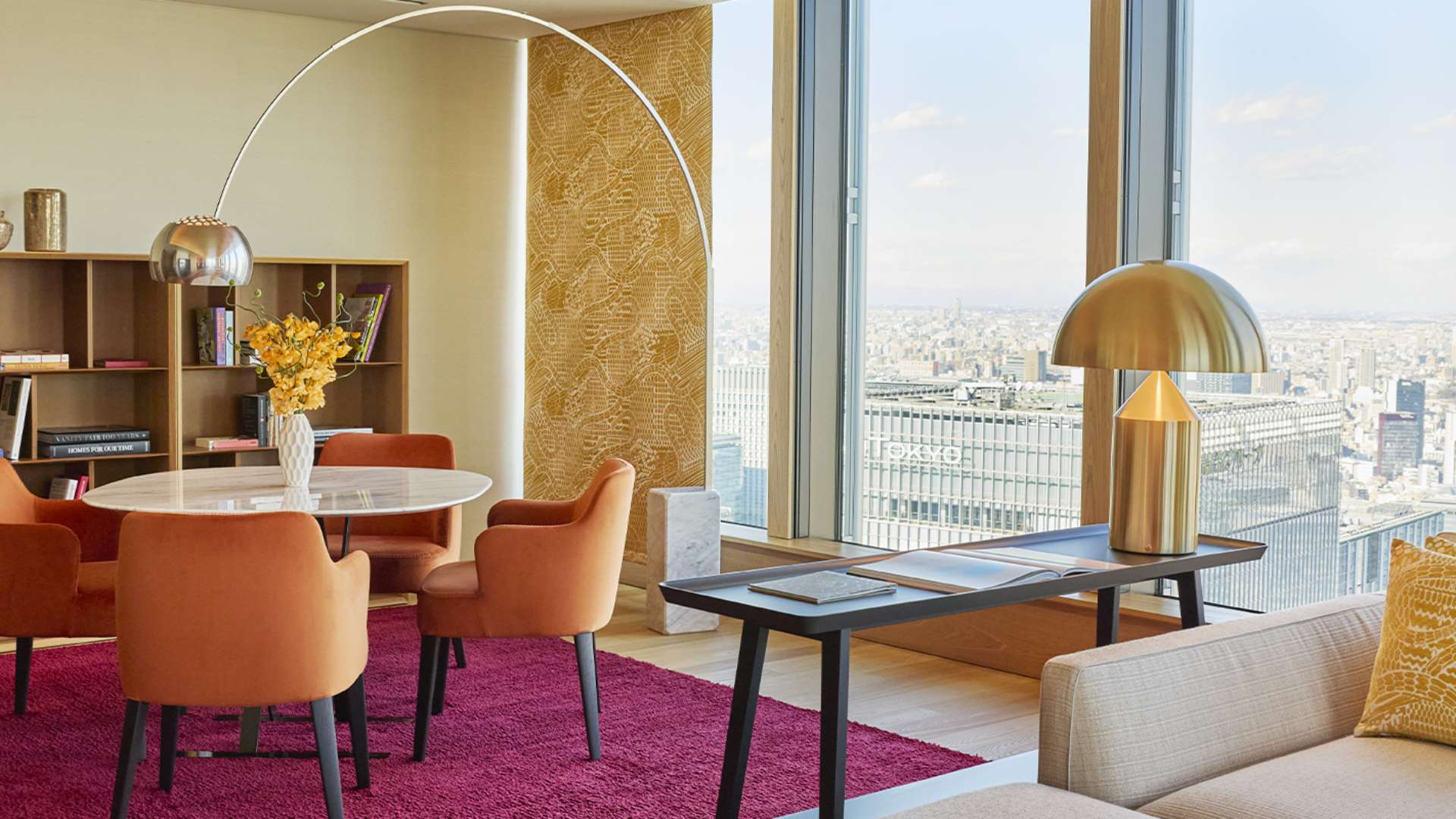
Intimate counter seating with warm conversational atmosphere, illuminated by focused lighting on fresh ingredients and chef's precise preparations.