Among Tokyo's French restaurants, アピシウス (Apicius) occupies a tier defined by longevity rather than novelty. Located in Yurakucho's basement level since the 1980s, it draws a clientele that returns not for seasonal reinvention but for the consistency that only decades of practice can produce. In a city of relentless restaurant turnover, that constancy carries its own editorial weight.
Pearl is the En Primeur Club membership app — saves, bookings, and concierge access live there. Same editors, same standards.
- Address
- Japan, 〒100-0006 Tokyo, Chiyoda City, Yurakucho, 1 Chome−9−4 B1
- Phone
- +81332141361
- Website
- apicius.co.jp
- Directions
- Get directions
 Saves & bookings on Pearl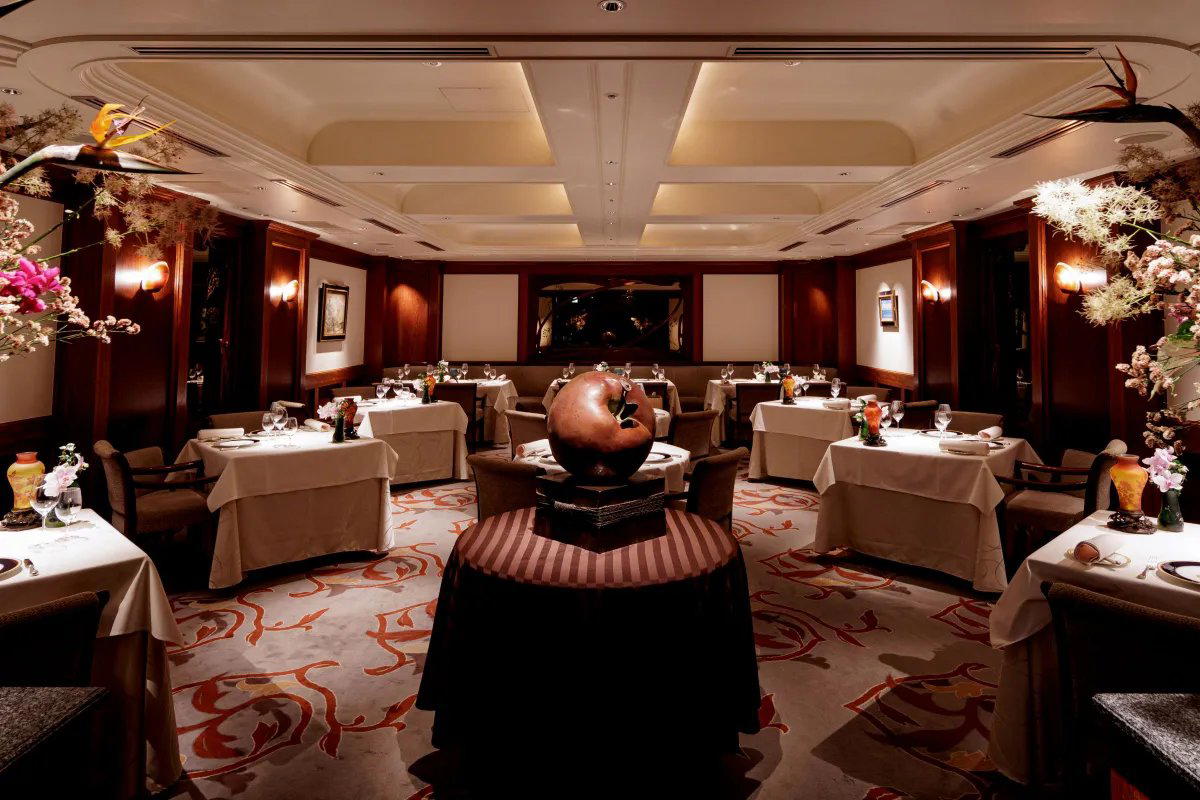
A Different Kind of Authority in Tokyo's French Scene
Tokyo's French restaurant scene has fractured into distinct generations. The first wave, arriving in the 1970s and 1980s, built serious kitchens that absorbed classical technique and applied it with Japanese precision. The second and third waves brought lighter, more personal interpretations, bistronomy, farm-to-table registers, and chef-driven narratives that now dominate the conversation. アピシウス (Apicius), a Classic French Fine Dining restaurant in Yurakucho, Tokyo, belongs firmly to the first wave and has stayed there, which is itself a statement of intent. In a dining culture that prizes the new, a restaurant that has refused to pivot carries a particular kind of weight among those who know what they are looking for.
Yurakucho is worth understanding on its own terms. The district sits between the Ginza luxury corridor and the older business architecture of central Tokyo, populated by long-tenured restaurants that serve an expense-account and professional clientele rather than a tourist or social-media circuit. This is not where new openings land; it is where restaurants with staying power endure. アピシウス fits the neighbourhood's logic: its regulars are not dining adventurers chasing the newest reservation but people who have been eating here for years, sometimes decades, and return because the experience meets a standard they have calibrated over time.
What Keeps Regulars Coming Back
The regulars' perspective is one instructive lens for reading a restaurant of this type. At venues defined by novelty and chef personality, the return visitor is chasing the next iteration of something. At a classically anchored French house like アピシウス, the return visit is a different transaction: the guest is looking for confirmation, not surprise. That consistency, the ability to reproduce quality across hundreds of services over many years, is a discipline that newer restaurants have not yet demonstrated and many never will.
What this means practically is that the kitchen's relationship with its long-term clientele shapes the menu in ways that are invisible to a first-time visitor. Regulars at this level of French dining in Tokyo tend to have preferences that have been noted and remembered: particular cuts, preferred cooking temperatures, a bottle from the cellar opened to a specific point. The unwritten menu at this kind of house is built from those accumulated interactions rather than from a printed list of seasonal specials. This is a format that peers in Tokyo's French tier, L'Effervescence and Sézanne, approach differently, with menus that are more publicly legible and chef-narrative-forward. アピシウス operates closer to the private-club end of the spectrum, where the guest-kitchen relationship accumulates value over time.
Tokyo's French category also contains venues like Crony, which represents the newer, more experimental register of the tradition. These are not competing for the same diner. The regulars at a house with forty-plus years of operation are not comparing it against the current wave of French-leaning innovation; they are comparing it against the memory of itself, which is a far harder standard to meet.
Classical French in a Japanese Context
The broader pattern of classical French cuisine in Japan deserves framing. French technique arrived in Japan through formal training pipelines, Japanese chefs spending formative years in Paris or Lyon, then returning to build kitchens that applied those lessons with local ingredients and a Japanese attention to service precision. The result, across the leading houses of the 1980s and 1990s, was not imitation but a distinct sub-genre: French in structure, Japanese in exactitude, and often more conservative in seasoning and presentation than contemporary French cooking in France itself.
This contrasts with how Japanese fine dining has evolved elsewhere. RyuGin applies kaiseki principles to seasonal Japanese ingredients in a way that feels like a different civilizational project entirely. Harutaka operates within the omakase sushi tradition, where the conversation about quality is built around sourcing and aging rather than sauce-making. The French houses in Tokyo occupy their own vertical, and within that vertical, the older generation and the newer generation have genuinely different things to say about what French food in Japan should be.
For comparison outside Tokyo, the same question is being asked in different registers: HAJIME in Osaka applies French-rooted technique to a deeply personal ecological vision, while akordu in Nara works with European frameworks in a different geographic and ingredient context. The variation across Japan's French-influenced fine dining illustrates how far the tradition has been absorbed and reinterpreted since the first wave arrived.
Planning a Visit
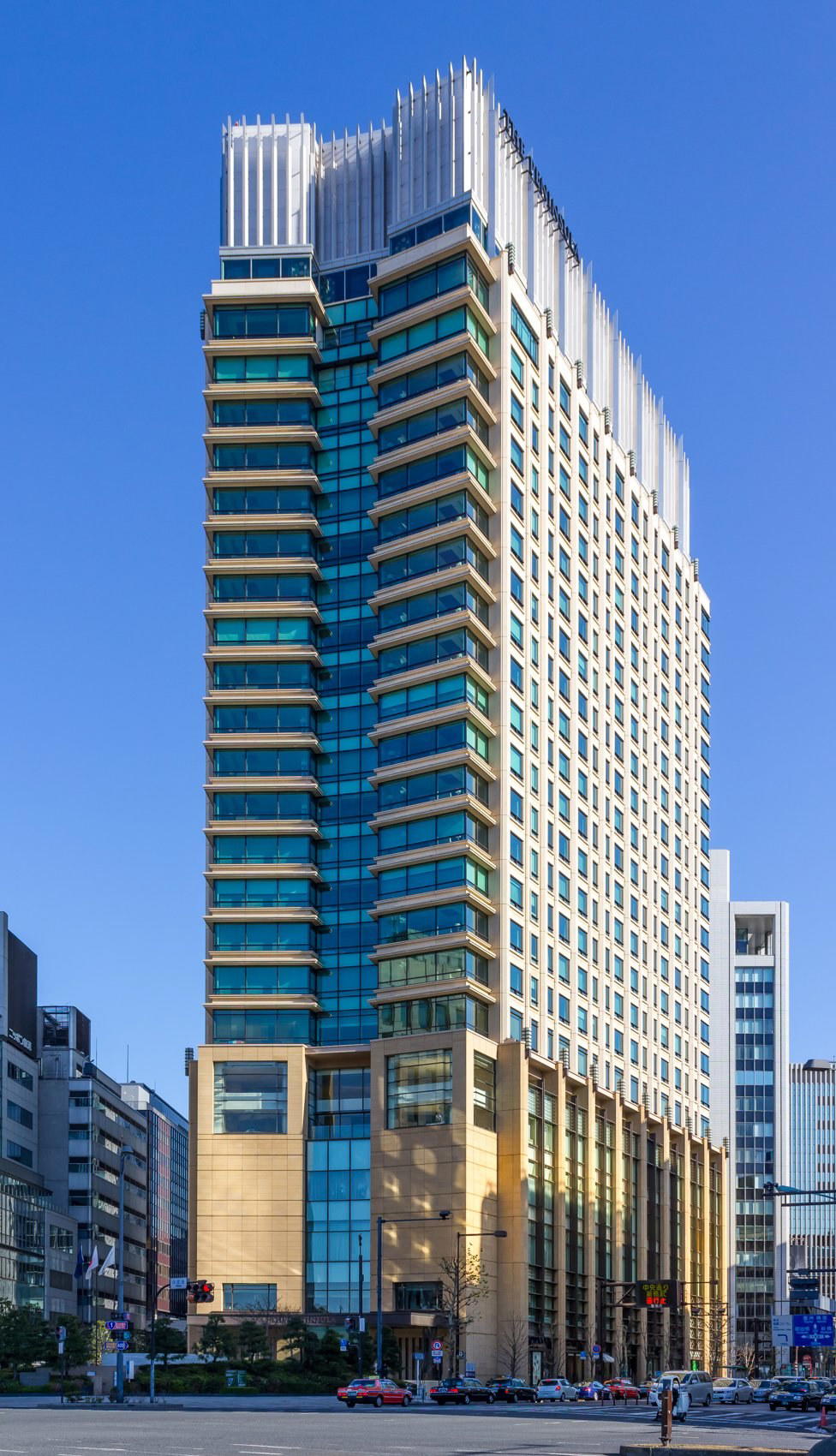
アピシウス is located at 1 Chome-9-4 Yurakucho, Chiyoda City, Tokyo, basement level, which is consistent with the district's older restaurant architecture where below-street dining rooms create a separation from the street-level noise of central Tokyo. Yurakucho Station provides direct access. Reservations are strongly advisable for any serious French restaurant operating at this level in Tokyo; walk-in availability at dinner is not something to rely on. For visitors exploring the broader range of Tokyo fine dining, the EP Club Tokyo restaurants guide maps out the full spectrum across price tiers and cuisine categories.
The business-district setting means the restaurant's primary dinner service is weighted toward corporate entertaining and established clientele, which has implications for atmosphere. Expect a room calibrated for conversation and discretion rather than the theatrical open-kitchen energy of Tokyo's more exhibition-oriented venues. Evening dress norms align with the Yurakucho business professional context: smart dress is consistent with the room; sharp casual is likely acceptable, though the room will skew formal.
For those building a wider itinerary across Japan, the French tradition extends meaningfully into Kyoto at Gion Sasaki and into Fukuoka at Goh, each operating in a different regional register. Further regional reference points include 一本杉川嶋 in Nanao, 函館山乃 in Sapporo, 湖畔荘 in Takashima, 虹鱒屋 in Nishikawa Machi, Birdland in Sakai, and Bistro Ange in Toyohashi, the latter two illustrating the reach of serious French-adjacent dining outside the major urban centres. For transatlantic comparison, Le Bernardin in New York City occupies a similar position as a multi-decade classical house that earns loyalty through consistency rather than reinvention, while Atomix in New York represents the Korean-French innovation pole that contrasts with both.
The Essentials
Comparable venues nearby, for context on price, style, and recognition.
| Venue | Cuisine | Price | Notes |
|---|---|---|---|
| アピシウスThis venue — the venue you are viewing | Chiyoda, Classic French Fine Dining | $$$$ | Not listed |
| レストラン トヨ トーキョー | Not listed | $$$$ | Chiyoda, Japanese-French Fusion Counter Dining |
| シグネチャー | Chūō, Modern French Fine Dining | $$$$ | Not listed |
| ナオト ケイ | Chiyoda, Modern French Omakase | $$$$ | Not listed |
| French Kitchen | Minato, Classic French Bistro | $$$$ | Not listed |
| Hiromichi | Not listed | $$$$ | Shibuya, Michelin-Starred French Fine Dining |




At a Glance
- Elegant
- Classic
- Sophisticated
- Intimate
- Business Dinner
- Special Occasion
- Date Night
- Historic Building
- Sake Program
Current opening hours
- Monday
- 11:30 AM–3 PM, 5:30–11 PM
- Tuesday
- 11:30 AM–3 PM, 5:30–11 PM
- Wednesday
- 11:30 AM–3 PM, 5:30–11 PM
- Thursday
- 11:30 AM–3 PM, 5:30–11 PM
- Friday
- 11:30 AM–3 PM, 5:30–11 PM
- Saturday
- 11:30 AM–3 PM, 5:30–11 PM
- Sunday
- Closed
Hours can change for holidays and private events. Last verified .
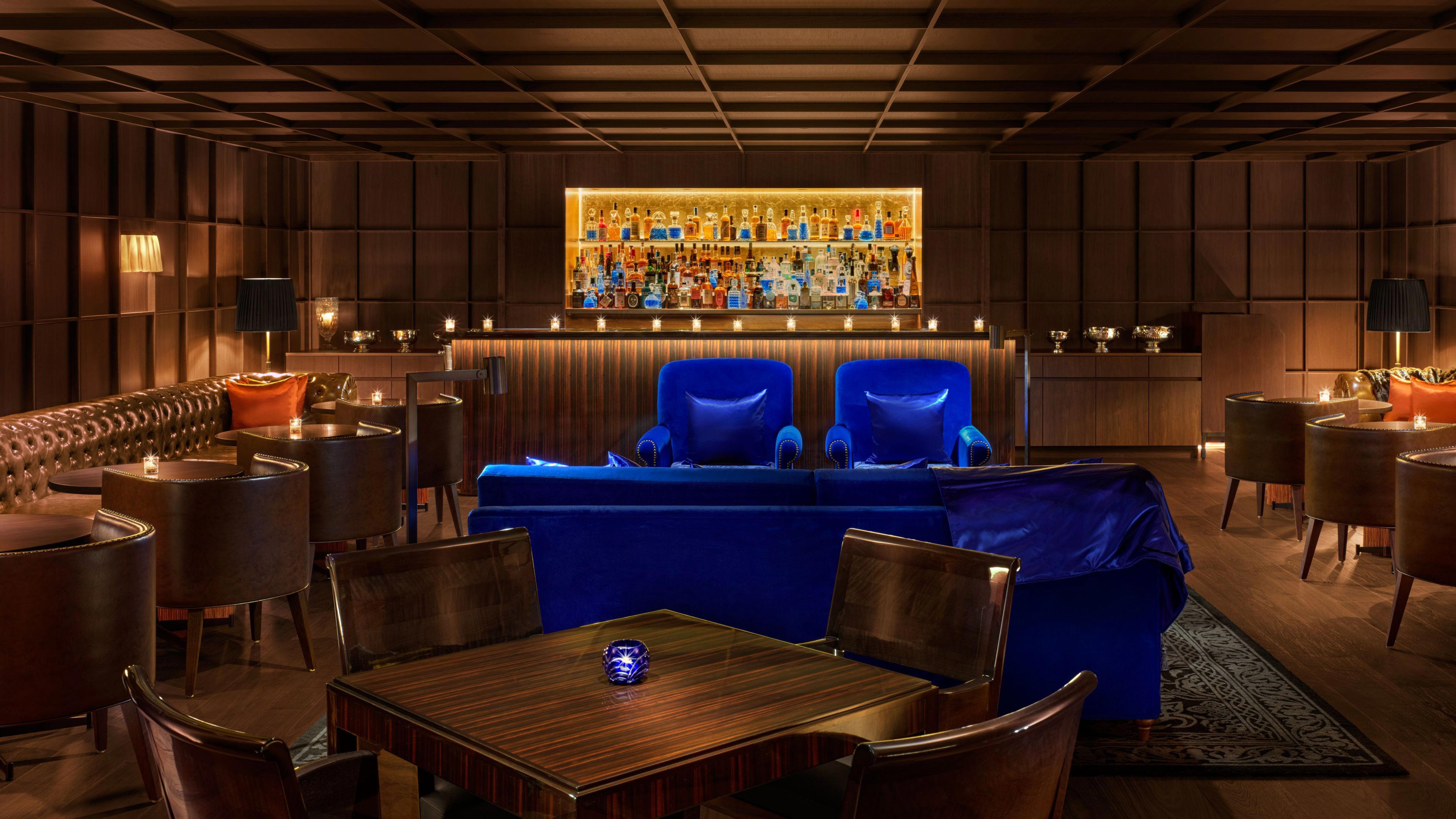
Heavy, ornate Art Nouveau decor creating a timeless, elegant atmosphere.