
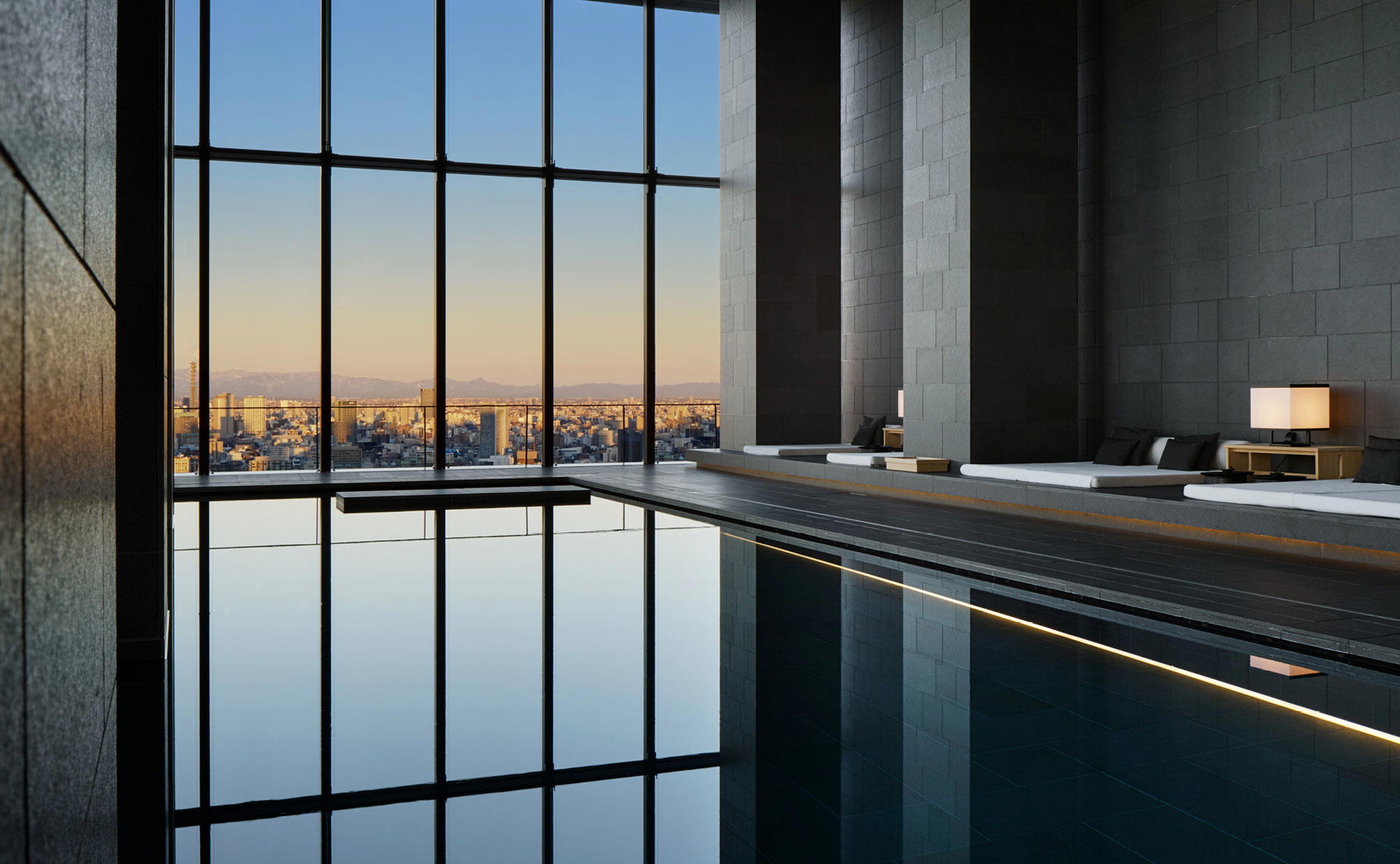
On the 35th floor of Marunouchi's Maru Building, Sens & Saveurs occupies a perch that few Tokyo restaurants can match for sheer vertical drama. Chef Takeshi Kamoda works a French-Japanese register shaped in part by the Pourcel brothers' influence, and the restaurant has attracted a largely international following. We're Smart® has noted the kitchen's plant-forward capacity while flagging that the concept could benefit from sharper culinary direction.
Pearl is the En Primeur Club membership app — saves, bookings, and concierge access live there. Same editors, same standards.
- Address
- Japan, 〒100-0005 Tokyo, Chiyoda City, Marunouchi, 2 Chome−4−1 丸ビル 35F
- Phone
- +81 3-5220-2701
- Website
- hiramatsurestaurant.jp
- Directions
- Get directions
 Saves & bookings on Pearl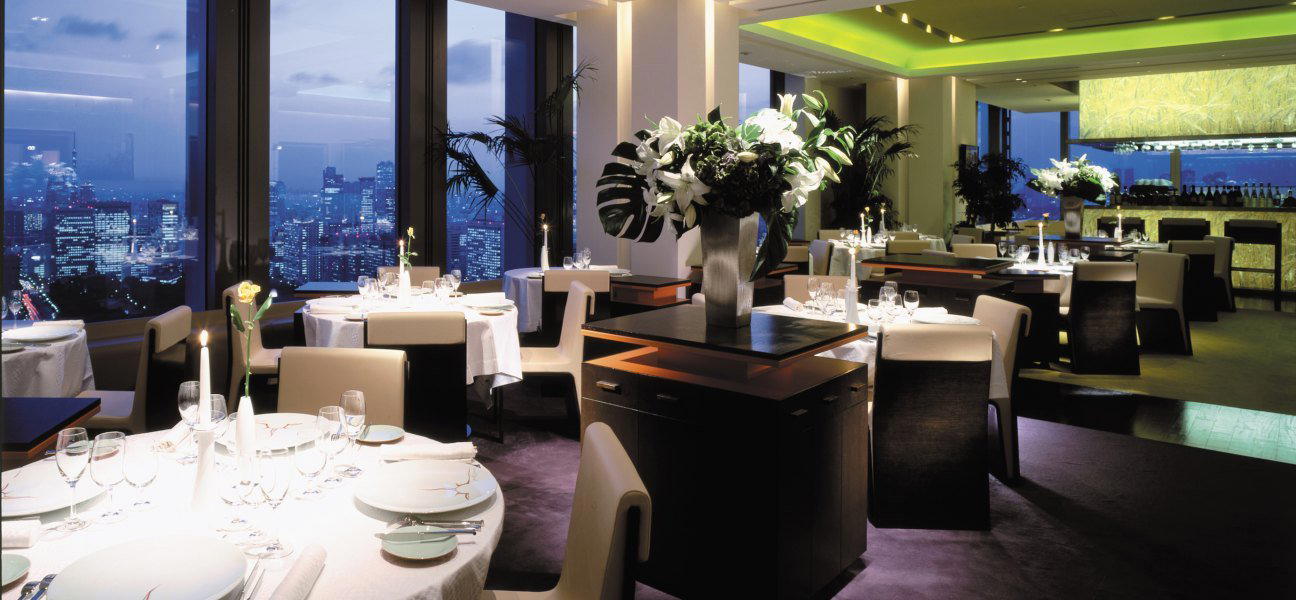
French Dining at Altitude: Marunouchi's High-Floor Register
Sens & Saveurs is a modern French fine dining restaurant in Tokyo. Sens & Saveurs, on the 35th floor of the Maru Building in Chiyoda's Marunouchi district, sits in that last group, a category where the view does measurable work alongside the kitchen.
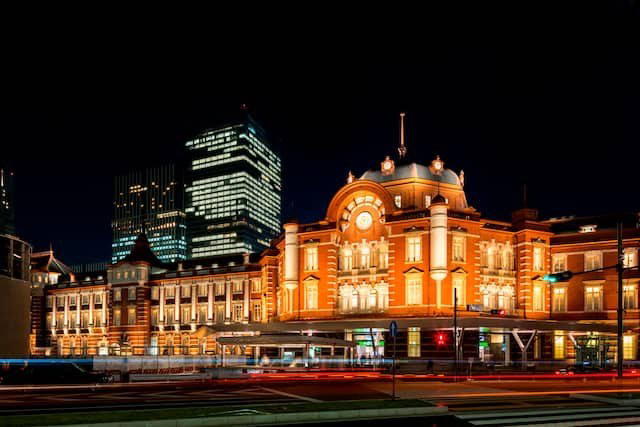
Marunouchi itself frames the experience before you reach the elevator. The district runs along the western face of Tokyo Station and has consolidated over the past two decades into one of the city's most polished commercial corridors, housing corporate headquarters, gallery spaces, and a concentration of premium dining that draws both domestic expense-account diners and international visitors staying in the adjacent hotel belt. Arriving at the Maru Building and ascending to the 35th floor, the approach is less about intimate neighbourhood discovery and more about controlled urban spectacle, a deliberate elevation above the city grid that positions the meal as an event distinct from the street-level dining scene.
The Pourcel Influence and What Remains of It
French cuisine in Tokyo has absorbed many outside influences over the decades, from the classical brigade training that shaped the first generation of Japan-based French chefs to the more recent wave of naturalistic, produce-led cooking that houses like L'Effervescence and Sézanne have brought to international attention. Sens & Saveurs occupies a different position in this map. The restaurant carries the creative legacy of Jacques and Laurent Pourcel, the twin chefs from Montpellier whose Mediterranean-inflected French cooking made Maison Bras-adjacent waves in the 1990s. That lineage gives the kitchen a recognisable grammar: refined technique, regional southern French reference points, a certain visual elegance on the plate.
Chef Takeshi Kamoda works within and alongside that inheritance, adding Japanese accents that reflect the dual cultural register many Tokyo French kitchens now adopt as a matter of course. The question industry observers have started asking is whether that dual register still carries enough creative charge, or whether it has settled into a format that reads as familiar rather than alive. We're Smart®, the vegetable-focused restaurant guide that audits plant-based and vegan programming across global restaurants, has specifically noted the vegan menu at Sens & Saveurs as technically sound but compositionally recognisable, a set of dishes that demonstrate craft without pushing against the edges of what the cuisine can do.
Plant-Forward Programming in a Meat-Dominant Category
The existence of a dedicated vegan menu at Sens & Saveurs is itself worth noting as a positioning signal. Within Tokyo's French fine-dining tier, fully realised plant-based menus remain the exception rather than the rule. Venues like Crony, which operates in the innovative French register, and RyuGin in the kaiseki tradition approach vegetable cooking through entirely different frameworks, but the sheer presence of a structured vegan option at Sens & Saveurs puts it in a small cohort of Tokyo restaurants that have made that accommodation a formal part of the offer rather than a kitchen-side improvisation.
The broader pattern in French fine dining globally has been a gradual expansion of plant-centred programming, driven partly by changing guest expectations and partly by a generation of chefs who trained under cooks for whom vegetables were the primary creative medium rather than supporting cast. Whether Sens & Saveurs develops that vegan strand into something that carries genuine distinction, rather than simply adequacy, is the open editorial question the We're Smart® assessment implicitly raises. For the international guests who make up a significant portion of the restaurant's clientele, a reliable vegan menu is often a baseline requirement rather than a differentiating draw. Meeting the baseline is necessary; exceeding it is what sustains reputation.
Positioning Within Tokyo's Wider French Scene
Seen against Tokyo's full French dining map, Sens & Saveurs occupies a specific and somewhat unusual niche. The city's most critically discussed French addresses tend to be smaller in scale and more explicitly chef-driven in authorial terms. L'Effervescence in Nishi-Azabu has built an international profile on ingredient rigour and a clear point of view about what French cooking in Japan should be doing. Sézanne in the Four Seasons at Marunouchi, just a short distance from the Maru Building, has attracted sustained critical attention for its modern French execution. Against those reference points, Sens & Saveurs reads as a restaurant where setting and culinary heritage do structural work that the current menu is not fully matching on its own terms.
That is not a dismissal. A 35th-floor table in Marunouchi, with a kitchen capable of producing technically accomplished French-Japanese food and a format that includes a considered vegan option, represents a particular kind of dining value that exists outside the pure-criticism framework. For travellers to Tokyo whose primary lens is not the restaurant criticism circuit, Sens & Saveurs offers a reliable high-altitude French meal in one of the city's most accessible premium districts. The Maru Building sits directly adjacent to Tokyo Station, which means arrival from virtually any point in Japan is direct. For international visitors combining the meal with broader city exploration, the location alone reduces friction significantly.
For those building a fuller picture of French and European fine dining across Japan, it is worth noting that the conversation extends well beyond Tokyo. HAJIME in Osaka holds its own strong critical standing, akordu in Nara operates in a European register with notable regional specificity, and Bleston Court Yukawatan in Nagano brings a different altitude and seasonal vocabulary to the same broad category. Globally, the comparison set for high-altitude, heritage-backed French dining includes places like Le Bernardin in New York City, where reputation management over decades is itself an editorial subject.
Planning Your Visit
Sens & Saveurs is located on the 35th floor of the Maru Building at 2-4-1 Marunouchi, Chiyoda City, Tokyo, directly above Tokyo Station. The proximity to one of Japan's principal rail hubs means the restaurant is accessible from across the city and the Shinkansen network without meaningful logistical difficulty. Given the international composition of its clientele, the restaurant is generally accustomed to non-Japanese-speaking guests, though confirming dietary requirements, including vegan menu availability, in advance via the restaurant's reservation channel is advisable.
Fast Comparison
Comparable venues nearby, for context on price, style, and recognition.
| Venue | Cuisine | Price | Notes |
|---|---|---|---|
| Sens & SaveursThis venue — the venue you are viewing | Modern French Fine Dining | $$$$ | Not listed |
| 塞尚 | Modern French Fine Dining | $$$$ | Marunouchi |
| SOMBREUIL TOKYO | Classic French fine dining in a Tokyo mansion | $$$$ | Chiyoda |
| ラ・ブーシェリー・デュ・ブッパ | French Wild Game Brasserie | $$$$ | Meguro |
| ル・ジャルダン・デ・サヴール | Classic French Fine Dining | $$$$ | Chūō |
| French Kitchen | Classic French Bistro | $$$$ | Minato |
Recognition history
Dated appearances from independent guides and award organizations, with the underlying list record or original source where available.
We're Smart World 3 Radishes
We're Smart World







At a Glance
- Elegant
- Sophisticated
- Scenic
- Date Night
- Business Dinner
- Celebration
- Special Occasion
- Open Kitchen
- Private Dining
- Panoramic View
- Extensive Wine List
- Sake Program
- Local Sourcing
- Skyline
- Garden
Current opening hours
- Monday
- 11 AM–3:30 PM, 6–10:30 PM
- Tuesday
- 11 AM–3:30 PM, 6–10:30 PM
- Wednesday
- 11 AM–3:30 PM, 6–10:30 PM
- Thursday
- 11 AM–3:30 PM, 6–10:30 PM
- Friday
- 11 AM–3:30 PM, 6–10:30 PM
- Saturday
- 11 AM–3:30 PM, 5:30–10:30 PM
- Sunday
- 11 AM–3:30 PM, 5:30–10 PM
Hours can change for holidays and private events. Last verified .
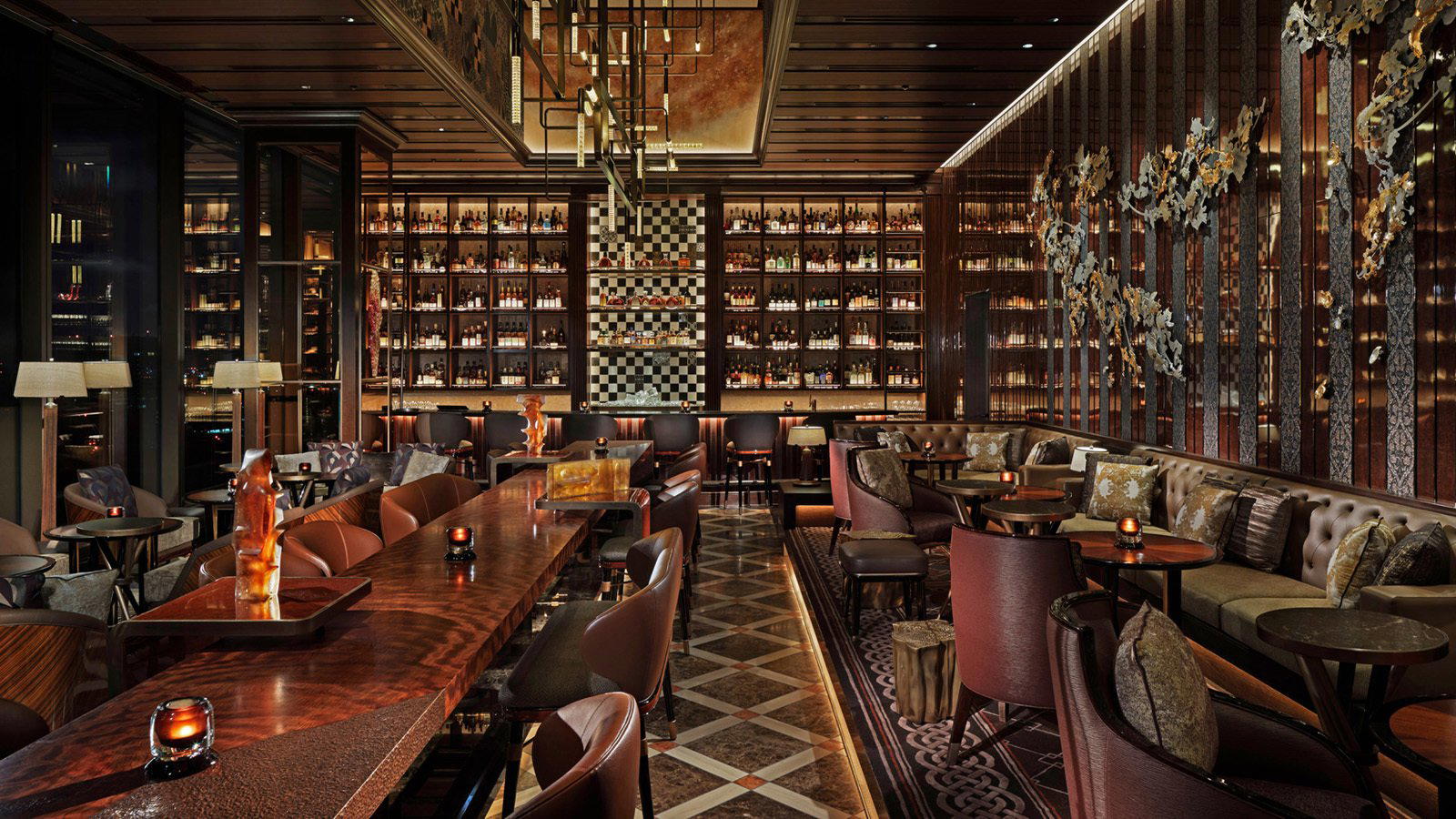
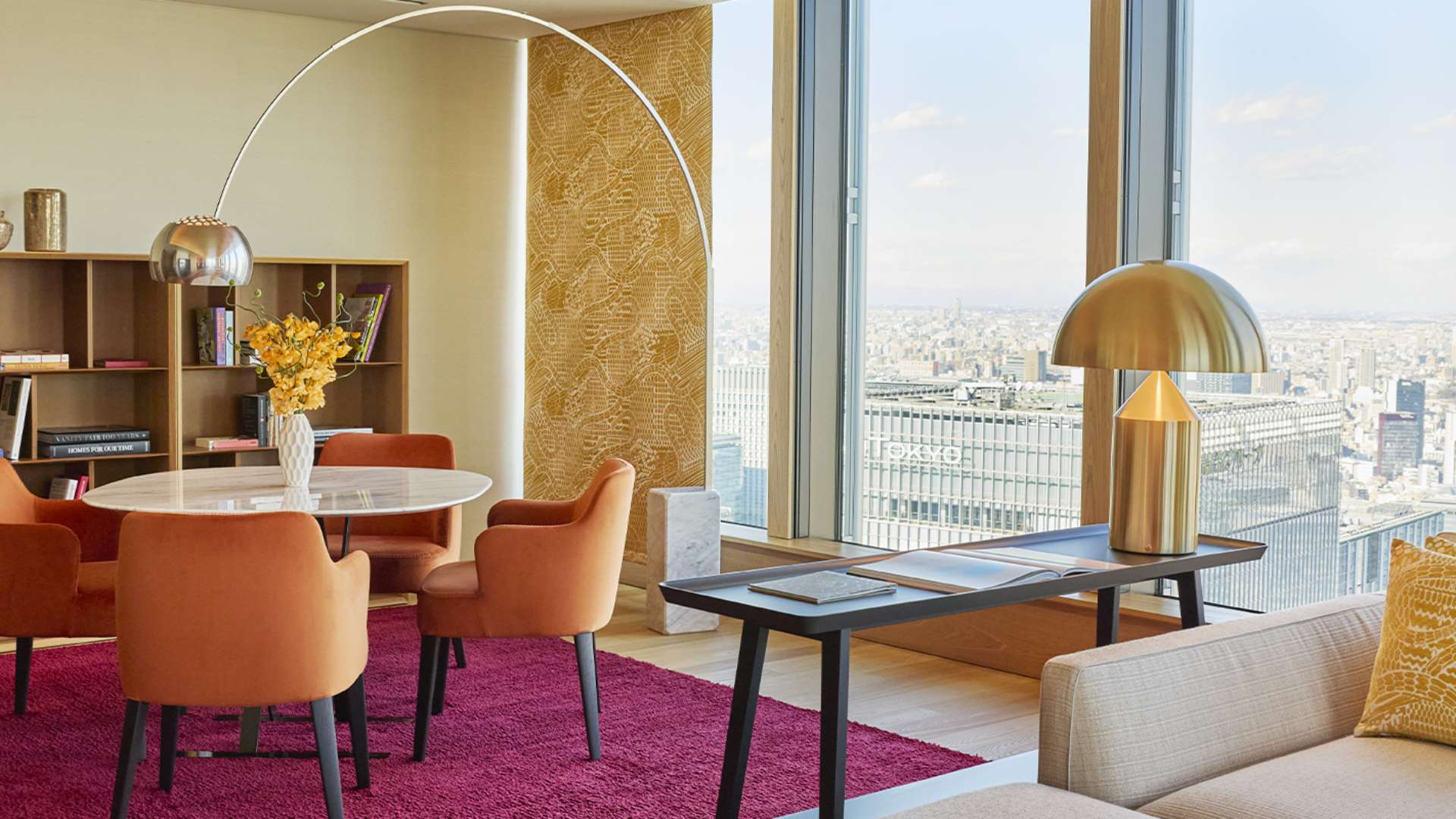
Chic contemporary interiors with bold traditional colors like purple and yellow, offering an aristocratic feel and enchanting city night views.