Located in Nakagyo Ward at the edge of Nishijin, 湯浅龍島 sits in a part of Kyoto where the dining scene is defined by restraint and residential quiet rather than tourist footfall. The address alone signals a certain kind of seriousness. Visitors planning ahead should treat this as a destination that rewards research, patience, and a willingness to engage with Kyoto dining on its own terms.
Pearl is the En Primeur Club membership app — saves, bookings, and concierge access live there. Same editors, same standards.
- Address
- 31-6 Nishinokyo Enmachi, Nakagyo Ward, Kyoto, 604-8463, Japan
- Phone
- +815017221340
- Website
- jpneazy.com
- Directions
- Get directions
 Saves & bookings on Pearl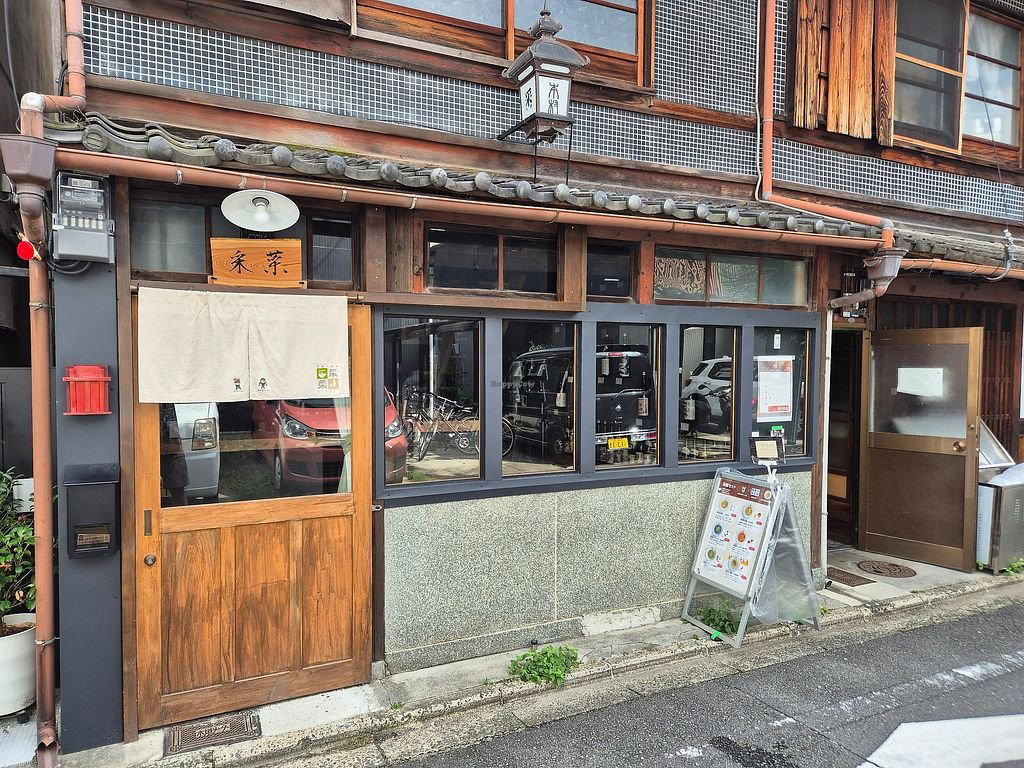
Approaching a Kyoto Address That Doesn't Announce Itself
Kyoto's most considered dining tends not to concentrate in the obvious corridors. Gion and Higashiyama carry the weight of expectation — the lacquered facades, the lantern-lit alleys, the surnames on stone plaques. But a parallel tier of serious restaurants has long operated in the quieter wards to the west, in neighbourhoods like Nishijin and Nakagyo, where the city's daily life continues largely undisturbed by the tourist economy. It is in this context that an address like 31-6 Nishinokyo Enmachi, Nakagyo Ward reads not as a disadvantage but as a statement of intent. Restaurants that choose this kind of location are, almost by definition, speaking to a specific audience: people who already know what they are looking for and have done the work to find it.
湯浅龍島 occupies that category. The address in Nakagyo Ward places it away from the concentrated fine-dining clusters of Gion and Kiyamachi, and closer to the rhythm of a working residential Kyoto. What that means practically is that first-time visitors should plan their approach carefully. The area is served by the Karasuma subway line and several bus routes, but neither drops you at the door. Allow time to orient on foot, particularly in the evening when the narrow residential streets offer fewer visual landmarks than the tourist-dense east side of the city.
The Booking Logic in a City That Rewards Patience
Kyoto operates on a booking logic that differs from Tokyo's in one important respect: the city's leading tables are often less visible on international reservation platforms, which means the research burden falls more heavily on the visitor. In Tokyo, a determined traveller with a good concierge and a few weeks of lead time can usually access most of the city's serious restaurants. Kyoto's more opaque booking culture — particularly at smaller, less internationally marketed addresses, often requires either local contacts, a well-connected hotel concierge, or a willingness to engage directly with the venue in Japanese.
湯浅龍島 reflects that pattern. With no listed website or phone number in widely available English-language databases, the most reliable path for international visitors runs through a hotel concierge at one of Kyoto's established properties, or through a Japan-specialist travel agency with genuine local relationships. This is not unusual for Kyoto at this level. Comparable addresses such as Mizai and Kikunoi Honten both benefit from established international profiles that smooth the booking process for overseas guests; a less-publicised address demands more groundwork but often delivers a correspondingly more local, less mediated experience as a result.
The editorial implication here is worth stating plainly: if you are planning a Kyoto trip around a specific date and have limited flexibility, this is not the address to leave until the week before departure. Build it into your planning from the outset, treat the booking process as part of the experience, and use whatever local contacts or specialist resources you have access to.
What the Nakagyo Ward Location Signals About the Scene
Kyoto's dining geography has always been more layered than its reputation as a kaiseki capital suggests. The tradition of kappo, the intimate, counter-led format where the cook works directly in view of the guest, runs through the city's food culture with as much historical depth as the formal kaiseki sequence. So does a quieter lineage of neighbourhood restaurants that operate outside the award-chasing tier entirely, serving a local clientele across decades without seeking the validation of international guides.
The Nakagyo Ward, which stretches west from the Kamo River toward the old Nishijin weaving district, has historically been part of this latter category. It is a part of the city where cooking is embedded in daily life rather than staged for visiting critics. That context matters when thinking about what to expect at an address like 湯浅龍島: the surrounding neighbourhood suggests a register that is serious but not performative, rooted in place rather than oriented toward external recognition.
For comparison within the city's recognised fine-dining tier, Gion Sasaki and Hyotei both carry documented award histories and occupy the well-mapped end of Kyoto's restaurant landscape. Isshisoden Nakamura represents a different kind of longevity, built over generations rather than critical cycles. 湯浅龍島 sits at a different coordinate on that map: less documented, less immediately accessible to the international visitor, but for that reason potentially more revealing of a Kyoto dining culture that rarely makes it into English-language coverage.
The Broader Kansai Context
Kyoto does not exist in isolation as a dining destination. The Kansai region offers a set of peer experiences that serious visitors often build into a single trip: HAJIME in Osaka occupies the highest tier of avant-garde Japanese fine dining in the region, while akordu in Nara represents one of the more unusual European-Japanese cross-cultural experiments in the country. Within Kyoto itself, the range runs from the long-established kaiseki houses to newer addresses working in less codified formats.
Internationally, for visitors calibrating expectations against other high-effort, high-reward reservation experiences, the comparison set extends to addresses like Harutaka in Tokyo, a counter-format restaurant with its own booking opacity, and further afield to Le Bernardin in New York City or Lazy Bear in San Francisco, both of which involve a degree of advance planning that reframes the reservation itself as part of the experience. Goh in Fukuoka offers another regional reference point for visitors extending their itinerary south through Kyushu.
Planning Your Visit
Practically, Nakagyo Ward is most efficiently reached by subway from central Kyoto, with Nishioji-Oike and Nijo stations providing reasonable walking proximity to the Nishinokyo Enmachi area. Daytime orientation of the neighbourhood before an evening reservation is worth doing; the streets in this part of Nakagyo are quiet and residential, and arriving unfamiliar with the geography at night adds unnecessary friction. For visitors combining this with other Kyoto addresses, consult our full Kyoto restaurants guide for a mapped view of how the city's dining concentrations relate to each other geographically.
Japan's broader restaurant culture rewards visitors who approach the country's booking conventions with patience rather than pressure. Addresses across the country, from Abon in Ashiya to aki nagao in Sapporo to affetto akita in Akita, share the characteristic that the effort of access is proportionate to the depth of the experience. Aji Arai in Oita, Ajidocoro in Yubari District, and Akakichi in Imabari each represent that same pattern, serious cooking in places that require the visitor to meet the restaurant on its own terms, rather than the reverse.
Comparable Spots, Quickly
| Venue | Cuisine | Price | Awards |
|---|---|---|---|
| æ¹å¯¸é·å³¶This venue — the venue you are viewing | This venue | Not listed | Not listed |
| Gion Sasaki | Kaiseki, Japanese | ¥¥¥¥ | Michelin 3 Star |
| cenci | Italian | ¥¥¥ | Michelin 1 Star |
| Ifuki | Kaiseki | ¥¥¥¥ | Michelin 2 Star |
| Kyokaiseki Kichisen | Japanese | ¥¥¥¥ | Michelin 2 Star |
| Kyo Seika | Chinese | ¥¥¥ | Michelin 1 Star |
Continue exploring
More in Kyoto
Restaurants in Kyoto
Browse all →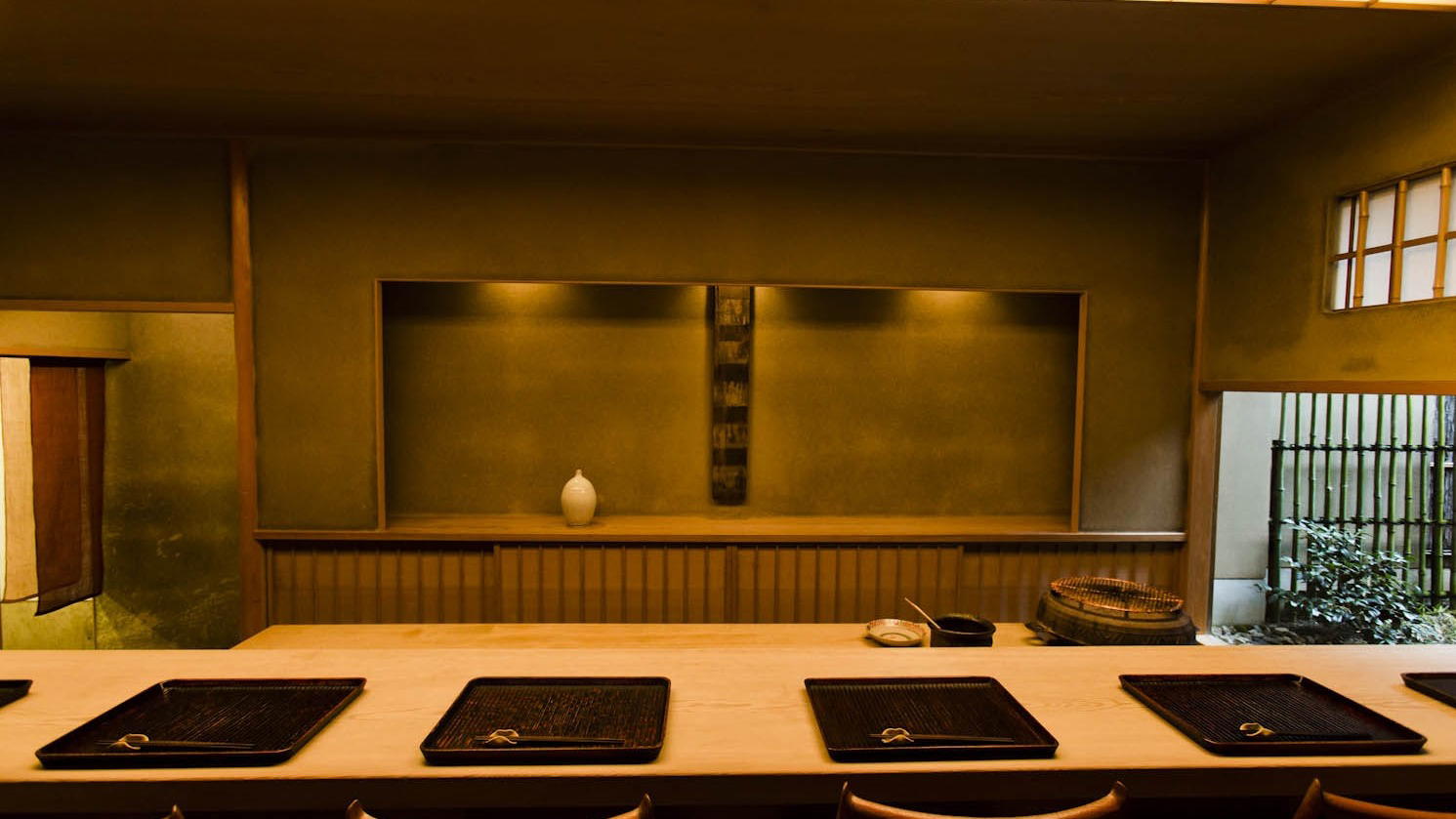
Bars in Kyoto
Browse all →
Hotels in Kyoto
Browse all →
Wineries in Kyoto
Browse all →
At a Glance
Know Before You Go
- Getting there
- 31-6 Nishinokyo Enmachi, Nakagyo Ward, Kyoto, 604-8463, Japan