In Kyoto's Nakagyō-ku district, とんかつ山本 represents a dining category that sits apart from the city's kaiseki and omakase circuit: the specialist tonkatsu house, where the subject is a single cut of pork, prepared with the same seriousness applied to multi-course Japanese cuisine. For occasions that call for something grounded rather than ceremonial, this address in the 604-0914 postal district earns its place on the shortlist.
Pearl is the En Primeur Club membership app — saves, bookings, and concierge access live there. Same editors, same standards.
- Address
- 中京区橘柳町151, 京都市, 京都府, 604-0914
 Saves & bookings on Pearl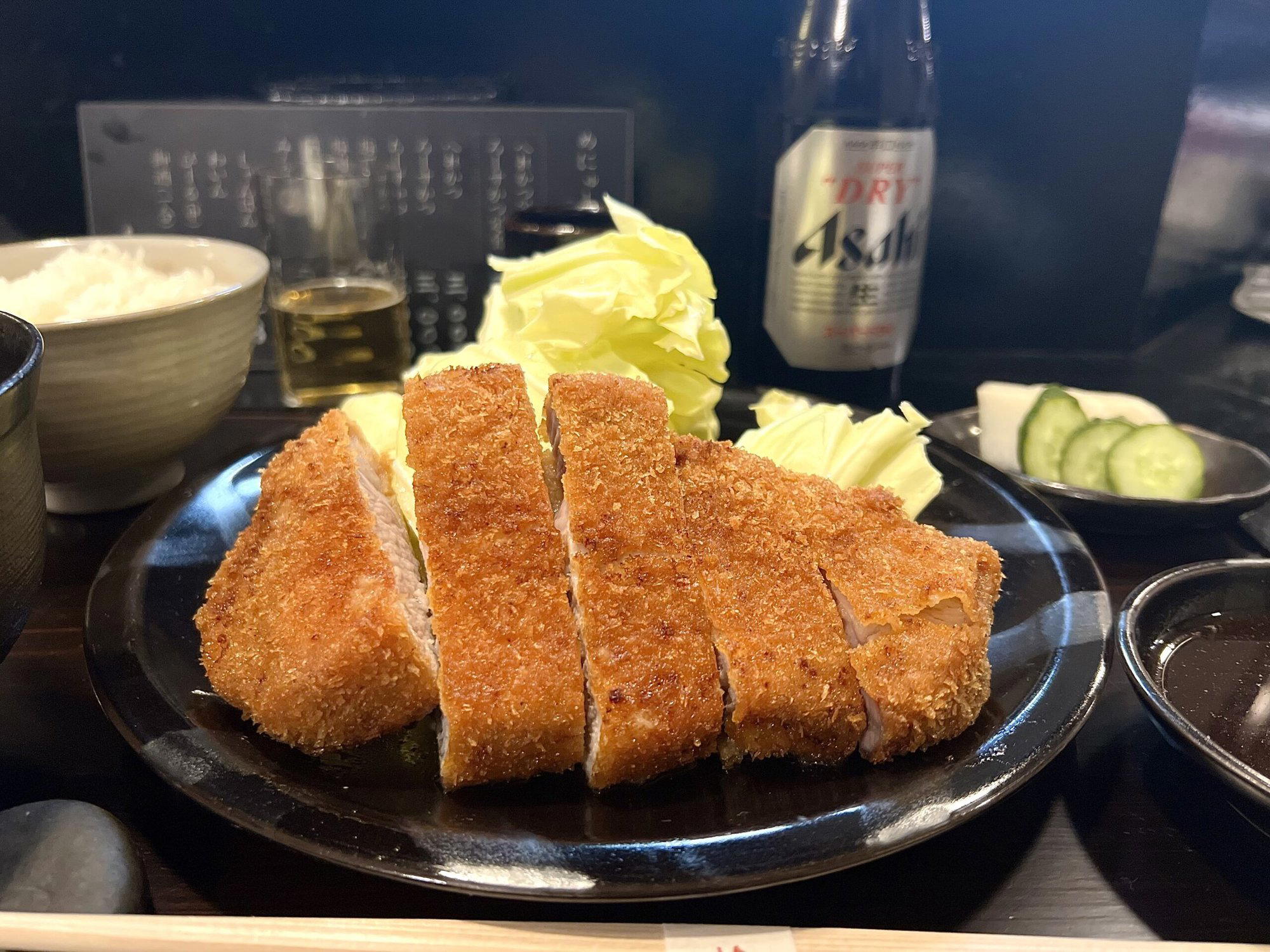
Where Kyoto's Occasion Dining Gets Grounded
Kyoto's reputation for celebratory dining runs almost entirely through kaiseki. The formal progression of seasonal courses at places like Gion Sasaki, the centuries-deep tradition of Hyotei, the architectural precision of Kikunoi Honten, these are the formats visitors reach for when a meal needs to mark something. But Kyoto's dining character is not monolithic, and the city has always supported a parallel tier of specialist houses where a single technique, applied with total commitment, carries the same weight as a twelve-course progression.
とんかつ山本, at 中京区橘柳町151 in Nakagyō-ku, operates in that second register. The address places it in central Kyoto, away from the temple-circuit dining clusters that attract the kaiseki tourist trade, and the format, tonkatsu, the Japanese tradition of breaded and fried pork cutlet, is about as far from lacquered serving ware and dashi foam as the city offers. That contrast is part of what makes it worth discussing in an occasion context: sometimes the right meal for a milestone is the one that commits completely to one thing rather than assembling a spectacle around it.
The Tonkatsu Tradition in a Kaiseki City
Tonkatsu as a category sits in an interesting structural position in Japan's dining hierarchy. It emerged in the Meiji period as part of the Western-influence wave that brought bread and frying techniques into the Japanese kitchen, and over the subsequent century it developed its own specialist culture: houses dedicated entirely to sourcing specific breeds of pork, controlling oil temperature to fractions of a degree, and managing the panko crust so that it achieves crunch without the interior losing moisture. In Tokyo, that specialist culture has produced a recognisable upper tier of tonkatsu houses that price and position against high-end washoku rather than casual fry shops.
Kyoto's relationship with that tradition is more complicated. The city's culinary identity leans hard toward kyo-ryori, the refined, vegetable-forward cooking tied to Buddhist and imperial court traditions, and the kaiseki format that formalised that sensibility. Specialist meat houses exist, but they occupy a less visible position in the city's dining conversation than they would in Osaka or Tokyo. That relative scarcity means a committed tonkatsu specialist in Kyoto carries a different weight than the same format in a city where the category is more crowded. It operates as a counterpoint, not just a restaurant type.
For comparison, Kyoto's benchmark celebratory addresses, Gion Sasaki, Mizai, and Isshisoden Nakamura, sit firmly in the ¥¥¥¥ tier, requiring advance booking, formal dress awareness, and a willingness to spend a significant part of an evening in structured sequence. The tonkatsu specialist operates differently: the format is faster, less ceremonial, and structured around the logic of the cut rather than a progression of seasonal courses. Whether that registers as a more casual choice depends entirely on what the occasion calls for.
What the Format Delivers
The logic of a serious tonkatsu house is easier to understand in comparison to its casual counterparts than in the abstract. The version served at chain and mid-tier restaurants uses commodity pork, a generic breadcrumb, and frying oil that sees hundreds of pieces pass through it without careful monitoring. The specialist version starts differently: breed selection, often Kurobuta (Berkshire) or specific Japanese regional pork, is the primary variable, and everything else in the production chain is calibrated to honour that raw material rather than process it into something generic.
In practice, this means the crust on a well-executed specialist tonkatsu is lighter and drier than most diners expect, because the oil temperature is managed to expel moisture quickly rather than trap steam. The meat itself retains a slight pink centre when the pork quality and sourcing supports it, a shift in acceptable doneness that tracks closely with the same movement in steak culture once provenance became verifiable. The accompanying condiments, typically a tonkatsu sauce, mustard, and shredded cabbage, are not afterthoughts. At specialist houses, the sauce is often house-made and adjusted for the specific pork being served.
Across Japan, this format has produced some deeply committed practitioners. Birdland in Sakai represents the yakitori equivalent of that specialist intensity applied to poultry; the comparison helps locate where serious tonkatsu sits in the broader taxonomy of Japanese single-subject dining. Elsewhere in the Kansai region, HAJIME in Osaka demonstrates how far a Japanese chef can push a single-minded technical approach when the discipline is applied with total commitment, a useful reference point for understanding what seriousness looks like in this context, even across different cuisine types.
Nakagyō-ku as a Dining District
The Nakagyō-ku address places とんかつ山本 in one of Kyoto's more commercially layered wards, a stretch of the city that runs between the old imperial grounds to the north and the Gion and Higashiyama temple districts to the east. It is not a neighbourhood defined by destination dining in the way that Gion or Pontocho are, which means it draws a more local clientele mix than the tourist-facing kaiseki corridors. That neighbourhood character is relevant when considering it for an occasion meal: the room will likely feel less staged than the formal kaiseki format, and the dining logic is faster and more personal.
For visitors building a broader Japan itinerary, the Kyoto specialist dining scene connects naturally to comparable houses in other cities. Harutaka in Tokyo operates in the high-commitment specialist register for sushi; akordu in Nara represents the local-produce-driven European approach in a nearby historic city; and Goh in Fukuoka maps the kaiseki-influenced creative format further southwest. Each represents a different answer to the same question: what does serious, committed cooking look like when it prioritises depth over breadth.
Further afield in the EP Club network, the same discipline-over-spectacle philosophy appears in houses as different as Le Bernardin in New York City, where the subject is fish and the commitment to the single category is total, and Atomix, which applies Korean culinary rigour to a tasting format that competes in the same tier as Kyoto's kaiseki leaders. The cross-reference is useful not because these are similar restaurants, but because they share the same operating logic: one subject, treated with the depth that subject deserves.
Know Before You Go
Address: 中京区橘柳町151, 京都市, 京都府, 604-0914
District: Nakagyō-ku, central Kyoto
Cuisine: Tonkatsu specialist
Price range: about $25 per person
Booking: Recommended
A Minimal comparable set
Comparable venues nearby, for context on price, style, and recognition.
| Venue | Cuisine | Price | Notes |
|---|---|---|---|
| とんかつ山本This venue — the venue you are viewing | Nakagyo-ku, Traditional Tonkatsu | $$ | Not listed |
| 八起庵 | Shimogyo-ku, Kyoto Bird Cuisine | $$ | Not listed |
| Marukyu Koyamaen Nishinotouin ten | Not listed | $$ | Nakagyō, Traditional Japanese tea house & sweets cafe |
| Yoshokudo Noro | Not listed | $$ | Nakagyō, Japanese Yoshoku (Western-Style Cuisine) |
| 京天神 野口 | Kamigyō, Traditional Kaiseki | Not listed | Not listed |
| Teppan Tavern Tenamonya | Not listed | $$ | Higashiyama, Teppanyaki with A5 Wagyu |



At a Glance
- Classic
- Cozy
- Solo
- Casual Hangout
- Sake Program
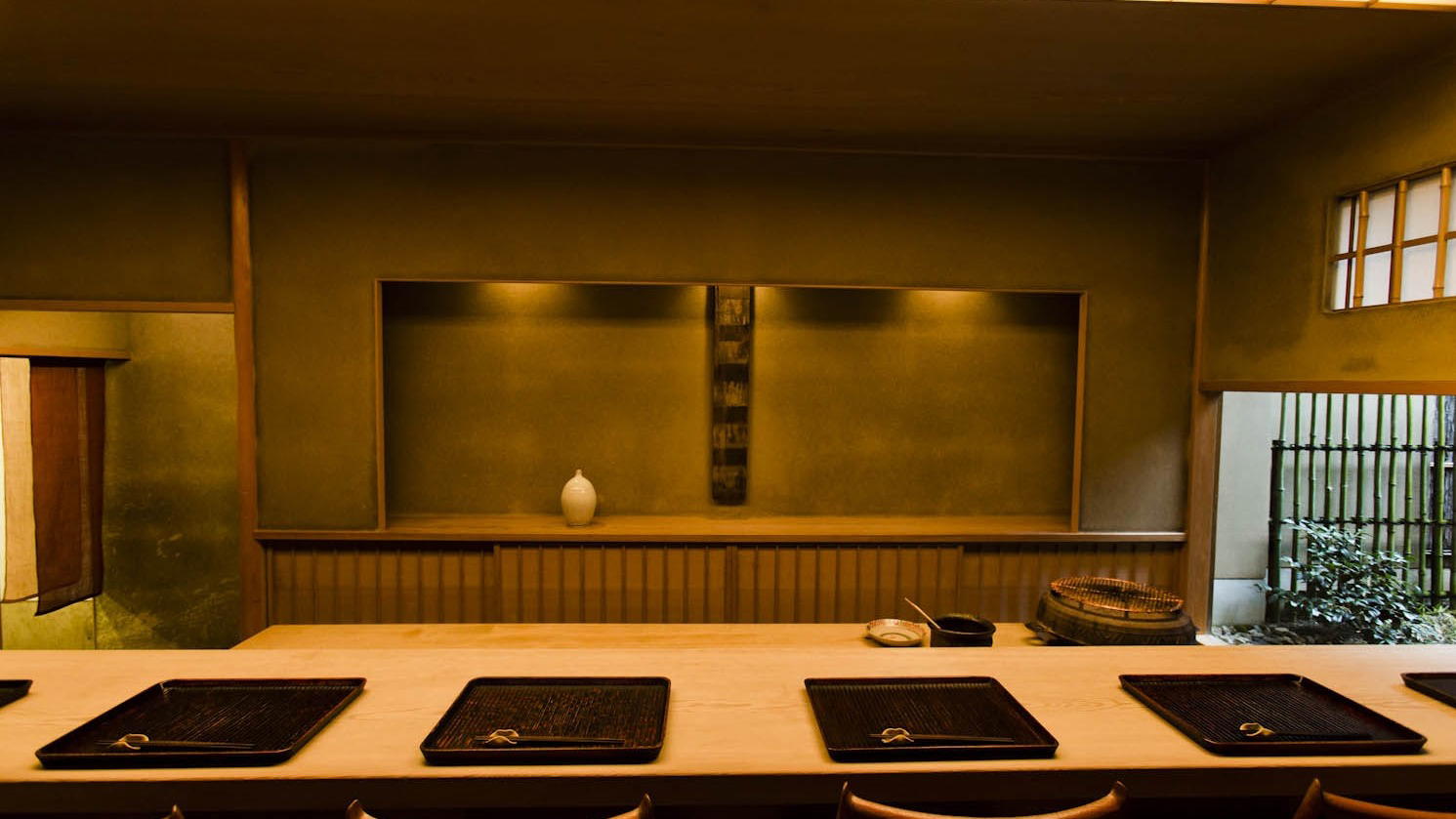
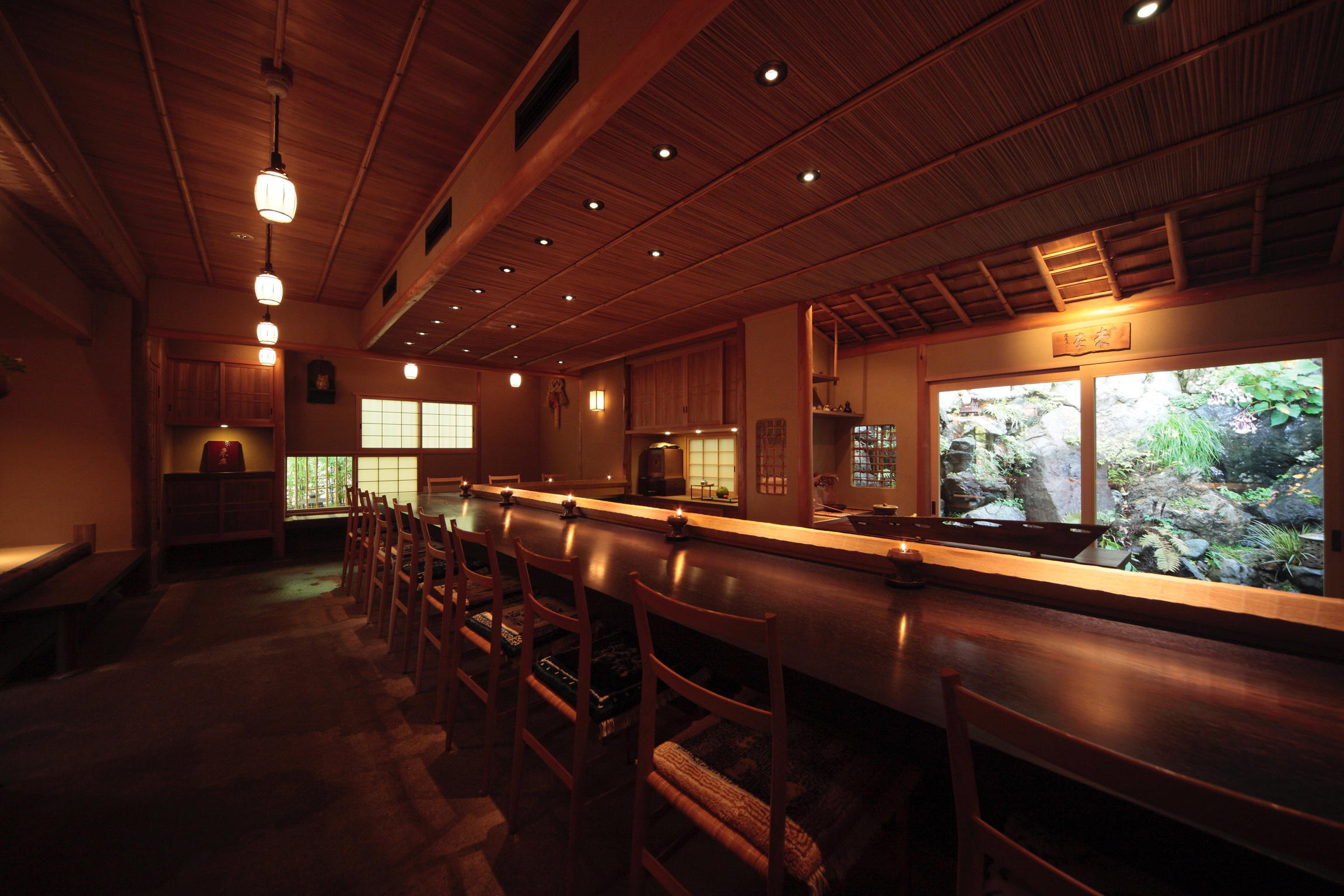
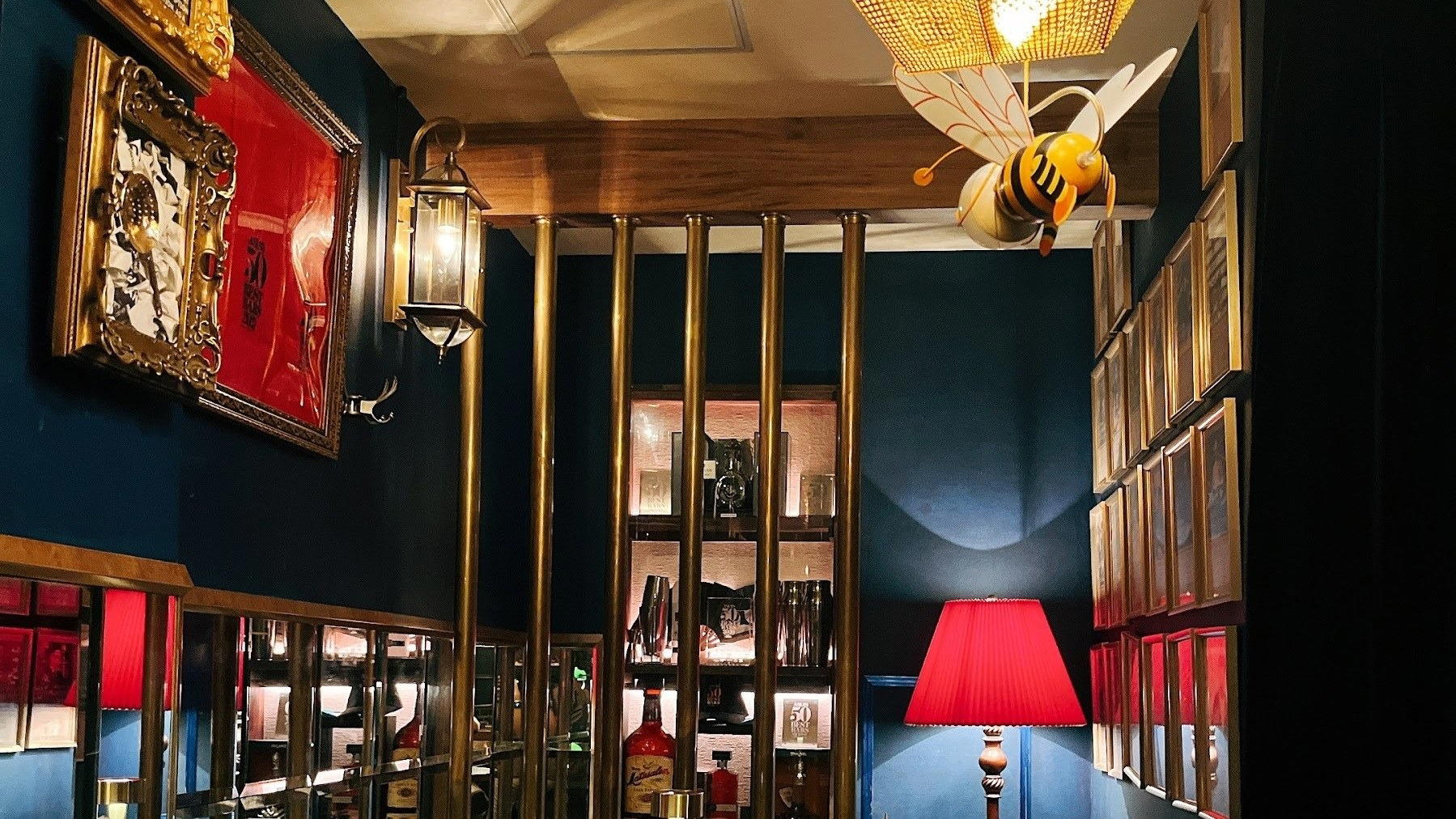
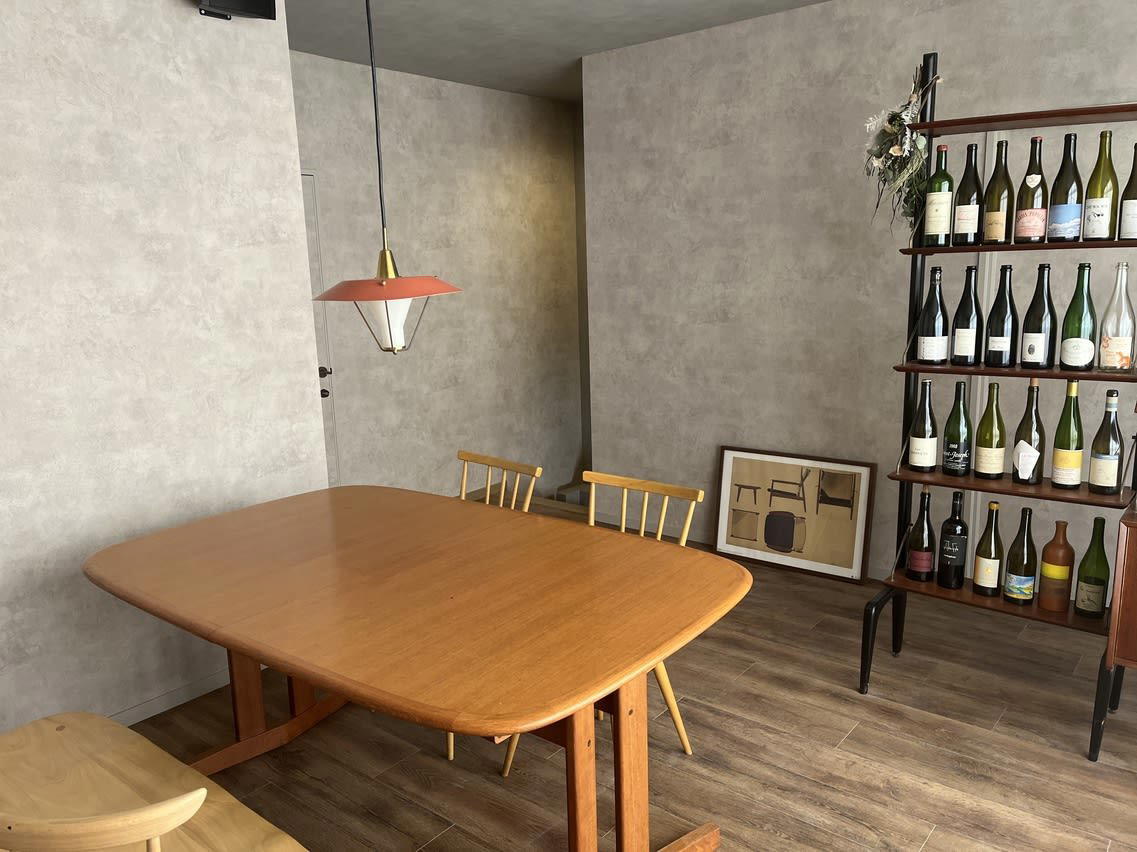
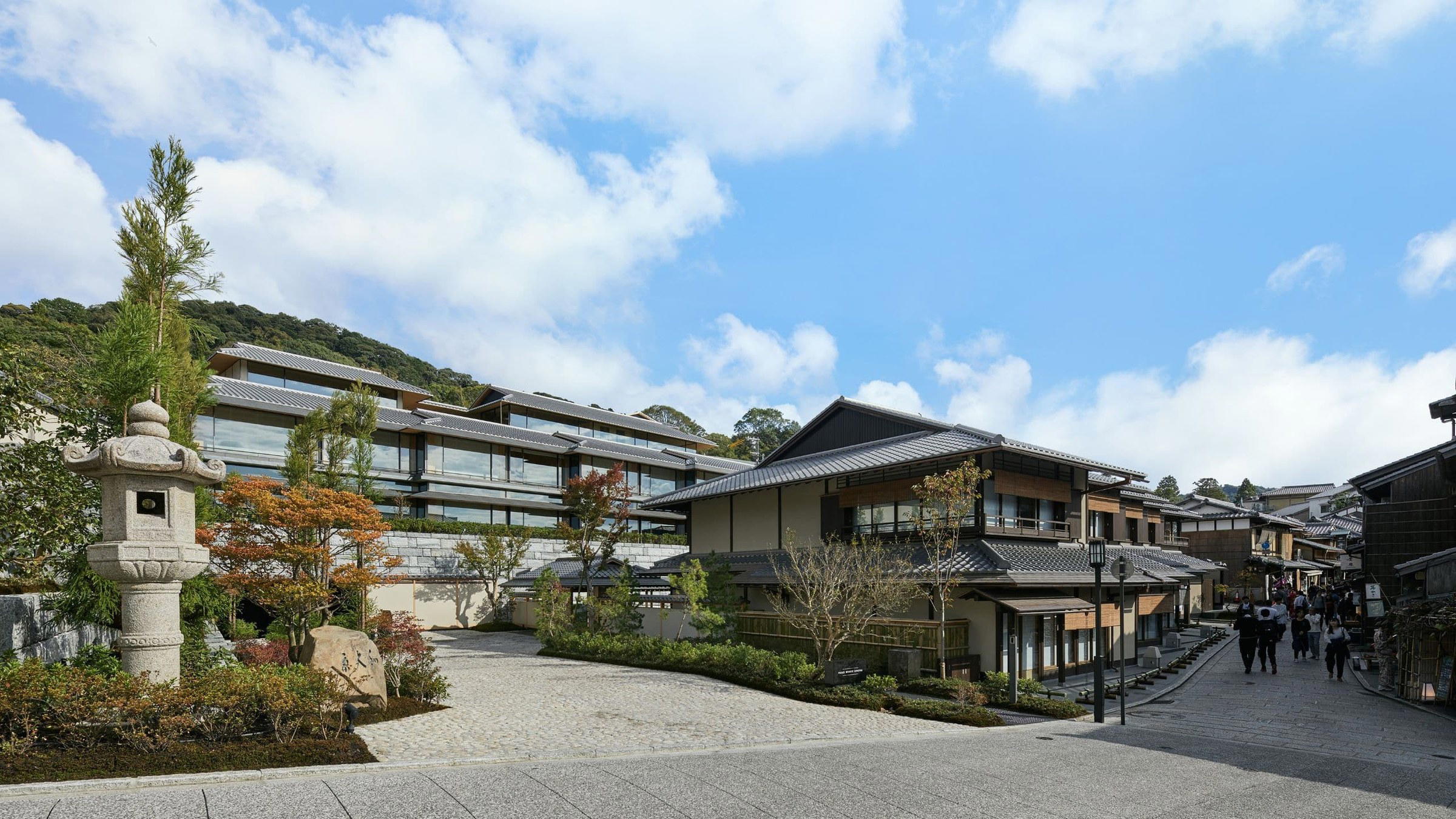
Intimate counter seating in a hidden, traditional setting with a quiet, focused atmosphere ideal for savoring craft-fried cutlets.