Hirasansou Chicken Hotpot Takeout sits within Kyoto's broader tradition of specialist poultry cooking, a city where chicken-based broths and nabe formats have long occupied a distinct lane from kaiseki formality. The takeout format places it at an interesting intersection: the comfort register of hotpot, the convenience of grab-and-go, and a city where even casual food tends to carry considered technique behind it.

Pearl is the En Primeur Club membership app — saves, bookings, and concierge access live there. Same editors, same standards.
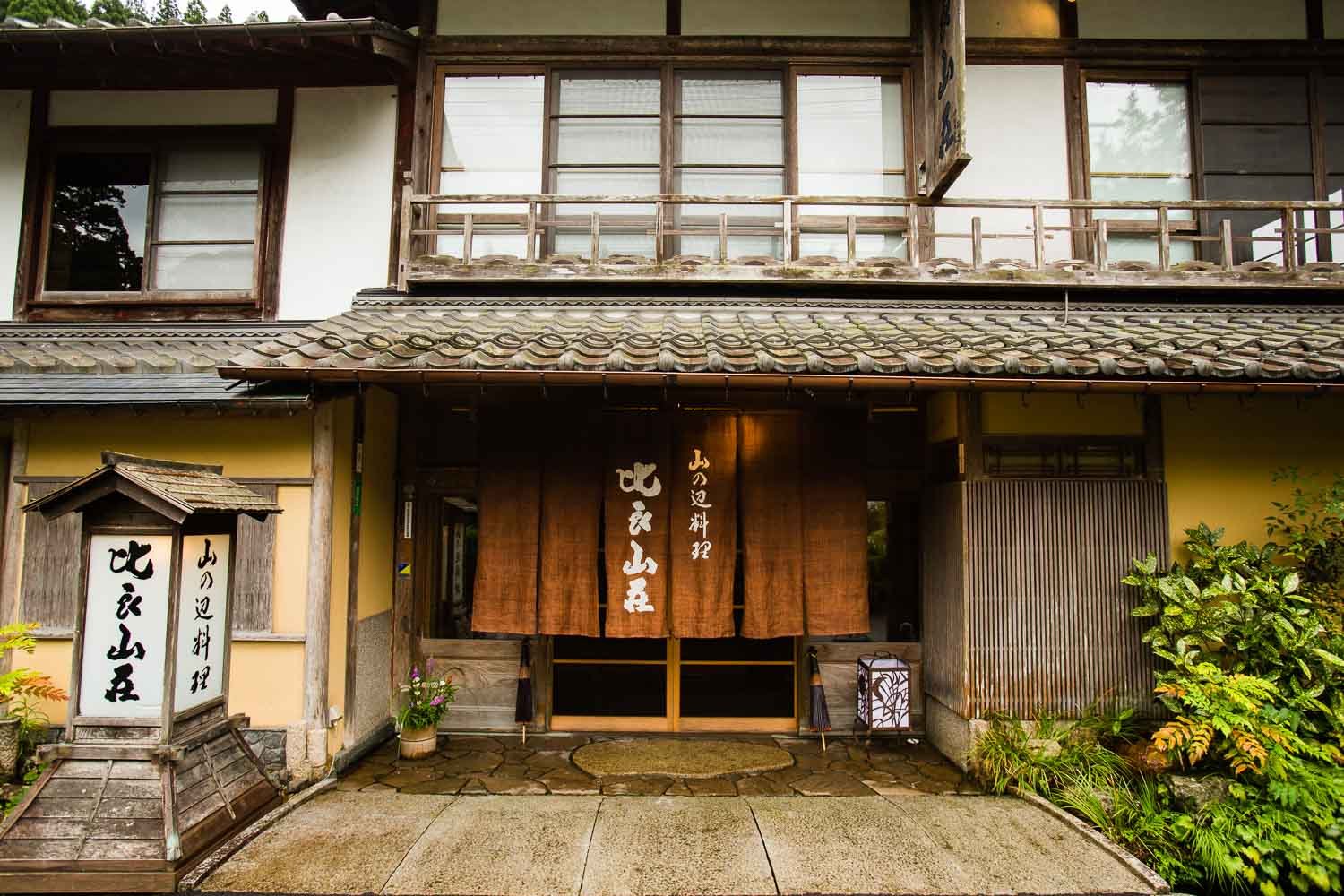
Kyoto's Poultry Tradition and the Takeout Format
Kyoto's reputation for refined dining tends to fix on kaiseki. Venues like Gion Sasaki, Hyotei, and Kikunoi Honten dominate the city's international dining profile, and for good reason. But Kyoto's food culture has always contained a quieter parallel track: specialist shops that do one thing, do it repeatedly, and develop serious craft around a single ingredient or technique. Chicken hotpot sits squarely in that tradition. The city's proximity to Tamba-Sasayama and its famed Tamba chicken, combined with a culinary culture that prizes clear dashi-based broths, makes it a natural home for nabe formats built around poultry rather than beef or pork.
Hirasansou Chicken Hotpot Takeout operates in this register. The takeout model is worth reading carefully, because it shifts the entire value proposition. Where sit-down nabe restaurants in Kyoto require time, reservations in many cases, and the social ritual of a shared pot, a takeout hotpot kit collapses the barrier to entry while preserving the essential format. You get the broth, the protein, the components, and you assemble and finish at home or in a lodging. It is a different experience from table service, not a lesser one.
Daytime Versus Evening: How the Format Changes by Light
In Kyoto, the lunch-versus-dinner divide carries more weight than in cities where restaurants operate on a single continuous service. The city's visitor rhythm is strongly morning-to-afternoon, with temple and garden circuits clearing by late afternoon and evening shifting to neighbourhood restaurants and ryokan dining. A takeout hotpot fits most naturally into the evening half of that arc. Picking up a prepared kit after the afternoon crowds thin, returning to accommodation, and cooking or reheating a proper hotpot for dinner is a practical and appealing alternative to the reservation-heavy kaiseki circuit.
Daytime use cases exist too, particularly for visitors staying in machiya (townhouse) accommodation with kitchen access, or for those assembling a lunch between sites. Kyoto's machiya rental sector has grown considerably over the past decade, and self-catering visitors represent a specific audience for whom a specialist takeout hotpot kit functions as both meal and experience. The distinction matters because the emotional register shifts depending on when you engage with the format: midday pickup leans practical, while evening pickup carries more of the occasion weight that hotpot traditionally holds in Japanese food culture.
Across Kyoto, the lunch window is also where casual food tends to offer stronger value relative to dinner, a pattern visible at places like Mizai and Isshisoden Nakamura, where lunch formats give access to the kitchen's discipline at a lower price point than the evening menu. A takeout specialist sidesteps that divide entirely, but it is worth noting that the hotpot format itself is culturally coded as an evening or cold-weather meal, which influences how Kyoto visitors tend to use it.
Chicken Hotpot in Context: What the Format Signals
Hotpot in Japan covers a wide category. Shabu-shabu and sukiyaki dominate internationally, but regional nabe formats tied to local proteins and broths represent some of the more interesting expressions of Japanese cold-season cooking. Chicken-based nabe, known broadly as tori nabe, relies heavily on the quality of the bird and the depth of the stock for its character. Without those two elements, the format is thin. With them, it can carry a lot of flavour weight, particularly when finished with rice or noodles cooked in the remaining broth at the end of the meal, a step Japanese cooks treat as essential rather than optional.
The takeout model for this format is less common than it might be, which is one reason Hirasansou occupies an interesting position in Kyoto's food ecosystem. Most specialist hotpot venues in Japan are sit-down operations; the theatrics of cooking at the table, managing the heat, and timing the protein additions are part of the offer. Packaging that format for home use requires careful thinking about component prep, broth concentration, and timing instructions. When it works, it extends access to a format that would otherwise require a full restaurant visit. Japan has comparable precedents in the bento and obento culture, where presentation and component quality are held to serious standards even for food eaten outside a restaurant setting.
For visitors exploring Japan's broader regional cooking, the chicken hotpot tradition connects to a wider arc of poultry-focused dining across the country. Goh in Fukuoka represents the Kyushu end of that spectrum, where chicken and pork broths define a different regional identity. Akordu in Nara, just south of Kyoto, shows how a neighbouring prefecture can build an entirely different culinary identity from similar ingredient pools. And at a wider scale, the precision demanded by formats like those at HAJIME in Osaka or Harutaka in Tokyo reflects the national standard for ingredient sourcing that filters down even to more casual formats.
Planning Your Visit
This takeout-focused venue calls for advance checking of current local listings before visiting. This is particularly worth doing if you are staying in a machiya or apartment rental where kitchen access makes a hotpot kit genuinely usable.
Cuisine Lens
Comparable venues nearby, for context on price, style, and recognition.
| Venue | Cuisine | Price | Notes |
|---|---|---|---|
| Hirasansou Chicken Hotpot TakeoutThis venue — the venue you are viewing | Japanese Kaiseki with Hot Pot | $$ | Not listed |
| 寿司 深川龍丈 | Japanese Unagi Restaurant | Not listed | Nakagyō |
| Kitchen Papa | Japanese-style Western (yoshoku) restaurant run by a rice shop | $$ | Kamigyō |
| Tachinomi Sharp | Kyoto standing bar for seafood and sake | $$ | Shimogyō |
| Kyoto Tonkatsu Katsuda Shijokarasuma | Traditional Japanese Tonkatsu | $$ | Shimogyō |
| FUKUNAGA901 | Seasonal Fruit Parfait Cafe with Western-style Lunch | $$ | Shimogyō |




At a Glance
- Special Occasion
- Standalone
- Local Sourcing
- Mountain
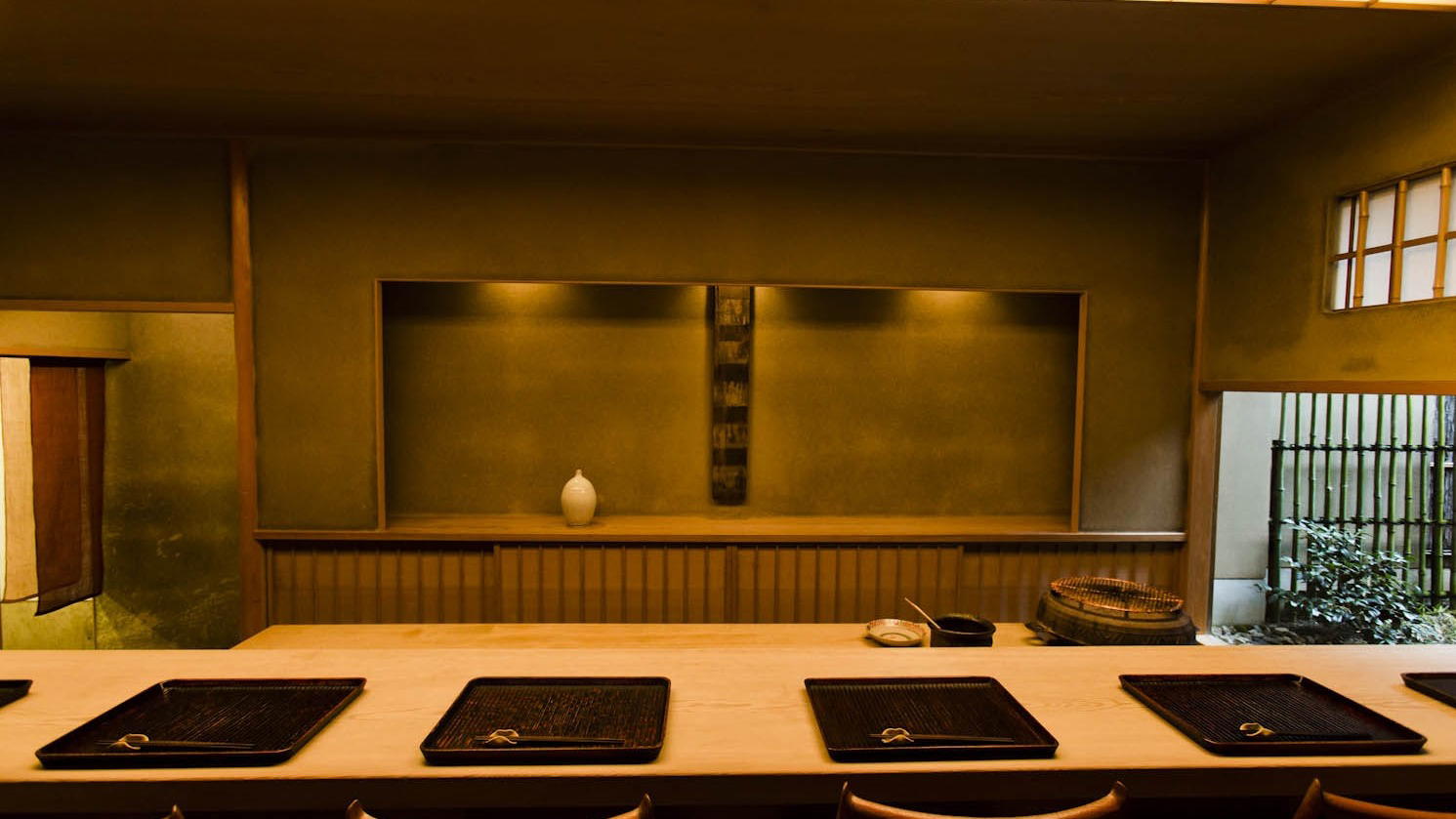
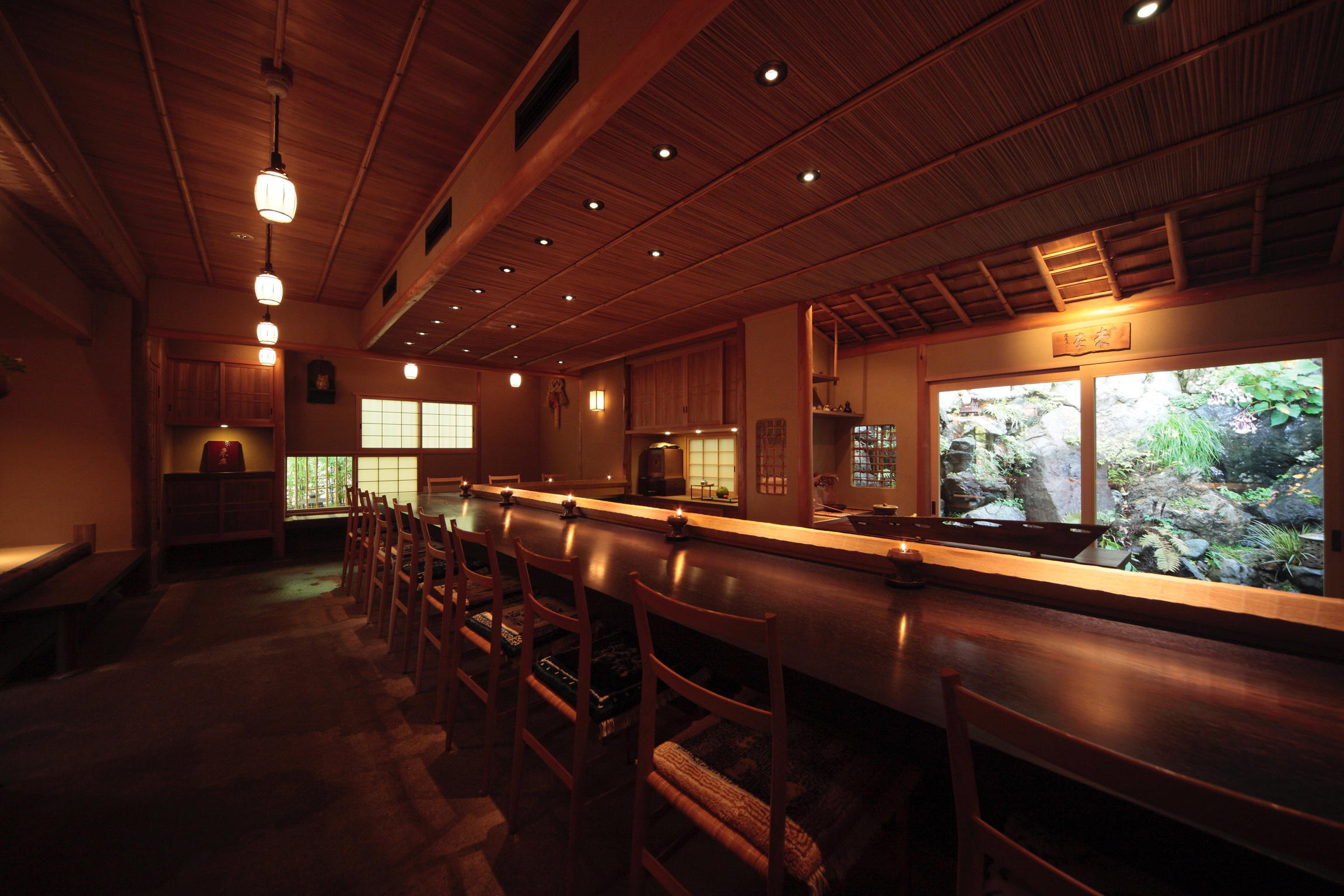
Mountain retreat atmosphere drawing on regional rivers and forests.