八起庵 occupies the seventh-floor Dining Garden Kyoto Kairou inside Kyoto Takashimaya, placing it within a curated department-store dining format that Kyoto has refined into an art form. The address puts it steps from the Shijo-Kawaramachi junction, one of the city's most navigable entry points for serious dining. For visitors working through Kyoto's kaiseki tier, it represents a structured, accessible introduction to the tradition.
Pearl is the En Primeur Club membership app — saves, bookings, and concierge access live there. Same editors, same standards.
- Address
- 下京区真町52 (四条通河原町西入/京都タカシマヤ 7F ダイニングガーデン京回廊), 京都市, 京都府, 600-8520
 Saves & bookings on Pearl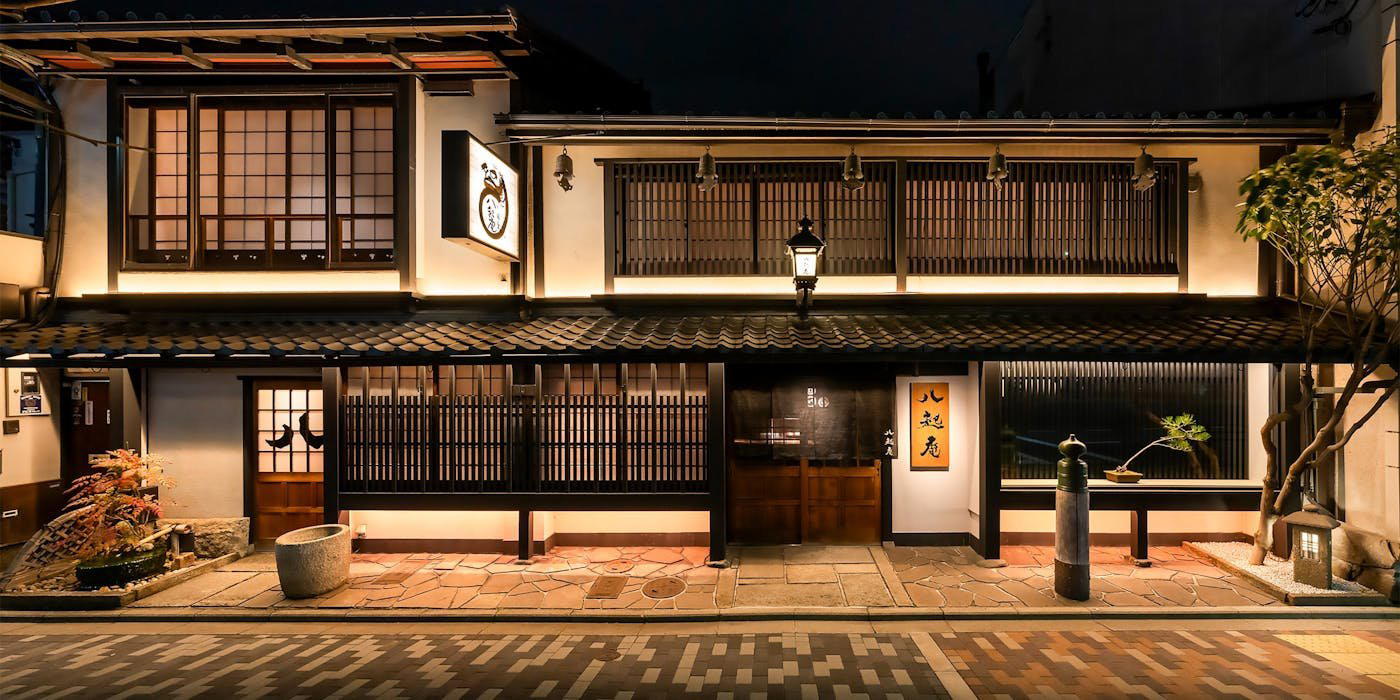
The Department-Store Dining Floor as a Kyoto Institution
In most cities, a restaurant on a department-store floor reads as a concession, a compromise made for foot traffic and rent economics. In Kyoto, the calculus is different. The seventh floor of Kyoto Takashimaya, home to the Dining Garden Kyoto Kairou, operates as a genuine dining destination in its own right, housing establishments that treat the address as a statement of positioning rather than a fallback. 八起庵 sits within that floor, participating in a format that Kyoto's department-store culture has developed over decades into something closer to a curated food hall than a food court.
That distinction matters because Kyoto's dining infrastructure is unusually layered. The city supports some of Japan's most demanding kaiseki counters, including Gion Sasaki, Hyotei, and Kikunoi Honten, alongside mid-tier specialists and accessible formats that serve visitors who want genuine craft without the three-month booking window. The Takashimaya floor occupies a specific role in that ecosystem: proximity to Shijo-Kawaramachi, among the more centrally navigable intersections in the city, means the location functions as an on-ramp to serious Kyoto dining rather than a detour from it.
What the Location Signals About the Format
The address at 下京区真町52, Shijo-dori Kawaramachi Nishi-iru, places 八起庵 in Shimogyo Ward, the lower city district that historically anchored Kyoto's merchant culture and commercial life. Unlike the northern districts where many of the city's most formal kaiseki houses operate in converted machiya townhouses or garden-facing rooms, the Shimogyo dining context favors accessibility and throughput without abandoning quality standards. Restaurants in this tier compete on value clarity and service consistency rather than on ceremony and enclosure.
The Kyoto Kairou format within Takashimaya functions as a dining garden in the literal sense its name suggests: a curated gathering of concepts under one roof, organized to give visitors a structured way into Kyoto's food culture. For travelers arriving by Hankyu or Keihan rail and stepping off at Kawaramachi or Gion-Shijo stations, the Takashimaya seventh floor is within walking distance, which makes it one of the more logistically convenient serious dining stops in the central city.
The Team Dynamic in a Structured Dining Environment
Department-store dining floors in Japan impose a particular discipline on the restaurants they house. The front-of-house operation must work within shared spatial logic, service timing calibrated to a broader floor rhythm, and a guest mix that skews toward visitors and day-trippers rather than regulars who have memorized the menu. In that context, the collaboration between kitchen, floor staff, and any beverage program matters more, not less, than in a standalone location.
At 八起庵, the team operates within that constraint set. The kitchen's output must be consistent enough to serve a range of guest familiarity levels, from Kyoto residents who know the tradition precisely to international travelers encountering it for the first time. The floor staff carries more explanatory weight than in a counter-style kaiseki setting, where the chef narrates directly. This is a format where front-of-house absorbs the educational function that at places like Mizai or Isshisoden Nakamura belongs to the chef at the counter.
That division of labor is not a weakness. It reflects a different service model, one that Japanese department-store dining has refined over generations. The leading floors in Tokyo, Osaka, and Kyoto have demonstrated that high-craft food can coexist with higher guest volume when the team structure is built correctly. HAJIME in Osaka operates at the other end of the formality spectrum, but the underlying principle is the same: the team's coordination determines the ceiling of the experience.
Placing 八起庵 in the Broader Kyoto Dining Map
Kyoto's restaurant scene rewards visitors who understand its internal logic. The city’s dining scene is shaped by long-standing kaiseki tradition, which means even mid-tier addresses are working within a rigorous framework of seasonal ingredient sourcing, precise technique, and presentation discipline. The question for any restaurant in the accessible tier is whether the craft holds when the ceremony is stripped away.
The Takashimaya floor format puts that question in sharp relief. Unlike the garden-facing rooms of Gion or the machiya counters of Nakagyo, there is no atmospheric subsidy here. The food and service must justify the visit on their own terms. That is the same pressure that well-regarded accessible formats across Japan face, from Goh in Fukuoka to Harutaka in Tokyo to akordu in Nara, each operating in formats that foreground the food over the setting.
Within the Kyoto Kairou floor specifically, 八起庵 competes for attention alongside other established concepts. The selection dynamic of a curated floor means guests are choosing actively between formats, which disciplines each restaurant to be clear about what it offers. That clarity of purpose, a defined cuisine identity within a bounded physical space, is what separates the stronger department-store dining addresses from the weaker ones across Japan's major cities.
For visitors planning a broader sweep of Japan's serious dining, the regional context is worth noting. Venues like 一本木 石川制 in Nanao, 夕月亭山乃 in Sapporo, and 湖畔荘芳 in Takashima each demonstrate how Japan's regional dining culture maintains craft standards far outside the major urban centers. Kyoto's department-store tier fits into that same national pattern of distributed quality.
Know Before You Go
- Address: 下京区真町52, Kyoto Takashimaya 7F Dining Garden Kyoto Kairou, Kyoto-shi, Kyoto-fu 600-8520
- Getting There: A short walk from Hankyu Kyoto-Kawaramachi Station or Keihan Gion-Shijo Station, both on the central Kyoto rail network.
- Floor Context: Located within the Kyoto Kairou dining garden on the seventh floor of Kyoto Takashimaya department store.
- Booking: Reservations are recommended.
- Pricing: About US$20 per person.
Style and Standing
Comparable venues nearby, for context on price, style, and recognition.
| Venue | Cuisine | Price | Notes |
|---|---|---|---|
| 八起庵This venue — the venue you are viewing | Kyoto Bird Cuisine | $$ | Not listed |
| Sake Dokoro Terayama | Kyoto Izakaya & Sake Bar | $$ | Shimogyō |
| 真白 | japanese | Not listed | Nakagyō |
| aoi | Traditional Kyoto Obanzai | $$ | Sakyō |
| 肉料理 澁谷 | Yakiniku (Japanese BBQ) | Not listed | Nakagyō |
| Cafe Don Bai Sfera | Japanese Café | $$ | Higashiyama |



At a Glance
- Classic
- Elegant
- Lunch
- Dinner
- Sake Program
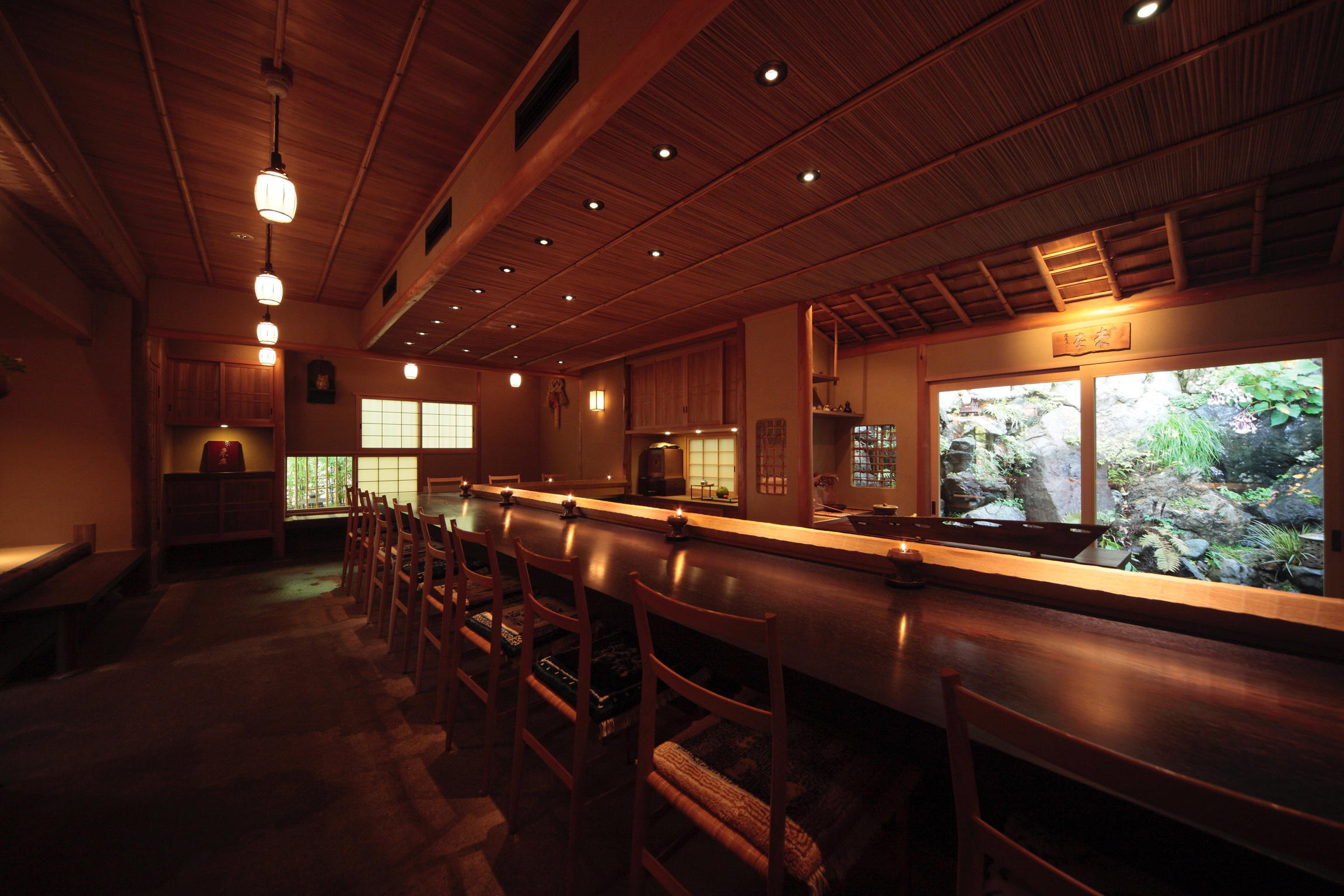
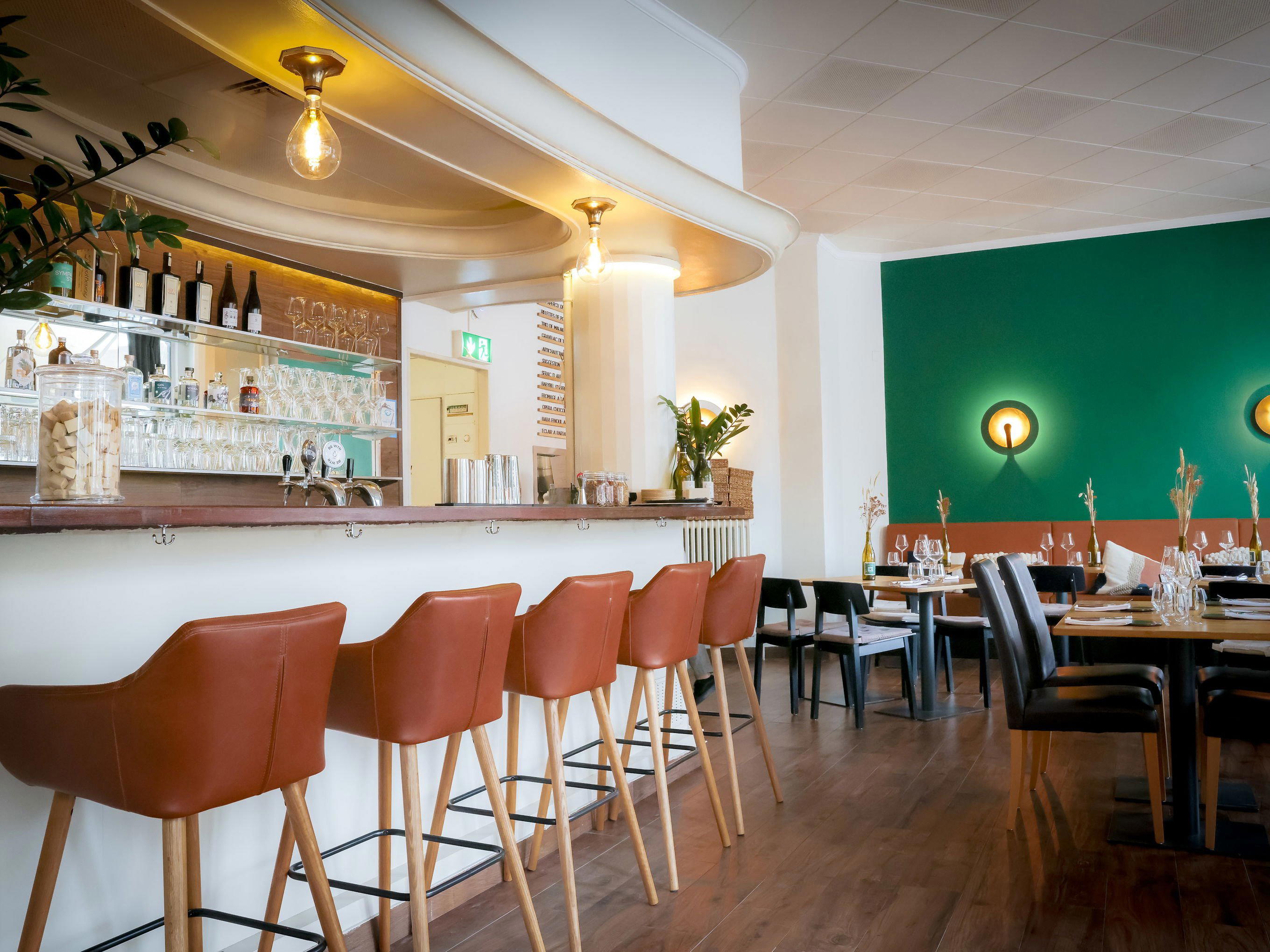
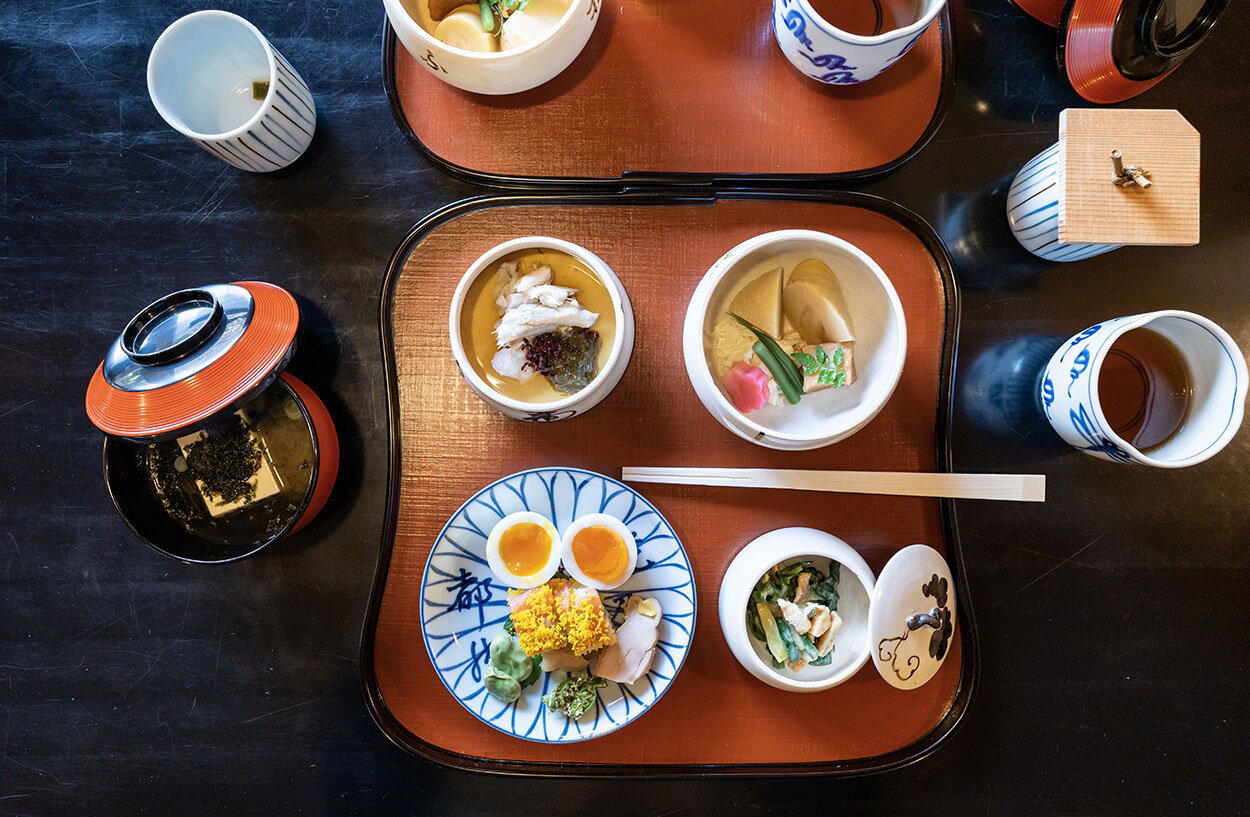
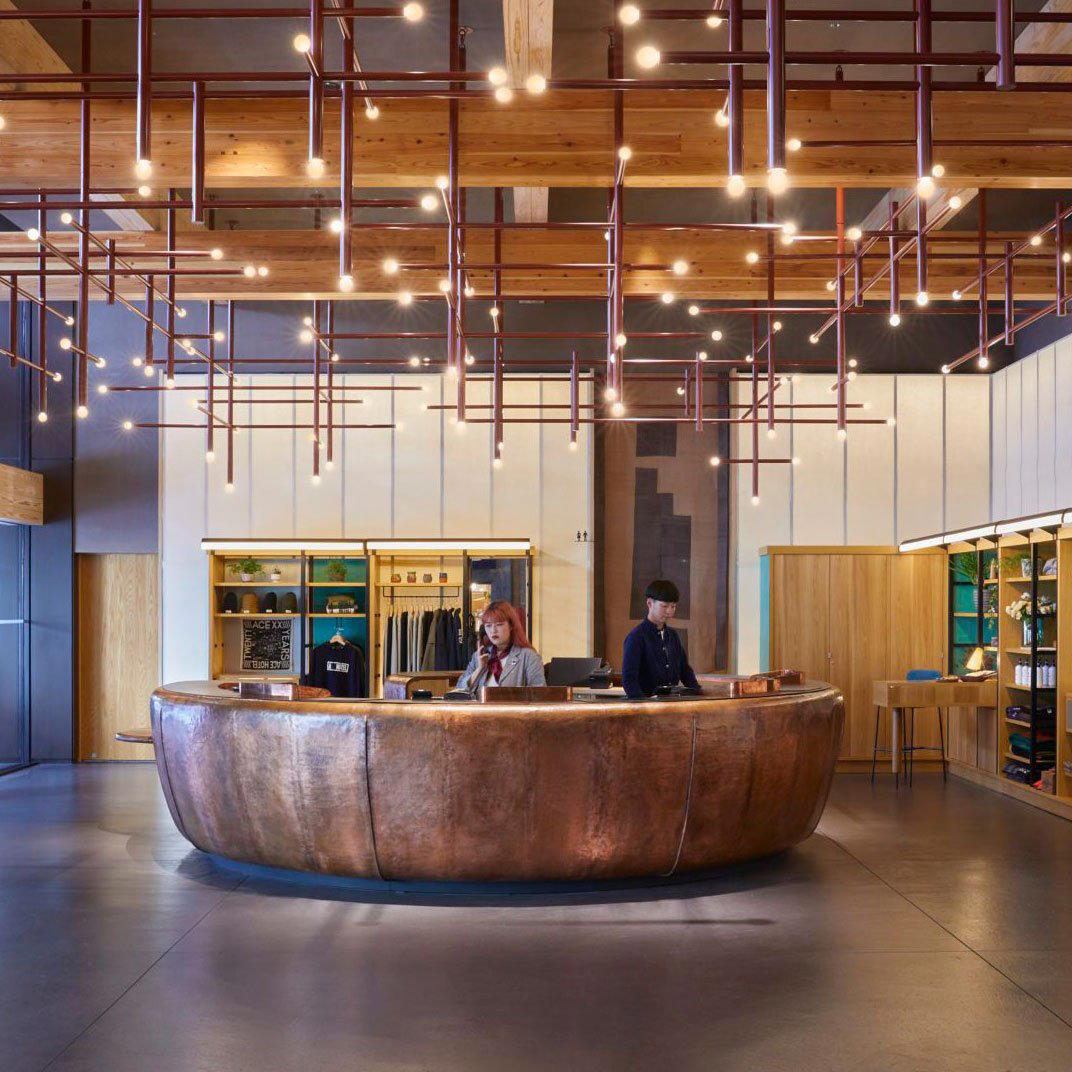
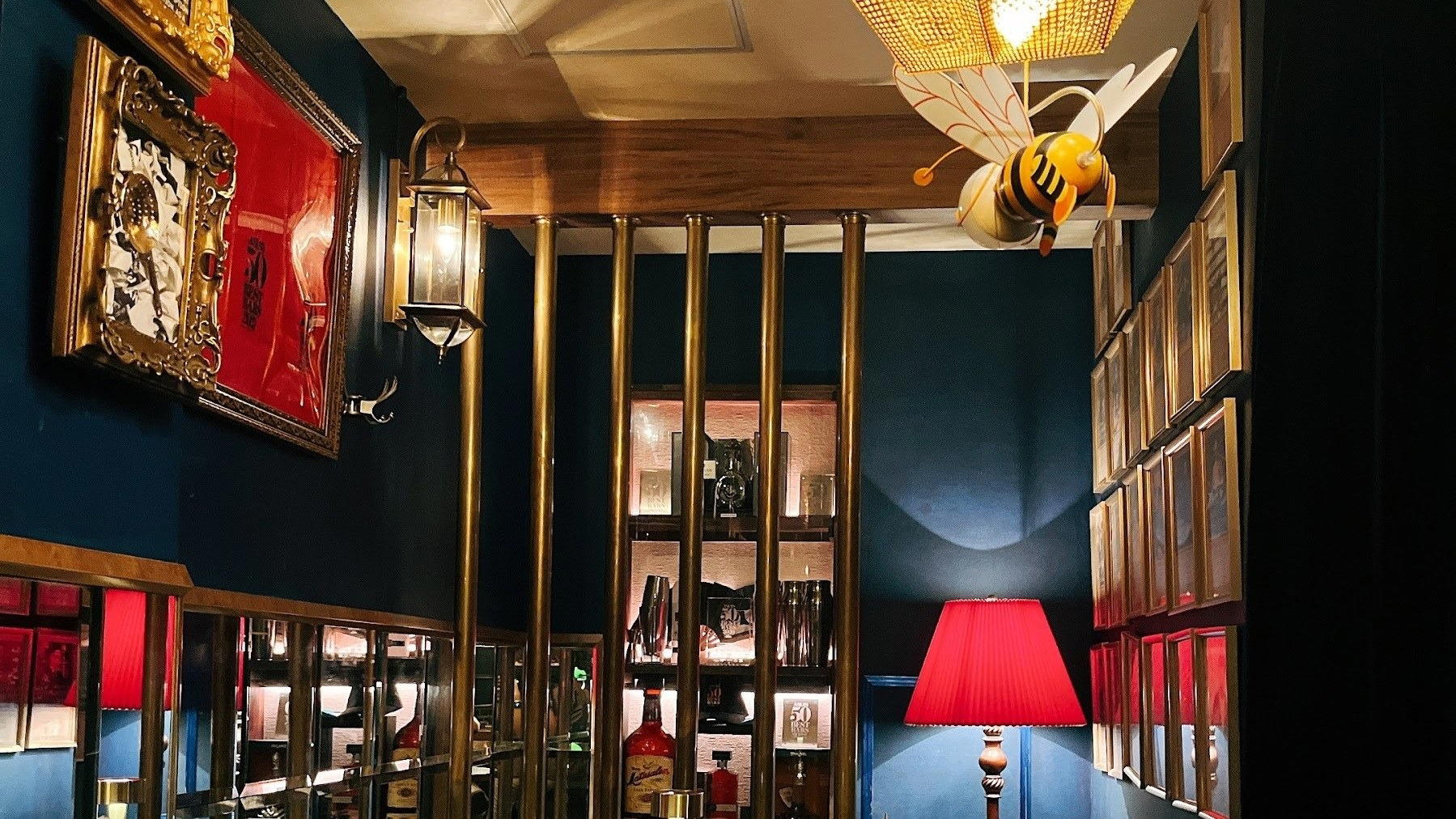
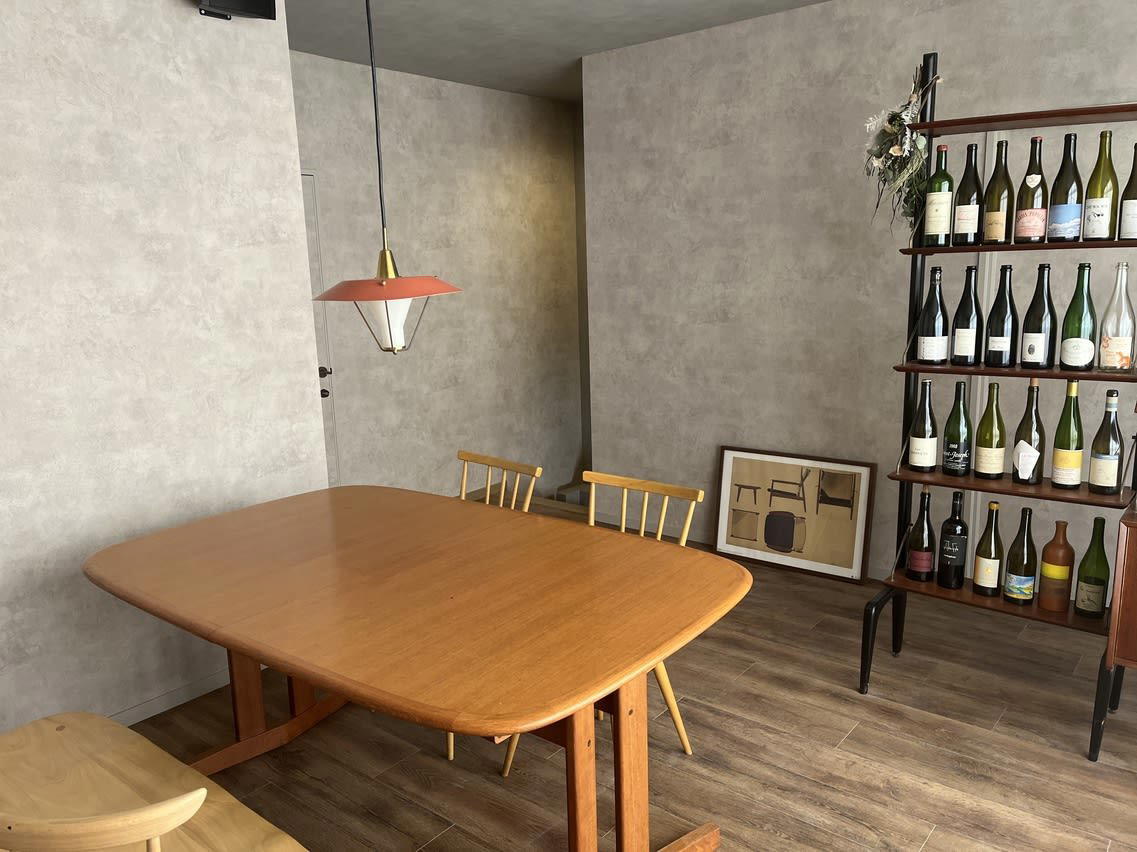
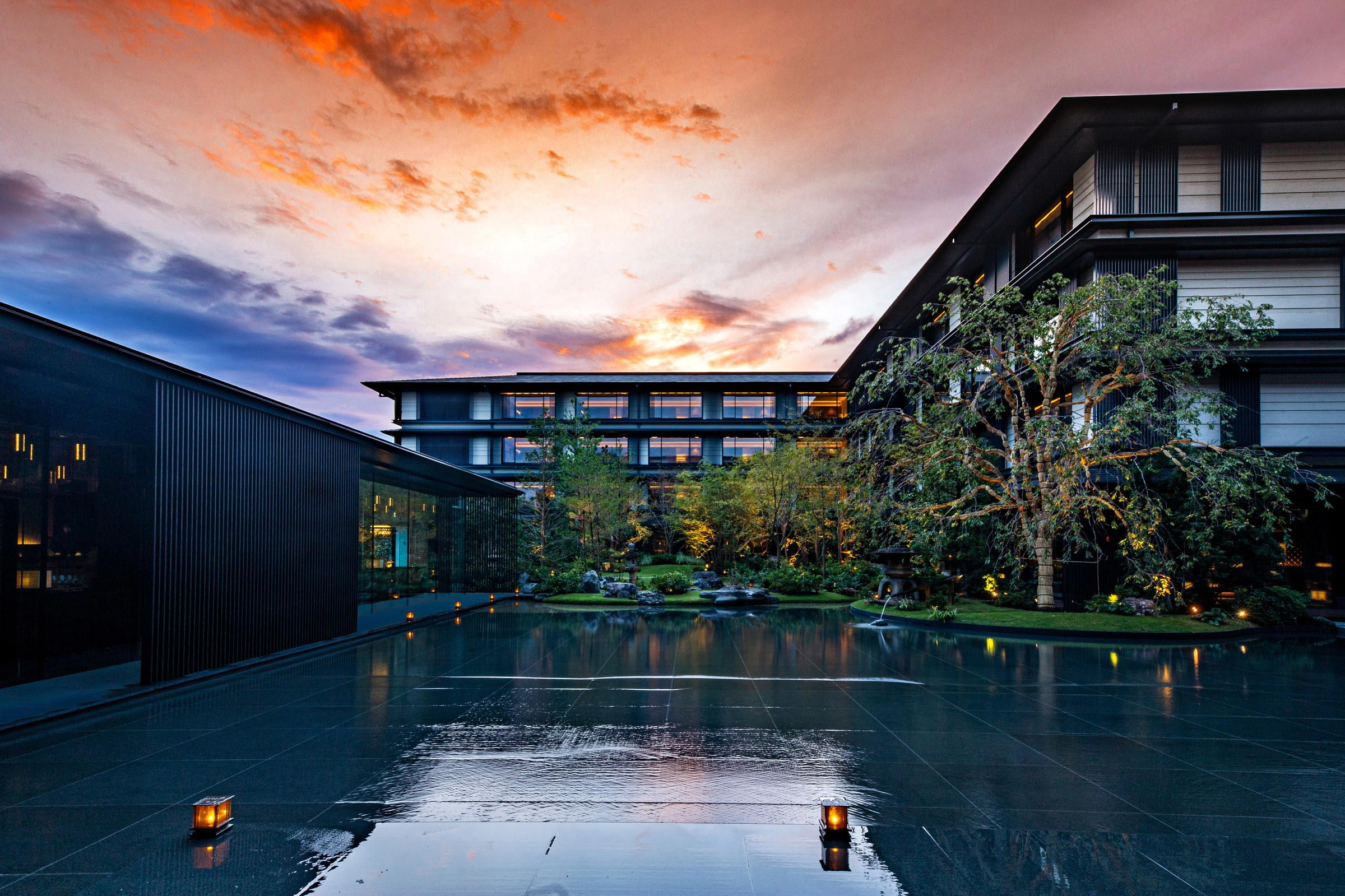
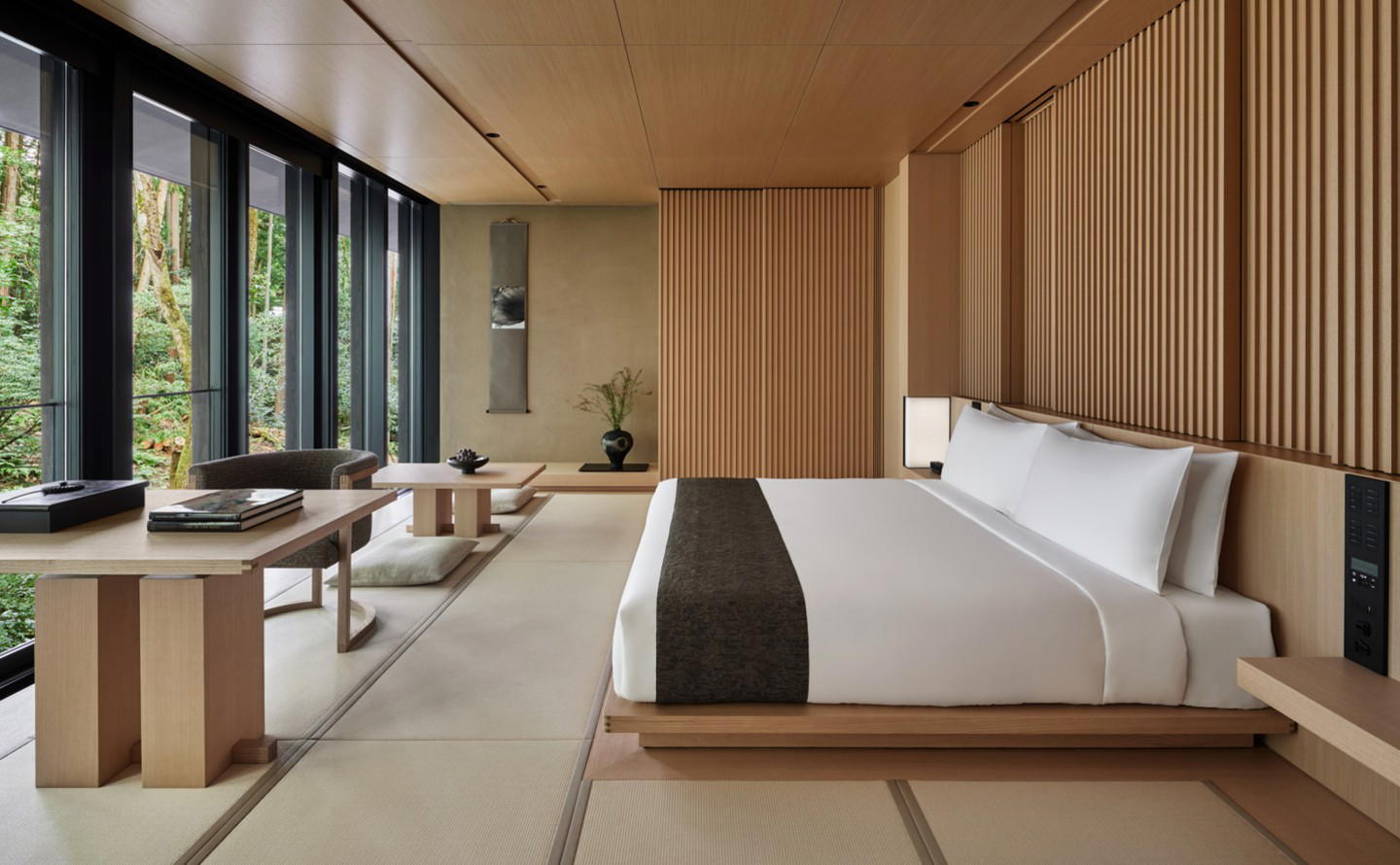
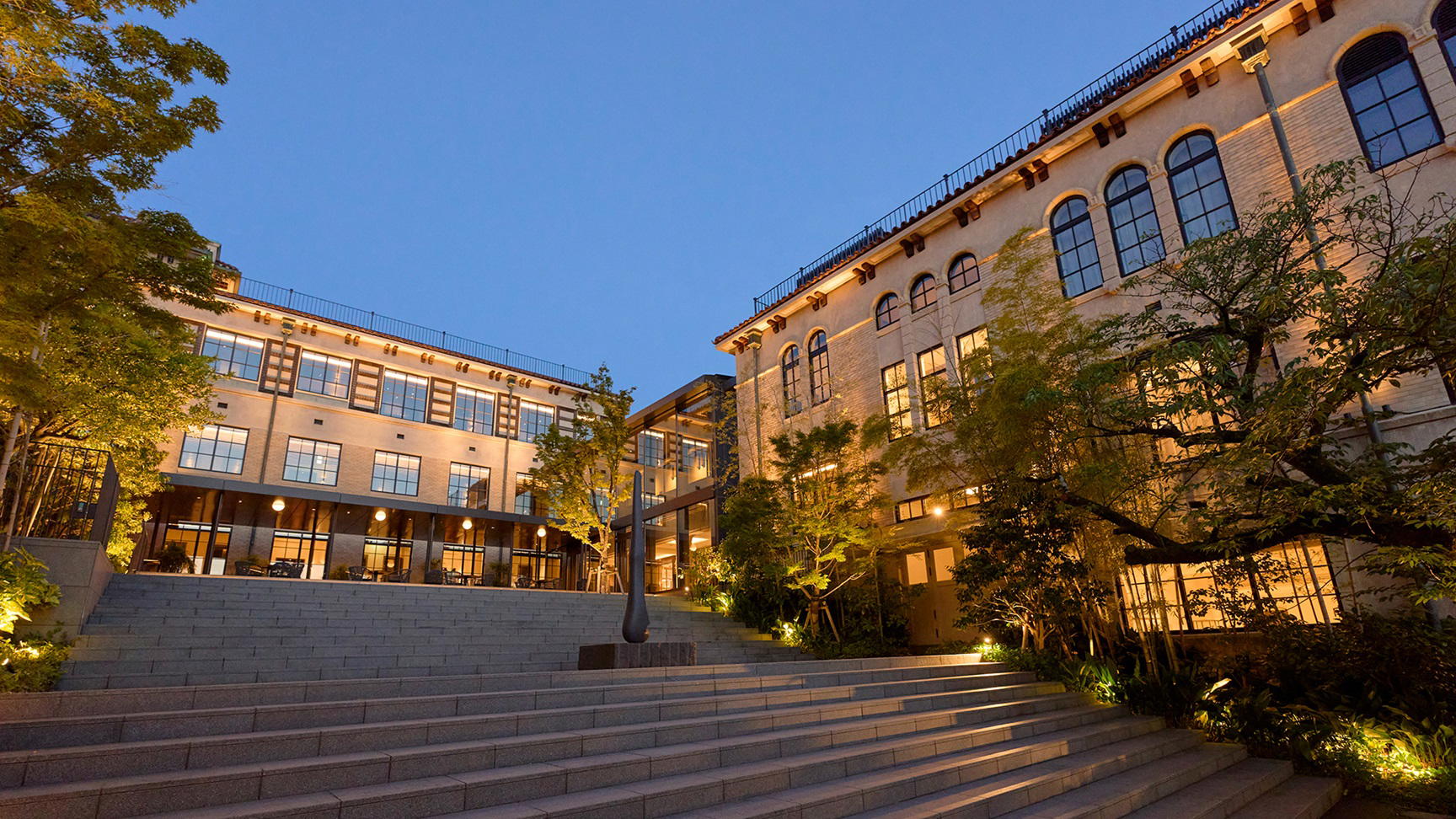
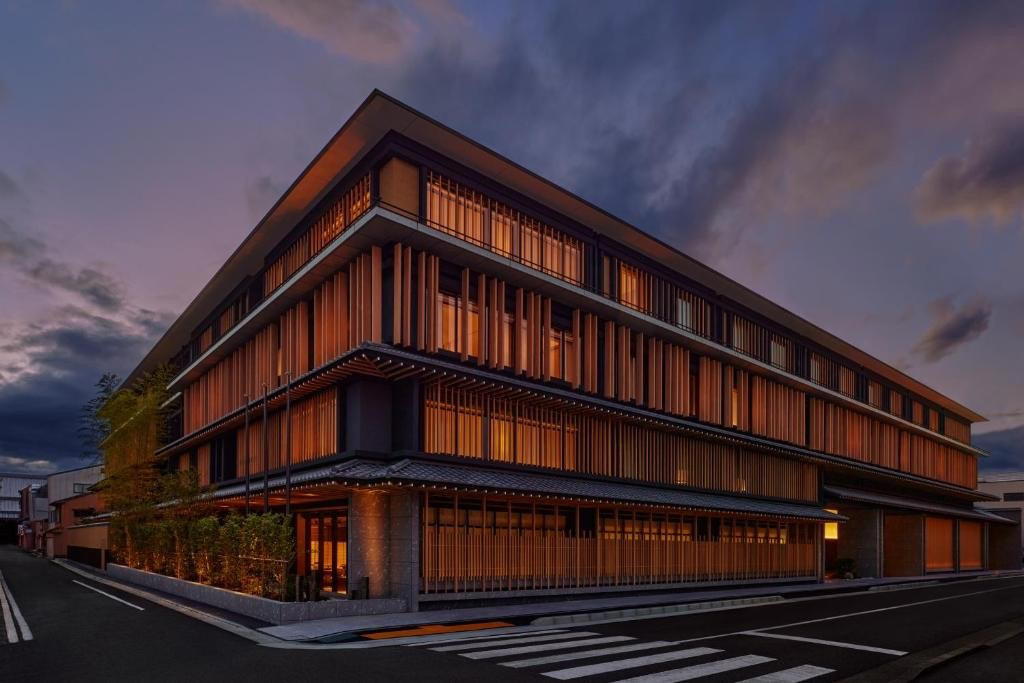
Classic Kyoto atmosphere with elegant service in a department store setting.