Mentakumi Takamatsu (麺匠 たか松) occupies a quieter register than Kyoto's kaiseki circuit, operating from Shimogyo-ku on Higashinoin-dori as a ramen specialist in a city where broth culture runs deeper than most visitors expect. Where the kaiseki houses command four-figure yen counts per head, this counter-format bowl destination positions itself at the accessible end of Kyoto's serious food scene — precise, deliberate, and worth tracking down.
Pearl is the En Primeur Club membership app — saves, bookings, and concierge access live there. Same editors, same standards.
- Address
- 下京区元悪王子町39-2 (東洞院通), 京都市, 京都府, 600-8091
- Directions
- Get directions
 Saves & bookings on Pearl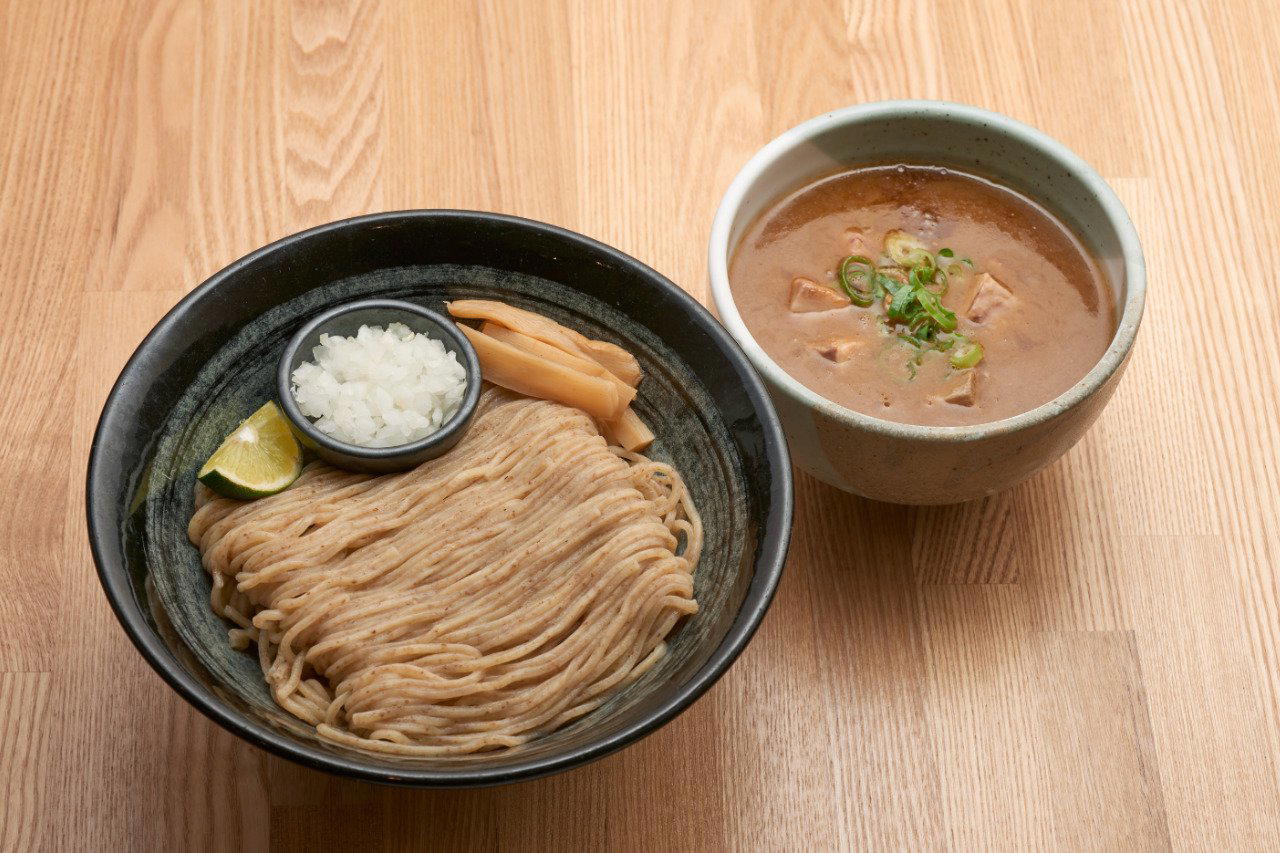
Ramen in a Kaiseki City: Where Mentakumi Takamatsu Sits
Kyoto's reputation as Japan's most refined dining city is built almost entirely on kaiseki — the multi-course seasonal format that places venues like Gion Sasaki, Hyotei, and Kikunoi Honten at the top of the city's culinary hierarchy. Below that tier, however, runs a parallel tradition that receives considerably less editorial attention: the ramen counter, where a different kind of craft operates at a fraction of the price point and with no less discipline in the bowl. Mentakumi Takamatsu (麺匠 たか松) belongs to this lower-profile but genuinely considered segment of Kyoto's food culture.
The address — 下京区元悪王子町39-2 on Higashinoin-dori in Shimogyo-ku, places the restaurant in the southern residential and commercial flatlands rather than the tourist corridors of Gion or Nishiki. This matters: Shimogyo-ku draws fewer international visitors than the temple-heavy northern wards, which means the clientele skews local, the atmosphere reads as neighbourhood rather than destination, and the pace of service is calibrated accordingly. In a city where international visitors sometimes wait hours for famous ramen shops in central locations, this geography offers a different kind of access.
Atmosphere and the Shimogyo-ku Setting
Higashinoin-dori is one of the longer north-south arteries that bisects central Kyoto, running parallel to Karasuma and cutting through the Shimogyo ward with the functional character of a street that serves residents before it serves tourists. The approach to Mentakumi Takamatsu is precisely this: low signage, modest frontage, and a sense that the building does not need to announce itself to survive. This is not studied understatement in the way that some Gion establishments perform restraint, it is simply the visual language of a working-district ramen counter.
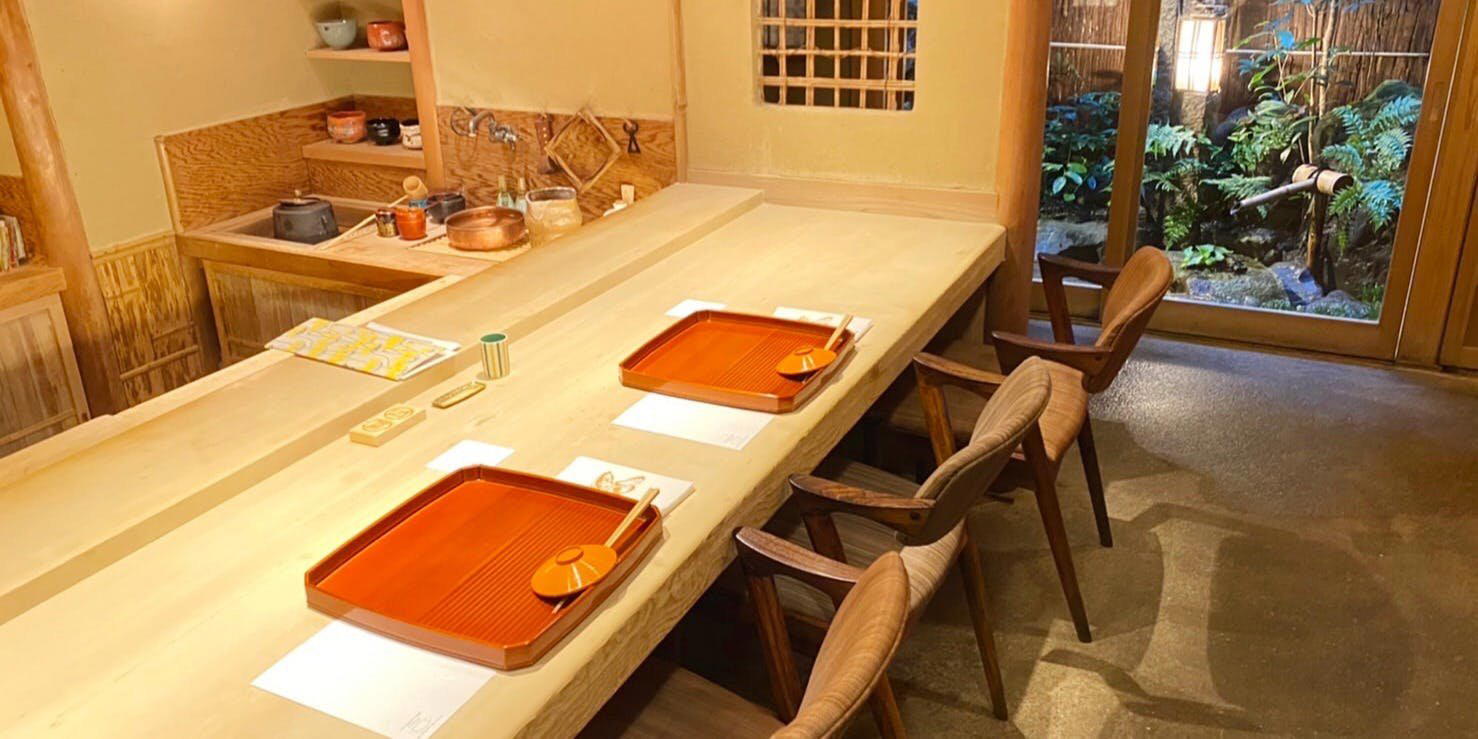
The sonic environment of a ramen shop at service tempo is worth noting on its own terms. The hiss of stock pots, the short-order rhythm of bowls being assembled, the absence of background music in the way kaiseki rooms might deploy it, these are the cues that frame the experience before the first bowl arrives. Japanese ramen counters at this level of seriousness tend to be spare in their interiors: functional seating, clear sightlines to the preparation area, and an implicit understanding that the transaction is between the customer and the bowl rather than between the customer and an ambient environment.
The contrast with Kyoto's high-end dining rooms is instructive. Restaurants like Mizai or Isshisoden Nakamura are architecturally considered spaces where the room is part of the experience. A ramen specialist of this type redirects all that attention inward, toward the stock, the noodle gauge, and the balance of seasoning. The room recedes; the bowl advances.
The Ramen Tradition in Kyoto Context
Kyoto ramen occupies a specific position within Japan's regional bowl taxonomy. The city's most historically associated style leans toward chicken-based broths, typically a clear or lightly cloudy chintan, finished with soy-based tare and often characterised by a certain delicacy that distinguishes it from the heavier tonkotsu styles of Fukuoka (where venues like Goh represent an entirely different register of intensity) or the rich miso broths more associated with northern cities.
This regional specificity matters when assessing any Kyoto ramen counter. The craft here is not about loudness of flavour but about layering and clarity, getting a broth to carry depth without opacity, and pairing it with noodles cut to complement rather than compete. Shops that operate under the 麺匠 (noodle master/craftsman) designation typically signal that noodle production itself is an area of deliberate focus, not an afterthought sourced from a supplier. Whether that designation reflects in-house milling, a distinctive noodle specification, or a particular relationship with flour and hydration is the kind of granular detail that separates a careful operation from a competent one.
The broader Kansai dining scene, encompassing Osaka, Nara, and Kyoto, rewards this kind of category-specific seriousness. HAJIME in Osaka and akordu in Nara represent the high-formality end of the region's dining spectrum; Mentakumi Takamatsu operates at the other end of that spectrum without any loss of intentionality. Comparable craft-focused ramen operations in other parts of Japan, like the attention paid to product at counters in Tokyo reviewed alongside venues such as Harutaka, illustrate that seriousness of purpose is not the exclusive property of any one category or price tier.
Planning Your Visit: Practical Considerations
Shimogyo-ku is accessible from Kyoto Station, which sits at the southern edge of the ward, making Mentakumi Takamatsu one of the more logistically direct options for visitors arriving by shinkansen and looking to eat well without immediately crossing the city. The walk from the station to Higashinoin-dori is manageable on foot, or the ward is served by the Karasuma subway line with stops at Gojo and Kyoto Station itself.
Because no current booking data is available in our records, the practical recommendation is to arrive early relative to service openings, a standard approach for serious ramen shops in Japan, where queues form before the first bowls go out and counters clear quickly. Unlike Kyoto's kaiseki establishments, which operate on reservation-only models weeks or months in advance, ramen counters at this level typically operate on a walk-in basis with capacity determined by seat count. Going off-peak on a weekday remains the lowest-friction approach. Visitors planning a wider Kyoto itinerary should cross-reference our full Kyoto restaurants guide to map the dining options across neighbourhoods and price tiers.
For context on how noodle-specialist or more accessible-format Japanese dining sits within the national scene, the EP Club catalogue also covers venues across Japan including Nanao, Sapporo, Takashima, and Nishikawa Machi, illustrating the range of regional dining formats across the country. Further afield, Birdland in Sakai, Bistro Ange in Toyohashi, and international comparisons like Le Bernardin in New York City and Atomix in New York City provide a broader frame for understanding where craft-focused dining sits across cultures and formats.
Compact Comparison
Comparable venues nearby, for context on price, style, and recognition.
| Venue | Cuisine | Price | Notes |
|---|---|---|---|
| Mentakumi Takamatsu (麺匠 たか松)This venue — the venue you are viewing | central Kyoto, Takamatsu Ramen | $$ | Not listed |
| Cafe Karirenge | Not listed | $$ | Nakagyō, Kyoto cafe with cakes and light meals |
| Ichijoji Nakatani | Not listed | $$ | Sakyō, Kyoto wagashi & cafe with Japanese–Western fusion sweets |
| Arata | Not listed | $$ | Minami, Kyoto-Style Okonomiyaki / Teppanyaki |
| Yamamoto Menzo (山元麺蔵) | Okazaki, Authentic Kyoto-Style Udon | $$ | Not listed |
| Katsukura (かつくら 四条東洞院店) | Not listed | $$ | Kawaramachi, Kiyamachi, Ponto-cho, Traditional Kyoto Tonkatsu |
Continue exploring
More in Kyoto
Restaurants in Kyoto
Browse all →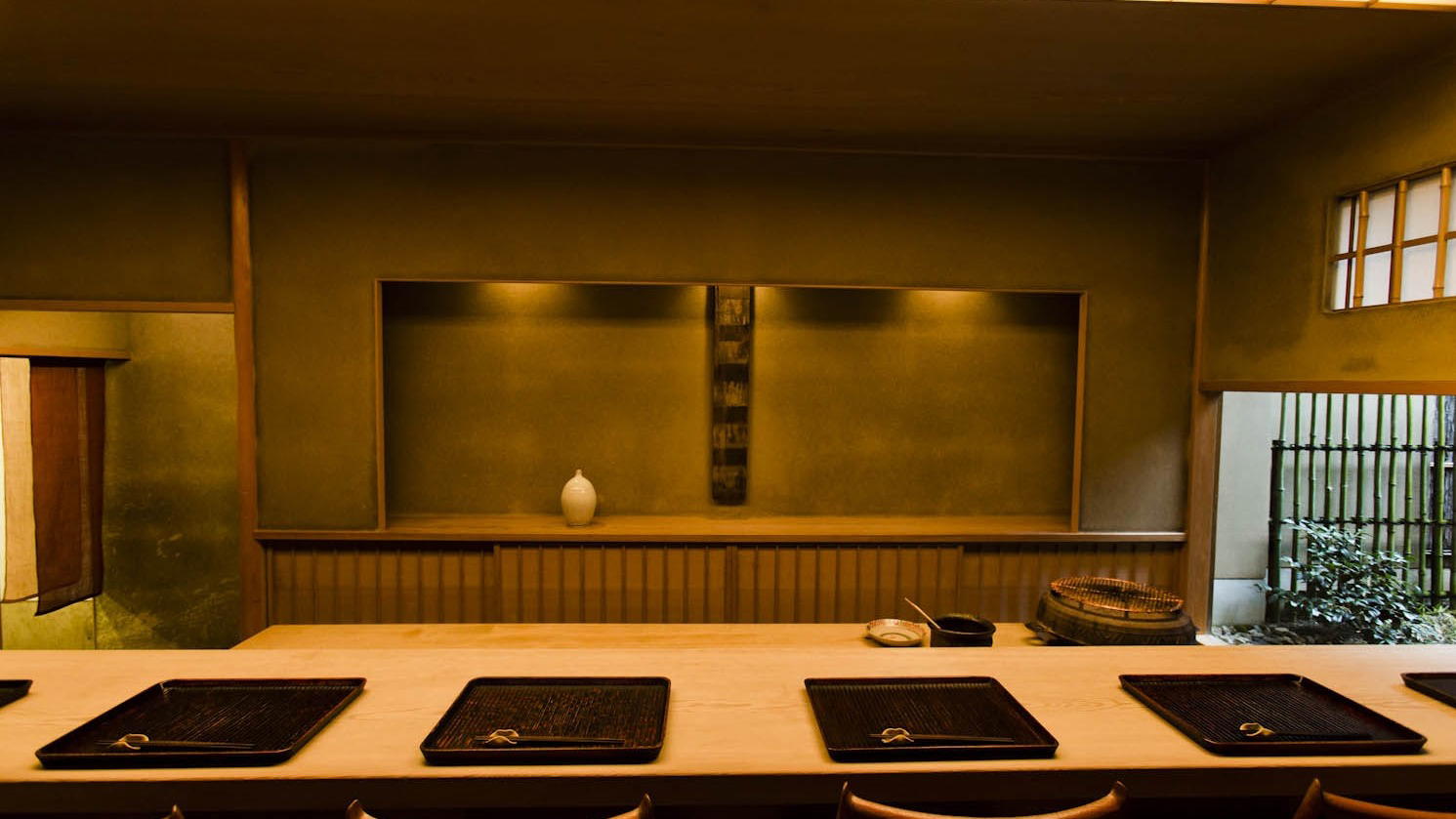
Bars in Kyoto
Browse all →
Hotels in Kyoto
Browse all →
Wineries in Kyoto
Browse all →
At a Glance
- Cozy
- Casual Hangout
- Solo
- Sake Program
Casual counter seating with focused atmosphere on noodle craftsmanship.
Know Before You Go
- Getting there
- 下京区元悪王子町39-2 (東洞院通), 京都市, 京都府, 600-8091