
Michelin Selected
A Michelin Selected ryokan in Kyoto's Yoshida district, Yoshida Sanso occupies a former imperial villa on the forested slopes of Mount Yoshida. The property sits within a small tier of Kyoto properties where historical provenance and measured, attentive service define the stay rather than amenity counts. Guests arrive for the architecture, the stillness, and a form of hospitality that has few direct comparators in the city.

Pearl is the En Primeur Club membership app — saves, bookings, and concierge access live there. Same editors, same standards.
- Address
- 59-1 Yoshidashimoojicho, Sakyo Ward, Kyoto, 606-8314, Japan
- Phone
- +81 75-771-6125
- Website
- yoshidasanso.com
- Directions
- Get directions
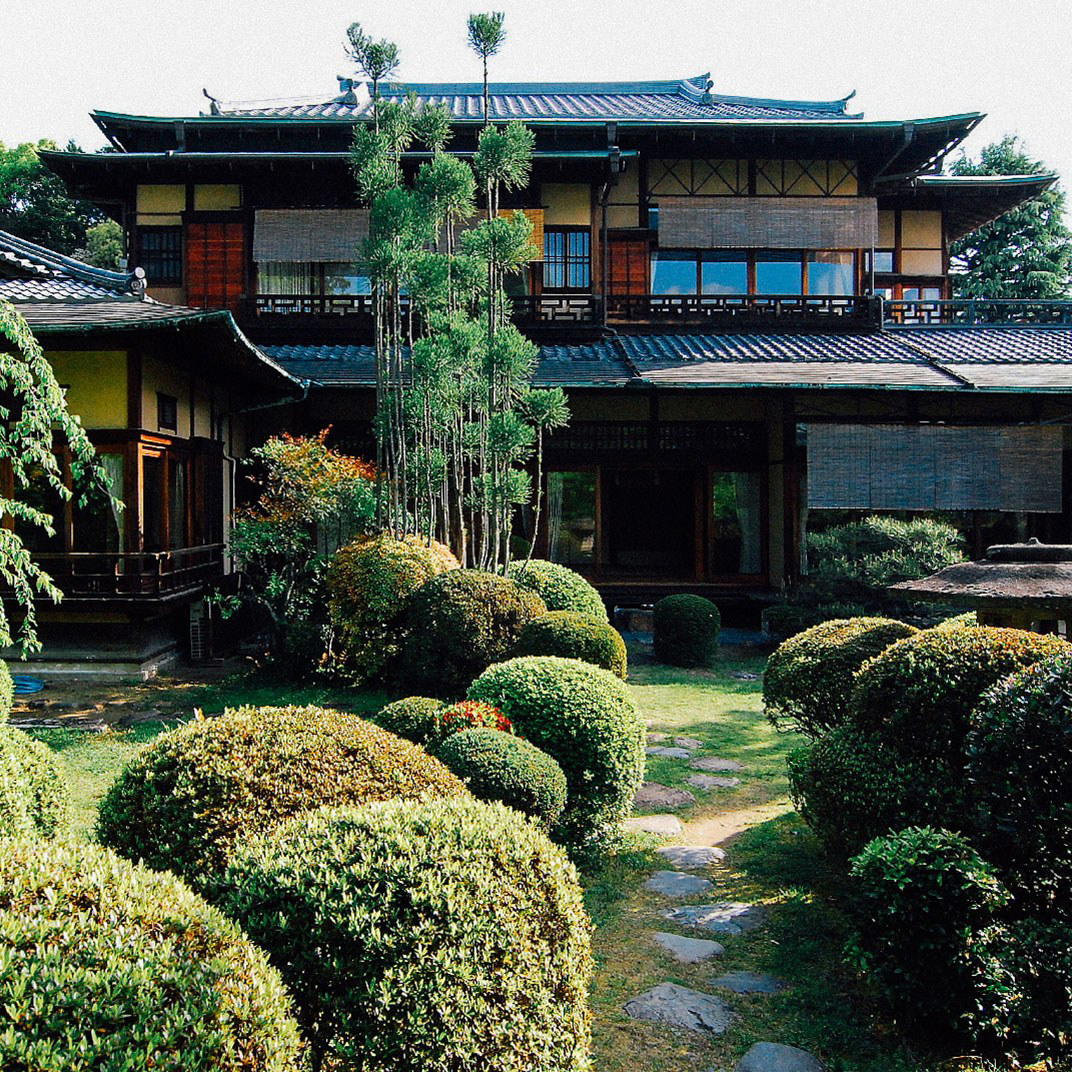
Mount Yoshida and the Architecture of Anticipation
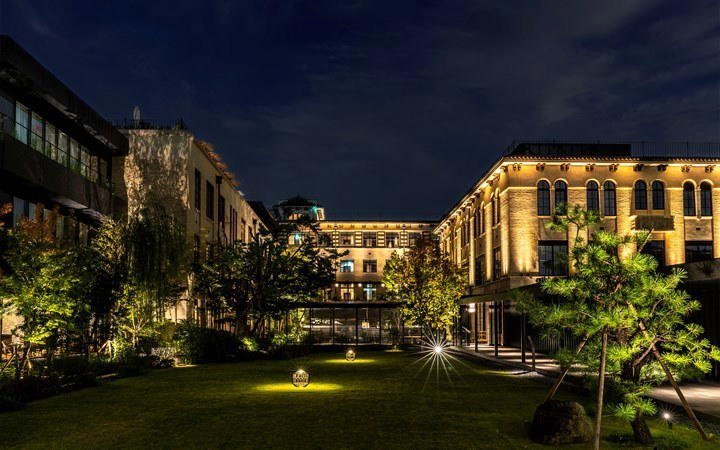
Approaching Yoshida Sanso on foot, through the cedar-lined paths that ascend from Sakyo-ku toward the base of Mount Yoshida, the noise of central Kyoto falls away before the property itself comes into view. This is a deliberate function of geography. The Yoshida district sits at a remove from the temple corridors of Higashiyama and the commercial density around Shijo, and properties in this part of Sakyo-ku benefit from a quietude that is increasingly difficult to find inside Kyoto's main sightseeing radius. The building is a former imperial villa, a category that carries specific architectural meaning in Japan: rooms proportioned for ceremony, garden compositions designed to be read from specific seated positions, and a spatial logic that resists the efficiency-driven renovations common to contemporary hospitality. That provenance shapes everything about how a stay here feels.
Where Yoshida Sanso Sits in Kyoto's Accommodation Spectrum
Kyoto's high-end accommodation market has split into distinct tiers over the past decade. International luxury brands, including Four Seasons Hotel Kyoto and Aman Kyoto, operate at scale with full-service amenities and international pricing. Opposite them sits a smaller cohort of machiya conversions and boutique properties such as eph KYOTO, Higashiyama Shikikaboku, and Hotel Kanra Kyoto, where design restraint and neighbourhood integration take precedence over facilities breadth. Yoshida Sanso occupies a third category: the historically significant ryokan, where the building itself is the primary credential. Its 2025 Michelin Selected designation confirms its position within a curated peer group, but the property's identity predates any guide listing by decades. For context within Japan's broader ryokan tradition, comparable properties carrying similar historical weight include Gora Kadan in Hakone, Asaba in Izu, and Nishimuraya Honkan in Kinosaki-cho, each of which draws its authority from provenance rather than renovation budget.
Within Kyoto specifically, the forest-adjacent ryokan format is perhaps most closely associated with Hoshinoya Kyoto, which takes the landscape-immersion concept to a higher operational scale. Yoshida Sanso works at the opposite end of that spectrum: smaller, less programmatic, and more reliant on the guest's willingness to slow down and read the space on its own terms.
The Service Logic of a Former Imperial Villa
Traditional Japanese hospitality at the ryokan level is built around omotenashi, a mode of service that prioritises anticipation over responsiveness. The distinction matters. In a hotel operating on a request-and-response model, guests signal needs and staff fulfill them. In a well-run ryokan, the need is identified and addressed before it becomes a request. At a property with Yoshida Sanso's historical calibration, this extends into the physical arrangement of each room: the placement of cushions, the timing of meal service, the temperature of water provided at arrival. These are not incidental comforts but expressions of a service philosophy that Japan's traditional inn culture has refined over centuries.
This format works well for guests who arrive with some familiarity with ryokan conventions: the separation of indoor and outdoor footwear, the rhythm of kaiseki meal service, the expectation of quiet. Visitors accustomed to the immediate-access service model of international luxury hotels, such as Bvlgari Hotel Tokyo or Hôtel de Paris Monte-Carlo, will find Yoshida Sanso operating on a different register entirely, one that rewards patience and attentiveness rather than efficiency. Neither is superior as a service model; they are calibrated for different kinds of stay.
Japan's most refined ryokan experiences tend to concentrate in areas where thermal geography or natural setting creates the conditions for extended, contemplative stays. Properties like Zaborin in Kutchan, Kamenoi Besso in Yufu, and Amanemu in Mie each demonstrate how the ryokan format scales upward when combined with onsen access. Yoshida Sanso's version of this is architectural rather than thermal: the stillness of the Yoshida hillside does the work that hot springs do elsewhere.
The Kaiseki Question
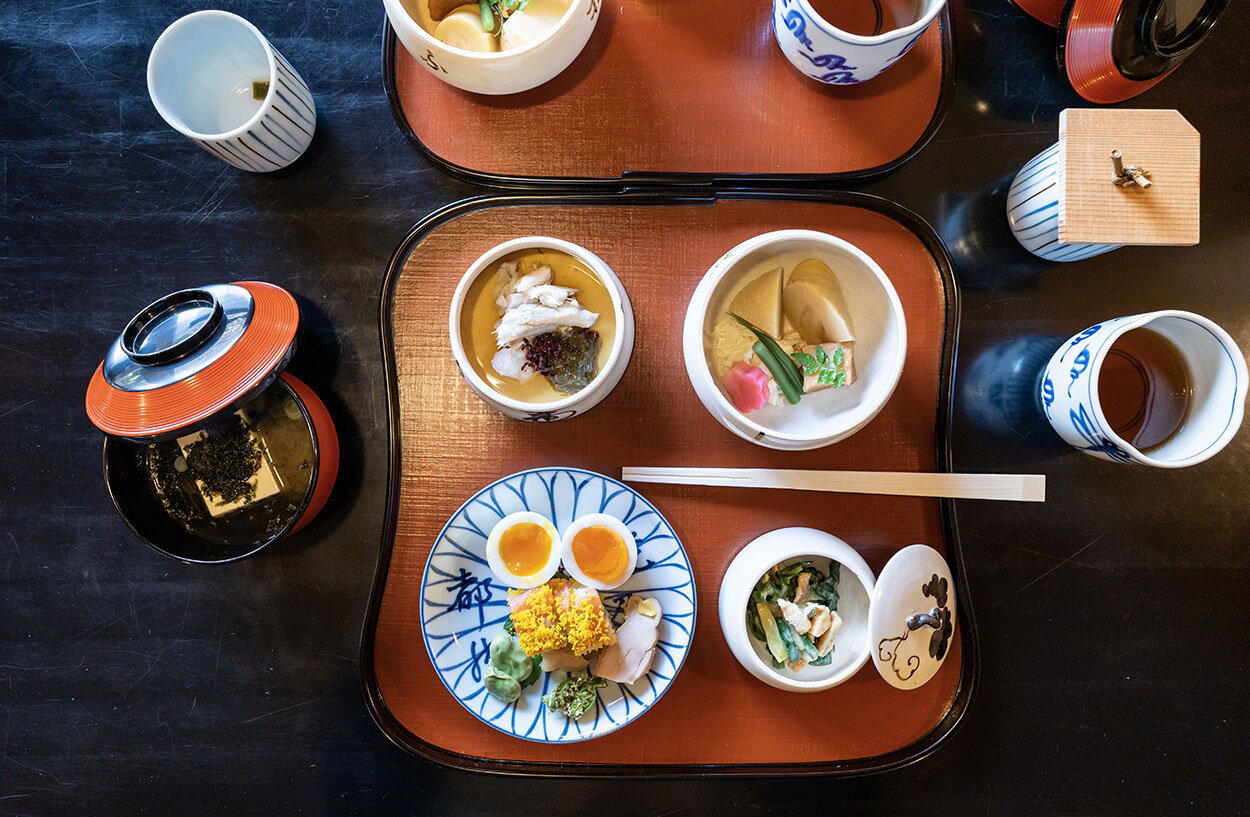
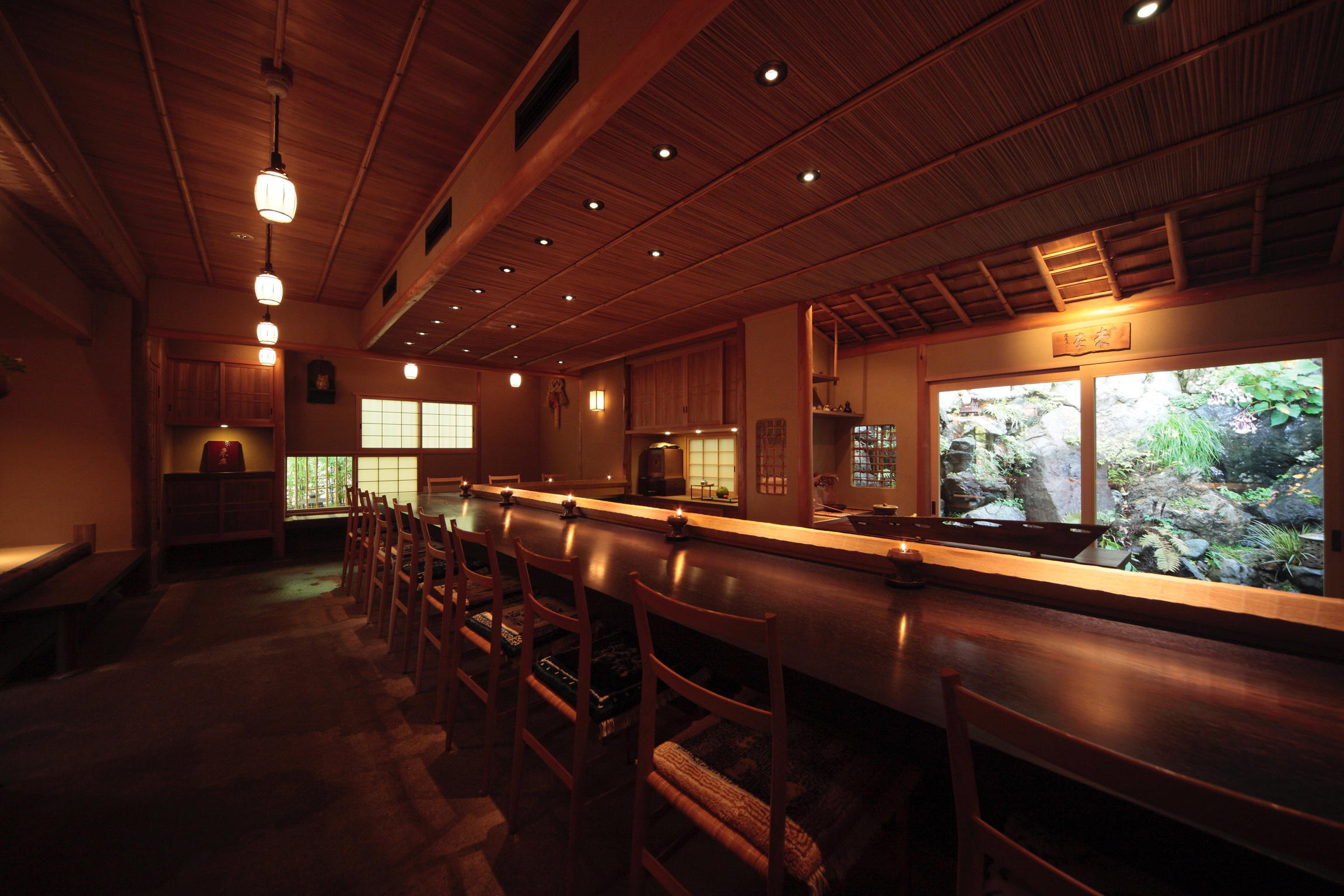
Ryokan dining in Japan, particularly at the level Michelin recognises, follows the kaiseki structure: a multi-course sequence tied to seasonal ingredients, presented in a specific progression that mirrors the logic of the meal as a whole. Kyoto kaiseki carries particular weight within this tradition, partly because the city's imperial history shaped the aesthetic principles that define the form, and partly because proximity to specific growing regions gives Kyoto kitchens access to ingredients with strong local identity. At properties operating at the level Yoshida Sanso's designation implies, the meal is rarely separable from the accommodation: guests eat where they sleep, courses arrive at the room, and the garden or courtyard view becomes part of the composition. This integration of setting and dining is one of the primary reasons guests choose a property like this over a standalone restaurant in the city centre. For those wanting to understand how Kyoto's dining scene maps across different formats and price tiers, our full Kyoto Prefecture restaurants guide provides the broader picture.
Planning a Stay: What to Know in Advance
Yoshida Sanso's Sakyo-ku address places it within reach of the Heian Shrine and the Kyoto University precinct, both walkable, while the Philosopher's Path runs nearby to the east. The Yoshida district itself sees considerably less foot traffic than Higashiyama or Arashiyama, which is part of its appeal and part of why guests who book here tend to plan the surrounding days around quieter, less-visited sites. Other Michelin-recognised properties in and around Kyoto that operate in a different register include HOTEL THE MITSUI KYOTO and Candeo Hotels Kyoto Karasuma Rokkaku, both positioned more centrally and suited to guests prioritising Kyoto's commercial and temple districts.
Because Yoshida Sanso operates as a traditional ryokan rather than a hotel, room count is limited and the property does not absorb last-minute bookings the way a larger establishment might. Kyoto's peak periods, cherry blossom season in late March through early April and autumn foliage in November, compress available inventory across the entire city. At properties in this category, planning three to six months in advance for those windows is not overcautious; it reflects the actual booking reality. The same lead time applies to comparable properties across Japan: Fufu Nikko, Sekitei in Hatsukaichi-shi, and Benesse House in Naoshima all operate with similarly constrained inventory relative to demand. Contact and booking details for Yoshida Sanso are best confirmed directly through current travel specialist channels, as operational specifics at smaller ryokan can shift seasonally. Guests whose travel rhythm suits a more cosmopolitan format might also consider properties as different in character as GRANBELL HOTEL KYOTO or, further afield, Halekulani Okinawa and Jusandi in Ishigaki, though those represent a fundamentally different category of Japanese stay. Even at the far end of the international luxury spectrum, represented by hotels like Badrutt's Palace Hotel in St. Moritz or The Fifth Avenue Hotel in New York City, the anticipatory, space-led logic that Yoshida Sanso embodies has no direct equivalent. That particularity is precisely the point.
Cuisine Lens
Comparable venues nearby, for context on price, style, and recognition.
| Venue | Cuisine | Price | Awards | Notes |
|---|---|---|---|---|
| Yoshida SansoThis venue — the venue you are viewing | Luxury heritage ryokan housed in a restored 1932 imperial residence with contemporary comforts integrated into traditional Japanese design. | $1,000–1,500 | Michelin Selected | Not listed |
| THE HIRAMATSU Kyoto | Historic machiya townhouse blending 120 years of Kyoto architecture with contemporary comfort | Not listed | Michelin Selected | Nakagyō |
| Fufu Kyoto | Modern ryokan with Japanese garden and private onsens | Not listed | 1 Michelin Key | Sakyō |
| 俵屋旅館 | Traditional Japanese ryokan with modern comforts and historical integrity. | $300–500 | Not listed | Nakagyo-ku |
| Imperial Hotel Kyoto | Boutique heritage hotel in restored cultural landmark | Not listed | 1 Michelin Key · Leading Hotels of World Member | Higashiyama |
| MOGANA | Modernist reimagination of traditional Japanese aesthetics with contemporary European design influences, positioned as an intimate design-focused luxury boutique hotel. | Not listed | Michelin Selected | Nakagyō |
Recognition history
Dated appearances from independent guides and award organizations, with the underlying list record or original source where available.
Michelin Selected
Michelin
Continue exploring
More in Kyoto
Hotels in Kyoto
Browse all →
Bars in Kyoto
Browse all →
Restaurants in Kyoto
Browse all →
Wineries in Kyoto
Browse all →
Details
- Romantic
- Quiet
- Elegant
- Classic
- Intimate
- Scenic
- Romantic Getaway
- Anniversary
- Wellness Retreat
- Honeymoon
- Historic Building
- Garden
- Panoramic View
- Private Dining
- Terrace
- Wi Fi
- Restaurant
- Bar
- Massage
- Room Service
- Garden
- Air Conditioning
- Parking
- Garden
- Mountain
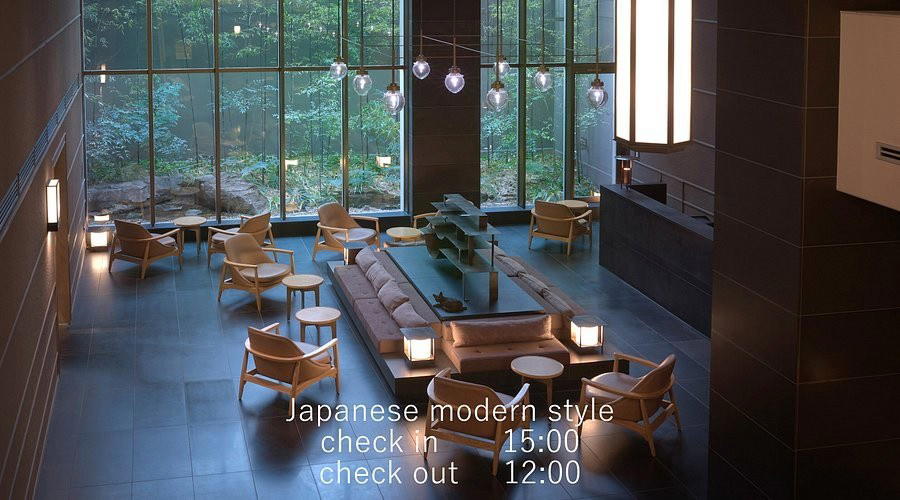
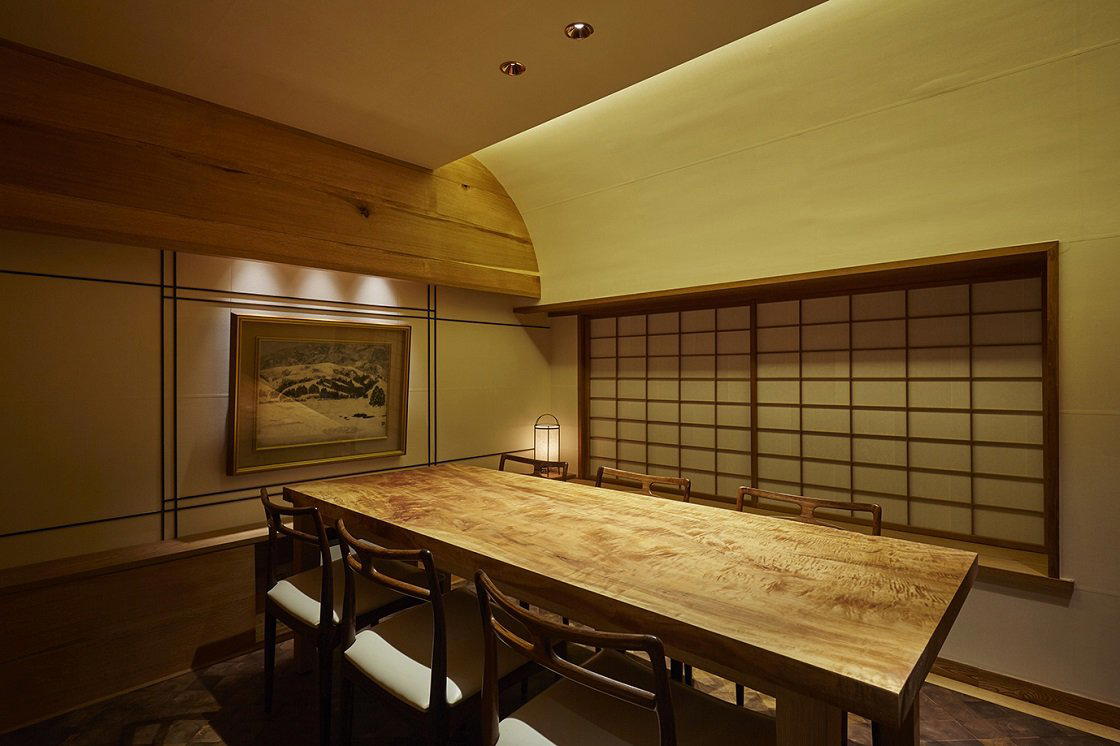
Serene and meditative atmosphere with traditional Japanese design elements, soft natural lighting through gardens, and a tranquil hush upon entry; refined and intimate setting with restrained modernism.