
Michelin Selected
THE HIRAMATSU Kyoto occupies a carefully restored machiya-style property in Nakagyo-ku, carrying the refined hospitality language of the Hiramatsu group into one of Kyoto's most historically layered districts. Recognized in the Michelin Selected Hotels 2025 list, it operates in the smaller, design-conscious tier of Kyoto lodging rather than the grand international-brand category.

Pearl is the En Primeur Club membership app — saves, bookings, and concierge access live there. Same editors, same standards.
- Address
- Japan, 〒604-8174 Kyoto, Nakagyo Ward, Ennogyojacho, 361
- Phone
- +81 75-211-1751
- Website
- hiramatsuhotels.com
- Directions
- Get directions
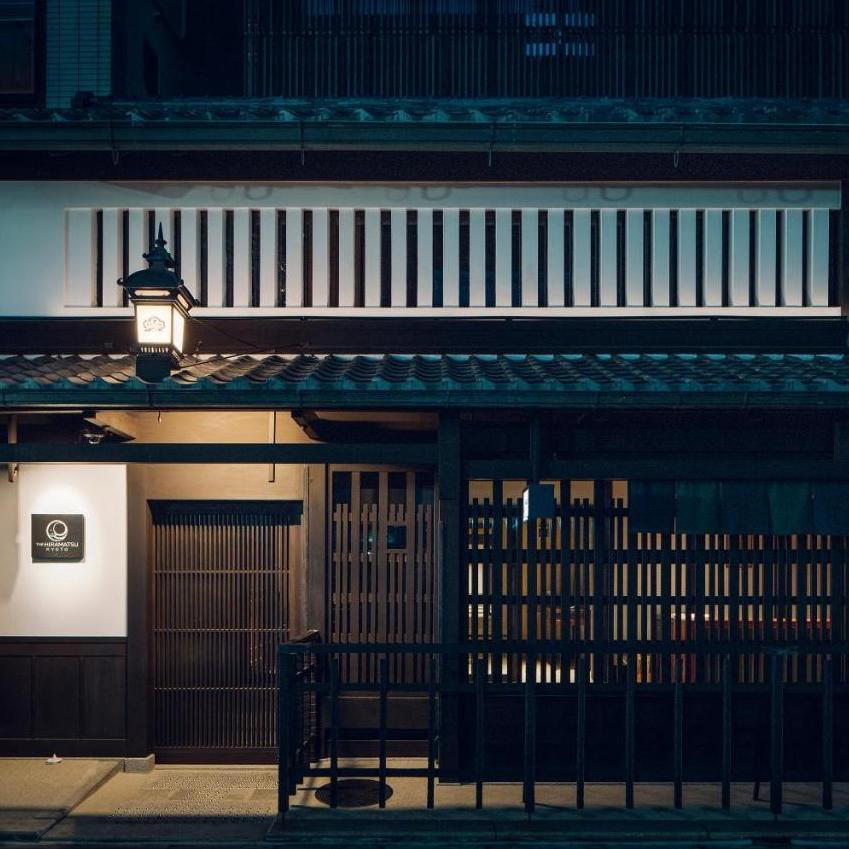
A Machiya Address in Nakagyo-ku
Kyoto's central ward of Nakagyo-ku holds a particular kind of urban density that the city's outer ryokan districts do not. Streets here fold between old merchant townhouses, covered shopping arcades, and shrines that predate the modern street grid by centuries. Arriving at Ennogyojacho, a narrow lane in this ward, the architectural register shifts almost imperceptibly from the surrounding city fabric. That restraint is deliberate. THE HIRAMATSU Kyoto reads from the street as a restored machiya — the timber-fronted townhouse form that defined Kyoto's commercial middle class across the Edo and Meiji periods — rather than as a hotel signaling its presence through a marquee or a livried doorman.
The Hiramatsu group, which operates French and Italian dining properties across Japan alongside its hotel portfolio, applies a consistent logic to its Kyoto address: the building carries the narrative. Where international-brand hotels in Kyoto tend to import a global hospitality grammar into a local shell, THE HIRAMATSU Kyoto works in the opposite direction, letting the inherited architectural character of the machiya set the experiential terms. That positioning places it alongside a cohort that includes SOWAKA and The Shinmonzen, properties where the built fabric is the primary editorial statement, and scale is deliberately small.
What the Michelin Selection Signals About the Category
Inclusion in the Michelin Selected Hotels 2025 list is not a starred distinction, but it carries specific meaning in the context of Kyoto's accommodation tier. Michelin's hotel selection process emphasizes quality consistency, character, and service standard rather than size or brand affiliation, which means the properties it surfaces in this category tend to skew toward the design-led, limited-key segment rather than the large-format international chains. In Kyoto specifically, that segment is crowded with credible competitors: Aman Kyoto operates at the furthest extreme of that niche in terms of price and seclusion; Park Hyatt Kyoto and Four Seasons Hotel Kyoto sit in the international luxury tier with significantly larger footprints; HOTEL THE MITSUI KYOTO occupies a restored historical estate that competes on heritage pedigree.
The Hiramatsu Group's Heritage Position
The broader heritage of the Hiramatsu brand matters here as context. The group built its Japanese reputation primarily in fine dining, its Tokyo and Osaka French restaurants carry Michelin stars and have done so across multiple guide editions, before extending into hotel properties. That dining-first lineage shapes how THE HIRAMATSU Kyoto positions itself against conventional hotel competitors. In a city where ryokan hospitality traditionally integrates kaiseki cuisine as inseparable from the overnight experience, a hotel bearing the Hiramatsu name arrives with an implicit statement about culinary standard.
This is a dynamic visible in European parallels. Properties like Hôtel de Paris Monte-Carlo or Badrutt's Palace Hotel in St. Moritz carry dining legacies that set them apart from hotels of comparable room count and price. The Hiramatsu group has built a similar logic in Japan, where the brand is recognized in dining circles before hospitality ones.
Nakagyo-ku as a Base: What the Location Offers
The ward positioning carries practical weight for guests thinking about how to use the city. Nakagyo-ku sits between Kyoto's traditional southern merchant districts and the geisha quarters of Gion and Pontocho to the east, placing the property within walking distance of Nishiki Market and the covered Teramachi arcade. The Kamo River corridor is close enough to anchor an evening walk. For guests whose Kyoto agenda runs toward temples and shrines, the central location offers subway and bus access to both the northern cluster around Daitoku-ji and the southern concentration at Fushimi. This is a different geographical logic from the outer-ryokan model: Aman Kyoto sits in the wooded northern foothills and trades central access for seclusion; THE HIRAMATSU Kyoto makes the opposite trade, absorbing Kyoto's urban texture rather than retreating from it.
For comparison across Japan's premium property landscape, this kind of urban-integration positioning appears in properties like Nishimuraya Honkan in Kinosaki-cho or Benesse House in Naoshima, both embedded in the character of their specific location rather than constructed as retreats from it. The same logic runs through Zaborin in Kutchan and Gora Kadan in Hakone, though both of those lean into landscape seclusion rather than urban density. THE HIRAMATSU Kyoto's Nakagyo-ku address is a city-immersion argument, not an escape one.
Seasonal Framing: When to Go
Kyoto's peak demand periods compress hard around cherry blossom season in late March and early April, and around the autumn foliage window of mid-November through early December. Both periods see accommodation rates rise sharply and availability at quality properties shrink well in advance. THE HIRAMATSU Kyoto's machiya-scale format means a limited number of rooms, which amplifies this seasonal scarcity dynamic. Guests targeting either peak window should plan bookings significantly ahead. The shoulder months, May, September, and early October, offer more manageable visitor volumes and stable weather, and many of Kyoto's more considered travelers have shifted toward these periods deliberately to engage with the city at a pace that peak season crowds make difficult. The property's central ward location also means that summer evenings along the Kamo River, while humid, carry a specific Kyoto character not available in the quieter outskirts.
Visitors comparing properties in this tier should map the decision against clear variables: centrality versus seclusion, international brand structure versus Japanese operator ownership, and dining integration versus room-first design. THE HIRAMATSU Kyoto competes most directly with SOWAKA and The Shinmonzen on the design-led Japanese operator axis. Ace Hotel Kyoto and Dusit Thani Kyoto represent adjacent options at different points on the format and price spectrum. For guests whose Japan itinerary extends beyond Kyoto, context from Bvlgari Hotel Tokyo in Tokyo, Amanemu in Mie, Fufu Nikko in Nikko, Asaba in Izu, Kamenoi Besso in Yufu, Halekulani Okinawa, Sekitei in Hatsukaichi-shi, Fufu Kawaguchiko in Fujikawaguchiko, and Jusandi in Ishigaki helps frame where THE HIRAMATSU Kyoto sits within the full range of premium Japanese accommodation. See our full Kyoto restaurants guide for dining context across the city's neighborhoods.
Peers in This Market
Comparable venues nearby, for context on price, style, and recognition.
| Venue | Cuisine | Price | Awards | Notes |
|---|---|---|---|---|
| THE HIRAMATSU KyotoThis venue — the venue you are viewing | Historic machiya townhouse blending 120 years of Kyoto architecture with contemporary comfort | Not listed | Michelin Selected | Not listed |
| MOGANA | Modernist reimagination of traditional Japanese aesthetics with contemporary European design influences, positioned as an intimate design-focused luxury boutique hotel. | Not listed | Michelin Selected | Nakagyō |
| Aman Kyoto | Contemporary ryokan-inspired pavilions integrated into a forested landscape. | Not listed | 2 Michelin Keys · World's 50 Best #74 | Kita |
| Hotel Okura Kyoto Okazaki Bettei | Small luxury hideaway reminiscent of a mountain lodge in Higashiyama culture | $300–500 | Michelin Selected | Sakyō |
| Hotel Utano Kyoto Bessho | Historic Japanese-Western hybrid residence from the early 20th century, meticulously renovated to blend traditional architecture with contemporary luxury. | Not listed | Michelin Selected | Ukyō |
| Imperial Hotel Kyoto | Boutique heritage hotel in restored cultural landmark | Not listed | 1 Michelin Key · Leading Hotels of World Member | Higashiyama |
Recognition history
Dated appearances from independent guides and award organizations, with the underlying list record or original source where available.
Michelin Selected
Michelin
Continue exploring
More in Kyoto
Hotels in Kyoto
Browse all →
Bars in Kyoto
Browse all →
Restaurants in Kyoto
Browse all →

Wineries in Kyoto
Browse all →
Details
- Elegant
- Sophisticated
- Quiet
- Intimate
- Classic
- Romantic Getaway
- Anniversary
- Honeymoon
- Garden
- Historic Building
- Wi Fi
- Room Service
- Concierge
- Hot Tub
- Garden
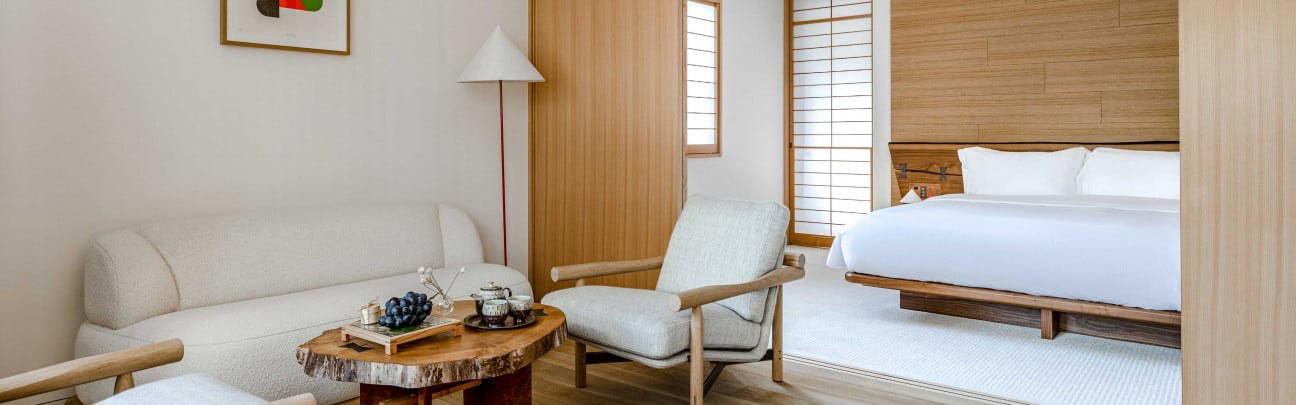
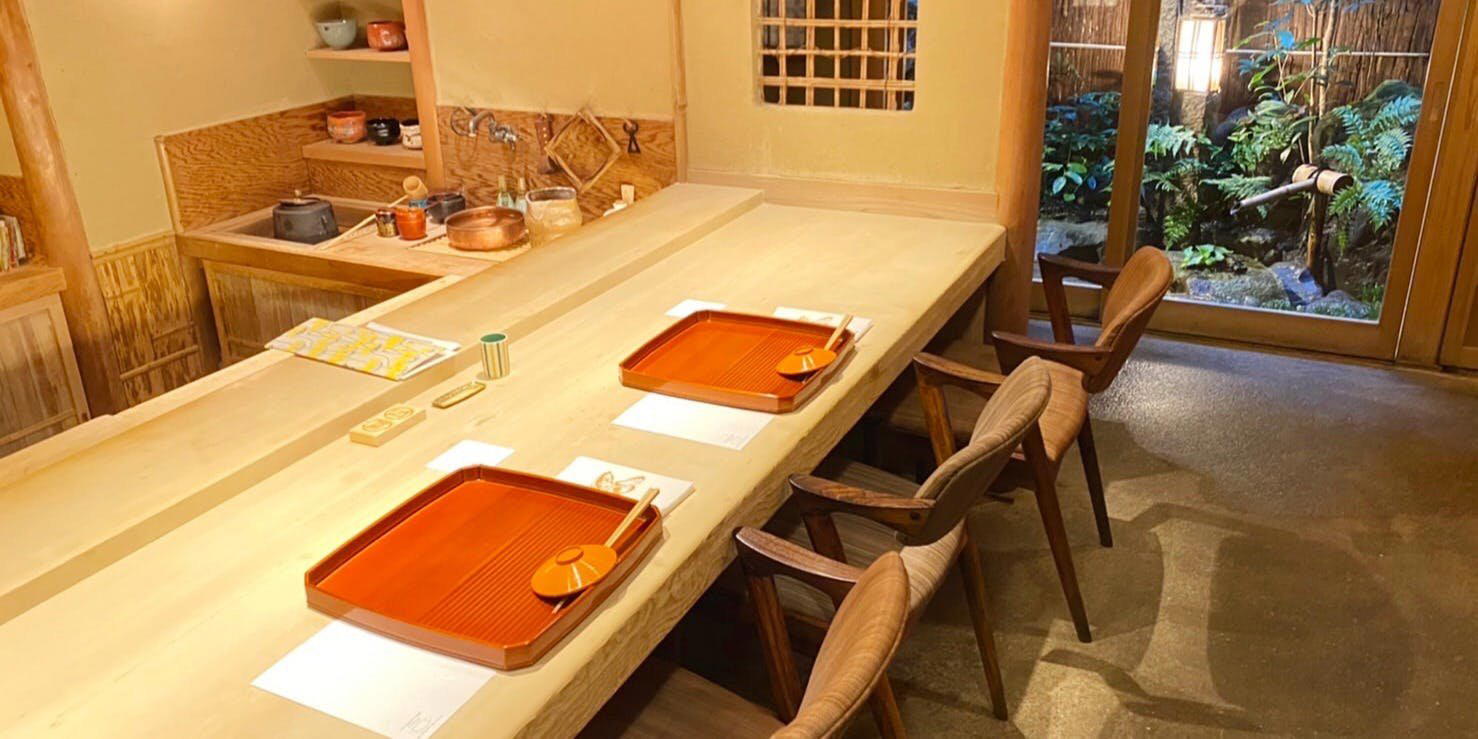
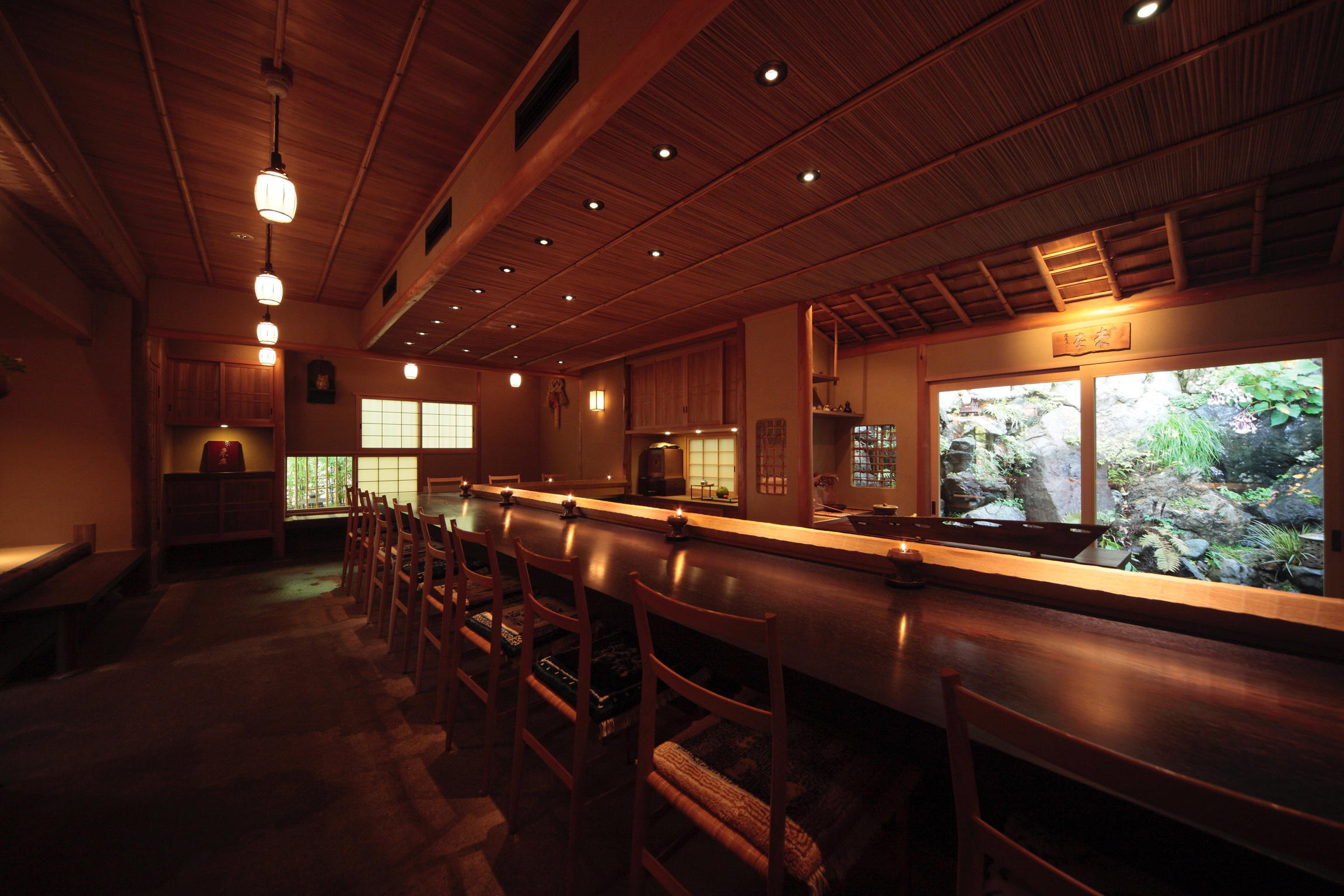
Refined wabi-sabi atmosphere with natural materials, soft lighting from washi paper screens and lamps, miniature gardens bringing serene nature indoors amid elegant Kyoto aesthetics.