





An eight-seat kaiseki counter in Kanazawa's Namikimachi district, Kataori has held Tabelog Gold every year from 2021 through 2026, scored 4.72, and ranked first in Japan on Opinionated About Dining in 2025. The counter format, a particular focus on fish, and a deep commitment to Ishikawa's seasonal calendar place it among the most closely watched kaiseki addresses outside Kyoto and Tokyo.
Pearl is the En Primeur Club membership app — saves, bookings, and concierge access live there. Same editors, same standards.
- Address
- 3-36 Namikimachi, Kanazawa, Ishikawa 920-0928, Japan
- Phone
- +81 76-255-1446
- Website
- tabelog.com
- Directions
- Get directions
 Saves & bookings on Pearl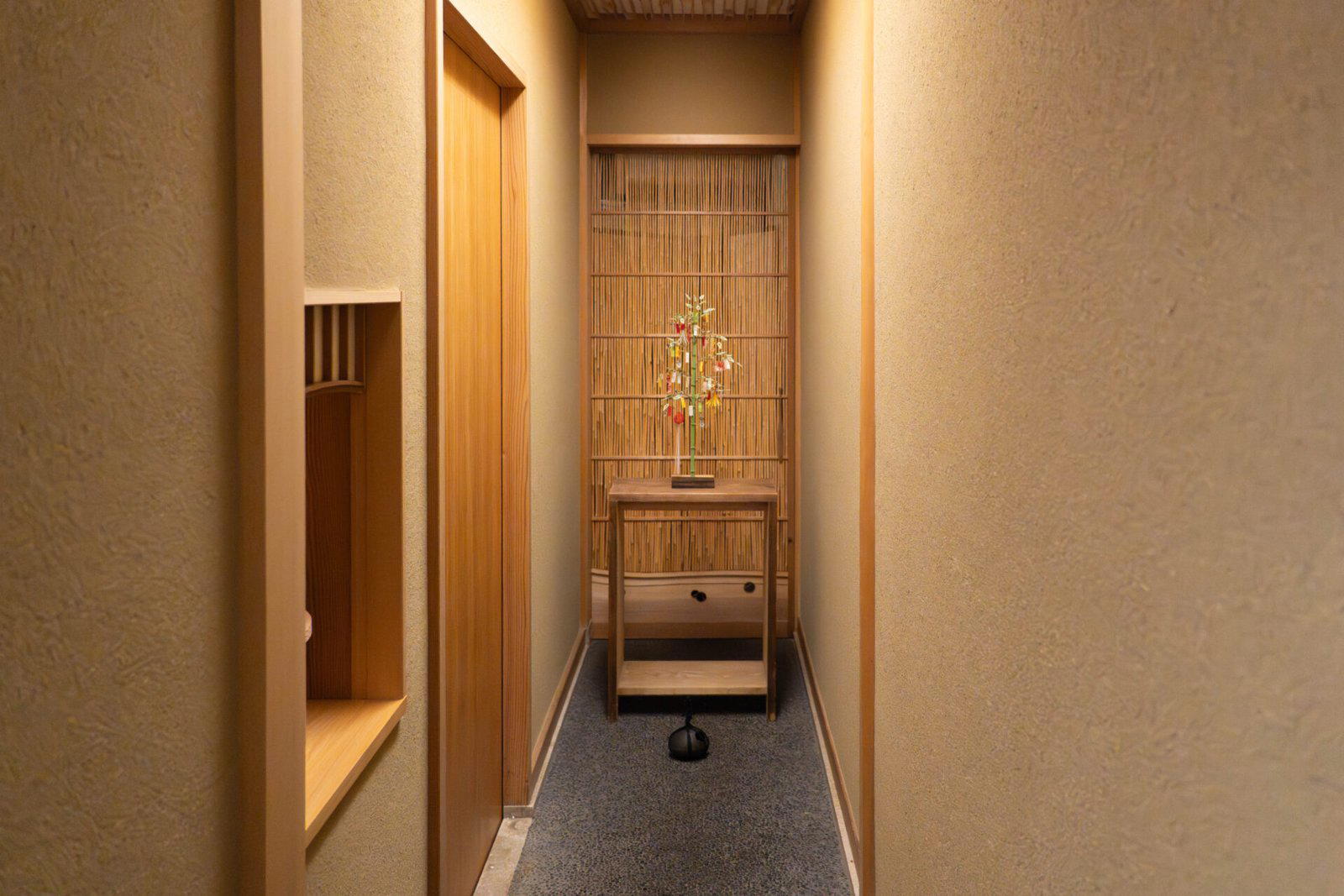
A Counter at the Edge of Kanazawa's Quiet Streets
Namikimachi sits at a remove from the Higashi Chaya teahouse quarter and the more trafficked corridors of central Kanazawa, and the neighbourhood's low-profile character matches what happens inside number 3-36. The counter seats eight, the format is kaiseki, and the room is described by Tabelog as a relaxing, counter-only space — no private rooms, no large-group configurations. Arriving on foot takes roughly seven minutes from the Hashibacho bus stop, or fifteen minutes from Kanazawa Station, which is a meaningful walk that filters out casual drop-ins and reinforces the sense that reaching this counter requires a degree of intention. Reservations are required, and the address operates two evening seatings — 5:00 to 7:30 and 8:00 to 10:30, with lunch added on Wednesdays and Sundays.
Kanazawa Kaiseki and the Regional Argument
The kaiseki tradition is most legibly associated with Kyoto, where it developed from the tea ceremony and codified a sequence that moves through soup, raw preparations, simmered dishes, grilled courses, and rice. But kaiseki has never been a Kyoto monopoly, and Kanazawa has historically made a competitive case. The city's position on the Sea of Japan coast gives its kitchens access to ingredients that Kyoto must import: snow crab, yellowtail, rock oysters, and a category of white fish found in the cold, deep waters off Noto Peninsula. This is the raw material advantage that distinguishes Kanazawa kaiseki from its inland counterpart, and it drives a style that leans harder into fish and seafood than many Kyoto houses, a tendency the Kataori record explicitly signals, noting that the kitchen is "particular about fish."
The comparison to Kanto-style kaiseki, concentrated in Tokyo, is a different kind of contrast. Tokyo kaiseki often absorbs influences from the city's density of suppliers and its cosmopolitan diner base, sometimes bending the sequence or introducing non-traditional elements. Kanazawa's kaiseki houses, at their most rigorous, tend to hold closer to the discipline of seasonal and regional coherence, a position that reflects both the city's cultural self-consciousness and the practical reality that proximity to Ishikawa Prefecture's agricultural and marine output creates natural boundaries around the seasonal calendar. Kataori operates within this tradition: an eight-seat counter in a city that takes its regional identity seriously, at a price point that signals a complete absence of compromise. For comparable approaches to fish-forward kaiseki in Western Japan, Gion Sasaki in Kyoto and Ifuki, also in Kyoto, occupy the same register of seasonal discipline, though with different ingredient priorities given their landlocked position.
What the Award Record Indicates
Tabelog Gold is awarded to restaurants that sustain scores above a threshold that places them in approximately the top 0.1% of venues on the platform. Kataori has held that designation every year from 2021 through 2026, a run of six consecutive Gold awards, preceded by Silver in 2020, the year the counter was only in its second year of operation having opened in May 2018. The 2026 Tabelog score is 4.72, against a platform ranking of 12th nationally in its category group. Review-based average spend comes in at JPY 60,000 to 79,999 per person, somewhat above the listed price range of JPY 40,000 to 49,999, which suggests the actual experience at the counter extends beyond the base menu cost when sake and service charges are factored in, Kataori applies a 10% service charge, and its drinks program is described as particular about sake (nihonshu) alongside wine.
The La Liste score of 96 points in both 2025 and 2026 places Kataori in a tier of restaurants recognised across multiple international assessment frameworks, not only the domestic Tabelog system. La Liste aggregates from critical sources across markets, which means a 96 reflects consistency across different reviewer communities and evaluation criteria. The Opinionated About Dining (OAD) ranking is perhaps the sharpest data point of all: first in Japan in 2025, third in 2024, and thirteenth in 2023, a trajectory that shows rapid ascent within the OAD community, whose members skew toward knowledgeable frequent diners rather than general reviewers. Within Kanazawa's own fine dining tier, Zeniya and Komatsu occupy comparable territory in terms of seriousness and format, while Kisanuki provides another point of reference in the Japanese cuisine category.
Seasonality and the Matsutake Question
Kanazawa's kaiseki calendar tracks Ishikawa's agricultural and marine seasons closely, and the most telling detail in the Kataori operating record concerns the matsutake season. The venue notes that during matsutake mushroom season it opens from 18:00 rather than the standard evening start, a scheduling adjustment that reflects how seriously the kitchen treats the arrival of autumn's most valued ingredient. Matsutake from the mountains of Ishikawa Prefecture, prized for a fragrance that cannot be replicated in cultivated varieties, represents exactly the kind of fleeting, place-specific moment that Kanazawa kaiseki is built around. That operational detail is not a footnote: it signals a kitchen that reorganises itself around seasonal reality rather than bending the season to operational convenience.
This approach positions Kataori within a kaiseki tradition that treats seasonal ingredients as the actual structure of the menu, not as a set of garnishes applied to a fixed sequence. The same logic applies to winter, when the Sea of Japan delivers its most compelling produce: winter yellowtail (buri) from the Noto coast, and the snow crab season that draws visitors to Kanazawa specifically between November and March. A counter of eight seats operating in this tradition can shift its menu in response to daily supply in ways that larger rooms cannot, which is part of the structural argument for the small counter format in serious kaiseki.
How Kataori Compares in Its Competitive Set
At the level of critical recognition Kataori has reached, the relevant comparisons shift from the local Kanazawa tier to a national and regional peer group. HAJIME in Osaka operates at a similar elevation in terms of international recognition. Kikunoi in Tokyo and akordu in Nara each represent different approaches to fine dining in Western and Central Japan. The city has long positioned itself as a cultural counterweight to Kyoto, and the elevation of a counter in Namikimachi to the best of OAD's Japan rankings reinforces that claim with evidence rather than civic pride. For context on the wider Kanazawa dining scene, including formats ranging from yakitori at Hamagurizaka Maekawa to French at Budoonomori Les Tonnelles, see our full Kanazawa restaurants guide.
Planning Your Visit
Kataori accepts reservations only, with no walk-in access at the eight-seat counter. The address is 3-36 Namikimachi, Kanazawa, approximately 15 minutes on foot from Kanazawa Station or seven minutes from the Hashibacho bus stop. Evening seatings run 5:00 to 7:30 and 8:00 to 10:30; lunch operates on Wednesdays and Sundays from 12:00 to 2:30. Closing days are not fixed, so confirming directly before travel is advisable. The listed price range is JPY 40,000 to 49,999 per person, with a 10% service charge applied; review-based spending averages run higher at JPY 60,000 to 79,999 when drinks are included. Credit cards (Visa, Mastercard, JCB, Amex, Diners) are accepted; electronic money and QR code payments are not. Perfume is not permitted, a dress code note that aligns with the counter-format expectation that fragrance not interfere with the meal. The counter is non-smoking, not family-friendly, and has no private room option. For broader trip planning, see our Kanazawa hotels guide, bars guide, and experiences guide. If sake is a priority alongside the meal, the drinks program is noted as sake-focused, which aligns with Ishikawa Prefecture's strong regional brewing tradition and the counter's evident commitment to matching regional produce at the glass as well as the plate. See also our Kanazawa wineries guide for local producers worth exploring before or after your visit.
What It’s Closest To
Comparable venues nearby, for context on price, style, and recognition.
| Venue | Cuisine | Price | Awards | Notes |
|---|---|---|---|---|
| KataoriThis venue — the venue you are viewing | Hyperseasonal Hokuriku Kaiseki Omakase | $$$$ | World's 50 Best #82 | Not listed |
| Respiracion | Modern Spanish with Kanazawa Ingredients | $$$ | World's 50 Best #92 | Kanazawa |
| Kisanuki | Kanazawa Kaiseki Omakase | $$$$ | Not listed | Kanazawa |
| 貴船 | Traditional Kaga Kaiseki | $$$$ | Not listed | Kanazawa |
| é å± å½ä¸é | Traditional Kaga Kaiseki | $$$$ | Not listed | Kanazawa |
| Teppanyaki 「Icho」 | Teppanyaki | $$$$ | Not listed | Kanazawa |
Recognition history
Dated appearances from independent guides and award organizations, with the underlying list record or original source where available.
La Liste Top Restaurants
La Liste
Opinionated About Dining Top Restaurants in Japan Ranked #2
Opinionated About Dining
Tabelog Gold #12
Tabelog
World's 50 Best Asia's Best Restaurants #82
World's 50 Best
La Liste Top Restaurants
La Liste
Opinionated About Dining Top Restaurants in Japan Ranked #1
Opinionated About Dining
Tabelog 100 #8 · No. 8
Tabelog · Tabelog 100 - Japanese cuisine - WEST - 2025
Tabelog Gold
Tabelog
The Best Chef One Knife
The Best Chef
Opinionated About Dining Top Restaurants in Japan Ranked #3
Opinionated About Dining
Opinionated About Dining Top Restaurants in Japan Ranked #13
Opinionated About Dining
The Japan Times Destination Restaurants Destination Restaurants Selection #6
The Japan Times Destination Restaurants
Continue exploring
More in Kanazawa
Restaurants in Kanazawa
Browse all →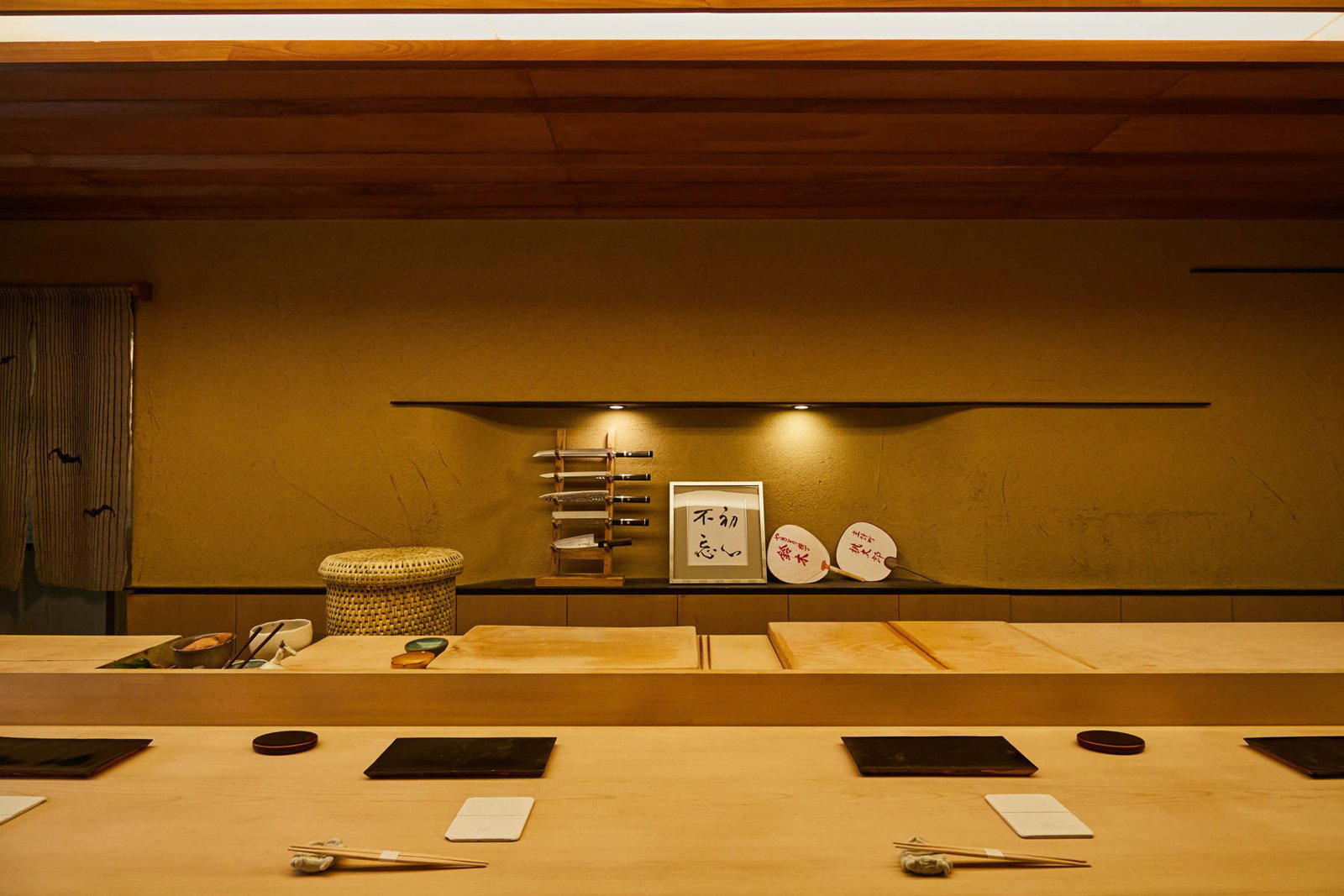
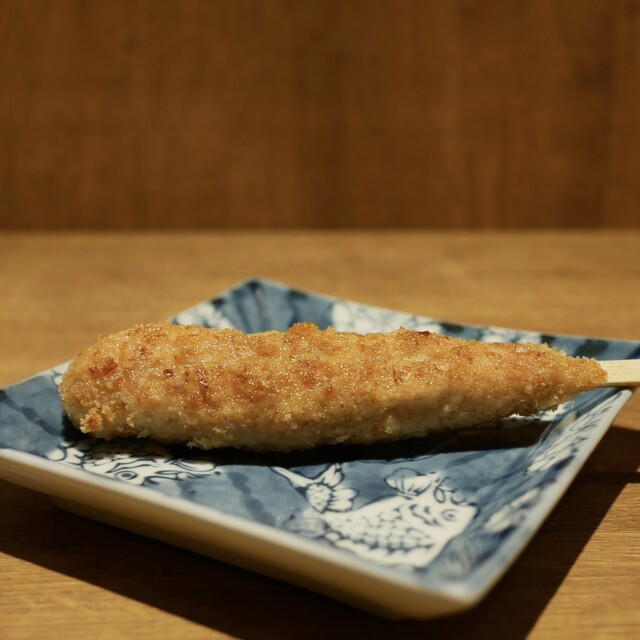
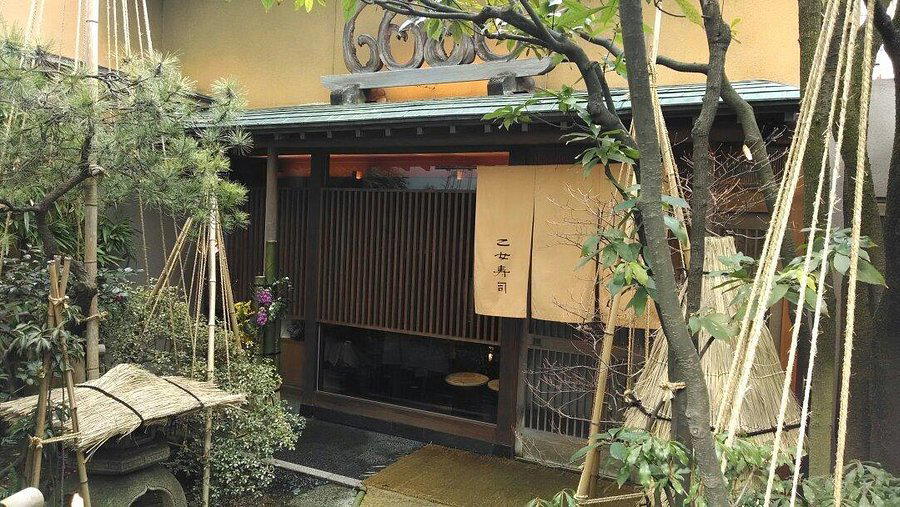
Bars in Kanazawa
Browse all →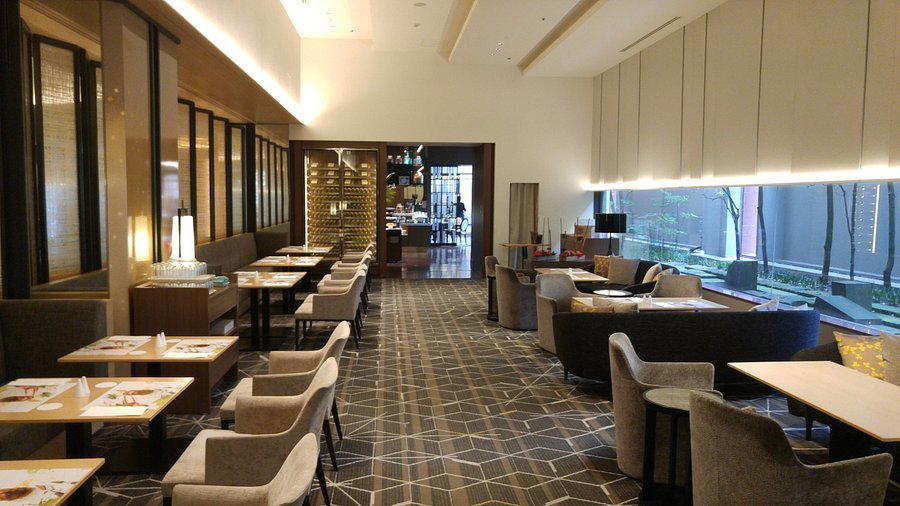
Hotels in Kanazawa
Browse all →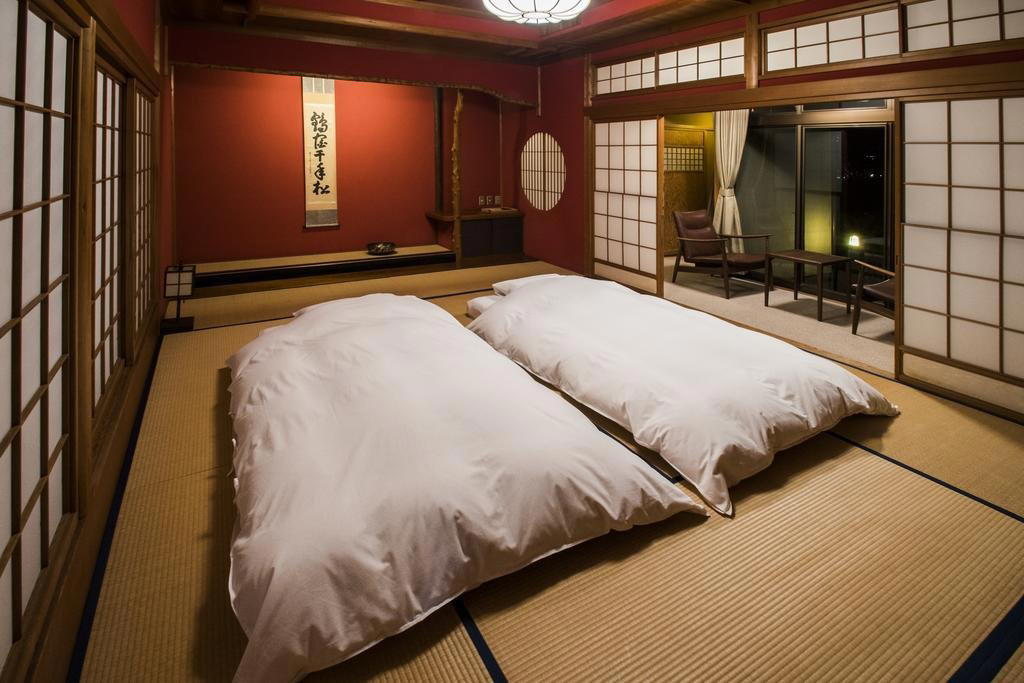
Wineries in Kanazawa
Browse all →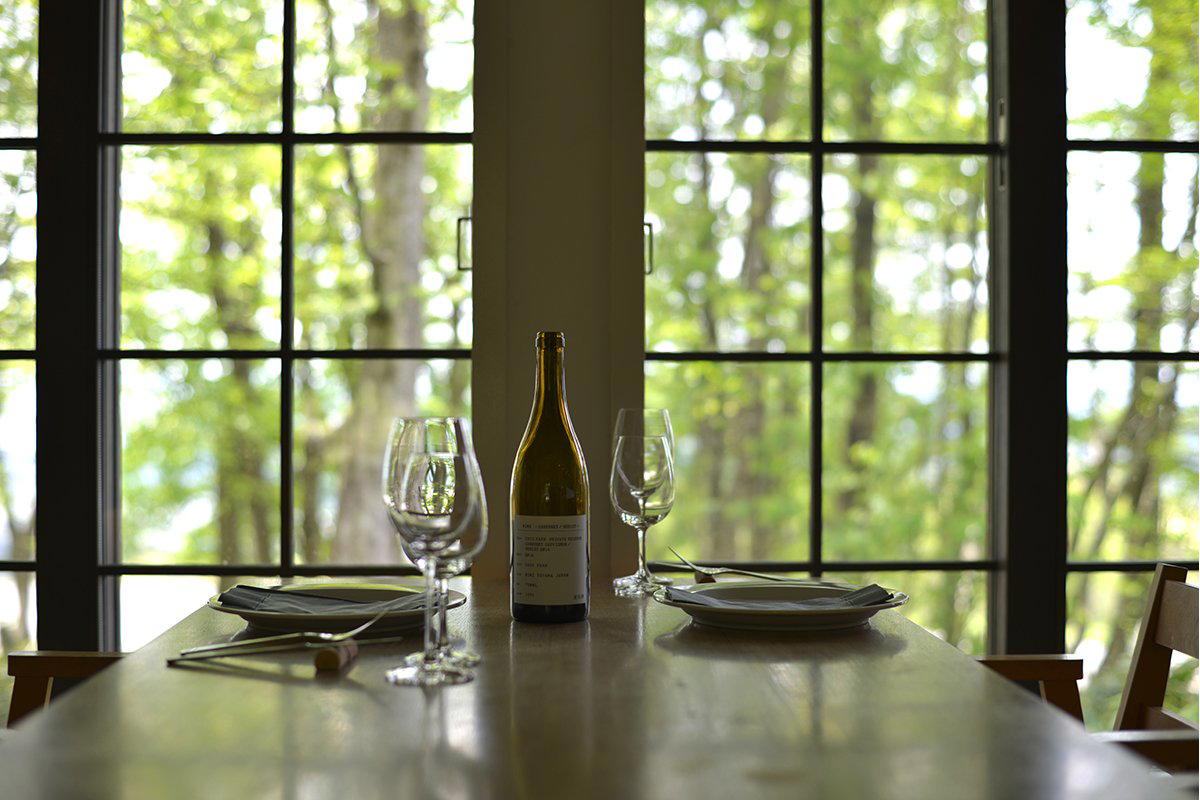
At a Glance
- Intimate
- Elegant
- Minimalist
- Quiet
- Sophisticated
- Special Occasion
- Celebration
- Chefs Counter
- Open Kitchen
- Waterfront
- Sake Program
- Local Sourcing
- Farm To Table
- Sustainable Seafood
- Waterfront
Current opening hours
- Monday
- 5–7:30 PM, 8–10:30 PM
- Tuesday
- 5–7:30 PM, 8–10:30 PM
- Wednesday
- 12–2:30 PM, 5–7:30 PM, 8–10:30 PM
- Thursday
- 5–7:30 PM, 8–10:30 PM
- Friday
- 5–7:30 PM, 8–10:30 PM
- Saturday
- 5–7:30 PM, 8–10:30 PM
- Sunday
- 12–2:30 PM, 5–7:30 PM, 8–10:30 PM
Hours can change for holidays and private events. Last verified .
Minimalist counter seating with an open kitchen view overlooking the Asano River; serene and focused atmosphere emphasizing the simplicity and purity of ingredients.
Know Before You Go
- Getting there
- 3-36 Namikimachi, Kanazawa, Ishikawa 920-0928, Japan