
Michelin Selected
A Michelin Selected ryokan in Nanto's Johana district, Moritosha sits at the quieter end of Japan's rural accommodation spectrum — the kind of property where architectural restraint and landscape integration do more work than amenity lists. For travellers willing to route through Toyama Prefecture's less-charted interior, it represents a considered alternative to the more trafficked onsen circuits.

Pearl is the En Primeur Club membership app — saves, bookings, and concierge access live there. Same editors, same standards.
- Address
- Japan, 〒939-1863 Toyama, Nanto, Johana, 405 別院善徳寺内
- Phone
- +81 763-77-3732
- Website
- moritosha.jp
- Directions
- Get directions
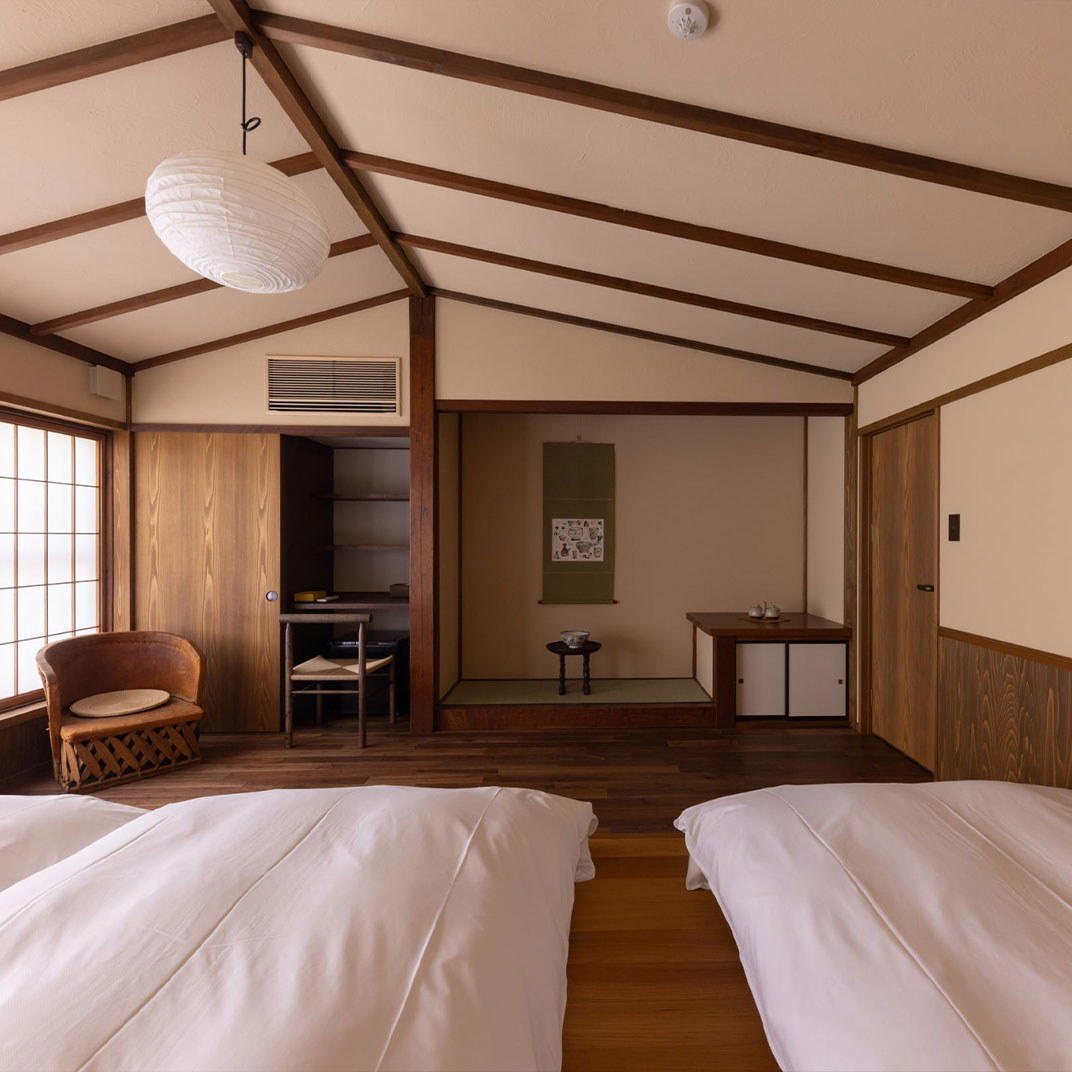
Where Johana's Quiet Architecture Does the Talking
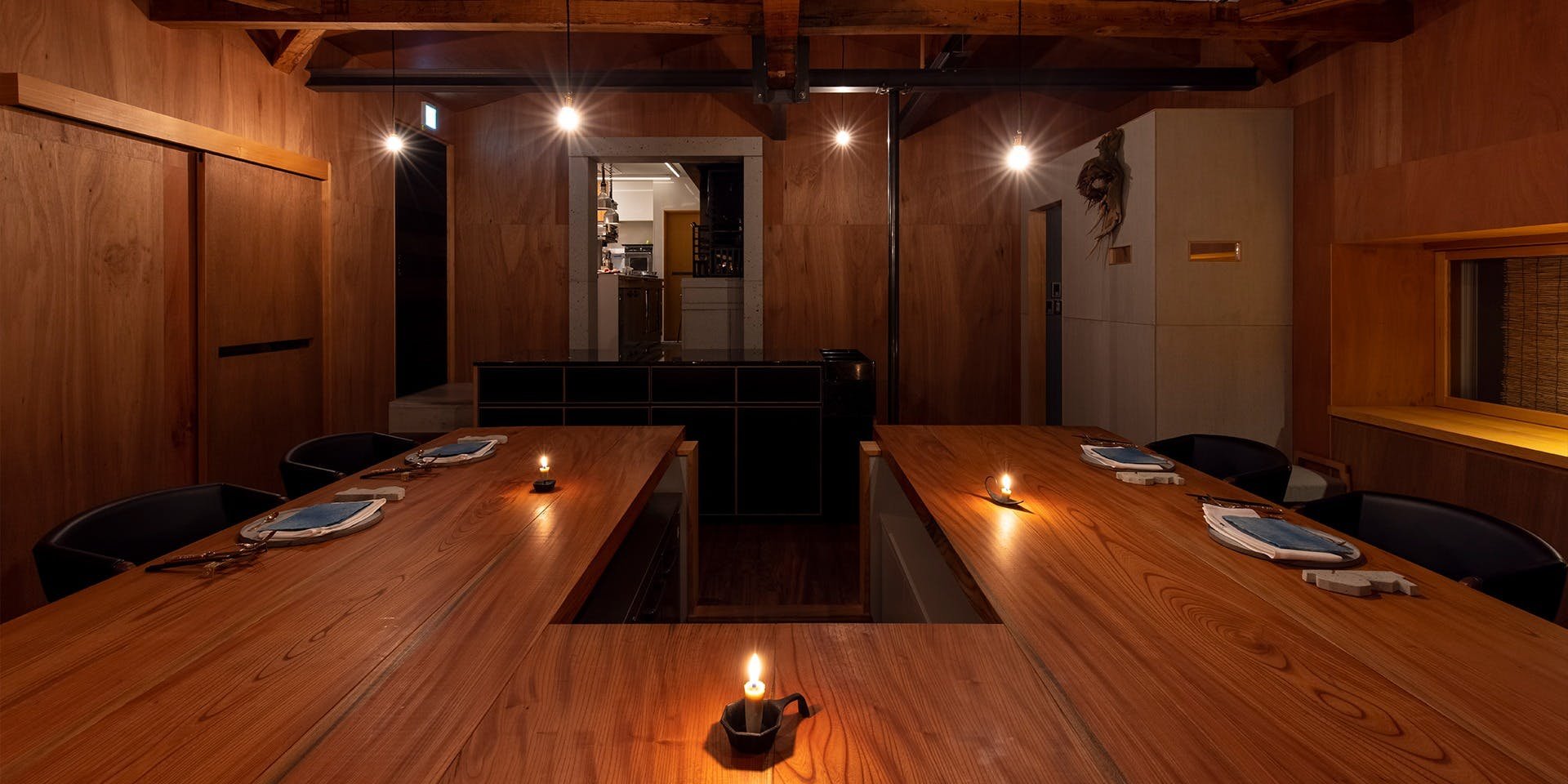
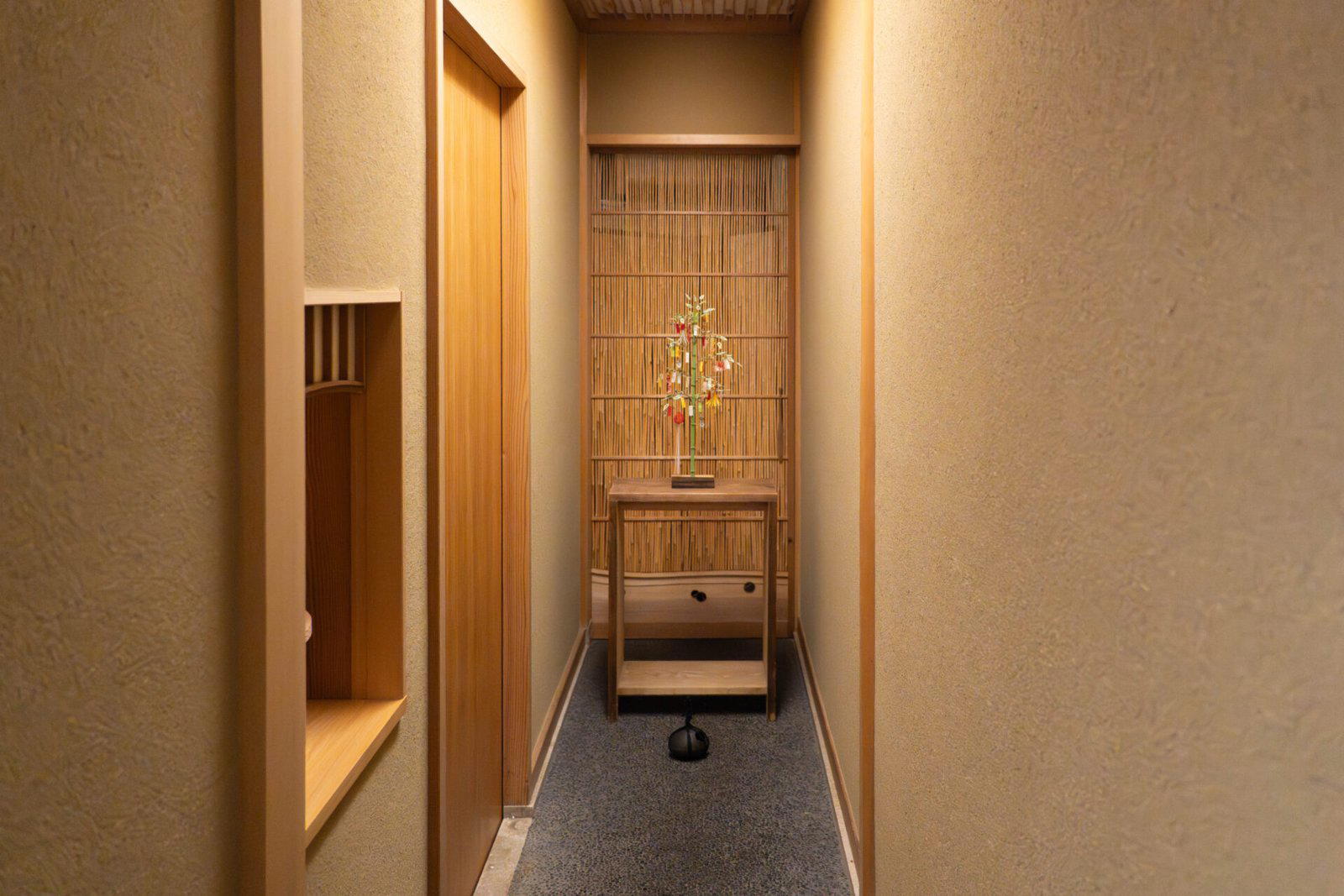
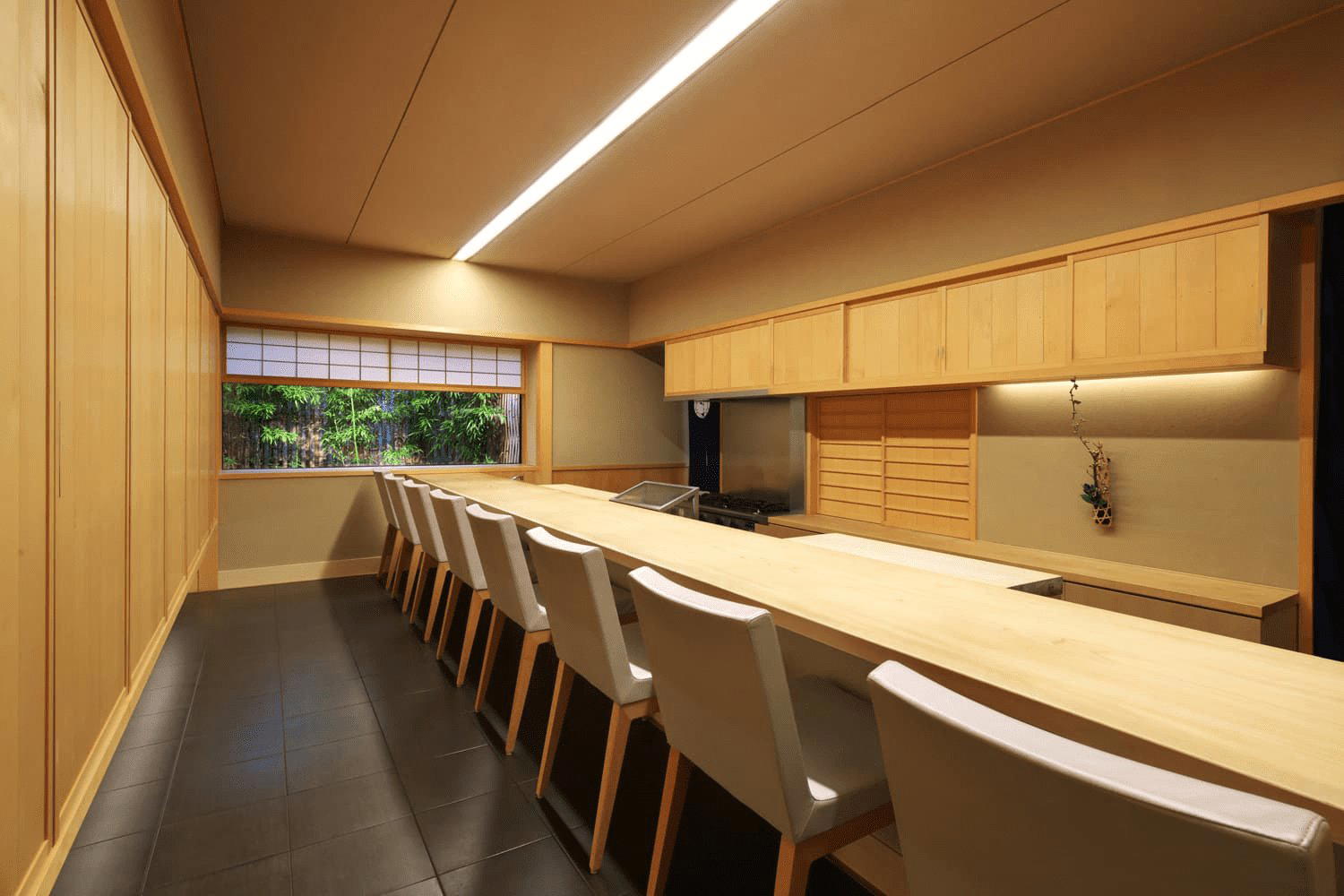
Japan's premium ryokan market has sorted itself into two broad camps over the past decade. The first competes on spectacle: elaborate kaiseki menus, theatrical onsen design, and price points that track the Aman circuit. The second operates on restraint — fewer keys, materials drawn from the immediate region, and a spatial logic that prioritises stillness over programmatic density. Moritosha, sitting at address 405 Johana in the Nanto municipality of Toyama Prefecture, belongs firmly to the second group. Michelin's 2025 hotel selection, which spans properties across Japan from metropolitan flagships to rural inns, placed Moritosha within its curated set — a signal that the property's approach to hospitality reads as coherent and deliberate rather than incidental.
Johana itself sets the frame. The district is one of several historic silk-weaving towns absorbed into the expanded Nanto city boundary after the 2004 municipal merger that brought together ten towns and villages across the Tonami Plain and the Nanto highlands. Where Shirakawa-go, to the southwest, draws considerable traffic for its gassho-zukuri farmhouses and UNESCO designation, Johana operates on a smaller register. The architectural fabric here, old merchant houses, Buddhist temple precincts, and the traces of a silk-trade economy, hasn't been rationalised for tourism in the same way. That means the surrounding context that a guest encounters on arrival at Moritosha is largely unmediated by heritage-park staging. What you are reading in the physical environment is closer to the actual historical grain of the place.
Design Logic in a Low-Key Setting
The Michelin hotel guide's selection criteria weight atmosphere, comfort, and the coherence of a property's identity relative to its setting. For a rural Toyama property to earn that placement alongside better-known addresses, city hotels like Bvlgari Hotel Tokyo in Tokyo and HOTEL THE MITSUI KYOTO in Kyoto, or onsen destinations like Gora Kadan in Hakone and Amanemu in Mie, the property's design and spatial approach need to hold up against those comparisons on their own terms. Rural Michelin selections in Japan tend to share a common vocabulary: natural materials applied with precision, a clear relationship between interior volume and exterior view, and a calibrated quietness that feels intentional rather than merely modest.
Japan's most considered small-scale rural properties, whether the temple-adjacent composition of Asaba in Izu, the Hokkaido forest positioning of Zaborin in Kutchan, or the Hiroshima-adjacent architecture of Sekitei in Hatsukaichi-shi, earn their standing through spatial intelligence rather than amenity accumulation. The common thread is that the architecture frames the natural and cultural setting rather than competing with it. Moritosha's placement in Johana, a district with genuine architectural heritage rather than reconstructed vernacular, gives the property material to work with that money cannot easily replicate elsewhere.
Nanto's Position on the Rural Ryokan Circuit
Travellers routing through Toyama Prefecture most often stop in Toyama city or continue directly to the Tateyama Kurobe Alpine Route, which peaks in spring when the snow corridor is open. Nanto, which requires a branch line from Takaoka or a road journey south from Toyama city, sits off that primary flow. That positioning is not a drawback for travellers specifically seeking a low-density stay; it is the point. The Futagami mountains to the west and the approach to the Hida highlands to the south give the broader area a landscape character distinct from the more heavily visited parts of the Japan Alps corridor.
Within Nanto's own accommodation offering, Moritosha sits alongside Bed and Craft as one of the properties worth considering for a considered stay rather than a transit stop. For the wider Chubu and Hokuriku region, properties like Fufu Nikko in Nikko, Fufu Kawaguchiko in Fujikawaguchiko, and Fufu Kyu-Karuizawa Restful Forest in Karuizawa offer a sense of the format's regional range, though those properties benefit from more established tourist infrastructure around them. Further afield, Satoyama-Jujo in Niigata offers perhaps the closest conceptual parallel in terms of rurally grounded design philosophy in the broader Chubu/Hokuriku arc.
Japan's art-island and heritage-site adjacencies have also shaped how some rural properties position themselves: Benesse House in Naoshima is the obvious example of a property where architecture and art programming become the explicit offer. Moritosha operates without that kind of institutional framing, which places the quality of the physical experience, the building itself, the immediate grounds, and the quality of the hospitality encounter, under sharper scrutiny. There is no compensating programme layer.
Planning a Stay
Nanto is accessible via the Johana Line from Takaoka, with Johana Station serving as the local rail terminus, the address at 405 Johana places the property within the historical centre of the district. Road access from Toyama city takes approximately 45 to 60 minutes depending on the route. The Tateyama Kurobe Alpine Route season, running broadly from mid-April through November, represents the highest-traffic period for Toyama Prefecture as a whole; visits during that window should account for regional demand. Outside peak season, particularly in late autumn when the Tonami Plain shows its agricultural character most clearly, the area carries a quietness that reinforces rather than contradicts the kind of stay Moritosha appears designed to support.
For properties of this type and scale in rural Japan, advance booking of several weeks is standard practice, and longer lead times are advisable for peak season dates. Those building a longer Japan itinerary around premium small-property stays, incorporating addresses like Nishimuraya Honkan in Kinosaki-cho, Kamenoi Besso in Yufu, or Nasu Mukunone in Nasu, will find Moritosha fits naturally into a Chubu or Hokuriku-focused routing. See our full Nanto restaurants guide for broader context on the city's food and hospitality offer.
Frequently Asked Questions
At-a-Glance Comparison
| Venue | Awards |
|---|---|
| MoritoshaThis venue — the venue you are viewing | Michelin Selected |
| Bvlgari Hotel Tokyo | 3 Michelin Keys · World's 50 Best #24 |
| Aman Kyoto | 2 Michelin Keys · World's 50 Best #74 |
| Aman Tokyo | 2 Michelin Keys · World's 50 Best #11 |
| Palace Hotel Tokyo | 3 Michelin Keys · World's 50 Best #73 |
| Amanemu | 3 Michelin Keys · La Liste Top Hotels |
Recognition history
Dated appearances from independent guides and award organizations, with the underlying list record or original source where available.
Michelin Selected
Michelin
Continue exploring
More in Nanto
Hotels in Nanto
Browse all →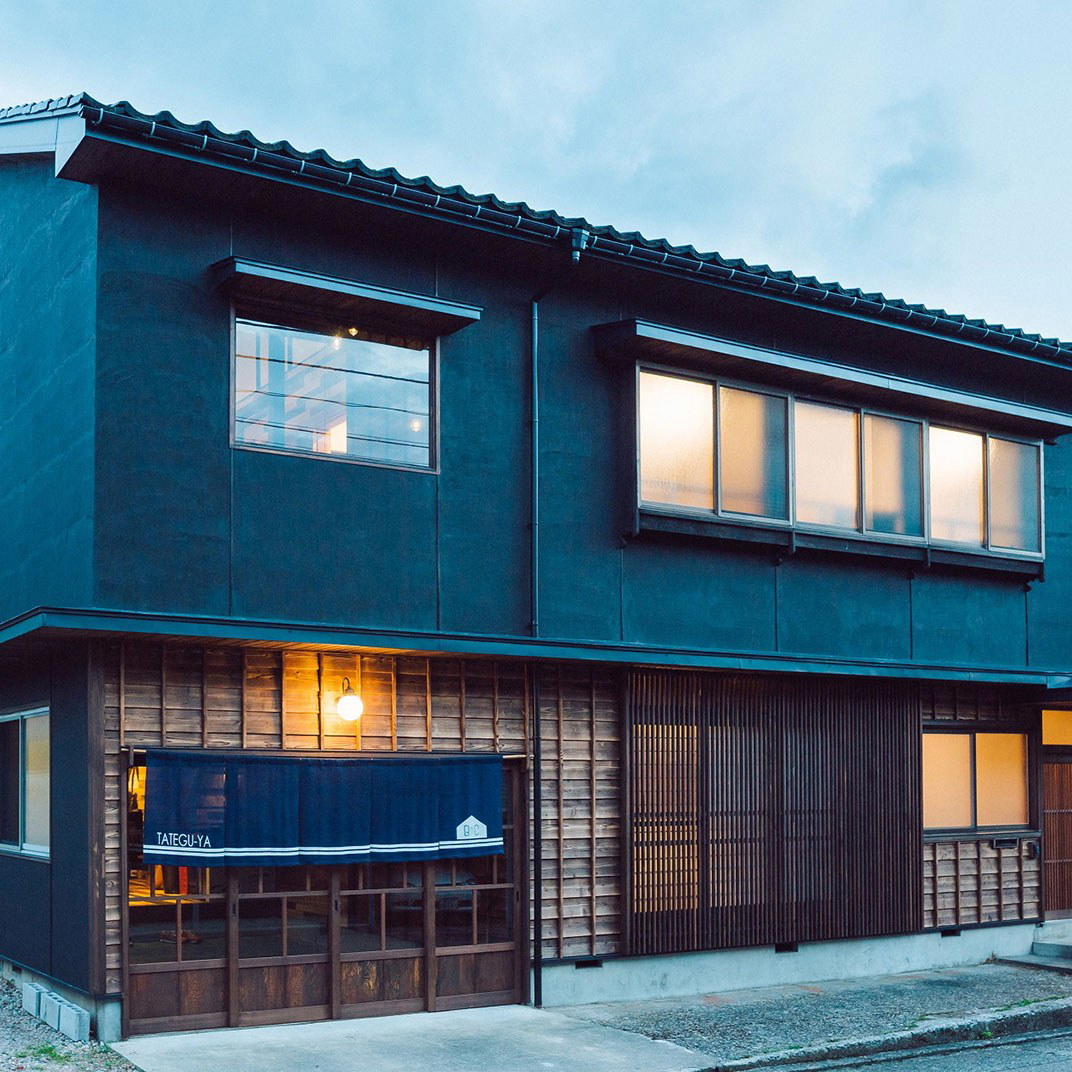
Bars in Nanto
Browse all →
Restaurants in Nanto
Browse all →

Wineries in Nanto
Browse all →
Details
- Quiet
- Classic
- Cozy
- Elegant
- Weekend Escape
- Business Trip
- Group Retreat
- Historic Building
- Design Destination
- Wi Fi
- Parking
- Restaurant
- Garden
Tranquil, culturally layered atmosphere with a refined traditional-Japanese feel; the property is described as a peaceful retreat with a fireplace in the lobby and an art-hotel-like Mingei setting.