
Michelin Selected
Selected by the Michelin Guide Hotels 2025, The Shinra sits in Tateyama on the southern tip of the Boso Peninsula, where Chiba Prefecture meets Tokyo Bay. The property occupies a coastal position that places it within a small cohort of ryokan-influenced retreats operating at the edge of accessible Japan, close enough to Tokyo for a weekend departure but distant enough to feel genuinely removed from it.

Pearl is the En Primeur Club membership app — saves, bookings, and concierge access live there. Same editors, same standards.
- Address
- 284-1 Shiomi, Tateyama, Japan
- Phone
- +81 470-29-1233
- Website
- shinra-chiba.com
- Directions
- Get directions
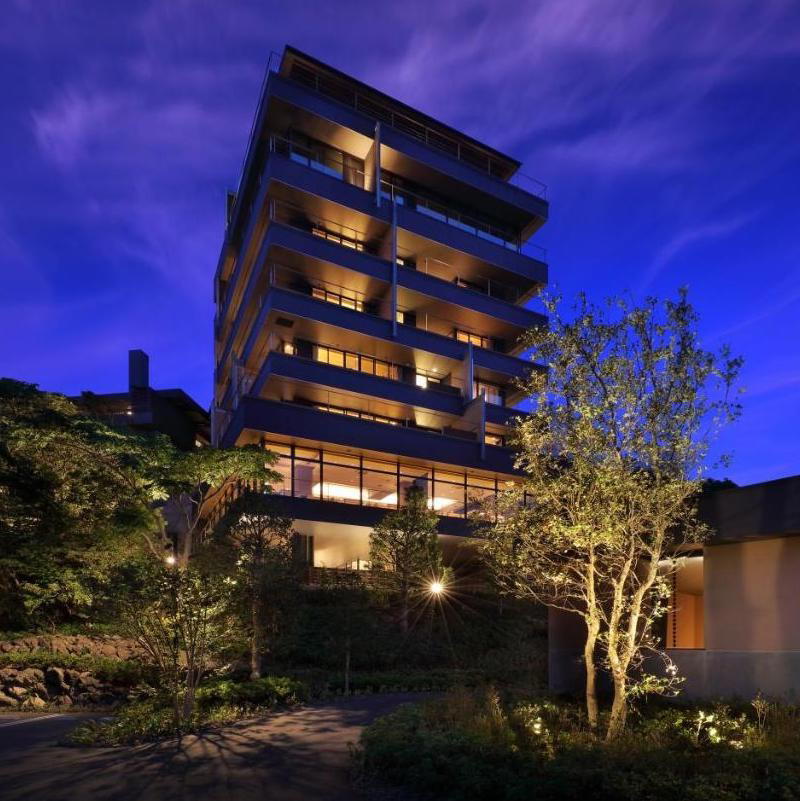
Where the Boso Coast Defines the Architecture
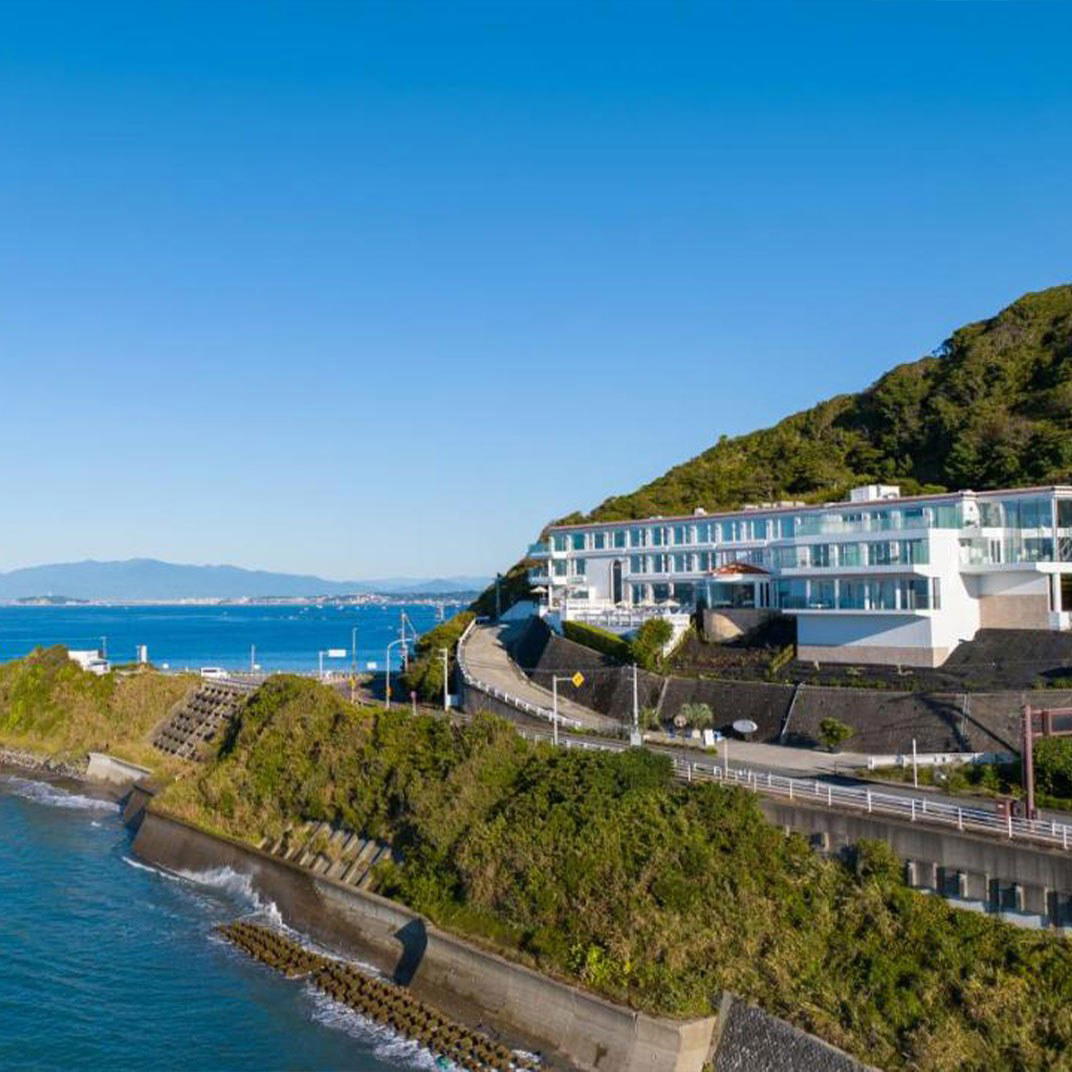
The southern Boso Peninsula has long attracted a particular kind of Japanese traveller: one who wants ocean proximity without the resort infrastructure that clusters around Atami or the Izu coast. Tateyama sits at the tip of this stretch, facing the Pacific on one side and Tokyo Bay on the other, and the properties that have taken root here tend to reflect that dual orientation. They are built to face water, to channel light, and to hold a silence that the area's relative obscurity from international tourism circuits has preserved. The Shinra, addressed at 284-1 Shiomi, sits within this tradition.
Japan's Michelin Selected Hotels list for 2025 identifies properties that meet a standard of hospitality the guide considers worth signalling to travellers, even when those properties fall outside the starred restaurant tier. The comparison set here is not the large-footprint international luxury hotel but something closer to Gora Kadan in Hakone or Asaba in Izu: properties where architecture and setting do the primary work.
The Design Logic of Coastal Ryokan Retreats
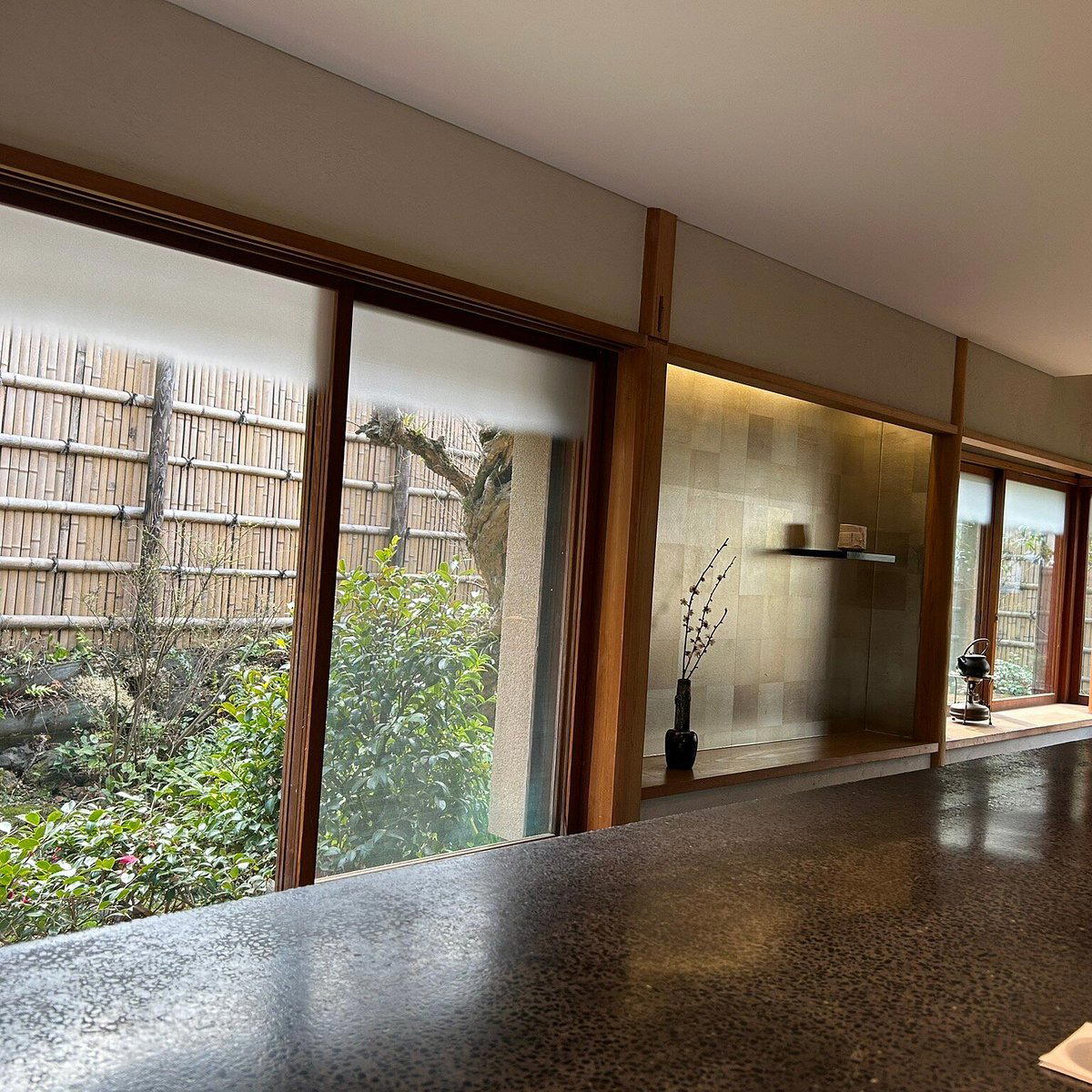
Across Japan's premium coastal retreat category, architectural decisions tend to follow a consistent logic. Low profiles reduce visual interruption of the horizon. Generous fenestration draws the external landscape into interior space. Materials reference the local environment, often using timber, stone, and ceramics sourced from nearby prefectures. The goal is not to announce the building but to allow it to dissolve into the site, so that the primary experience becomes the relationship between the guest and the location rather than the relationship between the guest and the property itself.
This approach stands in deliberate contrast to the high-rise resort model that defines parts of Okinawa or the brand-anchored urbanism of properties like Bvlgari Hotel Tokyo. Those properties use architecture to signal arrival into a world of their own making. The coastal ryokan tradition operates differently: the building is a frame, and the coastline is the content. When the Michelin guide selects a property in a location like Tateyama, it is implicitly endorsing that framing as a category of hospitality worth seeking out, separate from the star-count metrics that govern its restaurant selections.
Properties that occupy this design register, from Zaborin in Kutchan to Jusandi in Ishigaki, each interpret the formula through a specific geographic lens. In Kutchan, that means snow and forest sightlines. In Ishigaki, coral light and open sky. In Tateyama, the relevant variable is the Pacific approach combined with the relative emptiness of the Boso coast, which allows for an atmospheric quality that more accessible destinations have lost to development pressure.
Tateyama in Context
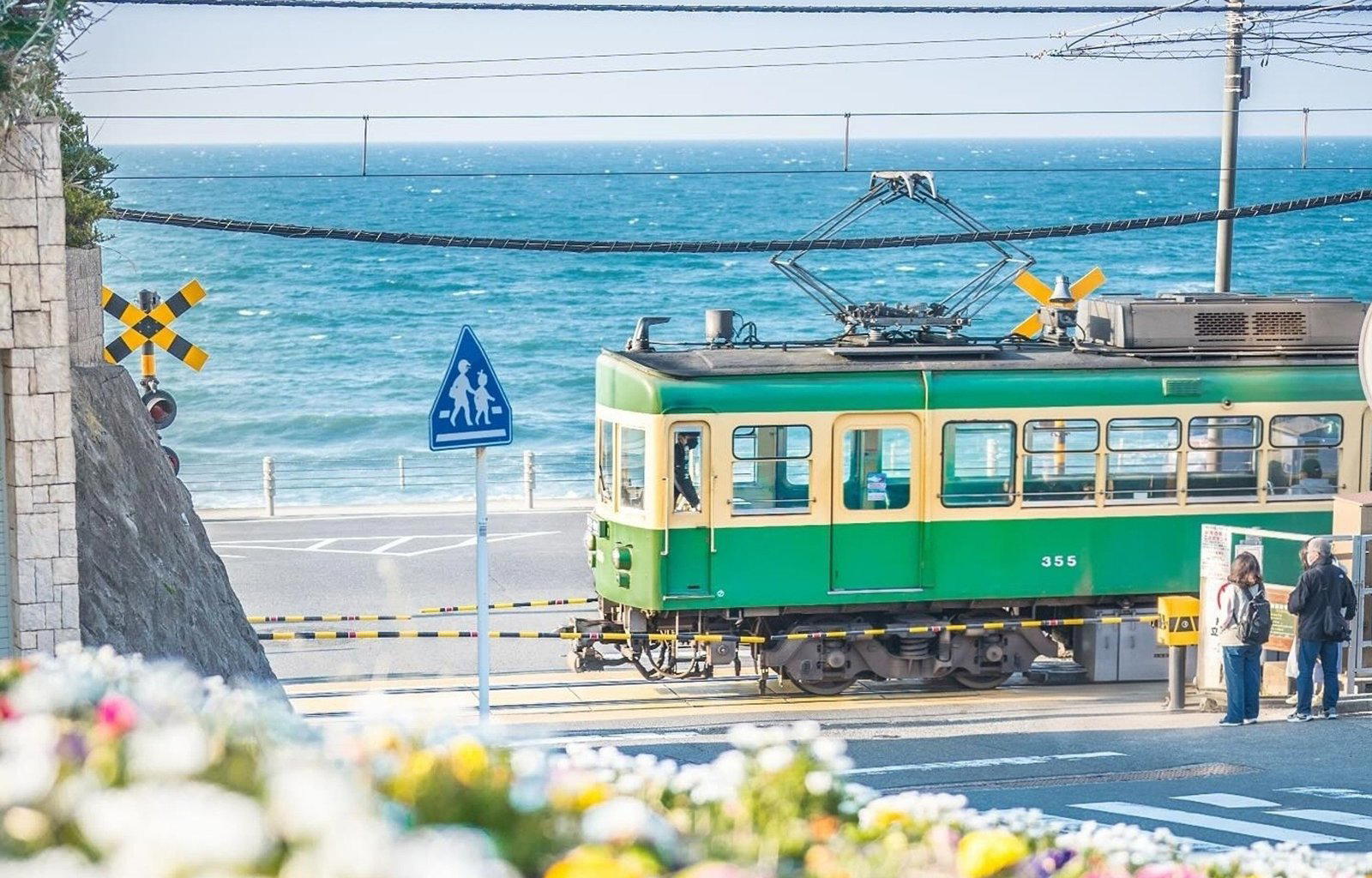
Tateyama is not a place most international visitors arrive at without intention. Access from Tokyo requires either a ferry crossing from Yokohama or Kurihama, a route that takes roughly 40 minutes across the bay, or a surface journey by rail and road around the peninsula. That access structure is itself a filter: the properties here do not receive passing traffic. Guests have made a decision before they arrive, and the experience builds from that commitment.
The Boso Peninsula's relative underexposure compared to Izu or the Hakone corridor means fewer international editorial frames exist for evaluating its properties. The Michelin selection for 2025 is one of the few external anchors available, and it matters precisely because Tateyama lacks the accumulated critical commentary that surrounds HOTEL THE MITSUI KYOTO or properties in more trafficked regions. For travellers who use the guide as a navigation tool rather than a prestige signal, that selection carries practical weight.
Within the broader Chiba and Kanto coastal scene, Tateyama occupies a different register from the Shonan coast closer to Tokyo, which draws day visitors and surfers, or from the resort strip of the Izu Peninsula, where properties like Atami Izusan Karaku have anchored a well-documented premium tier. Tateyama's quieter profile is both a limitation and its primary appeal.
How This Property Fits the Regional Premium Pattern
Japan's premium small-property market has consolidated around a recognisable model over the past decade. Michelin selection, strong Japanese domestic repeat-guest rates, and a positioning that resists large-group bookings have become the markers of properties operating in this tier. The Shinra's Michelin Selected status for 2025 puts it in a peer group that includes properties across multiple Japanese regions: Fufu Nikko in the mountains, Fufu Kawaguchiko near Fuji, Nasu Mukunone in Tochigi, and coastal counterparts including Halekulani Okinawa and Kamenoi Besso in Yufu. Each of these properties carries the guide's signal that quality of hospitality exceeds what the location's profile alone would suggest.
For travellers already familiar with Japanese small-property culture through stays at Nishimuraya Honkan in Kinosaki-cho or Satoyama-Jujo in Niigata, The Shinra in Tateyama represents a logical next addition: a property that occupies an undervisited coastal site with Michelin validation behind it. For those coming from the international luxury tier, the reference points are different but the logic is comparable. See our full Tateyama restaurants guide for further context on the area's dining scene.
Planning Your Visit
Tateyama's position at the southern tip of the Boso Peninsula means seasonal timing matters. Spring and autumn offer the most temperate conditions for coastal stays in this part of Chiba, with summer drawing domestic visitors to the area's beaches and winter providing the quietest windows. The ferry route from the Tokyo Bay side provides the most direct access and is worth building into the travel structure if arriving from central Tokyo, as the crossing itself frames the arrival experience in a way that the land route does not replicate. Given the Michelin Selected recognition, advance booking is prudent, particularly for peak domestic travel periods including Golden Week in late April to early May and the Obon window in August.
Comparison Snapshot
Comparable venues nearby, for context on price, style, and recognition.
| Venue | Cuisine | Price | Awards | Notes |
|---|---|---|---|---|
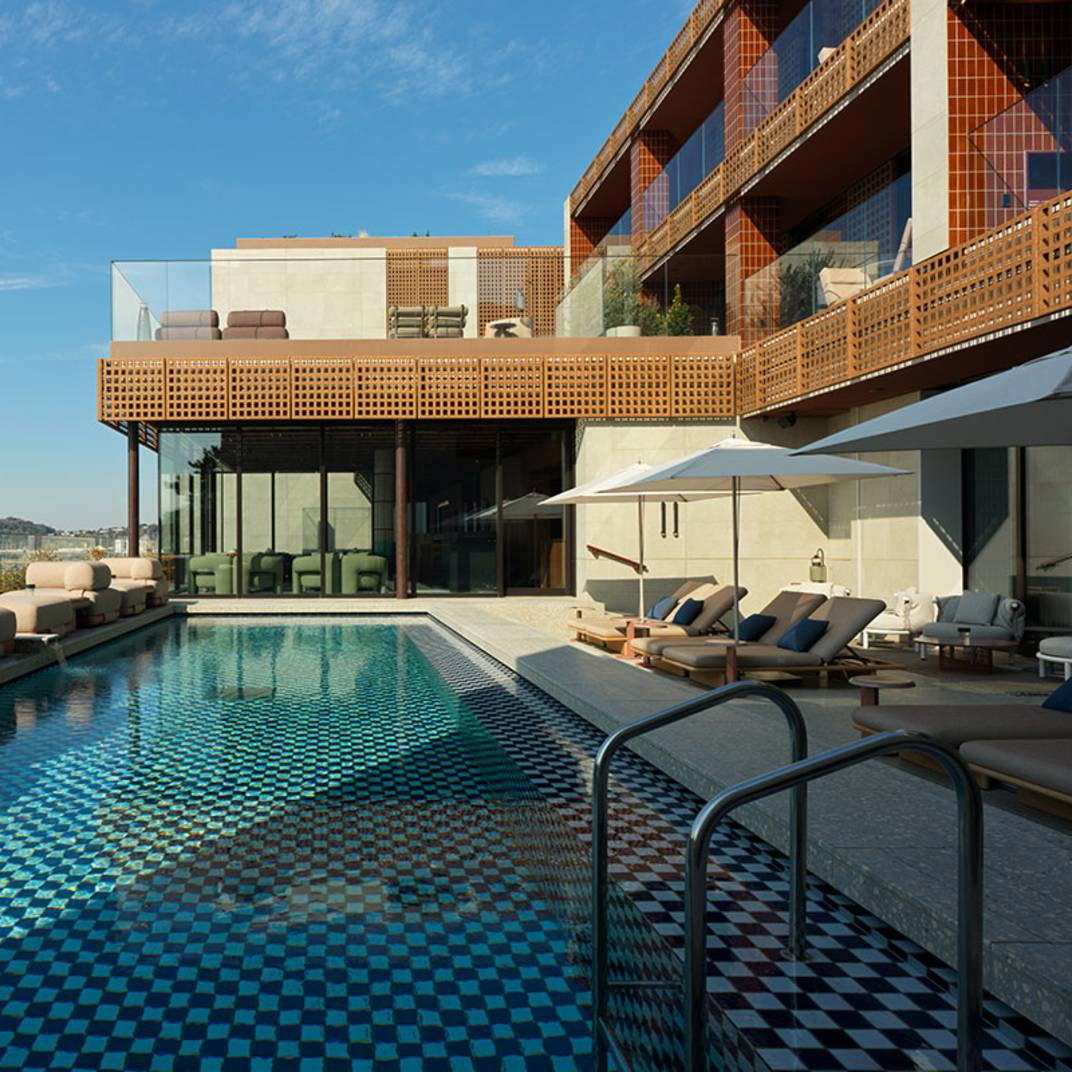
| The ShinraThis venue — the venue you are viewing | Tower ryokan blending traditional onsen with modern resort design | Not listed | Michelin Selected | Not listed |
| KAI Aso (界 阿蘇) | Contemporary ryokan with private villas in national park | Not listed | 4-Star | Kokonoe-machi |
| WE Hotel Toya | Modern Japanese architecture using natural wood and local cedar. | $300–500 | Michelin Selected | Toyakocho |
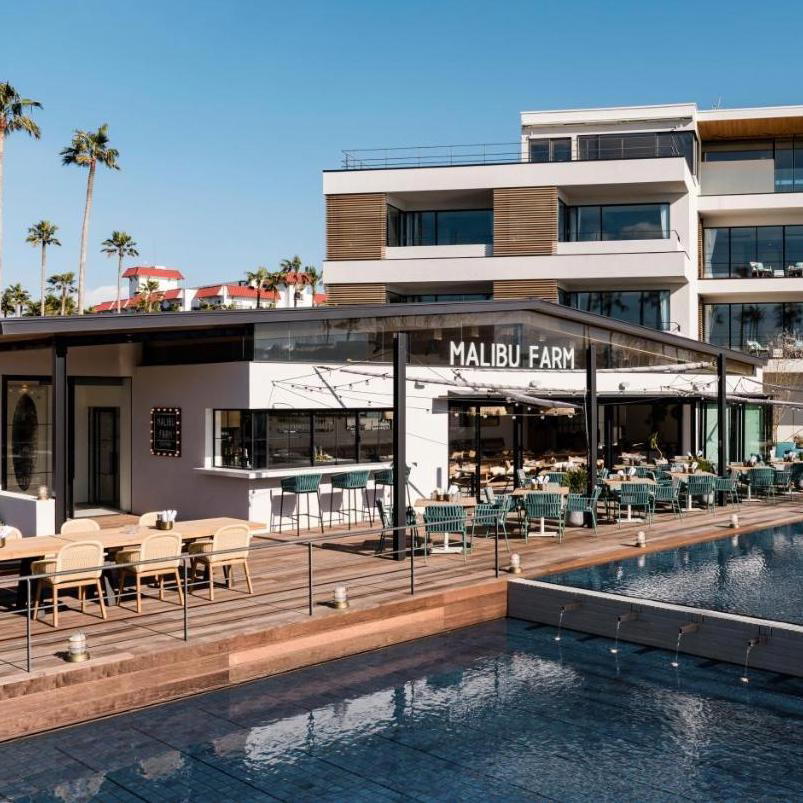
| Malibu Hotel | small luxury resort | $750–1,000 | Michelin Selected | Kotsubo |
| Ryugon (ryugon) | Sustainable heritage ryokan combining traditional Edo-period farmhouse architecture with contemporary luxury design and environmental consciousness. | Not listed | 4-Star | Minamiuonuma (Muikamachi area) |
| Noku Kyoto | Medium-sized boutique hotel blending traditional Japanese aesthetics with modern comforts adjacent to Kyoto Imperial Palace. | $1–100 | Michelin Selected | Nakagyō |
Recognition history
Dated appearances from independent guides and award organizations, with the underlying list record or original source where available.
Michelin Selected
Michelin
Details
- Elegant
- Scenic
- Sophisticated
- Modern
- Intimate
- Romantic Getaway
- Honeymoon
- Wellness Retreat
- Anniversary
- Panoramic View
- Wi Fi
- Spa
- Room Service
- Concierge
- Mountain
- Elevator
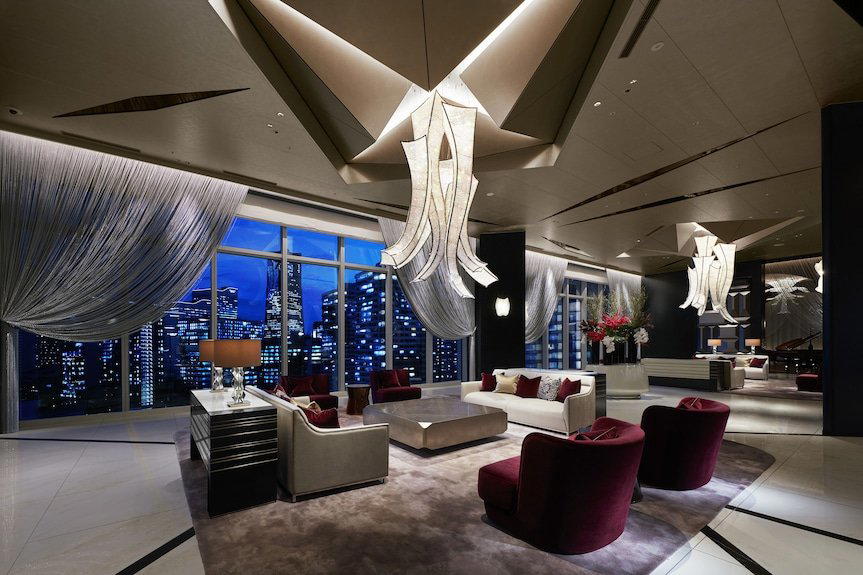
Tranquil luxury with commanding natural vistas, sky-high communal baths, and elegant spaces.