

In the backstreets of Ura-Harajuku, Trunk Hotel Cat Street occupies a Shibuya neighbourhood where independent creative culture has long resisted the polish of Tokyo's grand hotel corridors. The property frames its food program around what it calls 'Shibuya soul food,' served among upcycled furnishings and rotating contemporary artworks, a design-led hotel proposition that sits outside the conventional luxury tier entirely.
Pearl is the En Primeur Club membership app — saves, bookings, and concierge access live there. Same editors, same standards.
- Address
- 5-31 Jingumae, Shibuya-Ku, Tokyo 150-0001, Japan
- Phone
- +81357663210
 Saves & bookings on Pearl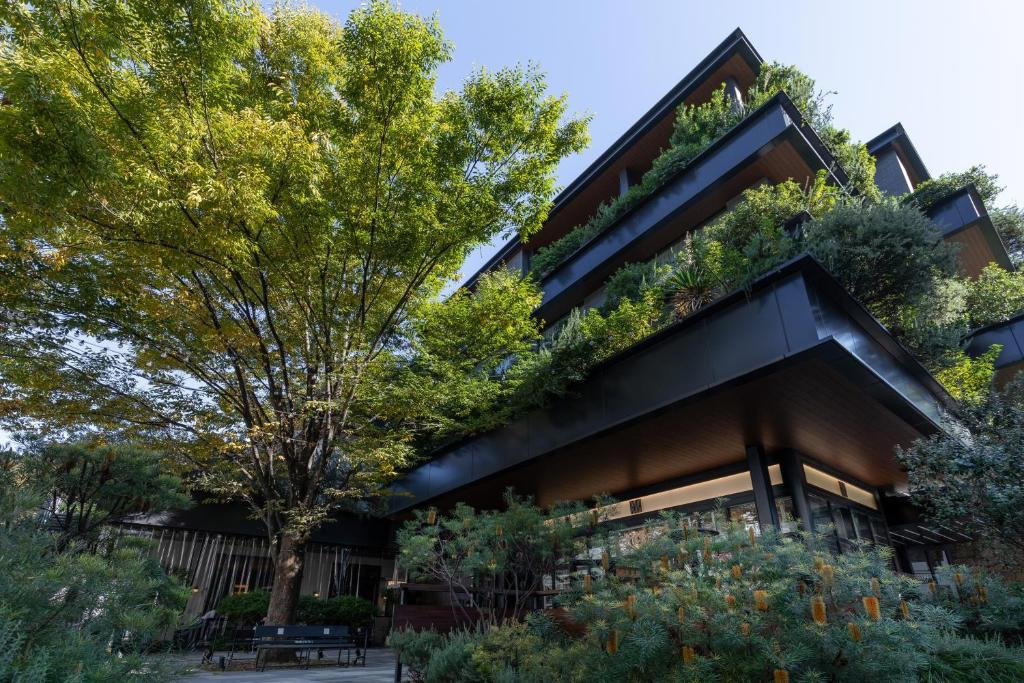
Where Ura-Harajuku Sets the Terms
Trunk Hotel Cat Street is a 4-star hotel in Tokyo, Japan, at 5-31 Jingumae, Shibuya-Ku, with a Google rating of 4.1 from 1,823 reviews. The stretch of Cat Street running south from Harajuku toward Shibuya has functioned for decades as Tokyo's most legible index of independent creative culture. Vintage stores, small-batch ceramicists, and single-origin coffee shops occupy the ground floors of low-rise buildings that the Omotesando luxury corridor never absorbed. Trunk Hotel Cat Street, at 5-31 Jingumae in Shibuya-ku, sits inside this neighbourhood logic rather than against it. Arriving on foot from Harajuku or Omotesando stations, the building reads less like a hotel than like a considered piece of neighbourhood infrastructure, its materiality drawn from the same vocabulary of craft and reclamation that defines the street outside.
That positioning is a deliberate editorial statement about what Tokyo's design-led hotel category has become. Where the upper bracket of the city's lodging market, properties like Bvlgari Hotel Tokyo, Aman Tokyo, or Four Seasons Hotel Tokyo at Otemachi, competes on height, marbled lobbies, and proximity to financial and imperial districts, Trunk operates in a different register entirely. Its competitive set is closer to Ace Hotel or Generator in the international boutique taxonomy, but with a distinctly Japanese craft sensibility layered over the format.
The Material Logic of the Interior
Japanese craftsmanship runs through the property's design at a level of specificity that distinguishes it from the surface-level Japonisme that international hotel brands sometimes apply. Upcycled furnishings sit alongside contemporary artworks in a program that reads as genuinely curated rather than decoratively assembled. This is the aesthetic tradition of mottainai, the Japanese philosophy of avoiding waste through repair, repurposing, and continued use, applied to a hospitality context. The result is an interior that accumulates character rather than projecting it, which takes longer to read but rewards the guest who stays more than two nights.
Within Tokyo's broader hotel spectrum, this approach places Trunk in a specific niche. Properties like Andaz Tokyo or Palace Hotel Tokyo lean on views and institutional scale; JANU Tokyo and The Capitol Hotel Tokyu anchor themselves in formal service depth. Trunk does neither. Its value proposition is neighbourhood immersion and material honesty, a coherent stance that works particularly well for guests who plan to spend most of their time outside the hotel rather than inside it.
Shibuya Soul Food: The Meal as Neighbourhood Statement
The food program at Trunk Hotel Cat Street operates under the label "Shibuya soul food", a phrase that resists easy definition but points at something specific about how the neighbourhood eats. Shibuya and its surrounding wards have long hosted a food culture that sits between Tokyo's high-formality restaurant tradition and the more casual, globally-inflected eating that the creative industries attract. The izakaya survives here alongside the natural wine bar; the teishoku lunch counter operates a few doors from the third-wave espresso shop.
Framing a hotel food program around this hybridity is an interesting editorial decision. Rather than commissioning a chef-driven fine dining room, which has become the default move for design hotels in most global cities, Trunk positions its food as an extension of neighbourhood character. This approach is harder to execute than it appears: a menu that genuinely reflects local soul requires constant recalibration as the neighbourhood changes, and Cat Street has changed considerably in the past decade as rents have risen and the independent tenant mix has shifted.
The arc of eating here, from early coffee through a meal that draws on what the immediate area produces and consumes, becomes a way of reading the neighbourhood's current condition rather than an isolated dining experience. That framing holds whether you are eating alone at the counter or with a group at a shared table.
Trunk in Japan's Wider Design-Hotel Conversation
Japan's design-led accommodation category extends well beyond Tokyo. Properties like Benesse House in Naoshima have built entire destination ecosystems around contemporary art; Zaborin in Kutchan and Gora Kadan in Hakone anchor design values inside the ryokan tradition. HOTEL THE MITSUI KYOTO translates heritage architecture into a contemporary luxury language. Each of these represents a different resolution of the same underlying tension: how to make a hotel feel Japanese in 2024 without reducing that to surface ornament.
Trunk's resolution, upcycled craft, neighbourhood food programming, contemporary art, is urban and secular where many Japanese design hotels are pastoral or spiritual. It sits closer in spirit to the urban design hotels of Kyoto's newer tier than to the onsen properties of Asaba in Izu, Nishimuraya Honkan in Kinosaki-cho, or Amanemu in Mie. For guests building a Japan itinerary that moves between city and countryside, perhaps including Fufu Kawaguchiko, Fufu Nikko, ENOWA Yufu, Halekulani Okinawa, Jusandi in Ishigaki, or Sekitei in Hatsukaichi-shi, Trunk functions well as a Tokyo base that keeps the design conversation going without demanding the same level of contemplative immersion.
Planning a Stay
The address at 5-31 Jingumae places the hotel within walking distance of both Harajuku and Meiji-Jingumae stations on the Tokyo Metro Chiyoda and Fukutoshin lines, making access from Narita or Haneda airports direct via a single transfer. The neighbourhood is at its most active on weekends, when Cat Street draws significant foot traffic from the Harajuku area, so guests who prefer quieter surroundings on the street level may find weekday arrivals preferable. Spring and autumn are the most comfortable seasons for this part of the city on foot; summer humidity in July and August makes the proximity of a well-designed interior more valuable.
For guests comparing across the wider Tokyo hotel spectrum before committing, Bellustar Tokyo offers a contrasting high-rise proposition in the same general ward. Those with parallel interest in New York's design-led boutique tier can reference The Fifth Avenue Hotel or Aman New York as points of international comparison; Aman Venice illustrates how the same operator handles heritage architecture in a European context.
Comparable Options
Comparable venues nearby, for context on price, style, and recognition.
| Venue | Cuisine | Price | Notes |
|---|---|---|---|
| Trunk Hotel Cat StreetThis venue — the venue you are viewing | Eco-chic boutique with upcycled materials and socialising ethos. | $$$$ | |
| Grand Nikko Tokyo Daiba | Urban resort-style hotel with bayside relaxation in Odaiba. | $$$$ | Minato |
| Hyatt Centric Ginza Tokyo | Modern boutique in the heart of Ginza | $$$$ | Chūō |
| The Blossom Hibiya | High-rise urban hotel with panoramic views and premium positioning. | $$$$ | Minato |
| The Strings by InterContinental Tokyo | Intimate boutique-style luxury tower hotel with contemporary Japanese influences occupying upper floors for spectacular views. | $$$$ | Minato |
| mesm Tokyo, Autograph Collection | Artistic luxury hotel blending music, performing arts, and Japanese culture in a waterfront setting. | $$$$ | Minato |












At a Glance
- Modern
- Trendy
- Sophisticated
- Minimalist
- Cozy
- Romantic Getaway
- Weekend Escape
- Terrace
- Design Destination
- Wifi
- Restaurant
- Bar
- Room Service
- Concierge
- Bicycle Rentals
- Street Scene
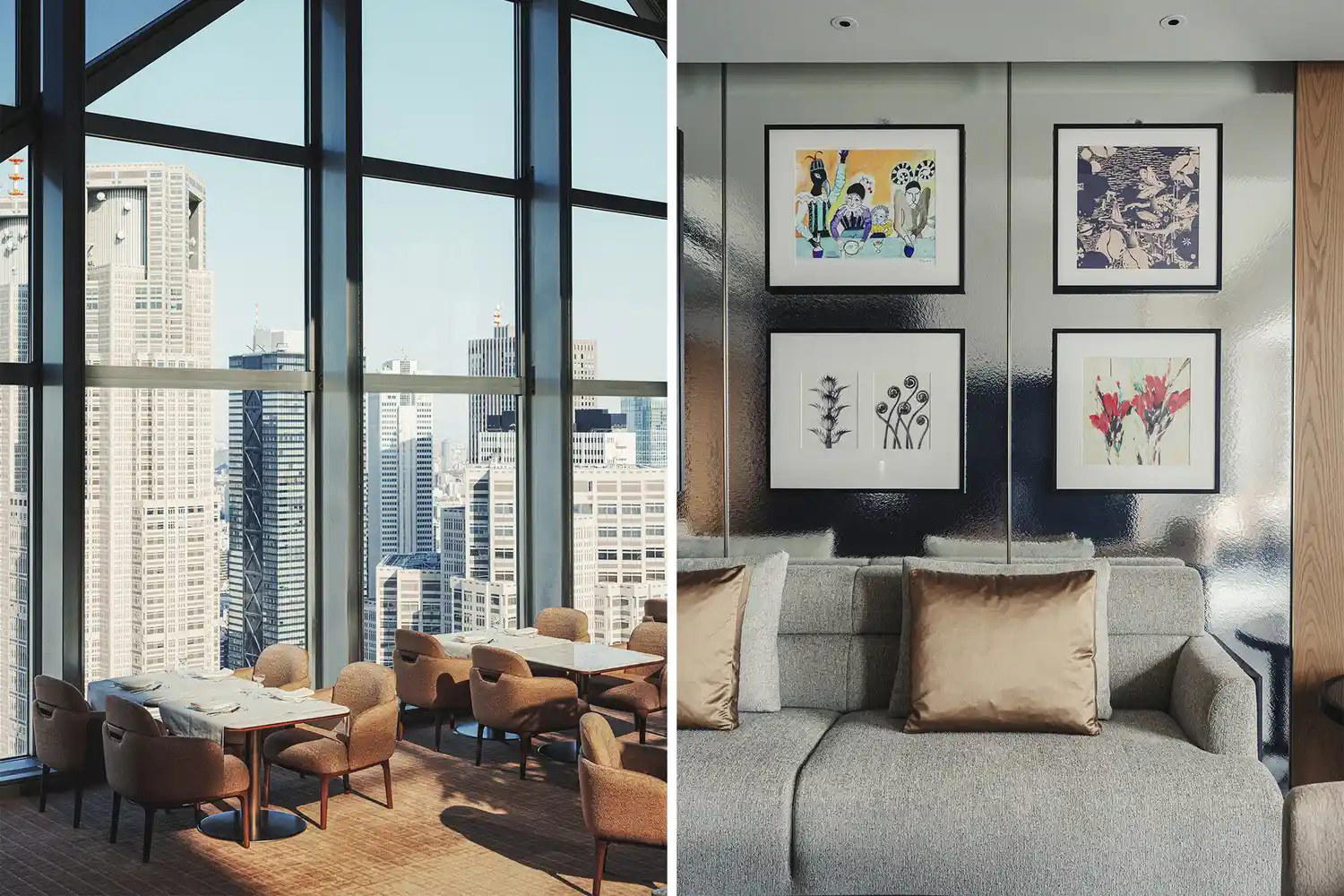
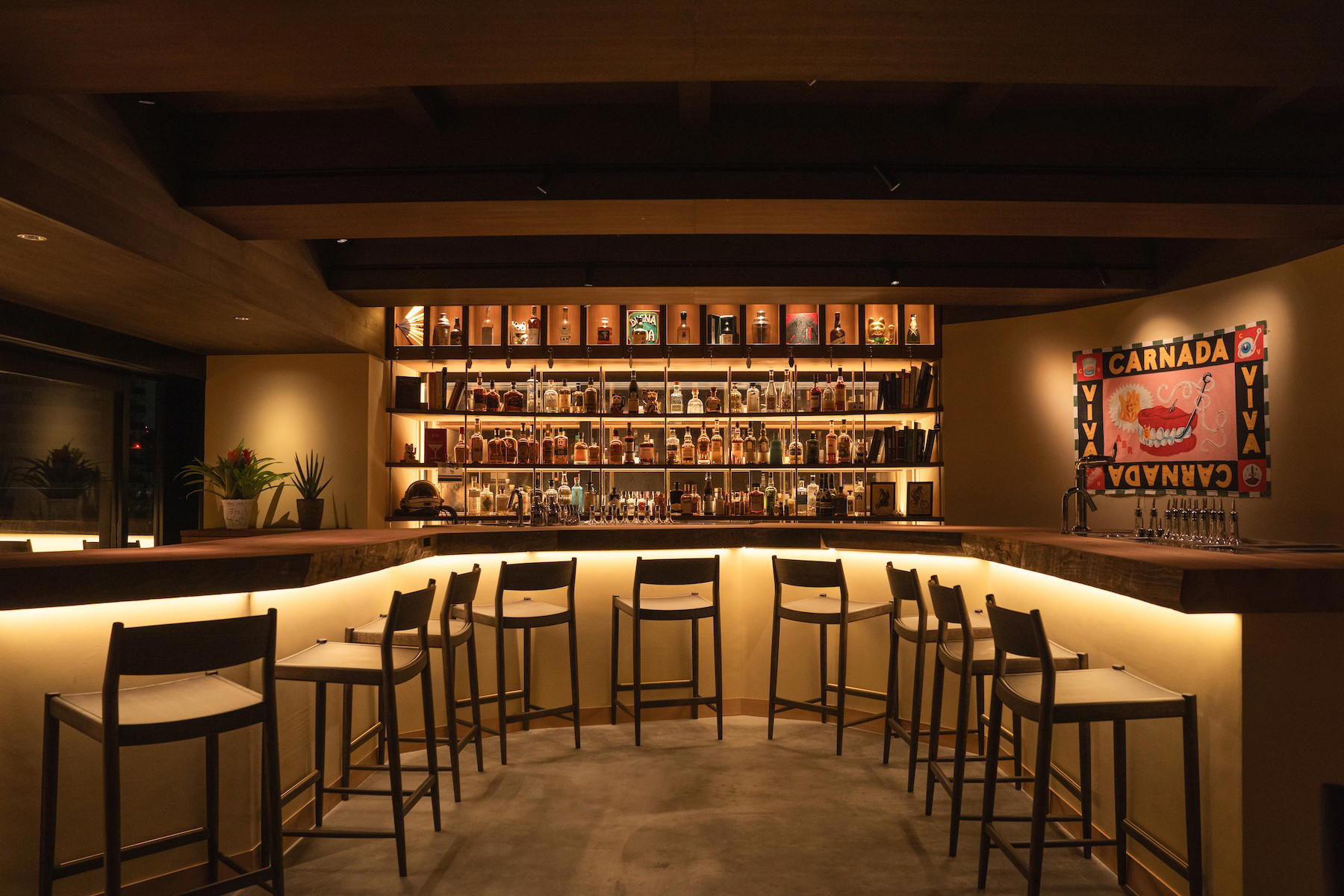
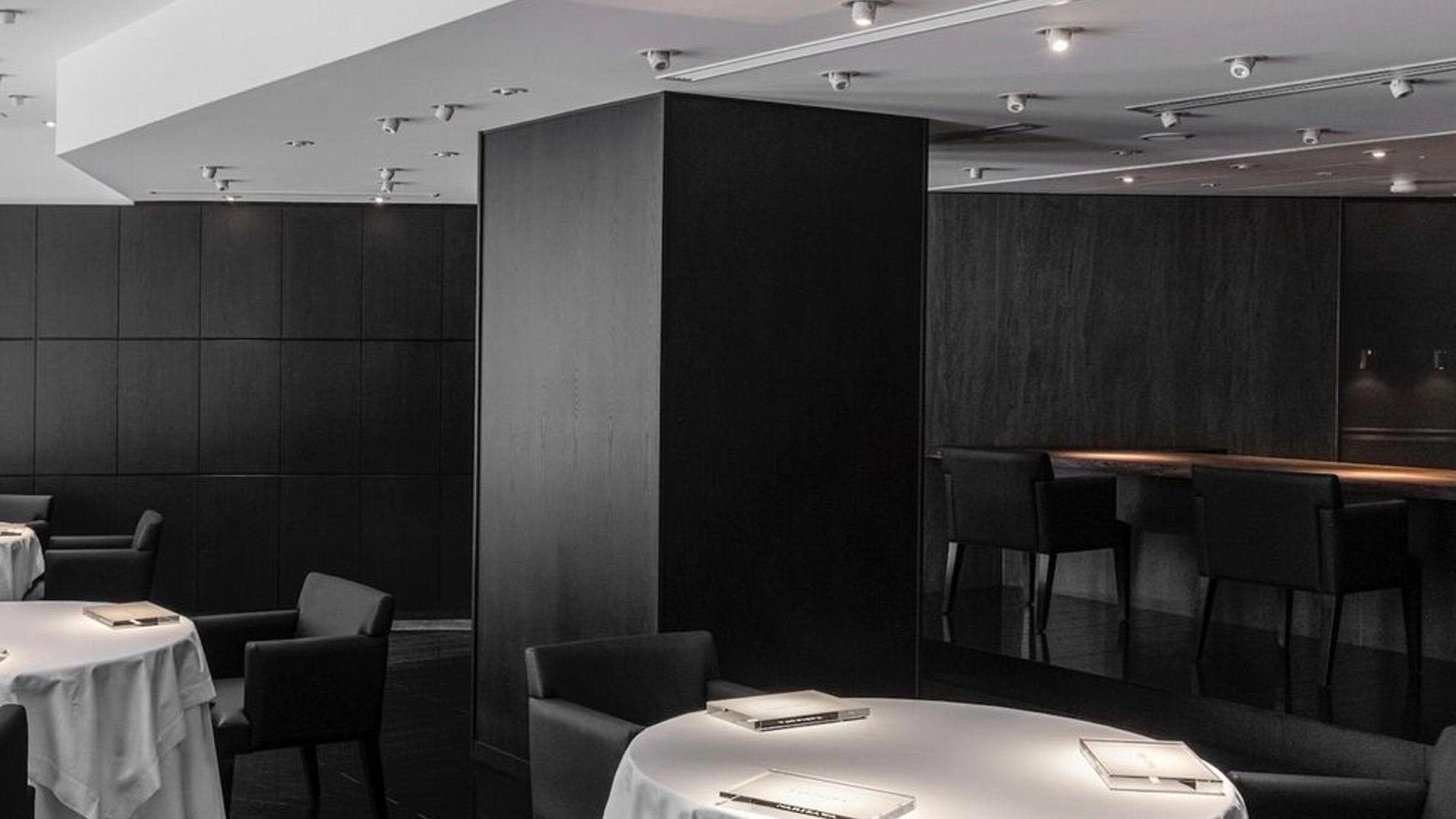
Art gallery aesthetic with white neon lights against neutral wood walls, concrete floors, spot lighting, and a relaxed, convivial atmosphere in dining areas.