
Michelin Selected
The Blossom Hibiya occupies a considered position in Tokyo's Shinbashi-Hibiya hotel corridor, where mid-tier luxury properties compete on dining programming and location rather than brand heritage alone. Positioned between the business density of Shinbashi and the green space of Hibiya Park, it draws both corporate and leisure travelers seeking a well-located base with credible food and beverage anchors.

Pearl is the En Primeur Club membership app — saves, bookings, and concierge access live there. Same editors, same standards.
- Address
- 1 Chome-1-13 Shinbashi, Minato City, Tokyo 105-0004, Japan
- Phone
- +81 3 3591 8702
- Website
- jrk-hotels.co.jp
- Directions
- Get directions
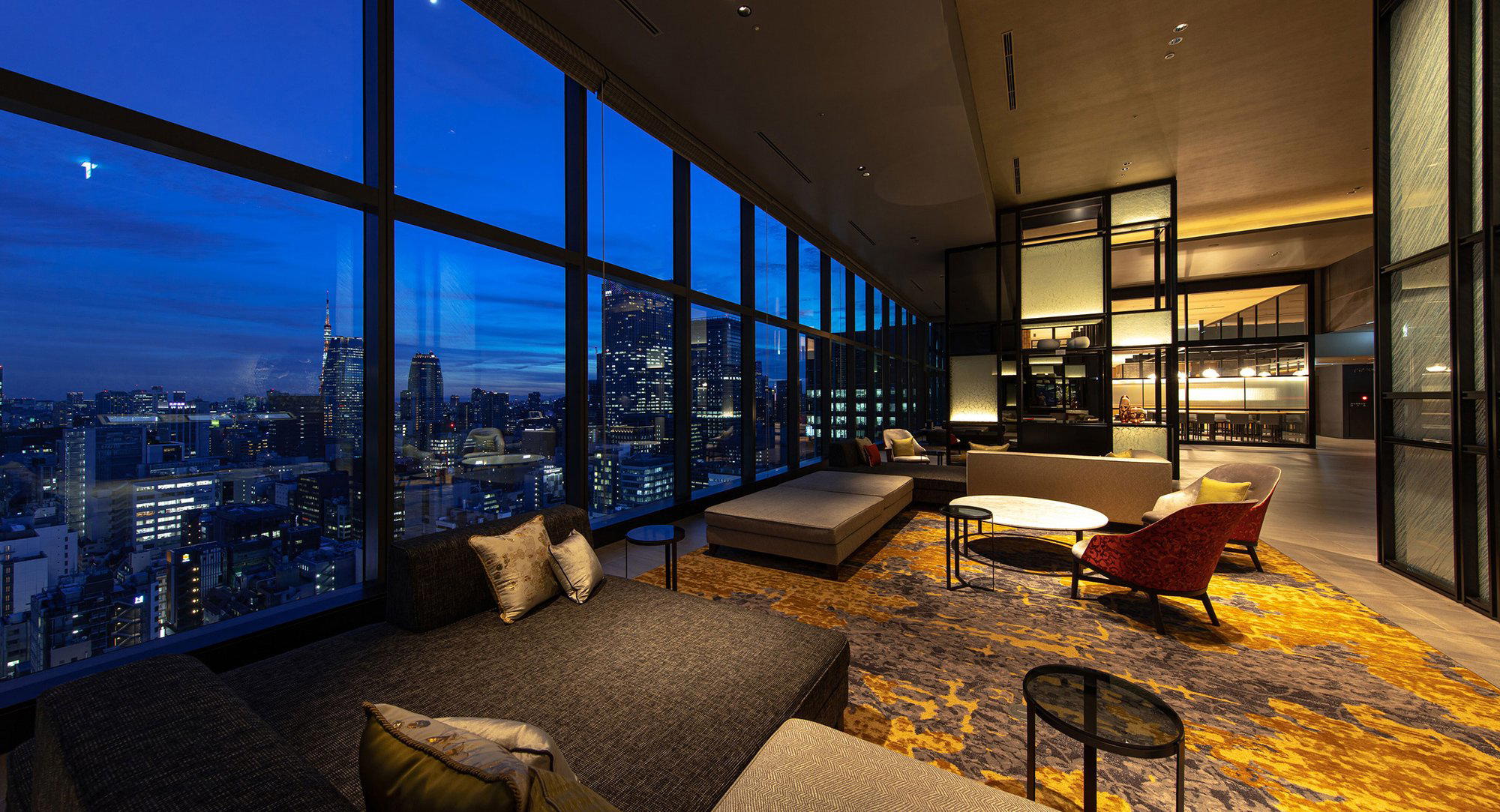
Where Hibiya's Business District Meets a More Considered Hotel Register
The stretch of Tokyo between Shinbashi station and Hibiya Park has long operated as a transitional zone — close enough to Ginza's retail and restaurant density to benefit from it, but grounded in the working rhythms of one of the city's more functional business quarters. Hotels here compete differently from the flagship trophy properties clustered around Otemachi or the refined tower addresses further north. The pressure is on location efficiency and, increasingly, on dining programming that gives guests a reason to stay on-site rather than immediately dispersing into the surrounding streets. The Blossom Hibiya, addressed at 1 Chome-1-13 Shinbashi in Minato City, sits squarely in that competitive frame.
This is a neighbourhood where proximity to Hibiya Park softens the otherwise utilitarian character of Shinbashi. The park — one of Tokyo's oldest Western-style public gardens, dating to the Meiji era, provides a counterpoint to the area's corporate density, and hotels that orient toward it carry a quieter, more considered atmosphere than those facing the station's transit noise. The address places The Blossom Hibiya within walking range of several distinct Tokyo districts: Ginza to the east, Marunouchi and the Imperial Palace grounds to the north, and the waterfront Shiodome development to the west. For a property without the brand infrastructure of, say, Aman Tokyo or Four Seasons Hotel Tokyo at Otemachi, that geographic versatility functions as a meaningful competitive asset.
The Dining Programme as Positioning Tool
In Tokyo's hotel market, food and beverage programming has become the primary differentiator for properties that cannot match the capital investment of trophy-tier addresses. The pattern is consistent across the city's mid-to-upper tier: hotels that invest in credible restaurant concepts, whether through independent chef partnerships, format-specific counters, or cuisine specialisation, retain guests across multiple meal occasions and attract local diners who extend the property's reach beyond its room inventory.
The Blossom Hotels group, which operates The Blossom Hibiya, has built its Tokyo-area presence on this principle. The group's properties typically anchor their public-space identity around Japanese dining formats, whether kaiseki-adjacent multi-course structures, teppanyaki counters, or more accessible izakaya-style programming, alongside Western breakfast and all-day offerings. This reflects a broader truth about Tokyo hotel dining: international guests expect a credible Japanese food experience on-site, while domestic business travelers often judge a property by the quality of its early morning and late evening food options. A hotel that handles both formats competently occupies a more defensible position than one that does either in isolation.
For guests arriving at The Blossom Hibiya after a cross-city day that might take in the omakase counters of Ginza or the ramen density of Shinbashi's underground corridors, the hotel's dining spaces function as a decompression point rather than a destination in themselves. That distinction matters. Properties like Bvlgari Hotel Tokyo or Palace Hotel Tokyo operate restaurant programmes that are destinations in their own right, drawing reservations from non-staying guests and generating press coverage independent of the rooms product. The Blossom Hibiya operates in a different register, one where the dining offer needs to be competent, locally grounded, and time-efficient rather than destination-driven.
Shinbashi as Context: What the Neighbourhood Tells You
Shinbashi has a specific character that shapes what any hotel in the area can realistically deliver. It is, by Tokyo standards, a working district, dense with salary-worker bars, ramen counters, and yakitori alleys that operate on volume and speed rather than ceremony. The famous Shinbashi SL Plaza and the underpass drinking alleys beneath the refined tracks define the neighbourhood's after-dark register: unpretentious, cash-forward, and reliably busy from early evening. This is not the environment that produces the hushed reverence of an Aman or the gallery-hotel seriousness of Andaz Tokyo.
What it does produce is accessibility. Shinbashi station connects directly to the Yamanote Line, the Tokaido and Yokosuka lines, the Tokyo Metro Ginza Line, and the Asakusa Line, making it one of the more transit-efficient bases in central Tokyo. For travelers whose itinerary extends to multiple city districts across multiple days, that connectivity has genuine value. Properties like JANU Tokyo or Bellustar Tokyo, A Pan Pacific Hotel offer strong dining and design propositions but sit in locations that demand more intentional city movement. The Blossom Hibiya trades on the opposite logic.
For guests planning day trips beyond the city, to Gora Kadan in Hakone, or further to HOTEL THE MITSUI KYOTO in Kyoto, proximity to Shinbashi station and the Shinkansen connections at nearby Tokyo Station makes this part of the city a logical base. The same logic applies to those considering ryokan extensions to Asaba in Izu or Fufu Kawaguchiko in Fujikawaguchiko as part of a broader Japan itinerary.
Planning Your Stay: Practical Considerations
The Blossom Hibiya's specific room categories, current rates, and booking channels are best confirmed directly through the hotel's official channels, as pricing and availability in Tokyo's central hotel market shifts seasonally and around major calendar events. Tokyo's busiest hotel periods cluster around cherry blossom season in late March and early April, the Golden Week holiday period in late April and early May, and the autumn foliage weeks of November. Outside those windows, the Shinbashi-Hibiya corridor tends to offer better rate accessibility than the Marunouchi or Ginza-facing properties. Guests comparing options across central Tokyo's mid-upper tier should also consider properties with stronger dining pedigree, such as The Capitol Hotel Tokyu, if restaurant programming is a primary selection criterion.
For broader Tokyo hotel context and restaurant intelligence across all price tiers and neighbourhoods, EP Club's full Tokyo restaurants guide covers the city's dining geography in depth. Those building Japan itineraries that extend beyond Tokyo may also find the EP Club coverage of Halekulani Okinawa, Benesse House in Naoshima, Zaborin in Kutchan, and ENOWA Yufu useful for mapping the country's wider accommodation range.
A Lean Comparison
A quick peer reference to anchor this venue in its category.
| Venue | Price | Awards |
|---|---|---|
| The Blossom HibiyaThis venue — the venue you are viewing | Not listed | Michelin Selected |
| Bvlgari Hotel Tokyo | Not listed | 3 Michelin Keys · World's 50 Best #24 |
| Aman Tokyo | Not listed | 2 Michelin Keys · World's 50 Best #11 |
| Four Seasons Hotel Tokyo at Otemachi | Not listed | 3 Michelin Keys · La Liste Top Hotels |
| Palace Hotel Tokyo | Not listed | 3 Michelin Keys · World's 50 Best #73 |
| Andaz Tokyo | $300–500 | 1 Michelin Key |
Recognition history
Dated appearances from independent guides and award organizations, with the underlying list record or original source where available.
Michelin Selected
Michelin
Continue exploring
More in Tokyo
Hotels in Tokyo
Browse all →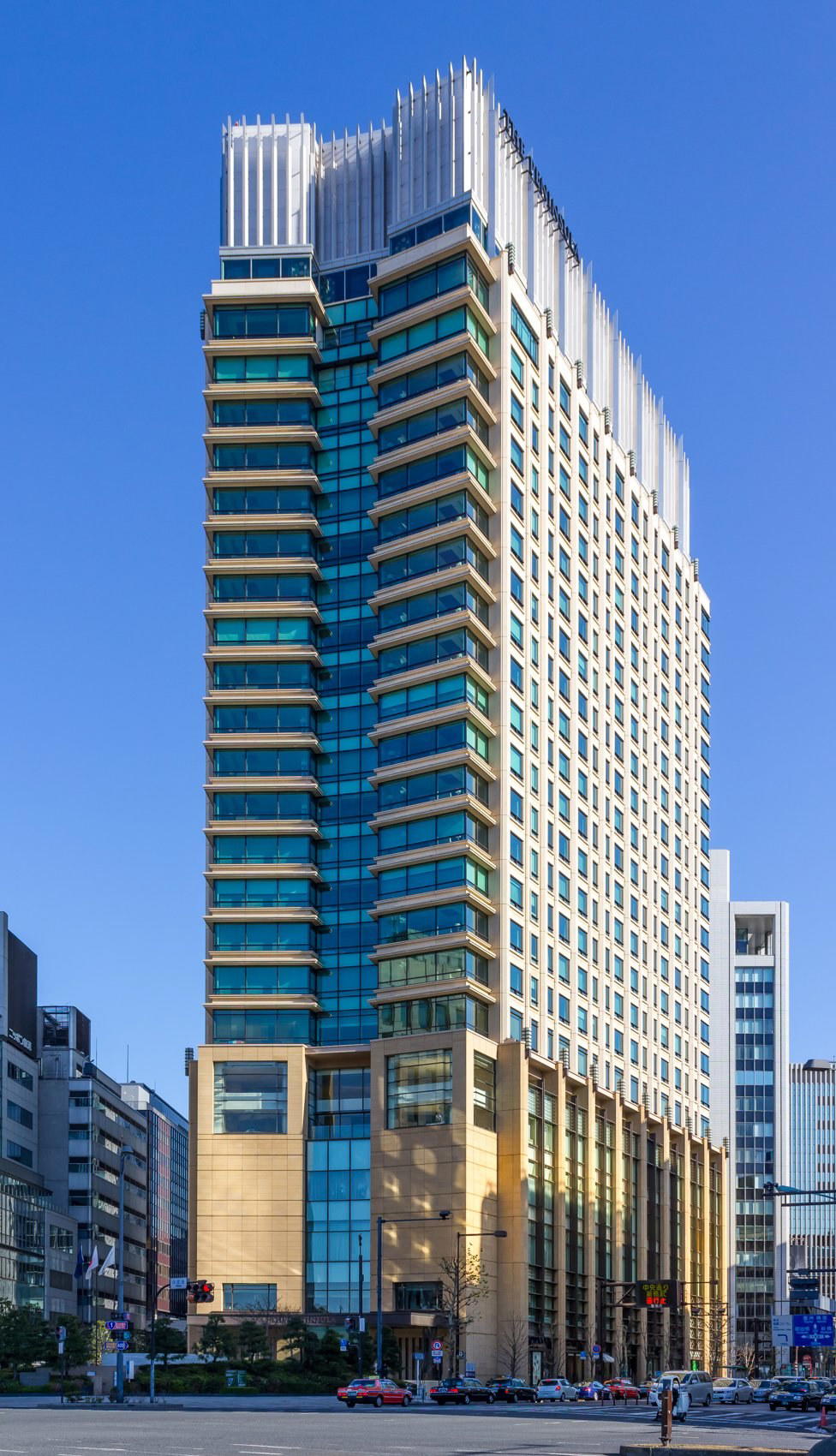
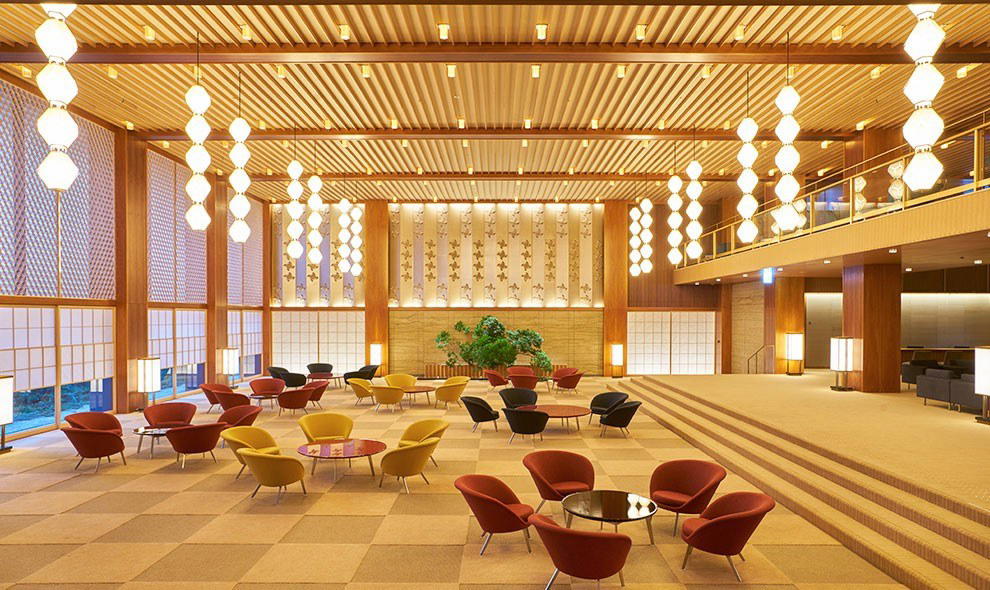

Bars in Tokyo
Browse all →

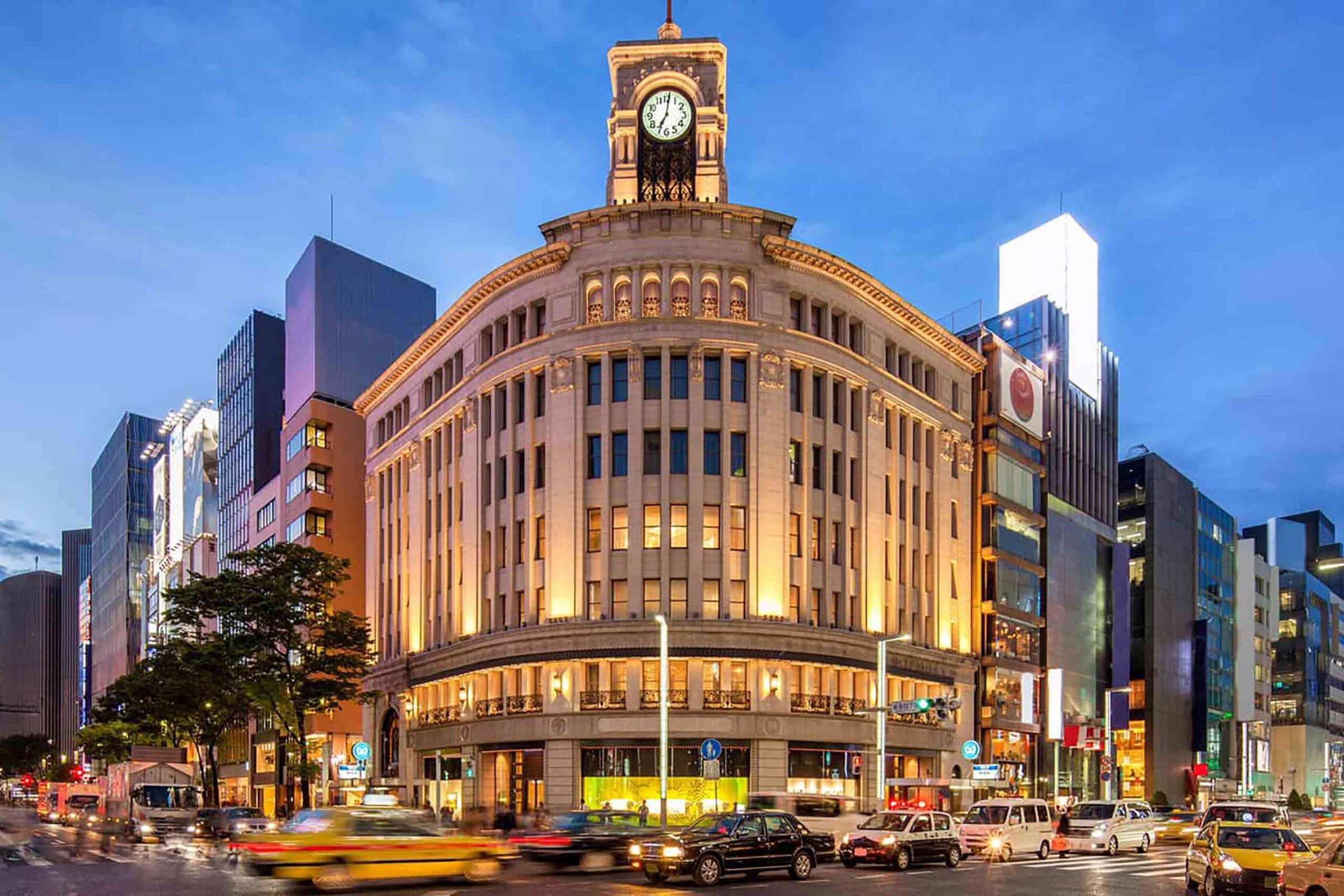
Restaurants in Tokyo
Browse all →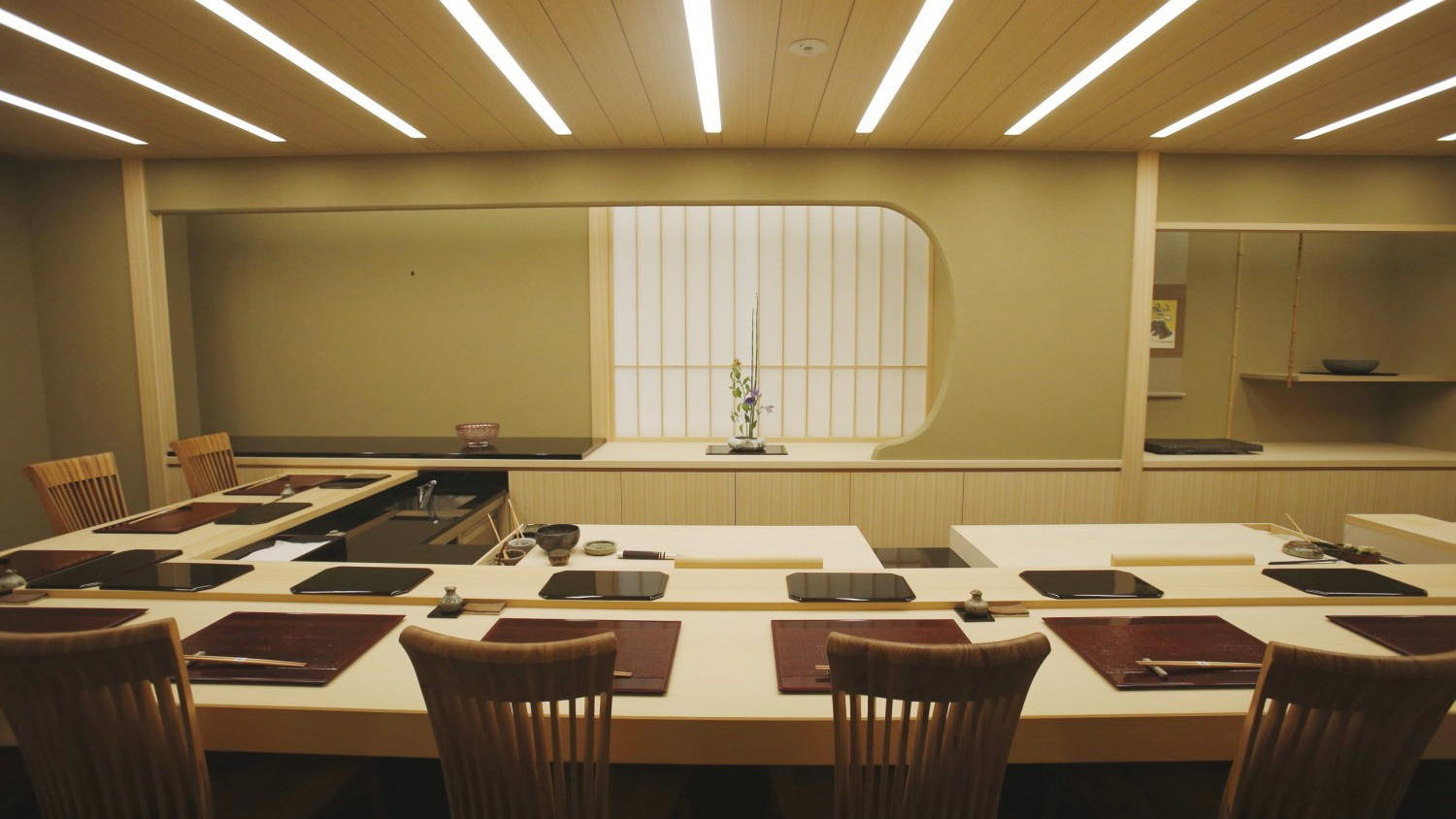


Details
- Modern
- Elegant
- Sophisticated
- Quiet
- Business Trip
- Romantic Getaway
- Weekend Escape
- Panoramic View
- Wi Fi
- Fitness Center
- Restaurant
- Room Service
- Concierge
- Skyline
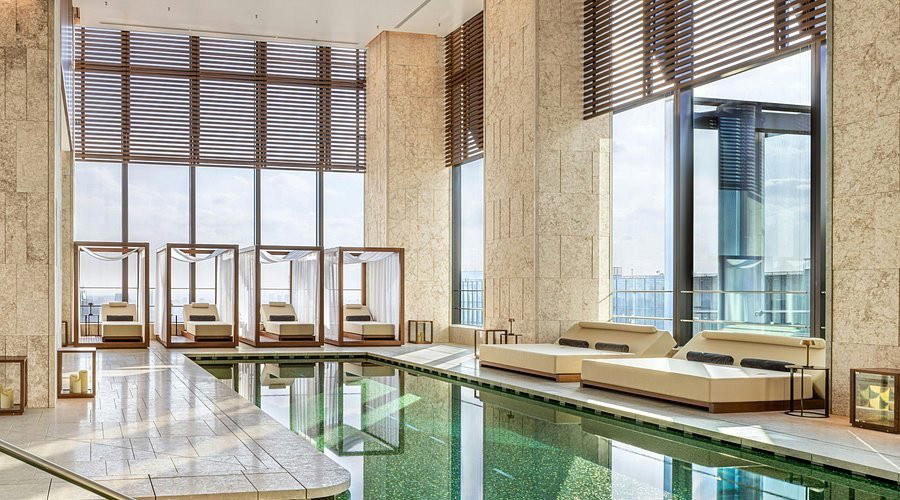
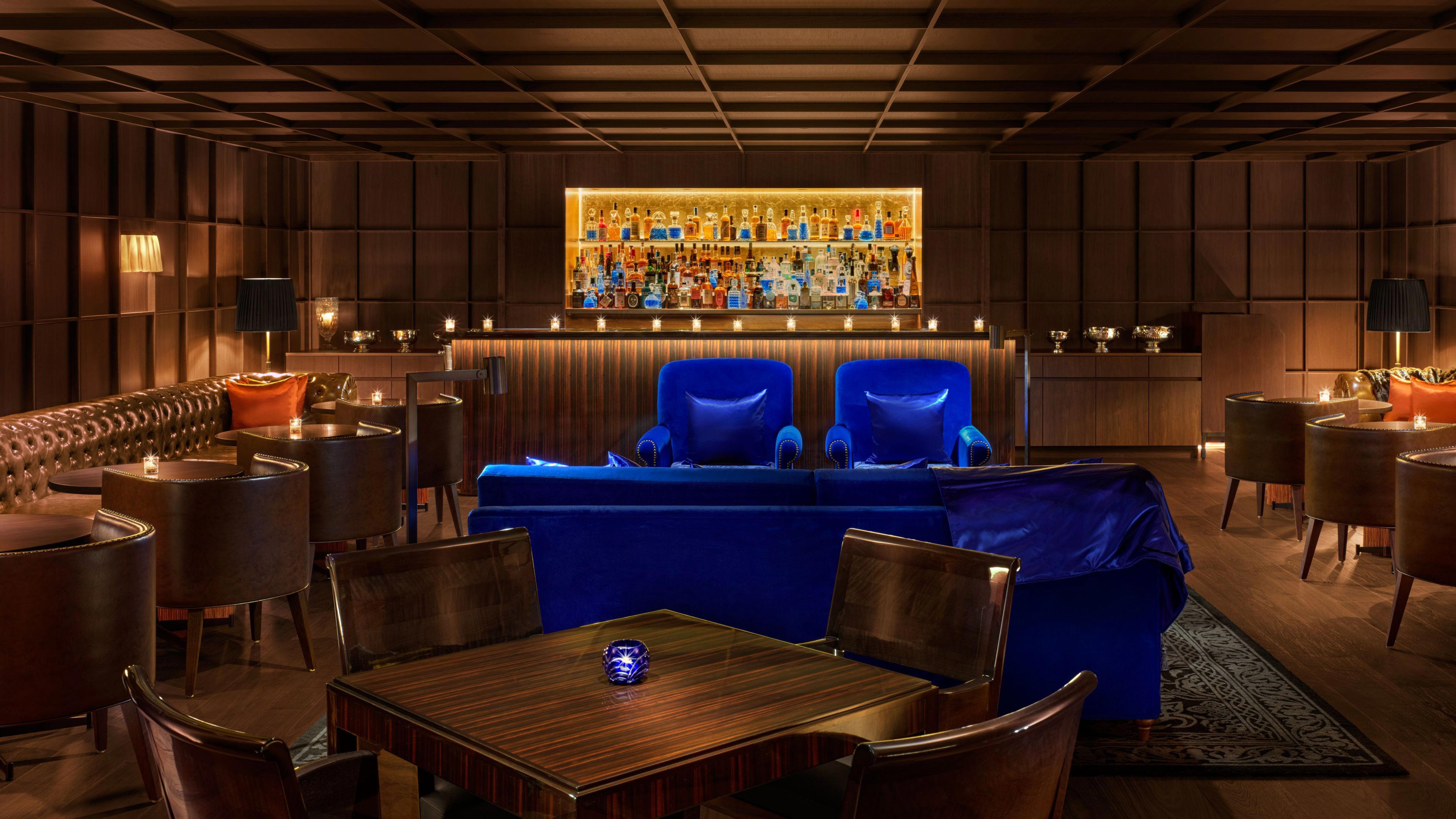
Stylish and tranquil with flower-inspired designs, soft lighting, high ceilings, and floor-to-ceiling windows offering dramatic cityscapes.