


Michelin Selected · Star Wine List · Forbes Recommended
mesm Tokyo, Autograph Collection occupies a Minato-ku address in the Tennozu waterfront district, positioning itself as Tokyo's only luxury hotel built around the performing and visual arts. Staff are called 'talent,' a linguistic choice that signals the property's commitment to its arts identity at every operational level. The hotel holds a 2026 Star Wine List award, placing its beverage program among Tokyo's more seriously curated offerings.

Pearl is the En Primeur Club membership app — saves, bookings, and concierge access live there. Same editors, same standards.
- Address
- 1-10-30 Kaigan Minato-ku
- Phone
- 81-3-5777-1111
- Website
- marriott.com
- Directions
- Get directions
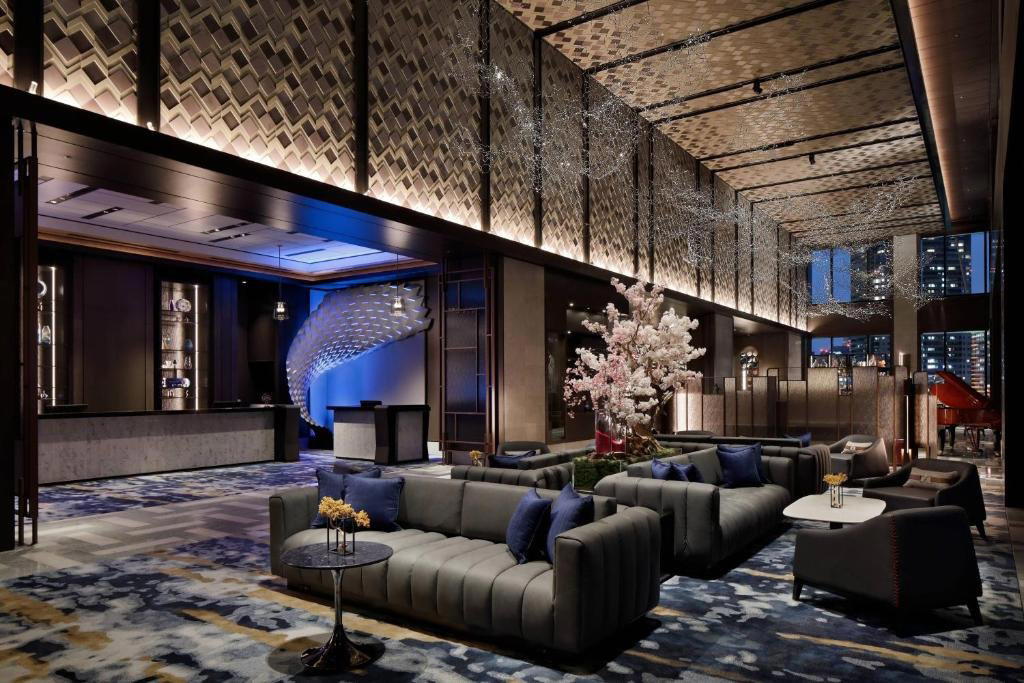
Where the Building Has a Point of View
Tokyo's luxury hotel sector has spent the past decade differentiating through two broad strategies: location-led prestige (the Marunouchi cluster, the high-floor Toranomon addresses) and concept-led identity. mesm Tokyo, Autograph Collection belongs firmly to the second group. Situated at 1-10-30 Kaigan in Minato-ku's Tennozu Isle waterfront district, the property operates at a deliberate remove from the Imperial Palace ring where Aman Tokyo, Four Seasons Hotel Tokyo at Otemachi, and Palace Hotel Tokyo trade on civic adjacency. That geographical separation is not a compromise — it is an argument. The hotel is built around the performing and visual arts, and the Tennozu waterfront, a former industrial canal zone now populated with galleries, converted warehouses, and arts-focused institutions, is the right neighbourhood for that argument to hold.
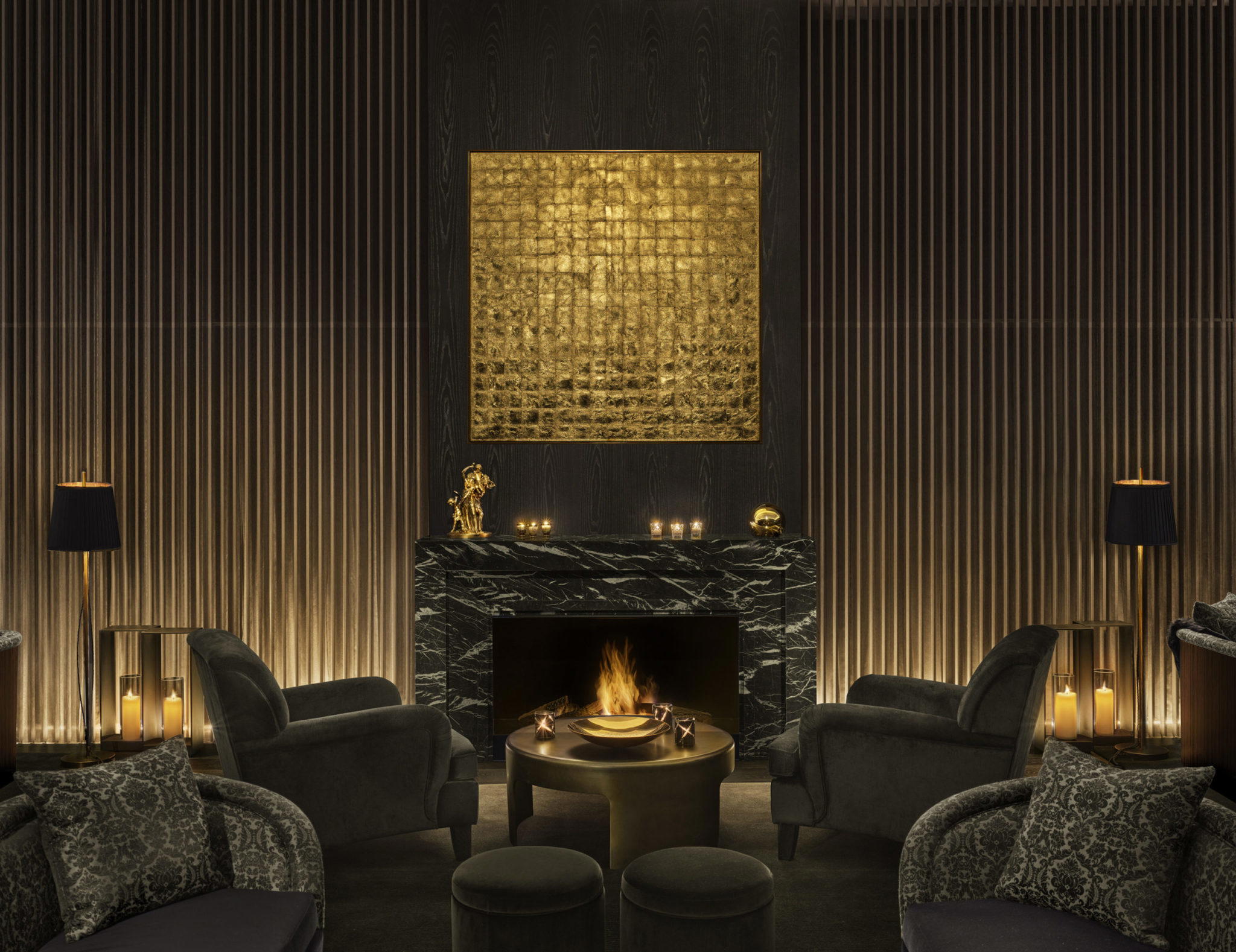
What this means in practice: the interiors read less like a hotel designed with art added afterwards, and more like a space where the design program and the cultural program were conceived together. In Tokyo's premium tier, where Bvlgari Hotel Tokyo positions luxury through Italian material richness and Andaz Tokyo through a high-floor residential aesthetic, mesm draws its identity from a different source entirely — one closer to the programming logic of a cultural institution than the amenity logic of a traditional five-star.
The Architecture of a Performing Space
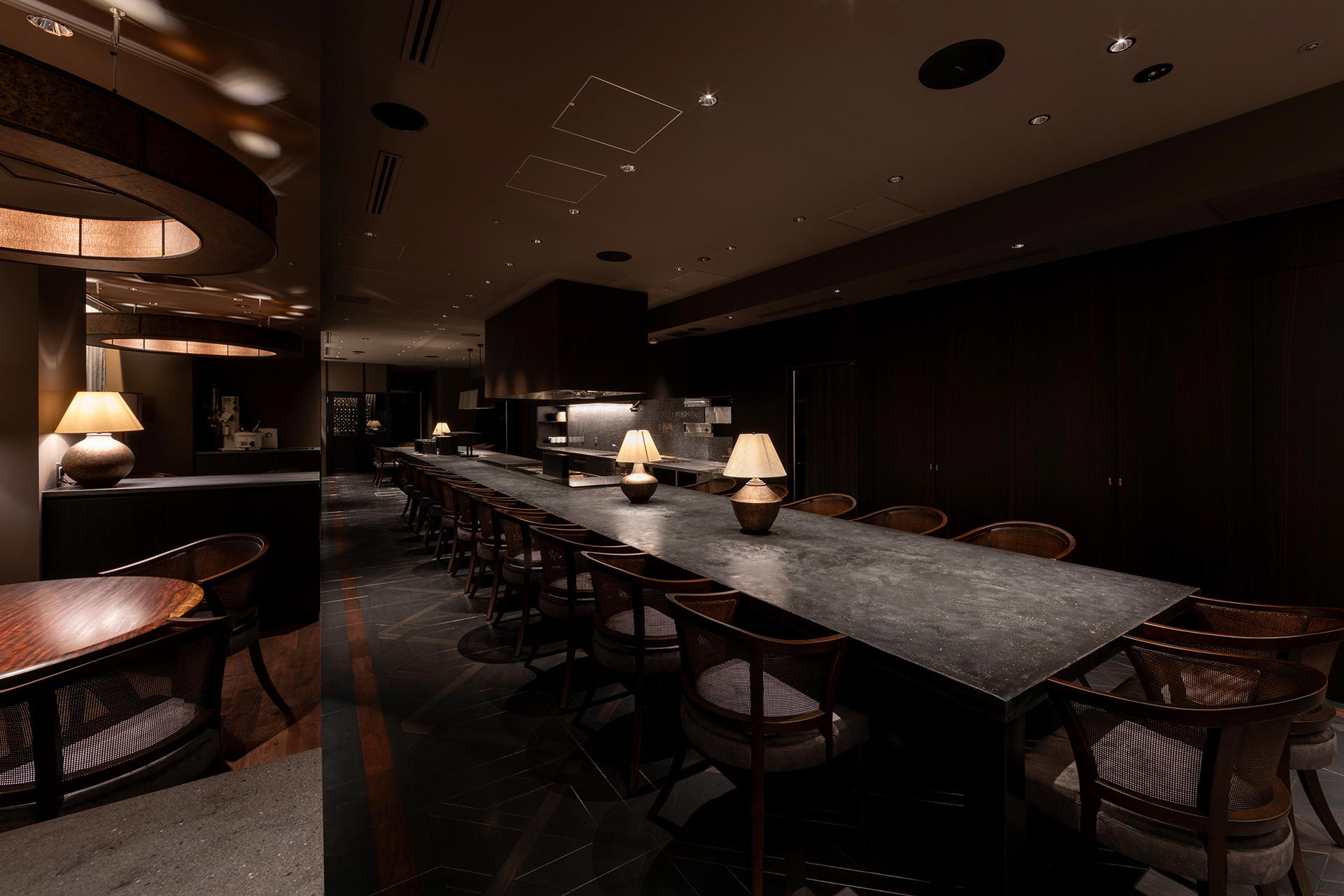
The property's central design move is treating the hotel itself as a stage. Public areas are structured to create movement, framing, and encounter in ways that depart from the conventional luxury hotel grammar of lobby-as-waiting-room. The use of theatrical spatial language, sightlines, and material choices signals a coherent design brief rather than aesthetic decoration applied over a standard floorplate.
Locally, the comparison might be drawn to Benesse House on Naoshima, where art and accommodation are structurally integrated rather than cohabiting, or to the way Zaborin in Hokkaido uses landscape as an architectural element. mesm does this with performance culture rather than nature, and in an urban context rather than a resort one.
The staff nomenclature reinforces the design logic. Calling employees 'talent' rather than service staff is not simply a branding flourish, it recalibrates the guest's relationship with the people operating the hotel, framing interactions as performances rather than transactions. Whether that framing is one a given guest finds enriching or faintly self-conscious depends on how much conceptual buy-in they arrive with. Guests who engage with the premise tend to find it cohesive; those expecting a conventional luxury-hotel register may find the conceptual layer unnecessary.
The Wine Program in Context
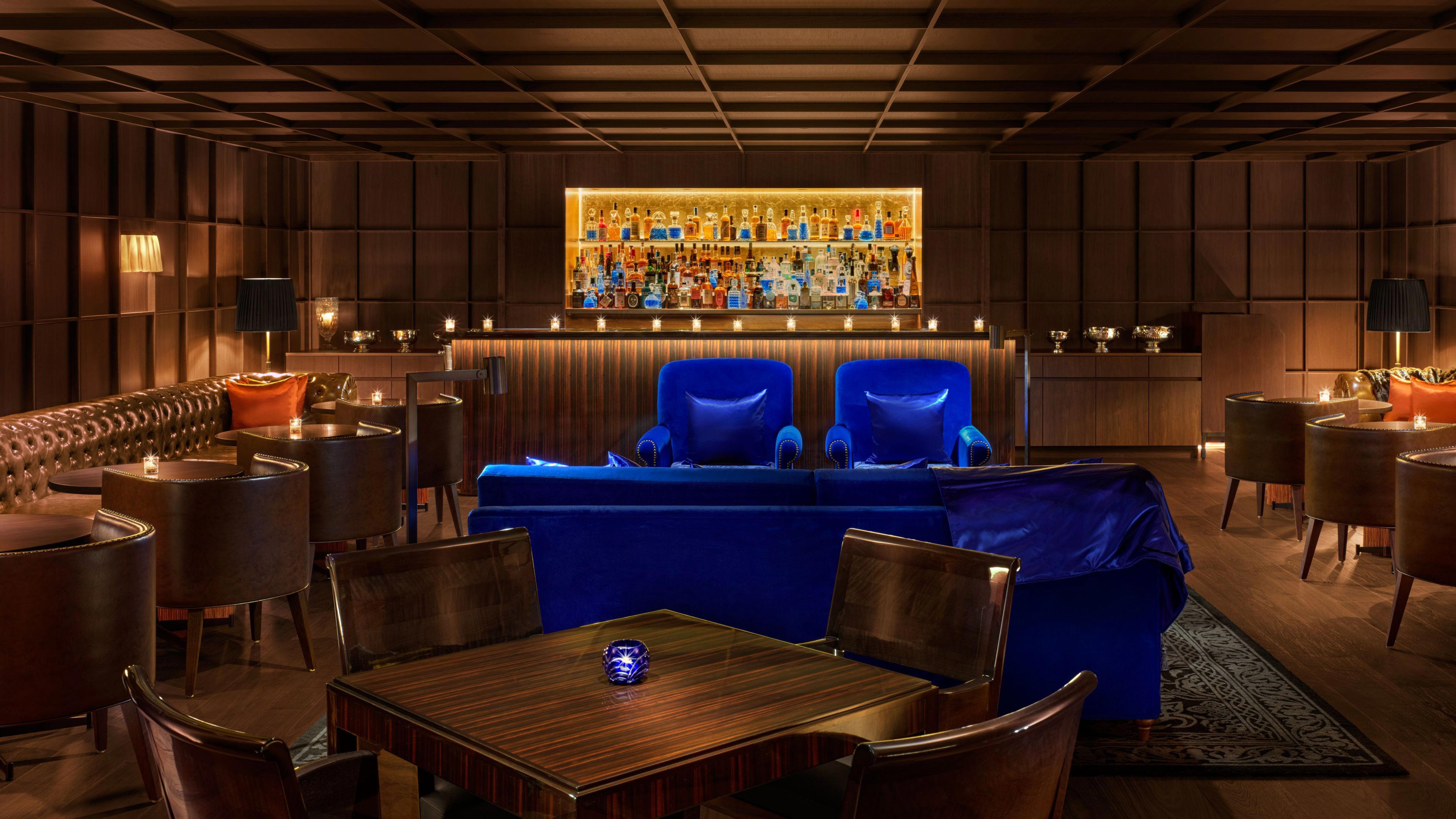
mesm Tokyo holds a 2026 Star Wine List award, a credential that places its beverage program among the more deliberately curated in Tokyo's hotel sector. Star Wine List recognition is awarded to venues with genuine selection depth and curation intelligence, which makes it a meaningful signal in a city where hotel wine programs frequently default to safe international labels and perfunctory by-the-glass options.
For a hotel whose identity is rooted in the arts, having a wine list that receives independent trade recognition suggests the F&B; program is held to the same standard of intentionality as the design and programming. That coherence across disciplines is what separates concept-led hotels from those where a strong identity in one area (design, say) sits alongside unremarkable performance in others. For more on how Tokyo's leading hotels approach beverage programs and dining, see our full Tokyo restaurants guide.
Placing mesm in Tokyo's Hotel Spectrum
Tokyo's premium hotel market is among the most competitive in Asia. At the top of the price and prestige band, Aman Tokyo and Bvlgari Hotel Tokyo set the reference point for material and spatial luxury. Properties like JANU Tokyo and Bellustar Tokyo occupy different positions, one wellness-oriented, one rooftop-destination-focused. The Capitol Hotel Tokyu draws on civic history and Kenzo Tange's architecture for its authority.
mesm competes in this field not on location prestige or architectural heritage, but on a singular cultural proposition. That is a narrower pitch, and it will not suit every traveller, but for those who find the traditional luxury-hotel value proposition (the high thread count, the concierge, the view) less compelling than a property that takes a clear position on what hospitality can be, mesm offers something the Marunouchi corridor cannot.
For travellers building a Japan itinerary around cultural and design-led properties rather than legacy prestige addresses, the comparison set extends beyond Tokyo. HOTEL THE MITSUI KYOTO draws on historical site and material craft; Amanemu in Mie uses onsen and landscape as its organising principle; Gora Kadan in Hakone sits within a former imperial villa. Each of these operates with a conceptual framework that goes beyond amenity lists. mesm's framework is the arts, urban, performance-focused, and embedded in a neighbourhood that reflects that commitment back at the building.
Planning a Stay
The hotel's address in Tennozu Isle is accessible from central Tokyo via the Tokyo Monorail (from Hamamatsucho) or the Rinkai Line, with Tennozu Isle Station placing guests within walkable distance. The waterfront district functions as a self-contained cultural zone, which means the hotel's immediate surroundings align with its interior identity rather than competing with it. Guests travelling between Tokyo and other Japan destinations might consider pairing mesm with design or nature-oriented properties elsewhere in the country, Asaba in Izu, Fufu Kawaguchiko, or Halekulani Okinawa each offer a distinct register for a multi-property Japan itinerary. For those extending to other global destinations, Aman New York or Aman Venice represent similarly concept-coherent stays in their respective cities.
Cuisine-First Comparison
Comparable venues nearby, for context on price, style, and recognition.
| Venue | Cuisine | Price | Awards | Notes |
|---|---|---|---|---|
| mesm Tokyo, Autograph CollectionThis venue — the venue you are viewing | Artistic luxury hotel blending music, performing arts, and Japanese culture in a waterfront setting. | Not listed | Michelin Selected · Star Wine List | Not listed |
| Azabudai Hills | contemporary urban village luxury | $1,000–1,500 | Not listed | Minato |
| Hotel Toranomon Hills (ホテル虎ノ門ヒルズ) | Luxury design hotel positioned as a cosmopolitan retreat for business travelers and experienced guests seeking Japanese-Scandinavian aesthetic fusion. | $300–500 | Not listed | Toranomon |
| Fufu Tokyo Ginza | Small luxury resort blending Japanese onsen tradition with urban Ginza location | $750–1,000 | 1 Michelin Key · TIME 2026 TIME World's Greatest Places | Ginza |
| Keio Plaza Hotel Tokyo Premier Grand | Modern luxury high-rise tower with club-level exclusivity | $100–200 | Star Wine List · Forbes Recommended | Shinjuku |
| Grand Nikko Tokyo Daiba | Urban resort-style hotel with bayside relaxation in Odaiba. | Not listed | Forbes Recommended · Preferred Hotels Member | Minato |
Recognition history
Dated appearances from independent guides and award organizations, with the underlying list record or original source where available.
Michelin Selected
Michelin
Star Wine List
Star Wine List
Forbes Recommended
Forbes
Continue exploring
More in Tokyo
Hotels in Tokyo
Browse all →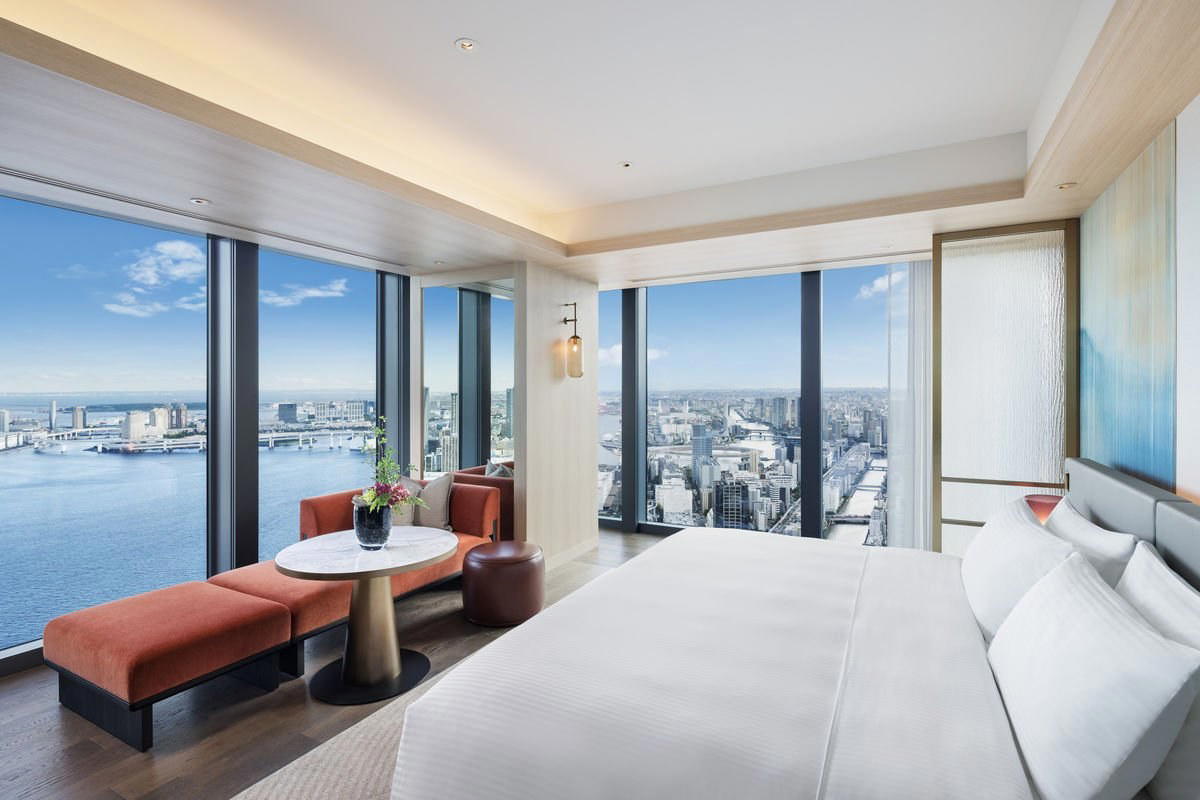

Bars in Tokyo
Browse all →
Restaurants in Tokyo
Browse all →

Details
- Modern
- Elegant
- Sophisticated
- Trendy
- Romantic Getaway
- Business Trip
- Anniversary
- Weekend Escape
- Panoramic View
- Terrace
- Design Destination
- Wi Fi
- Fitness Center
- Spa
- Room Service
- Concierge
- Restaurant
- Bar
- Massage
- Waterfront
- Skyline
- Garden
- Wheelchair Accessible
- Elevator
- Step Free Entrance
Sophisticated fusion of contemporary design and Japanese style with dramatic skyline and bay views from terraces and lounges, creating a tranquil yet inspiring atmosphere.