

Michelin Selected · World Luxury Hotel Awards WLHA Continent Winner
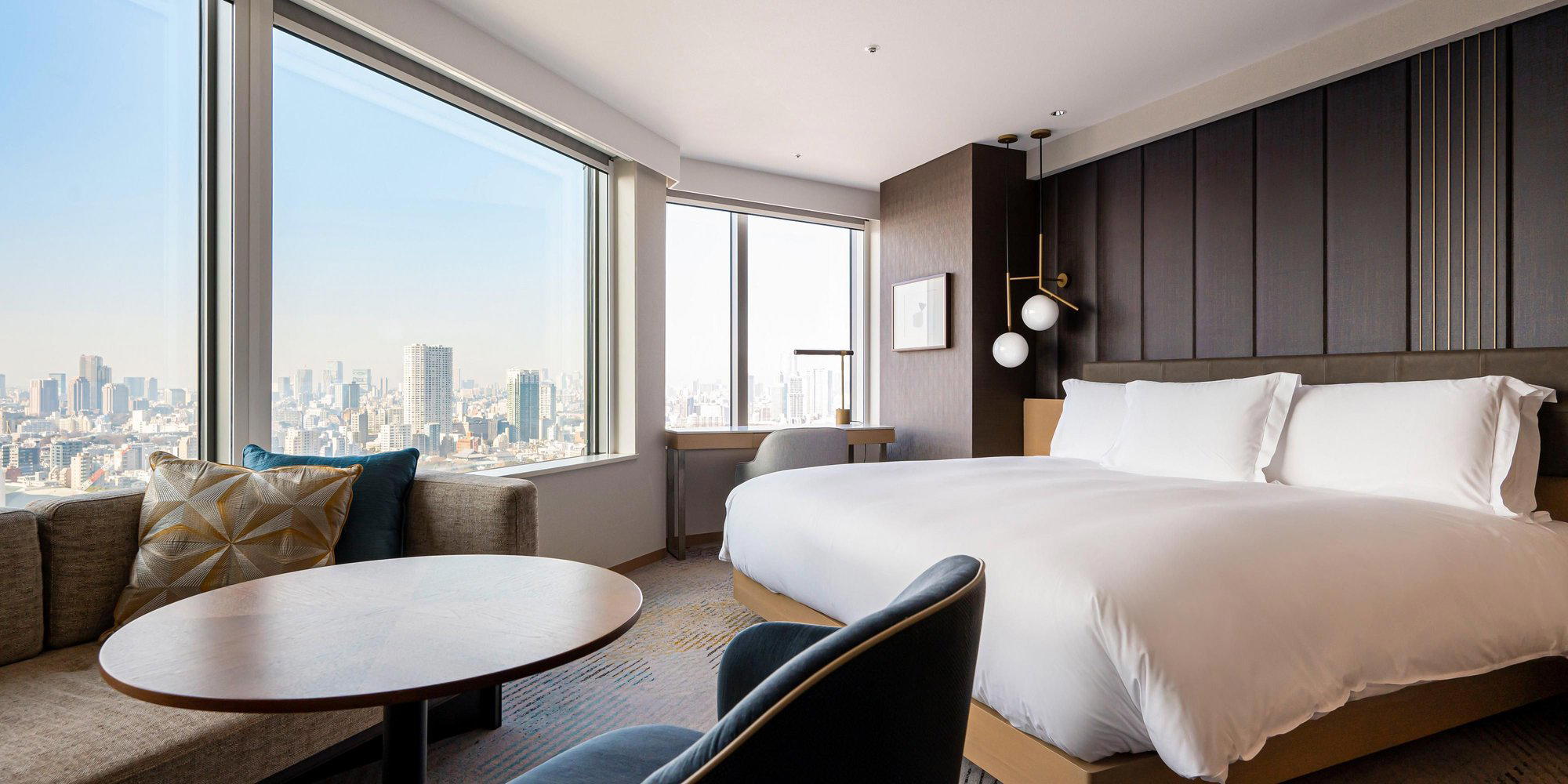
The Strings by InterContinental Tokyo occupies the upper floors of Shinagawa's East One Tower, earning Country Winner honours for Luxury Hotel and Continent Winner recognition for Luxury City Hotel. The property sits at the intersection of Tokyo's business-district accommodation and high-altitude urban hospitality, where bay views and refined positioning shape the experience from check-in onward.

Pearl is the En Primeur Club membership app, where members save venues, book tables and use the concierge.
Shinagawa's Upper Register
Tokyo's luxury hotel market divides along a familiar fault line: the historic-district properties clustered around the Imperial Palace and Otemachi, and the transit-oriented towers that anchor the city's southern business corridor. Shinagawa sits firmly in the latter category, a district where shinkansen access and proximity to Haneda Airport have made large-scale, floor-stacking hotels the dominant format. Within that category, the upper tier has consolidated around properties that use altitude as both a spatial and experiential argument. The Strings by InterContinental Tokyo occupies floors in the East One Tower at 2-16-1 Konan, Minato City, a position that places it physically above the commuter infrastructure below and editorially in a different conversation from the district's mid-market business hotels.
The property has been recognised as Country Winner for Luxury Hotel and Continent Winner for Luxury City Hotel, a dual-tier endorsement that places it in a competitive set extending beyond Tokyo to the broader Asia-Pacific luxury city hotel category. That distinction matters in a market where several strong contenders, including Bvlgari Hotel Tokyo, Aman Tokyo, and Four Seasons Hotel Tokyo at Otemachi, anchor themselves to the historic and commercial centre. The Strings earns its recognition from a different angle: the transit-connected, high-altitude proposition that serves a globally mobile guest who values shinkansen-to-lobby efficiency as much as neighbourhood prestige.
What the Altitude Tells You
High-floor Tokyo hotels operate on a specific logic: the city's horizontal sprawl, broken by the bay to the south and the mountains to the west on clear days, turns elevation into narrative. Properties that commit to this format, rather than hedging with street-level retail or neighbourhood-embedded design, are making a statement about their intended guest. The Strings leans into the tower format rather than against it, a choice that distinguishes it from design-led properties like Andaz Tokyo, where the architectural gesture is as much about the Toranomon neighbourhood as the view from above it.
The Shinagawa location carries its own logistical weight. For guests arriving from Kyoto or Osaka by shinkansen, or connecting through Haneda, the property's positioning removes the secondary transit leg that longer stays in the Marunouchi or Otemachi corridor require. This is not a minor detail for the business-heavy, multi-city itinerary that defines a significant portion of Tokyo's luxury hotel demand. It positions The Strings in a niche that Palace Hotel Tokyo and The Capitol Hotel Tokyu, for all their central-district credentials, cannot occupy.
The Menu Architecture of a Luxury City Hotel
In Tokyo's high-end hotel dining, the menu structure of a property's food and beverage program signals how seriously the hotel takes its non-residential audience. Properties that treat their restaurants as amenities, secondary to the rooms, tend toward broad international menus with minimal culinary commitment. The other model, increasingly common among properties seeking Michelin attention or critical recognition, structures dining as a destination in its own right, with distinct concepts occupying different dayparts and service registers.
Without specific dish-level data to draw from here, the more instructive frame is the category expectation. A property carrying continent-level recognition in the luxury city hotel tier is under consistent pressure to deliver a dining program that can hold its own against Tokyo's restaurant scene, one of the most competitive on the planet. The city's dining density means hotel restaurants cannot rely on captive-guest logic; they must compete with the neighbourhood, and in Shinagawa's case, with the broader Minato City food culture that extends through Shibaura and toward the bay. Properties in this position typically structure their programs around a formal restaurant with a defined cuisine identity, a bar or lounge concept that serves the pre- and post-dinner window, and a breakfast operation substantial enough to justify the room rate. Whether The Strings has built that architecture is something direct engagement with the property will answer more reliably than assumptions drawn from brand lineage.
Positioning Among Tokyo's Luxury Tier
The Tokyo luxury hotel market has expanded and stratified over the past decade. New entries like JANU Tokyo and Bellustar Tokyo, A Pan Pacific Hotel have added further complexity to a city where the top tier already included multiple internationally recognised names. Within this expanding field, the continent-level award for Luxury City Hotel that The Strings holds is a meaningful signal: it represents peer assessment across a geography that includes Singapore, Hong Kong, Seoul, and Bangkok, cities with their own formidable luxury hotel populations.
For travellers building Japan itineraries that extend beyond Tokyo, the Shinagawa location also makes for a sensible structural anchor. Shinkansen departures connect directly to Kyoto, where properties like HOTEL THE MITSUI KYOTO occupy the ryokan-adjacent luxury tier, and onward to regional destinations. The contrast between Shinagawa's urban-tower format and the smaller-scale ryokan properties, such as Gora Kadan in Hakone, Asaba in Izu, or Nishimuraya Honkan in Kinosaki-cho, illustrates how differently Japan's luxury hospitality operates across its geographic registers. The tower hotel and the onsen ryokan are not competing for the same experience; they serve different chapters of the same itinerary.
Further afield, properties like Amanemu in Mie, Benesse House in Naoshima, Zaborin in Kutchan, ENOWA Yufu in Yufu, Fufu Kawaguchiko in Fujikawaguchiko, Fufu Nikko in Nikko, Halekulani Okinawa, Jusandi in Ishigaki, and Sekitei in Hatsukaichi-shi define the rural and resort end of Japan's premium accommodation spectrum. None of them compete with The Strings on the business-travel or transit-hub dimension; they occupy the leisure and immersive-nature niche that the Shinagawa tower format does not attempt to serve.
Planning Your Stay
The property's address at Shinagawa East One Tower places it within direct walking distance of Shinagawa Station, one of Tokyo's principal shinkansen stops and a key Haneda Airport rail link. For international arrivals or guests departing on early-morning bullet trains, this proximity removes a logistical variable that stays in Marunouchi or Shinjuku cannot. The East One Tower's footprint means the hotel operates at genuine urban-tower scale, a format suited to the guest who wants consistent service delivery and a clear view of the city rather than the neighbourhood immersion that smaller design properties offer. Reservations and current room-rate information are best confirmed directly through InterContinental's booking channels, as pricing at this tier shifts with demand and corporate-rate availability. For a broader view of where The Strings sits within Tokyo's accommodation options, our full Tokyo guide maps the city's hotel tiers and dining scene in full. Travellers considering luxury city hotels in other global markets may also find useful comparisons in properties like The Fifth Avenue Hotel in New York City, Aman New York, or Aman Venice, each of which uses altitude, location, or architectural distinction to anchor its premium positioning in a crowded market.
Awards and Standing
Comparable venues nearby, for context on price, style, and recognition.
| Venue | Cuisine | Awards | Notes |
|---|---|---|---|
| The Strings by InterContinental TokyoThis venue (the venue you are viewing) | Intimate boutique-style luxury tower hotel with contemporary Japanese influences occupying upper floors for spectacular views. | Michelin Selected · World Luxury Hotel Awards WLHA Continent Winner | Not listed |
| Kimpton Shinjuku Tokyo | luxury lifestyle boutique hotel with creative New York-inspired flair | Michelin Selected · World Luxury Hotel Awards WLHA Country Winner | Shinjuku |
| Imperial Hotel Tokyo | Classic luxury heritage property with modern amenities | La Liste Top Hotels · Leading Hotels of World Member | Chiyoda |
| The Prince Sakura Tower Tokyo, Autograph Collection | Luxury urban hotel blending Japanese tradition and contemporary design | Forbes 4-Star | Minato |
| Hotel Chinzanso Tokyo | Luxury urban sanctuary combining Japanese botanical heritage with contemporary hospitality, formerly a Four Seasons property. | Forbes 4-Star · Preferred Hotels L.V.X. Collection | Bunkyō |
| mesm Tokyo, Autograph Collection | Artistic luxury hotel blending music, performing arts, and Japanese culture in a waterfront setting. | Michelin Selected · Star Wine List | Minato |
Recognition history
Dated appearances from independent guides and award organizations, with the underlying list record or original source where available.
Michelin Selected
Michelin
World Luxury Hotel Awards WLHA Continent Winner
World Luxury Hotel Awards
Full recognition history (3 entries)
World Luxury Hotel Awards WLHA Country Winner
World Luxury Hotel Awards
Continue exploring
More in Tokyo
Hotels in Tokyo
All hotels in Tokyo →


Bars in Tokyo
All bars in Tokyo →





Details
- Elegant
- Sophisticated
- Modern
- Quiet
- Business Trip
- Romantic Getaway
- Anniversary
- Panoramic View
- Rooftop Pool
- Wi Fi
- Fitness Center
- Spa
- Room Service
- Concierge
- Business Center
- Valet Parking
- Skyline
- Wheelchair Accessible
- Elevator
- Step Free Entrance
- Accessible Parking
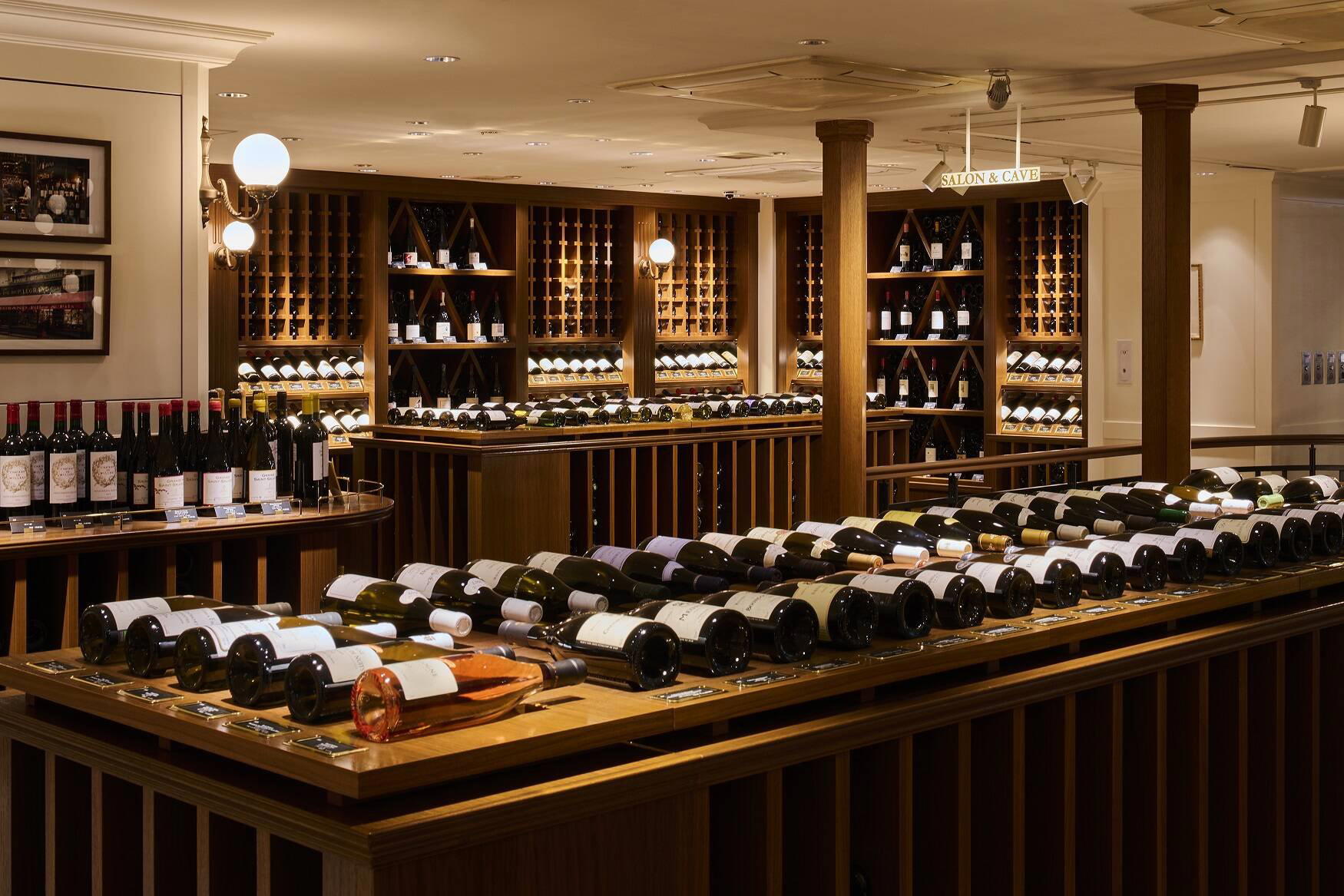
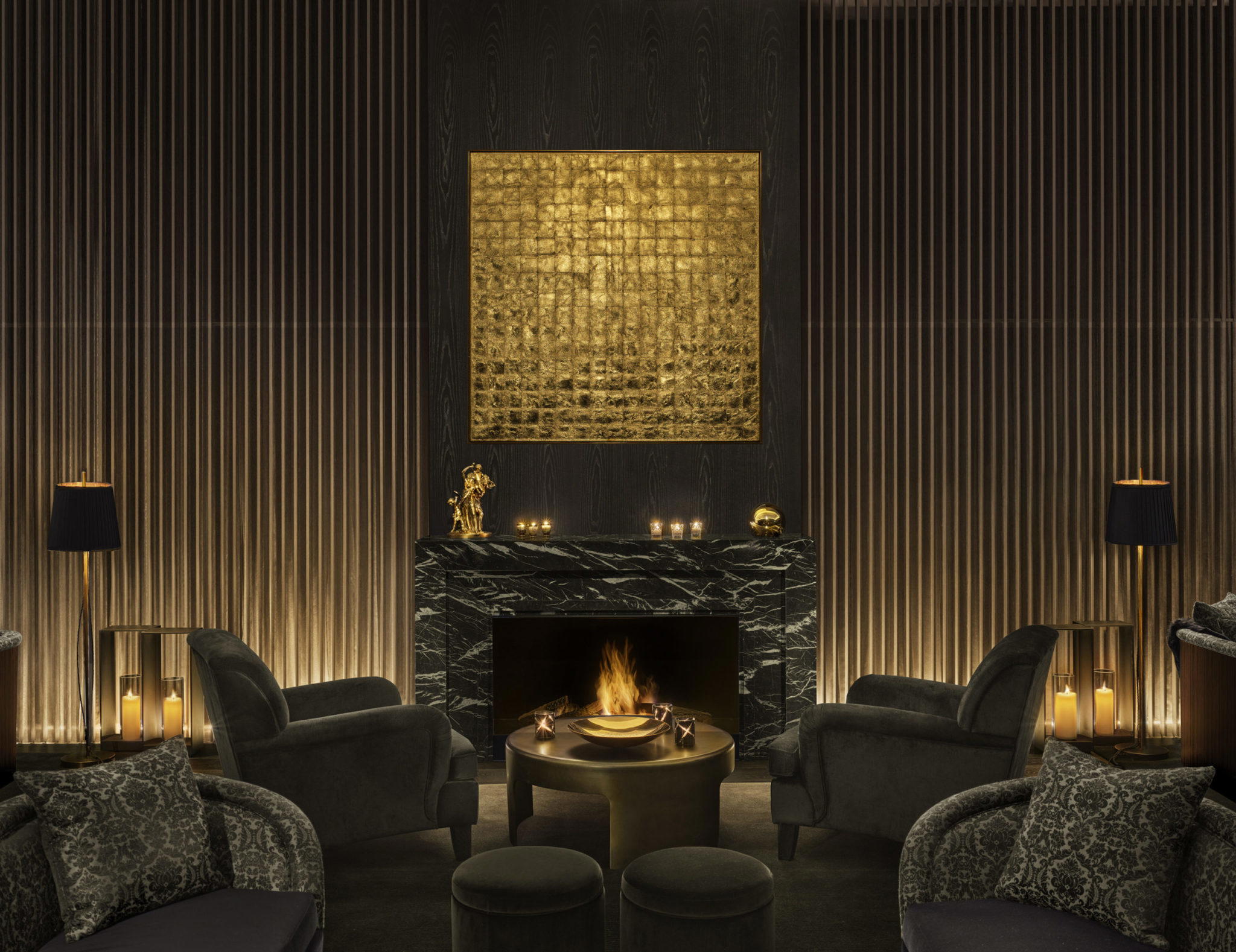
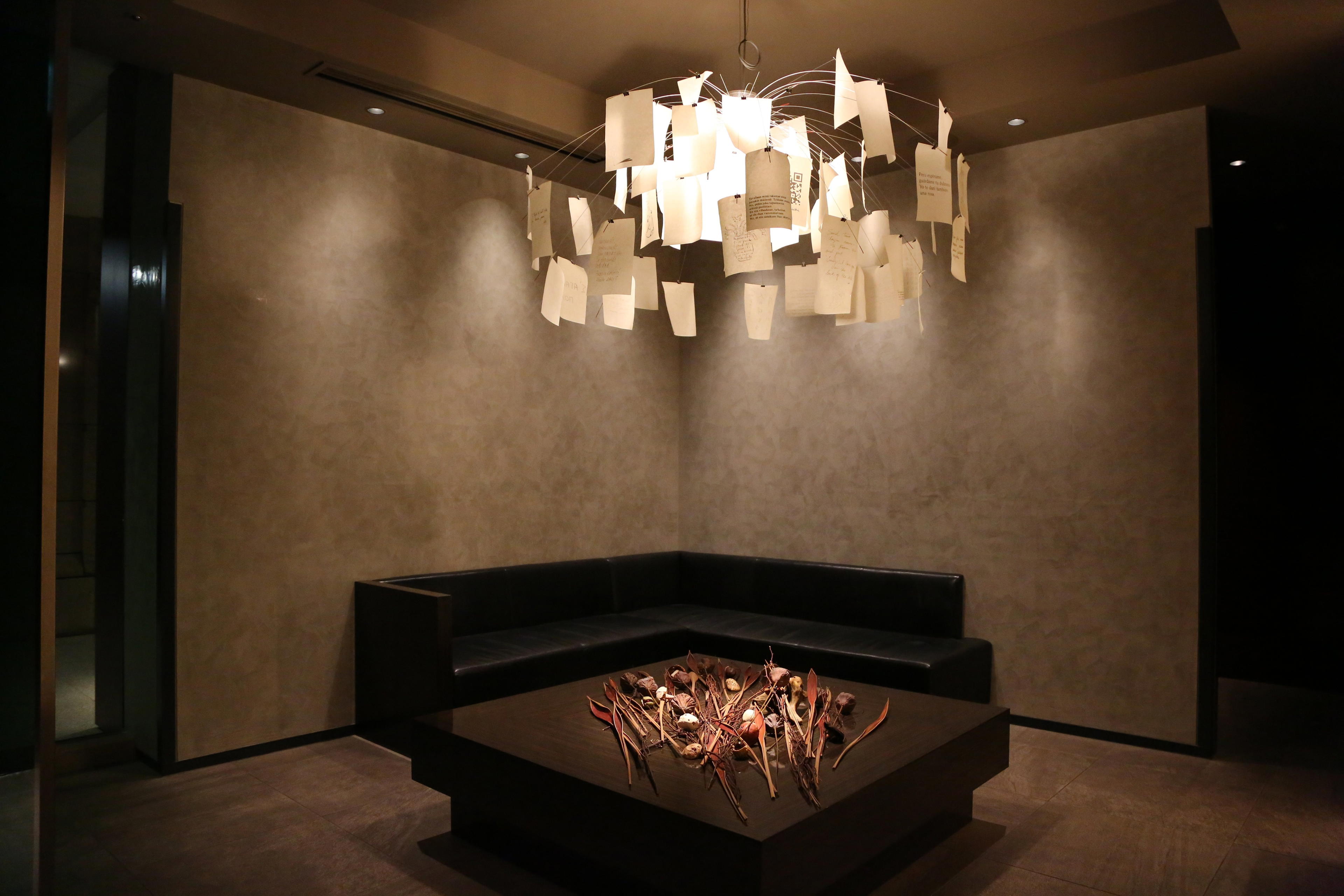
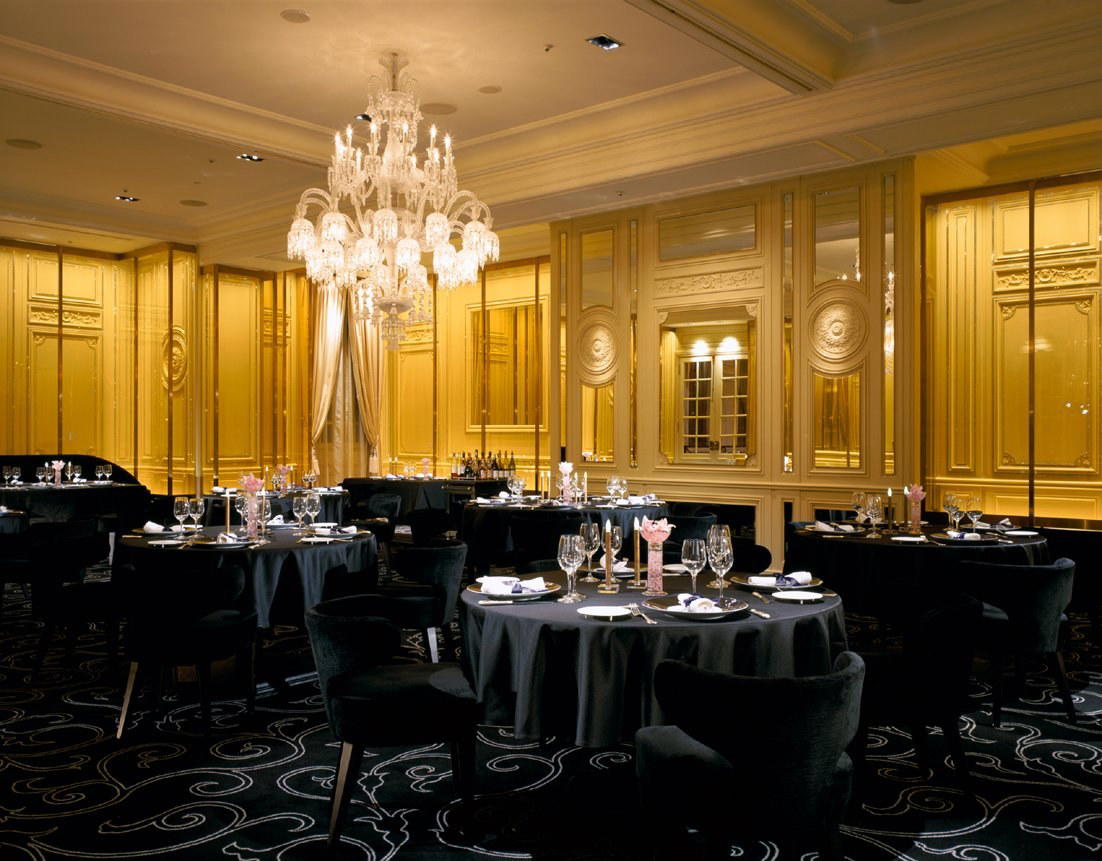
Refined and serene atmosphere with warm lighting, rich wood finishes, sleek contemporary furnishings in neutral tones, and dramatic city skyline views from upper floors.