
Michelin Selected
Carrying a 2025 Michelin Selected designation, Hyatt Centric Ginza Tokyo sits at the address 6-6-7 Ginza in Chuo-ku, placing guests directly inside one of Tokyo's most commercially and culturally dense districts. The property represents the international hotel chain's foothold in a neighbourhood where design-led independents and global flagships compete for the same well-travelled guest.

Pearl is the En Primeur Club membership app — saves, bookings, and concierge access live there. Same editors, same standards.
- Address
- 6 Chome-6-7 Ginza, Chuo City, Tokyo 104-0061, Japan
- Phone
- +81 3-6837-1234
- Website
- hyatt.com
- Directions
- Get directions
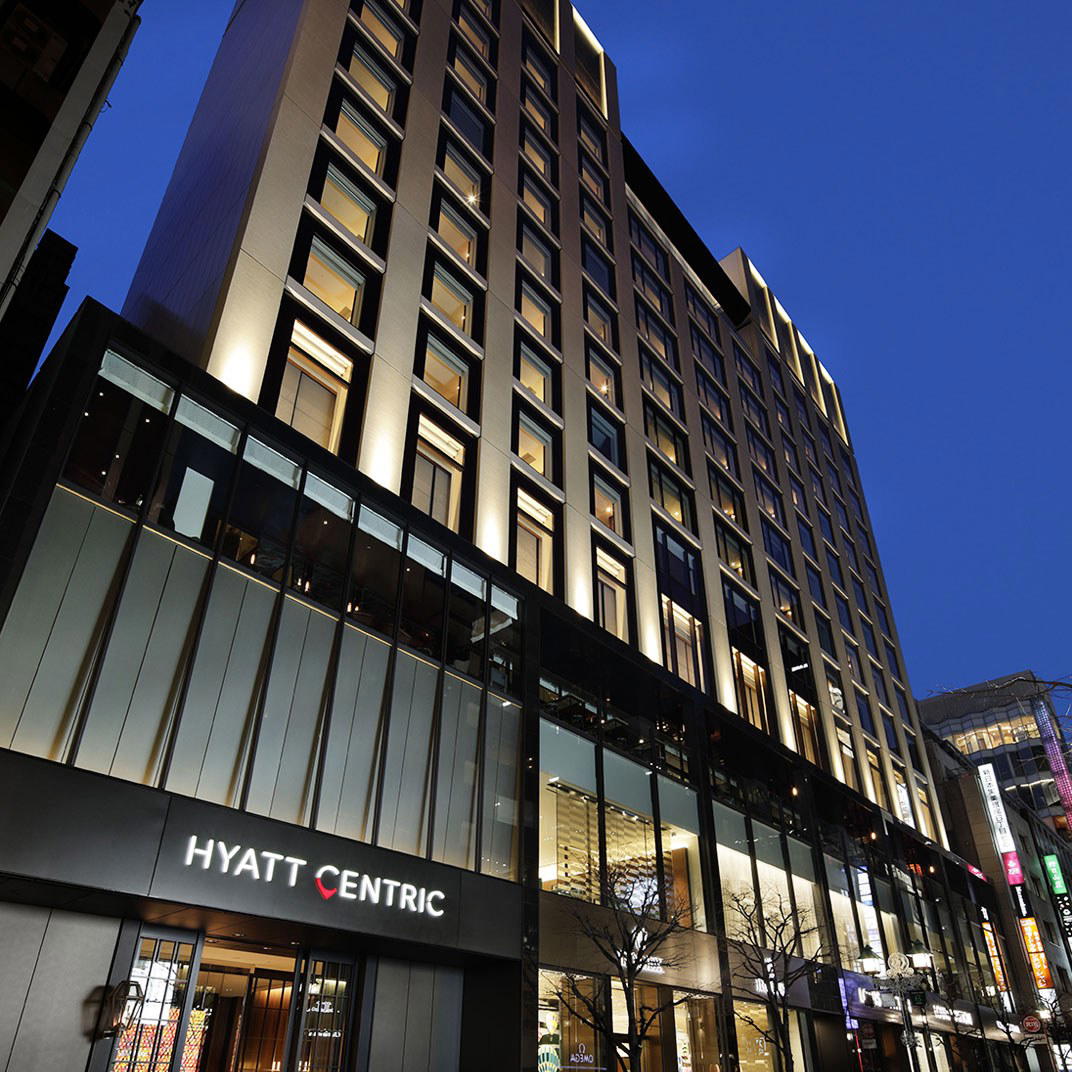
Ginza as a Hotel Address: What the Postcode Actually Delivers
Ginza operates as a different kind of hotel neighbourhood than most Tokyo visitors expect. The district is often framed through its retail identity — the flagship stores along Chuo-dori, the art galleries tucked into side streets, the density of high-end restaurants — but what it actually delivers to a hotel guest is something more specific: immediate walkability to a concentration of Michelin-starred dining, direct access to the Tokyo Metro Ginza, Higashi-ginza, and Shimbashi stations, and a central position that makes Tsukiji, Shiodome, and Nihonbashi all reachable on foot or within a single train stop. For a hotel stay built around exploring central Tokyo rather than retreating from it, Ginza's logic is hard to argue with.
Hyatt Centric Ginza Tokyo sits at 6-6-7 Ginza, Chuo-ku, which places it inside the core of that grid rather than on its edges. The Centric brand within the Hyatt portfolio is positioned explicitly as a city-immersive format: properties in this tier are designed for guests who treat the hotel as a base of operations rather than a destination in itself. That framing is consistent with what Ginza as a neighbourhood actually demands. The area's concentration of activity means that guests who stay here tend to spend more time outside than in, which shifts the calculus away from resort-style amenities and toward the quality of the location and the efficiency of the room.
Michelin Selection in a City That Takes Hotel Standards Seriously
Tokyo's hospitality infrastructure runs deep. The city holds one of the densest concentrations of high-performing hotels in Asia, ranging from the full-scale institutional luxury of properties like Aman Tokyo, Bvlgari Hotel Tokyo, and Four Seasons Hotel Tokyo at Otemachi to design-led independents and internationally branded lifestyle properties. Within that field, Michelin's hotel selection functions as a credentialling layer: the 2025 Michelin Selected designation for Hyatt Centric Ginza Tokyo places it within the portion of Tokyo's hotel supply that the guide's editors consider worth recommending, without the starred tier's implication of maximum-category luxury. It is a signal of operational quality and location relevance rather than an argument for the highest price point in the market.
For context, properties like Andaz Tokyo, Palace Hotel Tokyo, and JANU Tokyo occupy the higher-service, higher-price bracket of the same international-brand tier. The Centric format is not competing with those properties on amenity depth. It is competing on location efficiency and accessibility, areas where a Ginza address gives it a genuine structural advantage over properties in Shinjuku or further west.
The Neighbourhood as the Primary Amenity
Staying in Ginza in autumn and winter rewards guests who plan around the district's seasonal programming. From late November through January, Ginza's main thoroughfare hosts illuminations and department store events that pull significant foot traffic. The Ginza Six complex, a short walk from the hotel's address, runs rotating exhibition programming alongside its retail floors. The neighbourhood's gallery concentration, including venues along Ginza's back streets, operates largely on Tuesday-to-Saturday schedules, which is worth factoring into any itinerary built around contemporary Japanese art.
Tokyo's broader dining scene is accessible from Ginza by transit in under twenty minutes in most directions, but the immediate area itself offers significant density. Ginza holds more Michelin-starred restaurants per square kilometre than most comparable commercial districts globally, with a spread running from sushi counters and kappo-style kaiseki to French and Italian rooms. Our full Tokyo restaurants guide covers the range across the city's different dining neighbourhoods, but guests staying in Ginza can walk to a meaningful subset of that selection without consulting a train map.
The retail pattern in Ginza also structures daytime differently than in other parts of the city. Major stores including Mitsukoshi, Matsuya, and the brand flagships along Chuo-dori operate on department store hours that typically run until 8pm, with some closing earlier on weekdays. Sunday is when Chuo-dori becomes pedestrianised between certain hours, changing the street's character substantially. For guests who build days around retail and dining in sequence, those logistical details matter more than they might in a neighbourhood with less concentrated programming.
Comparing the Ginza Hotel Option to Alternatives
The decision to stay in Ginza versus other central Tokyo hotel zones carries real trade-offs. Properties like The Capitol Hotel Tokyu in Akasaka or Bellustar Tokyo, A Pan Pacific Hotel in Kabukicho place guests in areas with different neighbourhood characters and transit orientations. Ginza's advantage is its position relative to the Yamanote Line loop and its proximity to both the Tokyo Station area and Shiodome's transit hub. Guests whose itinerary leans toward day trips, to Nikko, Hakone, or Kyoto, benefit from the short distance to Tokyo Station, which is served directly from nearby Shimbashi or reachable in a few stops.
For those extending the trip beyond Tokyo, the regional comparison is worth considering. HOTEL THE MITSUI KYOTO in Kyoto and Gora Kadan in Hakone represent the ryokan-influenced end of Japan's premium accommodation spectrum, where the property itself is the experience. That is a different proposition entirely from the Centric model, and for travellers combining both types of stay within a single Japan itinerary, the contrast is part of the logic. Properties like Zaborin in Kutchan, Fufu Nikko in Nikko, Asaba in Izu, Amanemu in Mie, Kamenoi Besso in Yufu, Benesse House in Naoshima, Nishimuraya Honkan in Kinosaki-cho, Sekitei in Hatsukaichi-shi, Halekulani Okinawa in Okinawa, Jusandi in Ishigaki, Fufu Kawaguchiko in Fujikawaguchiko, and others across Japan operate in that immersive-property register rather than the city-base register. Both have a place in a well-structured Japan itinerary.
Planning a Stay: What to Know Before Booking
Hyatt Centric Ginza Tokyo sits within the World of Hyatt loyalty program, which matters for frequent Hyatt guests accumulating or redeeming points. The hotel's address at 6-6-7 Ginza places it approximately midway between Ginza Station (on the Ginza, Hibiya, and Marunouchi metro lines) and Higashi-ginza Station (on the Hibiya and Asakusa lines), giving guests two station options depending on direction of travel. The Toei Asakusa Line at Higashi-ginza also offers a direct connection toward Haneda Airport, which can simplify arrival and departure logistics for guests flying through Haneda rather than Narita.
For international travellers comparing Ginza to other global city-centre hotel options, the positioning sits broadly in the same tier as properties like The Fifth Avenue Hotel in New York City or Badrutt's Palace Hotel in St. Moritz in terms of the relationship between address prestige and broader neighbourhood context, though the service and pricing models differ substantially. Hôtel de Paris Monte-Carlo in Monte Carlo offers a useful contrast: a property where the hotel itself is as much the destination as the surroundings, versus the Centric model's orientation toward the city outside its doors.
Ginza as a base makes most sense for guests whose Tokyo itinerary prioritises central districts, high-concentration dining, and efficient transit access over either neighbourhood character or hotel-as-destination luxury. The 2025 Michelin Selected status provides a credible quality floor for that proposition.
Peers You’d Cross-Shop
Comparable venues nearby, for context on price, style, and recognition.
| Venue | Cuisine | Price | Awards | Notes |
|---|---|---|---|---|
| Hyatt Centric Ginza TokyoThis venue — the venue you are viewing | Modern boutique in the heart of Ginza | $300–500 | Michelin Selected | Not listed |
| Keio Plaza Hotel Tokyo | High-rise urban luxury tower with extensive facilities. | $200–300 | Preferred Hotels Member | Shinjuku |
| Hotel The Celestine Ginza | Destination-style hotel emphasizing elegance, quietude, and locality-inspired hospitality | $300–500 | Michelin Selected | Chūō |
| The Royal Park Hotel Iconic Tokyo Shiodome | Modern high-rise urban hotel with executive floors | Not listed | Preferred Hotels Member | Minato |
| Hotel Sunroute Plaza Shinjuku | Contemporary upper-middle-range urban hotel blending modern design with Japanese hospitality in Tokyo's lively Shinjuku district. | $100–200 | Not listed | Shibuya |
| Hotel Toranomon Hills (ホテル虎ノ門ヒルズ) | Luxury design hotel positioned as a cosmopolitan retreat for business travelers and experienced guests seeking Japanese-Scandinavian aesthetic fusion. | $300–500 | Not listed | Toranomon |
Recognition history
Dated appearances from independent guides and award organizations, with the underlying list record or original source where available.
Michelin Selected
Michelin
Continue exploring
More in Tokyo
Hotels in Tokyo
Browse all →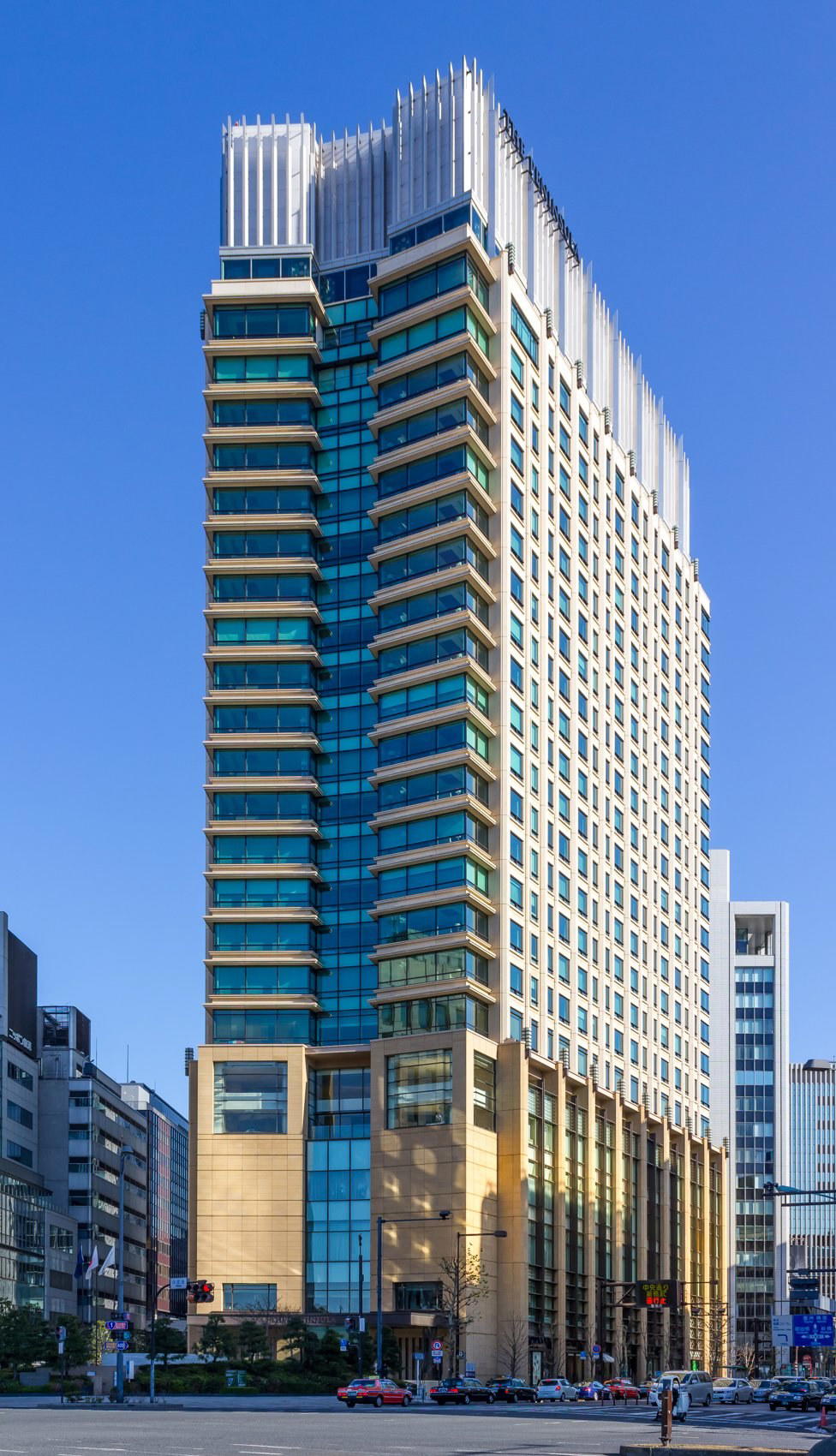
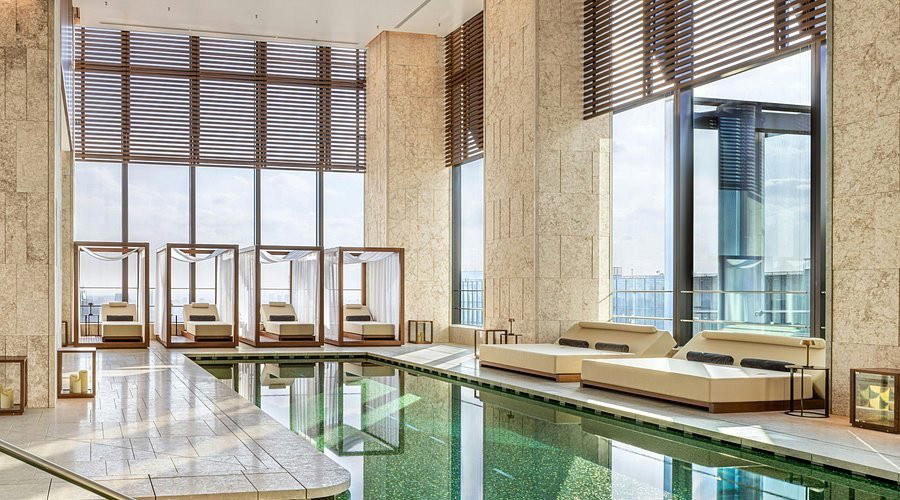

Bars in Tokyo
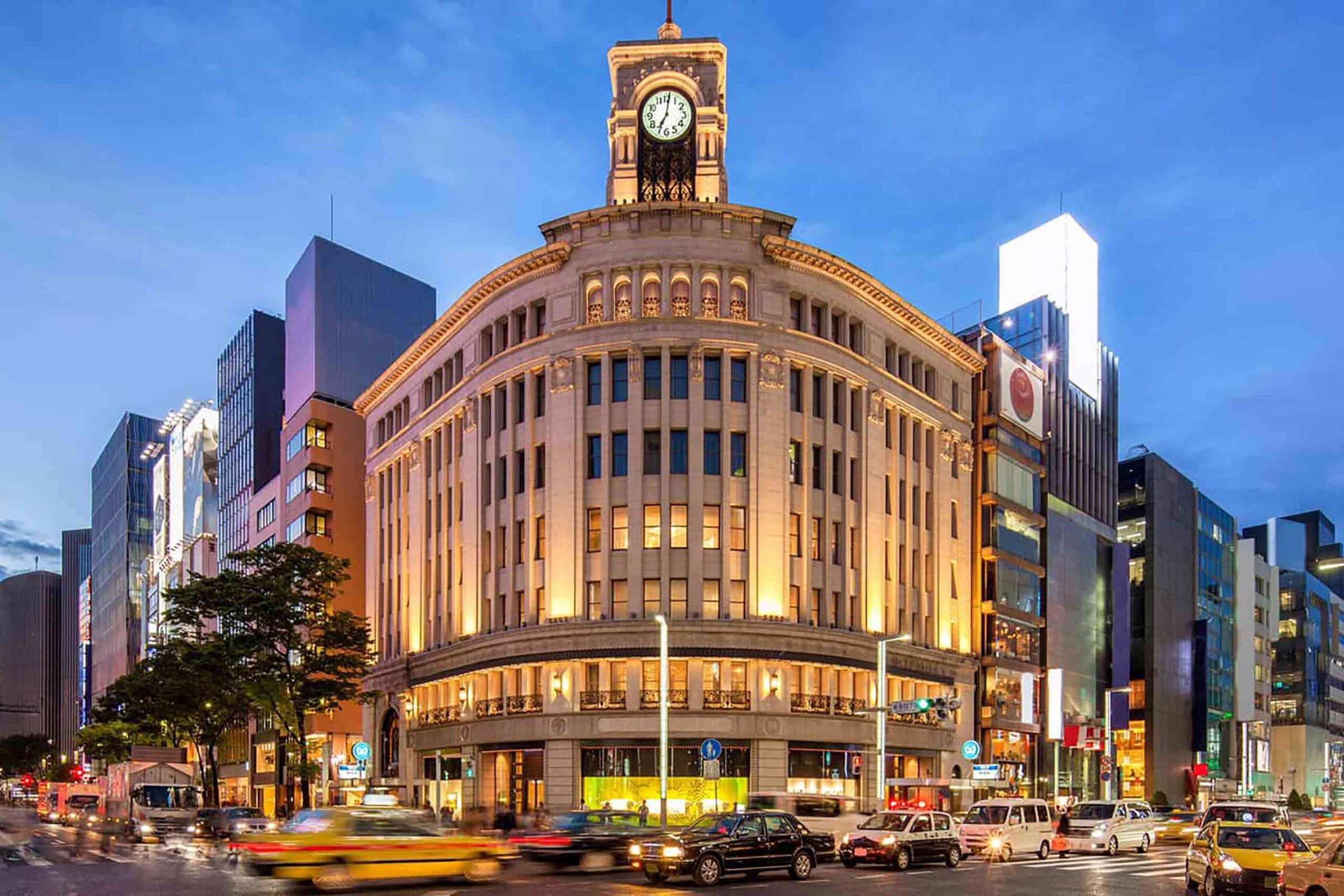
Browse all →

Restaurants in Tokyo
Browse all →


Details
- Modern
- Elegant
- Sophisticated
- Trendy
- Business Trip
- Weekend Escape
- Design Destination
- Panoramic View
- Wi Fi
- Fitness Center
- Room Service
- Concierge
- Skyline
- Street Scene
Warm modern Japanese design with clean lines, wood accents, soft lighting, curated art, and views of Ginza's skyline.