
Michelin Selected
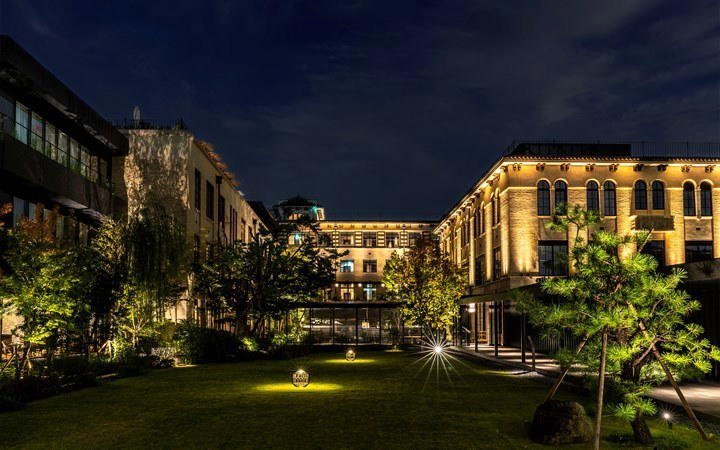
A Michelin Selected ryokan-style hotel in Kyoto's Okazaki cultural district, Hotel Okura Kyoto Okazaki Bettei occupies a quiet address near Heian Shrine and Nanzenji. The property sits within Kyoto's upper tier of design-led, low-key accommodations, where proximity to the city's eastern green corridors and a commitment to traditional material practices matter more than scale.

Pearl is the En Primeur Club membership app — saves, bookings, and concierge access live there. Same editors, same standards.
- Address
- 26-6 Okazaki Tennocho, Sakyo Ward, Kyoto, 606-8335, Japan
- Phone
- +81 75-771-5777
- Directions
- Get directions
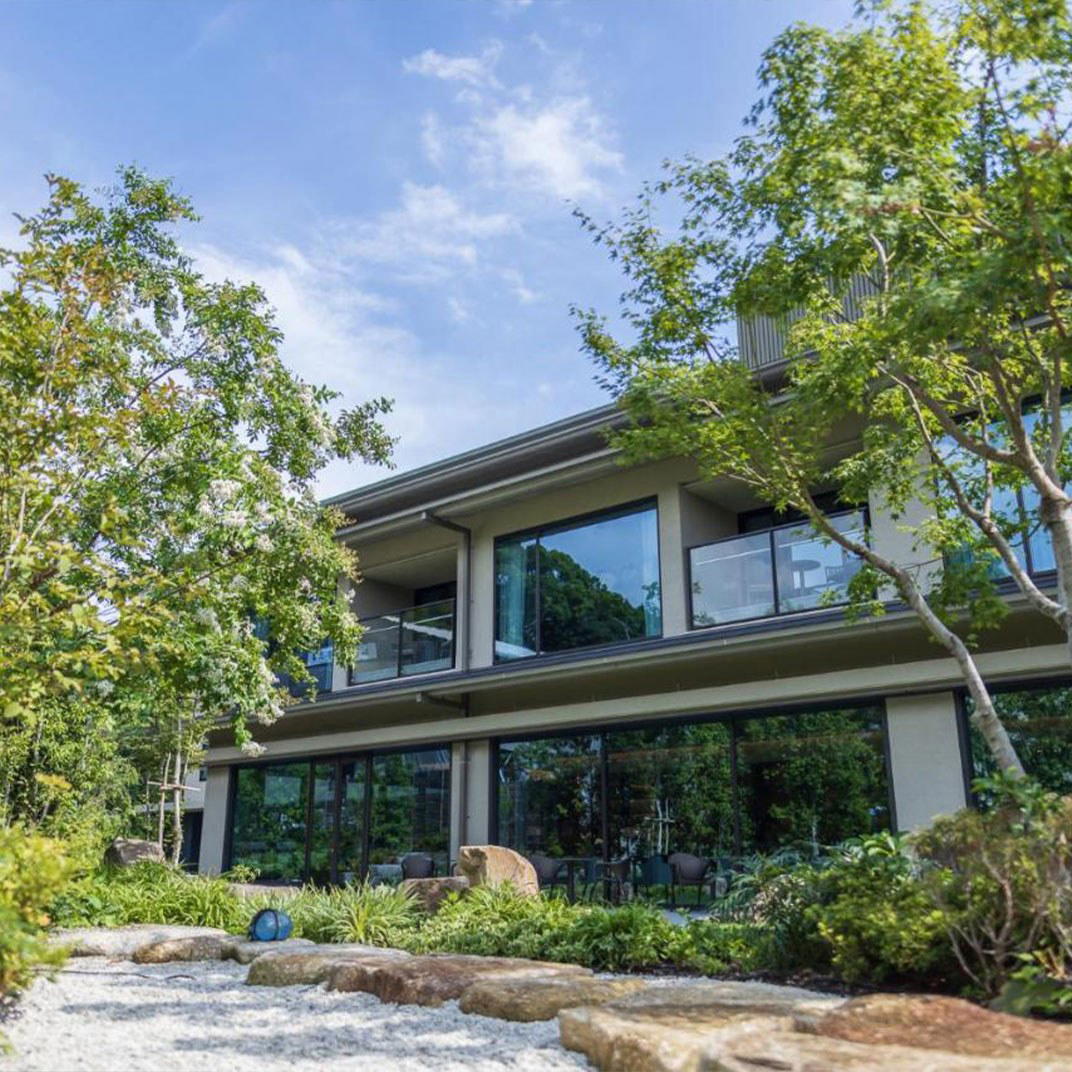
Okazaki and the Case for Staying East
Kyoto's accommodation geography divides more sharply than most visitors expect. The Higashiyama corridor and its northern extension into Okazaki pull a specific type of traveller: one who wants to walk to Nanzenji before the tour groups arrive, or who values proximity to the city's museum district without the ambient noise of Gion. Hotel Okura Kyoto Okazaki Bettei sits at Okazaki Tennocho 26-6 in Sakyo-ku, a residential-cultural pocket that reads quieter than central Kyoto but lands you within reach of the Heian Shrine gardens, the National Museum of Modern Art, and the canal paths that define this part of the city's eastern edge.
Okazaki as a neighbourhood has always held a different register from the ryokan-dense streets of Higashiyama proper. It carries institutional weight — the shrine, the museums, the zoo — alongside a low-key residential texture that larger hotel developments tend to flatten. Properties that succeed here tend to work with that grain rather than against it, keeping footprints modest and materials local. Bettei, as a designation within the Okura group, signals a detached, secondary-house format: smaller, more deliberate, and intended to operate with more character than a full-service city hotel.
Material Restraint as Environmental Position
In the conversation about responsible luxury in Japan, the most credible properties are rarely the ones publishing carbon offset statistics. They tend instead to be those whose construction and operational logic reflects a longer relationship with place: local timber, traditional joinery, seasonal food sourcing, and an approach to land use that does not prioritise room count over quiet. The Okura group's Bettei properties sit within that longer tradition, and the Okazaki location inherits the group's established sensibility around material quality and restraint.
Kyoto's preservation ordinances impose real constraints on new builds and renovations in heritage-sensitive zones, which functions as an involuntary form of sustainable practice. Properties that operate within those constraints, as Bettei-format properties typically do, tend to use lower-impact materials, preserve existing vegetation, and limit the kind of infrastructural expansion that larger international flags routinely pursue. This is not altruism; it is the condition of operating seriously in this city. But the outcome, for guests who care about it, is accommodation that sits more lightly on its site than the scale of the luxury pricing might suggest.
The Okazaki setting reinforces this. The neighbourhood's canal system and the proximity to Okazaki Park create a green corridor that the hotel's positioning can draw on without constructing it. Guests stepping out onto those paths encounter the city's horticultural and architectural heritage at a pace that larger, more central properties cannot replicate regardless of their amenity lists.
How Bettei Sits Within Kyoto's Premium Tier
Kyoto's upper accommodation market has fragmented considerably over the past decade. The major international brands arrived with considerable fanfare: Four Seasons Hotel Kyoto in Higashiyama, Park Hyatt Kyoto on the slopes above Higashiyama, Aman Kyoto tucked into the northern hills above Kinkakuji. Each represents a different model of premium: large-footprint international, design-forward hillside, forest-immersive. HOTEL THE MITSUI KYOTO takes a heritage-conversion approach near Nijo Castle. SOWAKA and The Shinmonzen represent the machiya-influenced, boutique end of the market in Gion and along the Shinmonzen antiques strip respectively.
Hotel Okura Kyoto Okazaki Bettei occupies a different position within that field. The Okura group carries institutional credibility in Japanese hospitality, a reputation built over decades rather than through recent rebranding. The Bettei designation places the Okazaki property in a quieter tier: not competing on amenity breadth with the Four Seasons or Park Hyatt, but offering a more contained, considered stay in a neighbourhood that those larger properties do not reach. The Michelin Selected designation for 2025 confirms placement within the guide's curated accommodation tier, which prioritises quality and character over size.
For comparison, Ace Hotel Kyoto and Dusit Thani Kyoto represent the design-led international end of the market in central Kyoto, serving a different brief entirely. Bettei's appeal is more specifically Japanese in register: the Okura lineage, the bettei (villa) format, and the Okazaki address combine to produce a stay that reads as deliberately local rather than globally positioned.
Japan's Wider Range of Considered Stays
For travellers building an itinerary around properties that hold both quality credentials and a thoughtful relationship with their physical context, Japan offers more options per square kilometre than almost anywhere else. Gora Kadan in Hakone operates within an imperial-villa tradition that predates modern wellness tourism by generations. Amanemu in Mie is built around onsen culture and forest immersion. Zaborin in Kutchan brings a design-led approach to Hokkaido's bamboo landscapes. Asaba in Izu, Fufu Nikko in Nikko, Nishimuraya Honkan in Kinosaki-cho, and Kamenoi Besso in Yufu each represent the onsen ryokan tradition at different latitudes and price points. Further afield, Benesse House in Naoshima integrates contemporary art and island ecology, while Halekulani Okinawa and Jusandi in Ishigaki extend that sensibility into the southern archipelago. Sekitei in Hatsukaichi-shi, Fufu Kawaguchiko in Fujikawaguchiko, and the urban contrast of Bvlgari Hotel Tokyo complete a picture of Japan's extraordinary range across property formats. Beyond Japan, the architectural considered-luxury model extends to properties like Badrutt's Palace Hotel in St. Moritz and Hôtel de Paris Monte-Carlo and The Fifth Avenue Hotel in New York City, each operating within historic institutional frameworks that demand material and spatial discipline of a different kind.
Planning a Stay
Okazaki is most directly reached via the Tozai subway line to Higashiyama Station, from which the property is accessible on foot. Cherry blossom season (late March to mid-April) and autumn colour season (mid-November to early December) represent Kyoto's peak demand windows; both the Heian Shrine precincts and the canal paths alongside the property are at their most photographed during these periods, which means rooms book significantly ahead. Travelling outside those windows, particularly in June or February, reduces both rates and crowds without sacrificing the neighbourhood's character. For the city's dining and cultural programming more broadly, see our full Kyoto restaurants guide.
Cost Snapshot
Comparable venues nearby, for context on price, style, and recognition.
| Venue | Price | Awards | Notes |
|---|---|---|---|
| Hotel Okura Kyoto Okazaki BetteiThis venue — the venue you are viewing | $300–500 | Michelin Selected | Not listed |
| MOGANA | Not listed | Michelin Selected | Nakagyō, Modernist reimagination of traditional Japanese aesthetics with contemporary European design influences, positioned as an intimate design-focused luxury boutique hotel. |
| 俵屋旅館 | $300–500 | Not listed | Nakagyo-ku, Traditional Japanese ryokan with modern comforts and historical integrity. |
| The Ritz-Carlton, Kyoto | $500–750 | 1 Michelin Key · La Liste Top Hotels | Gion, Contemporary ryokan-inspired urban resort blending traditional Japanese elements with modern luxury. |
| Yoshida Sanso | $1,000–1,500 | Michelin Selected | Sakyō, Luxury heritage ryokan housed in a restored 1932 imperial residence with contemporary comforts integrated into traditional Japanese design. |
| Hyatt Regency Kyoto | $300–500 | Michelin Selected · Virtuoso Luxury Hotel Partner | Higashiyama, Traditional Japanese luxury with modern facilities |
Recognition history
Dated appearances from independent guides and award organizations, with the underlying list record or original source where available.
Michelin Selected
Michelin
Continue exploring
More in Kyoto
Hotels in Kyoto
Browse all →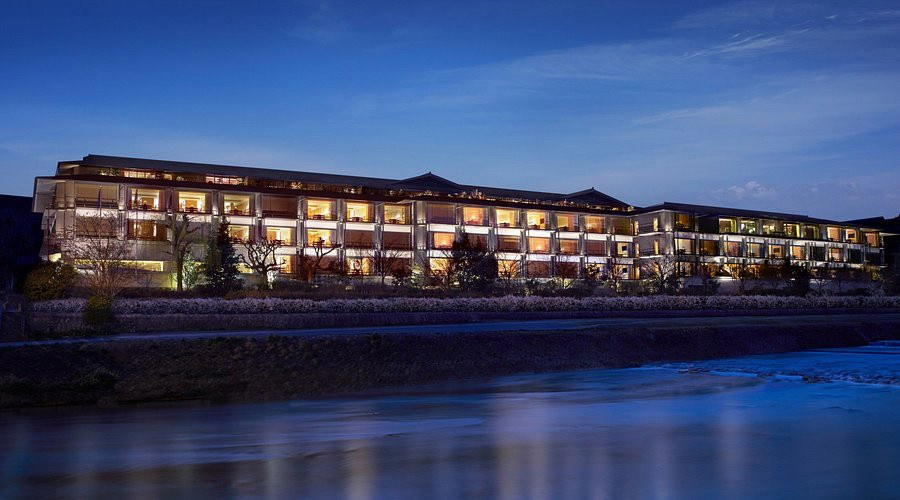
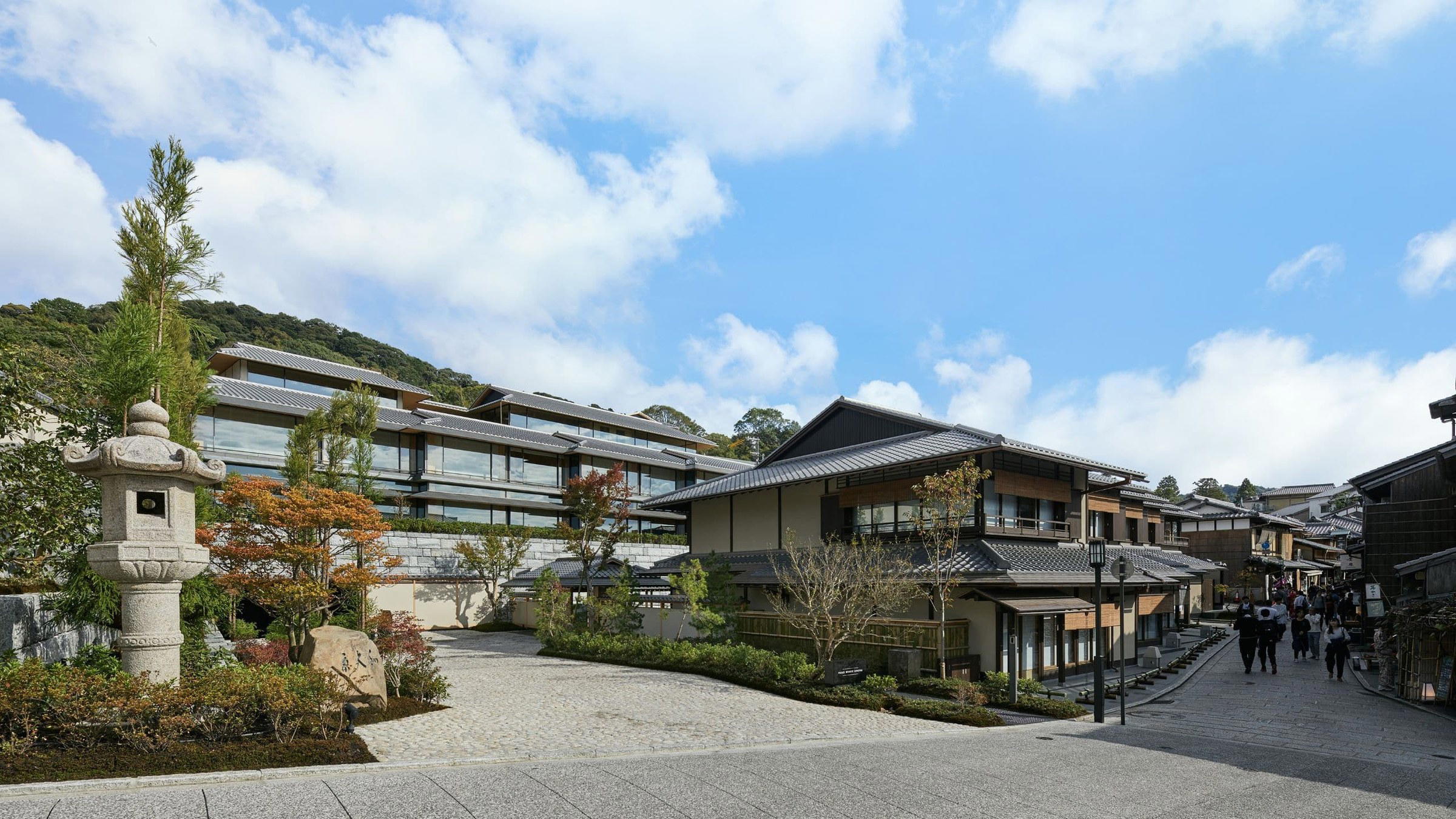
Bars in Kyoto
Browse all →
Restaurants in Kyoto
Browse all →
Wineries in Kyoto
Browse all →
Details
- Quiet
- Elegant
- Sophisticated
- Intimate
- Classic
- Romantic Getaway
- Anniversary
- Weekend Escape
- Garden
- Historic Building
- Panoramic View
- Wi Fi
- Concierge
- Fitness Center
- Garden
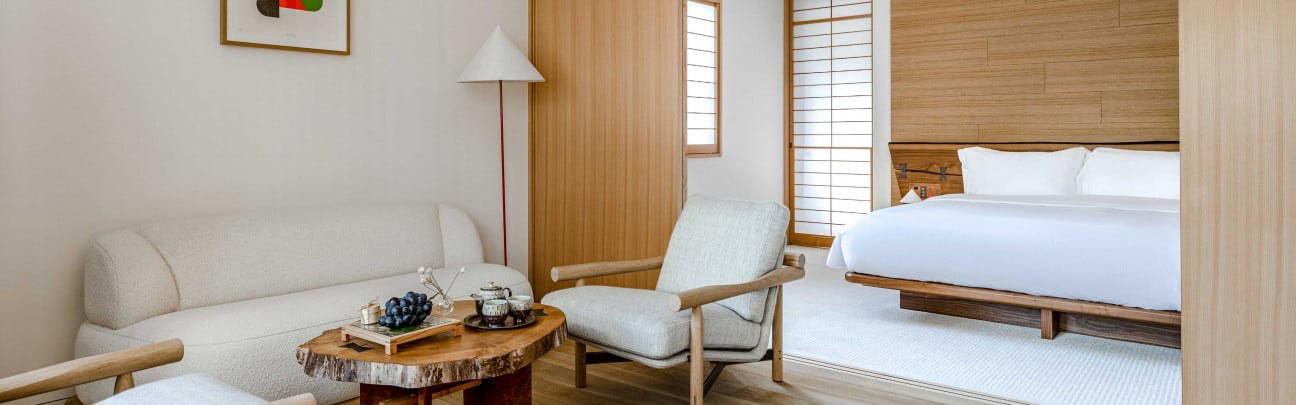
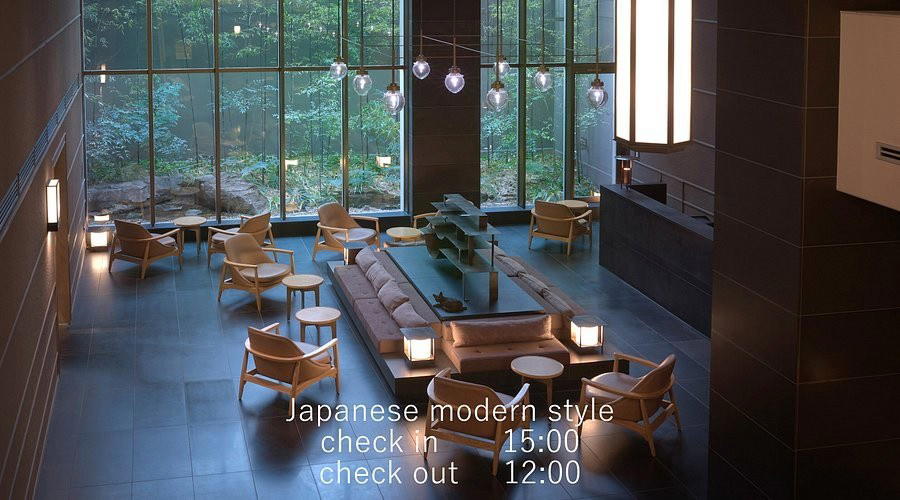
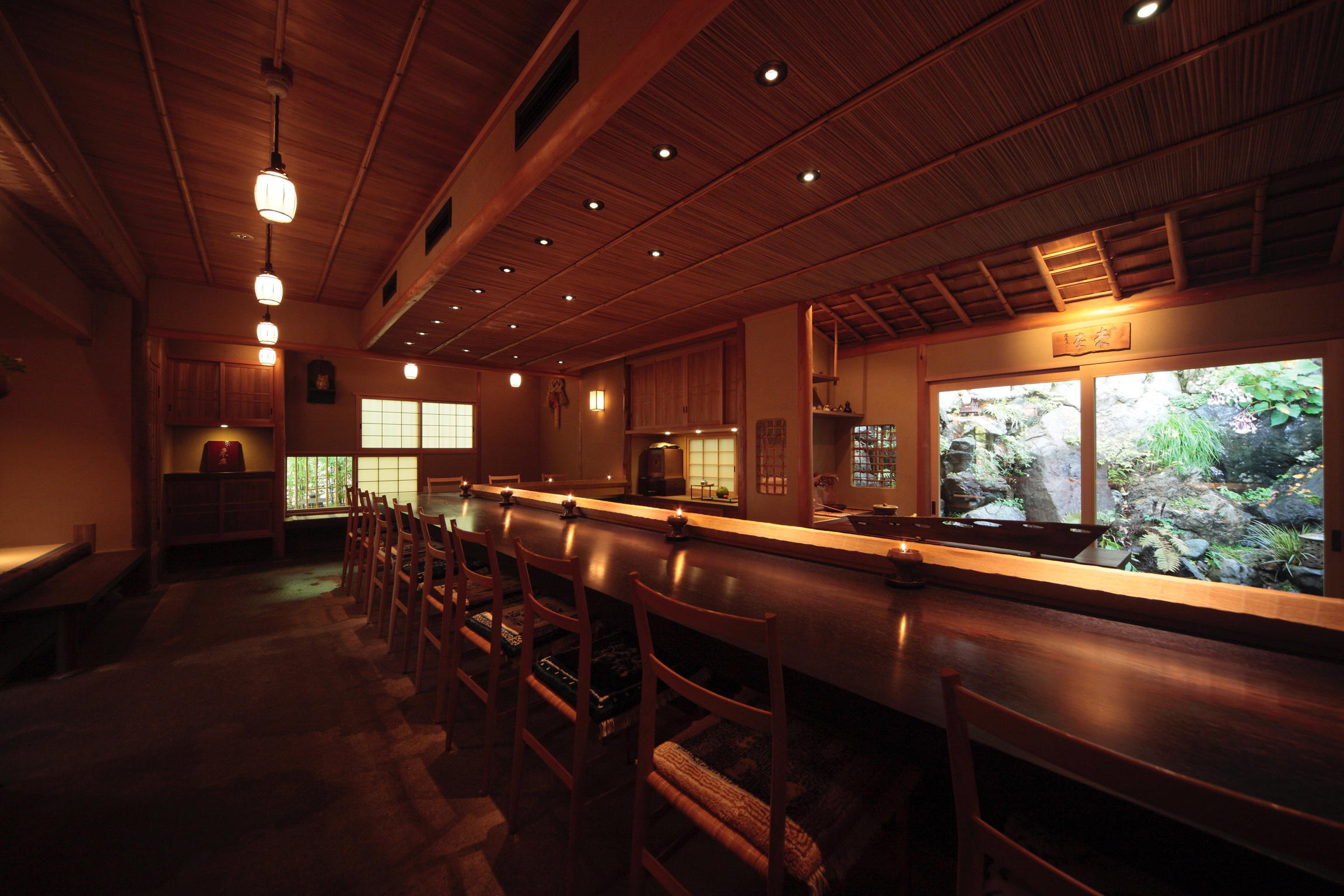
Calming atmosphere with refined lighting, traditional Japanese elements like woodwork and textiles, and serene temple and garden views evoking wabi-sabi harmony.