
Preferred Hotels Member
Shimoda Tokyu Hotel sits at the southern tip of the Izu Peninsula, where Suruga Bay meets the Pacific and the port town that first opened Japan to Western trade still moves at its own unhurried pace. With 112 rooms positioned for sea-facing views and direct access to Shimoda's black-sand coves, the property operates as the peninsula's most established full-service hotel, a reference point for travellers weighing resort comfort against ryokan immersion in this stretch of Shizuoka.

Pearl is the En Primeur Club membership app, where members save venues, book tables and use the concierge.
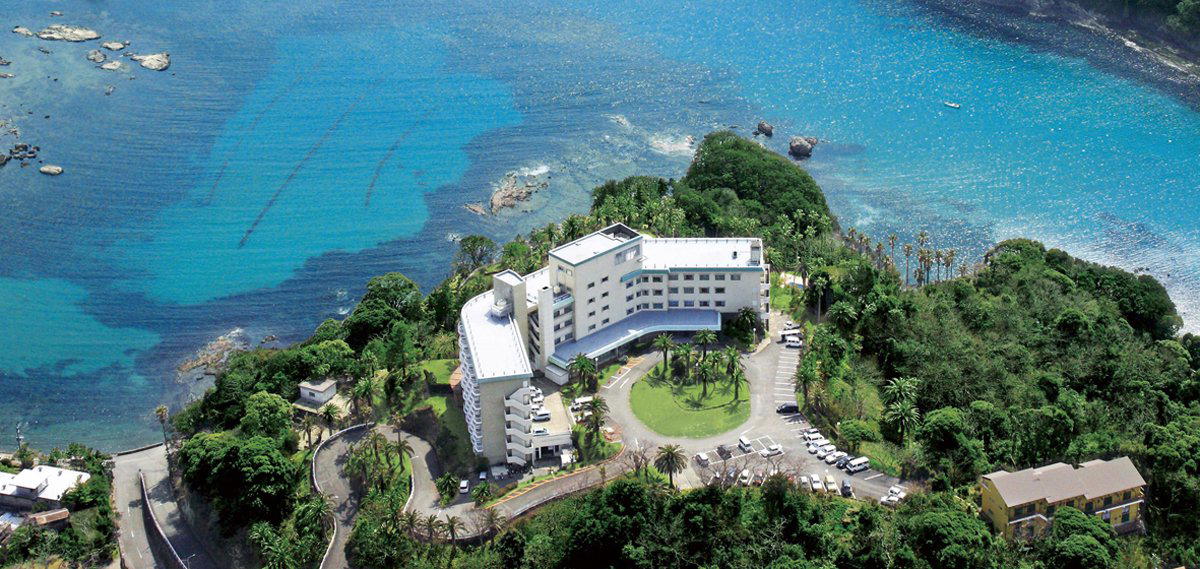
Where the Izu Peninsula Meets the Open Pacific
The southern tip of the Izu Peninsula has a quality that the more-travelled resort corridors of Japan do not. Shimoda sits two to three hours from Tokyo by train yet receives a fraction of the visitor volume that the Hakone or Atami belts absorb on any given weekend. The town's historical weight is real: this was the port where Commodore Perry's fleet anchored in 1854, and the streets around Ryosenji Temple carry that layered civic identity into the present. Hotels here do not compete on the terms that define properties in Kyoto or Tokyo. The measure is proximity to sea, quality of local seafood, and the willingness of staff to serve guests who have often travelled a long way for a specific kind of quietness.
Shimoda Tokyu Hotel occupies a position on the bay that makes the surrounding geography its primary asset. The Pacific horizon is present from most vantage points on the property, and the black basalt coastline that defines this stretch of Shizuoka is within reach on foot. In a town where accommodation options range from simple minshuku to mid-size resort hotels, the Tokyu property's 112-room scale places it in the mid-to-large tier for the peninsula, large enough to carry full facilities, compact enough to avoid the anonymity that affects larger chain resorts in comparable Japanese coastal destinations.
Service in a Town That Rewards Patience
Japan's coastal resort culture tends to divide along a clear axis: the onsen ryokan model, where personalised service is embedded in the very format of the stay, and the Western-style hotel model, where service is more transactional. Properties in Shimoda that occupy the latter category face a structural challenge, guests arrive with expectations shaped partly by ryokan culture, and the leading coastal hotels in Japan, from Gora Kadan in Hakone to Asaba in Izu, have shown that anticipatory, unhurried service is the differentiator that retains guests year on year.
At Shimoda Tokyu Hotel, the service posture aligns with the pace of the town itself. Shimoda is not a place that rewards being rushed. The fishing boats leave early, the local izakayas fill gradually across the evening, and the most satisfying way to experience the peninsula is to let the schedule loosen. Staff familiarity with the rhythms of the town, ferry timings to the outlying islands, the leading hours for the main beaches, seasonal availability of kinmedai (splendid alfonsino), the deep-water fish that defines Izu's seafood identity, is the practical expression of a service model built around local knowledge rather than scripted hospitality sequences.
This positions the hotel differently from urban full-service properties. Compare the guest experience framework here with that of Bvlgari Hotel Tokyo or HOTEL THE MITSUI KYOTO in Kyoto, where the service proposition is inseparable from urban cultural programming. In Shimoda, the value transfers to environmental access and local context, knowing where the catch lands, when the hydrangeas on the hillside paths reach peak colour, and which approach to Shirahama beach avoids the weekend crowds.
The 112-Room Format and What It Implies
A 112-room count at a Japanese coastal resort is worth contextualising. It sits above the intimate ryokan scale, properties like Nishimuraya Honkan in Kinosaki or Zaborin in Kutchan operate with far fewer keys and calibrate every element of the stay accordingly. But it sits below the threshold at which large resort conventions begin to dominate: the Halekulani-scale properties, like Halekulani Okinawa, carry hundreds of rooms and require a different operational logic.
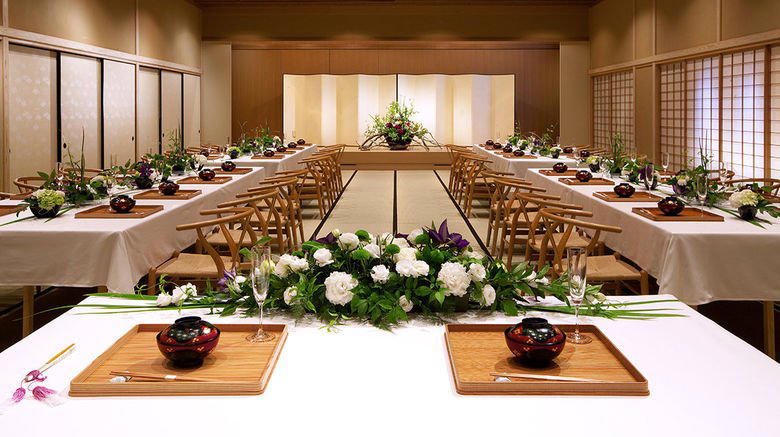
At 112 rooms, a coastal property can run multiple dining formats, maintain a pool and fitness infrastructure, and still keep the guest-to-staff ratio at a level where recognition is possible. For Shimoda specifically, this scale matters because the town's appeal is partly about escaping the machinery of mass tourism. Guests choosing this end of the Izu Peninsula over the busier northern resort strip are already self-selecting for a quieter register. The hotel's room count supports that without the staffing compression that smaller inns require.
Travellers comparing options across the peninsula will also encounter Izu-Imaihama Tokyu Hotel, another property in the Tokyu group operating along the same coastline, and Kawana Hotel and Golf Course, which adds a golf dimension to the coastal resort proposition. The choice between them depends on whether Shimoda's specific port-town character, its history, its fishermen's market, its treaty-era architecture, is itself part of the appeal, or whether the coastal setting is sufficient regardless of town context.
Shimoda's Place in the Broader Japan Coastal Circuit
The Izu Peninsula occupies a specific position in the mental map of Japan's premium domestic travel market. It is close enough to Tokyo to work as a weekend destination but distinct enough in character to feel removed from the capital's pace. Properties along the Izu coast sit in a competitive set that also includes hot-spring resort towns further north on the peninsula, and that set has become more crowded as urban Japanese travellers increasingly look for alternatives to the Kyoto weekend.
Against that backdrop, properties anchored in Shimoda itself carry a locational argument. The town has a working-port identity that resort enclaves elsewhere on the peninsula lack. The catch is real, the dockside activity is visible, and the historical narrative around Japan's opening to the world gives the place cultural substance beyond scenery. Properties like Amanemu in Mie or Benesse House in Naoshima make cultural programming central to their proposition in ways that smaller coastal resort towns cannot replicate. Shimoda works differently: the culture is the town itself, and the hotel's role is to provide a well-run base from which guests access it.
For readers building an itinerary across Japan's resort tier, the peninsula connects naturally into a broader Shizuoka sequence. Atami Izusan Karaku in Atami covers the onsen-focused northern approach, while the southern peninsula circuit through Shimoda can close a loop back toward Tokyo with enough geographic variety to avoid repetition. Our full Shizuoka restaurants guide maps the dining options that accompany a stay in this part of the prefecture.
Planning a Stay
Access from Tokyo runs via the Odoriko limited express from Tokyo or Shinjuku stations, with journey times in the range of two and a half to three hours depending on the service. The shoulder seasons of late spring and early autumn offer the most favourable combination of weather, reduced crowds, and active fishing-market conditions. Peak summer weekends, particularly August, see the Izu Peninsula's beaches draw significant domestic demand, and accommodation across the area books out earlier than many international travellers expect. Approaching via Shimoda also allows for a side detour to Dogashima on the western coast of the peninsula, where the coastal rock formations attract a different category of visitor from the beach-oriented summer crowd. The hotel's position in the town centre makes it a practical base for both orientations.
Readers interested in the wider Japan coastal and onsen hotel circuit can also explore Fufu Kawaguchiko in Fujikawaguchiko, Araya Totoan in Kaga, Beniya Kofuyuden in Awara, Sekitei in Hatsukaichi, ENOWA Yufu in Yufu, ANA InterContinental Beppu Resort and Spa, Azumi Setoda in Onomichi, Jusandi in Ishigaki, Fufu Nikko in Nikko, Aman New York, The Fifth Avenue Hotel in New York City, and Aman Venice for reference points across the global resort spectrum.
Cuisine Context
Comparable venues nearby, for context on price, style, and recognition.
| Venue | Cuisine | Price | Awards | Notes |
|---|---|---|---|---|
| Shimoda Tokyu HotelThis venue (the venue you are viewing) | Contemporary Japanese resort with traditional hot-spring heritage; renovated in 2017 to blend modern comfort with authentic onsen culture. | $100–200 | Preferred Hotels Member | Not listed |
| Kawana Hotel & Golf Course | Historic oceanfront resort blending imperial art deco with modern comforts and natural hot springs. | Not listed | Small Luxury Hotels of the World Member | Ito |
| Izu-Imaihama Tokyu Hotel | beachfront resort with onsen facilities | $1–100 | Preferred Hotels Member | Kawazu |
| Shiretoko Grand Hotel Kitakobushi (北こぶし 知床 ホテル&リゾート) | Modern resort with onsen and sea views | Not listed | 4-Star | Utoro |
| HOTEL GROOVE SHINJUKU, A PARKROYAL Hotel | Tokyo lifestyle hotel blending art, music, and urban energy | $100–200 | World Luxury Hotel Awards WLHA Global Winner | Shinjuku |
| Sheraton Kagoshima | Modern fusion of traditional Japanese craftsmanship and Western design | Not listed | Michelin Selected | Koraicho |
Recognition history
Dated appearances from independent guides and award organizations, with the underlying list record or original source where available.
Preferred Hotels Member
Preferred Hotels
Continue exploring
More in Shizuoka
Hotels in Shizuoka
All hotels in Shizuoka →
Bars in Shizuoka
Browse all →

Details
- Scenic
- Romantic
- Elegant
- Quiet
- Romantic Getaway
- Family Vacation
- Wellness Retreat
- Weekend Escape
- Beachfront
- Waterfront
- Terrace
- Garden
- Panoramic View
- Destination Spa
- Wi Fi
- Outdoor Pool
- Spa
- Restaurant
- Bar
- Room Service
- Concierge
- Free Parking
- Beach Access
- Pool
- Waterfront
- Mountain
- Garden
- Elevator
- Wheelchair Accessible
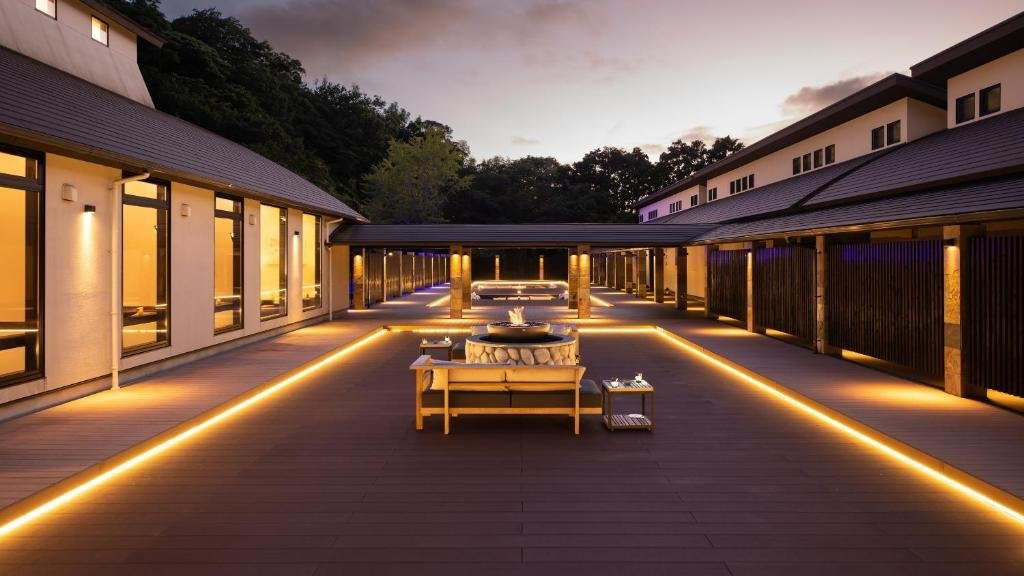
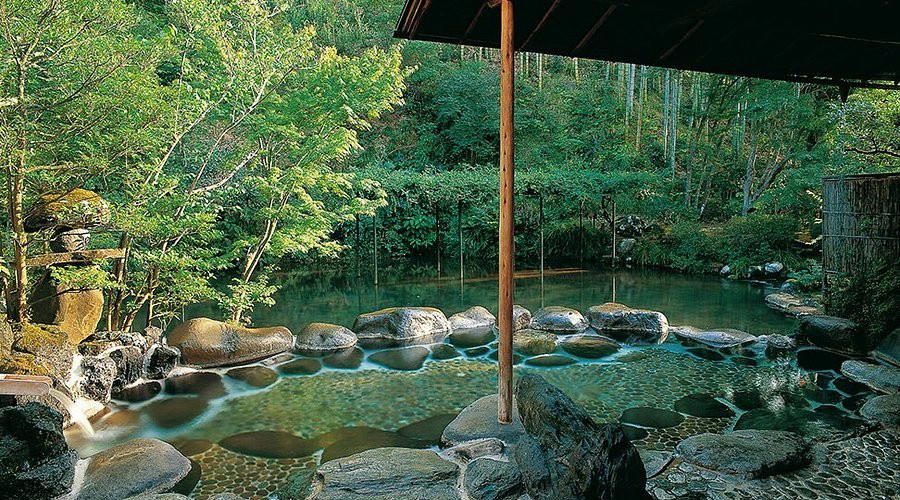
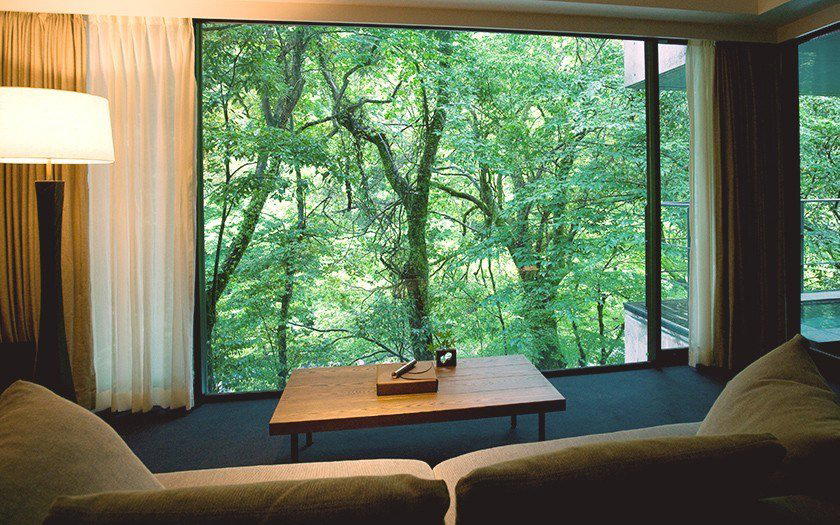
Serene and tranquil with bright, airy spaces; outdoor onsen offers ocean views at sunrise and sunset; well-maintained gardens and terraces create a peaceful resort atmosphere.