
1 Michelin Key
A Michelin Key-awarded ryokan in Izu's mountain valleys, Ochiairo offers 14 rooms set inside a beautifully preserved wooden structure two hours from Tokyo. In-room kaiseki dinners, tatami interiors, and spring-fed baths position it among Japan's most considered traditional stays, priced from $1,049 per night and grounded in the ryokan format without concession to novelty.

Pearl is the En Primeur Club membership app, where members save venues, book tables and use the concierge.
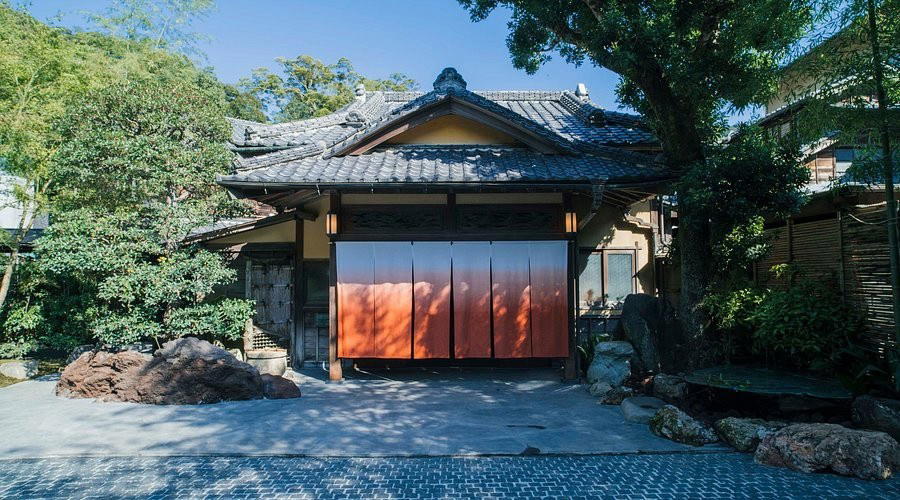
Where the Mountain Valley Does the Work
The Izu Peninsula has long functioned as Tokyo's pressure-release valve, close enough for a weekend escape, far enough to feel genuinely removed. Within that geography, Yugashima sits deeper inland than the coastal resort clusters of Atami or Shimoda, tucked into a forested river valley where the temperature drops noticeably and the pace follows. It is in this setting that Ochiairo occupies its address at 1887-1 Yugashima, not as a destination that imports atmosphere, but as one that inherits it from the land itself.
The wooden structure reads as an extension of the hillside rather than an imposition on it. Traditional ryokan construction in Japan has always favoured materials that weather into their surroundings, and Ochiairo's preserved framework follows that logic. The gardens are tended with the kind of precision that makes them appear untouched, a discipline that takes decades to achieve and immediately communicates something about the seriousness of the operation. For properties in the Izu region, the relationship between built environment and natural setting is frequently the central design argument; here, that argument is won without drama.
The Address and What It Provides
Location at this level of the ryokan tier is not just a question of scenery. It determines water source, seasonal ingredients, and the type of quietude that cannot be manufactured. Yugashima's position in the Kano River valley gives Ochiairo access to spring-fed waters that feed its baths, a practical advantage that underpins the entire soaking experience. The surrounding mountains shape the seasonal calendar: mist in spring, deep green in summer, a sharper clarity in autumn that changes the quality of light across the gardens.
Getting here requires intention. From Tokyo Station, the Shinkansen to Mishima takes approximately one hour, followed by a 50-minute drive to the property. Alternatively, Shuzenji Station on the Izu-Hakone Line brings that second leg down to roughly 25 minutes by car. There is no direct rail access to Yugashima itself, which means the final approach by road through the valley functions as a decompression corridor, a transition that separates city time from ryokan time before you arrive. That physical remove is part of what the address sells.
Within the Izu Peninsula's hotel market, Ochiairo sits in a different competitive register than its coastal peers. Properties like Arcana Izu and Fugaku Gunjo each make distinct arguments about how to occupy this peninsula, while Asaba represents another benchmark in the traditional ryokan format in the region. Ochiairo's inland position and deliberate fidelity to classical ryokan form place it in a specific niche: guests arriving for the format itself, not a contemporary reinterpretation of it.
Fourteen Rooms, One Format
At 14 rooms, Ochiairo operates at a scale where the ryokan model remains coherent. Traditional ryokan hospitality, where meals are served in-room, bath schedules are managed around guest flow, and staff-to-guest ratios allow genuine attentiveness, begins to strain above certain room counts. Fourteen keeps the logic intact.
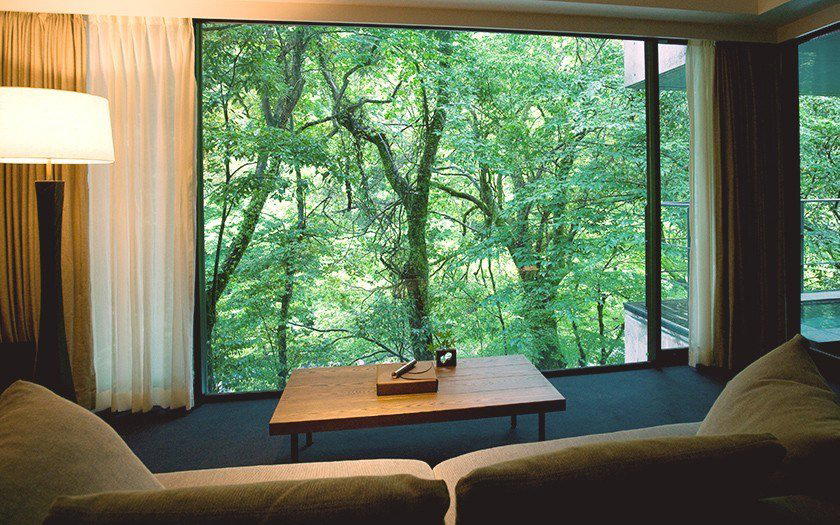
The rooms follow classical configuration: tatami mat flooring, low furniture scaled to floor-level living, and garden views that function as the primary visual element. This is not minimalism in the contemporary design-hotel sense; it is the result of a format refined over centuries to reduce distraction and orient attention toward the natural world outside. The absence of ornamental clutter is structural, not aesthetic.
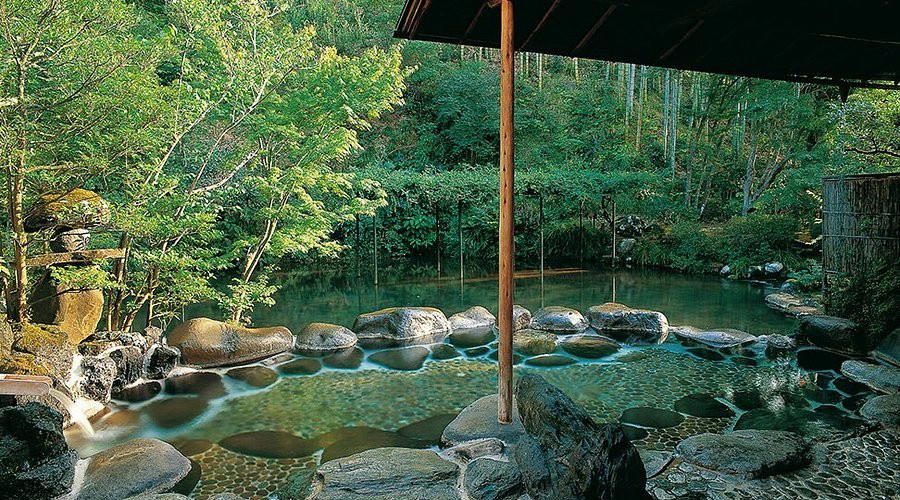
Spring-fed baths appear both in shared and private configurations. The shared baths are built from natural stone and timber, with cave-like rock walls and boulders positioned to suggest a woodland spring rather than a constructed facility. This kind of naturalistic staging is common in high-end Japanese onsen design, but execution separates properties that convince from those that merely attempt. At Ochiairo, the scale of the rock formations and the density of surrounding vegetation produce an environment that requires no suspension of disbelief.
In-Room Kaiseki and the Logic of Private Dining
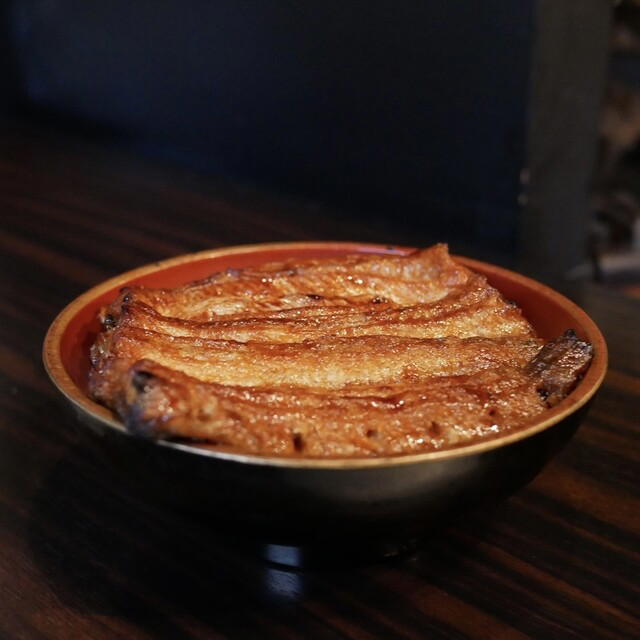
Both breakfast and the nine-course kaiseki dinner are served within the guest room rather than in a communal dining space. This is a deliberate format choice that shapes the entire guest experience, removing the social dynamics of a shared dining room and replacing them with something closer to a private ceremony. The oshokuji-dokoro model, where meals arrive in the room delivered and arranged by designated attendants, is among the more demanding service formats in hospitality, it requires precise timing, enough staff to maintain warmth across dishes, and the spatial intelligence to serve formal courses on a low table in a tatami room.
The kaiseki menu draws on local and seasonal ingredients, which in the Izu Peninsula context means mountain vegetables, river fish, and produce calibrated to the valley's agricultural calendar. Kaiseki at this level is not a fixed menu replicated across seasons; the format requires continuous adjustment as ingredients shift through the year. For guests visiting across different months, the menu should read differently each time, that responsiveness to season is a core principle of the form, not an optional feature.
Michelin awarded Ochiairo one Key in 2024, a designation from the Key program introduced to recognise exceptional hotel experiences rather than restaurant quality specifically. The credential places Ochiairo in a verified tier of Japanese ryokan hospitality, separating it from properties that trade on atmosphere alone without the operational discipline to match. Across Japan, ryokan peers recognised within this framework include properties that share Ochiairo's combination of architectural integrity, bath quality, and kitchen seriousness. For further comparison across Japanese traditional stays, properties such as Nishimuraya Honkan in Kinosaki-cho, Araya Totoan in Kaga, and Zaborin in Kutchan each represent the same tier of format-serious ryokan in different regional contexts.
How Ochiairo Sits in Japan's Wider Luxury Hotel Map
Japan's premium accommodation splits broadly between urban properties that compete on design and location, like Bvlgari Hotel Tokyo or HOTEL THE MITSUI KYOTO, and rural or resort properties where the argument is built on nature access, tradition, and withdrawal from urban density. Ochiairo belongs squarely to the second category. Its $1,049-per-night rate, inclusive of the kaiseki dinner and breakfast, positions it at the entry point of Japan's serious traditional ryokan tier, where peers like Gora Kadan in Hakone and Amanemu in Mie operate at comparable or higher price points with different regional propositions.
Within the broader Japanese luxury market, properties with onsen access at this price level compete primarily on the quality of the bath infrastructure, the integrity of the kaiseki program, and the preservation of traditional architecture. Ochiairo's preserved wooden structure, spring-fed water source, and Michelin Key recognition position it credibly across all three. For guests whose primary interest is the traditional ryokan format rather than scenic novelty or design-hotel amenities, the inland Yugashima address is an advantage rather than a compromise, it removes the coastal tourism traffic without sacrificing access from Tokyo.
Those planning a wider Izu itinerary can reference our full Izu restaurants guide for broader context on where Ochiairo sits within the peninsula's overall dining and accommodation picture. For guests arriving from or departing to other parts of Japan, onward options include Fufu Kawaguchiko near Mount Fuji, Atami Izusan Karaku on the northern Izu coast, or properties further afield such as Benesse House on Naoshima and ENOWA Yufu in Oita Prefecture, each representing a distinct approach to the premium Japanese stay.
Planning Your Stay
Ochiairo is approximately two hours from central Tokyo using the Shinkansen to Mishima followed by a car transfer, or via the Izu-Hakone Line to Shuzenji with a shorter onward drive. Given the room count of 14, advance booking is advised, particularly for autumn foliage season and the spring months when the valley gardens are at their most photogenic. The rate of $1,049 per night covers accommodation, the nine-course kaiseki dinner, and breakfast served in-room, guests should budget for transport separately, as the final leg from either Mishima or Shuzenji will require private car or taxi rather than public transit directly to the property.
| Venue | Price | Awards |
|---|---|---|
| OchiairoThis venue (the venue you are viewing) | $1,000–1,500 | 1 Michelin Key |
| Asaba | $750–1,000 | 3 Michelin Keys · La Liste Top Hotels |
| Arcana Izu | Not listed | 1 Michelin Key |
| Fugaku Gunjo | Not listed | 1 Michelin Key |
Recognition history
Dated appearances from independent guides and award organizations, with the underlying list record or original source where available.
Michelin 1 Key
Michelin
Full recognition history (3 entries)
Michelin 1 Key
Michelin
Michelin 1 Key
Michelin
Continue exploring
More in Izu
Hotels in Izu
All hotels in Izu →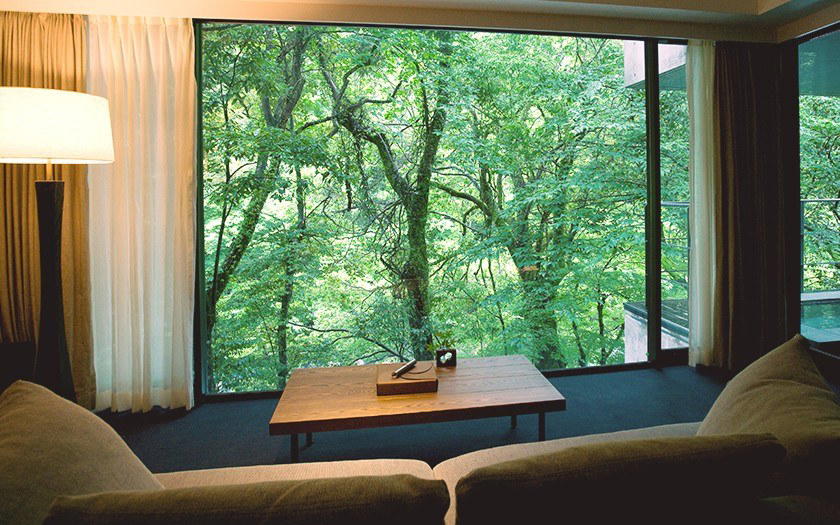
Bars in Izu
Browse all →
Details
- Quiet
- Elegant
- Scenic
- Cozy
- Classic
- Intimate
- Romantic Getaway
- Wellness Retreat
- Anniversary
- Weekend Escape
- Panoramic View
- Garden
- Historic Building
- Wi Fi
- Sauna
- Room Service
- Concierge
- Garden
- Garden
- Mountain
- Wheelchair Accessible
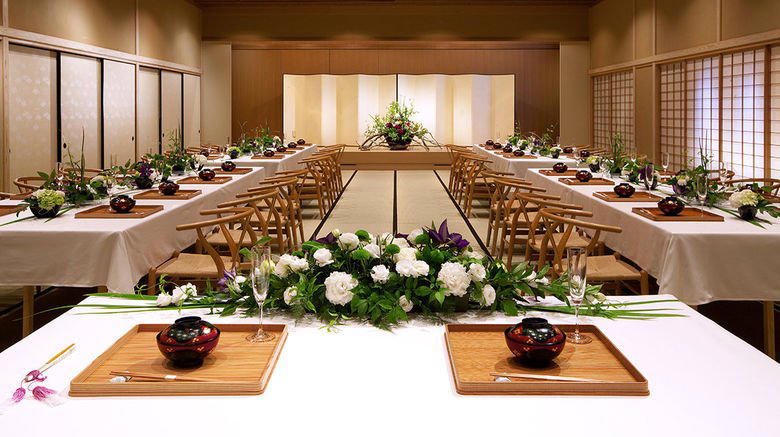
Tranquil and elegant with natural woods, soft lighting from traditional architecture, cozy fireplace lounge, and soothing river sounds creating a peaceful, timeless atmosphere.