
Preferred Hotels Member
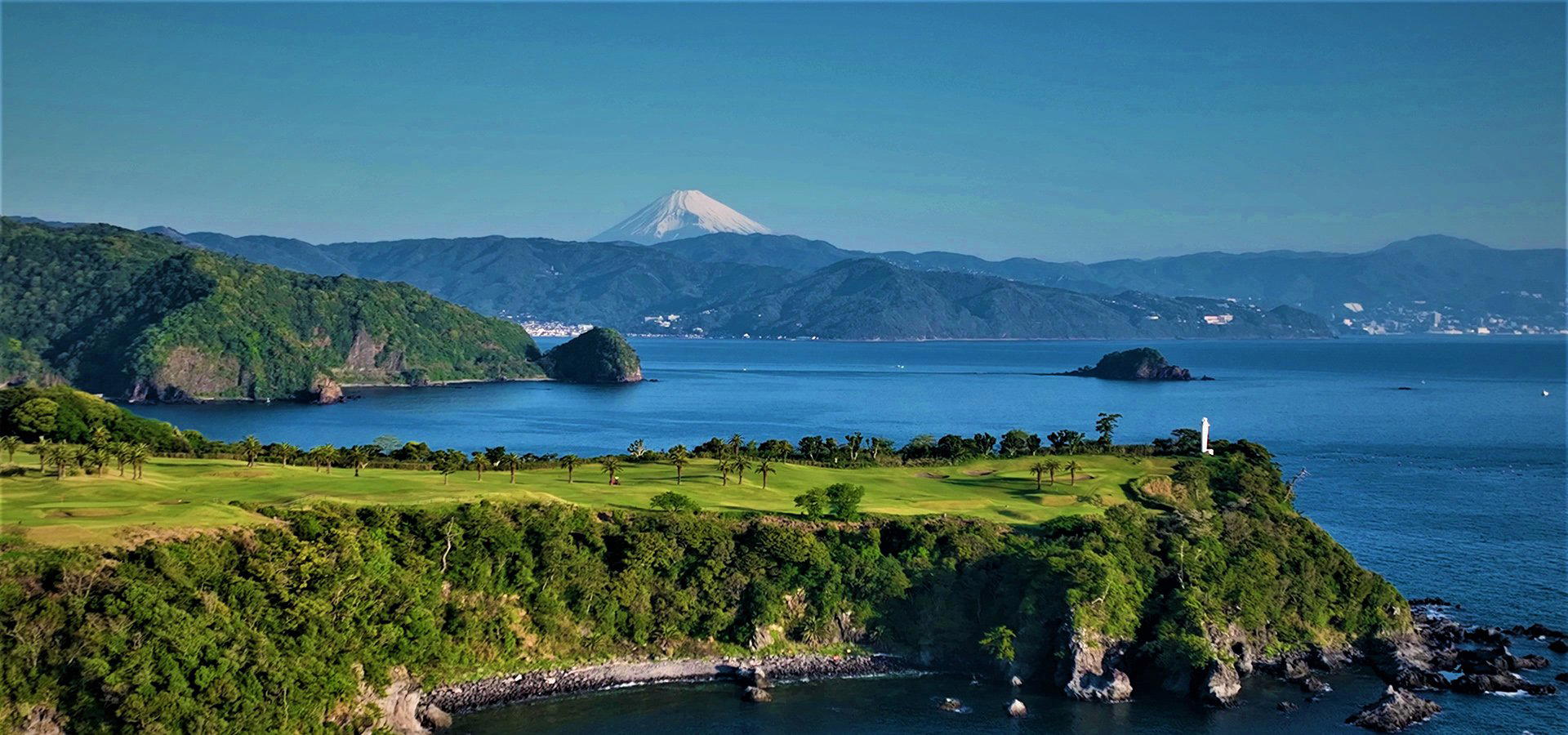
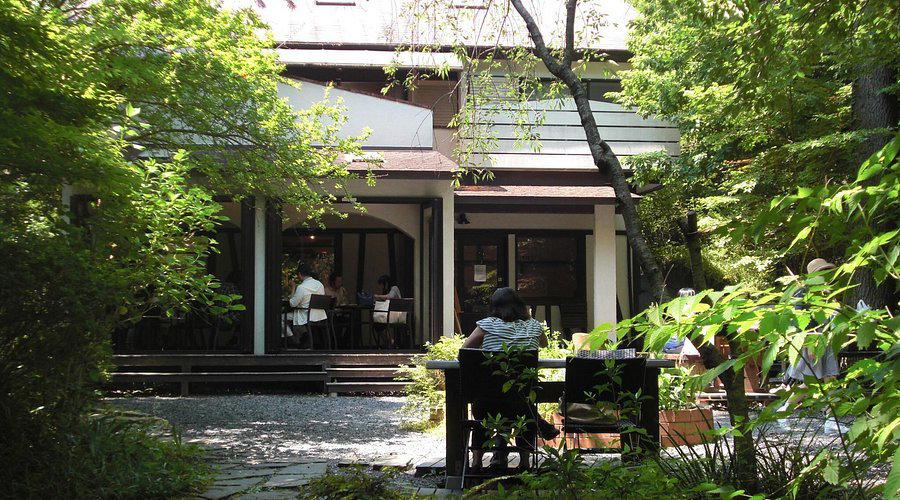
A 134-room resort property on the Izu Peninsula's southeastern coast, Izu-Imaihama Tokyu Hotel sits at the junction of Shizuoka's volcanic coastline and the broader Tokyu Hotels network. It occupies a position between large-scale resort infrastructure and the more intimate ryokan tradition that defines the Izu coast, making it a reference point for travellers weighing scale against character in this part of Japan.

Pearl is the En Primeur Club membership app, where members save venues, book tables and use the concierge.
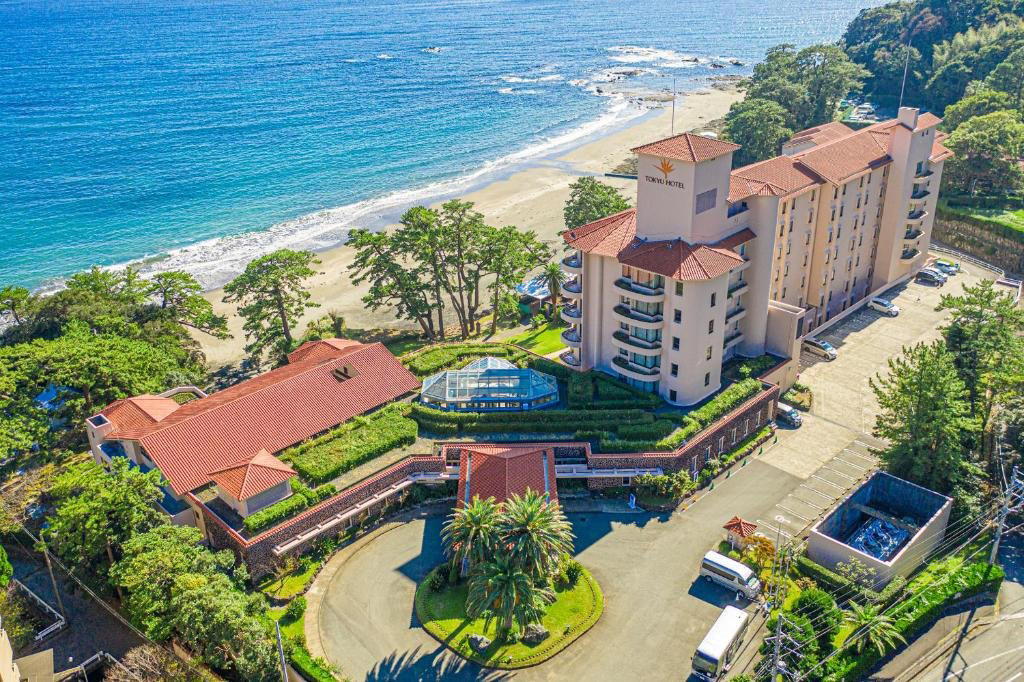
Scale and Setting on the Izu Coast
The Izu Peninsula has long occupied a particular position in Japan's domestic travel geography: close enough to Tokyo for a long weekend, varied enough in terrain to reward longer stays. Along its southeastern shore, the Kawazu district trades on dramatic coastal topography, the famous sakura blooms that arrive earlier here than almost anywhere else in Honshu, and a stretch of Pacific-facing accommodation that ranges from small family ryokan to full-scale resort hotels. Izu-Imaihama Tokyu Hotel belongs to that latter category.
That scale carries architectural consequences. Hotels of this room count on the Izu coast tend to face a consistent design question: how do you maintain a relationship with the surrounding coastal and forested environment when the building itself is substantial? The answer varies sharply across this region. Properties like Asaba in Izu resolve it through strict size limitation and garden-centric design. Gora Kadan in Hakone, operating at a comparable scale, uses terraced architecture to embed itself into the hillside. At Imaihama, the coastal address in Midaka, Kawazu, places the property directly adjacent to the shoreline, which serves as the primary environmental anchor regardless of the building's footprint.
The Tokyu Hotels Framework
Understanding where Izu-Imaihama Tokyu Hotel sits within Japan's hotel spectrum requires understanding the Tokyu Hotels group itself. Unlike the ultra-luxury boutique operators, Tokyu Hotels operates across a wide tier range, from mid-market urban properties to resort hotels in destinations like Izu and Hokkaido. The brand's resort properties tend to prioritise accessibility and amenity breadth over design minimalism, which places them in a different competitive conversation from the design-led properties that have gained international attention in recent years. For a point of comparison, the difference in design philosophy between a Tokyu resort and, say, Amanemu in Mie or Benesse House in Naoshima is less about quality and more about the fundamental brief: one is built around individual immersion and architectural restraint, the other around servicing a broader guest range with resort infrastructure.
Within the Tokyu Hotels portfolio on the Izu Peninsula specifically, Shimoda Tokyu Hotel provides the most direct peer comparison, anchoring the southern tip of the peninsula with a similar resort-format approach. Together these two properties represent the brand's footprint on a coastline that also includes independent operators and competing resort chains. For reference points further up the quality spectrum within Shizuoka prefecture, Kawana Hotel and Golf Course occupies a more storied position, with a history and golf infrastructure that gives it a distinct identity.
Architecture at Resort Scale
Japan's coastal resort architecture of the mid-to-late twentieth century followed conventions shaped partly by the demands of group travel and partly by the economic conditions of the high-growth era. Many properties built during or after that period on the Izu coast reflect an approach that prioritised ocean-facing orientation, communal bathing facilities drawing on local hot spring resources, and dining infrastructure capable of handling large numbers simultaneously. These are practical decisions as much as aesthetic ones, and they define the physical experience of staying in a hotel like this versus a property rebuilt around contemporary design sensibility.
The Kawazu district adds a specific environmental layer. This part of the peninsula sits within range of the Kawazu-Nanadaru waterfalls and benefits from a microclimate that accelerates cherry blossom season, typically bringing blooms in late January and February rather than the late March timing familiar from Tokyo. A coastal resort hotel in this location therefore occupies a seasonal sweet spot that drives high occupancy in winter months when other resort destinations are quieter. Travellers planning visits around the Kawazu Zakura Festival, one of the larger early-season sakura events in the region, should account for the fact that this period compresses significantly and fills accommodation across the district quickly.
Placing This Property in the Wider Izu Context
The Izu Peninsula sustains one of Japan's highest concentrations of onsen accommodation outside Kyushu, with the volcanic activity that runs through the peninsula's spine feeding hot spring resources across the district. For travellers calibrating where Izu-Imaihama Tokyu Hotel sits against the full range of options on the peninsula, the choice ultimately comes down to format preference. The property's 134-room count suggests resort infrastructure that smaller ryokan cannot match: likely a larger onsen facility, multiple dining options, and the logistics of a property geared toward families and groups as well as couples. What it does not offer, by structural definition, is the more contained, deeply personal format of a property like Zaborin in Kutchan or ENOWA Yufu in Yufu, where design-led intimacy is the primary proposition.
For readers whose travel extends beyond Shizuoka, the broader Japanese resort and onsen hotel scene is well covered in EP Club's guides. Properties worth comparing include Atami Izusan Karaku in Atami, which sits on the northern approach to the peninsula, and Nishimuraya Honkan in Kinosaki-cho, which represents the ryokan tradition at its most refined. Further afield, Araya Totoan in Kaga and Beniya Kofuyuden in Awara illustrate how the northern Honshu onsen tradition differs in character from the Izu approach. Our full Shizuoka restaurants guide covers the wider dining picture across the prefecture.
For those weighing this property against larger luxury operations in Japan's main urban centres, the contrast is sharpest when compared with city-based luxury hotels like Bvlgari Hotel Tokyo or HOTEL THE MITSUI KYOTO, where the design and heritage briefs are fundamentally different. The Izu coast offers something those properties cannot: immediate coastal access, volcanic onsen resources, and a physical remove from urban density that has defined the peninsula's appeal since Tokyo's earliest resort-seeking travellers began arriving by train.
Planning Your Stay
Access to Izu-Imaihama Tokyu Hotel follows the standard Izu Peninsula routing from Tokyo: the Odoriko limited express service from Tokyo Station reaches Kawazu Station, from which the hotel is a short transfer. The Kawazu Zakura Festival period, typically running through February, is the district's highest-demand window, and accommodation across the area fills well in advance during that month. Visitors arriving outside that window will find the coastal setting and onsen resources consistent regardless of season, though the autumn and early winter period before the sakura season offers quieter conditions. Given the resort format and 134-room capacity, the property is accessible to a wider range of travellers than the small-capacity ryokan that require months of advance planning, though the cherry blossom window is an exception to that general availability pattern.
How It Stacks Up
Comparable venues nearby, for context on price, style, and recognition.
| Venue | Cuisine | Price | Awards | Notes |
|---|---|---|---|---|
| Izu-Imaihama Tokyu HotelThis venue (the venue you are viewing) | beachfront resort with onsen facilities | $1–100 | Preferred Hotels Member | Not listed |
| Kawana Hotel & Golf Course | Historic oceanfront resort blending imperial art deco with modern comforts and natural hot springs. | Not listed | Small Luxury Hotels of the World Member | Ito |
| Shimoda Tokyu Hotel | Contemporary Japanese resort with traditional hot-spring heritage; renovated in 2017 to blend modern comfort with authentic onsen culture. | $100–200 | Preferred Hotels Member | Shimoda, Izu Peninsula |
| Tsuruko | Traditional Japanese ryokan with contemporary hospitality standards | $200–300 | 1 Michelin Key | Downtown Kanazawa |
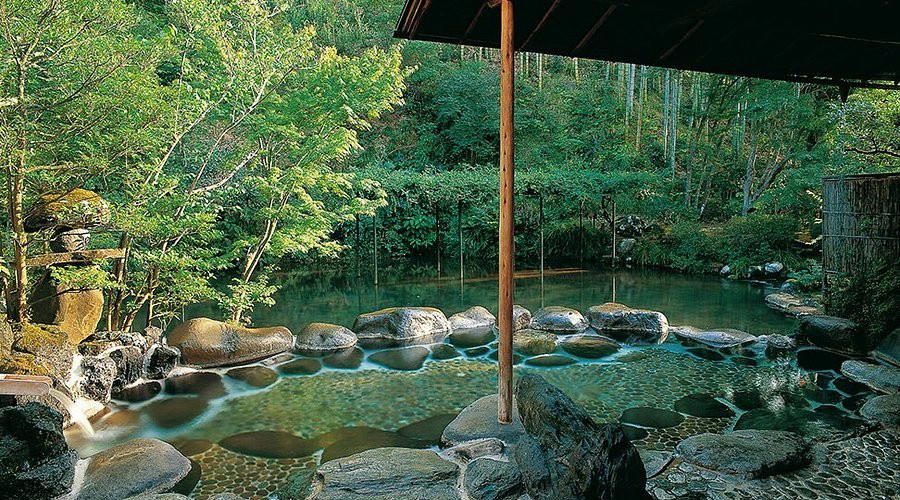
| 扉温泉 明神館 | Traditional Japanese ryokan with modern renovations | Not listed | 4-Star | 入山辺 |
| 観水庭 こぜにや | Traditional Japanese ryokan with heritage roots dating to 1948, positioned as an intimate boutique property emphasizing authentic hospitality and natural hot spring wellness. | Not listed | 4-Star | Eiraku Onsen |
Recognition history
Dated appearances from independent guides and award organizations, with the underlying list record or original source where available.
Preferred Hotels Member
Preferred Hotels
Continue exploring
More in Shizuoka
Hotels in Shizuoka
All hotels in Shizuoka →
Bars in Shizuoka
Browse all →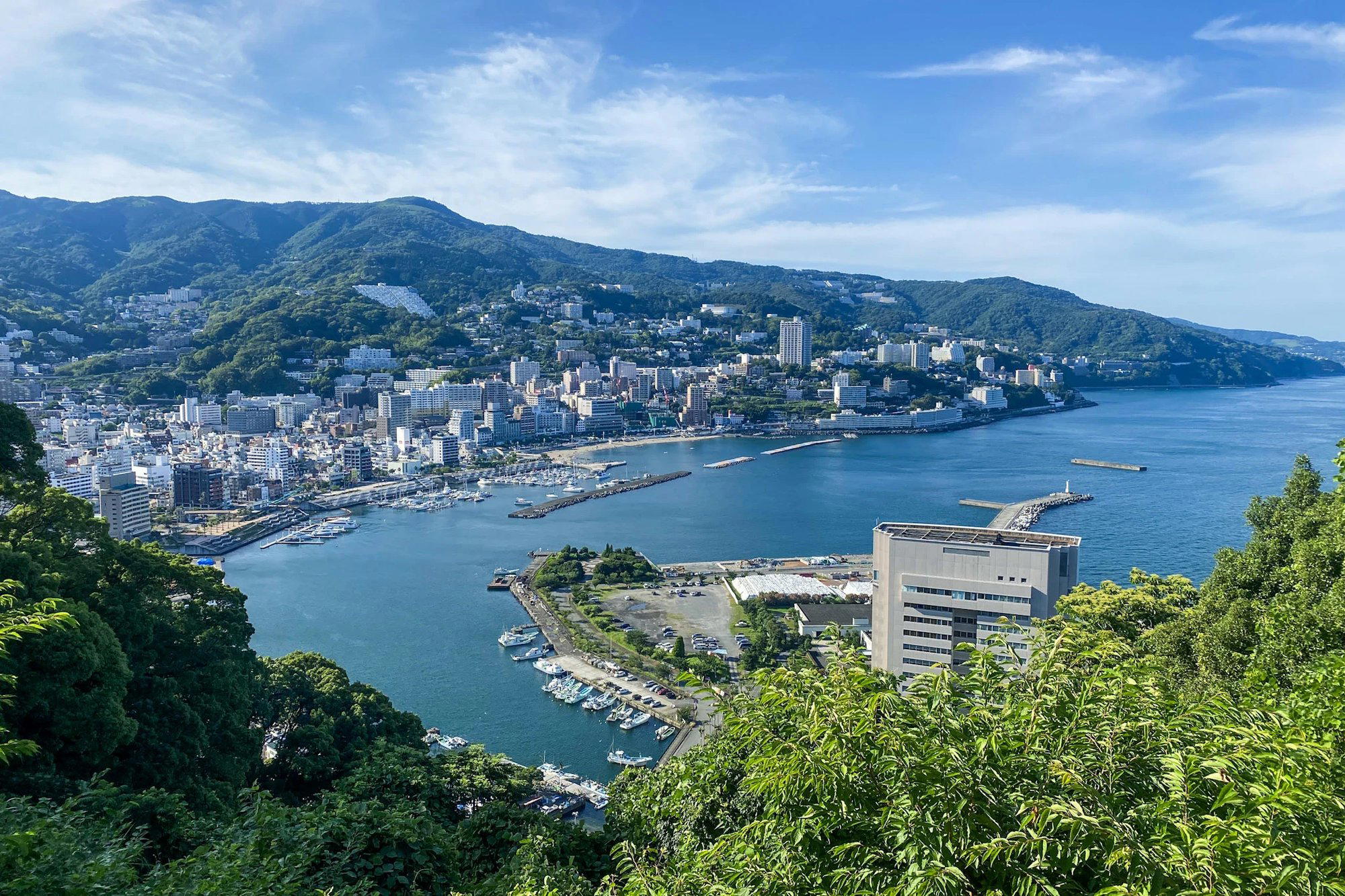
Details
- Scenic
- Elegant
- Relaxed
- Romantic Getaway
- Family Vacation
- Weekend Escape
- Beachfront
- Panoramic View
- Wi Fi
- Pool
- Spa
- Room Service
- Concierge
- Restaurant
- Garden
- Laundry Service
- Waterfront
- Wheelchair Accessible
- Elevator
- Step Free Entrance
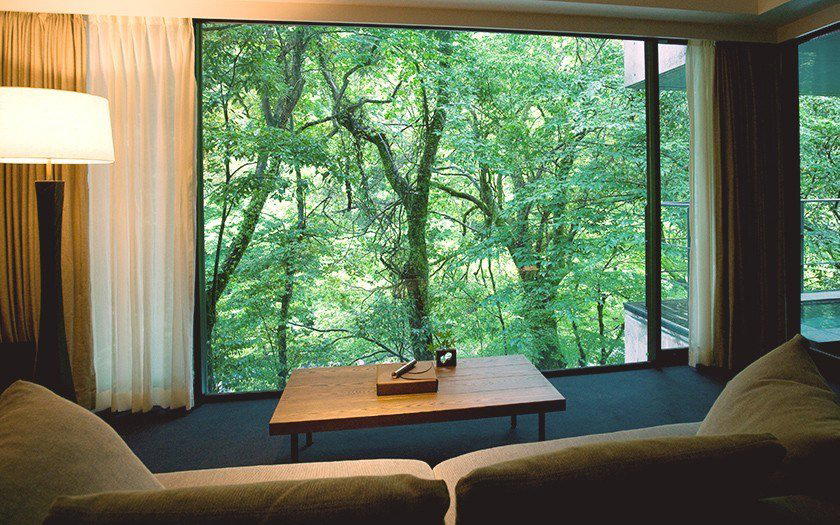
Relaxed resort atmosphere with natural luxury, spacious clean rooms featuring sea views, and soothing hot springs amid ocean sounds.