
Tabelog 100 #40
Our verdict
Ito’s yakiniku scene is usually read through its seaside setting, but Yakiniku Fuji points to another local appetite: beef grilled with enough seriousness to earn repeated Tabelog 100 recognition for eastern Japan. The draw is not ceremony or chef mythology; it is a compact, ingredient-led Japanese BBQ format in Usami where sourcing, smoke, and timing carry the meal.

Pearl is the En Primeur Club membership app — saves, bookings, and concierge access live there. Same editors, same standards.
- Address
- 静岡県伊東市宇佐美1977-2
- Phone
- +81557472983
- Website
- tabelog.com
- Directions
- Get directions
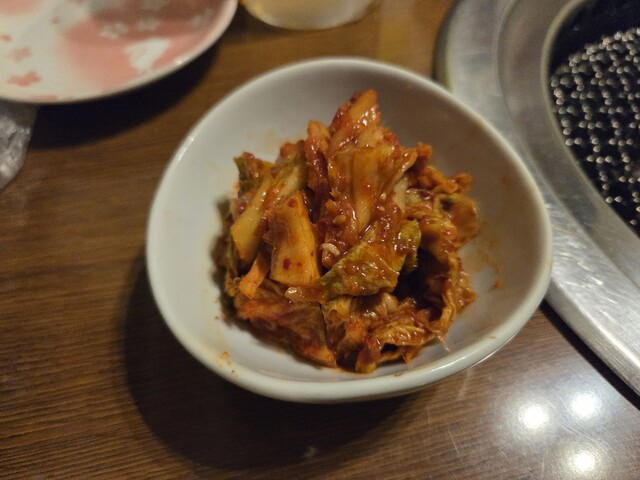
The menu
What to order
- Matsusaka beef cuts (e.g., misuji)
- Assorted premium wagyu platters
Ito is not a city that needs to announce every serious meal with grand dining-room drama. The approach can be quieter: a coastal rhythm, a local audience, and the expectation that a focused restaurant can sit close to everyday life. That suits yakiniku. Unlike more formal tasting-menu formats, Japanese BBQ depends on a more direct exchange between diner and ingredient: heat, cut, seasoning, and judgement at the grill. In that setting, Yakiniku Fuji belongs to the side of Ito dining where handling and focus matter more than spectacle.
For travellers building a food-led stay in the Izu Peninsula, Ito can be misleading if viewed only through seafood and onsen culture. The city’s restaurants also reflect the habits of domestic leisure travel: groups, families, and returning regulars who want flavour without the stiffness of a formal tasting-menu room. For a broader read on the city’s dining range, see Our full Ito restaurants guide; for the surrounding stay, drinking, wine, and activity context, EP Club also maps Ito hotels, Ito bars, Ito wineries, and Ito experiences.
Beef, smoke, and the Izu counterpoint to seafood dining
Yakiniku is often treated too casually in travel planning, as though the format were interchangeable from one grill table to the next. It is not. The stronger rooms are built around procurement discipline, cutting, portion rhythm, and the confidence to let the grill do its work rather than burying the meal under excess. Yakiniku Fuji’s 2025 Tabelog Hyakumeiten recognition, alongside a listed Tabelog score of 3.63, gives it a clearer signal than a purely local Ito shortlist.
That distinction matters because Ito already has a strong default identity: fish, hot springs, ryokan meals, and coastal day trips. A yakiniku table here works differently from a seafood lunch or a resort dinner. It is more social, more heat-driven, and less scripted. The cooking happens close to the table, so the value sits in the quality of what arrives raw, the way it has been prepared for the grill, and the diner’s ability to pace the meal. In ingredient terms, yakiniku has little room to hide. Trim, thickness, freshness, and timing reveal themselves quickly over heat.
The category listed for the restaurant is Yakiniku, or Japanese BBQ, which keeps the experience in a specifically Japanese register rather than pushing it toward a Western steakhouse model. That is a useful signal. Yakiniku at this level is not simply a single large plate broken into smaller pieces; it is a format of controlled heat, smoke, seasoning, rice, and drinking pace. The format rewards diners who understand that the meal is assembled through sequence rather than a single centrepiece plate.
How it compares with Ito's broader dining range
Within the wider Ito area, restaurant decisions often split by occasion. Ichi Unagi, LAT.34°N by Ao, and Scott (Shinkan) each sit elsewhere in the city’s dining map, which makes them different kinds of travel decisions. Yakiniku Fuji sits between casual local eating and more deliberate destination planning: recognisable, social, and comparatively focused, with Tabelog Hyakumeiten recognition doing the work that a chef résumé or design-led room might do elsewhere.
This is also where the category angle becomes the editorial point. In many Japanese cities, yakiniku quality is judged less by narrative and more by repeatable fundamentals: sourcing, preparation, grill management, and whether the room can keep standards stable service after service. Tabelog Hyakumeiten recognition suggests category-level credibility, which is a stronger signal than a single burst of attention. The venue’s reputation is not built on a named tasting menu or a public chef persona; it is tied to a category where regular diners notice when standards slip.
Travellers planning a wider Japan itinerary can use the comparison across formats rather than cuisines alone. Grill-focused dining elsewhere in Japan will not feel interchangeable with an Ito yakiniku night, even when the headline format overlaps. For further context across Japan’s restaurant spectrum, EP Club also covers a broad range of regional grill rooms, casual specialists, and destination restaurants, but Yakiniku Fuji’s appeal is best read through its role within Ito rather than through faraway name-dropping.
The right way to read a grill table in Ito
The smart approach is to treat this as a focused yakiniku evening rather than a catch-all dinner. The available public facts point to a restaurant defined by its category, its Ito setting, and its Tabelog Hyakumeiten 2025 recognition, rather than by a heavily publicised chef profile or elaborate design narrative. Its location is Ito, so it makes sense for travellers already staying in the area or building a local evening around the city rather than crossing the peninsula for a single plate.
The listed dinner budget is JPY 8,000 - JPY 9,999, with no lunch budget shown in the provided record. That places the restaurant in a serious but still practical band for a focused grill meal. As with any yakiniku dinner, the rhythm is part of the experience: order, grill, pause, drink, repeat. The best way to approach it is not as a quick refuelling stop, but as a meal where pacing and attention at the table matter.
For readers mapping other casual and specialist stops across Japan, the useful contrast is not a list of unrelated names but the way format changes expectation: a grill table, a local specialist, a casual stop, or a destination dining room each asks for a different plan. Within Ito itself, Chuka Soba Uosei, Ichi Unagi, Inakaya, LAT.34°N by Ao, and Scott (Shinkan) offer other ways to read how the city balances local travel culture with more focused dining decisions.
Frequently asked questions
Is Yakiniku Fuji a family-friendly restaurant?
Yakiniku Fuji is best read as a focused yakiniku restaurant in Ito. The listed dinner budget is JPY 8,000 - JPY 9,999, which helps travellers judge whether it fits the group they are planning for. Check the venue's official channels for the latest details.
Is Yakiniku Fuji better for a quiet night or a lively one?
It reads as a grill-table dinner rather than a hushed tasting-menu room. Yakiniku is naturally social and hands-on, so the format suits diners who want a brisk, engaged meal built around heat, smoke, and shared attention at the table.
How much does it cost to eat at Yakiniku Fuji?
Pricing at Yakiniku Fuji is listed as JPY 8,000 - JPY 9,999 JPY 5,000 - JPY 5,999 View spending breakdown.
Where do I go for Yakiniku Fuji?
Ito.
How far ahead should I plan for Yakiniku Fuji?
Because Yakiniku Fuji has 2025 Tabelog Hyakumeiten recognition and a listed Tabelog score of 3.63, it is sensible to treat it as a planned dinner in Ito rather than an afterthought. Check current booking details directly before going.
What is Yakiniku Fuji known for?
Yakiniku Fuji is known for yakiniku, or Japanese BBQ, and for its 2025 Tabelog Hyakumeiten recognition.
How It Stacks Up
Comparable venues by cuisine and price in the same metro.
| Venue | Cuisine | Price | Awards | Notes |
|---|---|---|---|---|
| Yakiniku FujiThis venue — the venue you are viewing | Traditional Yakiniku (Japanese BBQ) | $50–100 | Tabelog 100 #40 | Not listed |
| Le feuillage | Japanese Bakery Cafe | $10–20 | Tabelog 100 #43 | Izu Kogen |
| Torichou (鳥長) | High-end Yakitori Omakase | $100–150 | Tabelog 100 #67 | 練馬区 |
| Iruka Tokyo Roppongi | Modern Ramen | $20–30 | Michelin Bib Gourmand · Tabelog 100 #94 | Roppongi |
| うなぎ専門店 本多 | Traditional Japanese Unagi Specialist | Not listed | Not listed | Iiyama |
| 割鮮 のむら | Kappo Japanese with Fresh Seafood | $50–100 | Not listed | 泉野出町 |
Recognition history
Dated appearances from independent guides and award organizations, with the underlying list record or original source where available.
Tabelog 100 #40 · No. 40
Tabelog · Tabelog 100 - Yakiniku - EAST - 2025
Details
- Lively
- Cozy
- Classic
- Family
- Group Dining
- Casual Hangout
- Celebration
- Solo
- Standalone
- Sake Program
- A La Carte
- Family Style
- Sake
- Shochu
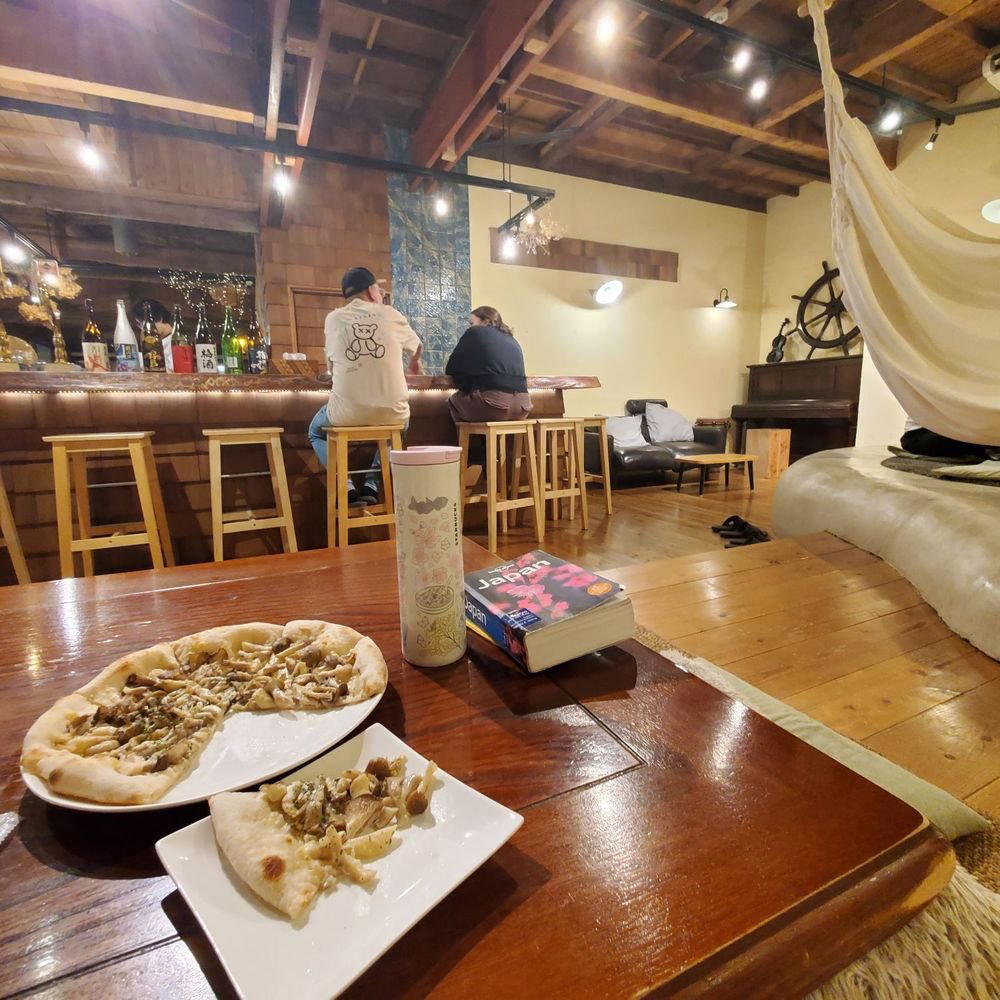
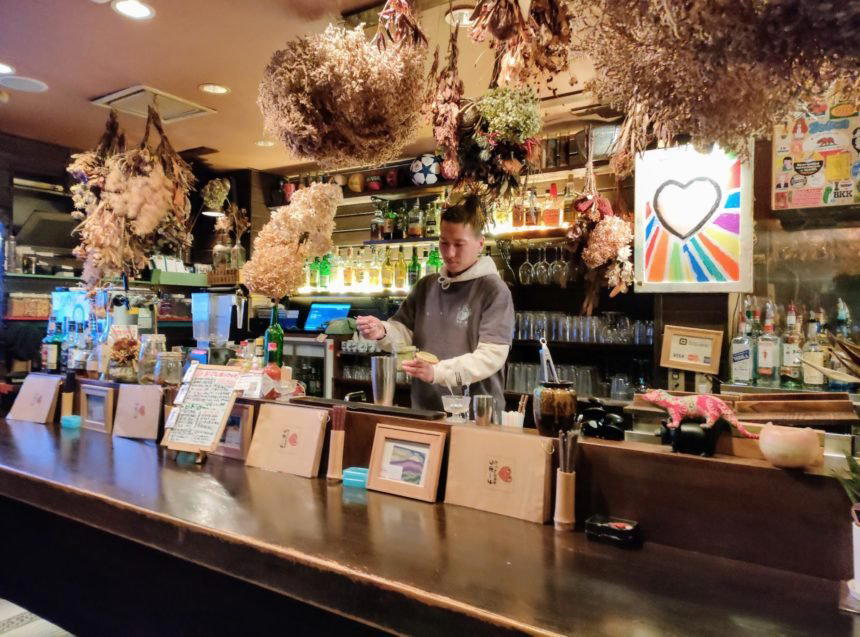
Casual, cozy neighborhood yakiniku with a lively atmosphere, compact interior, and a designated smoking area, drawing both families and meat enthusiasts.