
1 Michelin Key
On the Izu peninsula two hours from Tokyo, Arcana Izu holds a Michelin 1 Key and 16 rooms that sit at the intersection of classic ryokan tradition and international boutique design. Furniture by Osaka studio Graf and a 32-seat French restaurant where every table faces the forest make the case for a property that earns its place in Japan's most considered rural hospitality tier.

Pearl is the En Primeur Club membership app, where members save venues, book tables and use the concierge.
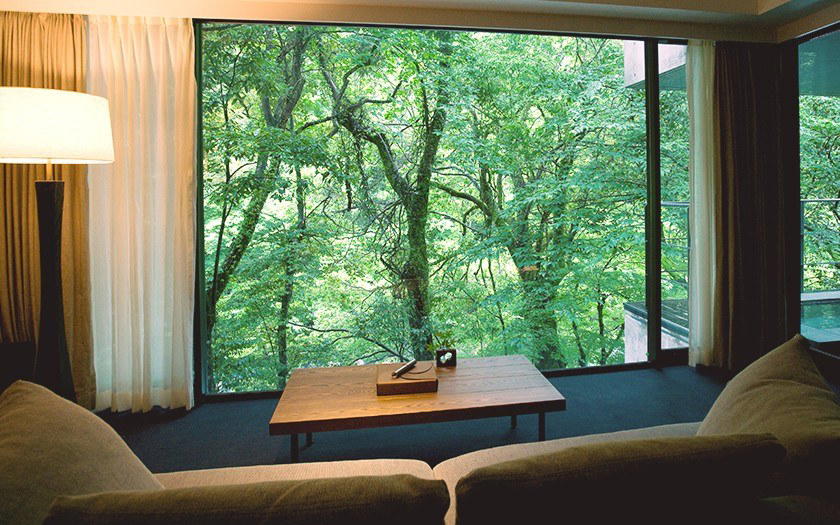
Forest as Architecture
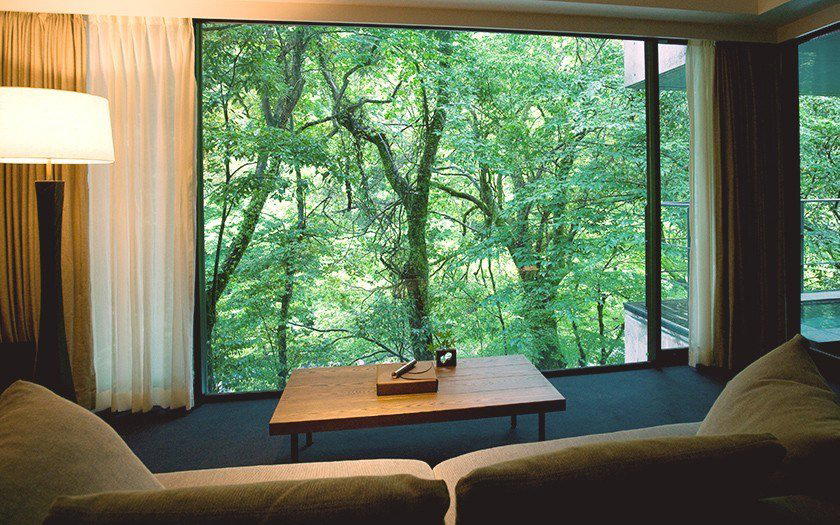
On the Izu Peninsula, roughly two hours south of Tokyo by shinkansen and road, the dominant design tradition among high-end inns has always been one of enclosure: tatami rooms that frame a stone garden, shoji screens that filter rather than reveal, corridors that direct the eye inward. Arcana Izu takes the opposite approach. The property's signature gesture is a wall of glass that faces the Yugashima forest directly, without apology or mediation. The trees are not a backdrop here; they are the primary visual event around which the rest of the architecture is organized.
This design logic runs through the entire property. Graf, the Osaka-based furniture and design studio whose work tends toward precise, material-conscious craft, furnished the interiors with a vocabulary that sits between traditional Japanese restraint and European modernism. The result is not the kind of hybrid that reads as compromise. The proportions feel considered, the materials warm enough to soften what might otherwise read as an exercise in minimalism. Where many ryokan-adjacent properties fall back on lacquer and fusuma to signal authenticity, Arcana reads its Japanese identity through structure and spatial quiet rather than surface ornament.
Sixteen Rooms, One Consistent Argument
Japan's premium rural inn market has fractured into several distinct tiers. At one end sit grand traditional ryokan, some with histories extending centuries, where the ritual of the stay, kaiseki dinner, communal onsen, yukata-clad corridors, is as codified as a tea ceremony. At the other sits a newer generation of design-forward properties that borrow the ryokan's pace and exclusivity while replacing much of its ceremony with contemporary comfort and a more international aesthetic register. Arcana Izu belongs to this second category, though it carries enough of the original spirit to avoid feeling like a hotel that simply borrowed the vocabulary.
The property holds 16 rooms. What separates it from most competitors in this bracket is the decision to give each room its own outdoor hot tub, fed by the peninsula's natural springs, placed on private balconies overlooking the forest. Communal onsen bathing is central to the ryokan tradition, and Arcana's choice to distribute that ritual across individual terraces shifts the experience significantly: it becomes quieter, more self-contained, oriented toward the couple or the solo traveller rather than the group. For comparison, properties like Asaba and Ochiairo maintain stronger ties to communal ryokan traditions; Arcana's format is the more internationally readable of the Izu options.
The French Restaurant and the Theatre Analogy
The on-site dining room seats 32 and serves French cuisine, an unusual choice for a property positioned on the peninsula's traditional inn circuit. The seating arrangement is more unusual still: all diners face the windows, arranged like an audience facing a stage, with the forest performing whatever it performs that evening, rain-wet cedar, afternoon mist, the particular quality of fading light through deciduous canopy. The configuration makes conversation between strangers unlikely and the relationship between diner and landscape unusually direct.
French restaurants in rural Japanese settings occupy a specific and well-established niche. The genre has roots in the postwar years when French technique became the prestige language of Japanese fine dining, and it has persisted in resort contexts where the formality of a tasting menu pairs naturally with the unhurried rhythm of a multi-night stay. What Arcana's restaurant offers, beyond the specific menu, is a considered spatial experience: the decision to orient every seat toward the view is an architectural choice as much as a hospitality one, and it shapes the meal in ways that a conventional dining room arrangement would not.
For those weighing Izu's wider options, Fugaku Gunjo offers a different relationship between dining and landscape, and the broader Izu restaurant and hotel guide maps the peninsula's full range of dining formats against their accommodation contexts.
Michelin Recognition and What It Signals
Arcana Izu was awarded one Michelin Key in the 2024 guide, the first year Michelin applied its hotel classification system to Japan. The Key designation evaluates the overall stay experience rather than the restaurant alone, covering design, service, and the coherence of the property as a hospitality proposition.
Within Izu specifically, the Key recognition matters because the peninsula's inn market is crowded and reputation-dependent. Most of its established names rely on longevity and word of mouth within a domestic audience. A Michelin signal, however new the system, introduces Arcana into international reference frameworks that its more traditionally minded competitors have not yet entered.
For context on what the Key system means in practice across Japan's design-led properties, comparable recognized properties include Zaborin in Hokkaido, Gora Kadan in Hakone, and Benesse House in Naoshima, each of which has staked its identity on a specific design or cultural argument rather than scale or brand affiliation.
Getting There, and Planning the Stay
The logistics of reaching Arcana Izu suit the property's positioning as a deliberate retreat rather than a convenience stop. From Tokyo Station, the shinkansen reaches Mishima in approximately one hour; from Mishima, Arcana is a 50-minute drive. Alternatively, the Izu-Hakone line runs to Shuzenji, from which the property is around 25 minutes by car. Neither route is effortless, which is part of the point: the Izu Peninsula's relative inaccessibility by direct rail has historically been part of its appeal for Tokyo residents seeking distance as well as comfort.
Rates begin at 112,000 JPY per night, positioning Arcana at the upper end of Izu's non-ryokan premium segment. The property does not accept children under 12, a policy that shapes the guest mix toward couples and adult groups and reinforces the quieter, more contemplative atmosphere the design otherwise establishes. Reservations require coordination through EP Club's customer service team rather than direct online booking, which is standard for properties whose in-stay experience depends on advance guest information. The 16-room capacity means availability is tighter than it appears, particularly on weekends when the Tokyo exodus is at its most competitive.
Travellers building a Japan itinerary around this tier of property might consider pairing Arcana with Bvlgari Hotel Tokyo as a city anchor, or extending into HOTEL THE MITSUI KYOTO for a Kansai counterpoint. Those drawn specifically to Japan's onsen-resort circuit will find useful comparisons at Amanemu in Mie, ENOWA Yufu, and Atami Izusan Karaku, each of which makes a different architectural and programmatic argument within the same broad category. Further afield, Araya Totoan in Kaga, Nishimuraya Honkan in Kinosaki-cho, Beniya Kofuyuden in Awara, Halekulani Okinawa, Jusandi in Ishigaki, Azumi Setoda, Sekitei, Fufu Kawaguchiko, Fufu Nikko, and ANA InterContinental Beppu round out the range of design-led and traditional-adjacent options across Japan. For those cross-referencing international design hotel standards, Aman New York, The Fifth Avenue Hotel, and Aman Venice offer useful reference points for the calibre of design intention Arcana is reaching toward.
A Quick Peer Check
Comparable venues nearby, for context on price, style, and recognition.
| Venue | Cuisine | Price | Awards | Notes |
|---|---|---|---|---|
| Arcana IzuThis venue (the venue you are viewing) | Modern luxury auberge blending contemporary minimalism with traditional Japanese ryokan hospitality in a forest setting. | Not listed | 1 Michelin Key | Not listed |
| Ochiairo | Traditional sukiya-style onsen ryokan blending historical architecture with modern comforts. | $1,000–1,500 | 1 Michelin Key | Yugashima |
| Fugaku Gunjo | Traditional Japanese ryokan with modern luxury | Not listed | 1 Michelin Key | Yagisawa |
| Asaba | Traditional Japanese ryokan with modern touches | $750–1,000 | 3 Michelin Keys · La Liste Top Hotels | Shuzenji Onsen |
| InterContinental Yokohama Pier 8 | Nautical-inspired luxury hotel blending maritime heritage with modern Japanese serenity | Not listed | 1 Michelin Key | Naka |
| Bettei Senjuan | Modern luxury ryokan with traditional Japanese elements and contemporary design. | $200–300 | 1 Michelin Key · Relais Chateaux Award | Minakami-machi |
Recognition history
Dated appearances from independent guides and award organizations, with the underlying list record or original source where available.
Michelin 1 Key
Michelin
Full recognition history (3 entries)
Michelin 1 Key
Michelin
Michelin 1 Key
Michelin
Continue exploring
More in Izu
Hotels in Izu
All hotels in Izu →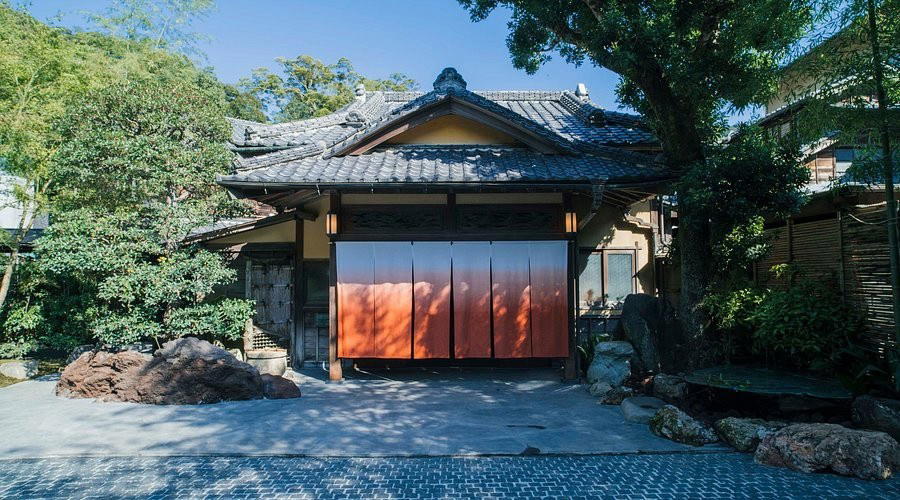
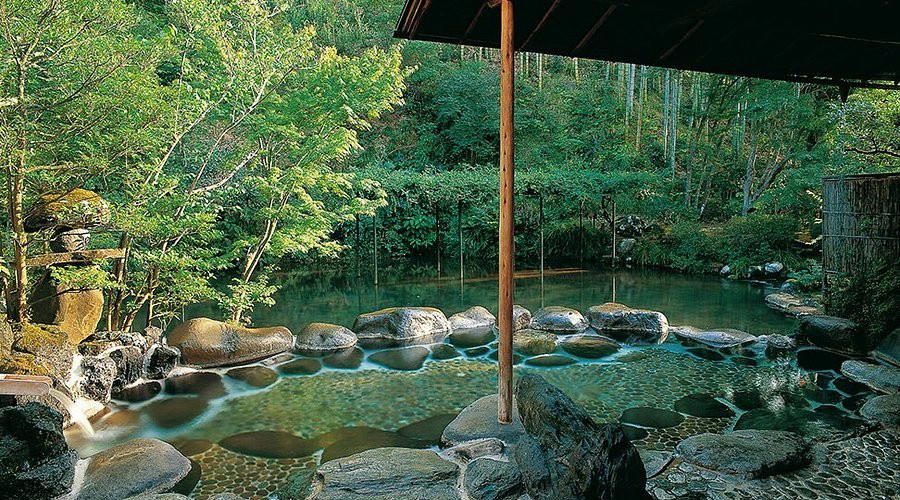
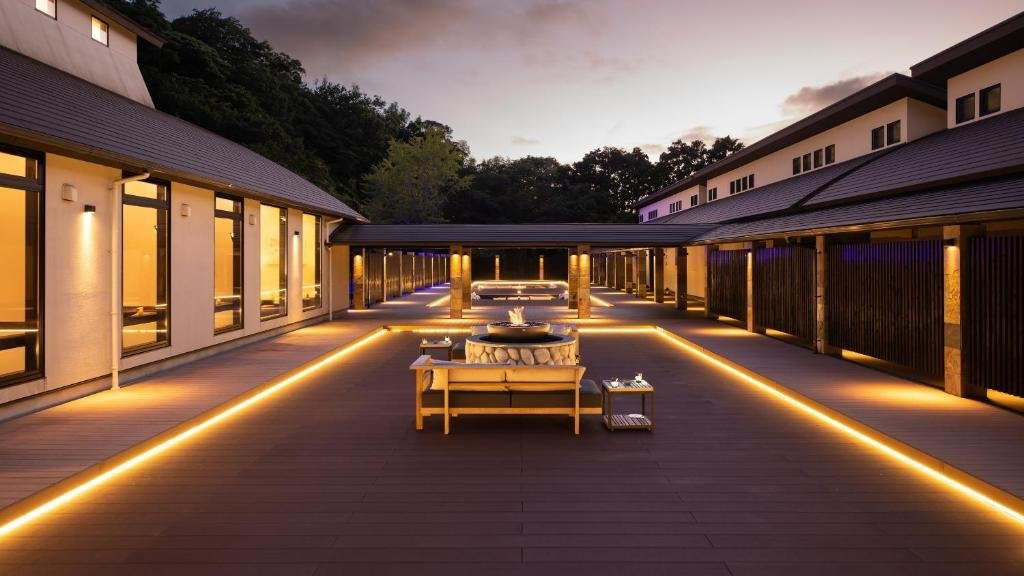
Bars in Izu
Browse all →
Details
- Romantic
- Quiet
- Scenic
- Elegant
- Minimalist
- Romantic Getaway
- Wellness Retreat
- Anniversary
- Weekend Escape
- Private Villa
- Butler Service
- Destination Spa
- Waterfront
- Garden
- Panoramic View
- Private Dining
- Wi Fi
- Spa
- Room Service
- Concierge
- Valet Parking
- Restaurant
- Massage
- Mountain
- Garden
- Waterfront
Minimalist, warm interiors with soft lighting overlooking forest and river views; serene, intimate atmosphere designed for relaxation and connection to nature.