Odaiba Ōedo-Onsen Monogatari brings the structure and ritual of a traditional Edo-period bathhouse to the heart of Tokyo Bay, occupying a purpose-built complex in Aomi, Koto City. The format sits at the intersection of public bathhouse culture and themed leisure, drawing on natural hot spring water piped from below the bay floor. For visitors seeking an accessible introduction to onsen culture without the remoteness of a ryokan retreat, it occupies a distinct niche in Tokyo's wellness offering.
Tokyo Bay and the Architecture of the Bathhouse Experience
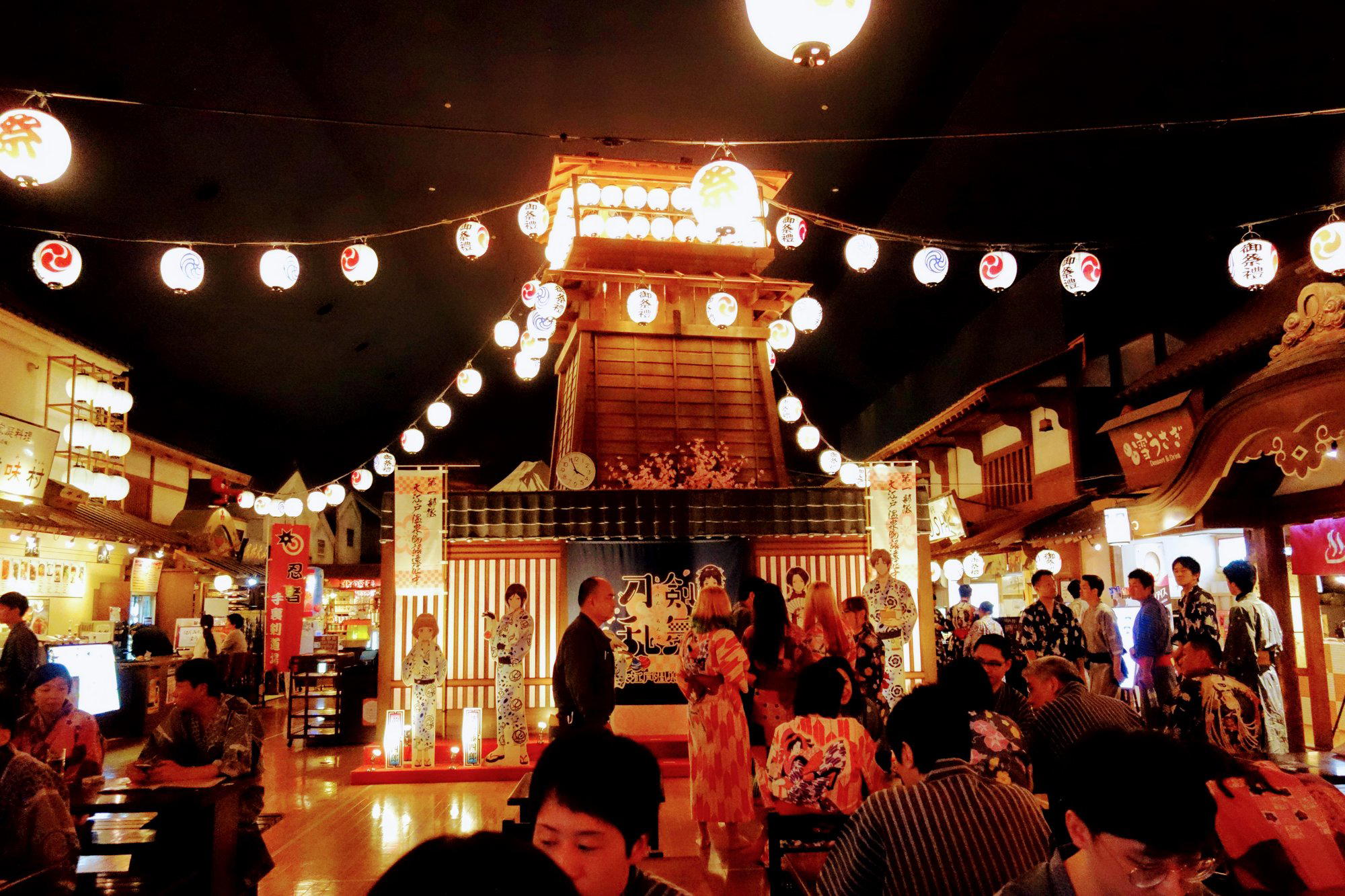
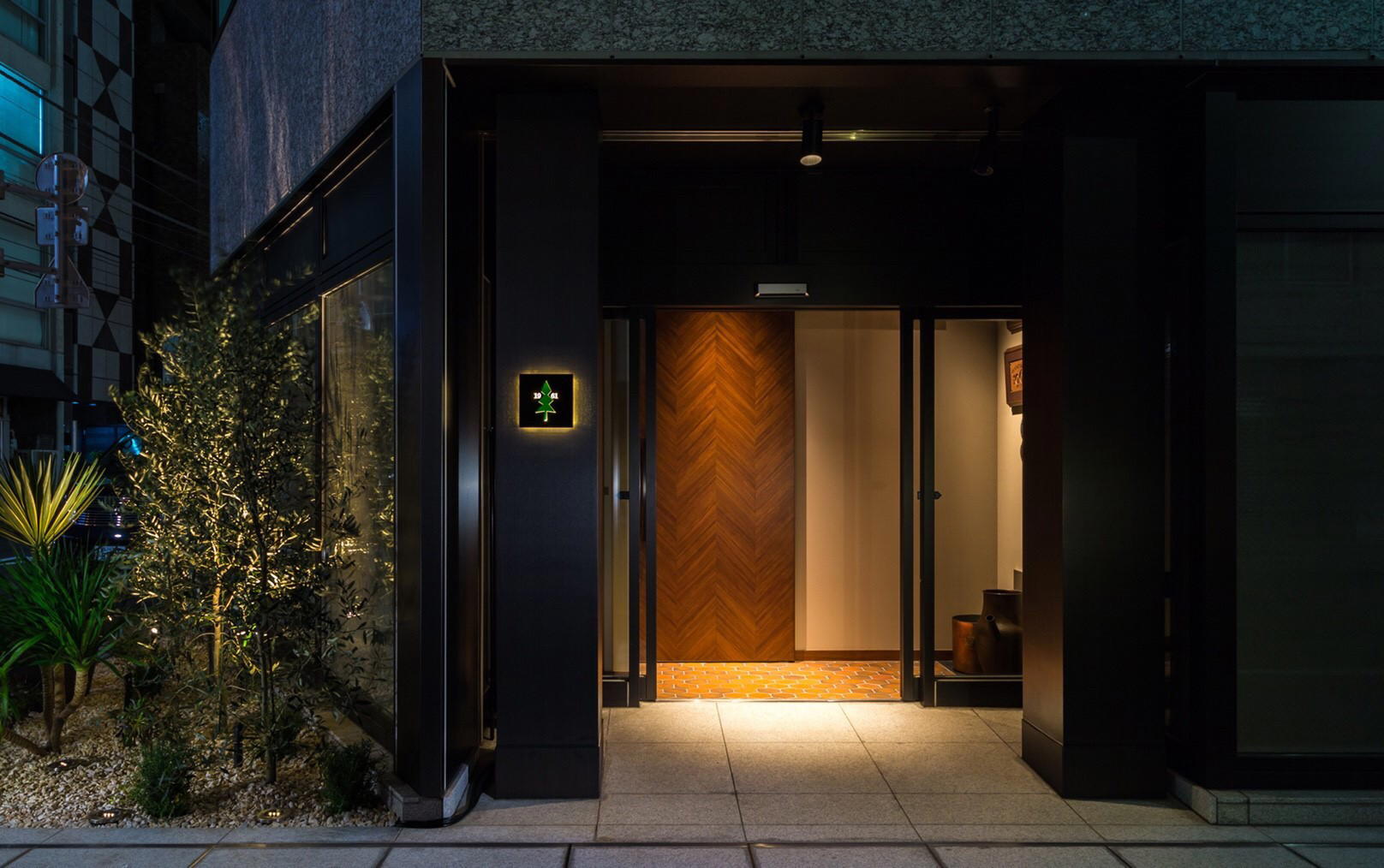
Approaching the Odaiba waterfront from Aomi station, the urban density of central Tokyo gives way to something deliberately slower. Odaiba Ōedo-Onsen Monogatari, located at 2 Chome-6-3 Aomi in Koto City, is designed from the entrance inward to signal a change of register. The exterior cues are theatrical: lanterns, wooden signage, and the visual grammar of an Edo-period market town. This is not accidental. The complex is built around the idea that the act of bathing, in Japan, has always been as much about the social and spatial experience as the water itself.
Japan's onsen tradition stretches back centuries, and the public bathhouse, or sento, sits at its democratic core. Unlike the private rotenburo pools at a remote ryokan such as Gora Kadan in Hakone or the immersive stillness of Zaborin in Kutchan, the large-format urban onsen facility operates on a different logic: accessibility, variety of bath types, and the inclusion of communal dining and entertainment within a single covered complex. Ōedo-Onsen Monogatari positions itself as a modern iteration of that tradition, with the Odaiba site being its Tokyo flagship before the brand's wider closure and evolution in later years.
Natural Water in an Artificial Setting
The editorial angle that matters most here is provenance. Tokyo sits above geothermal water sources, and Odaiba is no exception: the facility draws natural hot spring water from wells beneath Tokyo Bay, a geological fact that separates it from facilities using heated municipal water. In onsen culture, the distinction between tennen onsen (natural hot spring) and heated water is treated with the same seriousness that wine regions apply to appellation boundaries. The source matters because mineral content, temperature at extraction, and the absence of artificial heating all affect the bathing experience in ways that are measurable, not merely ceremonial.
This sourcing context is worth holding against the broader Tokyo wellness picture. Properties like Aman Tokyo or Bvlgari Hotel Tokyo offer spa facilities at the high end of the hotel tier, but none pipe naturally occurring geothermal water from below the building. The onsen format, even in a themed commercial complex, delivers something the luxury hotel spa cannot replicate in the same way.
The Format: What You Are Actually Buying
Ōedo-Onsen Monogatari operates on a day-use admission model standard to Japan's larger onsen parks. Entry grants access to the central bath complex, which includes both indoor and outdoor pools across gender-separated facilities, as well as a shared yukata-wearing zone modelled on an Edo-period monogatari, or narrative townscape. The design deploys food stalls, games, and rest areas within the central hall, creating a self-contained leisure environment that functions across several hours rather than the compressed forty-minute spa visit more common in Western wellness contexts.
The yukata provided on entry is not decorative. Wearing it throughout the shared areas is expected, and the practice connects visitors to the same conventions governing yukata use at traditional inn destinations like Nishimuraya Honkan in Kinosaki-cho or Asaba in Izu. The difference is context: at a ryokan, the yukata is worn in privacy or during a structured kaiseki dinner. At Ōedo-Onsen Monogatari, it is worn in a crowd, which is either a feature or a drawback depending on what kind of immersion you are seeking.
Odaiba as a Neighbourhood Context
Odaiba is Tokyo's reclaimed-land leisure district, built on artificial islands in Tokyo Bay and connected to the city by the driverless Yurikamome line and the Rainbow Bridge road crossing. It reads as a planned entertainment precinct rather than an organic neighbourhood, which has both advantages and limitations. The advantage is space: the district accommodates large-footprint facilities that could not exist within the density of Shinjuku or Shibuya. The limitation is that Odaiba lacks the street-level texture that makes areas like Yanaka or Nakameguro feel like lived places rather than destinations.
For the onsen visit, the artificial-island setting is largely incidental once you are inside the complex. But the journey matters to the overall experience. The Yurikamome line from Shimbashi takes roughly fifteen minutes, and the refined route offers unobstructed views across Tokyo Bay, a transit experience with more visual payoff than most subway connections in the city. Those staying at waterfront-adjacent hotels, including Bellustar Tokyo, A Pan Pacific Hotel, are better positioned for the journey than guests based in Marunouchi properties like Four Seasons Hotel Tokyo at Otemachi or Palace Hotel Tokyo, where the cross-city journey adds time.
Where Ōedo-Onsen Monogatari Sits in the Japan Onsen Spectrum
Japan's onsen properties span from public municipal bathhouses charging a few hundred yen to high-end ryokan where onsen access is bundled into multi-night stays at premium rates. Ōedo-Onsen Monogatari sits in a middle tier: commercial in scale, themed in presentation, but anchored by genuine geothermal water. This places it in a different category from purely performative facilities, while remaining accessible to visitors without the planning required for a full ryokan stay.
For comparison: a night at Amanemu in Mie, which draws on the Shima Peninsula's geothermal springs, represents the best of the spectrum in terms of integration between setting, service, and water source. Fufu Kawaguchiko in Fujikawaguchiko and Fufu Nikko in Nikko sit in a boutique ryokan tier where the onsen is private and the surroundings are rural. Ōedo-Onsen Monogatari asks for neither the budget nor the overnight commitment of those options, which explains its position in Tokyo's visitor economy as a legitimate onsen introduction rather than a compromise.
Visitors planning broader Japan itineraries combining urban and regional stays might also consider HOTEL THE MITSUI KYOTO in Kyoto, ENOWA Yufu in Yufu, or the more remote Halekulani Okinawa and Jusandi in Ishigaki for onsen and wellness dimensions integrated into overnight stays. The Benesse House in Naoshima and Sekitei in Hatsukaichi-shi round out the picture of Japan's design-led hospitality sector, where wellness often intersects with arts programming.
Planning the Visit
The Aomi address in Koto City is direct to reach from central Tokyo via the Yurikamome line to Telecom Center station or the Rinkai line to Tokyo Teleport, followed by a short walk. The complex is built for multi-hour visits, so arriving mid-morning to avoid peak afternoon crowds is the standard local approach. The yukata, towels, and locker access are included in standard entry. Visitors with tattoos should check current admission policies, as onsen facilities in Japan historically apply restrictions in this area, though policies vary by operator and have been evolving. Those seeking further Tokyo context can explore our full Tokyo restaurants and experiences guide, which maps the city's wider hospitality scene across neighbourhoods and price tiers. For base hotels, Andaz Tokyo, JANU Tokyo, and The Capitol Hotel Tokyu represent the mid-to-upper tier of Tokyo's hotel market and serve as practical bases for city-wide exploration.
Cuisine Lens
| Venue | Cuisine | Price | Awards |
|---|---|---|---|
| Odaiba Ōedo-Onsen MonogatariThis venue (the venue you are viewing) | This venue | Not listed | Not listed |
| Bvlgari Hotel Tokyo | Michelin 3 Key, World's 50 Best | Not listed | 3 Michelin Keys · World's 50 Best #24 |
| Aman Tokyo | Michelin 2 Key, World's 50 Best | Not listed | 2 Michelin Keys · World's 50 Best #11 |
| Four Seasons Hotel Tokyo at Otemachi | Michelin 3 Key | Not listed | 3 Michelin Keys · La Liste Top Hotels |
| Palace Hotel Tokyo | Michelin 3 Key | Not listed | 3 Michelin Keys · World's 50 Best #73 |
| Andaz Tokyo | Michelin 1 Key | $300–500 | 1 Michelin Key |
Continue exploring
More in Tokyo
Hotels in Tokyo
All hotels in Tokyo →

Bars in Tokyo
All bars in Tokyo →




Details
- Classic
- Scenic
- Well Known
- Whimsical
- Family Vacation
- Weekend Escape
- Waterfront
- Destination Spa
- Pool
- Spa
- Massage
Festive and lively Edo-era atmosphere with lanterns, street food stalls, carnival games, and guests in yukata creating a traditional Japanese festival vibe.