
Michelin Selected
A Michelin Selected property in Nihonbashi-Bakurocho, DDD Hotel occupies one of central Tokyo's more deliberately understated addresses. The hotel sits in Chuo-ku's textile district, where the neighbourhood's working character provides a counterpoint to the polished anonymity of hotel corridors elsewhere in the city. Selected by the Michelin guide's 2025 hotels list, it positions itself outside the flagship luxury tier and closer to design-conscious travellers seeking a different kind of Tokyo overnight.

Pearl is the En Primeur Club membership app — saves, bookings, and concierge access live there. Same editors, same standards.
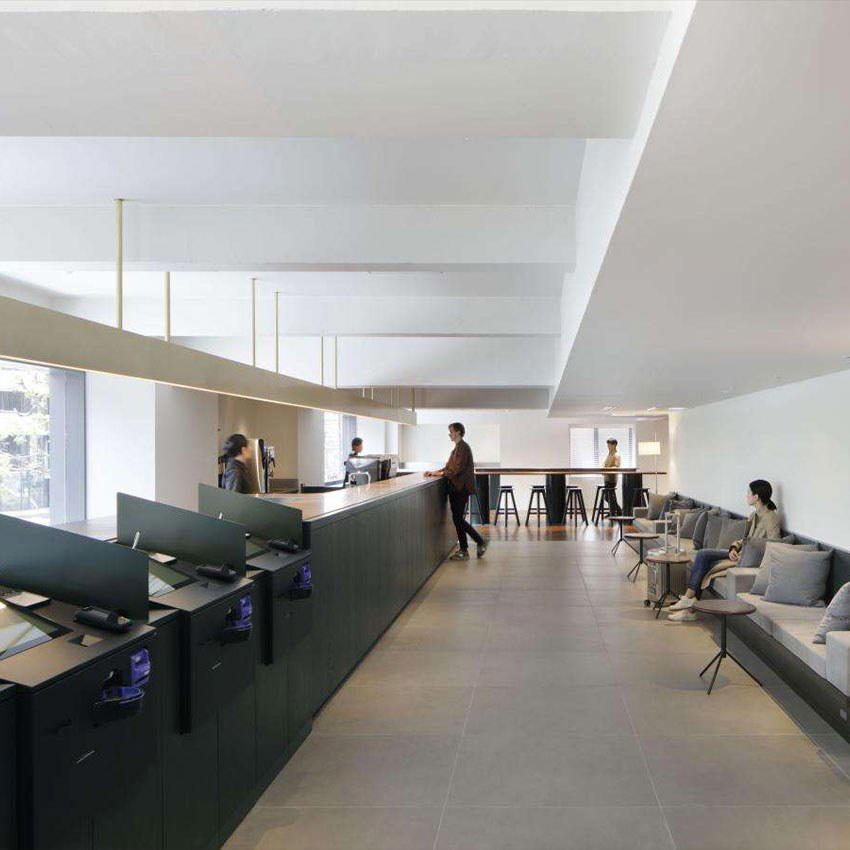
Nihonbashi's Other Register
Tokyo's hotel market has polarised sharply over the past decade. At one end, flagship luxury properties like Bvlgari Hotel Tokyo, Aman Tokyo, and Four Seasons Hotel Tokyo at Otemachi compete on scale, sky-high positioning, and branded prestige. At the other, a quieter cohort of Michelin Selected properties operates with a different logic: tighter in scope, more neighbourhood-embedded, and less interested in the theatre of arrival. DDD Hotel, at 2-2-1 Nihonbashi-Bakurocho in Chuo-ku, belongs to this second tier.
Nihonbashi-Bakurocho is not where most international visitors plant themselves. The district carries the residue of its textile-trading past in its streetscape: wholesale showrooms, fabric warehouses converted into offices, a working rhythm that differs from the curated pedestrian zones of Ginza or the hotel corridors of Otemachi. For a guest choosing DDD Hotel, this context is part of the proposition rather than a concession.
The Overnight Logic
The Michelin hotels guide, now in its 2025 edition, applies the same evaluative framework to hotels that its restaurant arm applies to kitchens: comfort, service quality, and a sense of place that goes beyond category compliance. Selection, as opposed to a starred or keyed distinction, signals that a property meets those criteria without necessarily competing at the trophy end of the market. DDD Hotel's inclusion on that 2025 list places it in a peer group of Tokyo properties that Michelin's inspectors consider worth the stay, independent of size or rate positioning.
What that means practically, for a guest arriving in Chuo-ku after a long haul, is that the overnight experience has been vetted against a set of standards that weigh the room itself, the quality of sleep it enables, and the competence of the service envelope. Properties like Palace Hotel Tokyo and The Capitol Hotel Tokyu sit in the Michelin orbit too, though at a different scale and rate tier. DDD Hotel's position is more specific: a property where the room experience is the primary argument, not the F&B programme, the wellness floor, or the branded amenity stack.
Inside the Room: What the Stay Is Actually About
The overnight stay in Tokyo's mid-tier design hotels has become a studied category. Guests in this bracket are not simply looking for a bed within reach of Shinkansen access; they are choosing a room that reflects a considered position on what sleep, light, and spatial proportion should feel like in a dense urban environment. Tokyo's best-executed properties in this tier tend to work with natural materials and calibrated acoustics rather than gesture toward luxury through surface area or amenity volume.
At the Michelin Selected tier, inspectors pay particular attention to bedding quality, bathroom finish, and the degree to which a room functions as a coherent environment rather than an assembly of contracted-out components. For a property in Nihonbashi-Bakurocho, the neighbourhood's compressed scale likely informs how interior space is treated: rooms that earn their square footage through intelligence of layout rather than raw footage, bathrooms where material choices carry the design argument rather than scale alone. This is a distinct approach from the panoramic-view logic of Andaz Tokyo or Bellustar Tokyo, A Pan Pacific Hotel, where height and cityscape are central to the room's identity.
Technology integration in Tokyo hotel rooms has moved beyond novelty. Properties at this level are expected to handle blackout systems, climate controls, and connectivity without friction. The test is whether these systems recede into the room's logic or interrupt it. Michelin's selection criteria implicitly demands the former.
Where DDD Hotel Sits in Tokyo's Broader Hotel Picture
Tokyo's hotel taxonomy is worth mapping for anyone planning a stay. The trophy tier (Bvlgari, Aman, JANU Tokyo) operates at rate levels and prestige signals that have little to do with neighbourhood character. The upper-mid tier, anchored by long-established addresses like Palace Hotel Tokyo, competes on legacy and location relative to landmarks. DDD Hotel operates in a third register: design-led, neighbourhood-specific, Michelin-vetted, and deliberately outside the central luxury corridor.
This positioning has precedent in other Japanese cities. Properties like HOTEL THE MITSUI KYOTO in Kyoto have shown that Michelin recognition can anchor a property's reputation independently of its room count or brand affiliation. At a regional scale, ryokan properties including Gora Kadan in Hakone, Zaborin in Kutchan, and Asaba in Izu demonstrate how Michelin selection functions as a trust signal across very different property formats. DDD Hotel's selection places it in that broader company of properties where the guide's endorsement carries weight precisely because it is not applied automatically to anything with a high rack rate.
For travellers building Japan itineraries that move between Tokyo and the regions, the pattern is consistent: Michelin's hotel guide tends to identify properties where the physical stay itself has been thought through, whether that is a design hotel in Chuo-ku, an onsen ryokan in Kinosaki-cho, a resort property in Okinawa, or a remote island stay at Benesse House in Naoshima. DDD Hotel sits at the Tokyo end of that network.
Practical Considerations
The hotel's address at 2-2-1 Nihonbashi-Bakurocho places it within Chuo-ku, a ward with direct access to multiple Tokyo Metro lines and within reasonable distance of Tokyo Station. For guests arriving from Narita or Haneda, both of which connect into the central rail network, Nihonbashi-Bakurocho is accessible without significant routing difficulty. The district's working character means the immediate surroundings are quieter at weekends than during the working week, which affects both street-level noise and the availability of neighbourhood restaurants and cafes.
Booking through the Michelin guide's hotel platform, which listed DDD Hotel in its 2025 selection, is one route to reservation. For broader Tokyo restaurant planning around the stay, our full Tokyo restaurants guide covers the city's dining range from omakase counters to neighbourhood standing bars. Travellers extending beyond Tokyo to other Michelin Selected properties in Japan might also consider Fufu Nikko in Nikko, Amanemu in Mie, or Fufu Kawaguchiko in Fujikawaguchiko as complementary stays within the same quality tier.
Fast Comparison
| Venue | Cuisine | Price | Awards |
|---|---|---|---|
| DDD HotelThis venue — the venue you are viewing | This venue | Not listed | Michelin Selected |
| Bvlgari Hotel Tokyo | Michelin 3 Key, World's 50 Best | Not listed | 3 Michelin Keys · World's 50 Best #24 |
| Aman Tokyo | Michelin 2 Key, World's 50 Best | Not listed | 2 Michelin Keys · World's 50 Best #11 |
| Palace Hotel Tokyo | Michelin 3 Key | Not listed | 3 Michelin Keys · World's 50 Best #73 |
| Four Seasons Hotel Tokyo at Otemachi | Michelin 3 Key | Not listed | 3 Michelin Keys · La Liste Top Hotels |
| Andaz Tokyo | Michelin 1 Key | $300–500 | 1 Michelin Key |
Recognition history
Dated appearances from independent guides and award organizations, with the underlying list record or original source where available.
Michelin Selected
Michelin






Details
- Modern
- Minimalist
- Quiet
- Sophisticated
- Business Trip
- Weekend Escape
- Group Retreat
- Design Destination
- Historic Building
- Private Dining
- Wi Fi
- Restaurant
- Bar
- Concierge
- Elevator
- 24 Hour Front Desk
- Luggage Storage
- Air Conditioning
- Street Scene
- Elevator
- Step Free Entrance
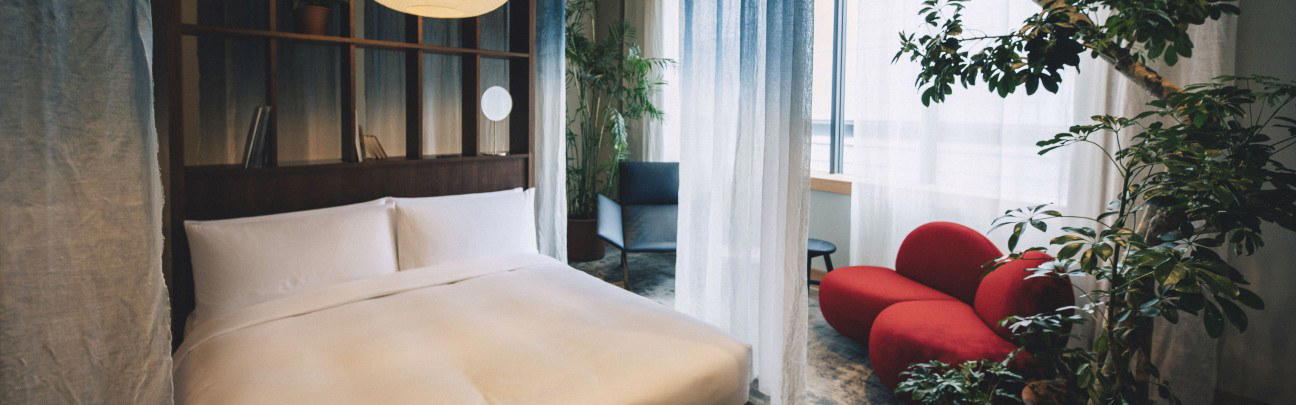
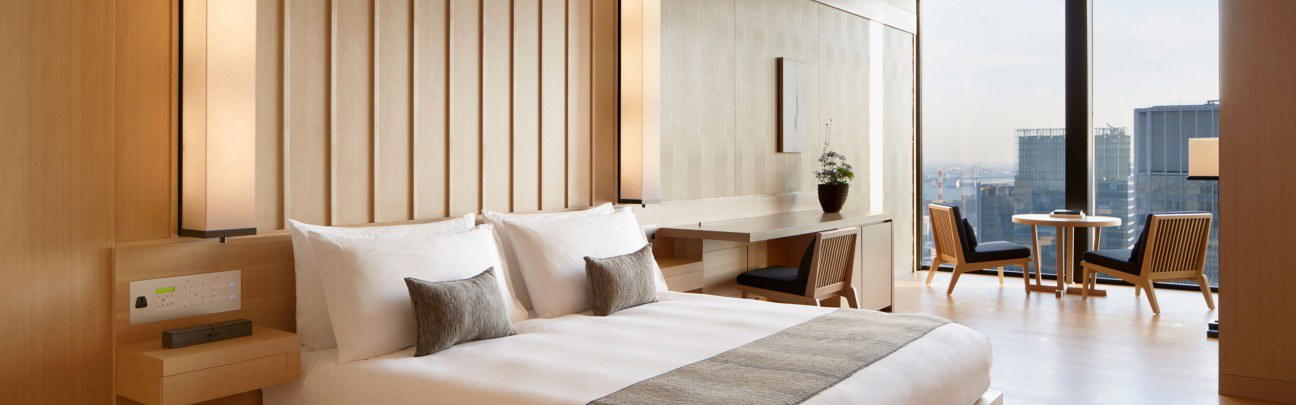
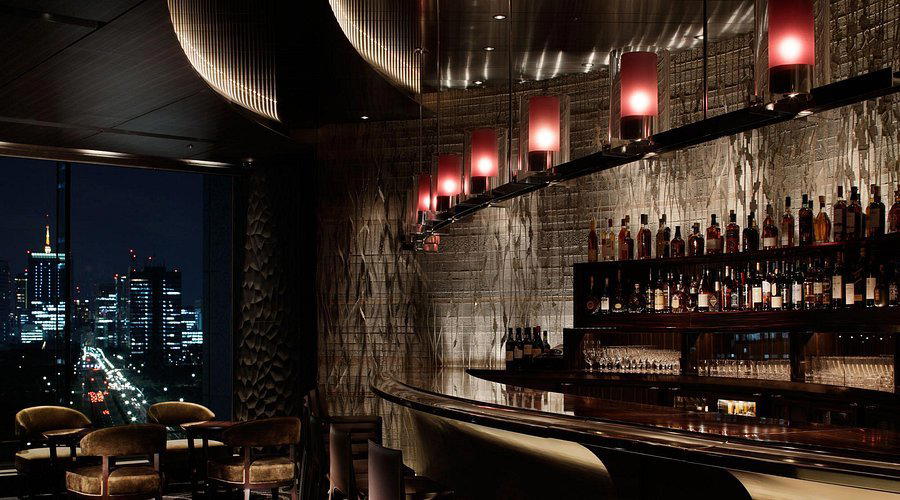
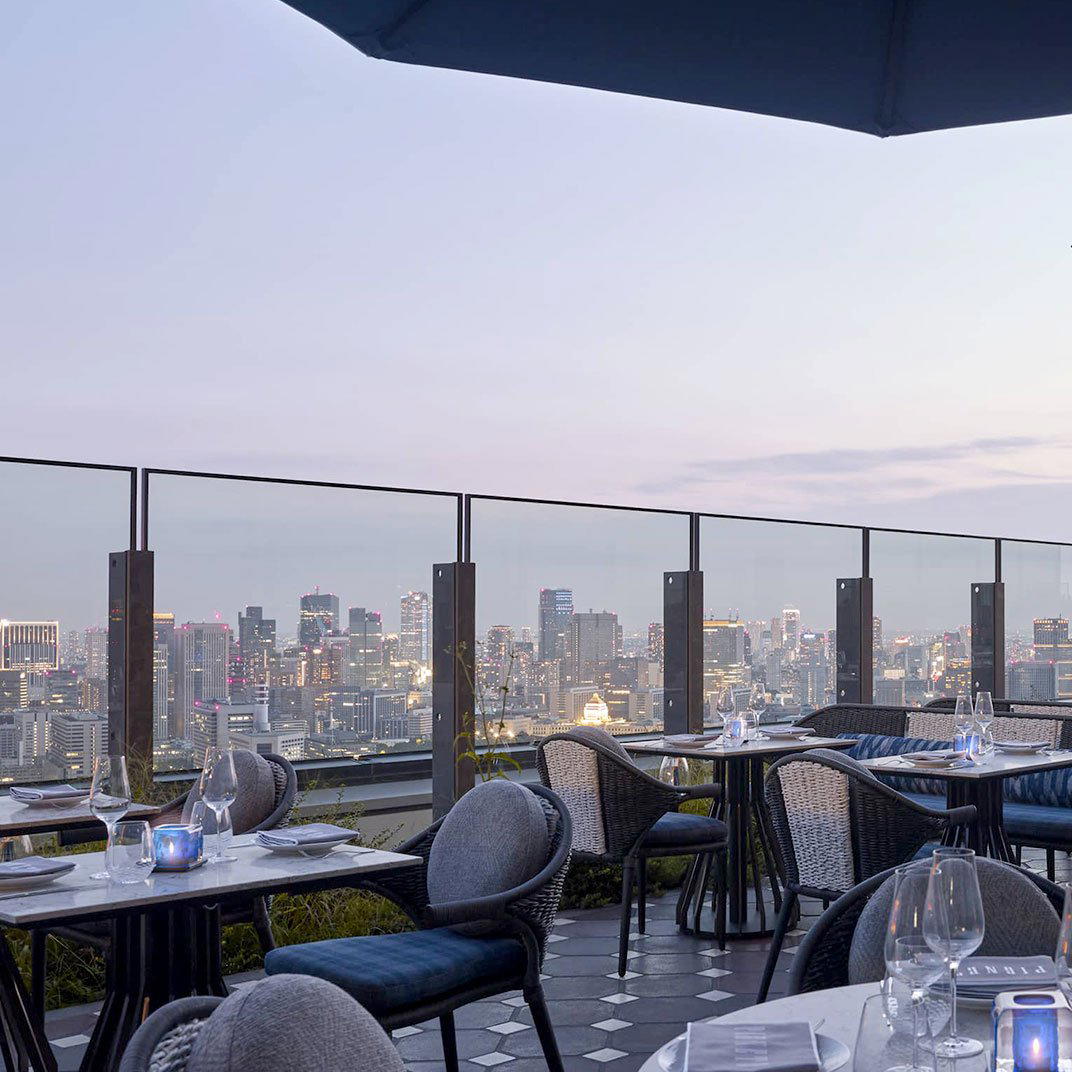
Minimalist, calm, and design-forward, with moss-green, white, and brass-gold tones that create a quiet, refined atmosphere.